
Breast Augmentation in Vietnam: Patient Guide
Breast augmentation in Vietnam typically costs between $2,500 and $4,500. This estimate varies depending on the implant type, the complexity of the procedure, and the chosen facilitys standard of care for international patients.

Key Takeaways
- The procedure involves surgically placing silicone or saline implants to enhance breast volume and shape.
- Costs are generally more accessible compared to Western countries, drawing patients for medical tourism.
- Thoroughly vetting the credentials and certifications of medical professionals is critical before traveling.
- Recovery requires several weeks of restricted activity, and patients should plan for adequate local stay before flying.
- Implants require long-term monitoring and are not considered permanent, lifetime medical devices.
What is the average Breast Augmentation cost in Vietnam compared to other regions?
The Breast Augmentation cost in Vietnam typically ranges from $2,500 to $4,500, which is considerably lower than the $6,000 to $10,000 average found in the United States and the United Kingdom.
Understanding the pricing structure is essential for patients exploring options abroad. The total financial commitment encompasses various elements beyond just the surgical fee. When evaluating quotes from different providers, patients must clarify whether the estimated price includes the cost of the implants, anesthesia fees, operating room charges, and preoperative consultations. Some facilities bundle these services into comprehensive packages, while others bill them separately.
The type and brand of the implant significantly influence the final expense. Internationally recognized silicone gel implants or highly cohesive anatomical options generally command a higher price point than standard saline variants. Additionally, cases requiring specialized techniques, such as combining the procedure with a lift or utilizing advanced dual-plane placement, may incur higher fees due to the extended operative time and required surgical expertise.
While the financial aspect is often the primary driver for seeking care overseas, patients must balance cost considerations with safety and quality standards. Selecting a facility based solely on the lowest price can elevate the risk of subpar outcomes or medical complications. It is crucial to factor in hidden expenses such as extended local accommodation, specialized postoperative garments, and potential follow-up care when budgeting for the journey.
What types of implants are used for Breast Augmentation in Vietnam?
Patients undergoing Breast Augmentation in Vietnam can typically choose between FDA-cleared or CE-marked saline, standard silicone, and highly cohesive silicone gel implants.
Saline implants are filled with sterile saltwater and are inserted empty before being filled to the desired volume during surgery. This method allows for smaller incision sites. If a saline shell ruptures, the implant deflates visibly, and the body safely absorbs the liquid. However, some patients feel that saline options lack the natural texture of real tissue and may be prone to visible rippling, especially in individuals with minimal natural breast volume.
Standard silicone implants contain a soft, viscous gel that closely mimics the density and feel of human fat tissue. They are pre-filled, requiring a slightly larger surgical incision for placement. While highly popular for their natural outcome, silicone ruptures can be silent. This means a tear might not cause immediate physical changes, necessitating routine imaging scans to ensure the integrity of the device remains intact over the years.
Highly cohesive silicone implants, often referred to as form-stable options, are designed with a thicker gel that maintains its shape even if the outer shell is compromised. They are available in both round and anatomically teardrop shapes. These specialized devices provide distinct projection and firmness but require absolute precision during placement, as shifting or rotation within the pocket can lead to visible asymmetry.
What does the typical procedure involve at a Breast Augmentation clinic in Vietnam?
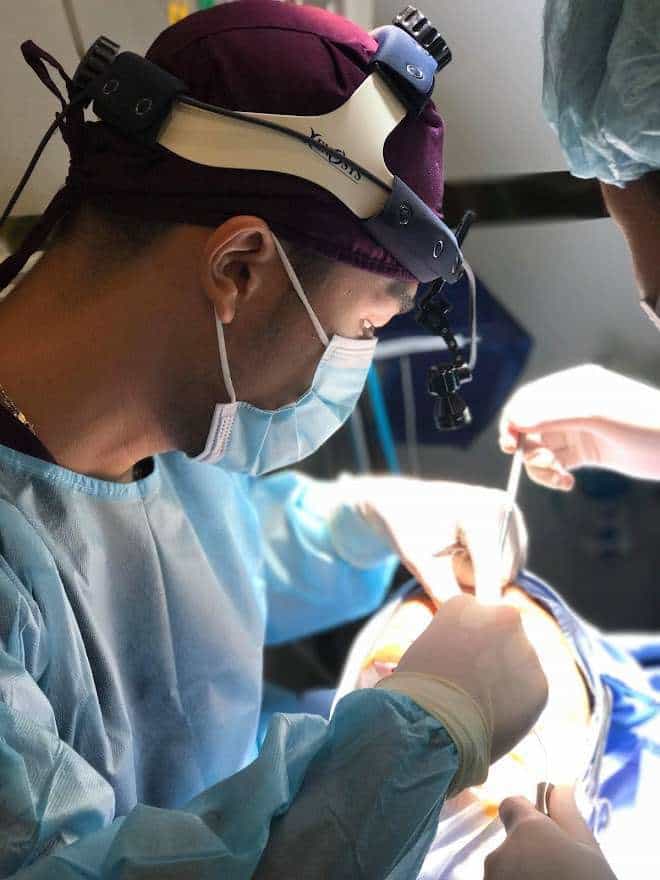
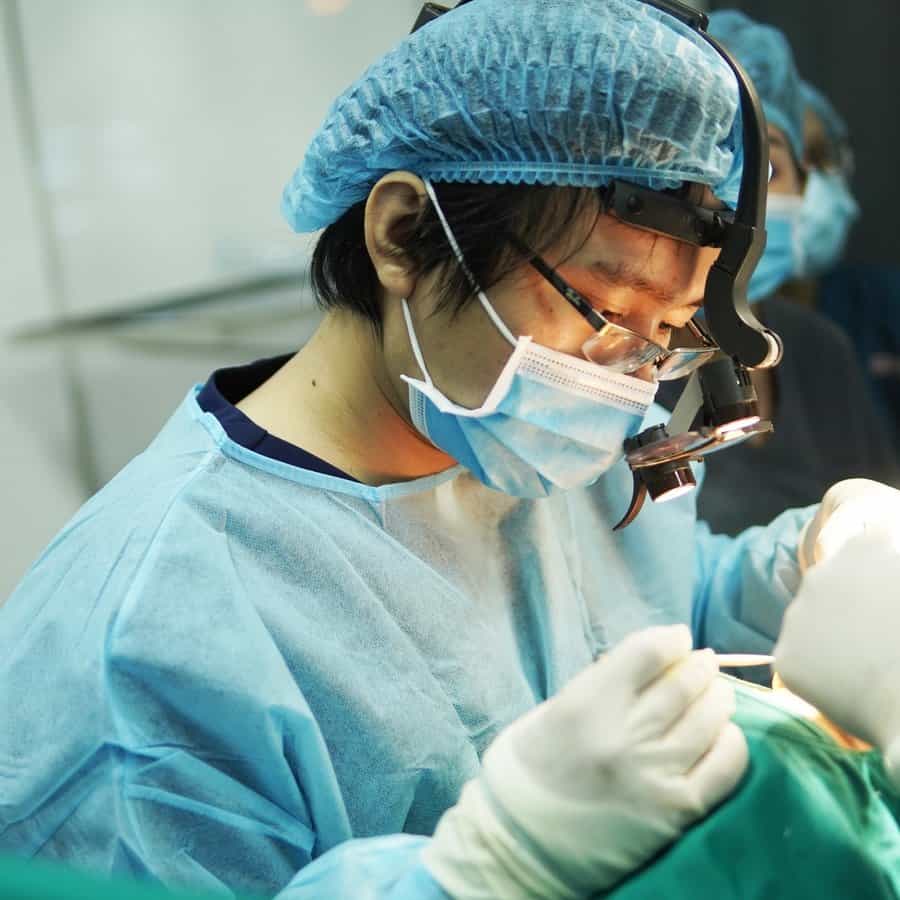
A reputable Breast Augmentation clinic in Vietnam typically performs the one to two-hour procedure under general anesthesia, creating incisions to place the implants either over or under the pectoral muscle.
- The surgical team administers intravenous sedation or general anesthesia to ensure the patient remains entirely comfortable and unaware throughout the operation.
- The surgeon makes incisions in predetermined locations, commonly under the breast crease, around the edge of the areola, or sometimes within the natural folds of the armpit.
- A precise surgical pocket is created either directly behind the mammary gland tissue or partially beneath the chest wall muscle.
- The sterile implants are carefully inserted, positioned, and assessed for symmetry and optimal aesthetic projection.
- The incisions are meticulously closed using layered sutures, skin adhesives, or surgical tape to minimize future scarring.
- The chest is wrapped in supportive bandages, and the patient is transferred to a recovery suite for immediate postoperative monitoring.
Did You Know?
The choice between subglandular placement and submuscular placement often depends on the patients natural breast tissue density. Placing the implant beneath the muscle can provide better coverage for very slender patients, reducing the likelihood of visible implant rippling.
How should I prepare for medical tourism in Vietnam for this procedure?
Preparing for medical tourism in Vietnam requires scheduling preliminary virtual consultations, undergoing local medical evaluations, and meticulously organizing your recovery environment in the destination country.
Preparation begins weeks before boarding a flight. Patients must participate in detailed virtual consultations to align their aesthetic goals with surgical realities. During these sessions, comprehensive medical histories, including prior surgeries, allergies, and current medications, must be transparently shared. Providers will usually mandate a series of routine blood tests and possibly a baseline mammogram or ultrasound to ensure the patient is physically fit for elective surgery.
Adjusting lifestyle habits is a critical component of surgical preparation. Patients are strictly advised to cease smoking and avoid any nicotine products for several weeks before and after the operation, as nicotine severely impairs circulation and delays wound healing. Additionally, certain medications and supplements, including aspirin, ibuprofen, and specific herbal vitamins, must be paused to mitigate the risk of excessive bleeding during the operation.
Logistical planning is equally important for international patients. It is vital to secure comfortable local accommodation near the medical facility for the initial recovery phase. Patients should arrange for a travel companion to assist them during the first few vulnerable days post-surgery, ensure they have loose-fitting clothing that zips or buttons in the front, and plan to remain in the country until cleared for air travel by the attending physician.
What is the recovery process like after getting breast implants?
The initial healing phase requires one to two weeks of rest, during which patients typically experience swelling and soreness, followed by a longer period where the implants gradually settle into their final position.
Immediately following the procedure, patients will wake up with a feeling of tightness across their chest. Acute pain is generally managed with prescribed oral analgesics. The surgical site will be swollen and may exhibit varying degrees of bruising. Patients are typically required to wear a specialized compression garment or surgical bra continuously for several weeks to support the newly positioned tissue and minimize fluid buildup.
During the first fortnight, rest is paramount. Patients must sleep on their backs with their upper bodies elevated to facilitate proper fluid drainage and reduce swelling. Any activity that elevates blood pressure or involves lifting the arms above the shoulders is strictly prohibited. While short, gentle walks are encouraged to prevent blood clots, rigorous physical exertion, heavy lifting, and demanding domestic chores must be entirely avoided.
The complete maturation of the surgical results is a gradual process. While most individuals can return to desk jobs within ten to fourteen days, the implants may initially sit high on the chest. Over the ensuing three to six months, the tissue relaxes, and the implants drop into a more natural, anatomical position. Scars will slowly transition from red and raised to flat and faded, though they will never completely disappear.
Important Consideration
Postoperative swelling can heavily influence the initial appearance of the chest, sometimes causing temporary asymmetry. It is crucial for patients to exercise patience and allow the body adequate time to heal before making judgements about the final aesthetic outcome.
Are there risks or potential complications associated with the procedure?
While often performed safely in suitable patients, the surgery carries standard surgical risks like infection and bleeding, alongside implant-specific complications such as capsular contracture and rupture.
- Infections can occur around the surgical site, occasionally necessitating the temporary removal of the device until the area fully heals.
- Hematomas, or collections of blood beneath the skin, may develop in the immediate postoperative period and might require surgical draining.
- Changes in nipple and breast sensation are common, ranging from hypersensitivity to temporary or, in rare cases, permanent numbness.
- Capsular contracture remains one of the most common long-term risks, where internal scar tissue hardens and distorts the shape of the breast.
- Implants may shift from their original placement over time, leading to visible asymmetry or bottoming out of the device.
- There is an ongoing need for medical monitoring, as patients may require revision surgeries down the line to address deflation, rupture, or cosmetic changes due to aging.
How can patients verify the credentials of surgeons for safe travel?
Verifying provider credentials involves checking registrations with regional medical boards, requesting proof of specialized surgical training, and ensuring the facility holds appropriate operating licenses.
Due diligence is the cornerstone of safe elective care abroad. Prospective patients must look beyond polished marketing materials and independently verify a professionals qualifications. This involves checking if the practitioner is formally registered as a specialist with the local Ministry of Health and identifying any international affiliations, such as memberships with recognized global aesthetic societies, which often demand rigorous continuous education.
The evaluation must also extend to the facility itself. It is critical to inquire about the clinic's emergency protocols and capabilities. Patients should ask whether the center is equipped to handle sudden cardiac or respiratory complications and if they hold transfer agreements with major local hospitals. A credible provider will readily share their accreditations and operating licenses upon request.
Transparency during the consultation is a strong indicator of a trustworthy practice. A qualified professional will conduct a thorough risk assessment, explain potential contraindications, and actively discourage procedures if the patient is deemed unsuitable. They will provide clear, written breakdowns of all associated costs and outline their specific policies regarding the management and financial responsibility of potential medical complications.
What is the difference between submuscular and subglandular implant placement?
Submuscular placement positions the device partially beneath the pectoral muscle, whereas subglandular placement positions it directly behind the breast tissue and in front of the muscle.
Submuscular placement offers distinct advantages, particularly for individuals with very thin skin or minimal existing tissue. By utilizing the muscle layer for extra coverage, this technique significantly reduces the risk of visible wrinkling and provides a smoother, more gradual transition at the top of the chest. It also creates less interference during future mammogram screenings. However, this approach generally involves a longer, more uncomfortable recovery period.
Conversely, subglandular placement is technically less complex and typically results in a faster, less painful postoperative recovery. Because the muscle is not cut or manipulated, patients experience less early-stage soreness. This placement is often suitable for patients who already have an adequate amount of natural tissue to conceal the edges of the device.
The choice between the two methods is highly individualized and must be determined through a clinical assessment. Factors such as the patients anatomical structure, body fat percentage, lifestyle activities, and the specific type of implant chosen will guide the surgeon in recommending the safest and most aesthetically pleasing placement strategy.
Why Choose PlacidWay?
PlacidWay provides an extensive global platform designed to assist patients in navigating international healthcare options through comprehensive provider information and cost transparency.
Access to detailed provider profiles allowing patients to independently review the clinical focus and stated credentials of international professionals.
Clear, comparative cost estimates that help individuals understand global pricing variations for extensive medical treatments.
A robust library of educational materials offering insights into procedure methodologies, general risks, and recovery expectations.
Direct communication infrastructure enabling seamless preliminary conversations between prospective patients and global clinical teams.
An independent informational portal that empowers users to conduct their own thorough research and make informed healthcare decisions.
Frequently Asked Questions
Is it safe to get breast implants in Vietnam?
Undergoing medical procedures abroad carries inherent risks, but many facilities in major Vietnamese cities maintain international standards. Patients must conduct thorough research, verify surgeon credentials with local health ministries, and ensure the clinic is equipped with modern emergency protocols to mitigate potential risks.
How long do breast implants typically last?
Breast implants are not considered lifetime devices. On average, they may last ten to fifteen years before requiring replacement or removal due to complications like rupture, deflation, or changes in breast tissue over time. Regular monitoring is essential.
Can I breastfeed after getting breast augmentation in Vietnam?
Many women successfully breastfeed after augmentation, but it depends on the surgical technique used. Incisions around the areola may pose a higher risk of interfering with milk ducts or nerves compared to incisions made under the breast crease.
What is the minimum age for breast augmentation surgery?
Age requirements vary based on the type of implant and local regulations. Generally, saline implants are approved for patients aged eighteen and older, while silicone implants are typically restricted to those aged twenty-two and older for primary augmentation.
Will breast implants affect my future mammogram results?
Implants can obscure breast tissue during mammograms, making it harder to detect abnormalities. Patients must inform the mammography technician about their implants so that specialized displacement techniques can be utilized for a clearer and more accurate image.
How soon can I fly after breast augmentation surgery in Vietnam?
Surgeons typically advise waiting at least seven to ten days before flying to reduce the risk of deep vein thrombosis and to manage postoperative swelling. Patients should always receive medical clearance from their surgeon before embarking on air travel.
What happens if a breast implant ruptures?
If a saline implant ruptures, it deflates quickly and the body harmlessly absorbs the sterile saltwater. A silicone rupture may be silent and go unnoticed without an MRI, requiring surgical removal of the implant and any leaked silicone gel.
Do I need to stay in the hospital after breast augmentation?
The procedure is typically performed on an outpatient basis, meaning most patients return to their accommodation on the same day. However, some clinics may recommend an overnight hospital stay for close monitoring, especially for international patients traveling alone.
When can I resume normal exercise after recovering from surgery?
Light walking is encouraged early on to promote circulation, but strenuous activities and upper body exercises must be avoided for at least four to six weeks. Patients should strictly follow their surgeons customized timeline to prevent complications or implant shifting.
What is capsular contracture and how is it treated?
Capsular contracture occurs when the scar tissue that naturally forms around the implant tightens and squeezes it, causing firmness or pain. Treatment ranges from massage and medication for mild cases to surgical removal of the scar tissue for severe cases.
Explore Your Medical Tourism Options
Discover comprehensive information and connect with international healthcare providers. Start researching your options today to make an informed decision about your care.
Request InformationMedical Disclaimer: The information provided in this article is for educational purposes only and does not constitute professional medical advice. Outcomes, recovery times, and costs vary significantly by patient, clinic, and location. Always consult with a qualified, board-certified healthcare provider before making any decisions regarding elective surgery.
Pricing Disclaimer: Cost estimates are for informational purposes, subject to change without notice, and do not reflect guaranteed pricing. Always request a comprehensive, personalized quote directly from the medical facility.
References
- Risks and Complications of Breast Implants – U.S. Food and Drug Administration
- Breast Augmentation Overview – American Society of Plastic Surgeons
- Breast Augmentation Details and Expectations – Mayo Clinic
- Blood Clots and Travel Risks – Centers for Disease Control and Prevention
- Breast Implant-Associated ALCL Information – U.S. Food and Drug Administration
.jpg)




.png)
.png)



.jpg)
.png)











Share this listing