
Save Up to 70% on Liposuction in Vietnam

Patients worldwide exploring options for body contouring are increasingly looking at liposuction in Vietnam as a practical and accessible choice. Driven by the rapid development of its healthcare infrastructure, the country has built a strong reputation among international patients. Combining highly trained medical professionals with affordability, medical tourism in Vietnam has grown steadily, particularly for elective cosmetic procedures.
Deciding to travel abroad for surgery is a major health decision that requires careful research. While the prospect of combining travel with medical care appeals to many, your primary focus should always be on safety, provider credentials, and understanding the medical realities of the procedure. This guide breaks down what you need to know about the process, estimated costs, candidate suitability, and recovery expectations.
Key Takeaways
- Liposuction is a surgical body contouring method, not a substitute for weight loss or a healthy lifestyle.
- Vietnam features modern, internationally accredited hospitals, particularly in cities like Ho Chi Minh City and Hanoi.
- Patients should expect to remain in the country for at least 7 to 14 days after surgery for proper medical monitoring.
- Surgical risks are real; thorough medical evaluations and disclosing your full health history are mandatory.
- Proper planning includes arranging localized aftercare with a doctor back home to handle any delayed complications.
Why is Vietnam an attractive option for body contouring?
Over the last decade, the Vietnamese healthcare sector has invested heavily in modernizing its infrastructure to meet global standards. Major urban centers now host international hospitals that cater specifically to foreign patients. Many of these facilities possess strict accreditations and adhere to international infection control protocols, providing a secure environment for elective surgeries.
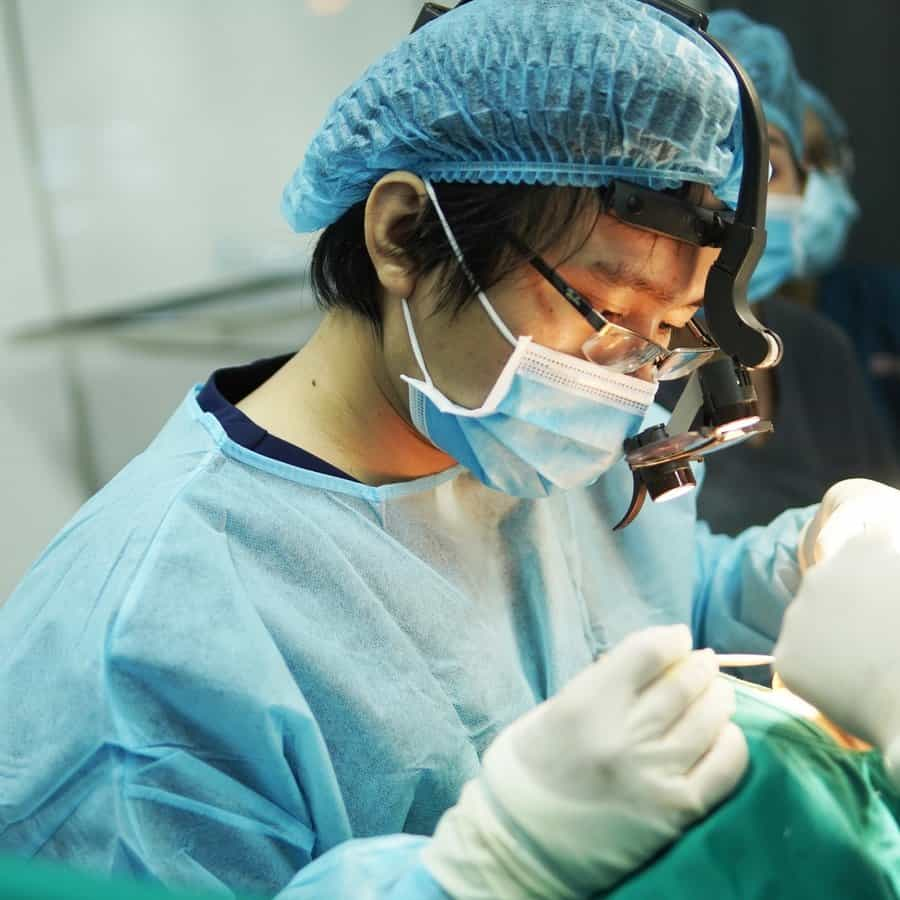
Additionally, many of the leading plastic surgeons practicing in Vietnam have completed fellowships or specialized training in South Korea, the United States, or Europe. This international exposure ensures they are familiar with current techniques and safety standards in aesthetic medicine. For patients seeking body contouring without the steep domestic price tag, this combination of expertise and facility quality makes the country a frequent choice.
What exactly is liposuction and how is it performed?
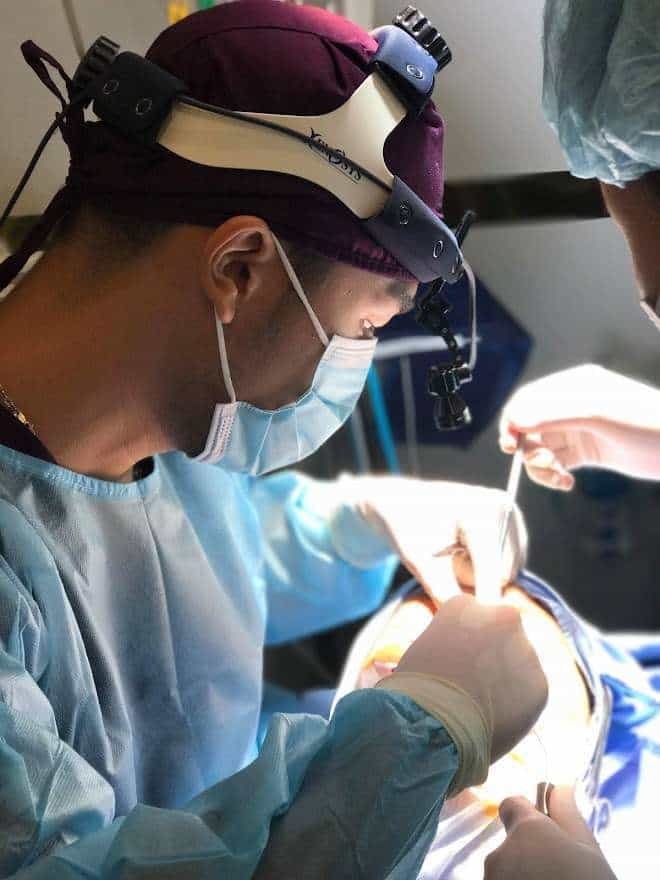
During the procedure, a surgeon makes small incisions in the targeted area and inserts a thin, hollow tube called a cannula. This tube is manipulated to loosen excess fat, which is then suctioned out of the body using a surgical vacuum or syringe. Depending on the extent of the surgery, it may be performed under local anesthesia, intravenous sedation, or general anesthesia.
Modern clinics often use specialized techniques to reduce tissue trauma and bleeding. The most common approach is tumescent liposuction, where a medicated solution is injected into the fat before removal. Other variations include ultrasound-assisted liposuction (UAL) or laser-assisted liposuction (LAL), which use energy to liquefy fat cells before they are extracted. The specific technique used will depend on the surgeon's expertise and your unique anatomical needs.
Who is considered an ideal candidate for liposuction?
It is crucial to understand that body contouring is not a treatment for obesity. Surgeons evaluate potential patients based on specific physical and medical criteria to ensure safety and improve the likelihood of a positive outcome. Candidates should typically have a Body Mass Index (BMI) below 30 and possess good skin elasticity, which allows the skin to mold smoothly over the new contours once the fat is removed.
Your medical history plays a significant role in determining eligibility. Individuals with underlying health issues such as severe cardiovascular disease, poorly controlled diabetes, or compromised immune systems are often advised against elective cosmetic procedures. A thorough consultation with a qualified medical professional is necessary to assess whether the physical benefits outweigh the surgical risks for your specific body type.
What is the estimated liposuction cost in Vietnam?
The financial aspect is a major driver for patients exploring options abroad. These estimates are broad, as the final price you receive from a clinic will depend heavily on the specific body parts being treated, the surgical technique employed, and the type of anesthesia required. Treating a small area like the chin naturally costs less than treating multiple large areas like the abdomen and thighs.
| Factor Influencing Cost | How It Impacts Price |
|---|---|
| Number of Treated Areas | Treating multiple areas increases operating time and surgical complexity. |
| Facility Reputation | International hospitals with higher accreditations often charge premium fees. |
| Anesthesia Type | General anesthesia requires a specialized anesthesiologist, increasing costs compared to local sedation. |
Keep in mind that when budgeting for medical travel, you must also factor in flights, accommodation for your recovery period, specialized post-operative garments, and potential follow-up medications.
How can I find a reputable liposuction clinic in Vietnam?
Choosing the right medical team is the most critical step in your journey. You should look for facilities that hold recognized accreditations, such as from the Joint Commission International (JCI) or the International Organization for Standardization (ISO). These accreditations indicate that the hospital undergoes regular audits for patient safety, hygiene, and overall quality of care.
When evaluating a surgeon, ask about their specific training in body contouring and how frequently they perform the procedure. Request to see before-and-after photos of previous patients with similar body types to yours. Furthermore, ensure that the clinic has the necessary intensive care infrastructure to handle rare but severe surgical emergencies, should they arise.
What areas of the body are most commonly treated?
The procedure is highly adaptable and can be tailored to address specific genetic fat distributions that bother patients. For many, the abdomen and flanks (often referred to as "love handles") are the primary target areas. Others seek treatment for the inner or outer thighs to achieve a more streamlined lower body profile.
While multiple areas can sometimes be treated during a single operation, surgeons face strict safety limits regarding how much fat and fluid can be safely removed at one time. Extracting too much fat in a single session significantly increases the risk of systemic complications. Your surgeon will advise you on what can be safely accomplished in one surgery versus what might require staged procedures.
What are the potential medical risks and complications?
It is vital to approach cosmetic surgery with a clear understanding of the risks. Common side effects include significant bruising, swelling, and temporary numbness around the treated areas. However, more severe complications can occur. Contour irregularities—such as bumpy, wavy, or withered skin—can result from uneven fat removal or poor healing.
There are also systemic risks associated with the surgery. Fluid shifts during and after the procedure can stress the heart and kidneys. Additionally, there is a risk of deep vein thrombosis (DVT) or a fat embolism, a rare but life-threatening emergency where pieces of loosened fat enter the bloodstream and travel to the lungs or brain. A comprehensive pre-operative medical screening is essential to mitigate these risks.
What does the recovery timeline look like?
Immediately following the surgery, you will likely experience pain, swelling, and soreness. Your surgical team may place temporary drains in the incisions to remove excess fluid and blood. You will be required to wear a tight compression garment around the clock for the first few weeks. This garment helps reduce swelling and encourages the skin to conform to your new body contours.
Most patients can return to light work and normal daily activities within two weeks, provided their job is not physically demanding. However, strenuous exercise and heavy lifting must be avoided for four to six weeks to prevent complications. Keep in mind that while you will see noticeable changes early on, final results can take up to six months to fully emerge as residual swelling resolves.
How long should I plan to stay in Vietnam after surgery?
Proper post-operative monitoring is non-negotiable when undergoing surgery abroad. You will need to attend follow-up appointments where your surgeon will check your incisions, monitor your healing progress, remove any drains, and evaluate you for signs of infection. Attempting to leave too soon compromises your safety and the quality of your care.
Furthermore, flying shortly after surgery significantly increases your risk of developing blood clots (DVT). The combination of post-surgical immobility and cabin pressure changes in an airplane is a known hazard. You must receive explicit clearance from your operating surgeon before boarding a flight to return home.
What should I plan for regarding post-operative care back home?
Your medical journey does not end when you board the plane. Once you return home, you are still in the recovery phase. While many international clinics offer remote follow-up via video call or email, these methods are insufficient for diagnosing or treating physical complications, such as an infection or seroma (fluid buildup).
Before traveling, speak with your primary care physician or a local specialist about your plans. Ensure you have a point of contact at home who is willing to take over your immediate post-operative care. Having a clear plan for local follow-up provides peace of mind and ensures your health remains the top priority throughout your entire recovery.
Why Choose PlacidWay for Medical Tourism in Vietnam?
Navigating international healthcare systems can be complex for patients traveling abroad. PlacidWay helps patients gather information and understand their options for treatment in various global destinations, including Vietnam. By utilizing their platform, you can access:
- Informational Resources: Access detailed profiles of clinics and hospitals offering cosmetic procedures.
- Provider Comparisons: Compare the credentials, facility accreditations, and patient information from different international health centers.
- Transparent Estimates: Request specific pricing estimates directly from clinics to help plan your medical budget accurately.
- Global Network: Connect with healthcare facilities that specialize in treating international patients.
- Direct Communication: Communicate your medical history and specific questions to clinic representatives prior to making travel decisions.
Frequently Asked Questions (FAQs)
Is liposuction considered a weight-loss surgery?
No. Liposuction is a body contouring procedure designed to remove localized, stubborn fat deposits that do not respond to diet and exercise. It is not an effective treatment for obesity or overall weight loss.
Can liposuction treat or remove cellulite?
Liposuction does not improve the appearance of cellulite. Because the procedure removes fat beneath the skin, it can sometimes make cellulite or skin dimpling look more noticeable if the skin lacks elasticity.
Will the fat return after I have liposuction?
The specific fat cells removed during surgery are gone permanently. However, if you gain weight after the procedure, the remaining fat cells in your body can expand, potentially altering your new body contours.
Do doctors and medical staff in Vietnam speak English?
Many surgeons and support staff at hospitals catering to international patients in major cities like Ho Chi Minh City and Hanoi are fluent in English. Some clinics also provide dedicated translators.
Is it safe to fly immediately after liposuction?
Flying immediately after surgery is strongly discouraged due to the increased risk of developing deep vein thrombosis (DVT) or blood clots. Surgeons typically require you to wait 7 to 14 days before taking a long flight.
How many areas of the body can be treated in one session?
This depends entirely on your overall health, the technique used, and the volume of fat being removed. A surgeon will determine a safe limit to minimize the risk of complications like fluid imbalance or toxicity.
Will I have noticeable scars after the procedure?
Liposuction requires small incisions (usually less than half an inch long) for the cannula to pass through. While they do leave scars, they are typically small and strategically placed to be as inconspicuous as possible.
Can liposuction be combined with other surgeries?
Yes, it is frequently combined with procedures like abdominoplasty (tummy tuck) or fat grafting. However, combining surgeries extends the time under anesthesia and can increase the risk of complications, which requires careful medical evaluation.
What is tumescent liposuction?
Tumescent liposuction involves injecting a large volume of sterile solution containing saline, local anesthetic, and epinephrine into the fat. This causes the fat to swell and firm up, making it easier to remove while reducing blood loss and bruising.
Do I need medical travel insurance when going to Vietnam?
Purchasing specialized medical travel insurance is highly recommended. Standard travel insurance rarely covers complications arising from elective cosmetic surgery performed abroad.
Explore Your Body Contouring Options
Compare medical facilities and request specific treatment information to help you make an informed decision regarding your care.
Request Treatment InformationReferences
- Liposuction - American Society of Plastic Surgeons (ASPS)
- Liposuction Information - International Society of Aesthetic Plastic Surgery (ISAPS)
- Liposuction: Risks and Results - Mayo Clinic
- Cosmetic Procedures: Liposuction - National Health Service (NHS)
- Medical Tourism Safety - Centers for Disease Control and Prevention (CDC)
- Healthcare Facility Accreditation Standards - Joint Commission International (JCI)
























Share this listing