
Cosmetic/Plastic Surgery in Ho Chi Minh, Vietnam
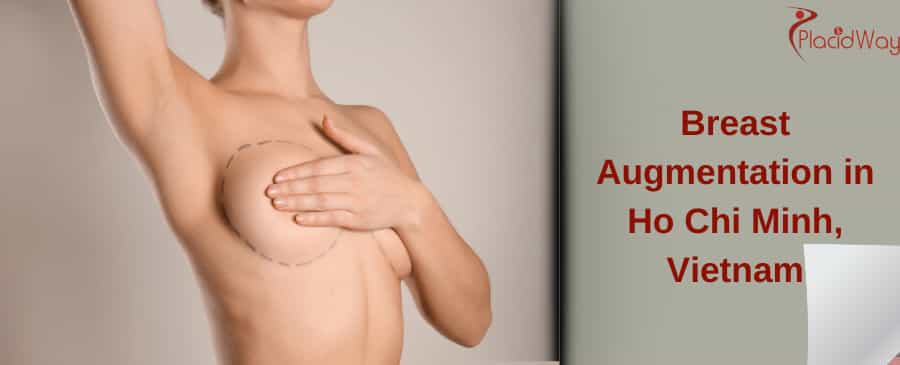
Choosing to travel for cosmetic surgery involves careful financial and medical planning. Many patients look toward Southeast Asia to balance their budget with their aesthetic goals. Exploring breast augmentation in Vietnam has become increasingly common, particularly in bustling urban centers like Ho Chi Minh City. While the initial procedure price may catch your eye, understanding the full scope of your medical journey is necessary for a safe and informed experience.
Key Takeaways
- Estimated procedure costs in Ho Chi Minh range between $2,500 and $4,500.
- Pricing depends heavily on the brand and type of implants chosen.
- Patients must factor in flights, accommodations, and local transportation.
- Prioritizing board-certified surgeons and accredited facilities is essential for safety.
- Plan for at least 7 to 14 days of local recovery before flying home.
What factors influence the cost of breast implants in Ho Chi Minh?
When analyzing the breast augmentation cost in Vietnam, you will quickly notice that advertised prices are often just a starting point. The specific brand and style of the implant play a major role. Premium, internationally recognized silicone implants usually carry a higher price tag than basic saline options. Additionally, surgeons with decades of experience or specific international board certifications often charge higher professional fees.
Facility fees also vary widely. A modern hospital equipped with advanced intensive care units and stringent hygiene protocols will typically charge more than a smaller outpatient surgical center. Your quote should ideally be comprehensive. When discussing estimates, ask if the price covers the anesthesiologist's fee, operating room time, required blood work, mammograms, and overnight hospital stays if deemed medically necessary.
What types of breast implants are available in Vietnam?
Patients traveling for surgery have access to the same major implant brands used in North America and Europe. The two primary categories are saline and silicone. Saline implants are filled with sterile saltwater after being inserted empty, requiring a slightly smaller incision. If a saline implant ruptures, the body safely absorbs the harmless fluid, and the deflation is immediately noticeable.
Silicone implants are pre-filled with a cohesive gel that closely mimics the feel of natural human tissue. Within the silicone category, highly cohesive "gummy bear" implants are popular because they retain their shape even if the outer shell breaks. However, detecting a ruptured silicone implant often requires an MRI, as the gel tends to stay within the implant pocket. Your doctor will assess your chest wall dimensions and existing tissue to recommend the most appropriate volume and profile.
Is breast augmentation safe for medical tourists traveling to Vietnam?
Participating in medical tourism in Vietnam requires you to be an active advocate for your own health. While Vietnam's major cities boast modern healthcare infrastructure, regulatory standards can differ from those in your home country. Safety primarily relies on the credentials of the medical professionals managing your care. Look for surgeons who maintain active memberships in recognized global organizations, such as the International Society of Aesthetic Plastic Surgery (ISAPS).
It is equally important to evaluate the facility. The hospital or clinic should have protocols in place for medical emergencies, including access to emergency resuscitation equipment and specialist care. Language barriers can also impact safety; clear communication regarding your medical history, allergies, and post-operative instructions is vital. Ensure the medical team provides proficient English translation services if necessary.
How long should I stay in Ho Chi Minh for recovery?
Recovery timelines vary widely by patient and the specific surgical technique used. The first few days after the procedure involve managing pain, swelling, and fatigue. You will need to rest in your hotel or recovery accommodation, avoiding any strenuous activity, heavy lifting, or raising your arms above your shoulders. Having a companion travel with you can be incredibly helpful during this acute recovery phase.
Flying too soon after surgery introduces specific medical risks. The changes in cabin pressure can exacerbate swelling, and sitting immobile for a long-haul flight increases the risk of developing deep vein thrombosis (DVT), a potentially life-threatening blood clot. Your surgeon will schedule follow-up appointments during your stay to assess the surgical sites, look for early signs of infection, and officially clear you for your flight home.
What should I look for in a breast augmentation clinic in Vietnam?
Selecting the right breast augmentation clinic in Vietnam involves asking detailed questions before you ever book a flight. Request the specific qualifications of the operating surgeon, including where they trained and how frequently they perform breast augmentations. A transparent clinic will willingly share this information, along with authentic before-and-after photos of previous patients with similar body types to yours.
Pay attention to how the clinic handles your initial inquiry. Do they insist on a thorough medical history? Do they explain the risks as well as the benefits? Reputable providers prioritize patient suitability over making a sale. Ask for a detailed, itemized quote so you understand exactly what is included. Furthermore, inquire about their policy on revision surgery should an immediate complication arise while you are still in Ho Chi Minh.
Can I combine breast augmentation with other procedures?
It is quite common for patients to undergo multiple procedures during a single trip. If your breasts exhibit significant sagging—perhaps due to weight loss, pregnancy, or aging—implants alone will not correct the drooping. In such cases, a surgeon may recommend combining the augmentation with a mastopexy to elevate the tissue and reposition the nipple.
However, combining surgeries means more time under general anesthesia, which inherently raises the risk of complications. The trauma to the body is greater, requiring a stricter and often longer recovery period. Your surgeon will evaluate your overall health, BMI, and medical history to determine if your body can safely handle an extended surgical plan.
What are the common risks associated with this surgery?
- Capsular Contracture: The body naturally forms a scar tissue capsule around the implant. Sometimes, this capsule tightens and squeezes the implant, causing it to feel hard or look distorted.
- Infection and Bleeding: As with any invasive surgery, there is a risk of infection at the incision site or internal bleeding (hematoma) that may require surgical drainage.
- Implant Rupture: Implants can tear or leak over time, requiring surgery to remove or replace them.
- Sensation Changes: Nerves can be stretched or cut during surgery, leading to temporary or permanent numbness or heightened sensitivity in the nipple or breast tissue.
- Rare Lymphoma: There is a very low but documented risk of Breast Implant-Associated Anaplastic Large Cell Lymphoma (BIA-ALCL), primarily associated with textured implants.
How do I prepare for breast implant surgery abroad?
Proper preparation minimizes surgical risks and improves your recovery experience. You will likely need to provide blood tests, an ECG, and a recent mammogram or breast ultrasound to your surgeon in Vietnam prior to arrival. If you smoke or use nicotine products, you must stop at least four to six weeks before surgery, as nicotine severely restricts blood flow and can lead to poor healing or tissue death.
You must also inform your surgeon about every medication, vitamin, and herbal supplement you take. Certain substances, like aspirin, ibuprofen, and vitamin E, increase bleeding risks and will need to be paused. On the logistical side, arrange a hotel or recovery house close to the hospital to minimize stressful travel immediately after the operation. Ensure your accommodation has a comfortable bed with extra pillows to keep your upper body elevated.
What happens if I experience complications after returning home?
One of the most complex aspects of medical travel is managing long-term aftercare. Some complications, such as a late-onset infection or a developing capsular contracture, may not appear until weeks or months after you have returned home. Your surgeon in Ho Chi Minh cannot physically examine you or treat you from across the globe.
Before you leave Vietnam, request a comprehensive medical file that includes details of the surgical technique used, the specific implant brand, size, and serial numbers, and any medications administered. Establish a relationship with a primary care physician or a local plastic surgeon in your home country who is willing to provide follow-up care. Keep in mind that treating complications locally will incur additional out-of-pocket costs.
Why Choose PlacidWay for Medical Tourism?
Planning international healthcare requires access to reliable, organized information. PlacidWay serves as a comprehensive resource for patients exploring medical options abroad. Here is what the platform provides:
- Extensive Global Directory: Access profiles for hundreds of international medical centers and specialized clinics.
- Detailed Provider Information: Review the professional backgrounds, certifications, and facility details of overseas providers.
- Patient Education Resources: Read helpful articles outlining procedure expectations, basic medical terminology, and questions to ask doctors.
- Direct Communication Tools: Utilize the platform to send inquiries and request estimates directly from healthcare facilities.
- Option Comparison: Evaluate different international destinations and facilities in one centralized location to support informed decision-making.
Frequently Asked Questions
Is it cheaper to get breast implants in Ho Chi Minh compared to Western countries?
Yes, patients typically find that procedure costs in Vietnam are lower than in North America or Europe. However, you must also factor in travel, accommodation, and potential follow-up care costs when calculating the total expense.
Are silicone implants allowed in Vietnam?
Yes, silicone implants are widely used and permitted in Vietnam. Reputable clinics often import internationally recognized, FDA-approved, or CE-marked brands for their procedures.
How soon can I fly after breast surgery in Vietnam?
Surgeons typically recommend waiting at least 7 to 14 days before taking a long-haul flight. Flying too soon increases the risk of deep vein thrombosis (DVT) and can exacerbate swelling due to cabin pressure changes.
Do surgeons in Ho Chi Minh speak English?
Many plastic surgeons who frequently treat international patients in Ho Chi Minh speak English or have dedicated medical translators on staff to facilitate clear communication regarding your treatment.
Will my medical insurance cover breast augmentation in Vietnam?
Standard health insurance rarely covers elective cosmetic surgery like breast augmentation, regardless of where it is performed. You should expect to pay for the procedure out of pocket.
How long do breast implants typically last?
Breast implants are not lifetime devices. While many last 10 to 15 years or longer without issues, some patients may require replacement or removal earlier due to complications like capsular contracture or implant rupture.
Can I breastfeed after getting implants in Vietnam?
Many women successfully breastfeed after augmentation. However, depending on the incision site (such as periareolar) and implant placement, there is a risk of reduced milk production or changes in nipple sensation.
What is capsular contracture?
Capsular contracture occurs when the scar tissue that naturally forms around an implant hardens and squeezes the implant. It can cause pain and alter the shape of the breast, sometimes requiring additional surgery to correct.
Do clinics in Vietnam use FDA-approved implants?
Many established facilities catering to international patients use implants from major global manufacturers that hold FDA approval or equivalent international safety certifications. You should always verify the exact brand before surgery.
What kind of anesthesia is used for this procedure?
Breast augmentation is typically performed under general anesthesia, meaning you will be completely asleep during the surgery. In some specific cases, surgeons may use intravenous sedation with local anesthesia.
Compare Treatment Options
Gather the information you need to make an informed decision about your medical journey. Request details from healthcare providers today.
Request Treatment InformationReferences
- Breast Augmentation Overview – American Society of Plastic Surgeons (ASPS)
- Risks and Complications of Breast Implants – U.S. Food and Drug Administration (FDA)
- Medical Tourism Guidelines – Centers for Disease Control and Prevention (CDC)
- Breast Augmentation Process and Risks – Mayo Clinic
- Patient Safety Guidelines – International Society of Aesthetic Plastic Surgery (ISAPS)
- Breast Enlargement (Implants) – National Health Service (NHS)
- Safe Surgery Guidelines – World Health Organization (WHO)






















Share this listing