
Average Cost of Botox in Bangkok
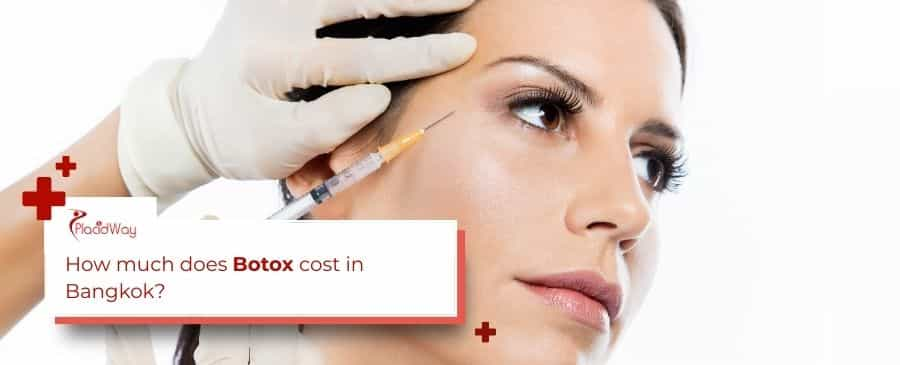
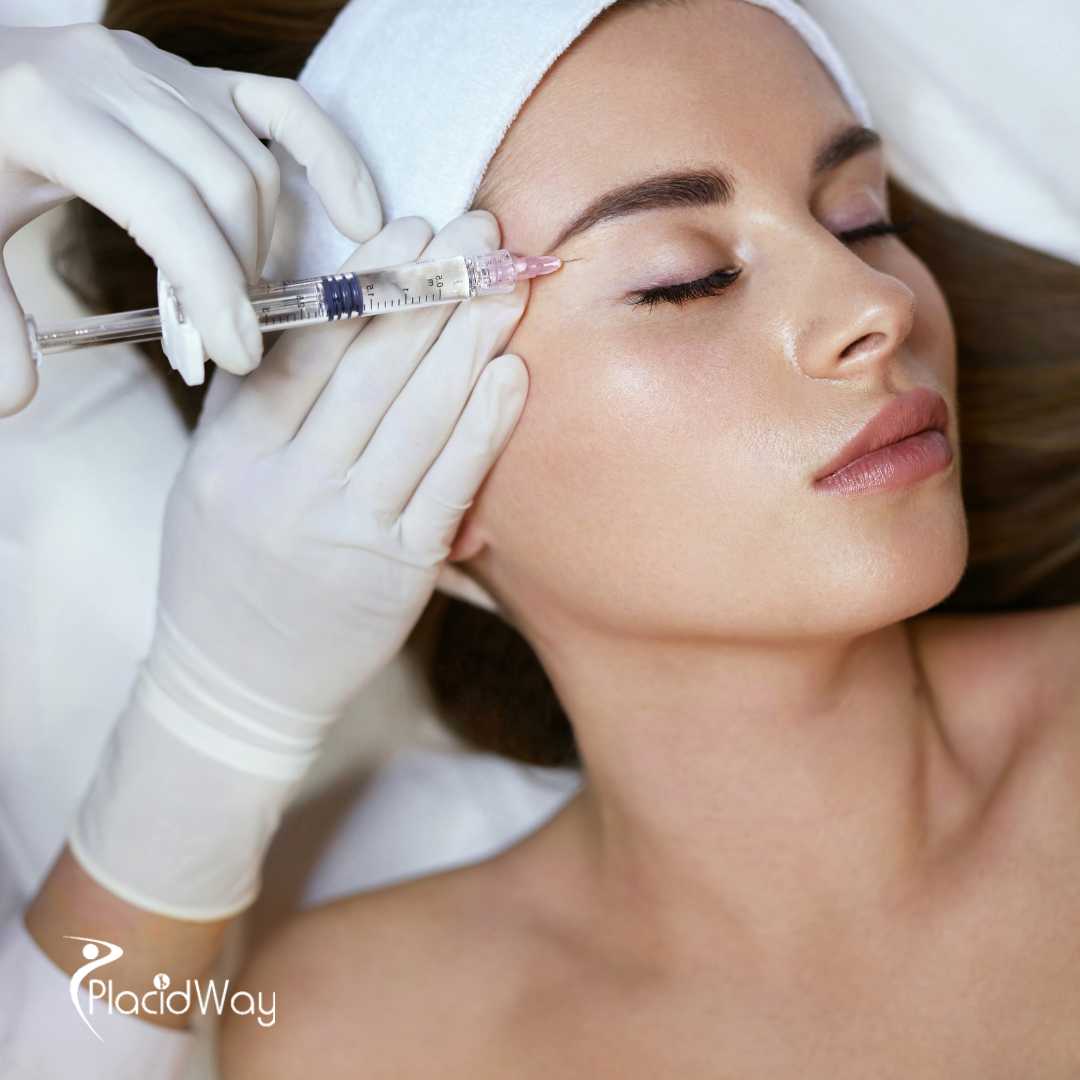
If you are considering Botox in Bangkok, Thailand, gathering accurate medical and financial information is a crucial first step. As a major hub for medical travelers, the city offers a wide array of aesthetic services. However, navigating international healthcare requires careful research into provider qualifications, product authenticity, and expected expenses. This guide explores the details of seeking treatment abroad, helping you make informed decisions about your care.
Key Takeaways
- Pricing is typically calculated per unit and varies based on the specific brand of neuromodulator used.
- Medical evaluations are essential prior to any treatment to confirm suitability and discuss potential risks.
- The aesthetic effects are temporary, usually requiring maintenance appointments every three to four months.
- Patients must prioritize licensed professionals operating within regulated medical facilities.
- Proper aftercare and avoiding strenuous activity for 24 hours can help mitigate the risk of complications.
What factors influence the Botox cost in Bangkok?
When estimating your expenses for cosmetic injectables, unit count is the primary driver of the final bill. Stronger facial muscles or deeper wrinkles require more units to achieve the desired muscle relaxation. For example, treating horizontal forehead lines typically requires a different dosage than addressing crow's feet around the eyes. Men often require a higher unit count than women due to greater muscle mass in the facial area.
The brand of neuromodulator also plays a significant role in pricing. While the original Allergan product is widely recognized, other FDA-approved alternatives like Dysport and Xeomin, as well as reputable South Korean brands like Nabota, are frequently available. The choice of brand can shift the price per unit slightly. Furthermore, treatment administered by a board-certified dermatologist or plastic surgeon will often carry a higher fee than treatment provided by a general practitioner, reflecting their specialized training in facial anatomy.
How does the pricing compare to Western countries?
The growing appeal of medical tourism in Thailand is largely driven by the financial structure of the local healthcare system. Facility overhead, administrative expenses, and professional fees are typically lower than in Western nations. This economic environment allows established clinics to offer procedures at a reduced rate without necessarily compromising on the quality of the imported medical products.
However, it is vital to calculate the full cost of your trip before making a decision. While the procedure itself might present financial savings, patients must also account for flights, accommodation, local transportation, and travel insurance. Seeking a Botox clinic in Bangkok makes the most financial sense for patients who are already planning a visit for work or leisure, or those combining minor aesthetic procedures with more extensive medical care.
Are cosmetic injectables safe for international patients?
Safety should always override financial considerations when seeking medical care abroad. In Thailand, cosmetic clinics and the import of medical devices and pharmaceuticals are overseen by the Thai Food and Drug Administration. Legitimate providers will only use products that have passed rigorous local and international safety checks. You have the right to ask your provider to open the product vial in front of you and to verify the lot number.
Despite these regulations, no medical procedure is entirely devoid of risk. Safety heavily relies on the injector's deep understanding of facial musculature, nerve pathways, and vascular structures. An inexperienced injector increases the risk of complications, ranging from asymmetrical results to potentially serious issues like eyelid ptosis (drooping). Proper screening by a physician is necessary to identify any contraindications that might make the procedure unsafe for you.
What common concerns can be treated during a visit?
- Glabellar Lines: Also known as frown lines or "11s," these vertical creases appear between the eyebrows during concentration or frustration.
- Frontalis Lines: The horizontal wrinkles that form across the forehead when raising the eyebrows.
- Periorbital Lines: Commonly referred to as crow's feet, these lines radiate from the outer corners of the eyes during smiling or squinting.
- Masseter Reduction: Injecting the jaw muscles can help alleviate teeth grinding (bruxism) and visibly slim the lower face.
- Hyperhidrosis: Though not a cosmetic facial concern, the toxin can be injected into the underarms or palms to manage severe excessive sweating.
How long do the aesthetic results typically last?
Botulinum toxin works by temporarily blocking the release of acetylcholine, a neurotransmitter responsible for signaling muscles to contract. Over time, the body naturally metabolizes the neurotoxin and regenerates new nerve endings. As this physiological process occurs, the treated muscles slowly regain their ability to contract, causing the dynamic wrinkles to gradually reappear.
Several factors influence exactly how long your results will last. Individual metabolism, the specific dosage administered, and the area treated all play a role. Areas with constant, vigorous movement, such as the muscles around the mouth or eyes, may metabolize the product slightly faster than areas like the forehead. For sustained results, patients require ongoing maintenance treatments multiple times a year.
Who is considered an ideal candidate for neuromodulators?
Ideal candidates have realistic expectations about what the procedure can achieve. It is highly effective for dynamic wrinkles—those caused by facial expressions—but it will not eliminate static wrinkles, which are present even when the face is at rest due to volume loss or sun damage. A thorough in-person assessment by a medical professional is necessary to determine if the treatment will meet your goals.
There are strict medical contraindications for this treatment. It is not suitable for individuals who are pregnant or breastfeeding, due to a lack of clinical safety data for these groups. Patients with neuromuscular disorders, such as amyotrophic lateral sclerosis (ALS), myasthenia gravis, or Lambert-Eaton syndrome, are typically advised against treatment due to an increased risk of severe side effects. Anyone with a known allergy to cow's milk protein or previous adverse reactions to botulinum toxin products must also avoid the procedure.
What are the potential risks and side effects?
The most common adverse reactions are typically mild and localized to the injection site. Patients frequently experience slight redness, pinpoint bleeding, minor swelling, or bruising that resolves within a few days. Some individuals may experience mild headaches shortly after the treatment, which usually subside quickly. These common reactions are part of the body's normal response to the injection process.
More serious complications, though rare, can occur if the medication spreads beyond the intended target area. This migration can lead to temporarily drooping eyelids (ptosis), uneven eyebrows, a crooked smile, or dry eyes. In extremely rare instances, patients might experience symptoms indicative of toxin spread, such as muscle weakness throughout the body, vision problems, or difficulty swallowing and breathing. If any severe symptoms occur after returning home, patients must seek immediate emergency medical attention.
How should you prepare before your appointment?
- Consult Your Doctor: Discuss all current prescriptions, over-the-counter medications, and supplements with your healthcare provider well before your travel dates.
- Avoid Blood Thinners: Under medical supervision, you may need to pause aspirin, ibuprofen, naproxen, and similar NSAIDs a week prior to treatment.
- Pause Certain Supplements: High doses of Vitamin E, fish oil, ginkgo biloba, and ginseng can increase bruising and may need to be avoided.
- Limit Alcohol: Refraining from alcohol consumption for at least 24 to 48 hours before your appointment can help restrict blood vessels and reduce bruising.
- Arrive with Clean Skin: Attend your appointment with a clean face, free of makeup and thick lotions, to reduce the risk of localized infection.
What does the aftercare and recovery process involve?
Proper aftercare is essential to ensure the medication settles correctly in the targeted muscles. Providers typically advise patients not to lie flat for at least four hours after the injections to prevent the product from migrating toward the orbital area, which could cause eyelid drooping. It is also important to avoid touching, massaging, or applying heavy pressure to the injected sites for the remainder of the day.
Vigorous physical activity, heavy lifting, and exposure to excessive heat—such as saunas, hot tubs, or intense sunbathing—should be avoided for at least 24 to 48 hours. Elevated blood pressure and increased circulation from exercise or heat can inadvertently disperse the medication. If you are traveling, consider scheduling a relaxed day following your appointment before returning to strenuous tourist activities or enduring a long-haul flight.
How do you choose a reputable provider while abroad?
When navigating international healthcare, diligence is paramount. Look for physicians who are board-certified in appropriate specialties, such as dermatology or plastic surgery, as their comprehensive training in facial anatomy is vital for safe injection practices. Verify that the clinic is registered with the Thai Ministry of Public Health. Patient reviews can provide insight into the clinic's bedside manner and administrative professionalism, but they should not replace formal credential checks.
Be extremely cautious of prices that appear drastically lower than the average Botox cost in Bangkok. Substantially discounted treatments may indicate the use of counterfeit products, over-diluted solutions, or administration by unlicensed personnel. A reputable clinic will prioritize a comprehensive initial consultation, clearly explain the risks and benefits, and provide transparent pricing based on a personalized treatment plan.
Why Choose PlacidWay for Medical Tourism in Thailand?
Organizing medical care in a foreign country can be a complex process. PlacidWay assists patients by providing structured resources to help evaluate international healthcare options.
- Extensive Directory: Connects patients with a wide network of internationally accredited clinics and specialized medical facilities.
- Detailed Clinic Profiles: Offers access to provider credentials, facility capabilities, and patient informational resources.
- Direct Communication: Facilitates initial contact and consultation requests between patients and overseas healthcare providers.
- Pricing Transparency: Provides access to initial cost estimates to help patients budget for their medical journey.
- Educational Resources: Assists patients in gathering necessary information for planning international medical trips.
Frequently Asked Questions
Can I fly immediately after receiving injections?
Many providers suggest waiting at least 24 hours before flying. Changes in cabin pressure and the dry environment of an airplane might increase the risk of swelling or unintended migration of the medication.
Are different brands of botulinum toxin available in Thailand?
Yes. Approved providers often carry various brands such as Allergan, Dysport, Xeomin, and South Korean brands like Nabota or Hugel. The availability and approval status of these brands can vary.
Will the injections hurt?
Most patients report only mild discomfort, often described as a quick pinch. Providers frequently use very fine needles and may offer topical numbing cream or ice to minimize pain.
How many units will I need for my forehead?
The number of units varies by individual muscle strength, gender, and desired results. Forehead lines typically require between 10 and 30 units, but a personalized assessment is necessary.
What happens if I stop getting treatments?
If you choose to discontinue treatments, the muscle relaxing effects will gradually wear off. Over several months, your natural facial movements will return, and wrinkles will slowly reappear as they were before.
Is there a minimum age requirement for cosmetic injectables?
In most jurisdictions, cosmetic injectables are restricted to adults aged 18 and older. Treatment for younger adults is evaluated on a case-by-case basis by the consulting physician.
Can I combine this with dermal fillers during my trip?
It is often possible to receive neuromodulators and dermal fillers during the same appointment. A qualified provider will assess your anatomy and determine if a combined approach is medically appropriate.
What is the difference between Botox and dermal fillers?
Botulinum toxin temporarily relaxes muscles to smooth dynamic wrinkles caused by expressions. Dermal fillers use gel-like substances (like hyaluronic acid) to restore lost volume and fill in static wrinkles.
How long does the actual appointment take?
The injection process itself usually takes 10 to 15 minutes. However, first-time appointments will take longer to allow for a thorough medical consultation and facial assessment.
Do I need to plan for a long stay in the country?
Neuromodulator treatments are minimally invasive, and many patients incorporate them into a short trip. However, staying an extra day or two allows for proper rest and immediate follow-up if any minor side effects occur.
Compare Treatment Options Abroad
Discover more information about clinic facilities, medical credentials, and estimated pricing to help you plan your journey safely.
Request Treatment InformationReferences
- Botox Cosmetic: A Look at It – U.S. Food and Drug Administration (FDA)
- Botulinum Toxin Therapy Overview – American Academy of Dermatology Association (AAD)
- Botulinum Toxin – American Society of Plastic Surgeons (ASPS)
- Botox Injections: About the Procedure – Mayo Clinic
- Botulinum Toxin Guide – International Society of Aesthetic Plastic Surgery (ISAPS)
- Medical Tourism Guidelines – Centers for Disease Control and Prevention (CDC)



















Share this listing