
Choosing the Right Ibogaine Therapy Center in Mexico
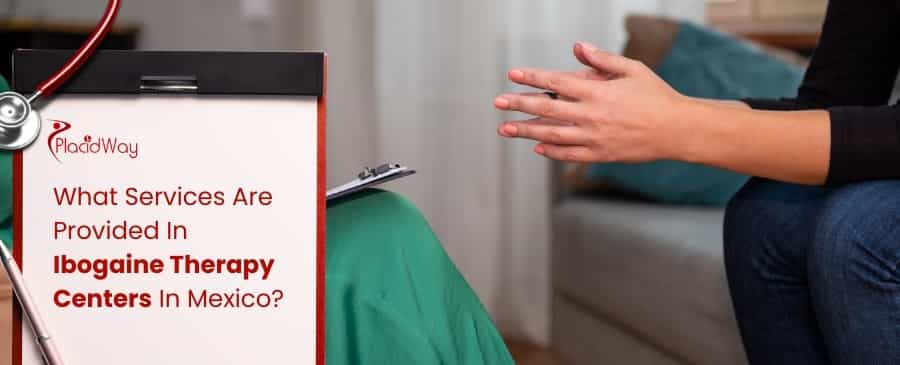
Exploring the potential of psychedelic medicine has led many individuals to seek alternative treatments abroad. For those researching ibogaine therapy in Mexico, understanding exactly what services are provided is crucial for safety, preparation, and managing expectations. Because ibogaine is a powerful psychoactive substance with significant medical risks, legitimate centers offer far more than just the administration of the plant medicine itself.
A comprehensive program typically encompasses a multi-disciplinary approach. This includes stringent medical pre-screening, continuous vital monitoring, psychological preparation, and robust aftercare. Understanding these components helps patients differentiate between medically responsible facilities and those lacking necessary safety protocols.
Key Takeaways
- Medical Screening: Rigorous cardiac and blood testing is required prior to treatment to mitigate life-threatening risks.
- Continuous Monitoring: The acute treatment phase requires 24/7 medical supervision and EKG monitoring.
- Psychological Support: Preparation and integration counseling are core services that help patients process the experience.
- Holistic Care: Many centers supplement treatment with nutritional IVs, massage, and mindfulness practices.
- Individual Variability: Outcomes, risks, and suitability vary significantly; not everyone is a candidate for ibogaine.
1. What Medical Screenings Are Required Before Ibogaine Treatment?
Because ibogaine severely impacts the cardiovascular system—most notably by prolonging the QT interval, which can lead to fatal arrhythmias—medical screening is the most critical service a center provides. Before arriving or immediately upon intake, patients undergo a thorough health assessment.
Standard medical screening services typically include:
- Electrocardiogram (ECG/EKG): To check for underlying heart conditions and measure baseline QT intervals.
- Comprehensive Metabolic Panel (CMP): To assess liver and kidney function, as these organs metabolize and excrete the substance.
- Complete Blood Count (CBC): To check for infections, anemia, or other systemic issues.
- Psychiatric Evaluation: To rule out conditions like severe bipolar disorder, schizophrenia, or active psychosis, which ibogaine can exacerbate.
If a center does not require detailed medical records or on-site testing prior to administering treatment, it represents a severe red flag for patient safety.
2. How Is The Ibogaine Administered During Therapy?
The administration of ibogaine is a highly structured clinical service. Medical staff calculate the dosage based on the patient's body weight, medical history, metabolic capacity, and the specific goals of the treatment (e.g., psychospiritual exploration vs. substance withdrawal).
The process usually begins with a small "test dose." This allows the medical team to observe how the patient's body and heart react to the alkaloid before proceeding. If the patient tolerates the test dose well, they are given the remaining therapeutic dose, often referred to as a "flood dose." The patient remains in a darkened, quiet room, usually wearing an eye mask and listening to specialized music to facilitate internal focus.
3. What Medical Monitoring Occurs During The Treatment Phase?
The acute phase of ibogaine therapy can last anywhere from 12 to 24 hours. During this entire period, patient safety relies on continuous medical observation. The standard of care in responsible centers involves attaching the patient to a cardiac monitor to track their heart rhythm in real-time.
Medical staff—ideally including a licensed physician and nurses with Advanced Cardiac Life Support (ACLS) certification—monitor blood pressure, oxygen saturation, and pulse. This continuous supervision allows the team to intervene immediately with emergency medications or protocols if the patient's heart rate drops dangerously low or if an arrhythmia develops.
4. Are Psychological And Integration Services Included?
Ibogaine is a potent oneirogen, meaning it induces a dream-like state where patients often vividly recall past memories, traumas, and behavioral patterns. Because this psychological material can be overwhelming, therapeutic support is a mandatory service component.
Before the medicine is given, therapists or trained facilitators work with patients to set intentions, discuss fears, and build trust. In the days following the acute session—known as the "gray day" and the recovery phase—patients engage in integration therapy. Integration involves discussing the visions and emotions experienced, helping the patient map out how to apply these new perspectives to their daily life to foster long-term behavioral change.
5. What Types Of Detox Support Accompany Ibogaine Therapy?
Many individuals seek ibogaine because it may reduce withdrawal symptoms associated with certain substances, particularly short-acting opioids. However, ibogaine cannot be safely administered while a patient has certain drugs (like fentanyl, methadone, or Suboxone) in their system.
Centers offering detox support provide medical stabilization to safely transition patients off long-acting substances onto short-acting ones over several weeks, or they manage the initial withdrawal symptoms until the patient's system is clear enough for ibogaine. This service requires specialized addiction medicine knowledge to prevent severe withdrawal distress and dangerous drug interactions.
6. Do Centers Provide Holistic And Nutritional Therapies?
Recovery from both the physical toll of addiction or trauma and the exhaustion of the ibogaine experience requires comprehensive physical support. The days following an ibogaine session often leave patients feeling depleted, weak, and highly sensitive to their environment.
To assist in recovery, centers often provide:
- IV Nutrient Therapy: Treatments like NAD+ (Nicotinamide Adenine Dinucleotide), Meyer's cocktails, and hydration fluids to restore cellular energy and electrolyte balance.
- Bodywork: Massage and acupuncture to relieve muscle tension and promote relaxation.
- Mindfulness Practices: Guided meditation, breathwork, and gentle yoga to help ground the patient.
- Nutritional Support: Chef-prepared, nutrient-dense meals designed to support neurogenesis and physical healing.
| Treatment Phase | Typical Timeline | Core Services Provided |
|---|---|---|
| Intake & Prep | Days 1-2 | Medical tests, EKG, psychological prep, nutritional support. |
| Treatment | Day 3 | Dosing, 24/7 cardiac monitoring, nursing assistance. |
| Recovery | Days 4-5 | IV fluids, vital monitoring, rest, light meals. |
| Integration | Days 6-7 | Psychotherapy, holistic therapies, aftercare planning. |
7. What Aftercare And Long-Term Support Are Offered?
Ibogaine is not a magic cure; it is a powerful catalyst for change. Without a solid aftercare plan, the risk of relapsing into old behavioral patterns or substance use remains high. Centers that prioritize patient outcomes include extensive aftercare planning as a core service.
Before discharge, therapists work with patients to outline next steps. This often includes coordinating with the patient's therapists back home, setting up virtual integration sessions for the weeks following treatment, and advising on lifestyle modifications. Some centers even partner with sober living environments or extended integration retreats to provide a structured transition back into daily life.
8. How Much Does Ibogaine Therapy Cost In Mexico?
When evaluating ibogaine therapy cost in Mexico, patients must look closely at what is included in the price. The variation in cost is usually a reflection of the medical staff's credentials, the length of the program (which can range from a quick 5-day stay to an extended 30-day retreat), and the amenities offered.
Lower-priced options may lack crucial safety elements, such as on-site ACLS-certified doctors or continuous cardiac monitoring. Higher-priced programs often include extended pre-treatment stabilization, luxury private accommodations, specialized IV therapies, and extensive post-treatment integration coaching. Patients should always ask for a detailed breakdown of costs and services before committing to a program.
9. What Should Patients Know About Medical Tourism In Mexico For Psychedelic Therapy?
Participating in medical tourism in Mexico for psychedelic treatment offers unique opportunities, but it comes with distinct challenges. Unlike traditional medical procedures performed in internationally accredited hospitals, ibogaine treatment often occurs in private retreat centers or specialized clinics that operate in a legal gray area.
Ibogaine is not classified as a controlled substance in Mexico, allowing facilities to operate openly. However, there is no standardized government oversight enforcing medical protocols specifically for ibogaine administration. Therefore, the responsibility falls entirely on the patient to verify that a facility adheres to international safety guidelines, such as those published by the Global Ibogaine Therapy Alliance (GITA).
10. How Can Patients Identify A Safe Ibogaine Therapy Clinic In Mexico?
Selecting a safe ibogaine therapy clinic in Mexico requires looking past marketing materials and focusing on medical infrastructure. A legitimate clinic will be highly transparent about their medical team's credentials and their safety track record.
When interviewing a potential center, patients should ask specific questions about the doctor-to-patient ratio during dosing, the exact type of cardiac monitoring used, and the proximity to the nearest fully equipped emergency hospital. If a clinic guarantees a cure, downplays the risks of the treatment, or tries to bypass thorough medical screening to secure a booking, patients should seek care elsewhere.
Why Choose PlacidWay for Medical Tourism in Mexico?
Navigating the complex landscape of international medical travel requires access to clear, organized information. PlacidWay serves as an educational platform to help patients explore healthcare options globally.
- Extensive Directory: PlacidWay offers access to a wide network of healthcare providers and treatment centers across Mexico.
- Provider Profiles: The platform provides detailed profiles, allowing patients to review facility credentials, listed services, and medical staff information.
- Direct Connection: Patients can directly contact healthcare providers to ask specific questions about protocols, safety, and treatments.
- Educational Resources: PlacidWay provides articles and guides to help individuals understand the nuances of seeking care abroad.
- Healthcare Navigation: The platform allows users to compare different facilities side-by-side to make informed decisions about their health journey.
Frequently Asked Questions
Is ibogaine therapy legal in Mexico?
Ibogaine is not explicitly scheduled or classified as an illegal substance in Mexico, which allows clinics to operate. However, the industry is largely unregulated, making it essential for patients to thoroughly research facilities for medical safety standards.
How long does a typical ibogaine treatment program last?
Most comprehensive programs last between 7 and 14 days. This allows adequate time for pre-treatment medical screening, physical stabilization, the treatment session itself, and several days of initial psychological integration and physical recovery.
Who is not a candidate for ibogaine therapy?
Individuals with pre-existing heart conditions (such as arrhythmias or prolonged QT intervals), liver disease, kidney dysfunction, severe psychiatric disorders like schizophrenia, and those currently taking certain medications are typically excluded from treatment due to severe health risks.
What happens during the acute phase of ibogaine therapy?
During the acute phase, patients typically experience intense physical sensations, ataxia (loss of motor control), and vivid visionary states that often involve processing past traumas or life events. This phase usually lasts between 12 and 24 hours.
Are doctors present during the entire ibogaine session?
In medically responsible centers, a licensed physician or specialized medical staff should be physically present or immediately available throughout the entire administration and acute phase to monitor vital signs and cardiac function.
Does ibogaine therapy cure addiction?
No. Ibogaine may act as an addiction interrupter by reducing withdrawal symptoms and cravings in suitable patients, but it is not a cure. Long-term recovery requires ongoing therapy, lifestyle changes, and dedicated psychological support.
What are the main physical risks associated with ibogaine?
The most significant physical risks involve the cardiovascular system, particularly dangerous arrhythmias and QT prolongation, which can be fatal. Other risks include neurotoxicity, severe nausea, vomiting, and extreme ataxia.
Can I travel alone for ibogaine therapy in Mexico?
While some patients travel alone, it is often recommended to have a trusted companion. The post-treatment period can leave individuals physically exhausted and emotionally vulnerable, making travel assistance highly beneficial.
What is integration therapy in the context of ibogaine?
Integration therapy involves working with a counselor or therapist to make sense of the intense visionary experiences and emotional insights gained during the ibogaine session, translating them into actionable, positive changes in daily life.
How do Mexican centers handle medical emergencies during treatment?
Equipped centers handle emergencies by utilizing on-site Advanced Cardiac Life Support (ACLS) trained staff, crash carts, defibrillators, and emergency medications. They should also have established transfer protocols with local, full-service hospitals.
Compare Treatment Options Safely
Gather the information you need to make an informed decision about your healthcare journey. Connect with facilities to ask questions and review treatment plans.
Request Treatment InformationReferences
- Ibogaine Therapy Research – Multidisciplinary Association for Psychedelic Studies (MAPS)
- Safety and Efficacy of Ibogaine for Substance Use Disorders – National Center for Biotechnology Information (NCBI)
- Psychedelics and Dissociative Drugs Research – National Institute on Drug Abuse (NIDA)
- Iboga and Ibogaine Basic Info – International Center for Ethnobotanical Education, Research, and Service (ICEERS)
- Cardiovascular Effects of Ibogaine – PubMed
- Medical Tourism Traveler Information – Centers for Disease Control and Prevention (CDC)
























Share this listing