
Safety & Quality Standards: Getting Full Mouth Dental Restorations in Georgia

When considering complex dental procedures abroad, safety and quality of care are naturally the top priorities. Undergoing full mouth restorations in Georgia has become an option that many international patients explore, balancing their need for comprehensive dental rehabilitation with a desire to seek care outside their home countries.
A full mouth restoration is not a single, isolated procedure; rather, it is a highly personalized series of treatments aimed at rebuilding functionality and oral health. Because it involves surgery, careful planning, and long-term maintenance, patients must look beyond surface-level information to understand exactly what the process entails in an international setting.
Key Takeaways
- Safety relies on thorough medical evaluation, qualified practitioners, and strict facility hygiene protocols.
- Treatments may involve a combination of implants, crowns, and bone grafts tailored to your specific clinical needs.
- Securing medical clearance and accurate bone density assessments is crucial before traveling for surgery.
- Post-procedure care and establishing a relationship with a local dentist at home are essential for long-term success.
- While treatment abroad may offer different pricing structures, clinical safety and material quality should always remain your primary focus.
What does a full mouth restoration actually involve?
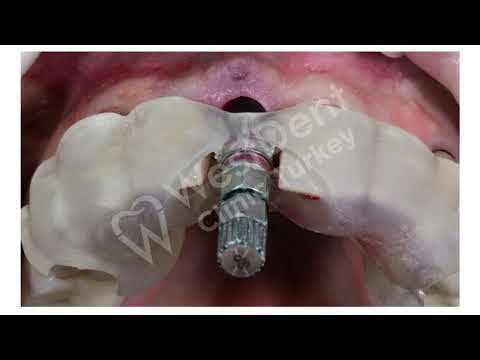
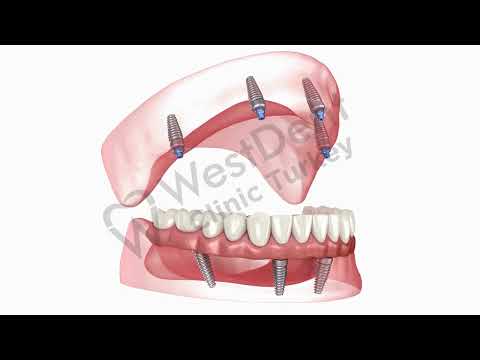
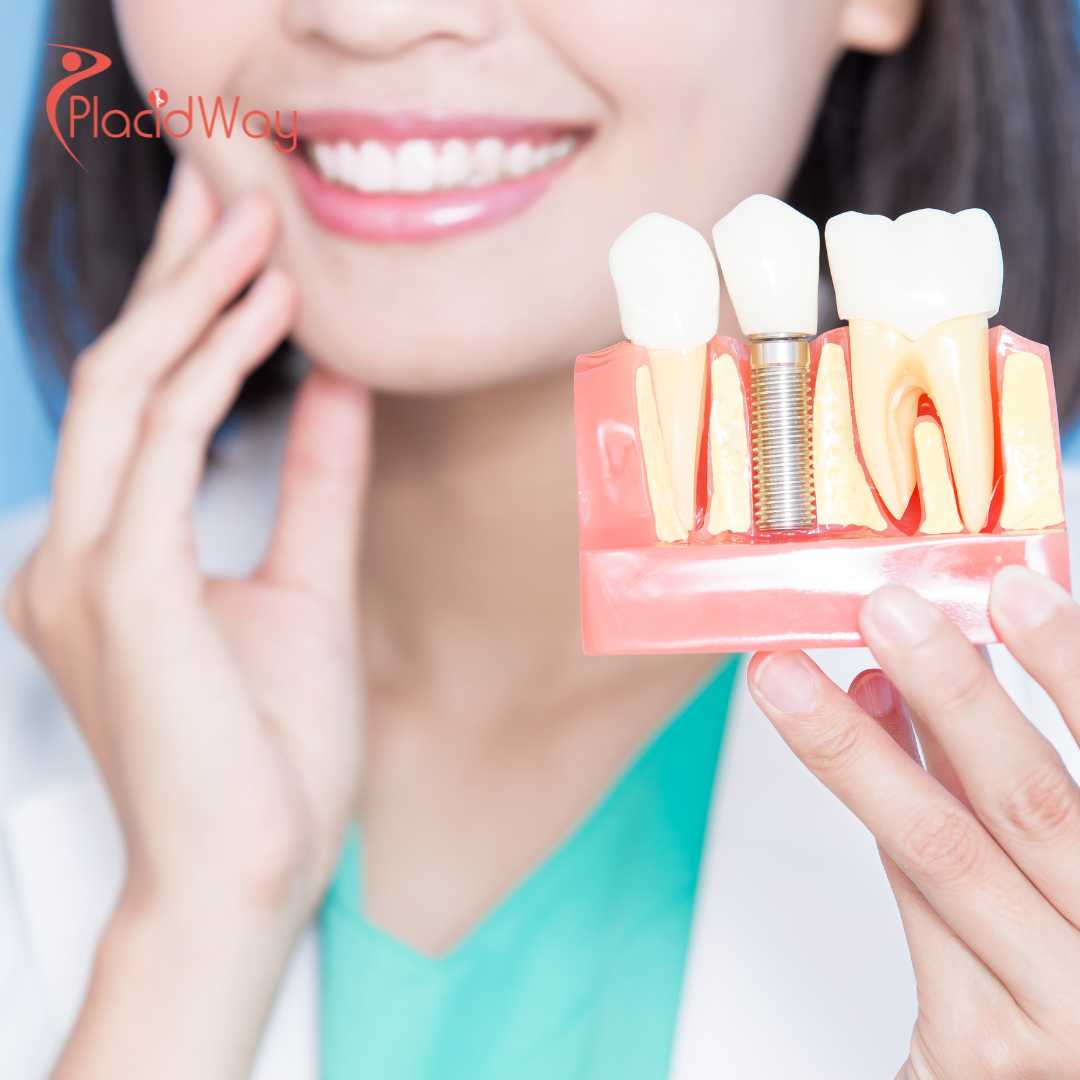
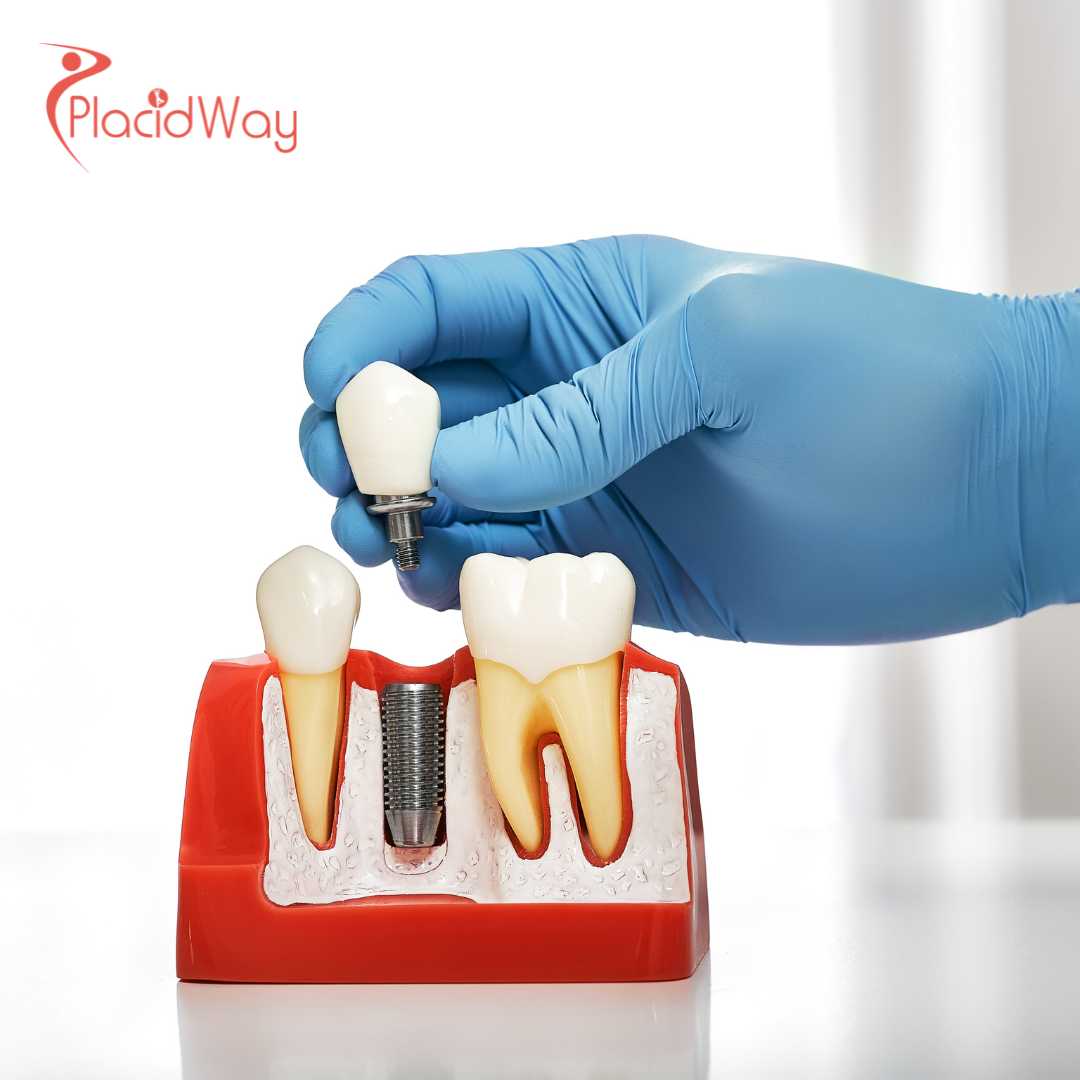
Depending on the condition of your remaining teeth, gums, and jawbone, the restoration process can look very different from one patient to the next. In cases where all teeth are missing or failing, the treatment often centers around dental implants. These titanium posts are surgically placed into the jawbone to act as artificial roots, eventually supporting fixed bridges or individual crowns.
If some natural teeth are still healthy, the restoration might incorporate a mix of treatments. This can include restoring existing teeth with durable crowns, using veneers to address structural damage, and placing partial bridges. Every step requires meticulous planning, often utilizing 3D imaging and digital impressions to ensure the bite aligns correctly and the jaw joints function smoothly.
How do I know if I am a suitable candidate for this procedure?
Before you ever book a ticket, proper diagnostic protocols must be followed. A reputable provider will require:
- Comprehensive 3D Cone Beam CT (CBCT) scans to evaluate bone volume and nerve locations.
- A full review of your medical history, including any medications you currently take.
- Treatment and management of any active periodontal (gum) disease prior to surgery.
- Clearance from your primary care physician if you have underlying health conditions.
- An assessment of lifestyle factors, such as smoking, which can severely impact healing.
What safety standards do dental clinics in Georgia follow?
When evaluating a full mouth restorations clinic in Georgia, it is helpful to look for transparency regarding their clinical protocols. Facilities that routinely treat international patients often strive to meet guidelines comparable to those set by organizations like the CDC or the FDI World Dental Federation. This includes the use of autoclaves for instrument sterilization, strict surface disinfection, and the use of disposable protective barriers.
You have the right to ask questions about a clinic’s safety practices. Inquiring about the brands of dental implants used, the sterilization equipment available, and the continuous education of the dental staff can provide insight into the facility’s commitment to patient safety and reliable outcomes.
What are the potential risks and complications?
No medical procedure is entirely without risk, and surgical placement of implants carries specific considerations. Infection at the implant site is a possibility that requires strict post-operative hygiene and sometimes antibiotic therapy. Nerve damage, though rare when procedures are guided by detailed 3D scans, can result in tingling, numbness, or pain in the natural teeth, gums, lips, or chin.
Another risk is implant failure, where the titanium post does not successfully fuse with the jawbone (a process called osseointegration). This can happen shortly after surgery or years later due to excessive biting forces or poor oral hygiene. If implants are placed in the upper jaw, there is also a slight risk of sinus complications if the implant protrudes into the sinus cavity.
How long does the treatment process take for international patients?
Patients rarely complete a full mouth restoration involving implants in a single trip. The typical timeline usually involves a first phase where damaged teeth are extracted and implants (and potentially bone grafts) are placed. Patients are often provided with a temporary denture or bridge to wear while they return home.
A waiting period of three to six months is normally required. During this time, the bone heals and tightly encases the implant. Once osseointegration is confirmed, the patient makes a second trip to have the abutments placed and the final, custom-made ceramic or zirconia crowns securely attached. Attempting to rush this biological healing process can significantly increase the risk of implant failure.
How does the full mouth restorations cost in Georgia compare to other countries?
Many international patients explore treatment abroad to help manage the financial impact of extensive dental work. The estimates for restorative procedures in Georgia reflect the local economy, allowing clinics to offer services at a lower price point without necessarily compromising on the materials used, provided they source internationally recognized implant brands.
It is vital to request an itemized treatment plan before committing to surgery. A comprehensive estimate should clearly outline the fees for diagnostic imaging, extractions, bone grafting, the surgical placement of implants, abutments, temporary prosthetics, and the final crowns. Patients should also factor in the cost of flights, accommodation for multiple trips, and local travel when calculating their total budget.
What should I expect during the recovery period?
The immediate aftermath of implant surgery requires rest and careful attention to your provider's post-operative instructions. You may be prescribed pain management medication and antibiotics to prevent infection. Swelling can peak around the second or third day before gradually subsiding. Using ice packs on the outside of the face can help manage inflammation.
During the initial healing weeks, you must avoid hard, crunchy, or chewy foods that could disturb the surgical sites or put premature pressure on the healing implants. Smoking and drinking alcohol through a straw should be strictly avoided, as these actions can dislodge blood clots and lead to a painful condition known as dry socket, while also hindering the overall bone healing process.
How do existing medical conditions impact my treatment safety?
Dental surgery is inextricably linked to your systemic health. Uncontrolled diabetes, for instance, restricts blood flow to the gums, making healing slower and increasing the likelihood of post-operative infections and implant failure. Patients taking certain medications, such as bisphosphonates for osteoporosis, face a rare but serious risk of jawbone necrosis following dental surgery.
Autoimmune conditions and treatments that suppress the immune system can also complicate recovery. It is highly recommended that you consult with your primary healthcare provider at home to ensure your condition is well-managed and that you are medically cleared to undergo extensive oral surgery and travel.
What happens if I experience complications after returning home?
One of the most critical aspects of receiving care abroad is the management of aftercare. If you develop an infection, experience severe pain, or notice an implant loosening weeks or months after returning home, returning to the overseas clinic immediately is often impractical.
You should arrange to have a local dentist who is willing to monitor your healing process and intervene if necessary. Be aware that you will likely be responsible for the costs associated with any corrective or emergency care required in your home country. Ensure you leave the overseas clinic with copies of all your dental records, X-rays, and specific details about the implant brands and sizes used in your mouth.
How does medical tourism in Georgia accommodate dental patients?
As a destination for healthcare, the infrastructure surrounding medical and dental care for foreigners in this region is continually developing. Clinics that actively welcome international patients often prioritize clear communication, employing patient coordinators who speak English to help navigate the clinical process, explain consent forms, and translate medical instructions.
These facilities often have streamlined protocols to maximize the efficiency of your time in the country, scheduling concentrated blocks of appointments. However, patients must remember that biological healing cannot be expedited. Thorough research into the facility’s credentials, patient reviews, and clinical standards remains the responsibility of the traveling patient.
Why Choose PlacidWay for Medical Tourism Information?
PlacidWay is a comprehensive resource for patients exploring international healthcare options.
Frequently Asked Questions
Can I get all my teeth restored in a single trip to Georgia?
Typically, no. Full mouth restorations that involve dental implants usually require at least two trips spaced several months apart to allow for proper bone healing and osseointegration before placing the final crowns.
What materials are typically used for restorations in Georgian clinics?
Clinics commonly use biocompatible materials such as titanium or zirconia for implant posts, and porcelain, ceramic, or zirconia for the visible crowns and bridges, depending on the patient's functional and aesthetic needs.
Do I need a bone graft before getting implants in Georgia?
You may need a bone graft if your jawbone lacks the density or volume required to securely hold an implant. This is determined through a 3D CT scan during your initial evaluation.
How long do full mouth restorations typically last?
With rigorous oral hygiene, regular dental check-ups, and a healthy lifestyle, dental implants can often last for many decades. The crowns or bridges attached to them may need replacement after 10 to 15 years due to normal wear.
Will I be put under general anesthesia for the procedure?
Most full mouth restoration procedures are performed using local anesthesia combined with conscious sedation. General anesthesia may be an option in certain clinic settings for patients with severe anxiety or highly complex cases, but it carries additional risks.
How soon can I fly after oral surgery?
Many surgeons recommend waiting at least 48 to 72 hours before flying after major oral surgery or sinus lifts, as cabin pressure changes can cause discomfort or affect healing. Always follow your specific surgeon's travel clearance advice.
Are there language barriers in Georgian dental clinics?
Facilities that frequently treat international patients usually employ English-speaking dentists and patient coordinators to ensure clear communication regarding medical history, treatment plans, and consent.
What is the typical age limit for full mouth restorations?
There is no strict upper age limit for restorative dentistry. Suitability is based on general health, bone density, and the ability to undergo minor surgery, rather than chronological age.
Can smokers undergo full mouth restorations?
While smokers can undergo restorations, smoking significantly increases the risk of implant failure, infection, and delayed healing. Providers strongly advise quitting smoking several weeks before and after the procedure.
How do I maintain my restorations once I am back home?
Maintenance requires daily brushing and flossing, avoiding chewing on extremely hard items, and visiting your local dentist every six months for professional cleanings and examinations to monitor the health of your gums and the integrity of the prosthetics.
Compare Treatment Options
Take the next step in your dental health journey. Explore clinical options, gather facts, and request more information to help you make an informed decision.
Request Treatment InformationReferences
- Infection Prevention & Control in Dental Settings – Centers for Disease Control and Prevention (CDC)
- Full Mouth Reconstruction – American College of Prosthodontists
- Patient Safety in Dentistry – FDI World Dental Federation
- Dental Implants Overview – National Institute of Dental and Craniofacial Research
- Safe Maternal and Newborn Care (Safe Surgery Guidelines) – World Health Organization (WHO)
- Influence of Systemic Diseases on Dental Implant Survival – PubMed / National Library of Medicine
- Complications in Implant Dentistry – Journal of Oral Implantology



















Share this listing