
What treatment


20+ Key FAQs on Dentistry in Georgia
Questions About Dentistry in Georgia? Start Here
Trusted Medical Tourism Platform Since 2007
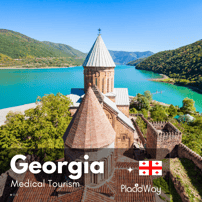
How Much Does a Root Canal Cost in Georgia
The estimated root canal cost in Georgia typically ranges from $50 to $150 USD per tooth. This price varies based on the tooths location, number of roots, and case complexity. Additional restorations like crowns will increase the overall expense. For individuals facing severe tooth pain or infection, seeking endodontic treatment is a crucial step in preserving oral health. As dental expenses continue to rise in many Western nations, patients frequently look abroad for more affordable solutions. The Republic of Georgia has emerged as an attractive destination for high-quality, cost-effective dental care. Whether you are exploring options in the capital city of Tbilisi or the coastal hub of Batumi, understanding what a root canal in Georgia entails can help you make an informed decision. This comprehensive guide explores estimated expenses, procedure details, patient eligibility, and the broader landscape of medical tourism in Georgia. By understanding the variables that influence pricing and care, you can better prepare for a safe and successful dental journey. Key Takeaways Estimated prices for endodontic therapy range from $50 to $150 USD per tooth, offering significant savings compared to North American or Western European averages. Total expenses depend heavily on tooth complexity, such as whether a single-rooted anterior tooth or a multi-rooted molar is being treated. The Republic of Georgia provides modern dental facilities, particularly in major cities, supporting the growth of dental tourism. Patients must factor in associated costs such as diagnostic X-rays, potential core build-ups, and custom dental crowns. Suitability for this treatment requires a personalized clinical evaluation by a qualified dental professional. What factors influence the final cost of a root canal in Georgia The final price is primarily determined by the tooths anatomical complexity, the number of canals requiring treatment, and the specific restorative materials needed afterward. Additional diagnostic imaging and the clinics location also play a role. Not all teeth are structurally identical, which means endodontic procedures vary in difficulty and time required. Anterior teeth—the incisors and canines located at the front of the mouth—typically have only one root and one canal. Because they are easier to access and faster to treat, these represent the lower end of the pricing spectrum. Conversely, premolars and molars at the back of the mouth can have two, three, or even four canals. Treating a molar requires more time, specialized instruments, and meticulous attention to detail, naturally increasing the estimated expense. Furthermore, the necessity of post-treatment restoration significantly impacts the budget. Once the infected pulp is removed and the canal is sealed, the tooth becomes structurally weaker. While a simple filling might suffice for a front tooth, molars handling heavy chewing forces typically require a crown. The choice of crown material—such as porcelain-fused-to-metal, full ceramic, or highly durable zirconia—will add varying amounts to your overall bill. When selecting a root canal clinic in Georgia, you may also find that facilities situated in prime tourist areas or central business districts of Tbilisi have slightly higher overhead costs than those in residential neighborhoods. However, these clinics often cater specifically to international visitors by providing multilingual staff and prioritizing swift appointment scheduling. How does the price in Georgia compare to other countries Patients traveling to Georgia can often expect to pay up to seventy or eighty percent less than the average out-of-pocket costs found in the United States, Canada, or the United Kingdom. In countries like the United States, an uncomplicated procedure on a front tooth might start around $800 to $1,000, while a complex molar can easily exceed $1,500 just for the endodontic therapy. When you add the cost of a build-up and a crown, a single severely decayed tooth could cost a North American patient well over $2,500 without insurance. Similarly, private dental care in the United Kingdom or Western Europe carries high fees due to elevated operating costs, clinical wages, and laboratory expenses. Procedure Type Estimated Cost in US/UK Estimated Cost in Georgia Anterior Tooth $800 - $1,200 $50 - $80 Premolar / Molar $1,000 - $1,800 $90 - $150 Zirconia Crown Addition $1,000 - $2,000+ $150 - $350 The dramatic difference in pricing does not inherently reflect a difference in the quality of materials or clinical hygiene. Instead, the lower costs are largely driven by the broader economic context of the country. Lower real estate expenses, reduced laboratory fees, and a lower cost of living mean that clinics can pass these savings directly to the patient while still utilizing modern diagnostic equipment like 3D cone beam computed tomography and high-powered dental microscopes. Are there additional fees associated with endodontic treatment Yes, international patients should budget for initial consultations, specialized X-rays, necessary restorative work like post-and-cores, and potential travel-related expenses. When calculating the total expenditure for your trip, it is important to look beyond the advertised base price of the procedure. A reputable clinic will require a thorough examination before beginning any invasive work. This usually involves taking small periapical X-rays or a comprehensive panoramic scan to accurately map the infection and the root structure. These diagnostic steps typically add a nominal fee, often between $10 and $30 USD. If the tooth is severely decayed or broken down, simply filling the canal is not enough to support a crown. The dentist may need to perform a post-and-core buildup. This involves inserting a small rod into the cleaned root canal space to anchor a strong filling material, which then acts as a solid base for the final crown. This intermediary step may carry an additional cost of $30 to $80 USD depending on the clinic. Beyond clinical fees, participating in medical tourism in Georgia means accounting for flights, lodging, local transportation, and meals. While accommodation in cities like Tbilisi is highly affordable compared to Western capitals, these logistical costs must be factored into your decision to ensure the trip remains economically viable. Important Consideration Always ask clinics for a comprehensive, itemized treatment plan before traveling. This estimate should clearly break down the costs of consultations, imaging, the endodontic therapy itself, temporary restorations, and the final permanent crown to prevent unexpected financial surprises. What happens during the procedure The dentist will numb the area, remove the infected pulp from inside the tooth, carefully clean and disinfect the root canals, and finally fill and seal the space to prevent future bacterial ingress. The treatment is designed to save a tooth that is badly decayed or infected, preventing the need for extraction. Beneath the hard enamel and dentin layers of your tooth lies a soft tissue known as the pulp, which contains blood vessels, nerves, and connective tissue. When bacteria breach the outer layers due to deep cavities, repeated dental procedures, or trauma, the pulp becomes inflamed or infected. The procedure begins with the administration of local anesthesia to ensure you remain comfortable. A small protective sheet called a dental dam is often placed around the tooth to keep it clean and isolated from saliva. The dentist then drills a small access opening through the top of the tooth. Using precise, tiny instruments called files, the clinician carefully removes the diseased pulp tissue. The hollowed-out canals are then shaped, washed with antibacterial solutions, and thoroughly dried. Once the space is fully prepared, it is filled with a biocompatible rubber-like material called gutta-percha, which is sealed into place with an adhesive cement. A temporary or permanent filling is placed over the access opening until the final crown is ready. How long does it take to recover Most patients recover within a few days. You can expect mild tenderness or sensitivity when chewing, which is typically managed effectively with over-the-counter pain relievers. Because the nerve tissue has been removed from the tooth, you will no longer feel the severe pain or hot and cold sensitivity that likely brought you to the dentist in the first place. However, the supporting tissues and ligaments surrounding the roots may remain inflamed from the initial infection and the mechanical work performed during the procedure. This post-operative tenderness is entirely normal and usually peaks within the first 24 to 48 hours. Dentists commonly recommend soft diets for the first few days and advise patients to chew on the opposite side of their mouth to avoid putting undue pressure on the healing tooth. Over-the-counter analgesics, such as ibuprofen or acetaminophen, are generally sufficient to manage discomfort. If you experience visible swelling, a return of severe pain, or an uneven bite where the treated tooth feels too high, you should contact the clinic promptly. While rare, these symptoms may indicate a persistent infection or the need for a minor bite adjustment. Is it safe to travel to Georgia for dental treatments Yes, traveling to urban centers like Tbilisi or Batumi for dental care is generally safe. The country maintains modern clinical hygiene standards, though patients should conduct careful research when selecting a specific provider. The Republic of Georgia has made significant strides in upgrading its healthcare infrastructure over the past two decades. Dental clinics catering to international patients frequently employ strict sterilization protocols that align with European standards, utilizing autoclaves for instrument sterilization and disposable materials wherever possible. From a travel perspective, the country is known for its hospitality, safety in major cities, and accessible tourism infrastructure. Visitors typically find getting around quite manageable, with numerous accommodation options and transportation services available. However, as with any international medical travel, it is important to practice standard situational awareness and follow travel advisories issued by your home country. Patient safety also hinges on choosing the right facility. Look for clinics that transparently display their dentists credentials, affiliations with recognized dental associations, and patient reviews. Taking the time to verify these details helps ensure a positive and secure clinical experience. Who is a suitable candidate for this treatment Ideal candidates are individuals with a deeply decayed or infected tooth that still has sufficient healthy bone support and remaining tooth structure to be saved and eventually restored. Not every painful tooth requires endodontic therapy, and conversely, some teeth needing the treatment may present no symptoms at all. Common signs that you may need this procedure include severe, spontaneous pain; prolonged sensitivity to hot or cold temperatures; discoloration or darkening of the tooth; swelling and tenderness in the adjacent gums; or a recurring pimple on the gums (fistula). Suitability must be determined through a clinical examination. A dentist will perform pulp vitality tests and review X-rays to check the extent of the infection and the shape of the root canals. If a tooth is fractured below the gumline, has extremely curved or calcified canals that cannot be navigated, or lacks adequate bone support due to severe periodontal disease, extraction followed by a dental implant or bridge may be the recommended alternative. Patients with certain medical conditions or compromised immune systems should disclose their full medical history to the dentist, as it may impact healing or necessitate prophylactic antibiotics. What are the potential risks and complications While highly successful, risks include undiscovered canals harboring bacteria, the separation of tiny instruments inside the canal, root fractures, or reinfection requiring retreatment or extraction. Endodontic therapy has a strong track record of success, often saving teeth for a lifetime. However, no medical procedure is without risk. One of the most common complications occurs when a tooth has complex anatomy, such as an extra, hidden canal that goes unnoticed and uncleaned. If bacteria remain inside this missed canal, the infection can persist or return months later. Because the files used to clean the canals are extremely fine and flexible, there is a small risk that a file could separate or break off inside the root. In many cases, the piece can be retrieved or bypassed; if not, it may be sealed within the canal, which sometimes requires monitoring. Additionally, teeth that have undergone this treatment can become brittle over time, increasing the risk of a vertical root fracture if they are not promptly protected with a crown. If complications arise after you have returned home from Georgia, you will need to seek care from a local dentist. In cases of failure, endodontic retreatment or an apicoectomy (a minor surgical procedure to remove the root tip) may be attempted, though extraction remains a final option if the tooth cannot be saved. How should international patients plan their dental trip Proper planning involves researching reputable clinics, initiating remote consultations with recent dental X-rays, allowing adequate time in your itinerary for recovery, and scheduling local follow-up care. A successful medical tourism experience requires organization. Start by contacting several clinics to request information about their technology, the materials they use, and their estimated timelines. Many providers offer initial remote assessments if you can securely email them a recent panoramic X-ray or dental records from your local dentist. This allows them to provide a tentative treatment plan and cost estimate before you book a flight. When booking your travel, build in buffer days. While the initial nerve removal might only take one day, receiving a permanent crown usually requires coordination with a dental laboratory, which can take several days to fabricate the restoration. Rushing the process limits the dentists ability to ensure the fit and bite are correct. Finally, secure an agreement with a dental professional in your home country who is willing to perform routine check-ups and maintenance on the work done abroad. Continuity of care is vital for long-term oral health. Why Choose PlacidWay for Medical Tourism in Georgia? Navigating international healthcare options can be complex. PlacidWay serves as an educational platform to help patients explore dental treatment possibilities worldwide. Extensive Provider Network: Access a broad directory of healthcare facilities and dental clinics across the Republic of Georgia and other international destinations. Detailed Clinic Profiles: Review factual information regarding clinic locations, available treatments, and spoken languages to aid your research. Easy Comparisons: Utilize platform tools to contrast estimated costs and facility offerings side-by-side. Direct Communication: Request information and quotes directly from clinics to facilitate your remote consultation process. Educational Resources: Read comprehensive guides and articles about procedures and destinations to help you make informed healthcare choices. Frequently Asked Questions How long does a root canal take to complete in Georgia? A standard endodontic procedure typically takes one to two visits. Each appointment usually lasts between 60 and 90 minutes, depending on the complexity of the tooth and the number of roots involved. Do I need to stay in Georgia for follow-up appointments? Most patients stay in the country for a few extra days if they require a custom dental crown after the root canal. If you only need a temporary filling, you may be able to travel sooner, though local follow-up at home will be necessary. Will the endodontic procedure hurt? Dentists use local anesthesia to numb the affected tooth and surrounding gums, meaning you should not feel sharp pain during the treatment. You may experience some pressure during the procedure and mild soreness for a few days afterward. Can I fly immediately after having a root canal? It is generally advised to wait 24 to 48 hours before flying. Cabin pressure changes can sometimes cause discomfort in recently treated teeth, a condition known as barodontalgia. What materials are used for dental crowns in Georgia? Clinics in Georgia commonly offer a variety of restorative materials, including full porcelain, zirconia, and porcelain-fused-to-metal (PFM). The choice of material impacts both durability and cost. Is English widely spoken in Georgian dental clinics? Many dental facilities in major cities like Tbilisi and Batumi that cater to international patients have English-speaking staff and dentists. It is always wise to confirm language support before booking your appointment. Can a failed root canal be retreated in Georgia? Yes, endodontic retreatment is available for teeth that have not healed properly or have developed new infections. This is often a more complex procedure and may cost slightly more than an initial treatment. Are dental X-rays included in the initial cost estimate? Diagnostic imaging like panoramic X-rays or CBCT scans are often billed separately. These typically add a small amount, ranging from $10 to $50 USD, to your overall treatment expense. Do clinics in Georgia accept international dental insurance? Most international clinics require out-of-pocket payment at the time of service. Patients with international coverage usually need to request an itemized receipt to file for reimbursement with their provider back home. How soon can I eat after my root canal? You should wait until the local anesthesia has completely worn off before eating to avoid accidentally biting your cheek or tongue. It is best to stick to soft foods for the first few days. Compare Treatment Options Worldwide Explore dental clinics, review estimated costs, and gather the information you need to make an informed decision about your oral health journey. Request Treatment Information References What is a Root Canal? – American Association of Endodontists (AAE) Root Canals Overview – American Dental Association (ADA) Medical Tourism Travel Information – Centers for Disease Control and Prevention (CDC) Oral Health Fact Sheet – World Health Organization (WHO) Endodontic Retreatment Information – American Association of Endodontists (AAE) Traveler View: Georgia – Centers for Disease Control and Prevention (CDC) Medical Disclaimer: The information provided in this article is for educational and informational purposes only and does not constitute professional medical or dental advice, diagnosis, or treatment. Endodontic outcomes, risks, suitability, and recovery times vary significantly by individual patient and clinical circumstance. Prices mentioned are strictly estimates and are subject to change. Always seek the advice of a qualified dentist, endodontist, or other licensed healthcare provider with any questions you may have regarding a medical condition or treatment plan. Never disregard professional medical advice or delay in seeking it because of something you have read in this article....
Read more details

Are Full Mouth Restorations Safe for International Patients in Georgia?
Yes, full mouth restorations in Georgia can be safe for international patients when performed by qualified professionals. Clinics often follow international standards, though outcomes depend on individual health, proper planning, and aftercare. When considering complex dental procedures abroad, safety and quality of care are naturally the top priorities. Undergoing full mouth restorations in Georgia has become an option that many international patients explore, balancing their need for comprehensive dental rehabilitation with a desire to seek care outside their home countries. A full mouth restoration is not a single, isolated procedure; rather, it is a highly personalized series of treatments aimed at rebuilding functionality and oral health. Because it involves surgery, careful planning, and long-term maintenance, patients must look beyond surface-level information to understand exactly what the process entails in an international setting. Key Takeaways Safety relies on thorough medical evaluation, qualified practitioners, and strict facility hygiene protocols. Treatments may involve a combination of implants, crowns, and bone grafts tailored to your specific clinical needs. Securing medical clearance and accurate bone density assessments is crucial before traveling for surgery. Post-procedure care and establishing a relationship with a local dentist at home are essential for long-term success. While treatment abroad may offer different pricing structures, clinical safety and material quality should always remain your primary focus. What does a full mouth restoration actually involve? A full mouth restoration is a comprehensive treatment plan designed to rebuild or replace all the teeth in a patient's mouth. It typically combines multiple restorative dentistry procedures to restore oral function and structural integrity. Depending on the condition of your remaining teeth, gums, and jawbone, the restoration process can look very different from one patient to the next. In cases where all teeth are missing or failing, the treatment often centers around dental implants. These titanium posts are surgically placed into the jawbone to act as artificial roots, eventually supporting fixed bridges or individual crowns. If some natural teeth are still healthy, the restoration might incorporate a mix of treatments. This can include restoring existing teeth with durable crowns, using veneers to address structural damage, and placing partial bridges. Every step requires meticulous planning, often utilizing 3D imaging and digital impressions to ensure the bite aligns correctly and the jaw joints function smoothly. How do I know if I am a suitable candidate for this procedure? Suitability depends on your overall health, jawbone density, and the absence of active gum disease. A thorough clinical evaluation by a qualified dental professional is required to determine if this treatment is appropriate for you. Before you ever book a ticket, proper diagnostic protocols must be followed. A reputable provider will require: Comprehensive 3D Cone Beam CT (CBCT) scans to evaluate bone volume and nerve locations. A full review of your medical history, including any medications you currently take. Treatment and management of any active periodontal (gum) disease prior to surgery. Clearance from your primary care physician if you have underlying health conditions. An assessment of lifestyle factors, such as smoking, which can severely impact healing. Important Consideration: If your jawbone lacks the necessary density to support implants, you may require preliminary bone grafting procedures. This adds significant time to your treatment timeline, as the graft must heal and integrate before implants can be safely placed. What safety standards do dental clinics in Georgia follow? Many facilities align with established international infection control and sterilization guidelines to protect patient health. However, as standards can vary between individual facilities, patients must carefully evaluate their chosen provider. When evaluating a full mouth restorations clinic in Georgia, it is helpful to look for transparency regarding their clinical protocols. Facilities that routinely treat international patients often strive to meet guidelines comparable to those set by organizations like the CDC or the FDI World Dental Federation. This includes the use of autoclaves for instrument sterilization, strict surface disinfection, and the use of disposable protective barriers. You have the right to ask questions about a clinic’s safety practices. Inquiring about the brands of dental implants used, the sterilization equipment available, and the continuous education of the dental staff can provide insight into the facility’s commitment to patient safety and reliable outcomes. What are the potential risks and complications? Like any major dental surgery, full mouth restorations carry risks such as infection, nerve damage, implant failure, and sinus problems. While relatively uncommon, these complications require prompt professional medical attention if they occur. No medical procedure is entirely without risk, and surgical placement of implants carries specific considerations. Infection at the implant site is a possibility that requires strict post-operative hygiene and sometimes antibiotic therapy. Nerve damage, though rare when procedures are guided by detailed 3D scans, can result in tingling, numbness, or pain in the natural teeth, gums, lips, or chin. Another risk is implant failure, where the titanium post does not successfully fuse with the jawbone (a process called osseointegration). This can happen shortly after surgery or years later due to excessive biting forces or poor oral hygiene. If implants are placed in the upper jaw, there is also a slight risk of sinus complications if the implant protrudes into the sinus cavity. How long does the treatment process take for international patients? The timeline varies significantly by patient, but the process often requires multiple visits spanning several months. Healing time for bone grafts or implants usually dictates the overall schedule and number of required trips. Patients rarely complete a full mouth restoration involving implants in a single trip. The typical timeline usually involves a first phase where damaged teeth are extracted and implants (and potentially bone grafts) are placed. Patients are often provided with a temporary denture or bridge to wear while they return home. A waiting period of three to six months is normally required. During this time, the bone heals and tightly encases the implant. Once osseointegration is confirmed, the patient makes a second trip to have the abutments placed and the final, custom-made ceramic or zirconia crowns securely attached. Attempting to rush this biological healing process can significantly increase the risk of implant failure. How does the full mouth restorations cost in Georgia compare to other countries? The full mouth restorations cost in Georgia is generally lower than in North America or Western Europe due to differences in local living and operational expenses. However, prices vary widely based on materials and case complexity. Many international patients explore treatment abroad to help manage the financial impact of extensive dental work. The estimates for restorative procedures in Georgia reflect the local economy, allowing clinics to offer services at a lower price point without necessarily compromising on the materials used, provided they source internationally recognized implant brands. It is vital to request an itemized treatment plan before committing to surgery. A comprehensive estimate should clearly outline the fees for diagnostic imaging, extractions, bone grafting, the surgical placement of implants, abutments, temporary prosthetics, and the final crowns. Patients should also factor in the cost of flights, accommodation for multiple trips, and local travel when calculating their total budget. What should I expect during the recovery period? Recovery usually involves localized swelling, minor bleeding, and discomfort for the first few days after surgery. A strict soft food diet and specialized oral hygiene routines are typically required during the initial healing phase. The immediate aftermath of implant surgery requires rest and careful attention to your provider's post-operative instructions. You may be prescribed pain management medication and antibiotics to prevent infection. Swelling can peak around the second or third day before gradually subsiding. Using ice packs on the outside of the face can help manage inflammation. During the initial healing weeks, you must avoid hard, crunchy, or chewy foods that could disturb the surgical sites or put premature pressure on the healing implants. Smoking and drinking alcohol through a straw should be strictly avoided, as these actions can dislodge blood clots and lead to a painful condition known as dry socket, while also hindering the overall bone healing process. How do existing medical conditions impact my treatment safety? Conditions like uncontrolled diabetes, autoimmune diseases, or osteoporosis may increase the risk of implant failure or delayed healing. You must fully disclose your medical history to your provider before starting treatment. Dental surgery is inextricably linked to your systemic health. Uncontrolled diabetes, for instance, restricts blood flow to the gums, making healing slower and increasing the likelihood of post-operative infections and implant failure. Patients taking certain medications, such as bisphosphonates for osteoporosis, face a rare but serious risk of jawbone necrosis following dental surgery. Autoimmune conditions and treatments that suppress the immune system can also complicate recovery. It is highly recommended that you consult with your primary healthcare provider at home to ensure your condition is well-managed and that you are medically cleared to undergo extensive oral surgery and travel. What happens if I experience complications after returning home? If complications arise after you leave Georgia, you will likely need to seek immediate care from a local dentist or oral surgeon. It is highly recommended to establish a relationship with a local provider before traveling. One of the most critical aspects of receiving care abroad is the management of aftercare. If you develop an infection, experience severe pain, or notice an implant loosening weeks or months after returning home, returning to the overseas clinic immediately is often impractical. You should arrange to have a local dentist who is willing to monitor your healing process and intervene if necessary. Be aware that you will likely be responsible for the costs associated with any corrective or emergency care required in your home country. Ensure you leave the overseas clinic with copies of all your dental records, X-rays, and specific details about the implant brands and sizes used in your mouth. How does medical tourism in Georgia accommodate dental patients? The framework for medical tourism in Georgia typically includes facilities accustomed to treating international patients. English-speaking staff and structured care plans are common in clinics catering to healthcare travelers. As a destination for healthcare, the infrastructure surrounding medical and dental care for foreigners in this region is continually developing. Clinics that actively welcome international patients often prioritize clear communication, employing patient coordinators who speak English to help navigate the clinical process, explain consent forms, and translate medical instructions. These facilities often have streamlined protocols to maximize the efficiency of your time in the country, scheduling concentrated blocks of appointments. However, patients must remember that biological healing cannot be expedited. Thorough research into the facility’s credentials, patient reviews, and clinical standards remains the responsibility of the traveling patient. Why Choose PlacidWay for Medical Tourism Information? PlacidWay is a comprehensive resource for patients exploring international healthcare options. 1. Access to Information: PlacidWay provides access to informational resources about international dental facilities and their available services. 2. Comprehensive Profiles: Patients can browse detailed provider profiles, clinical specialties, and treatment options in one centralized place. 3. Direct Communication: The platform facilitates direct communication with clinics to help you make preliminary inquiries about care. 4. Educational Content: PlacidWay offers informative content on various dental procedures and global healthcare destinations to aid your research. 5. Budget Planning: Users can request initial price estimates through the platform to help them plan their prospective healthcare budgets. Frequently Asked Questions Can I get all my teeth restored in a single trip to Georgia? Typically, no. Full mouth restorations that involve dental implants usually require at least two trips spaced several months apart to allow for proper bone healing and osseointegration before placing the final crowns. What materials are typically used for restorations in Georgian clinics? Clinics commonly use biocompatible materials such as titanium or zirconia for implant posts, and porcelain, ceramic, or zirconia for the visible crowns and bridges, depending on the patient's functional and aesthetic needs. Do I need a bone graft before getting implants in Georgia? You may need a bone graft if your jawbone lacks the density or volume required to securely hold an implant. This is determined through a 3D CT scan during your initial evaluation. How long do full mouth restorations typically last? With rigorous oral hygiene, regular dental check-ups, and a healthy lifestyle, dental implants can often last for many decades. The crowns or bridges attached to them may need replacement after 10 to 15 years due to normal wear. Will I be put under general anesthesia for the procedure? Most full mouth restoration procedures are performed using local anesthesia combined with conscious sedation. General anesthesia may be an option in certain clinic settings for patients with severe anxiety or highly complex cases, but it carries additional risks. How soon can I fly after oral surgery? Many surgeons recommend waiting at least 48 to 72 hours before flying after major oral surgery or sinus lifts, as cabin pressure changes can cause discomfort or affect healing. Always follow your specific surgeon's travel clearance advice. Are there language barriers in Georgian dental clinics? Facilities that frequently treat international patients usually employ English-speaking dentists and patient coordinators to ensure clear communication regarding medical history, treatment plans, and consent. What is the typical age limit for full mouth restorations? There is no strict upper age limit for restorative dentistry. Suitability is based on general health, bone density, and the ability to undergo minor surgery, rather than chronological age. Can smokers undergo full mouth restorations? While smokers can undergo restorations, smoking significantly increases the risk of implant failure, infection, and delayed healing. Providers strongly advise quitting smoking several weeks before and after the procedure. How do I maintain my restorations once I am back home? Maintenance requires daily brushing and flossing, avoiding chewing on extremely hard items, and visiting your local dentist every six months for professional cleanings and examinations to monitor the health of your gums and the integrity of the prosthetics. Compare Treatment Options Take the next step in your dental health journey. Explore clinical options, gather facts, and request more information to help you make an informed decision. Request Treatment Information References Infection Prevention & Control in Dental Settings – Centers for Disease Control and Prevention (CDC) Full Mouth Reconstruction – American College of Prosthodontists Patient Safety in Dentistry – FDI World Dental Federation Dental Implants Overview – National Institute of Dental and Craniofacial Research Safe Maternal and Newborn Care (Safe Surgery Guidelines) – World Health Organization (WHO) Influence of Systemic Diseases on Dental Implant Survival – PubMed / National Library of Medicine Complications in Implant Dentistry – Journal of Oral Implantology Medical Disclaimer: The information provided in this article is for educational and informational purposes only and does not constitute medical advice, diagnosis, or treatment recommendations. The appropriateness, safety, and outcomes of dental surgery vary widely based on individual medical histories, bone density, and post-operative care. Never disregard professional medical advice or delay seeking it because of something you have read here. Always consult with a qualified local healthcare provider or dental specialist before making decisions regarding complex restorative treatments or traveling abroad for medical care....
Read more details
How Much Does Dental Crown Cost in Georgia?
The estimated dental crown cost in Georgia typically ranges from $150 to $450 per tooth. This price varies based on the material used (like Zirconia or E-max), the complexity of your treatment, and the specific dental clinic. Restoring a damaged, decayed, or fractured tooth often requires a durable solution that protects the remaining structure while restoring natural function. For many international patients, pursuing a dental crown in Georgia has become an appealing option. Located at the intersection of Eastern Europe and Western Asia, the country of Georgia has developed a growing reputation for providing modern dental care at accessible price points. However, deciding to travel abroad for dental restoration requires careful consideration beyond just the baseline price. Understanding what factors influence the final cost, the types of materials available, and the medical realities of undergoing treatment away from home is vital. This comprehensive guide explores the financial, procedural, and safety aspects of getting dental crowns in this popular destination. Key Takeaways The estimated cost for a single dental crown ranges from $150 to $450 USD. Common material choices include Porcelain-Fused-to-Metal (PFM), Zirconia, and all-ceramic (E-max). Patients typically need to plan for a 5 to 7-day stay to allow time for laboratory fabrication. Eligibility depends on a thorough dental evaluation, including X-rays and assessment of the tooth root. Establishing a relationship with a local dentist at home is crucial for long-term maintenance and emergency follow-up. What factors influence the cost of a dental crown in Georgia? Several factors affect the price, including the type of material chosen, any necessary preliminary treatments, and the location or specific fee structure of the dental clinic in Georgia. While the base price of a dental crown is generally straightforward, the total cost of your treatment plan can fluctuate based on your unique clinical needs. The most significant variable is usually the material. Traditional metal or basic porcelain-fused-to-metal (PFM) crowns sit at the lower end of the pricing spectrum, while highly aesthetic all-ceramic or digitally milled Zirconia crowns command a higher fee due to the cost of raw materials and advanced manufacturing technology. Preliminary treatments also play a major role in the final bill. Before a crown can be placed, the foundational tooth must be healthy and structurally sound. If you require a root canal therapy to treat an infected dental pulp, or a core build-up to provide enough structure for the crown to hold onto, these procedures will be billed separately. Diagnostic imaging, such as panoramic X-rays or 3D CBCT scans, may also add to the overall expense. Finally, geographic location within the country can influence pricing. Clinics situated in the heart of the capital city, Tbilisi, may have slightly higher overhead costs compared to those in smaller cities. Furthermore, clinics that invest heavily in international patient services, bilingual staff, and state-of-the-art digital scanning equipment may structure their fees differently than local neighborhood practices. Which dental crown materials are available in Georgia? Clinics typically offer a variety of options, including Porcelain-Fused-to-Metal (PFM), high-strength Zirconia, and highly aesthetic all-ceramic materials like E-max, to meet different functional needs. Choosing the right material is a collaborative decision between you and your dentist, based on the location of the tooth, your bite force, and your aesthetic preferences. Porcelain-Fused-to-Metal (PFM) crowns have been a standard in dentistry for decades. They combine the durability of a metal alloy base with the tooth-like appearance of a porcelain exterior. While generally more affordable, the metal substructure can sometimes create a dark line near the gums, making them less ideal for front teeth. Zirconia crowns are incredibly popular due to their exceptional strength and biocompatibility. Made from zirconium dioxide, a type of ceramic that is as strong as some metals, these crowns are highly resistant to chipping and cracking. They are particularly suitable for molars that endure heavy chewing forces. Because they do not contain a dark metal core, they offer a more natural, translucent appearance than PFM crowns. Lithium disilicate crowns, commonly known by the brand name E-max, are prized for their superior aesthetics. They offer excellent light transmission, closely mimicking the natural translucency of tooth enamel. Because they are slightly less durable than Zirconia, dentists often recommend E-max crowns for anterior (front) teeth where appearance is paramount and chewing forces are relatively lower. Crown Material Best Suited For Estimated Cost in Georgia Porcelain-Fused-to-Metal (PFM) Molars, budget-conscious restorations $150 - $250 Zirconia Molars, patients seeking metal-free durability $250 - $400 All-Ceramic (E-max) Front teeth, high aesthetic requirements $300 - $450 Are Zirconia crowns cheaper in Georgia compared to other countries? Yes, Zirconia crowns are generally more affordable in Georgia than in Western Europe or the United States, primarily due to differences in regional economic factors and operating overhead. The core reason medical tourism in Georgia has gained traction is the notable difference in the cost of living and the cost of doing business. Dental practices in Georgia generally face lower expenses for clinic rent, administrative staffing, and utilities compared to their counterparts in London, New York, or Berlin. These operational savings are often passed directly to the patient, resulting in a lower final price for treatments. It is helpful to understand that a lower price does not inherently mean lower quality materials. Many modern dental clinics globally purchase their raw materials—such as Zirconia blocks and dental cements—from the same international manufacturers. The variance in price is heavily tied to the labor costs of the dental professionals and laboratory technicians, rather than the intrinsic cost of the zirconium dioxide itself. However, patients should carefully evaluate the total cost of their trip. While the dental procedure itself may be significantly cheaper, you must factor in the costs of flights, accommodation, local transportation, and meals. For a single crown, the travel expenses might offset the medical savings. Consequently, traveling for dental care often makes the most financial sense for patients who require multiple crowns, extensive restorative work, or who are combining their treatment with a planned vacation. Expert Insight When comparing prices internationally, always ask clinics for a comprehensive, itemized treatment plan. Ensure the quote includes the consultation fee, diagnostic X-rays, the temporary crown, the final crown, and any required local anesthesia. What is the typical process for getting a dental crown in Georgia? The process generally involves an initial consultation, preparation of the tooth, taking physical or digital impressions, placement of a temporary crown, and finally, cementing the permanent restoration. Consultation and Diagnostics: Your dentist will examine the tooth, take X-rays to assess the roots and surrounding bone, and determine if a crown is medically appropriate. Tooth Preparation: Under local anesthesia, the dentist will file down the chewing surface and sides of the tooth to make room for the crown. If much of the tooth is missing due to decay, a filling material may be used to build up the tooth structure first. Impressions: The dentist will take an impression of the prepared tooth. This can be done using traditional putty or a modern 3D digital scanner. These impressions are sent to the dental lab to ensure a precise fit. Temporary Crown: To protect the prepared tooth while the lab crafts your final crown, a temporary acrylic or resin crown is placed using temporary cement. Final Fitting: Once the permanent crown is ready, the temporary one is removed. The dentist checks the fit, color, and your bite alignment before permanently cementing the new crown into place. How long do I need to stay in Georgia for a dental crown procedure? Patients generally need to plan for a 5 to 7-day stay to allow enough time for the dental laboratory to properly craft and finish the custom crown. The timeline for receiving a dental crown is largely dictated by the laboratory fabrication process. After your initial appointment where the tooth is prepped and impressions are taken, the dental technicians require time to mold, mill, and color-match the materials. A standard turnaround time is typically between three and five days. It is highly advisable to build a buffer into your travel itinerary. Booking your return flight immediately after the scheduled final fitting leaves no room for adjustments. Sometimes, a crown may require slight modifications to achieve the perfect bite alignment or color match. Staying an extra day or two ensures the dentist can make these crucial adjustments without you having to rush to the airport. Some modern clinics employ CAD/CAM (Computer-Aided Design and Computer-Aided Manufacturing) technology, which can mill a ceramic crown in-house in a single day. If your clinic offers this, your stay might be significantly shorter. However, same-day crowns are not suitable for every tooth or every material, so you must confirm your eligibility for this technology prior to booking your travel. Is it safe to travel for medical tourism in Georgia for dental care? Traveling for dental care can be safe for suitable patients, provided they choose facilities that adhere to standard hygiene protocols and they are medically cleared for treatment by their home physician. Safety in medical tourism depends heavily on diligent research and sensible preparation. The country of Georgia has an established healthcare sector, and many private clinics actively catering to international patients maintain high standards of sterilization and use modern equipment. However, regulatory standards and oversight can differ from those in your home country, making it your responsibility to verify the credentials of the facility and the practicing dentists. From a general health perspective, you should be fit for travel. If you are flying long distances, be aware of the general risks associated with travel, such as fatigue or a slightly altered immune response due to stress and changing environments. Patients with complex systemic conditions (like uncontrolled diabetes or severe cardiovascular issues) should consult their primary care physician before undergoing even minor dental surgery abroad. Continuity of care is another critical safety factor. A dental procedure does not end when you leave the clinic. It is highly recommended to have a preliminary consultation with a local dentist in your home country before you travel, and to have a plan in place for regular check-ups once you return. Your local dentist will be essential for long-term maintenance and addressing any issues that arise later. How long do dental crowns usually last? A dental crown can often last between 5 and 15 years, and sometimes longer, depending heavily on your daily oral hygiene habits and the specific material used. While dental crowns are designed to be durable, they are not strictly permanent. The lifespan of a crown is influenced by several variables, primarily how well you care for your teeth. Although the artificial crown itself cannot decay, the natural tooth structure beneath it remains vulnerable to cavities, especially at the margin where the crown meets the gum line. To maximize the longevity of your restoration, you should: Brush twice daily using fluoride toothpaste and a soft-bristled brush. Floss daily to remove plaque from around the base of the crown. Avoid using your teeth as tools (e.g., opening packages, biting nails). Refrain from chewing extremely hard items like ice or hard candies. Wear a custom nightguard if you suffer from bruxism (teeth grinding or clenching), as this can quickly wear down or fracture ceramic materials. Will I need a root canal before getting a dental crown? Not every tooth requiring a crown needs a root canal; this endodontic treatment is only necessary if the tooth's inner pulp is infected, inflamed, or severely damaged. A dental crown is a structural restoration placed over the visible portion of a tooth, while a root canal treats the interior nerve and blood supply (the pulp). If a tooth has a large cavity or a fracture that compromises its structural integrity but does not reach or irritate the nerve, a crown can be placed without endodontic intervention. However, if deep decay, repeated dental procedures, or traumatic injury has caused irreversible inflammation or infection within the pulp, a root canal is medically necessary to save the tooth. Once the infected tissue is removed and the root canals are sealed, the tooth becomes brittle and often requires a crown to protect it from fracturing under chewing pressure. During your initial consultation, the dentist will use X-rays and vitality tests to evaluate the health of the tooth's nerve. If a root canal is required, it will add both cost and time to your treatment plan. In some complex cases, it may be advisable to have the root canal performed by an endodontist at home before traveling abroad for the final crown placement. Important Consideration Sometimes, the trauma of preparing a tooth for a crown can agitate a previously healthy nerve, leading to the need for a root canal months or even years later. This is a known medical risk associated with major restorative dentistry, regardless of where the procedure is performed. What should I do if my dental crown causes pain after returning home? If you experience persistent pain, swelling, or an uneven bite after returning home, you should immediately contact a local dentist for an evaluation. Experiencing mild sensitivity to hot and cold temperatures is relatively normal for a few days to a few weeks following the placement of a new crown, as the nerve settles down. However, sharp pain when biting down, spontaneous throbbing, or swelling in the gums are not normal and require professional attention. One of the most common reasons for post-crown discomfort is a high bite. If the new crown sits slightly higher than the surrounding teeth, it takes the brunt of the chewing force, causing the tooth ligament to become bruised and inflamed. A local dentist can easily adjust the bite by polishing down the crown slightly, which often resolves the issue rapidly. If the pain is severe or throbbing, it may indicate that the nerve inside the tooth has become irreversibly inflamed or infected, necessitating a root canal. This highlights the importance of not delaying care; attempting to manage severe dental pain without professional help can lead to serious infections. Always have a trusted local dentist available to manage any unexpected complications after international treatment. Why Choose PlacidWay for Medical Tourism? Navigating international healthcare options requires access to organized, factual information. PlacidWay is a medical tourism platform designed to help patients research and connect with healthcare facilities worldwide. Here is how the platform can assist you: Global Network Access: PlacidWay connects patients with a wide directory of healthcare providers and clinics across multiple countries, including Georgia. Facility Information: The platform provides access to clinic profiles, allowing patients to review available technologies and facility details. Provider Credentials: Users can read through the professional backgrounds, education, and spoken languages of practicing medical and dental professionals. Cost Comparisons: The platform allows users to request and compare estimated pricing for various procedures across different regions and clinics. Direct Communication: PlacidWay facilitates the initial contact, enabling patients to ask clinical questions directly to international healthcare teams before making decisions. Frequently Asked Questions Does international dental insurance cover crowns in Georgia? Coverage depends entirely on your specific insurance policy. Some international or premium dental plans may reimburse out-of-network or overseas care, but you will typically need to pay upfront and submit translated receipts and treatment codes for reimbursement. Always verify with your provider before traveling. Can I get a temporary crown while waiting for the permanent one? Yes, dentists routinely place a temporary crown over the prepared tooth to protect it and reduce sensitivity while the dental laboratory manufactures your permanent restoration. How do I maintain my new dental crown? Maintain your crown by practicing standard oral hygiene: brushing twice daily with fluoride toothpaste, flossing daily, and visiting your local dentist for regular check-ups. Avoid using your crowned teeth to open packaging or bite down on extremely hard objects like ice or hard candies. Is getting a dental crown painful? The tooth preparation process is typically performed under local anesthesia, meaning you should not feel sharp pain during the procedure. You may experience some mild sensitivity or gum soreness for a few days after the anesthesia wears off. What happens if my new crown falls out? If a crown dislodges, keep it safe and contact a dentist immediately. Often, a local dentist can recement the crown if the underlying tooth structure remains intact and free of new decay. Are porcelain-fused-to-metal (PFM) crowns still used? Yes, PFM crowns are still widely used because they offer a reliable balance of strength from the metal substructure and a natural appearance from the porcelain overlay, making them a cost-effective option for many patients. How quickly can a dental lab in Georgia make a crown? Traditional dental labs typically require 3 to 7 days to fabricate a custom crown. Some clinics equipped with in-house CAD/CAM technology may offer same-day crowns, depending on the material and complexity of the case. Can a dental crown fix a crooked tooth? A crown can sometimes improve the appearance of a slightly misaligned tooth by altering its exterior shape. However, crowns do not move the underlying root. For severely crooked teeth, orthodontic treatment is generally the medically appropriate approach. Is there an age limit for getting a dental crown? There is no strict upper age limit for receiving a dental crown, provided the patient is in good overall health and has sufficient bone and tooth structure. They are generally not recommended for children unless capping primary (baby) teeth with specific pediatric crowns. Do dental staff in Georgian clinics speak English? Many dental professionals who cater to international patients in major Georgian cities speak English. It is always advisable to confirm language accommodations or the availability of a translator during your initial consultation. Compare Treatment Options If you are considering dental restoration and wish to explore options, connect with qualified facilities to request treatment information and estimated costs. Request Treatment Information References Crowns – American Dental Association (ADA) Dental Crowns – Cleveland Clinic Root canal – Mayo Clinic Medical Tourism – Centers for Disease Control and Prevention (CDC) Tooth Decay (Caries) – National Institute of Dental and Craniofacial Research Survival Rates of Dental Crowns – National Center for Biotechnology Information (PubMed) Medical Disclaimer: The information provided in this article is for educational and informational purposes only and does not constitute medical or dental advice. Outcomes, risks, and recovery times vary by individual. Pricing information is estimated and subject to change. Never delay seeking professional medical advice or disregard it based on something you have read here. Always consult with a qualified local healthcare professional before making any decisions regarding medical tourism or undergoing dental treatments....
Read more detailsDiscover your treatment options with a free, no-obligation quote!
Get your quote now!
What I Wish I Knew Before Dental Implants in Georgia?
Before pursuing dental implants in Georgia, patients should know that the process typically requires two to three separate trips spaced several months apart. While treatment can be more affordable, success heavily depends on the patient's bone density, adherence to aftercare, and the provider's experience. Traveling abroad for dental care requires careful planning, research, and a clear understanding of the medical realities involved. If you are exploring your options in the Caucasus region, it helps to know what to expect before you book a flight. In this guide, we will break down the timelines, estimate the dental implant cost in Georgia, and explore the practical aspects of managing your treatment away from home. Key Takeaways Dental implantation is a multi-step surgical process, not a quick fix you can complete in a single short vacation. You will likely need to make at least two trips to Georgia, separated by a 3- to 6-month healing period. Costs vary widely based on the materials used, the need for preparatory bone grafting, and the complexity of your specific case. Arranging a local dentist back home for ongoing maintenance and potential emergency care is a vital step before you travel. Proper medical evaluation of your jawbone and overall health is required to determine if you are a safe candidate for surgery. How much do dental implants actually cost in Georgia? While patients often find that treatment is more affordable abroad, the final cost depends on the brand of the implant, the crown material, and whether you need preliminary procedures like bone grafting or sinus lifts. When researching prices, the figures you see advertised usually cover only the titanium post. A complete tooth replacement involves three distinct parts: the implant post (the root), the abutment (the connector), and the crown (the visible tooth). When requesting estimates from a dental implant clinic in Georgia, you should ask for a comprehensive breakdown that includes all three components, as well as consultation fees, imaging scans, and surgical costs. If your jawbone has deteriorated due to missing teeth, you may require a bone graft before an implant can be safely placed. This adds to both the overall expense and the timeline of your treatment. Additionally, international patients must factor in the cost of flights, local accommodation, and transportation for multiple visits. It is helpful to remember that incredibly low prices can sometimes indicate the use of lesser-known implant materials or hidden fees. Gathering itemized quotes from multiple providers allows you to make an informed comparison based on value and quality rather than just looking at the lowest number. What is the timeline for completing dental implants abroad? A standard implant procedure usually requires two trips. The first trip is for the surgical placement of the implant, followed by a waiting period of three to six months before returning to attach the permanent crown. A common misconception among patients traveling for care is that they can walk into a clinic and leave with a permanent new smile a few days later. In reality, oral surgery requires biological healing. After the titanium post is inserted into your jawbone, a process called osseointegration must occur. The bone needs time to fuse securely to the metal to create a stable foundation. During your first visit, which typically lasts 5 to 7 days, the dentist will perform evaluations, take 3D scans, and perform the surgery. You will usually go home with a temporary crown or denture. After 3 to 6 months—or longer if you had a bone graft—you will return for your second visit. The second trip often takes another 7 to 10 days. During this time, the dentist will uncover the implant, attach the abutment, take impressions, and finally place the custom-made permanent crown. Rushing this timeline increases the risk of implant failure, which is why reputable dentists adhere strictly to proper healing protocols. Are dentists in Georgia properly qualified to place implants? Many dentists in the region have extensive training in oral surgery and implantology, but credentials vary by individual provider. Patients should independently verify a dentist's education, experience, and professional affiliations. When evaluating a provider, look beyond marketing materials. Ask specific questions about their background. Many experienced professionals participate in continuous education and hold memberships in recognized organizations such as the International Congress of Oral Implantologists (ICOI) or the European Association for Osseointegration (EAO). Oral surgery requires specific expertise. A general dentist who places a few implants a year may not have the same skill level as a specialist who focuses primarily on implantology and complex full-mouth restorations. Asking a dentist how many procedures they perform annually and requesting to see before-and-after cases can provide valuable context. Additionally, inquire about the clinic's sterilization protocols and the technology they use. Modern clinics should utilize 3D Cone Beam Computed Tomography (CBCT) scanners for precise surgical planning, which helps minimize risks and improves the likelihood of a successful outcome. Am I a good candidate for this procedure? Not everyone is an immediate candidate for dental implants. Successful treatment requires healthy gums, adequate jawbone density, and good overall physical health to tolerate minor surgery and heal properly. Bone Density: Implants need a solid foundation. If your teeth have been missing for a long time, the jawbone may have shrunk, requiring a bone graft before placement. Gum Health: Active periodontal disease (gum disease) can cause implants to fail. Infections must be fully treated before surgery. Medical Conditions: Uncontrolled diabetes, autoimmune disorders, and conditions that affect blood clotting can impair healing and increase surgical risks. Medications: Certain medications, such as bisphosphonates (used for osteoporosis) or blood thinners, can interfere with surgery and recovery. Lifestyle Factors: Heavy smoking restricts blood flow in the mouth, drastically reducing the success rate of the procedure. Important Consideration: Always disclose your full medical history to your dentist, including all prescriptions and over-the-counter supplements you take, to ensure the procedure is safe for you. What materials are commonly used for dental implants? Most implant posts are made from biocompatible titanium, while the visible crowns are typically crafted from porcelain, zirconia, or ceramic. The choice of material affects both durability and appearance. Titanium is the industry standard for implant posts because it has a unique ability to fuse directly with human bone. Some clinics may also offer zirconia implants as a metal-free alternative for patients with specific allergies, though titanium remains the most widely researched and utilized option. For the crown portion, material selection usually depends on the location of the tooth. Zirconia is exceptionally strong and highly resistant to chipping, making it a frequent choice for back teeth that endure heavy chewing forces. Porcelain fused to metal (PFM) or all-ceramic crowns are often preferred for front teeth because they can be closely color-matched to natural teeth for better aesthetic results. It is wise to ask the clinic which global brands of implants they use. Recognized international brands typically have rigorous clinical research supporting their longevity, making it easier for a local dentist in your home country to find replacement parts if maintenance is needed in the future. How safe is medical tourism in Georgia for dental procedures? Traveling abroad for dental care carries inherent risks, including exposure to different medical standards and the physical strain of travel immediately after surgery. Safety depends on thorough preparation and choosing a well-equipped facility. Medical tourism in Georgia has grown, but patients must take an active role in ensuring their own safety. Every surgical procedure, no matter where it is performed, carries risks such as infection, nerve damage, or sinus problems. When you add international travel to the mix, complications can become more difficult to manage. Language barriers can also impact safety if you cannot clearly communicate your pain levels, medical history, or concerns to the dental staff. Ensure the clinic you choose has fluent English speakers or dedicated medical translators available throughout your treatment. From a travel perspective, flying soon after oral surgery can be uncomfortable due to changes in cabin pressure, which may exacerbate swelling or bleeding. Plan to rest in your hotel for a few days before boarding a flight back home, and follow all postoperative instructions closely. What happens if I experience complications after going home? If complications arise once you return home, you will likely need to see a local dentist or oral surgeon. It is crucial to arrange local follow-up care before you travel, as some domestic dentists are hesitant to work on implants placed abroad. While many implants heal without issue, complications like infection, implant loosening, or issues with the bite alignment can occur weeks or months after surgery. Because returning to Georgia for a quick adjustment is often impractical and expensive, having a safety net at home is essential. Before you leave the foreign clinic, request a complete copy of your medical records in English. This should include details about the implant brand, size, abutment specifications, and digital copies of your pre- and post-operative X-rays. A local dentist will need this information to treat you safely. Keep in mind that if you need remedial work at home, your local dentist will charge their standard rates, which could offset the savings you gained by traveling. Factor this potential risk into your overall budget when deciding if traveling for care is the right choice for you. How painful is the recovery process after implant surgery? Most patients report that the surgical procedure is relatively comfortable due to local anesthesia, but mild to moderate pain, swelling, and bruising are common during the first week of recovery. During Surgery: The area is numbed, so you should feel pressure but not sharp pain. Some clinics offer conscious sedation if you suffer from dental anxiety. First 48 Hours: Swelling and discomfort usually peak. Dentists typically recommend applying ice packs to the face and resting with your head elevated. Pain Management: Over-the-counter pain relievers or prescribed medications can help manage soreness. Stick to a soft-food diet to avoid irritating the surgical site. First Week: Bruising may appear on the skin around your jaw or cheeks. You will need to rinse gently with warm salt water or prescribed mouthwash. Long-term Healing: The deep bone healing (osseointegration) takes months, but this process is generally painless once the initial gum incisions have healed. Should I get all-on-4 implants or individual ones? The choice depends on the number of missing teeth and the condition of your jawbone. Individual implants replace single teeth, while All-on-4 systems support a full arch of teeth using just four strategically placed posts. If you are missing just one or two teeth, individual implants are typically the standard approach. They do not affect the adjacent healthy teeth and function much like natural roots. However, replacing an entire mouth of teeth with individual implants can be highly invasive, require extensive bone grafting, and become very expensive. For patients missing all or most of their teeth on the upper or lower jaw, All-on-4 or All-on-6 restorations may be a suitable alternative. This technique angles the rear implants to maximize the use of available bone, which can sometimes eliminate the need for bone grafting. A fixed bridge is then attached to these posts. While full-arch restorations can be life-changing for denture wearers, they require meticulous daily cleaning to prevent plaque buildup under the bridge. Your dentist will evaluate your oral anatomy and help you weigh the benefits and limitations of each approach. Why Choose PlacidWay for Medical Tourism in Georgia? PlacidWay is an informational platform designed to help patients research international medical providers. When exploring options abroad, PlacidWay offers several resources: Facility Profiles: Access detailed information about clinic amenities, technologies, and available treatments. Provider Qualifications: Review educational backgrounds and professional affiliations of practicing dentists. Cost Estimates: View pricing guidelines to help you compare costs across different regions and clinics. Patient Testimonials: Read reviews and watch video testimonials from previous international patients. Educational Content: Utilize guides and articles to better understand the steps involved in oral surgery. Frequently Asked Questions (FAQs) Do I need a visa to visit Georgia for dental treatment? Many international visitors, including citizens of the US, EU, and UK, can enter Georgia visa-free for up to one year. However, you should always verify current entry requirements with your local Georgian embassy before booking travel. How long do dental implants typically last? With proper oral hygiene and regular dental check-ups, the titanium implant post can often last for decades. The crown attached to the implant may need replacement after 10 to 15 years due to normal wear and tear. Can I get a tooth extracted and an implant placed on the same day? Immediate implant placement is sometimes possible if you have sufficient bone density and no active infection in the extraction site. A dentist will need to evaluate your jaw using 3D imaging to determine if you are a suitable candidate. Is bone grafting always necessary for implants? No, bone grafting is only necessary if your jawbone is too thin or soft to hold an implant securely. A comprehensive scan during your initial consultation will reveal whether you need a graft before proceeding. What are the signs of a failing dental implant? Signs of potential implant failure include severe pain, swelling, loose implants, receding gums around the implant, or difficulty chewing. If you experience these symptoms, contact a dentist immediately for evaluation. Do clinics in Georgia speak English? Many clinics catering to international patients employ English-speaking dentists and support staff. Some facilities also offer translation services for other languages, but it is always best to confirm language support before scheduling your visit. Can I fly immediately after dental implant surgery? Most dentists advise waiting at least 48 to 72 hours before flying after oral surgery. Flying too soon can increase discomfort and swelling due to cabin pressure changes, especially if you had a sinus lift. Does smoking affect my eligibility for dental implants? Smoking restricts blood flow to the gums, which can significantly slow healing and increase the risk of implant failure. Dentists usually recommend quitting smoking several weeks before and after the procedure. Are antibiotics required after implant surgery? Dentists often prescribe a short course of antibiotics following implant surgery to reduce the risk of postoperative infection. You should take all prescribed medications exactly as directed by your healthcare provider. How do I maintain my dental implants once I return home? Care for implants just like natural teeth by brushing twice daily, flossing, using antibacterial mouthwash, and scheduling routine cleanings with your local dentist every six months. Compare Treatment Options Gather more information about clinic facilities, read patient reviews, and request estimates to help you make an informed decision about your dental care. Request Treatment Information Medical Disclaimer: The information provided in this article is for educational purposes only and does not constitute medical advice, diagnosis, or treatment planning. Dental implants involve surgical risks, and outcomes vary by individual. Always consult with a qualified, licensed dentist or oral surgeon to determine if this procedure is appropriate for your specific health needs. References Implants - American Dental Association (ADA) Dental Implant Surgery - Mayo Clinic Dental Implants: What You Should Know - U.S. Food and Drug Administration (FDA) Medical Tourism - Centers for Disease Control and Prevention (CDC) Tooth Loss - National Institute of Dental and Craniofacial Research Dental Treatments - National Health Service (NHS)...
Read more details
How much do All-on-4 dental implants cost in Georgia?
If you are researching full-arch tooth replacement options, you might be wondering about the All-on-4 dental implants cost in Georgia. Over the last decade, this picturesque country in the Caucasus region has steadily developed a reputation for providing modern dental care alongside a rich cultural experience. Many international patients find that seeking medical tourism in Georgia offers an appealing balance of affordability and access to advanced dental technologies. The estimated All-on-4 dental implants cost in Georgia typically ranges from $3,500 to $6,500 per jaw. This estimated price generally includes initial consultations, imaging, the surgical placement of four titanium implants, and a temporary prosthesis. Key Takeaways Cost Estimates: Treatment typically ranges from $3,500 to $6,500 per arch, subject to material choices and individual clinical needs. Treatment Timeline: The process generally requires at least two separate visits spaced three to six months apart. Patient Suitability: Good overall health, adequate jawbone density, and healthy lifestyle habits play a crucial role in eligibility and healing. Local Care: Securing a local dentist in your home country for ongoing maintenance and emergency support is a vital part of the medical tourism journey. What factors influence the total cost of All-on-4 in Georgia? The total cost of your treatment can vary significantly based on the brand of implants chosen, the materials used for the final bridge, and whether you require preliminary procedures like tooth extractions. While the baseline price might look very attractive, it helps to understand how different components affect your final bill. Clinics often offer different tiers of implant brands. Globally recognized premium brands like Nobel Biocare or Straumann tend to cost more than regional or alternative brands, though they come with extensive clinical documentation. Additionally, the material you select for your final permanent teeth heavily dictates the price. A standard acrylic bridge fused to a titanium bar is usually the most budget-friendly option. In contrast, a full monolithic zirconia bridge, known for its exceptional durability and natural translucency, will typically push the cost toward the higher end of the estimate. Finally, individual anatomical needs matter. If you have severe periodontal disease requiring complex extractions or if a minor bone graft is needed to ensure a stable foundation for the implants, these supplementary procedures will add to your overall expenses. What is usually included in an All-on-4 treatment package? Most standard packages include your clinical consultations, 3D imaging, the surgical placement of four implants, and a temporary acrylic bridge to wear during the healing phase. When you contact an All-on-4 dental implants clinic in Georgia, they will often provide a comprehensive quote designed for international patients. It is vital to clarify exactly what that quote covers. Typically, a standard package involves: Pre-surgical diagnostics, including a Cone Beam Computed Tomography (CBCT) scan and panoramic X-rays. The surgical procedure itself, utilizing local anesthesia. Four titanium dental implants and the necessary abutments (connectors). A fixed, temporary acrylic prosthesis placed shortly after surgery. Post-operative check-ups during your stay. It is equally important to understand what is not typically included. Travel expenses, accommodation, IV sedation, complex bone grafting, and the final permanent prosthesis (which is placed months later during a second trip) may be billed separately. Always ask for an itemized breakdown. Did You Know? The "All-on-4" technique was developed to angle the back implants, which helps avoid vital structures like the sinus cavity and often reduces the need for extensive bone grafting compared to traditional implant methods. Why are dental implants often more affordable in Georgia? The lower cost of dental care in Georgia is primarily driven by the country's broader economic factors, including lower costs of living, reduced clinical overhead, and favorable exchange rates, rather than a lack of quality. Patients traveling from the United States, the United Kingdom, or Western Europe often express surprise at the price differences. In these regions, a significant portion of medical costs is tied to high operational overhead—rent, staff salaries, administrative costs, and malpractice insurance. In Georgia, the general cost of living is notably lower. This economic reality allows dental practices to maintain lower overhead costs while still investing in modern dental technology, such as 3D scanners, CAD/CAM milling machines, and high-quality sterilization equipment. Furthermore, the dental tourism market in the region is highly competitive. Clinics actively aim to attract international patients by offering transparent, bundled pricing structures that remain significantly more affordable than out-of-pocket expenses in Western countries. Estimated Cost Comparison per Arch (For illustrative purposes only) Destination Estimated Price Range (USD) Georgia $3,500 – $6,500 United States $15,000 – $28,000 United Kingdom $12,000 – $20,000 Who is generally considered a suitable candidate for this procedure? Ideal candidates for All-on-4 are individuals who have lost most or all of their teeth, have sufficient jawbone density, are in good systemic health, and do not smoke. A thorough assessment by a qualified dental professional is mandatory to determine eligibility. Because placing implants is a surgical procedure, your overall systemic health is a major consideration. Conditions such as uncontrolled diabetes, autoimmune disorders, or a history of radiation therapy to the head and neck can impede the body’s ability to heal and may increase the risk of implant failure. While the All-on-4 technique is famous for accommodating patients with mild to moderate bone loss, there must still be adequate healthy bone remaining to anchor the titanium posts securely. If bone loss is severe, alternative treatments or bone grafting might be recommended. Lifestyle habits are equally critical. Smoking severely restricts blood flow to the gums, drastically slowing the healing process and significantly increasing the chances of complications. Most dental surgeons require patients to commit to quitting smoking well before and after the surgery. How many trips to Georgia are typically required for All-on-4? You should plan for at least two separate trips to Georgia, spaced about three to six months apart, to allow your jawbone to properly fuse with the dental implants. The journey to a fully restored smile is not instantaneous. During your first trip, which usually lasts between 5 to 8 days, you will undergo the initial consultations, surgical extractions (if necessary), and the placement of the implants. Before you leave, a temporary set of acrylic teeth is attached so you do not leave without a functional smile. After returning home, your mouth enters a crucial healing phase called osseointegration. During this three-to-six-month window, the bone naturally grows around the titanium posts, locking them permanently into place. You will need to adhere to a soft-food diet during this time to avoid placing excessive force on the healing implants. Once healing is complete and verified, you will return to Georgia for your second trip. This visit is generally less invasive and focuses on taking precise impressions, adjusting your bite, and securing your final, custom-made permanent bridge. Important Consideration: Osseointegration Osseointegration is the biological process where your living bone fuses with the surface of an artificial implant. Rushing this process or chewing hard foods too soon can cause the implants to shift or fail entirely, necessitating complex corrective surgeries. What types of materials are used for the final dental arch? The final permanent bridge is typically crafted from either acrylic fused to a titanium framework, porcelain, or solid zirconia, each offering different levels of durability and aesthetics. Choosing the right material for your permanent teeth is a decision you will make alongside your dental team, balancing your budget with your aesthetic goals. Acrylic over Titanium: This is the most cost-effective option and is widely used. The titanium bar provides structural strength, while the acrylic teeth keep the prosthesis relatively lightweight. However, acrylic can wear down over the years and may eventually require replacement or repair. Zirconia: Zirconia has become the gold standard for full-arch restorations due to its incredible strength and chip resistance. It can be highly polished and color-matched to look remarkably like natural teeth. Because of its density and the advanced milling technology required to create it, a zirconia bridge will increase your final All-on-4 dental implants cost in Georgia. Are there potential risks or complications with All-on-4 implants? Yes, as with any oral surgery, risks include infection, nerve damage, sinus complications, or the failure of the implant to fuse correctly with the jawbone. It is crucial to approach medical tourism with realistic expectations. While success rates for dental implants are generally high in suitable patients, complications can and do occur. Infection at the implant site is one of the most common risks, emphasizing the need for strict oral hygiene and adherence to post-operative antibiotic protocols. During surgery, there is a small risk of incidental damage to surrounding anatomical structures, such as blood vessels, neighboring teeth, or nerves, which could result in temporary or (rarely) long-term numbness in the lips or chin. For upper jaw procedures, implants occasionally protrude into the sinus cavity, potentially leading to sinus issues. Finally, there is the risk of implant failure. If osseointegration does not occur—often due to smoking, poorly managed diabetes, or poor bone density—the implant may become loose and need to be removed. What should I expect during the initial recovery period? You can expect mild to moderate swelling, bruising, and discomfort for the first several days, which can typically be managed with prescribed pain relievers and cold compresses. Immediately following the surgery, your gums will be tender. Swelling often peaks around the second or third day post-surgery before beginning to subside. Your dentist will provide specific instructions on how to care for your mouth, which usually involves gentle saltwater rinses instead of rigorous brushing near the surgical sites. Dietary restrictions are a major part of the recovery phase. You will be placed on a strict liquid or very soft-food diet (such as scrambled eggs, yogurt, and mashed potatoes) for several weeks. Chewing hard, crunchy, or chewy foods can jeopardize the healing implants and must be strictly avoided. Rest is also essential. Patients are generally advised to avoid strenuous physical activity, heavy lifting, and intense exercise for at least a week to prevent elevated blood pressure, which can cause bleeding or throbbing at the surgical site. How do international patients handle follow-up care and maintenance? International patients must establish a relationship with a local dentist in their home country who is willing and equipped to perform routine cleanings, adjustments, and emergency care. One of the most important considerations when pursuing medical tourism in Georgia is what happens after you return home. Dental implants are not "maintenance-free." They require diligent daily hygiene, including the use of water flossers, specialized interdental brushes, and non-abrasive toothpaste to keep the gums surrounding the implants healthy. You will also need professional maintenance. The permanent prosthesis should be periodically examined, and sometimes removed and cleaned by a professional, to prevent peri-implantitis (a destructive inflammatory process affecting the soft and hard tissues surrounding dental implants). Before booking your trip to an All-on-4 dental implants clinic in Georgia, it is highly recommended to secure a local dentist who agrees to provide your ongoing maintenance. Traveling internationally for minor adjustments or in the event of an urgent complication is rarely practical or safe. Why Choose PlacidWay for Medical Tourism in Georgia? Navigating international healthcare options can be complex. PlacidWay serves as a resource for patients seeking to understand their choices abroad. Here is how the platform can assist you in your research: Global Directory Access: PlacidWay provides a comprehensive directory, connecting patients with a wide network of healthcare providers and dental clinics internationally. Provider Information: The platform offers access to clinic profiles, allowing you to review facility details and provider backgrounds before making contact. Direct Communication: PlacidWay facilitates direct communication between international patients and foreign medical facilities to discuss treatments. Customized Estimates: Patients can use the portal to request and compare customized treatment cost estimates from multiple clinics in Georgia and worldwide. Multilingual Support: The platform provides access to a support team that assists in breaking down language barriers during the initial inquiry process. Frequently Asked Questions Can I get both jaws treated at the same time in Georgia? Yes, many patients opt for a full-mouth restoration, having both the upper and lower jaws treated during the same surgical appointment. This approach depends on your overall health, bone density, and the surgeon's recommendation. Do dental professionals in Georgia speak English? Many dental clinics that cater to international patients in cities like Tbilisi and Batumi have English-speaking dentists and support staff. Some clinics also provide dedicated translators for medical consultations. Is bone grafting included in the standard All-on-4 price? Usually, bone grafting is not included in the baseline estimate. The All-on-4 technique is designed to maximize existing bone, but if significant bone loss has occurred, minor grafting may be required at an additional cost. How long do I need to stay in Georgia for the surgery? Patients are typically advised to stay in Georgia for 5 to 8 days during their first trip. This allows time for the initial consultation, the surgical placement of the implants, the fitting of the temporary bridge, and a follow-up check before flying home. Can I fly immediately after implant surgery? Dentists generally recommend waiting at least 48 to 72 hours after surgery before taking a flight. Cabin pressure changes can increase discomfort, swelling, or the risk of minor bleeding in the immediate postoperative period. What kind of anesthesia is used for All-on-4 in Georgian clinics? The procedure is most commonly performed using local anesthesia combined with intravenous (IV) conscious sedation. General anesthesia is less common, carries different risks, and typically increases the overall treatment cost. Will my temporary teeth look natural? Yes, the temporary acrylic bridge is designed to look aesthetically pleasing and natural. While they are not as durable or highly detailed as your final permanent zirconia or porcelain teeth, they allow you to smile and speak confidently during the healing phase. How do international patients typically pay for dental treatment in Georgia? Payment methods vary by clinic, but most major facilities accept international credit cards, direct bank transfers, and cash in major currencies. It is important to confirm payment policies and potential currency conversion fees before traveling. What happens if I experience a complication after returning home? If a complication arises, you should contact your treating clinic in Georgia for guidance, but immediately seek care from a local dentist or physician in your home country. Having a relationship with a local dentist before traveling is highly recommended for emergency support. Do I need a visa to travel to Georgia for dental care? Georgia has very welcoming entry requirements. Citizens of the US, UK, EU, Canada, and many other nations can enter Georgia visa-free for up to one year. Always verify current entry requirements with your local embassy before booking travel. Ready to Explore Your Options? Compare treatment options and gather the information you need to make an informed decision about dental care abroad. Request Treatment Information References Dental Implants: What You Should Know – U.S. Food and Drug Administration (FDA) Implants – American Dental Association (ADA) Travelers' Health: Georgia – Centers for Disease Control and Prevention (CDC) Dental Implant Surgery: Risks and What to Expect – Mayo Clinic Dental Implants FAQ – American Academy of Implant Dentistry (AAID) Long-term Survival of All-on-4 Concept – National Library of Medicine (PubMed) Medical Disclaimer: The information provided in this article is for educational and informational purposes only and does not constitute medical advice, diagnosis, or treatment recommendations. The estimated costs, procedures, and risks associated with All-on-4 dental implants can vary widely based on individual health conditions and clinic protocols. Always seek the advice of a qualified and licensed dental professional or physician with any questions you may have regarding a medical condition or treatment plan. Outcomes are not guaranteed, and traveling for medical care carries unique risks that should be carefully considered....
Read more details
How Much Does a Dental Implant Cost in Tbilisi?
The estimated dental implant cost in Tbilisi typically ranges from $300 to $800 per tooth. This price generally includes the titanium post, but abutments and crowns may be charged separately. Costs vary based on the clinic and materials used. If you are exploring tooth replacement options abroad, understanding the dental implant cost in Tbilisi is often the first step. Georgia has steadily grown as a destination for international patients seeking affordable dental restorations. However, determining the final price involves much more than simply looking at the cost of the surgical post. Patients must consider the entire treatment plan, from diagnostic imaging to the final artificial tooth. This guide provides a comprehensive overview of what to expect when considering dental restoration in the Georgian capital. We will explore the factors that influence estimates, the stages of the procedure, and important considerations regarding suitability, risks, and post-operative care. Key Takeaways Estimates for a single implant in Tbilisi are often lower than prices in North America or Western Europe. The total financial commitment must include travel, accommodation, and potential multiple visits. Treatment success relies heavily on your overall health, jawbone density, and oral hygiene habits. Complications can arise, making it essential to coordinate with a local dentist in your home country for ongoing maintenance. Pricing structures vary; verify whether quotes cover the implant, abutment, and crown together or separately. What factors affect the overall cost of getting implants in Tbilisi? The final price depends on the brand of materials used, the complexity of your dental case, and the specific fees set by the treating provider. Diagnostic tests and supplementary procedures will also alter the final estimate. When evaluating quotes for a dental implant in Tbilisi, you will notice that prices are rarely a flat rate. The core component of the cost is usually the implant post itself, which serves as the artificial tooth root. Clinics offer different brands of implants, typically categorized as premium, mid-range, or budget. Premium brands from Switzerland or the United States often command higher fees due to their extensive clinical documentation and global recognition, while other reliable but less globally marketed brands may cost less. The complexity of your specific oral health situation also plays a major role. A straightforward placement in a healthy jawbone will cost significantly less than a complex case requiring multiple implants, sinus lifts, or extensive extractions. Additionally, the experience level of the dental surgeon can influence the price, as specialists with advanced training in oral surgery or prosthodontics may charge higher fees for their expertise. Are there additional expenses beyond the implant post? Yes, a complete dental implant restoration involves several distinct components and procedures, each often billed separately. You must account for the abutment, the final crown, imaging, and potential preparatory surgeries. A common source of confusion for international patients is misunderstanding what a quoted price actually covers. An implant is not a single piece; it is a three-part system. Aside from the titanium post inserted into the bone, you will eventually need an abutment (the connector piece) and a custom-made crown (the visible artificial tooth). Some clinics bundle these together in a single package, while others itemize them. You should also anticipate the following potential additional expenses: Diagnostic Imaging: 3D Cone Beam Computed Tomography (CBCT) scans and panoramic X-rays are mandatory for safe surgical planning. Preparatory Procedures: If you lack sufficient bone density, you may require a bone graft or a sinus lift before the implant can be placed. Tooth Extractions: Removing damaged or decayed teeth before implant placement incurs separate fees. Temporary Solutions: You may need a temporary crown or denture to wear during the healing phase. Medications: Prescription antibiotics, pain relievers, and specialized mouthwashes for your recovery period. Treatment Component Estimated Price Range (USD) Single Implant Post $300 - $800 Abutment $50 - $150 Ceramic/Zirconia Crown $150 - $400 Bone Grafting (per site) $100 - $350 *Note: These figures are general estimates. Actual prices will vary based on individual clinical needs and provider pricing. How many trips to Georgia will I need for the complete procedure? Standard implant procedures typically require two separate trips spaced several months apart. The first trip is for surgery, and the second is to place the permanent crown after the bone has healed. A critical factor to consider when planning dental treatment abroad is the timeline. The implant process relies on a biological phenomenon called osseointegration, where the jawbone fuses to the titanium post. This fusion provides the necessary stability for chewing. Osseointegration is a slow process that generally takes between three to six months, depending on whether the implant was placed in the upper or lower jaw and your body's natural healing rate. During your first visit to Tbilisi, the dentist will perform the necessary extractions, bone grafting (if minor), and place the implant posts. You will typically stay for about five to ten days to allow for initial healing, suture removal, and a follow-up check. You will then return home for the osseointegration period. Once healing is complete, you will undertake a second trip. During this visit, which usually lasts one to two weeks, the dentist will expose the implant, attach the abutment, take impressions, and fit your custom permanent crown. Important Consideration: While some clinics offer "teeth in a day" or immediate loading protocols, these are not suitable for every patient. They require excellent bone density and specific bite conditions. If a bone graft is needed prior to surgery, your timeline may stretch to three trips over the course of a year. What types of implant materials are commonly used? Titanium is the standard material used for the implant post due to its high success rate and biocompatibility. The visible crowns are typically crafted from porcelain fused to metal, full porcelain, or zirconia. The materials used in your dental restoration directly impact both the aesthetics and the longevity of the result. For the surgical post, titanium alloys remain the gold standard in dentistry worldwide. Titanium is highly biocompatible, meaning the human body rarely rejects it, and it has a proven track record of facilitating strong osseointegration. For patients with specific metal allergies or aesthetic concerns regarding thin gum tissue, zirconia (ceramic) implants may sometimes be offered as an alternative, though they are less common and often more expensive. When it comes to the final crown, you have several material choices. Porcelain fused to metal (PFM) provides good strength and a decent appearance, making it suitable for back teeth. However, over time, a dark line may appear at the gum edge. Zirconia crowns have become highly popular because they offer exceptional durability and closely mimic the natural translucency of human teeth. They are metal-free and highly resistant to chipping, making them an excellent choice for both front and back teeth. Am I a suitable candidate for this restorative dental treatment? Suitability depends on having healthy gums, adequate bone volume to support the post, and good overall systemic health. A thorough evaluation by a qualified dental professional is required to determine your eligibility. Not everyone with missing teeth is an immediate candidate for oral surgery. The primary requirement is sufficient bone density in the jaw. When a tooth is lost, the surrounding bone begins to resorb or shrink over time. If too much bone is lost, an implant cannot be securely anchored. In these cases, a bone graft may be required to rebuild the area before surgery can proceed. Your general health is equally important. Conditions that impair the immune system or affect healing, such as uncontrolled diabetes, autoimmune diseases, or severe heart disease, can increase the risk of implant failure. Lifestyle factors play a massive role as well; heavy smoking severely constricts blood vessels in the gums, slowing down the healing process and significantly elevating the risk of complications. You must disclose your full medical history and a list of all medications to your dentist before committing to treatment. What potential risks and complications should I be aware of? Like any surgery, dental implants carry risks such as infection, nerve damage, sinus problems, and implant failure. While generally reliable, outcomes vary by patient and require strict adherence to aftercare protocols. It is vital to understand that no medical procedure is completely free of risk. During the surgical placement, there is a small risk of injury to surrounding structures, including other teeth or blood vessels. If placed in the lower jaw, there is a risk of nerve damage, which can cause pain, numbness, or tingling in the natural teeth, gums, lips, or chin. When implants are placed in the upper jaw, they can sometimes protrude into the sinus cavities, leading to sinus issues. Post-surgical complications can include infection at the implant site. In the long term, patients can develop peri-implantitis, an inflammatory condition affecting the gum and bone around the implant, which can eventually lead to bone loss and implant failure if left untreated. Traveling shortly after surgery can also present minor risks, such as increased swelling due to changes in cabin pressure. Patients must be prepared to handle complications by seeking professional care, whether they are still abroad or have returned home. How do prices in Tbilisi compare to other European destinations? Tbilisi often presents more economical estimates compared to Western Europe and North America, and is generally competitive with other established dental hubs in Eastern Europe and Turkey. The rise of medical tourism in Tbilisi is heavily driven by economics. In countries like the United States, the United Kingdom, or Germany, replacing a single tooth can easily cost several thousand dollars. The lower cost of living, reduced overhead expenses, and different economic structures in Georgia allow clinics to offer the same international brands of implants at a reduced rate to the patient. When comparing Tbilisi to places like Hungary, Poland, or Turkey, the prices are often quite similar, though variations exist based on specific clinic reputations and the exact materials utilized. When making a cost comparison, it is crucial to calculate the total expenditure. A cheaper procedure might be offset if the flights to Georgia are significantly more expensive from your home country than a shorter flight to a different European hub. Accommodation costs, local transportation, and the required length of stay must all be factored into your budget. What should I look for when choosing a dental facility? You should prioritize facilities with verified credentials, transparent pricing, stringent hygiene standards, and dentists who specialize in oral surgery or implantology. Selecting the right dental implant clinic in Tbilisi requires careful research. Because you will be managing care across borders, communication is essential. Look for facilities that have dedicated international patient coordinators who are fluent in your language. They should be able to clearly explain treatment plans, provide written itemized quotes, and answer your medical questions without pressuring you into immediate booking. Investigate the qualifications of the dental surgeons. Look for providers who have completed specialized postgraduate training in implantology or maxillofacial surgery, and who participate in continuing education. You can also inquire about the technology available at the facility; the presence of in-house 3D CBCT scanners and modern sterilization equipment is a good indicator of a professional environment. Remember to request clear information regarding what brands of materials they use so you can verify their international standing. How long does the recovery process usually take? Initial surgical recovery takes about one to two weeks, during which swelling and mild discomfort subside. Complete internal healing and bone integration take several months. The recovery timeline operates on two different levels: soft tissue healing and bone healing. Immediately following the placement surgery, you can expect some swelling, bruising around the face, and minor bleeding. This acute phase typically peaks within 48 to 72 hours and gradually improves over the next week. Most patients manage this discomfort effectively with over-the-counter or prescribed pain relievers and cold compresses. During this initial period, you will be restricted to a soft food diet to avoid placing undue stress on the surgical site. You must also avoid vigorous rinsing, spitting, or using a straw, as these actions can disrupt blood clots and impede healing. The internal healing—the osseointegration process—is invisible and occurs over the next three to six months. You will not feel this happening, but it is a critical waiting period during which you must maintain excellent oral hygiene and avoid chewing hard foods over the implant site. What kind of aftercare is required once I return home? Long-term success requires daily brushing and flossing, routine professional cleanings, and regular checkups with a local dentist to monitor the health of the surrounding gum and bone. A common misconception is that artificial teeth do not require maintenance because they cannot develop cavities. However, the gums and bone supporting the implant are still vulnerable to bacterial infection. Plaque buildup can cause peri-implant disease, which is similar to gum disease and can lead to the loss of the implant. Therefore, rigorous daily oral hygiene is mandatory. You should brush twice daily using a soft-bristled toothbrush and use interdental brushes or water flossers to clean around the crown. Before you travel for your procedure, it is highly advisable to establish a relationship with a local dentist who is willing to take over your routine care and maintenance. Your local dentist will need to perform professional cleanings and take periodic X-rays to ensure the bone levels remain stable. If you notice any persistent pain, mobility of the crown, or swelling after returning home, you must consult your local dental professional promptly, as these could be signs of complications requiring immediate intervention. Why Choose PlacidWay for Medical Tourism in Tbilisi? PlacidWay is a comprehensive medical tourism platform that assists patients in researching global healthcare options. When looking into restorative dentistry in Georgia, PlacidWay offers several informational tools to help you navigate your choices: Extensive Directory: Access a broad database of dental facilities and practitioners operating in Tbilisi. Comparison Tools: Easily evaluate different clinics based on their listed services, estimated costs, and facility profiles. Educational Resources: Read detailed articles and guides about oral surgery, expected timelines, and what it means to be a medical tourist. Direct Communication: Utilize the platform to send inquiries directly to international healthcare providers to request information. User-Friendly Interface: Navigate a clear, structured website designed to help patients gather information at their own pace. Frequently Asked Questions Do I need a bone graft before getting an implant in Tbilisi? Whether you need a bone graft depends entirely on your current jawbone density. If you have experienced significant bone loss due to missing teeth or gum disease, a dentist may require grafting to ensure the implant has a stable foundation. This is determined through a 3D CBCT scan. Can I get the extraction and implant done on the same day? Immediate implant placement is sometimes possible if you have sufficient bone and no active infection at the extraction site. However, many patients require a healing period of several months between the tooth extraction and the placement of the titanium post. Is it safe to travel to Tbilisi for dental care? Traveling for dental care carries general travel and medical risks. While many clinics in Georgia follow standard sterilization and safety protocols, patients must thoroughly research facilities, ensure they are healthy enough for travel, and understand what to do if complications occur abroad. How long does a titanium dental implant last? While the titanium post is designed to be a long-term restorative solution, its longevity depends on your oral hygiene, bone health, and lifestyle habits like smoking. The crown attached to the implant often needs replacement due to normal wear after ten to fifteen years. Will I experience pain during the placement surgery? The surgical placement is typically performed under local anesthesia, meaning you should not feel sharp pain during the procedure. You will likely experience pressure. Afterward, mild to moderate soreness, swelling, and bruising are common and are usually managed with prescribed or over-the-counter medication. Are the dental materials used in Georgia internationally recognized? Many dental facilities in Georgia use implant brands and materials manufactured in countries like Switzerland, Germany, South Korea, and the United States. You should always ask your provider which specific brands they use and verify that they meet international regulatory standards. What happens if an implant fails after I leave Tbilisi? If an implant fails or you develop an infection after returning home, you will need to seek immediate care from a local dentist. It is highly recommended to have a local dentist willing to take over your aftercare or manage emergencies before you travel abroad for treatment. Do clinics in Tbilisi offer warranties on dental work? Some facilities offer limited warranties on the implant post or the crown, but the terms vary widely. Warranties often require you to return to the specific clinic for repairs and may be voided if you fail to maintain proper oral hygiene or skip regular dental checkups. Can I use my local dental insurance for treatment in Georgia? Most domestic dental insurance plans do not cover procedures performed internationally. You will likely need to pay out of pocket. You should contact your insurance provider directly to ask about their specific policies on cross-border medical care. How soon can I fly after oral surgery? Dentists generally advise waiting a few days to a week before flying after oral surgery. Changes in cabin pressure can cause discomfort or increase swelling and bleeding risks. Always follow the specific travel clearance guidelines provided by your treating dentist. Compare Treatment Options Gather more information about facilities, read educational resources, and explore global options to make an informed decision regarding your dental care journey. Request Treatment Information References Dental Implants: What You Should Know – U.S. Food and Drug Administration (FDA) Dental implant surgery: Why it's done & What you can expect – Mayo Clinic Implants – American Dental Association (ADA) Medical Tourism: Travel for Medical Care – Centers for Disease Control and Prevention (CDC) Dental Implants: Procedure, Benefits & Risks – Cleveland Clinic Osseointegration: An Update – Journal of Indian Prosthodontic Society (via NCBI) Medical Disclaimer: The content provided in this article is for informational and educational purposes only and does not constitute medical or dental advice. Prices mentioned are estimates and vary by provider, location, and individual patient needs. Dental procedures carry inherent risks, and outcomes are not guaranteed. Always seek the advice of a qualified dentist or physician regarding your specific medical conditions, eligibility for treatment, and any potential risks before making healthcare decisions or traveling abroad for medical care....
Read more details
How much do veneers cost in Georgia?
The estimated cost of a single dental veneer in the country of Georgia typically ranges from $150 to $450, depending on the material used (composite or porcelain) and case complexity. Prices may vary by clinic location and individual patient needs. For individuals seeking cosmetic dental improvements, the cost of treatment at home can often present a significant barrier. This has led many to explore medical tourism in Georgia, a country located at the intersection of Eastern Europe and Western Asia. Georgia is increasingly recognized for offering modern dental care at lower price points compared to North America and Western Europe. If you are evaluating veneers in Georgia, you are likely looking to address concerns such as tooth discoloration, minor misalignment, chipping, or gaps between teeth. Finding the right veneers clinic in Georgia involves understanding not just the initial estimates, but the entire process, including material choices, potential risks, travel requirements, and post-treatment care. Understanding the veneers cost in Georgia requires looking beyond the price per tooth. Travel expenses, diagnostic tests, and the type of materials selected all play a role in your final budget. This guide explores the realistic expectations, safety considerations, and planning steps for patients considering international dental travel to destinations like Tbilisi or Batumi. Key Takeaways Estimated prices range from $150 for composite to up to $450 for custom porcelain per tooth. Treatment timelines typically require a 7 to 10-day stay in the country for laboratory work. Not all patients are suitable candidates; healthy gums and sufficient enamel are necessary prerequisites. Enamel removal is irreversible, requiring a lifelong commitment to maintaining or replacing the restorations. Establishing a relationship with a local dentist back home is highly recommended for ongoing maintenance and managing any potential complications. What factors influence the total price of veneers in Georgia? The final price you pay depends heavily on the chosen material, the number of teeth being treated, diagnostic fees, and the specific geographic location of the facility within the country. When reviewing price quotes from international facilities, you will notice variations based on several elements. The most significant cost driver is the material. Porcelain involves complex laboratory work and skilled ceramists, naturally increasing the fee compared to direct composite resin applications. The technology used by the facility also plays a role. Clinics utilizing advanced digital smile design software, 3D intraoral scanners, and in-house CAD/CAM milling machines may charge slightly higher rates to account for these modern diagnostic and manufacturing tools. However, this technology can often streamline the process and improve precision. Additionally, geographical location matters. Clinics in the capital city of Tbilisi or the popular coastal city of Batumi might have slightly higher overhead costs than those in smaller towns. Finally, your unique clinical needs, such as the requirement for preliminary gum treatments or extensive diagnostic imaging, will alter the total estimate. What is the difference between porcelain and composite veneers? Porcelain options are custom-made in a lab, offer high durability and stain resistance, and typically cost more. Composite options are applied directly to the tooth, are more affordable, but may stain or chip more easily over time. Porcelain is highly regarded in cosmetic dentistry for its ability to mimic the light-reflecting properties of natural teeth. It is strong, well-tolerated by gum tissue, and highly resistant to stains from coffee, tea, and tobacco. Applying them usually requires the removal of a thin layer of natural tooth enamel, making the process permanent and irreversible. You will wear temporary covers while the permanent ones are crafted in a dental laboratory, a process that takes several days. Composite resin, on the other hand, can often be applied in a single visit. The dentist sculpts the material directly onto your teeth, cures it with a special light, and polishes it. This method is less invasive and usually requires minimal or no enamel removal. While more budget-friendly, composite material is porous. It can discolor over the years and is more prone to chipping under heavy biting forces, usually requiring replacement sooner than porcelain. Are there additional fees I should expect during my dental trip? Beyond the per-tooth cost, patients must budget for travel expenses, accommodation, preliminary dental examinations, X-rays, temporary coverings, and post-procedure medications. Diagnostic fees: Initial consultations, panoramic X-rays, and 3D imaging are not always included in the per-tooth quote. Temporary restorations: You may need temporary acrylic covers while your permanent porcelain ones are being manufactured. Travel and lodging: Flights to Tbilisi or Kutaisi, hotel stays for 7 to 10 days, and local transportation add significantly to the overall investment. Pre-treatment requirements: If the dentist discovers tooth decay or gum inflammation during the exam, these issues must be treated and paid for before cosmetic work can begin. Aftercare products: You may need to purchase prescribed mouthwashes, specialized toothbrushes, or a custom night guard to protect your new teeth from grinding. How long does the veneer procedure usually take in Georgia? The entire process for porcelain restorations typically requires a stay of one to two weeks, involving an initial consultation, tooth preparation, a waiting period for lab work, and final cementation. Proper cosmetic dentistry cannot be rushed. During your first visit, the dentist will evaluate your oral health, take impressions or digital scans, and discuss your desired outcome regarding shade and shape. If you proceed, the next step involves preparing the teeth under local anesthesia and placing temporary covers to protect your sensitive enamel. The impressions are then sent to a dental laboratory. Depending on the workload of the lab and the complexity of your case, manufacturing can take anywhere from three to seven days. During this time, you can recover and explore the local area, though you will need to be careful with your temporary covers, adhering to a soft-food diet. Once the final pieces are ready, you will return to the clinic. The dentist will remove the temporaries, clean your teeth, and temporarily place the new porcelain shells to check the fit and color. If both you and the dentist are satisfied, they are permanently bonded to your teeth. A final follow-up appointment a day or two later is often recommended to check your bite and gum response. Am I a suitable candidate for dental veneers? Suitable candidates must have healthy teeth and gums, adequate remaining enamel for bonding, and reasonable expectations. Individuals with severe tooth decay, active gum disease, or chronic teeth grinding may not be eligible. Cosmetic treatments are only successful when built upon a healthy foundation. An appropriately qualified healthcare professional must assess your oral cavity to determine if you are a good candidate. If you have active periodontal (gum) disease, the gums can recede, exposing the margins of the restoration and leading to an unnatural appearance and further decay. Sufficient healthy enamel is crucial because dental cement bonds most strongly to enamel, not the underlying dentin. If a tooth is heavily filled or largely decayed, a dental crown might be a more appropriate restorative choice. Furthermore, patients suffering from severe bruxism (involuntary clenching or grinding of teeth, especially at night) risk chipping or fracturing the porcelain. In such cases, the dentist may either advise against the procedure or require you to wear a protective occlusal guard while sleeping. Alternative treatments, such as professional whitening or orthodontic alignment, should also be considered if your concerns are purely aesthetic. What are the potential risks or complications of getting veneers? Risks include permanent loss of natural enamel, heightened tooth sensitivity, gum irritation, potential debonding or chipping of the material, and the eventual need for replacement. While often viewed simply as a cosmetic upgrade, altering your teeth carries clinical risks. The process of removing enamel is irreversible. Once shaved down, a tooth will always require a covering to protect it from decay and extreme sensitivity. Even with modern techniques, patients frequently experience heightened sensitivity to hot and cold temperatures in the weeks following the procedure. There is also the risk of mechanical failure. Biting down on hard items like ice, pens, or hard candies can cause the porcelain to crack. Unlike composite resin, which can sometimes be patched, a fractured porcelain shell usually requires complete replacement. Additionally, the margins where the porcelain meets the natural tooth can become a trap for plaque if not perfectly aligned or if oral hygiene is neglected. This can lead to localized gum inflammation (gingivitis) or secondary tooth decay underneath the restoration. Proper case selection and excellent daily oral hygiene are necessary to mitigate these risks. How should I care for my dental veneers after returning home? Long-term success requires careful daily oral hygiene, using non-abrasive toothpaste, avoiding biting into excessively hard foods, and attending regular professional cleanings. Gentle brushing: Use a soft-bristled toothbrush and a non-abrasive toothpaste. Highly abrasive whitening pastes can scratch the surface of porcelain, dulling its shine and making it more prone to plaque accumulation. Diligent flossing: Flossing daily is critical to keep the gum tissue healthy and prevent decay at the vulnerable margins where the natural tooth and the restoration meet. Dietary awareness: While durable, porcelain can fracture. Avoid using your front teeth to open packages, bite nails, or chew hard items like ice, bones, or hard nuts. Nighttime protection: If you have any history of jaw clenching, consistently wearing a custom-fitted night guard provided by a dentist can protect your investment from sheer forces. Local dental visits: Maintain regular biannual check-ups and cleanings with a local dentist to monitor the integrity of the bonding and overall oral health. What happens if a veneer chips or falls off after I leave Georgia? If complications arise after returning home, you will need to seek care from a local dentist. You are generally responsible for the costs of local repairs, as travel back to the original facility is often impractical. Managing post-treatment complications is one of the most critical aspects of medical tourism. If a restoration debonds (falls off) or fractures weeks or months after you return home, flying back to Eastern Europe for a single tooth repair is rarely cost-effective. You must be prepared to handle these issues locally. It is highly advisable to find a local dentist in your home country who is comfortable maintaining and, if necessary, repairing international dental work. Keep in mind that some practitioners may be hesitant to alter work performed by another clinician due to liability concerns or unfamiliarity with the specific materials used. To assist your local dentist, request a full copy of your dental records, X-rays, and specific details about the materials and bonding agents used before you depart Georgia. While your overseas clinic might offer a warranty on the physical material, warranties rarely cover the travel expenses required to return for the repair. How can I safely prepare for a dental trip to Georgia? Safe preparation involves consulting your local dentist first, verifying the credentials of the overseas facility, understanding the full treatment plan, and planning for an adequate recovery timeline. Thorough research is the cornerstone of a safe medical tourism experience. Begin by discussing your intentions with your local dentist. They can provide an objective assessment of your oral health, take current panoramic X-rays, and confirm whether cosmetic bonding is medically appropriate for your specific case. You can then share these X-rays with international facilities for more accurate preliminary estimates. When evaluating facilities, look beyond marketing materials. Seek out clinics that openly share the professional credentials, education, and language proficiencies of their dental teams. Understand the infection control protocols they follow and ask about the specific brands of dental materials they utilize. Finally, plan your travel schedule cautiously. Do not book a return flight on the exact day your final placement is scheduled. Allow a buffer of at least two to three days after the procedure. This time allows you to test your new bite, ensure there is no acute pain or severe sensitivity, and gives the dentist an opportunity to make minor adjustments before you leave the country. Why Choose PlacidWay for Medical Tourism in Georgia? Navigating healthcare options in a foreign country requires careful research and access to accurate information. PlacidWay serves as a resource for patients exploring international medical and dental care. Extensive Network: PlacidWay connects individuals with a wide array of healthcare providers and dental clinics globally, including facilities across Eastern Europe and Asia. Informative Profiles: The platform offers access to clinic overviews, lists of available dental treatments, and the professional backgrounds of practicing medical staff. Cost Comparisons: Patients can use the platform to review estimated price ranges for procedures, helping them construct realistic travel and treatment budgets. Direct Communication: PlacidWay facilitates initial inquiries, allowing patients to send questions and medical records directly to international facilities for evaluation. Educational Resources: The site provides articles, guides, and patient resources focused on safety, preparation, and what to expect during the medical tourism process. Frequently Asked Questions Do I need a visa to travel to Georgia for dental veneers? Many international visitors, including citizens of the United States, European Union, and several other nations, can enter the country of Georgia visa-free for up to one year. You should always verify current entry requirements with the Georgian Ministry of Foreign Affairs before booking your travel. Is English widely spoken in dental clinics in Tbilisi or Batumi? English is frequently spoken by dental professionals and patient coordinators in facilities that cater to international patients in major cities like Tbilisi and Batumi. Some facilities also provide translation services if needed. Can I get a full set of veneers during a single visit to Georgia? A full set can often be completed in a single trip, provided you plan for a stay of about one to two weeks to allow time for consultations, tooth preparation, laboratory fabrication, and final placement. How many days should I plan to stay in Georgia for porcelain veneers? Patients typically need to stay in the country for 7 to 10 days. This timeframe allows the dental laboratory to custom-craft the porcelain shells and gives the dentist time to make any necessary adjustments before you return home. Do veneers require my natural teeth to be shaved down? Yes, traditional placement usually requires the removal of a thin layer of natural tooth enamel to ensure the final result does not look bulky. This process is irreversible, which is why case selection is vital. Are composite veneers cheaper than porcelain in Georgia? Composite resin options are almost always less expensive than porcelain because they can be applied directly to the teeth in one visit without requiring specialized laboratory fabrication. Can veneers stain from drinking coffee or wine? Porcelain is highly resistant to staining, though the cement bonding them can sometimes discolor over time. Composite resin is more porous and can stain over time if exposed frequently to dark beverages or tobacco. Is it safe to fly immediately after getting dental veneers in Georgia? Flying is usually safe after this type of cosmetic dentistry, as it does not involve major surgery or gas pockets that respond to cabin pressure changes. You may experience some mild sensitivity to cold air or beverages during your journey. Will local anesthesia be used during the veneer preparation process? Local anesthesia is typically administered when removing tooth enamel to prevent discomfort and pain. If you are only getting minimal-prep options, anesthesia might not always be required. How long do dental veneers typically last? With diligent oral hygiene and regular professional check-ups, porcelain types can often last 10 to 15 years, while composite types typically need replacement after 5 to 7 years. Longevity varies greatly among individuals. Compare Treatment Options Evaluate estimated costs, review clinic profiles, and gather the information you need to make an informed decision about your dental care abroad. Request Treatment Information References Veneers - American Dental Association (MouthHealthy) Dental Restorative Materials - U.S. Food and Drug Administration (FDA) Survival Rates of Porcelain Laminate Veneers - National Center for Biotechnology Information (NCBI) Travelers' Health: Georgia - Centers for Disease Control and Prevention (CDC) Dental Tourism Patient Guidance - British Dental Association Direct Composite Resin vs. Indirect Porcelain Veneers - National Institutes of Health (NIH) Medical Disclaimer: The information provided in this article is for educational and informational purposes only and does not constitute professional medical or dental advice. Treatment outcomes, recovery times, and costs vary significantly among individuals. Never disregard professional medical advice or delay seeking it because of something you have read here. Always consult with a qualified, locally licensed healthcare provider or dentist to determine if a specific procedure is appropriate for your medical history and current health status....
Read more detailsDiscover your treatment options with a free, no-obligation quote!
Get your quote now!
Are Straumann Implants Cheaper in Georgia than in Europe?
Generally, Straumann implants are often more affordable in Georgia compared to many Western European countries. This difference is largely due to lower operational costs, reduced living expenses, and distinct economic conditions in Georgia, while the standard of dental care can remain high. When considering dental implant treatment, particularly for premium brands like Straumann, many individuals look abroad for more cost-effective solutions without compromising on quality. The question of whether Georgia offers a more budget-friendly option than Europe for these advanced dental solutions is a common one. It's an important inquiry for anyone planning dental tourism, as the cost can vary significantly depending on the country, clinic, and specific treatment plan. Indeed, Georgia has emerged as a noteworthy destination for dental tourism, attracting patients from various parts of the world, including Europe. The appeal often lies in the potential for substantial savings on high-quality procedures, including those involving renowned implant systems like Straumann. Understanding the factors that contribute to these price differences and what to expect in terms of care is crucial for making an informed decision about your dental health journey. Are Straumann Implants Cheaper in Georgia Than in Europe? "Yes, Straumann implants are generally more affordable in Georgia compared to many Western and Central European countries due to lower operational costs, differing economic structures, and lower overheads for dental practices." The cost of Straumann implants in Georgia is often significantly lower than in countries like the UK, Germany, or Switzerland. This difference isn't typically due to a compromise in the quality of the implants themselves, as Straumann is a globally recognized brand with standardized products. Instead, the lower pricing reflects the overall economic landscape in Georgia, including reduced labor costs, lower rents for clinics, and less expensive utilities. Patients seeking Straumann implants in Georgia can often find prices that are 50% or even 70% less than what they might pay in their home European countries. This makes Georgia an attractive option for those looking to receive premium dental care without the premium price tag. The savings can be substantial enough to cover travel and accommodation expenses, making the entire journey a worthwhile investment in one's oral health. What Factors Influence the Cost of Straumann Implants? "The cost of Straumann implants is influenced by the number of implants, complexity of the case (e.g., bone grafting), the specific Straumann product line chosen, clinic fees, and the geographic location of the treatment." Several key factors contribute to the overall price of dental implants. It's not just the implant itself; the entire procedure involves multiple steps and components. Understanding these elements can help patients anticipate the total cost for their Straumann implants. Key influencing factors include: Number of Implants: More implants naturally mean a higher overall cost. Ancillary Procedures: Procedures like bone grafting, sinus lifts, or extractions add to the complexity and cost. Type of Crown/Restoration: Zirconia, porcelain-fused-to-metal (PFM), or other materials vary in price. Clinic's Reputation and Location: Highly reputable clinics or those in prime city locations might charge more. Dentist's Experience: More experienced specialists may have higher fees. Diagnostic Imaging: X-rays, CT scans, and 3D imaging are necessary for planning and are part of the total cost. How Does the Quality of Dental Care in Georgia Compare to Europe? "The quality of dental care in Georgia can be comparable to European standards, especially in modern clinics that adhere to international protocols, employ well-trained dentists, and use high-quality materials like Straumann implants." Patients often worry that lower prices imply lower quality. However, this is not necessarily true for dental care in Georgia. Many Georgian dental clinics, particularly those catering to international patients, invest in state-of-the-art technology, modern equipment, and continuous professional development for their staff. They often employ dentists who have received training from leading institutions globally. These clinics frequently use internationally recognized dental materials and brands, such as Straumann implants, ensuring that the quality of the product is consistent with what you would find in Western Europe. The key is to thoroughly research and choose a reputable clinic with transparent practices, certified professionals, and positive patient testimonials. Is Georgia a Safe Destination for Dental Tourism? "Yes, Georgia is generally considered a safe destination for dental tourism, with low crime rates and a welcoming atmosphere. It's important to choose accredited clinics to ensure high standards of medical safety." Safety is a paramount concern for anyone traveling abroad for medical procedures. Georgia has a relatively low crime rate and is known for its hospitality, making it a safe country for tourists. Major cities like Tbilisi, Batumi, and Kutaisi are accustomed to international visitors and offer a comfortable environment for medical travelers. For dental tourism specifically, safety also extends to the clinical environment. Reputable clinics in Georgia adhere to strict hygiene protocols and international sterilization standards. They also ensure that procedures are performed by qualified and experienced professionals, minimizing risks and prioritizing patient well-being. Always check for a clinic's certifications and reviews. What is the Average Cost of Dental Implants in Popular European Dental Tourism Destinations? "In popular European dental tourism destinations like Turkey, Hungary, and Poland, single dental implants can range from approximately $500 to $1,500, often excluding the crown, depending on the clinic and brand of implant." While Georgia offers competitive pricing, it's useful to compare it with other established dental tourism hubs in Europe. Countries like Turkey, Hungary, and Poland have long been popular for their affordable dental care, attracting patients from Western Europe. Here's a general comparison for a single dental implant (excluding crown, which adds to the cost): Destination Estimated Cost per Implant (USD) Turkey $500 - $1,000 Hungary $700 - $1,200 Poland $600 - $1,100 Georgia $400 - $900 (for non-Straumann, Straumann can be higher but still competitive) These figures are approximate and can vary based on the specific brand of implant (e.g., Straumann will be at the higher end of these ranges or slightly above), clinic, and included services. What are the Benefits of Choosing Straumann Implants? "Choosing Straumann implants offers benefits such as high success rates, exceptional durability, extensive scientific research supporting their reliability, and a global warranty, making them a premium choice for dental restoration." Straumann is a world leader in dental implantology, renowned for its innovative research, high-quality materials, and clinically proven solutions. Opting for Straumann implants means choosing a product with a strong track record of success and patient satisfaction. Key benefits include: High Success Rates: Straumann implants boast some of the highest success rates in the industry, often over 95%. Durability and Longevity: Made from high-grade titanium and Roxolid (a titanium-zirconium alloy), they are designed to last many years, often a lifetime with proper care. Advanced Surfaces: Straumann's SLActive surface technology promotes faster osseointegration, meaning the implant integrates more quickly and reliably with the bone. Extensive Research: The brand is backed by decades of scientific research and clinical evidence. Global Warranty: Many Straumann products come with a worldwide warranty, offering peace of mind no matter where you receive treatment. What Should I Consider When Planning Dental Implant Treatment Abroad? "When planning dental implant treatment abroad, consider the clinic's reputation, dentist's qualifications, total cost including travel, communication in your language, post-operative care arrangements, and the validity of guarantees." Undergoing dental treatment in another country requires careful planning and research to ensure a smooth and successful experience. It's more than just finding the cheapest option; it's about finding the right balance of cost, quality, and convenience. Key considerations include: Clinic Accreditation: Look for clinics with international accreditations or affiliations. Dentist's Experience: Verify the dentist's credentials, experience with dental implants, and specific training with Straumann systems. Transparent Pricing: Ensure the clinic provides a comprehensive quote covering all aspects of the treatment, including any potential ancillary procedures. Language Barrier: Confirm that the clinic offers communication in your native language or English to avoid misunderstandings. Travel Logistics: Factor in travel time, accommodation, and local transportation. Follow-up Care: Discuss how follow-up appointments and potential complications will be managed, especially if you return to your home country. What Other Medical Treatments Are Commonly Sought by Medical Tourists in Georgia? "Beyond dental care, medical tourists in Georgia commonly seek treatments in areas such as fertility treatments (IVF), plastic surgery, ophthalmology, cardiology, and therapeutic spa treatments, drawn by competitive pricing and quality care." Georgia's appeal as a medical tourism destination extends beyond dental implants. The country has been developing its healthcare infrastructure and attracting international patients for a variety of medical specialties. This broader interest highlights the growing confidence in Georgia's medical sector. Popular non-dental treatments include: Fertility Treatments: Georgia is known for its relatively liberal laws and advanced clinics offering IVF and other reproductive services at a fraction of Western costs. Plastic and Aesthetic Surgery: Procedures like rhinoplasty, breast augmentation, and facelifts are popular due to skilled surgeons and competitive pricing. Ophthalmology: Eye surgeries, including cataract removal and laser vision correction, are frequently sought. Cardiology: Some specialized heart treatments and diagnostics are available. Rehabilitation and Wellness: The country's natural springs and historical spa traditions make it ideal for therapeutic and wellness tourism. What About the Long-Term Success Rate of Dental Implants from Dental Tourism? "The long-term success rate of dental implants from dental tourism largely depends on the quality of the materials (like Straumann implants), the skill of the surgeon, patient adherence to post-operative care, and regular maintenance, mirroring success rates found domestically." The success of dental implants, regardless of where they are placed, is primarily determined by several factors. When a patient chooses a reputable clinic abroad that uses high-quality implant systems such as Straumann, the long-term outcomes are expected to be similar to those achieved in their home country. Key elements influencing long-term success include: Implant Quality: Using established brands like Straumann significantly contributes to success. Surgical Expertise: An experienced and skilled implantologist is crucial for proper placement. Patient Health: General health conditions, smoking habits, and bone density play a role. Oral Hygiene: Diligent oral care and regular check-ups are essential for implant longevity. Post-Operative Care: Following the dentist's instructions for healing and maintenance. When these factors are well-managed, dental implants placed during medical tourism can offer excellent long-term success, providing a durable and functional solution for missing teeth. How Do I Verify the Credentials of Dentists and Clinics When Seeking Treatment Abroad? "To verify credentials abroad, check for international accreditations (e.g., ISO, JCI), professional association memberships, dentist's educational background, years of experience, patient reviews, and ask for before-and-after photos of similar Straumann implant cases." Verifying the qualifications of dental professionals and the credibility of clinics is a vital step in ensuring a safe and successful dental tourism experience. This due diligence helps you choose a trustworthy provider for your Straumann implants. Effective ways to verify credentials include: International Accreditations: Look for clinics certified by organizations like the Joint Commission International (JCI) or ISO. Professional Memberships: Check if dentists are members of international or national dental associations. Educational Background: Inquire about where the dentists received their training and any specializations in implantology. Experience and Case Volume: Ask about their years of experience and how many Straumann implant procedures they perform annually. Patient Testimonials and Reviews: Online reviews on independent platforms can offer insights into other patients' experiences. Direct Communication: Engage in a video consultation to speak directly with the dentist and clinic staff. How Long Does the Dental Implant Process Typically Take? "The typical dental implant process, from initial placement to final crown, can take 3 to 9 months, including a healing period of several months for osseointegration. A temporary restoration can often be placed sooner." The dental implant process is generally a multi-stage procedure that requires time for healing and integration. While some clinics offer "teeth in a day" solutions for specific cases, the full process for traditional implants involves several steps over an extended period. The typical timeline includes: Initial Consultation & Planning: 1-2 visits, usually 1-3 days in the destination. Implant Placement Surgery: 1 visit, typically requiring 3-7 days in the destination for the procedure and initial recovery. Healing Period (Osseointegration): 3-6 months, during which the implant fuses with the jawbone. This phase is usually spent back in your home country. Abutment Placement: A short visit (1-2 days) to attach the connector piece. Crown Placement: Another short visit (3-5 days) for taking impressions and placing the final crown. This timeline can be longer if bone grafting or other preliminary procedures are required, adding to the overall duration of the treatment. What Are the Potential Hidden Costs of Dental Tourism? "Potential hidden costs in dental tourism include unexpected ancillary procedures, additional diagnostic tests, currency conversion fees, travel and accommodation for follow-up visits, and complications requiring further treatment at home." While dental tourism can offer significant savings, it's crucial to be aware of potential hidden costs that could add up and impact your overall budget. A comprehensive understanding of all expenses is essential for proper financial planning. Common hidden costs may include: Unforeseen Procedures: Diagnostic findings on arrival might reveal the need for additional procedures like bone grafting or sinus lifts not initially included in the quote. Travel and Accommodation: Costs for flights, hotels, and local transport for multiple visits (initial consultation, implant placement, crown placement) can accumulate. Interpreter Services: If the clinic doesn't offer free interpretation, hiring one can be an added expense. Medication: Prescribed painkillers, antibiotics, and other post-operative medications. Insurance: Travel insurance and medical complications insurance specifically for dental tourism. Lost Wages: Time off work for travel and recovery. Currency Exchange Rates: Fluctuations and transaction fees can impact the final cost. Complications: While rare, complications might require further treatment, potentially at home, incurring additional costs. Considering dental implant treatment abroad or other medical procedures? PlacidWay can connect you with trusted global healthcare providers, offering comprehensive solutions for your medical and dental needs....
Read more details
How Much Does a Dental Implant Cost in Georgia?
The cost of a single dental implant in the country of Georgia in 2025 typically ranges from $500 to $900. This is significantly more affordable than in the United States or the UK, where the same procedure can cost between $3,000 and $5,000, representing a potential saving of over 75%. A healthy, confident smile is invaluable, but the high cost of restorative dental work, particularly dental implants, can be a major barrier for many. In countries like the United States and the UK, replacing a single missing tooth with a high-quality implant can be a significant financial burden, let alone a full-mouth restoration. This is where the concept of dental tourism becomes a powerful and attractive option. The country of Georgia, nestled at the intersection of Europe and Asia, has rapidly emerged as a premier destination for top-tier, affordable dental care. For those seeking a solution to missing teeth without draining their life savings, understanding the cost of dental implants in Georgia is the first step towards a life-changing journey. Georgia offers a unique proposition: access to highly skilled, European-standard dentists and state-of-the-art clinics at a fraction of the price you would pay at home. This isn't about cutting corners on quality; it's about leveraging a different economic landscape where lower overheads and living costs translate into massive savings for international patients. This comprehensive guide for 2025 will delve into every aspect of getting dental implants in Georgia. We will provide a transparent breakdown of the costs, explore the factors that influence the final price, address crucial questions about safety and quality, and show you why this beautiful country is becoming the go-to choice for savvy dental tourists from around the world. What is the average cost of a single dental implant in Georgia? "The average price for a complete single dental implant in Georgia, including the implant screw, abutment, and crown, ranges from $500 to $900. This all-inclusive price is one of the most competitive in the world for the quality of materials and expertise offered." The affordability of a single dental implant in Georgia is the primary draw for most international patients. When a dentist in the US or UK quotes a price, it's often broken down into separate fees: one for the surgical placement of the implant post, another for the abutment (the connecting piece), and a third for the final crown (the visible tooth). These can quickly add up to $3,000, $4,000, or even $5,000. In contrast, Georgian dental clinics typically provide a more bundled and transparent price. The quoted range of $500 to $900 usually covers the entire process from start to finish for one tooth. This clarity in pricing makes budgeting for your treatment much simpler and removes the worry of unexpected fees. The variation within this price range often depends on the brand of the implant used and the material of the final crown (e.g., zirconia vs. porcelain-fused-to-metal). How do dental implant costs in Georgia compare to the US and UK? "The cost of dental implants in Georgia presents a staggering 70-80% saving compared to the US and UK. A procedure that costs $4,500 in the United States or £2,800 in the United Kingdom can be completed for approximately $700 in Georgia, without compromising on quality." To fully appreciate the financial benefits, a direct comparison is essential. The savings are not just minor; they are significant enough to cover flights, accommodation, and a holiday in a beautiful country, with money left over. This makes high-quality dental care accessible to a much wider audience. Let's look at a clear cost comparison table for a single dental implant: Country Average Cost (USD) Potential Savings vs. US Georgia $500 - $900 ~80% United States $3,000 - $5,000 - United Kingdom $2,500 - $4,000 ~70% Canada $2,500 - $4,000 ~70% What is the price for full mouth restorations like All-on-4 in Georgia? "A full mouth restoration using the All-on-4 dental implant system in Georgia can cost between $3,600 and $5,700 per arch. This is a revolutionary price point, considering the same procedure routinely costs $20,000 to $25,000 per arch in the United States." The All-on-4 or All-on-6 systems are transformative for patients who have lost most or all of their teeth. These procedures use four or six strategically placed implants to support a full arch of fixed, permanent teeth. For many, this procedure is financially out of reach in their home countries. Georgia makes this life-changing treatment an affordable reality. The cost for an All-on-6 procedure, which provides even greater stability, is also incredibly competitive, often ranging from $3,900 to $6,500 per arch. These prices typically include the surgical placement of all implants, temporary prosthetics, and the final fixed bridge. This allows patients to restore their entire smile, chewing function, and confidence for less than the cost of just a few implants in the West. What factors influence the final cost of dental implants in Georgia? "Several key factors influence the final cost of dental implants in Georgia, including the brand of the implant system used (e.g., Straumann, Osstem), the material for the final crown (zirconia, E-max), and the need for any preparatory procedures like bone grafting or sinus lifts." While the baseline prices are low, it's important to understand the variables that can affect your final quote. Implant Brand: Top-tier Swiss or German brands like Straumann or Nobel Biocare will be at the higher end of the price scale, while high-quality Korean or Israeli brands like Osstem or Alpha-Bio will be more affordable. Georgian clinics offer a range of options to suit different budgets. Crown Material: A solid zirconia or E-max crown, known for its superior strength and aesthetics, will cost more than a standard porcelain-fused-to-metal (PFM) crown. Preliminary Procedures: If you have experienced bone loss, you may need a bone graft or a sinus lift to create a solid foundation for the implant. These necessary procedures will add to the overall cost, typically ranging from $200 to $500. Clinic Reputation: Premier clinics in the capital, Tbilisi, with highly experienced implantologists may charge slightly more than smaller clinics, but still well within the affordable range. Is the low cost a sign of low quality or safety? "Absolutely not. The affordability of dental implants in Georgia is due to economic factors, not a compromise on quality. Georgian dentists are highly trained, often in Germany or other EU countries, and clinics are equipped with the latest technology like 3D/CT scanners and adhere to strict international hygiene protocols." This is a valid and important concern for any medical tourist. The quality of care in Georgia's private dental sector is exceptionally high. Dentists undergo rigorous training and are committed to continuous education to stay abreast of the latest techniques in implantology. Furthermore, the materials and equipment used are the same as those in the best clinics worldwide. You will find globally recognized implant brands and state-of-the-art diagnostic tools that ensure precise and safe implant placement. The Georgian dental community prides itself on adhering to European standards of care, ensuring patient safety and successful long-term outcomes are the top priorities. What is included in a typical dental implant package for international patients? "Most top clinics in Tbilisi offer comprehensive dental implant packages for international patients. These packages typically include the consultation and 3D scan, the implant surgery itself, the abutment and crown, and often include airport transfers and assistance with booking accommodation." To make the process as seamless as possible, Georgian clinics cater specifically to the needs of dental tourists. They understand that you are traveling from afar and aim to remove any potential stress from the logistics. A typical package will often bundle the following: Initial Consultation and Planning: This includes a thorough examination and a panoramic X-ray or a 3D CBCT scan. Complete Implant Procedure: The cost of the implant, abutment, and final crown. All Associated Fees: Surgeon's fees, anesthesia, and any necessary medications. Logistical Support: Many clinics provide a dedicated English-speaking patient coordinator who can help with airport pickup, hotel recommendations, and scheduling appointments. This package approach provides a clear, upfront cost and allows you to focus on your treatment and recovery. What other costs should I budget for my dental trip to Georgia? "In addition to your dental treatment, you should budget for return flights, accommodation, and daily living expenses. Fortunately, Georgia is a very affordable country, so these costs are minimal. A comfortable budget for a one-week trip, excluding treatment, could be around $600 - $1,000." Planning your budget beyond the clinic's quote is essential for a stress-free trip. Flights: Flights from major European hubs to Tbilisi (TBS) are frequent and affordable. From the US, you will likely have a layover in Europe. Booking in advance can secure excellent prices. Accommodation: You can find high-quality hotels or Airbnb apartments in Tbilisi for $50 - $80 per night. Food and Tourism: Georgia is famous for its incredible food and wine, which are exceptionally cheap. You can enjoy a fantastic meal for under $15. Travel Insurance: It is always wise to have travel insurance that covers medical emergencies, even for planned procedures. Even when you add all these costs to your dental bill, the total is still drastically lower than the cost of the treatment alone in the US or UK. Ready to explore your options for a new smile? The path to high-quality, affordable dental implants is clearer than ever. PlacidWay can connect you with Georgia's leading, pre-screened dental clinics. Let us help you navigate your journey and restore your confidence with a smile you can be proud of. ...
Read more details
How Much do Full Mouth Implants Cost in Georgia?
Full mouth implants in Georgia typically range from $20,000 to $50,000 per arch, with some "All-on-4" options starting around $15,000-$20,000 per arch. The final cost depends on various factors like the number of implants, materials used, and additional procedures needed. Welcome to your comprehensive guide on the cost of full mouth implants in Georgia! If you're considering a complete smile transformation, you're likely wondering about the financial investment involved. Getting a full set of dental implants is a significant decision, offering a permanent and natural-feeling solution for missing teeth. In Georgia, the price for full mouth dental implants can vary quite a bit, generally falling within a range of $20,000 to $50,000 per arch, although more affordable options like "All-on-4" can start lower, around $15,000 to $20,000 per arch. This blog post aims to break down these costs, explain what influences them, and help you understand what to expect throughout your dental implant journey. We'll answer common questions and provide detailed explanations to ensure you have all the information you need to make an informed decision about restoring your smile in Georgia. What is the average cost of full mouth dental implants in Georgia? "The average cost for full mouth dental implants in Georgia typically ranges from $20,000 to $50,000 per arch, though some solutions like All-on-4 can be found for $15,000 to $20,000 per arch." The cost of full mouth dental implants in Georgia is not a fixed price and can vary significantly depending on several factors, including the type of implant system, the materials used, the complexity of your case, and the specific dental practice you choose. For a complete set of upper and lower jaw implants, you might expect to pay anywhere from $40,000 to $100,000 or more, as the per-arch cost is often doubled for both arches. For specific popular options, such as All-on-4 dental implants, which use four implants to support a full arch of teeth, the cost is generally lower, often starting around $15,000 to $20,000 per arch. These solutions are appealing because they require fewer implants, which can reduce overall cost and potentially avoid the need for extensive bone grafting for some patients. It's important to remember that these are general estimates, and a personalized quote will always require a consultation with a dental professional. What factors influence the cost of full mouth implants in Georgia? "Several factors influence the cost of full mouth implants in Georgia, including the number of implants, type of prosthetic, materials used, need for preparatory procedures like bone grafting, surgeon's expertise, and geographic location of the clinic." Understanding the various elements that contribute to the price of full mouth dental implants is key to navigating your treatment options. Here's a breakdown of the main factors: Number of Implants: While "full mouth" can refer to a complete set of teeth, the actual number of implants placed per arch varies. Systems like All-on-4 use four implants, while others might use six or even eight per arch for greater stability. More implants generally mean a higher cost. Type of Prosthetic: The type of artificial teeth attached to the implants significantly impacts the price. Options range from fixed zirconia bridges, which are highly durable and aesthetic, to acrylic dentures supported by implants. Zirconia is typically more expensive than acrylic. Materials Used: The quality of materials for both the implants (e.g., titanium, zirconia) and the prosthetic teeth (e.g., high-grade acrylic, porcelain, zirconia) affects the total cost. Premium materials often come with a higher price tag but offer enhanced longevity and aesthetics. Preparatory Procedures: Many patients require additional treatments before implant placement. These can include: Tooth Extractions: If existing damaged or decayed teeth need to be removed. Bone Grafting: If there isn't sufficient jawbone density to support the implants, bone grafting is necessary to build up the bone. This can add significantly to the cost and extend the treatment timeline. Sinus Lifts: A specific type of bone graft performed in the upper jaw if the sinuses are too close to the implant site. Gum Disease Treatment: If you have active gum disease, it must be treated before implants can be placed to ensure success. Surgeon's Expertise and Clinic Reputation: Highly experienced oral surgeons or prosthodontists with a strong track record often charge more for their services. Their specialized skill and the use of advanced technology contribute to higher success rates and better outcomes. Geographic Location: Dental costs can vary by city and even by neighborhood within Georgia. Larger metropolitan areas like Atlanta might have higher prices compared to smaller towns due to overhead costs and demand. Anesthesia and Sedation: The type of anesthesia chosen (local, oral conscious sedation, IV sedation, or general anesthesia) will influence the overall cost. IV sedation and general anesthesia, which require an anesthesiologist, are typically more expensive. Diagnostic Imaging: Comprehensive evaluations, including 3D CT scans and X-rays, are crucial for precise implant planning. These initial diagnostic costs are usually factored into the total price. Follow-up Care: Post-operative visits, adjustments, and long-term maintenance appointments are also part of the overall investment, though some clinics may include initial follow-ups in their package pricing. Are full mouth implants worth the investment in Georgia? "Yes, full mouth implants in Georgia are generally considered a worthwhile long-term investment due to their durability, improved oral function, natural appearance, bone preservation benefits, and enhanced quality of life compared to traditional dentures." While the upfront cost of full mouth implants can seem substantial, many patients in Georgia find them to be a highly valuable investment in their long-term oral health and overall well-being. Here’s why: Durability and Longevity: Unlike traditional dentures that often need relining or replacement every 5-10 years, dental implants, with proper care, can last a lifetime. The implant posts integrate with your jawbone, providing a stable foundation that mimics natural tooth roots. Improved Oral Function: Implants restore nearly the full chewing power of natural teeth, allowing you to eat all your favorite foods without worry. This significantly enhances your diet and overall nutrition, unlike dentures which can restrict certain foods. Natural Appearance and Feel: Implant-supported teeth look and feel like your own. They are permanently fixed, so there’s no slipping, clicking, or discomfort often associated with removable dentures. This leads to increased confidence in speaking and smiling. Bone Preservation: When teeth are lost, the jawbone naturally begins to resorb or shrink. Dental implants stimulate the jawbone, just like natural tooth roots, which helps preserve bone density and maintain your facial structure, preventing the "sunken" look often seen with long-term denture wear. Enhanced Quality of Life: Beyond the physical benefits, full mouth implants offer significant improvements to your quality of life. Patients report feeling more confident, comfortable, and less self-conscious in social situations, leading to a happier and healthier lifestyle. Cost-Effectiveness Over Time: Although the initial investment is higher, when you factor in the ongoing costs of traditional dentures (adhesives, cleaning solutions, relines, replacements), implants can become more cost-effective over the long run due to their exceptional durability. Does dental insurance cover full mouth implants in Georgia? "Dental insurance typically offers limited coverage for full mouth implants in Georgia. While some plans may cover a portion of preparatory procedures or the prosthetic, full implant coverage is rare. Many patients use financing options." The extent of dental insurance coverage for full mouth implants in Georgia can be a bit complex. Generally, most standard dental insurance plans do not fully cover the cost of dental implants, as they may be classified as a "major procedure" or a "cosmetic" treatment, or simply not included in their list of covered benefits. However, this doesn't mean your insurance won't help at all. Many insurance providers might cover certain components of the full mouth implant procedure, such as: Diagnostic procedures: X-rays, CT scans, and initial consultations. Preparatory treatments: Tooth extractions, bone grafting, or gum disease treatment that are deemed medically necessary. The prosthetic: A portion of the cost for the implant-supported bridge or denture might be covered, similar to how traditional dentures or crowns are covered. It is crucial to contact your insurance provider directly and discuss your specific plan's benefits regarding dental implants. Your dental clinic in Georgia can often assist you by submitting pre-authorization requests to determine your exact coverage. Don't assume anything; always get a detailed breakdown from both your insurer and the dental office. What financing options are available for full mouth implants in Georgia? "Many dental clinics in Georgia offer financing options for full mouth implants, including third-party medical financing (e.g., CareCredit, Sunbit), in-house payment plans, and sometimes personal loans or dental savings plans." Given that dental implants represent a significant investment, many dental practices in Georgia understand the need for flexible payment solutions. Here are common financing options available: Third-Party Medical Financing: Companies like CareCredit, Sunbit, and Proceed specialize in healthcare financing. They offer various plans, including interest-free periods for qualified applicants, or low-interest extended payment plans. You can often apply quickly and get an immediate decision. In-House Payment Plans: Some dental clinics offer their own payment plans, allowing you to break down the total cost into manageable monthly installments. These plans can vary widely, so it's best to inquire directly with the clinic about their specific terms and conditions. Personal Loans: You might consider a personal loan from a bank or credit union. These loans typically have fixed interest rates and repayment schedules, making them a predictable option for financing larger healthcare expenses. Dental Savings Plans: While not insurance, dental savings plans (also known as discount plans) offer members discounted rates on a wide range of dental procedures, including implants, in exchange for an annual fee. Health Savings Accounts (HSAs) and Flexible Spending Accounts (FSAs): If you have an HSA or FSA through your employer, you can use these tax-advantaged accounts to pay for qualified medical expenses, including dental implants. It's always recommended to discuss financing options during your initial consultation. Most clinics have dedicated staff who can help you explore what works best for your budget. How long does the full mouth implant procedure take in Georgia? "The full mouth implant procedure in Georgia typically involves several stages, ranging from a few months to over a year, depending on the need for preparatory procedures and the healing period for implant integration." The timeline for a full mouth implant procedure is not a "one-day" process for most patients, although some "teeth in a day" protocols can deliver temporary teeth quickly. The overall duration largely depends on your individual needs, especially if preparatory procedures are required. Here's a general breakdown: Initial Consultation and Planning (1-2 appointments): This involves a thorough examination, X-rays, 3D CT scans, and discussions about your health history and treatment goals. A personalized treatment plan is developed during this phase. Preparatory Procedures (variable): If you need tooth extractions, bone grafting, or gum disease treatment, these procedures will add to the timeline. Bone grafting, in particular, requires several months (typically 3-6 months) for the bone to heal and integrate before implants can be placed. Implant Placement Surgery (1-2 days): This is the surgical phase where the titanium implant posts are surgically placed into your jawbone. For full mouth cases, this can take a few hours. Some "All-on-4" procedures allow for temporary teeth to be placed on the same day or within 24-48 hours. Osseointegration (3-6 months): This is the crucial healing period where the implants fuse with your jawbone. This process, called osseointegration, is essential for the stability and long-term success of the implants. During this time, you might wear temporary dentures or bridges. Abutment Placement (1 appointment): Once osseointegration is complete, small connectors called abutments are attached to the implants. This might be a separate minor procedure or already part of the initial implant placement. Restoration Placement (2-4 appointments over several weeks): Impressions are taken to custom-fabricate your final prosthetic teeth (bridge or denture). Once ready, these permanent restorations are securely attached to the abutments. This stage involves fitting, adjustments, and final placement. In total, the process for full mouth implants can range from 3-6 months for straightforward cases without significant bone loss, to over a year if extensive preparatory work is needed. Your dental professional will provide a more precise timeline during your consultation. What types of full mouth implants are available in Georgia? "In Georgia, common types of full mouth implants include All-on-4, All-on-6, traditional full arch implants, and sometimes Zygomatic implants for severe bone loss, each varying in number of implants and prosthetic design." When considering full mouth implants in Georgia, you'll encounter several options, each designed to address different patient needs and bone density levels. The primary goal is to restore a complete arch of teeth, whether in the upper, lower, or both jaws. Here are the most common types: All-on-4 Dental Implants: This is a popular solution for patients who have lost most or all of their teeth. It involves strategically placing four dental implants in the jawbone to support a full arch of prosthetic teeth. The implants are angled to maximize contact with existing bone, often eliminating the need for bone grafting. This method can sometimes provide "new teeth in a day" with a temporary bridge, allowing immediate function. All-on-6 Dental Implants: Similar to All-on-4, this method uses six implants per arch to provide even greater stability and support for the full prosthetic. It's often recommended for patients with good bone density who can accommodate the extra implants, offering a very robust and long-lasting solution. Traditional Full Arch Implants: This approach might involve placing 6 to 8 or even more individual implants per arch, with each implant potentially supporting a crown or a portion of a bridge. This method is highly customized and can be ideal for patients with specific needs or who prefer a more dispersed support system for their prosthetic. Implant-Supported Dentures (Snap-in Dentures): While full fixed implants are the most permanent, some patients opt for implant-supported dentures. These dentures "snap" onto a few implants (typically 2-4 per arch) for enhanced stability compared to traditional removable dentures. They offer improved chewing efficiency and comfort but are still removable for cleaning. Zygomatic Implants: For patients with severe bone loss in the upper jaw, where traditional implants or even All-on-4/6 are not feasible, Zygomatic implants might be an option. These longer implants are anchored into the cheekbone (zygoma) instead of the jawbone. This is a more complex surgical procedure but can provide a solution for those who would otherwise require extensive bone grafting or no other implant options. Your dental professional will assess your bone structure, oral health, and preferences to recommend the most suitable type of full mouth implant for you. What is the recovery process like for full mouth implants in Georgia? "The recovery process for full mouth implants in Georgia involves initial swelling and discomfort for a few days, followed by several months of osseointegration, during which a soft diet is recommended, and regular follow-up visits are crucial." The recovery process after receiving full mouth implants in Georgia involves a few distinct phases, starting immediately after surgery and continuing through the integration of the implants with your bone. Initial Recovery (First few days to 2 weeks): Swelling and Discomfort: You can expect some swelling, bruising, and mild to moderate pain for the first few days after surgery. This is normal and can be managed with prescribed pain medication and cold compresses. Diet: A soft or liquid diet is crucial during the initial recovery period to avoid disturbing the surgical sites. Your dentist will provide specific dietary guidelines. Oral Hygiene: Gentle oral hygiene is vital. You'll likely be advised to rinse with a prescribed antibacterial mouthwash and avoid brushing the surgical areas directly for a few days. Activity: Rest is important immediately after surgery. Avoid strenuous activities for at least a week to prevent complications. Osseointegration Period (3-6 months): Healing and Fusion: This is the period where the dental implants gradually fuse with your jawbone. It's a critical phase for the long-term success of the implants. Temporary Prosthesis: If you received a "teeth in a day" temporary bridge, you'll need to maintain a soft diet to protect the healing implants. If you have traditional temporary dentures, they will be adjusted as needed. Continued Care: Maintain excellent oral hygiene and attend all scheduled follow-up appointments with your dentist to monitor the healing progress. Final Restoration and Long-Term Maintenance: Once osseointegration is complete, your permanent prosthetic teeth are attached. At this point, you can typically resume a normal diet. Long-term success relies on diligent oral hygiene, including regular brushing and flossing, and routine dental check-ups (typically every six months) to ensure the health of your implants and surrounding tissues. Your dental team will provide detailed post-operative instructions and be available to answer any questions or concerns you have during your recovery. Can I get full mouth implants if I have bone loss in Georgia? "Yes, many individuals with bone loss can still get full mouth implants in Georgia, often requiring preparatory procedures like bone grafting or considering specialized options such as All-on-4 or Zygomatic implants." Bone loss in the jawbone is a common concern for individuals considering full mouth implants, especially if teeth have been missing for an extended period. The good news is that bone loss does not automatically disqualify you from getting implants in Georgia. Dental technology and techniques have advanced significantly, offering solutions for many patients with varying degrees of bone density. Here's how bone loss is typically addressed: Bone Grafting: This is the most common solution. If your jawbone lacks sufficient volume or density to support dental implants, a bone grafting procedure can be performed. Bone material (either from your own body, a donor, animal source, or synthetic) is added to the jaw to stimulate new bone growth. After the graft, a healing period of several months is required before implant placement can proceed. Sinus Lift: For bone loss in the upper jaw, particularly near the sinuses, a sinus lift (or sinus augmentation) procedure may be necessary. This lifts the sinus floor to create space for bone graft material, allowing implants to be placed securely. All-on-4 Technique: The All-on-4 system is specifically designed to maximize the use of existing bone. By strategically angling the implants, dentists can often avoid areas of significant bone loss, making it a viable option for many patients who might otherwise require bone grafting. Zygomatic Implants: As mentioned earlier, for severe upper jaw bone loss, Zygomatic implants are an option. These longer implants anchor into the cheekbone, bypassing the need for extensive jawbone grafts. This is a more specialized procedure typically performed by oral surgeons experienced in complex cases. During your initial consultation in Georgia, a comprehensive evaluation, including 3D CT scans, will determine the extent of any bone loss and whether additional procedures like bone grafting are necessary. Your dentist will then explain the most suitable treatment plan for your specific situation. What are the alternatives to full mouth implants in Georgia? "Alternatives to full mouth implants in Georgia include traditional complete dentures, partial dentures (if some natural teeth remain), and dental bridges, each offering varying levels of stability, comfort, and longevity." While full mouth implants offer the most natural and stable solution for replacing all missing teeth, they may not be suitable or preferred by everyone. Fortunately, there are other viable alternatives available in Georgia: Traditional Complete Dentures: These are removable prosthetics that rest directly on the gums. They are the most affordable option for replacing all teeth in an arch. Pros: Lower initial cost, non-invasive (no surgery). Cons: Can slip or shift, may cause gum irritation, require adhesives, can affect speech and taste, do not prevent jawbone loss, and need frequent relining or replacement. Partial Dentures: If you have some healthy natural teeth remaining, a partial denture can replace multiple missing teeth. It typically consists of replacement teeth attached to a plastic base that matches the color of your gums, connected by a metal framework or clasps that attach to your natural teeth. Pros: More affordable than implants, preserves some natural teeth. Cons: Can put strain on natural teeth, may not feel as stable as implants, requires removal for cleaning, and doesn't prevent bone loss in areas of missing teeth. Dental Bridges: While primarily used for replacing one or a few missing teeth, in certain limited cases, extensive bridges might be considered for a larger span if enough healthy natural teeth are present to support them. However, for a full arch, this is generally not a practical or long-lasting solution compared to implants. Pros: Fixed solution, doesn't require removal. Cons: Requires grinding down healthy adjacent teeth for support, does not prevent bone loss beneath the missing teeth, and may need replacement after 5-15 years. Each of these alternatives comes with its own set of advantages and disadvantages regarding cost, comfort, stability, and long-term oral health. Discussing all options thoroughly with your dentist will help you choose the best solution for your needs and budget. How to choose the right dental clinic for full mouth implants in Georgia? "Choosing the right clinic for full mouth implants in Georgia involves researching dentist experience, reviewing patient testimonials, checking accreditations, assessing technology, considering transparent pricing, and ensuring good communication and comfort." Selecting the right dental clinic for your full mouth implants in Georgia is a crucial decision that can significantly impact the success and satisfaction of your treatment. Here are key factors to consider: Experience and Expertise of the Dentist: Look for a dentist or oral surgeon with extensive experience in placing dental implants, particularly full mouth cases. Ask about their qualifications, specialized training in implantology, and how many full arch procedures they've performed. Patient Testimonials and Reviews: Read online reviews and testimonials from previous patients. Websites like Google, Yelp, and the clinic's own site can provide insights into patient experiences regarding the quality of care, results, and overall satisfaction. Before-and-After Photos: Ask to see a portfolio of before-and-after photos of their full mouth implant cases. This can give you a visual understanding of their work and the aesthetic outcomes they achieve. Technology and Facilities: A modern dental clinic equipped with advanced technology (e.g., 3D CT scanners, digital impression systems, in-house labs) can ensure more precise planning, efficient treatment, and better results. Accreditation and Licensing: Ensure the clinic and its dentists are properly licensed and accredited by relevant dental boards in Georgia. Transparent Pricing and Financing: The clinic should provide a clear, detailed breakdown of all costs involved in your full mouth implant treatment, including any potential additional procedures. They should also be transparent about financing options. Communication and Comfort: Choose a clinic where you feel comfortable and confident in the dental team. Effective communication, a friendly atmosphere, and a willingness to answer all your questions are essential. Consultation: Many clinics offer initial consultations, sometimes free or at a reduced cost. Use this opportunity to meet the team, assess the facility, and discuss your specific needs and concerns. Don't hesitate to visit a few different clinics before making your final decision. A thorough evaluation will help ensure you choose a provider that aligns with your expectations and provides high-quality care. If you're exploring options for full mouth implants or other healthcare services, consider reaching out to PlacidWay. They can help you connect with top-tier clinics and specialists, offering comprehensive solutions tailored to your needs....
Read more details
Dental Implants in Georgia: A Comprehensive Guide to Costs, Benefits, and Considerations
Dental implants are a reliable and long-lasting solution for individuals seeking to replace missing teeth. In Georgia, you can find a wide array of dental professionals specializing in implantology who offer these treatments with high standards of care. Whether you're considering dental implants for functional or aesthetic reasons, understanding the full scope of the process—including costs, benefits, and potential risks—is crucial for making an informed decision. In this comprehensive guide, we will cover everything you need to know about dental implants in Georgia, from pricing to the types of implants available, benefits, risks, and answers to your most pressing questions. At PlacidWay, we aim to connect you with reputable dental experts, ensuring you make the best choice for your oral health needs. Key Insights at a Glance Cost of dental implants in Georgia: Prices range from $2,450 to $8,500. Financing options: Many clinics offer flexible payment plans to make the procedure more affordable. Benefits: Dental implants restore function, appearance, and prevent bone loss. Risks: Some risks include infection, implant failure, and nerve damage. Insurance coverage: Some dental insurance plans provide partial coverage for implants. Understanding Dental Implants: What Are They? Dental implants are artificial tooth roots made from titanium that are surgically inserted into the jawbone. These implants serve as a base for attaching artificial teeth, providing a stable, durable solution for tooth replacement. Unlike dentures, which can slip or cause discomfort, dental implants are securely anchored in place, offering a permanent solution to missing teeth. The dental implant process consists of two primary steps: first, the implant is placed into the jawbone, and over the next several months, it integrates with the bone in a process known as osseointegration. Afterward, a crown or other type of restoration is placed on top of the implant, completing the replacement. Types of Dental Implants Available in Georgia Dental implants come in several types, each suited for different patient needs. Here's an overview of the most common options available in Georgia: 1. Endosteal Implants These are the most widely used implants, placed directly into the jawbone. Endosteal implants are ideal for patients with healthy bone density and are typically used for single tooth replacements or multiple implants for bridges or dentures. 2. Subperiosteal Implants If you have insufficient bone density, subperiosteal implants may be an option. These implants are placed on top of the jawbone, under the gum tissue, and are designed for patients who cannot undergo bone grafting. 3. All-on-4 Implants The All-on-4 method involves placing four implants into the jaw to support a full arch of teeth. This technique is particularly beneficial for patients who are missing most or all of their teeth and prefer a quicker, more cost-effective solution compared to individual implants. Cost of Dental Implants in Georgia: What to Expect The cost of dental implants in Georgia typically ranges from $2,450 to $8,500 for a single implant, with additional procedures like bone grafting and sinus lifts adding to the overall cost. Cost Breakdown for Dental Implants in Georgia Procedure/Service Cost Range (USD) Notes Single Dental Implant $2,450 - $8,500 Prices depend on the clinic, type of implant, and additional procedures required. All-on-4 Implants $15,000 - $25,000 For a full set of teeth, costs vary based on the clinic and the complexity of the procedure. Bone Grafting $300 - $3,000 Required if there is insufficient bone for implant placement. Sinus Lift $1,500 - $2,500 Performed if the sinus cavity is too close to the jaw for implants, to create more space. Implant-Supported Bridge (per tooth) $2,000 - $4,500 A bridge supported by implants, often used when more than one tooth needs replacement. Temporary Denture (for immediate use) $500 - $1,500 Temporary solution before the permanent implant is fully integrated. While the cost of dental implants can seem significant, it is essential to remember that implants are a long-term investment in both health and aesthetics. With proper care, they can last for decades, providing better value over time than other tooth replacement options like dentures or bridges. Financing and Payment Plans: Many dental practices in Georgia offer financing options, making it easier to manage the cost of dental implants. These options allow patients to spread out payments over time, reducing the immediate financial burden. The Benefits of Dental Implants Dental implants offer a range of benefits, from restoring the function of your teeth to improving your overall quality of life. Here are the key advantages of opting for dental implants: 1. Improved Appearance Dental implants look and feel like natural teeth, helping restore your smile and boost your confidence. 2. Enhanced Speech and Comfort Unlike dentures, which can slip and cause speech difficulties, implants are securely anchored and provide a comfortable fit. 3. Better Oral Health Implants help preserve jawbone density and prevent bone loss, which can occur with missing teeth. This maintains the structure of your face and oral health in the long term. 4. Durability With proper care, dental implants can last a lifetime, making them a durable and cost-effective solution compared to other tooth replacement methods. 5. Improved Eating Function Implants provide the stability needed to chew and eat a variety of foods without discomfort, unlike dentures, which can sometimes cause difficulty when eating. Risks and Considerations While dental implants offer many benefits, there are some risks associated with the procedure: 1. Surgical Risks Any surgical procedure carries inherent risks, including infection or complications. However, these risks are rare, and experienced implant specialists can minimize them through careful planning and technique. 2. Implant Failure In some cases, the implant may fail to integrate with the bone. This can be due to factors such as infection, poor bone density, or failure to follow aftercare instructions. 3. Nerve Damage In rare instances, implants may affect nearby nerves, resulting in numbness or tingling in the gums, lips, or chin. 4. Bone Loss If sufficient bone is not available to support the implant, additional procedures like bone grafting may be necessary, which can increase the cost and complexity of the treatment. Dental Implants and Insurance Coverage Dental implants are often classified as an elective procedure, so they may not be fully covered by insurance. However, many insurance plans may offer partial coverage for some components, such as the crown or abutment. It is important to check with your insurance provider to understand your coverage and any out-of-pocket expenses. Some dental practices also offer payment plans or financing options to help make the procedure more affordable. FAQs About Dental Implants in Georgia 1. Are dental implants covered by insurance in Georgia? Dental implants are generally not fully covered by insurance, but many plans offer partial coverage for certain components like the crown or abutment. Always check with your insurance provider for specific details. 2. How long do dental implants last? With proper care, dental implants can last a lifetime. Most patients experience long-term success with implants, often exceeding 20 years. 3. What is the recovery time after a dental implant procedure? Recovery time typically takes 1-2 weeks for initial healing. Full osseointegration can take several months before the permanent crown is placed. 4. Are dental implants painful? Dental implant surgery is performed under local anesthesia, so patients generally experience minimal pain during the procedure. Any discomfort after the procedure can usually be managed with over-the-counter pain medications. 5. Can I get dental implants if I have gum disease? It’s important to treat gum disease before considering implants. Gum disease can lead to implant failure, so addressing this issue is essential for successful implantation. 6. What if I don’t have enough jawbone for dental implants? If your jawbone is insufficient, your dentist may recommend bone grafting to build up the bone structure. This is a common procedure and can increase the complexity and cost of the treatment. 7. How can I find a trusted dental implant provider in Georgia? Look for providers with experience in implantology and credentials from reputable dental associations. Reading patient reviews and consulting with specialists can also help in selecting the best provider. Ready to Learn More? If you’re considering dental implants and want to explore your options, PlacidWay can connect you with top-rated dental professionals in Georgia who specialize in this treatment. Contact us today to schedule a consultation and discover how dental implants can help restore your smile and improve your oral health....
Read more detailsTable of Contents
- How Much Does a Root Canal Cost in Georgia
- Are Full Mouth Restorations Safe for International Patients in Georgia?
- How Much Does Dental Crown Cost in Georgia?
- What I Wish I Knew Before Dental Implants in Georgia?
- How much do All-on-4 dental implants cost in Georgia?
- How Much Does a Dental Implant Cost in Tbilisi?
Unlock the Best Dentistry Packages Just for You
Discover the ultimate Dentistry packages designed to meet your health and wellness goals. Choose the perfect fit for your journey.

Price starting from $2,900
Full dental restoration - Artificial crowns: Zirconia
Universe Dental - Best Dental Clinic in Tbilisi, Georgia
- Dentistry
Tbilisi, Georgia
Price starting from $4,000
Affordable Dental Implants in Tbilisi Georgia
Healthy Dent Dental Clinic
- Dentistry
Tbilisi, Georgia
Dental Fillings Package at Universe dental, Tbilisi, Georgia
Universe Dental - Best Dental Clinic in Tbilisi, Georgia
- Dentistry
Tbilisi, Georgia

Price starting from $9,660
Straumann all-on-6 dental impants in Tbilisi, Georgia
Sorriso Dental
- Dentistry
Tbilisi, Georgia
Dentistry Solutions Near You: Explore Top Medical Centers
Discover how Dentistry is transforming lives at leading medical centers in , Georgia. Dive into center profile, specialties, doctors, reviews, etc. and explore the best options tailored to your needs in this region.
MK Dental Center
Tbilisi, Georgia
Astra Dental Clinic
Tbilisi, Georgia
Sorriso Dental
Tbilisi, Georgia
Dental Medicus
Tbilisi, Georgia
Transformative Dentistry Experiences: Dive into Procedure Insights
Discover the power of Dentistry through compelling patient experiences. Uncover detailed insights into procedures, recovery journeys, and life-changing results.


Price starting from $4,193
All on 4 Teeth Implants in Istanbul Turkey
- All on 4 Dental Implants, Dentistry
Istanbul, Turkey


Price starting from $3,840
Benefits of Choosing Dental Veneers in Turkey
- Dental Veneers, Dentistry
Turkey
Explore Dentistry: Stories, Testimonials, and Procedures
Watch in-depth videos covering everything from Dentistry success stories to detailed procedure explanations. Learn what to expect and hear from real patients.

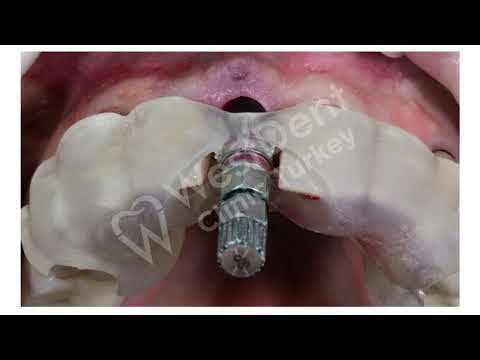
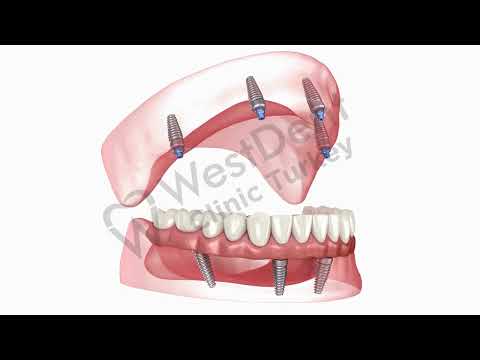
Full-Mouth Restoration on Four Implants per Jaw: WestDent Animation
Dentistry
WestDent Clinic Turkey
Turkey

Dr. Mustafa Sabri Şence Presents the Single-Stage Dental Implant System
Dentistry
Novusklinik Istanbul Turkey
Turkey
Learn More with These Dentistry Articles
Take a look at these interesting articles, stories and research that will help you learn more about Dentistry.

From Almaty to Tbilisi: The Rise of Kazakhstan Patients Seeking Expert Dental Implants in Georgia
PlacidWay Medical Tourism
- Dentistry
Georgia
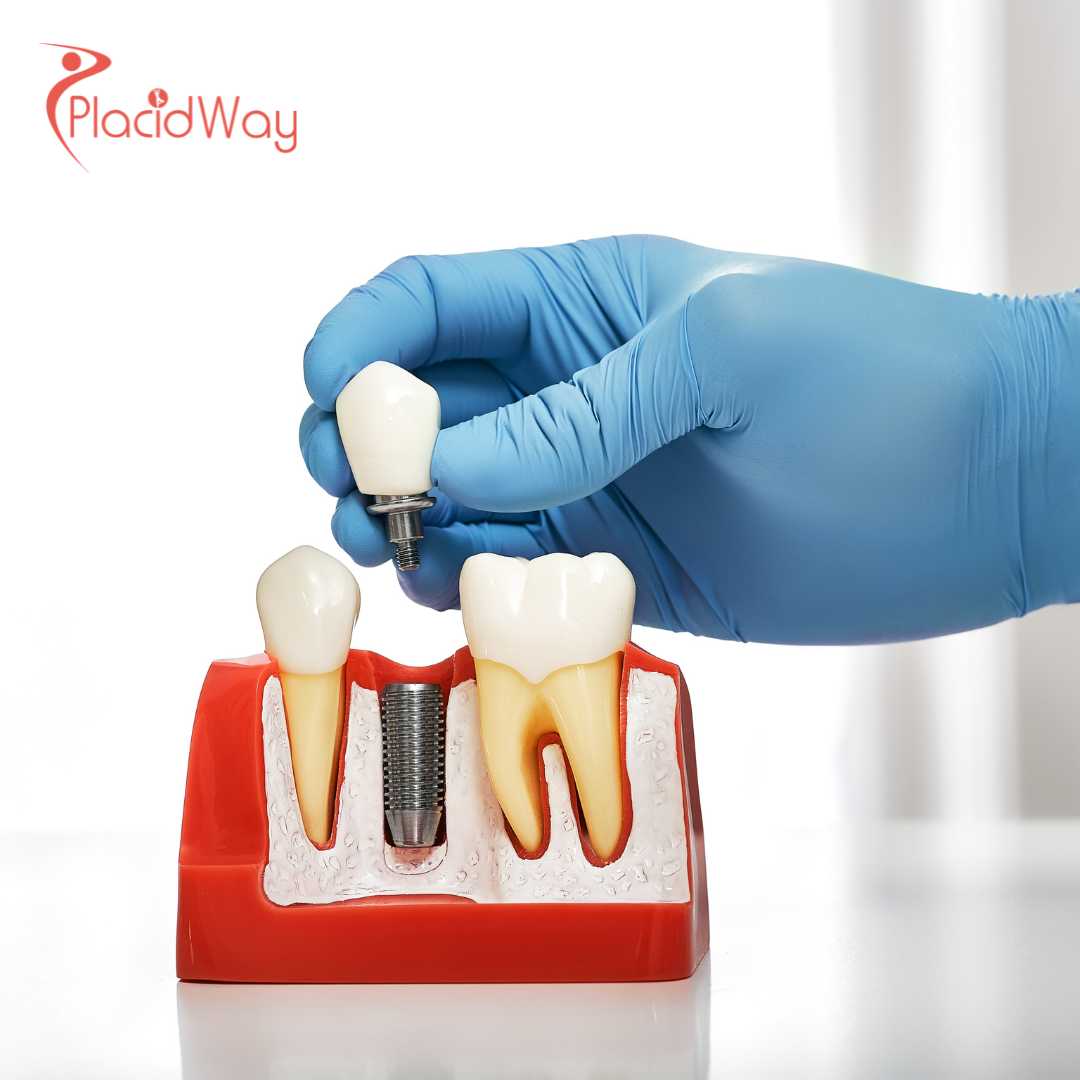
The New Dental Hub: Why UAE Residents Are Flocking to Georgia for Premium Dental Implants
PlacidWay Medical Tourism
- Dentistry
Georgia

The Ultimate Dental Vacation: How Tbilisi is Redefining the Affordable 'Hollywood Smile' with Premium All-on-4 Implants
PlacidWay Medical Tourism
- Dentistry
Georgia

Medical Tourism on the Rise: Kazakhstan Turns to Georgia for Fast, Reliable Dental Crowns
PlacidWay Medical Tourism
- Dentistry
Georgia







