
The 2025 Guide to Root Canal Costs in Georgia: USA State vs. Country

For individuals facing severe tooth pain or infection, seeking endodontic treatment is a crucial step in preserving oral health. As dental expenses continue to rise in many Western nations, patients frequently look abroad for more affordable solutions. The Republic of Georgia has emerged as an attractive destination for high-quality, cost-effective dental care. Whether you are exploring options in the capital city of Tbilisi or the coastal hub of Batumi, understanding what a root canal in Georgia entails can help you make an informed decision.
This comprehensive guide explores estimated expenses, procedure details, patient eligibility, and the broader landscape of medical tourism in Georgia. By understanding the variables that influence pricing and care, you can better prepare for a safe and successful dental journey.
Key Takeaways
- Estimated prices for endodontic therapy range from $50 to $150 USD per tooth, offering significant savings compared to North American or Western European averages.
- Total expenses depend heavily on tooth complexity, such as whether a single-rooted anterior tooth or a multi-rooted molar is being treated.
- The Republic of Georgia provides modern dental facilities, particularly in major cities, supporting the growth of dental tourism.
- Patients must factor in associated costs such as diagnostic X-rays, potential core build-ups, and custom dental crowns.
- Suitability for this treatment requires a personalized clinical evaluation by a qualified dental professional.
What factors influence the final cost of a root canal in Georgia
Not all teeth are structurally identical, which means endodontic procedures vary in difficulty and time required. Anterior teeth—the incisors and canines located at the front of the mouth—typically have only one root and one canal. Because they are easier to access and faster to treat, these represent the lower end of the pricing spectrum. Conversely, premolars and molars at the back of the mouth can have two, three, or even four canals. Treating a molar requires more time, specialized instruments, and meticulous attention to detail, naturally increasing the estimated expense.
Furthermore, the necessity of post-treatment restoration significantly impacts the budget. Once the infected pulp is removed and the canal is sealed, the tooth becomes structurally weaker. While a simple filling might suffice for a front tooth, molars handling heavy chewing forces typically require a crown. The choice of crown material—such as porcelain-fused-to-metal, full ceramic, or highly durable zirconia—will add varying amounts to your overall bill.
When selecting a root canal clinic in Georgia, you may also find that facilities situated in prime tourist areas or central business districts of Tbilisi have slightly higher overhead costs than those in residential neighborhoods. However, these clinics often cater specifically to international visitors by providing multilingual staff and prioritizing swift appointment scheduling.
How does the price in Georgia compare to other countries
In countries like the United States, an uncomplicated procedure on a front tooth might start around $800 to $1,000, while a complex molar can easily exceed $1,500 just for the endodontic therapy. When you add the cost of a build-up and a crown, a single severely decayed tooth could cost a North American patient well over $2,500 without insurance. Similarly, private dental care in the United Kingdom or Western Europe carries high fees due to elevated operating costs, clinical wages, and laboratory expenses.
| Procedure Type | Estimated Cost in US/UK | Estimated Cost in Georgia |
|---|---|---|
| Anterior Tooth | $800 - $1,200 | $50 - $80 |
| Premolar / Molar | $1,000 - $1,800 | $90 - $150 |
| Zirconia Crown Addition | $1,000 - $2,000+ | $150 - $350 |
The dramatic difference in pricing does not inherently reflect a difference in the quality of materials or clinical hygiene. Instead, the lower costs are largely driven by the broader economic context of the country. Lower real estate expenses, reduced laboratory fees, and a lower cost of living mean that clinics can pass these savings directly to the patient while still utilizing modern diagnostic equipment like 3D cone beam computed tomography and high-powered dental microscopes.
Are there additional fees associated with endodontic treatment
When calculating the total expenditure for your trip, it is important to look beyond the advertised base price of the procedure. A reputable clinic will require a thorough examination before beginning any invasive work. This usually involves taking small periapical X-rays or a comprehensive panoramic scan to accurately map the infection and the root structure. These diagnostic steps typically add a nominal fee, often between $10 and $30 USD.
If the tooth is severely decayed or broken down, simply filling the canal is not enough to support a crown. The dentist may need to perform a post-and-core buildup. This involves inserting a small rod into the cleaned root canal space to anchor a strong filling material, which then acts as a solid base for the final crown. This intermediary step may carry an additional cost of $30 to $80 USD depending on the clinic.
Beyond clinical fees, participating in medical tourism in Georgia means accounting for flights, lodging, local transportation, and meals. While accommodation in cities like Tbilisi is highly affordable compared to Western capitals, these logistical costs must be factored into your decision to ensure the trip remains economically viable.
Important Consideration
Always ask clinics for a comprehensive, itemized treatment plan before traveling. This estimate should clearly break down the costs of consultations, imaging, the endodontic therapy itself, temporary restorations, and the final permanent crown to prevent unexpected financial surprises.
What happens during the procedure
The treatment is designed to save a tooth that is badly decayed or infected, preventing the need for extraction. Beneath the hard enamel and dentin layers of your tooth lies a soft tissue known as the pulp, which contains blood vessels, nerves, and connective tissue. When bacteria breach the outer layers due to deep cavities, repeated dental procedures, or trauma, the pulp becomes inflamed or infected.
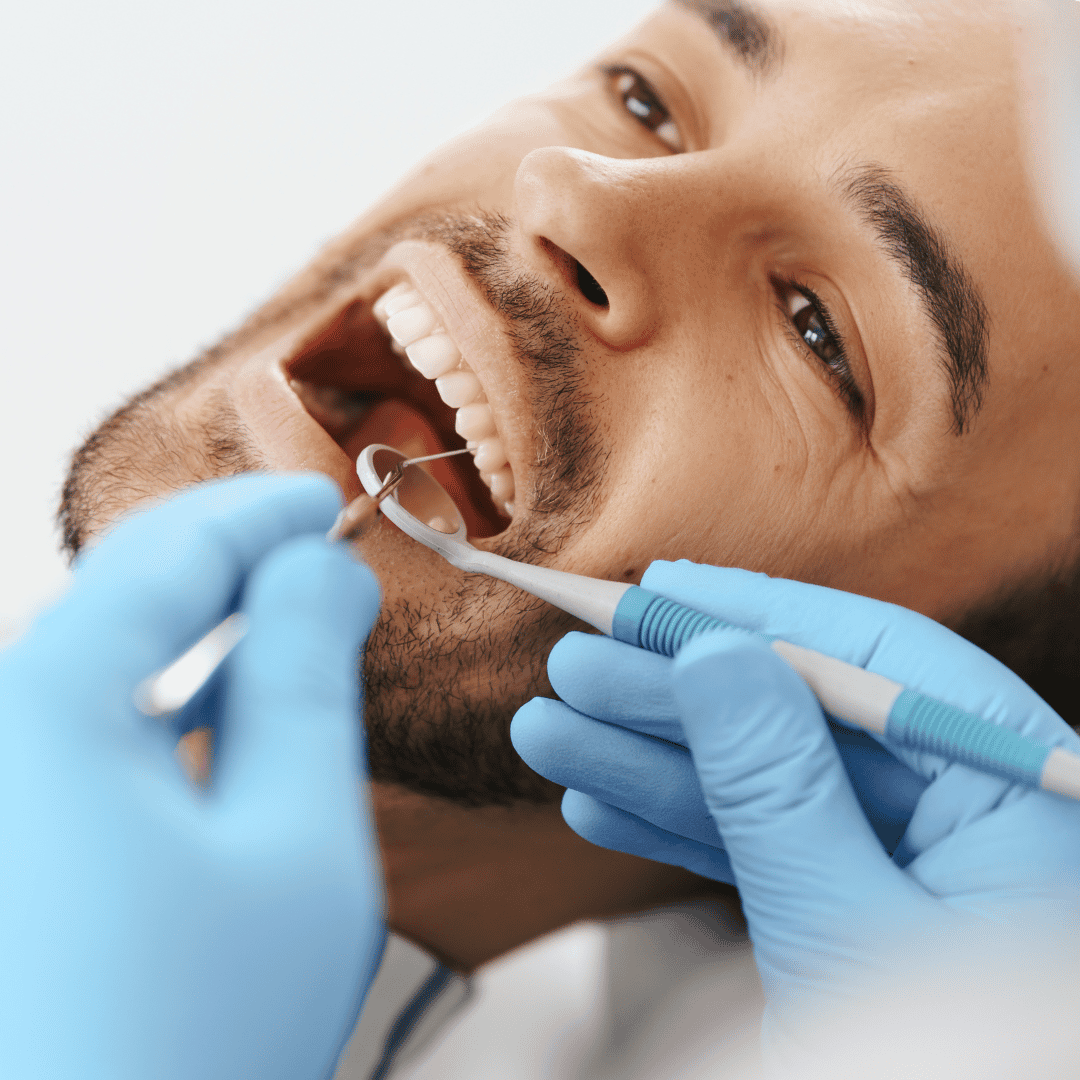
The procedure begins with the administration of local anesthesia to ensure you remain comfortable. A small protective sheet called a dental dam is often placed around the tooth to keep it clean and isolated from saliva. The dentist then drills a small access opening through the top of the tooth.
Using precise, tiny instruments called files, the clinician carefully removes the diseased pulp tissue. The hollowed-out canals are then shaped, washed with antibacterial solutions, and thoroughly dried. Once the space is fully prepared, it is filled with a biocompatible rubber-like material called gutta-percha, which is sealed into place with an adhesive cement. A temporary or permanent filling is placed over the access opening until the final crown is ready.
How long does it take to recover
Because the nerve tissue has been removed from the tooth, you will no longer feel the severe pain or hot and cold sensitivity that likely brought you to the dentist in the first place. However, the supporting tissues and ligaments surrounding the roots may remain inflamed from the initial infection and the mechanical work performed during the procedure.
This post-operative tenderness is entirely normal and usually peaks within the first 24 to 48 hours. Dentists commonly recommend soft diets for the first few days and advise patients to chew on the opposite side of their mouth to avoid putting undue pressure on the healing tooth. Over-the-counter analgesics, such as ibuprofen or acetaminophen, are generally sufficient to manage discomfort.
If you experience visible swelling, a return of severe pain, or an uneven bite where the treated tooth feels too high, you should contact the clinic promptly. While rare, these symptoms may indicate a persistent infection or the need for a minor bite adjustment.
Is it safe to travel to Georgia for dental treatments
The Republic of Georgia has made significant strides in upgrading its healthcare infrastructure over the past two decades. Dental clinics catering to international patients frequently employ strict sterilization protocols that align with European standards, utilizing autoclaves for instrument sterilization and disposable materials wherever possible.
From a travel perspective, the country is known for its hospitality, safety in major cities, and accessible tourism infrastructure. Visitors typically find getting around quite manageable, with numerous accommodation options and transportation services available. However, as with any international medical travel, it is important to practice standard situational awareness and follow travel advisories issued by your home country.
Patient safety also hinges on choosing the right facility. Look for clinics that transparently display their dentists credentials, affiliations with recognized dental associations, and patient reviews. Taking the time to verify these details helps ensure a positive and secure clinical experience.
Who is a suitable candidate for this treatment
Not every painful tooth requires endodontic therapy, and conversely, some teeth needing the treatment may present no symptoms at all. Common signs that you may need this procedure include severe, spontaneous pain; prolonged sensitivity to hot or cold temperatures; discoloration or darkening of the tooth; swelling and tenderness in the adjacent gums; or a recurring pimple on the gums (fistula).
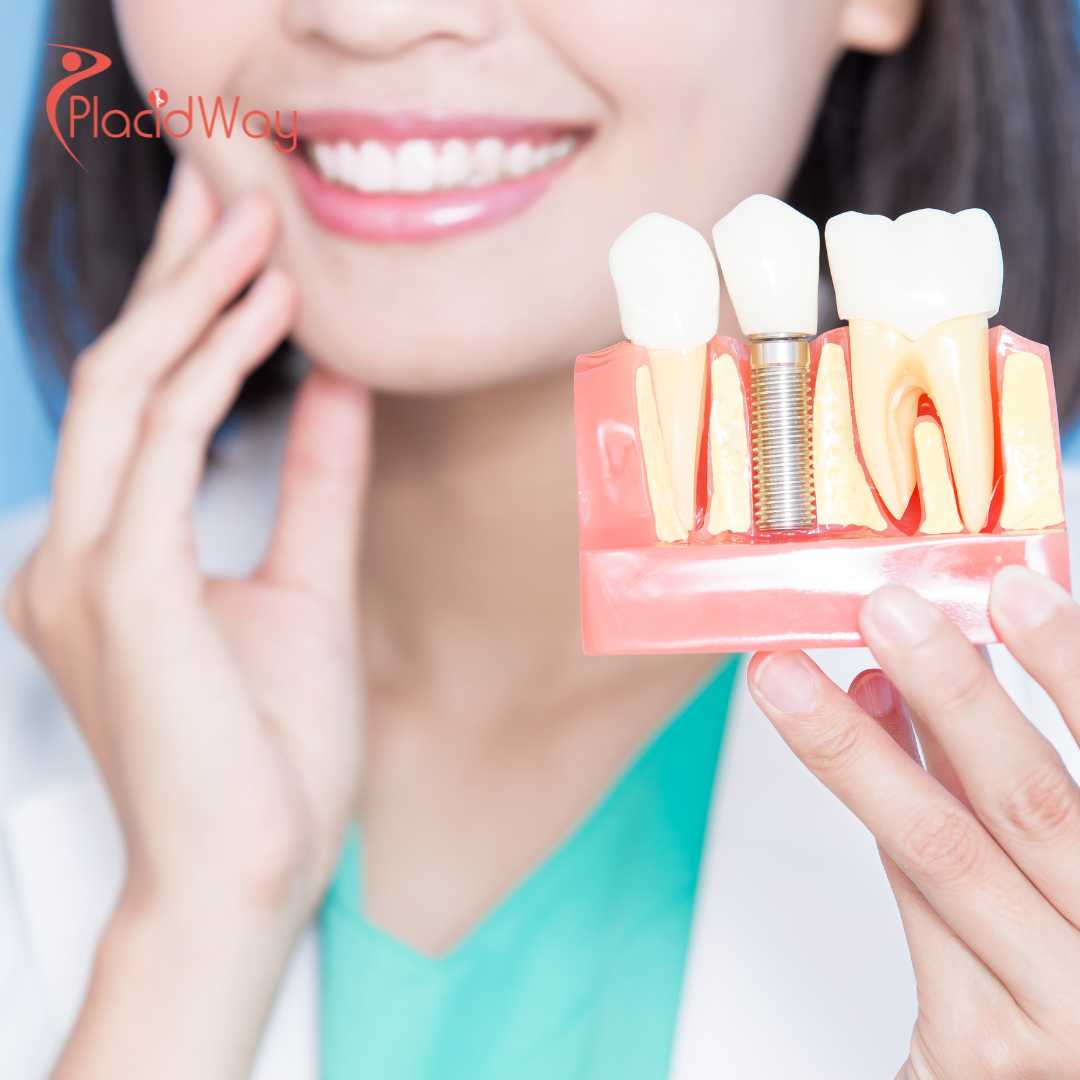
Suitability must be determined through a clinical examination. A dentist will perform pulp vitality tests and review X-rays to check the extent of the infection and the shape of the root canals. If a tooth is fractured below the gumline, has extremely curved or calcified canals that cannot be navigated, or lacks adequate bone support due to severe periodontal disease, extraction followed by a dental implant or bridge may be the recommended alternative.
Patients with certain medical conditions or compromised immune systems should disclose their full medical history to the dentist, as it may impact healing or necessitate prophylactic antibiotics.
What are the potential risks and complications
Endodontic therapy has a strong track record of success, often saving teeth for a lifetime. However, no medical procedure is without risk. One of the most common complications occurs when a tooth has complex anatomy, such as an extra, hidden canal that goes unnoticed and uncleaned. If bacteria remain inside this missed canal, the infection can persist or return months later.
Because the files used to clean the canals are extremely fine and flexible, there is a small risk that a file could separate or break off inside the root. In many cases, the piece can be retrieved or bypassed; if not, it may be sealed within the canal, which sometimes requires monitoring. Additionally, teeth that have undergone this treatment can become brittle over time, increasing the risk of a vertical root fracture if they are not promptly protected with a crown.
If complications arise after you have returned home from Georgia, you will need to seek care from a local dentist. In cases of failure, endodontic retreatment or an apicoectomy (a minor surgical procedure to remove the root tip) may be attempted, though extraction remains a final option if the tooth cannot be saved.
How should international patients plan their dental trip
A successful medical tourism experience requires organization. Start by contacting several clinics to request information about their technology, the materials they use, and their estimated timelines. Many providers offer initial remote assessments if you can securely email them a recent panoramic X-ray or dental records from your local dentist. This allows them to provide a tentative treatment plan and cost estimate before you book a flight.
When booking your travel, build in buffer days. While the initial nerve removal might only take one day, receiving a permanent crown usually requires coordination with a dental laboratory, which can take several days to fabricate the restoration. Rushing the process limits the dentists ability to ensure the fit and bite are correct.
Finally, secure an agreement with a dental professional in your home country who is willing to perform routine check-ups and maintenance on the work done abroad. Continuity of care is vital for long-term oral health.
Why Choose PlacidWay for Medical Tourism in Georgia?
Navigating international healthcare options can be complex. PlacidWay serves as an educational platform to help patients explore dental treatment possibilities worldwide.
- Extensive Provider Network: Access a broad directory of healthcare facilities and dental clinics across the Republic of Georgia and other international destinations.
- Detailed Clinic Profiles: Review factual information regarding clinic locations, available treatments, and spoken languages to aid your research.
- Easy Comparisons: Utilize platform tools to contrast estimated costs and facility offerings side-by-side.
- Direct Communication: Request information and quotes directly from clinics to facilitate your remote consultation process.
- Educational Resources: Read comprehensive guides and articles about procedures and destinations to help you make informed healthcare choices.
Frequently Asked Questions
How long does a root canal take to complete in Georgia?
A standard endodontic procedure typically takes one to two visits. Each appointment usually lasts between 60 and 90 minutes, depending on the complexity of the tooth and the number of roots involved.
Do I need to stay in Georgia for follow-up appointments?
Most patients stay in the country for a few extra days if they require a custom dental crown after the root canal. If you only need a temporary filling, you may be able to travel sooner, though local follow-up at home will be necessary.
Will the endodontic procedure hurt?
Dentists use local anesthesia to numb the affected tooth and surrounding gums, meaning you should not feel sharp pain during the treatment. You may experience some pressure during the procedure and mild soreness for a few days afterward.
Can I fly immediately after having a root canal?
It is generally advised to wait 24 to 48 hours before flying. Cabin pressure changes can sometimes cause discomfort in recently treated teeth, a condition known as barodontalgia.
What materials are used for dental crowns in Georgia?
Clinics in Georgia commonly offer a variety of restorative materials, including full porcelain, zirconia, and porcelain-fused-to-metal (PFM). The choice of material impacts both durability and cost.
Is English widely spoken in Georgian dental clinics?
Many dental facilities in major cities like Tbilisi and Batumi that cater to international patients have English-speaking staff and dentists. It is always wise to confirm language support before booking your appointment.
Can a failed root canal be retreated in Georgia?
Yes, endodontic retreatment is available for teeth that have not healed properly or have developed new infections. This is often a more complex procedure and may cost slightly more than an initial treatment.
Are dental X-rays included in the initial cost estimate?
Diagnostic imaging like panoramic X-rays or CBCT scans are often billed separately. These typically add a small amount, ranging from $10 to $50 USD, to your overall treatment expense.
Do clinics in Georgia accept international dental insurance?
Most international clinics require out-of-pocket payment at the time of service. Patients with international coverage usually need to request an itemized receipt to file for reimbursement with their provider back home.
How soon can I eat after my root canal?
You should wait until the local anesthesia has completely worn off before eating to avoid accidentally biting your cheek or tongue. It is best to stick to soft foods for the first few days.
Compare Treatment Options Worldwide
Explore dental clinics, review estimated costs, and gather the information you need to make an informed decision about your oral health journey.
Request Treatment InformationReferences
- What is a Root Canal? – American Association of Endodontists (AAE)
- Root Canals Overview – American Dental Association (ADA)
- Medical Tourism Travel Information – Centers for Disease Control and Prevention (CDC)
- Oral Health Fact Sheet – World Health Organization (WHO)
- Endodontic Retreatment Information – American Association of Endodontists (AAE)
- Traveler View: Georgia – Centers for Disease Control and Prevention (CDC)























Share this listing