
In recent years, patients across the United Kingdom have faced escalating challenges in accessing timely and reasonably priced comprehensive dental care. The rising cost of living, coupled with long waiting lists for public healthcare services, has left many individuals struggling to find viable options for major oral restorations. Consequently, the pursuit of affordable dental implants in Georgia has shifted from a niche alternative to a primary strategy for those requiring significant restorative work.
Private dental fees in the UK for single implants or full-arch restorations can easily deplete personal savings, prompting patients to look beyond their borders. The motivation is not solely financial; patients are also seeking high-quality materials and rapid access to specialist care. This intersection of financial necessity and the desire for premium treatment has paved the way for a robust international healthcare corridor.
A recent analysis indicated that private restorative dental procedures in the UK can cost up to 60-70% more compared to emerging Eastern European destinations, driving thousands of patients abroad annually.
- Extended wait times for public dental consultations.
- Prohibitive out-of-pocket costs for advanced prosthodontics in local private sectors.
- Increased awareness of high-quality international alternatives.
- Desire for efficient, consolidated treatment timelines.
Why Medical Tourism in Georgia is Booming for Dental Care
The landscape of global healthcare is continually evolving, and medical tourism in Georgia is currently experiencing a significant boom, particularly in the dental sector. Situated at the crossroads of Eastern Europe and Western Asia, Georgia has strategically invested in modernizing its medical infrastructure. Facilities are equipping themselves with state-of-the-art diagnostic tools, 3D imaging, and digital dentistry technologies that rival Western European standards.
Beyond the technological advancements, the country boasts a highly educated medical workforce, with many specialists undergoing rigorous training and obtaining certifications from prestigious international institutions. This commitment to clinical excellence, combined with the country's welcoming culture and straightforward entry requirements for UK citizens, makes it an exceptionally attractive hub for complex dental rehabilitations.
Georgia has a long-standing tradition of medical education, hosting several globally recognized medical universities that attract students and practitioners from all over the world to study advanced dentistry.
- Access to cutting-edge digital dentistry and panoramic 3D imaging.
- Professionals with international memberships and ongoing global training.
- Streamlined protocols designed specifically for international visitors.
- Favorable exchange rates enhancing overall patient purchasing power.
Understanding the Types of Dental Implants Available in Georgia
When exploring dental clinics in Georgia, patients will find a comprehensive array of implant options tailored to address varying degrees of tooth loss and bone density. The materials utilized are typically sourced from world-renowned manufacturers, ensuring that patients receive biocompatible and durable products. Titanium remains the gold standard due to its exceptional ability to fuse with human bone, a process known as osseointegration.
For patients with specific metal sensitivities or high aesthetic demands, zirconia implants are also widely available. The treatment approaches vary significantly, ranging from traditional endosteal implants placed directly into the jawbone to more advanced techniques designed for patients who have experienced significant bone resorption. Understanding these options is a critical step in the patient journey.
Titanium has been utilized in medical and dental implants since the 1950s, chosen specifically for its unique property of not being recognized as a foreign object by the human immune system.
- Standard Titanium Implants: The most common, offering unparalleled durability and integration.
- Zirconia (Ceramic) Implants: A metal-free alternative offering excellent aesthetic results, particularly for front teeth.
- Mini Implants: Often used to stabilize lower dentures when traditional implants are not viable.
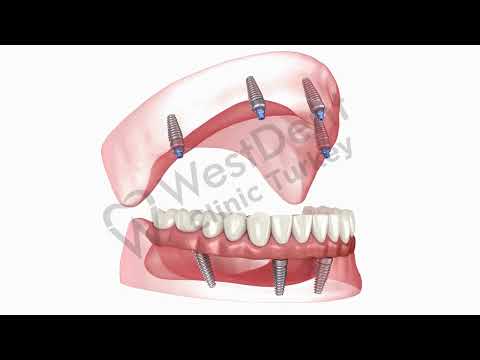
- All-on-4/All-on-6 Systems: Comprehensive solutions supporting a full arch of teeth on four or six strategically placed posts.
Analyzing the Dental Implant Cost in Georgia vs the UK
The primary catalyst for the surge in UK to Georgia dentistry is the profound difference in treatment costs. While the prices in Georgia are substantially lower, this discrepancy is driven by economic factors such as lower overheads, property costs, and local wage scales, rather than a reduction in material quality or clinical hygiene. Patients often find that even with flights factored in, the savings are life-changing.
It is important to note that the dental implant cost in Georgia will vary depending on the complexity of the case, the need for preparatory procedures like bone grafting, and the specific brand of implants chosen. Below is a comparative breakdown illustrating the estimated financial differences between the two nations.
| Procedure Name | Average Cost in Georgia (£) | Average Cost in the UK (£) |
|---|---|---|
| Single Dental Implant (with Crown) | £450 - £800 | £2,000 - £3,000 |
| Bone Grafting (per site) | £150 - £350 | £500 - £1,200 |
| All-on-4 System (per arch) | £3,500 - £5,500 | £12,000 - £18,000 |
| Sinus Lift | £300 - £600 | £1,000 - £2,500 |
Quality and Standards at Dental Clinics in Georgia
A common concern for prospective medical tourists is whether lower costs equate to compromised safety or clinical outcomes. In reality, premier healthcare facilities catering to international patients maintain rigorous quality assurance protocols. They frequently align their practices with international standards, such as ISO certifications, to provide peace of mind to incoming patients.
These specialized centers invest heavily in modern sterilization environments, continuous staff training, and the procurement of top-tier dental materials from Germany, Switzerland, and the USA. Ensuring that the facility adheres strictly to global health regulations is paramount for a safe and effective treatment journey.
Always verify the credentials of the facility beforehand. Look for explicit mentions of international accreditations, affiliations with global dental boards, and transparency regarding the brands of implants they utilize.
- Implementation of multi-stage sterilization protocols to prevent cross-contamination.
- Utilization of globally recognized, traceable implant brands.
- Routine compliance audits by independent healthcare regulatory bodies.
- Detailed documentation and guarantees provided for the materials used.
The Patient Experience Traveling from the UK to Georgia
Transitioning from initial research to actually boarding a flight involves careful planning, but the route from the UK to this destination has become increasingly seamless. With multiple flight connections available from major British airports, reaching the capital city is relatively straightforward. Most top-tier facilities recognize the stress of medical travel and structure their patient care to be as welcoming and supportive as possible.
Upon arrival, patients generally find that language barriers are minimal within premium medical settings, as facilities employ dedicated, fluent English-speaking patient coordinators. These coordinators act as a bridge between the clinical staff and the patient, ensuring all medical instructions, recovery protocols, and logistical details are perfectly understood.
Patient Case Summary: Oliver, 52 (Manchester, UK)
Oliver required two implants and was deterred by local estimates. After thoroughly researching options, he chose to undergo the procedure abroad. He noted that the seamless communication with the English-speaking staff significantly reduced his pre-surgery anxiety, and his procedure was executed with precision.
Patient Case Summary: Sarah, 45 (London, UK)
Facing the need for extensive restorative work, Sarah travelled from the UK for an advanced implant system. She was particularly impressed by the modern 3D scanning equipment used during her initial consult, stating the facility felt more advanced than her local clinic.
Navigating Consultations and Treatment Planning for Dental Tourists
The foundation of a successful clinical outcome begins long before the patient steps onto an airplane. Modern international facilities emphasize robust, remote pre-treatment planning. By sending recent 3D panoramic X-rays (OPG) and detailed medical histories via secure digital portals, patients can engage in comprehensive virtual consultations.
During these initial discussions, specialists assess bone volume, nerve positioning, and overall oral health to outline a realistic, tentative treatment plan. This transparent approach ensures that patients are fully aware of the anticipated clinical steps, the expected timeframe, and the estimated financial commitment, mitigating unexpected surprises upon arrival.
Many advanced facilities now use AI-driven software during the pre-planning phase to virtually simulate the exact placement and angulation of the implant, enhancing surgical precision.
- Submission of digital dental records for preliminary remote assessment.
- Video consultations with the lead prosthodontist or oral surgeon.
- Discussion of potential supplementary treatments (e.g., extractions or bone grafts).
- Issuance of a detailed, itemized preliminary treatment itinerary.
Comprehensive Procedures From Single Tooth to Full Mouth Restoration
The scope of restorative dentistry available abroad caters to an incredibly diverse spectrum of patient needs. Whether an individual is missing a single molar or requires a complete full mouth restoration in Georgia, the clinical pathways are highly customized. Single implants act as standalone root replacements, preserving adjacent healthy teeth from being ground down for bridges.
Conversely, for extensive edentulism (tooth loss), implant-supported overdentures or fixed hybrid prosthetics like the All-on-4 system are typically recommended. These advanced frameworks provide unparalleled stability, restoring nearly full masticatory function and transforming facial aesthetics. The choice of procedure relies heavily on bone density and the patient's specific physiological parameters.
Not every patient is an immediate candidate for same-day or "teeth in a day" implant protocols. Insufficient bone density, active periodontal disease, or specific autoimmune conditions may require preparatory surgeries and longer healing phases before implants can be safely loaded.
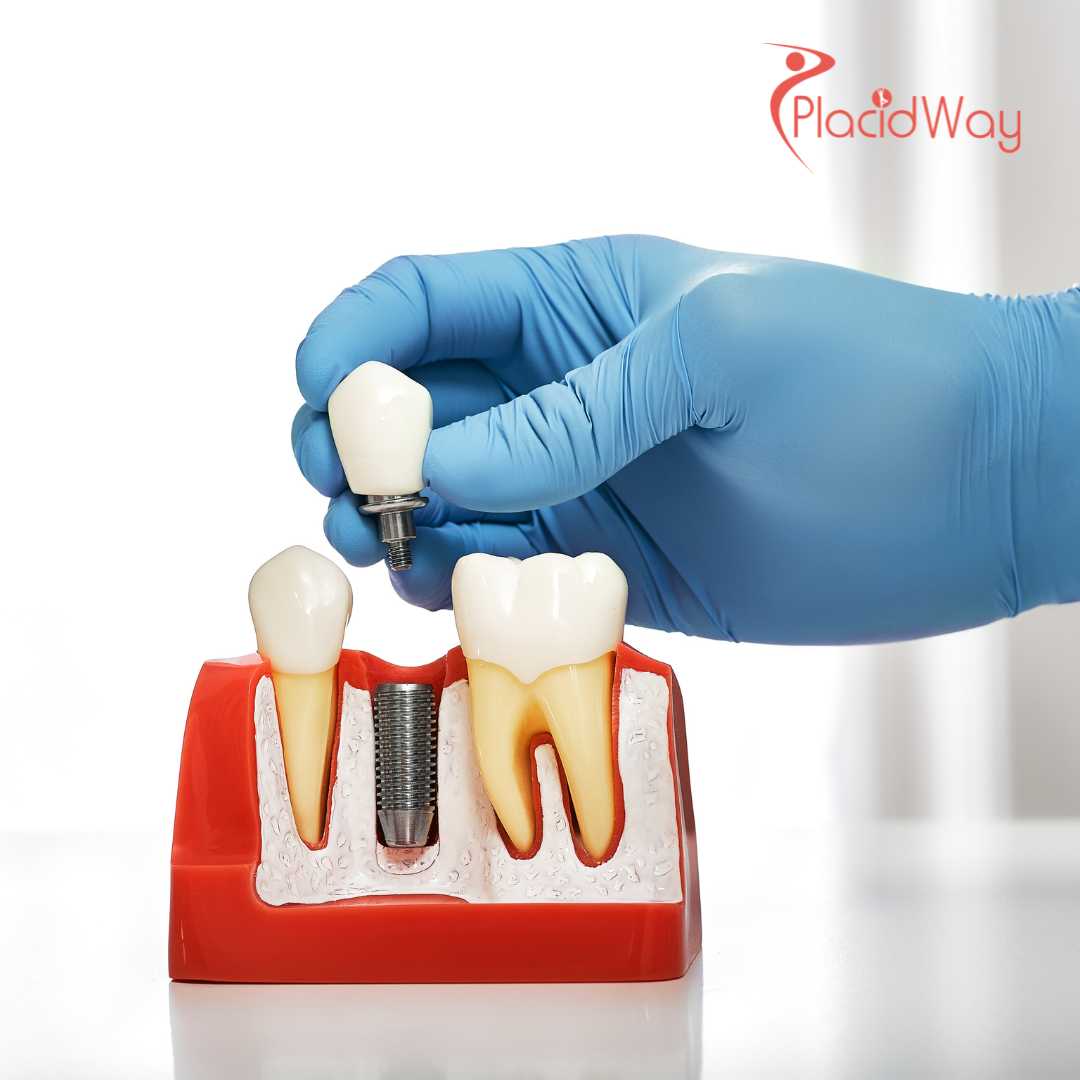
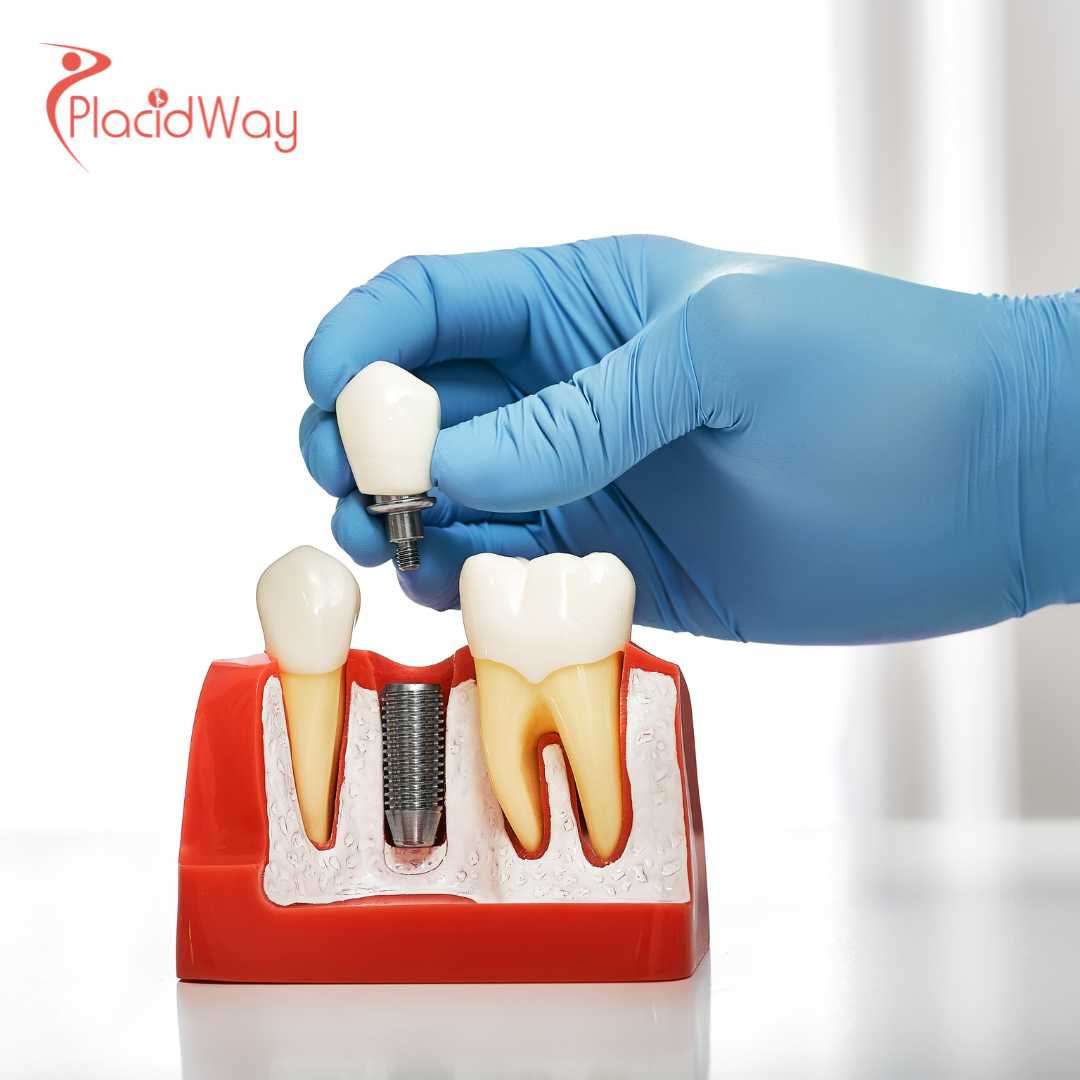
- Single Implant: Replaces one tooth with a post, abutment, and crown.
- Implant-Supported Bridge: Uses two implants to support a multi-tooth prosthetic span.
- All-on-4 Restorations: Secures an entire upper or lower arch on four strategic implants.
- Bone Grafting/Sinus Lifts: Preparatory surgeries to build up a deficient jawbone base.
Timeline and Recovery Expectations for Implant Procedures
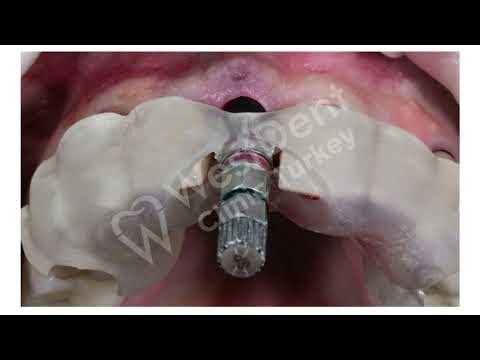
Setting realistic expectations regarding the treatment timeline is vital for anyone engaging in cross-border healthcare. Standard implant protocols typically require two separate visits. The initial trip involves extractions (if necessary), bone grafting, and the surgical placement of the titanium posts, followed by a brief recovery period before flying home.
A healing phase, typically spanning three to six months, is strictly required for osseointegration to occur—this is when the jawbone firmly fuses around the implant. Once healing is confirmed via local UK X-rays, the patient undertakes a second trip to have the permanent custom crowns or prosthetic arches permanently affixed. Most patients experience mild to moderate discomfort only during the first few days post-surgery.
The success of an implant is heavily dependent on the uninterrupted biological process of osseointegration. Premature loading or excessive pressure during this vulnerable healing window can lead to implant failure.
- Trip 1 (Surgical Phase): Usually requires a stay of 3 to 7 days.
- Healing Phase: 3 to 6 months back in the UK (temporary teeth may be provided).
- Trip 2 (Restorative Phase): Requires a stay of 5 to 10 days for impressions, fitting, and final placement.
- Post-Op Care: Strict adherence to a soft-food diet and prescribed oral hygiene routines.
Essential Safety Protocols and Risk Disclosures to Consider
While modern restorative dentistry boasts high success rates, it remains a surgical intervention and inherently carries risks. Prospective patients must approach affordable dental implants in Georgia with a clear understanding of potential complications. Common surgical risks generally include localized infection, nerve irritation, sinus cavity perforation (in upper jaw cases), or delayed healing.
Furthermore, lifestyle factors play a critical role in long-term success. Smoking, uncontrolled diabetes, and poor post-operative oral hygiene significantly increase the risk of peri-implantitis (inflammation around the implant) and subsequent failure. Patients are strongly advised to consult with their local healthcare provider to ensure they are medically fit for surgery and international travel.
While comprehensive dental implants generally report long-term survival rates of over 95%, studies indicate that tobacco use can increase the rate of implant failure by up to three times compared to non-smokers.
- Risk of localized swelling, bruising, and manageable post-operative pain.
- Potential for implant rejection or failure to integrate with the jawbone.
- Importance of disclosing all pre-existing medical conditions and medications.
- The necessity of establishing a relationship with a local UK dentist for long-term maintenance.
Combining Premium Dental Care with a Cultural Georgian Experience
One of the unique advantages of seeking treatment in this region is the opportunity to experience a rich, historical culture during recovery downtime. The capital city offers a serene environment with historic architecture, therapeutic thermal baths, and a deeply welcoming atmosphere. However, it is crucial to remember that the primary objective of the trip is medical.
Patients are typically advised to take it easy, avoiding strenuous activities or consuming hard, chewy traditional foods immediately following surgery. Enjoying the scenic beauty and gentle walks through the city can provide a calming backdrop that aids in the psychological recovery process of medical travel.
Patient Case Summary: David, 60 (Birmingham, UK)
David traveled for a complex sinus lift and implant procedure. He highlighted that the tranquil environment and highly attentive medical staff helped him remain calm. He spent his brief recovery days taking light walks, which he felt contributed positively to his overall healing experience.
Patient Case Summary: Emma, 38 (Bristol, UK)
Needing front tooth restoration after an accident, Emma found the international process highly structured. She appreciated that the clinical team prioritized her rest and provided clear guidelines on what dietary choices to make while resting at her accommodation.
Preparing Your Dental Records and Before You Go Checklist
Thorough preparation is the linchpin of a successful medical journey. Before booking flights, patients must gather comprehensive medical and dental records. This includes a recent panoramic X-ray, a list of current medications, and any relevant blood test results. Providing this data ensures the international clinical team can accurately assess the case before arrival.
Additionally, organizing travel logistics thoughtfully can minimize stress. Ensuring your passport is valid, arranging comprehensive travel and medical complication insurance, and understanding the financial transaction methods accepted by the facility are all critical steps that must not be overlooked.
Request a digital copy of your dental file from your local UK dentist well in advance. Having a clear, high-resolution OPG X-ray (taken within the last three months) is essential for accurate international virtual consultations.
- Obtain digital copies of recent X-rays and comprehensive dental history.
- Secure specialized medical tourism insurance that covers international procedures.
- Confirm payment protocols, currency preferences, and potential bank limits abroad.
- Pack soft foods and appropriate post-operative care items for the immediate recovery days.
How PlacidWay Assists Your Dental Implants Medical Tourism Journey in Georgia
Navigating the global healthcare landscape requires a trusted resource. PlacidWay acts as an informational conduit, connecting individuals seeking complex restorative work with specialized healthcare facilities worldwide. We empower patients to make highly informed, research-backed decisions regarding their oral health.
Our platform is designed to streamline the research phase, providing access to essential data, facility profiles, and detailed professional backgrounds. By offering a structured approach to medical tourism, PlacidWay helps simplify the preliminary steps of your cross-border treatment.
Using a specialized facilitation platform can drastically reduce the time spent researching, allowing you to compare accredited centers and specialists all in one consolidated space.
- Providing transparent access to profiles of internationally certified healthcare facilities.
- Facilitating direct communication channels between patients and clinical coordinators.
- Offering comparative insights on treatment methodologies and technology standards.
- Supplying extensive educational resources regarding procedural risks and patient expectations.
- Assisting in obtaining detailed, customized preliminary quotes based on digital records.
Frequently Asked Questions About Dental Implants in Georgia
Why is the dental implant cost in Georgia so much lower than in the UK?
The lower cost is primarily due to the overall lower cost of living, reduced overhead expenses for facilities, and differences in regional economic factors. This allows facilities to offer affordable dental implants in Georgia without compromising on the quality of materials used.
Are dental clinics in Georgia safe and regulated?
Yes, reputable dental clinics in Georgia adhere to strict national healthcare regulations and often maintain international ISO certifications. They typically utilize modern sterilization protocols and employ highly trained professionals.
How many trips from the UK to Georgia are required for dental implants?
Typically, traditional dental implant procedures require two separate trips. The first is for the surgical placement of the implant, and the second, usually three to six months later, is for attaching the final permanent crowns.
Do UK citizens need a visa for medical tourism in Georgia?
Currently, UK citizens generally do not need a visa to enter Georgia for short stays, making it a highly convenient destination for medical tourists. Always check the latest government travel advisories before planning your trip.
What materials are typically used for full mouth restoration in Georgia?
Premium facilities in Georgia typically use globally recognized materials such as biocompatible titanium for the implant posts and durable zirconia or porcelain for the artificial crowns. These materials are chosen for their longevity and natural appearance.
What happens if there is an issue with my implant after returning to the UK?
Many international clinics offer warranties on the materials used, though patients are generally advised to secure a local UK dentist for routine follow-up care. Comprehensive medical complications insurance is also highly recommended prior to travel.
How long is the recovery period after implant surgery?
Initial surgical healing typically takes a few days to a week, during which most patients experience mild swelling or discomfort. The complete bone integration process (osseointegration) generally takes several months to complete.
Can I get all my dental implants done in one day?
While immediate-load implants (teeth in a day) are available, they are not suitable for everyone and depend heavily on individual bone density and oral health. A thorough assessment is required to determine if you are a viable candidate.
Is there a language barrier when seeking UK to Georgia dentistry?
Reputable facilities catering to international patients typically employ fluent English-speaking staff and medical professionals. This ensures clear communication regarding treatment plans, risks, and recovery instructions.
Does PlacidWay guarantee the success of my dental implants?
No, PlacidWay is an informational and facilitation platform, and no medical procedure carries a 100% guarantee. Individual results vary, and success depends on physiological factors, adherence to aftercare, and overall health.
Ready to explore your options for affordable, world-class dental care abroad? Let PlacidWay connect you with certified specialists.
Medical Disclaimer: This article is for informational purposes only and is not medical advice. Always consult a qualified healthcare provider before any medical decisions. Results may vary. Read Full Disclaimer here.
References:
- National Health Service (NHS). Dental treatments: Implants. https://www.nhs.uk/live-well/healthy-teeth-and-gums/dental-treatments/
- Mayo Clinic. Dental implant surgery - Risks and what you can expect. https://www.mayoclinic.org/tests-procedures/dental-implant-surgery/about/pac-20384622
- WebMD. Dental Implants: Costs, Procedures, and Types. https://www.webmd.com/oral-health/guide/dental-implants
- National Institutes of Health (NIH). Titanium alloys for dental implants: A review. https://pubmed.ncbi.nlm.nih.gov/24436759/




.png)
.png)
.png)
.png)












Share this listing