
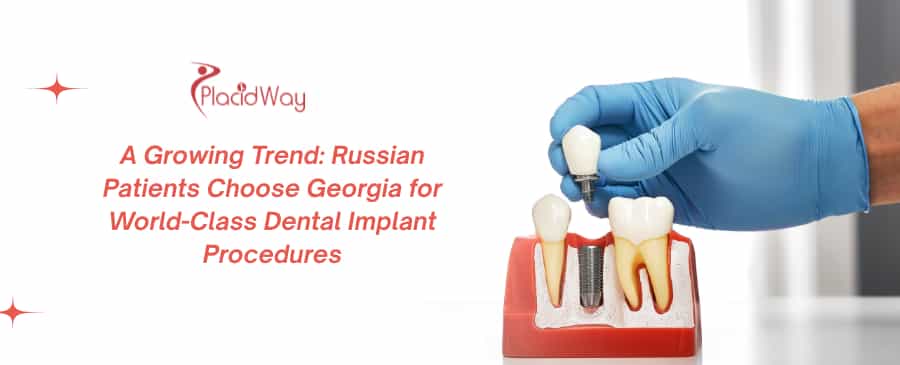
In recent years, an increasing number of individuals seeking restorative dentistry have begun exploring cross-border healthcare options. The decision to travel for dental implants in Georgia is particularly prominent among Russian patients looking for comprehensive and advanced oral care. This shift is primarily driven by the country's strategic location, cultural familiarity, and the presence of highly qualified dental specialists who utilize modern diagnostic and surgical technologies.
Furthermore, medical tourism in Georgia has developed a strong infrastructure tailored specifically for international visitors. The combination of multilingual healthcare professionals and a patient-centric approach helps alleviate the common stresses associated with receiving medical care abroad. By choosing this nearby destination, patients typically find a harmonious balance between expert medical attention and a comfortable, welcoming environment.
Georgia has a long-standing history of medical education, and many of its top dental specialists frequently participate in international symposiums to stay updated on the latest implantology advancements.
Understanding the Popularity of Dental Implants in Georgia
The growing preference for dental procedures for Russian patients in the Caucasus region is not purely coincidental. Georgia has made substantial investments in modernizing its healthcare sector, specifically outfitting dental centers with state-of-the-art equipment such as CBCT (Cone Beam Computed Tomography) scanners and 3D intraoral cameras. These tools generally allow for highly precise surgical planning, which is a critical component of successful implantology.
In addition to technological advancements, there is a strong emphasis on continuing education among dental practitioners. Many specialists hold international certifications and adhere strictly to global treatment protocols. This commitment to continuous improvement means that patients traveling from abroad can generally expect treatment methodologies that parallel those found in leading Western European and North American facilities.
Clinical studies generally indicate that titanium dental implants have a long-term integration success rate of approximately 95% to 98% in healthy candidates following proper post-operative care protocols.
Evaluating World-Class Dental Implant Clinics in Georgia
Selecting the right facility is arguably the most crucial step in any international healthcare journey. World-class dental implant clinics in Georgia typically distinguish themselves through their rigorous adherence to international accreditation standards and comprehensive patient care protocols. These institutions often boast multidisciplinary teams, including oral surgeons, periodontists, and prosthodontists, ensuring that all aspects of a patient’s smile restoration are handled collaboratively.
When evaluating these clinics, prospective patients should look for transparent communication regarding treatment plans and materials used. Reputable centers prioritize patient education, taking the time to explain the nuances of the procedure, potential risk factors, and realistic recovery timelines. They also generally provide robust follow-up care plans that can be coordinated with the patient’s local dentist back home.
Always request a virtual consultation before traveling. This allows you to meet the specialist, discuss your specific dental needs, and review your panoramic X-rays to establish a tentative treatment plan from the comfort of your home.
Affordable Dental Implant Cost in Georgia Versus Russia
One of the primary catalysts for cross-border dental care is the financial aspect. Finding an affordable dental implant cost in Georgia without compromising on quality is a realistic expectation for many international patients. While prices vary depending on the specific materials used and the complexity of the individual case, the overall expense—even when factoring in travel—is often notably more manageable than undergoing the same extensive procedures locally.
The favorable pricing structure in the region is largely due to lower domestic operational costs and overhead, rather than a reduction in the quality of medical supplies. Renowned global implant brands are utilized, providing the same durability and biocompatibility expected worldwide. Below is a comparative overview to help contextualize the typical financial expectations for these treatments.
| Procedure / Treatment Name | Average Cost Range in Georgia (USD) | Estimated Cost Range in Russia (USD) |
|---|---|---|
| Single Titanium Implant (Post Only) | $350 - $650 | $600 - $1,100 |
| Zirconia Crown (Per Unit) | $200 - $450 | $350 - $700 |
| Bone Grafting (Per Quadrant) | $150 - $400 | $300 - $800 |
| Sinus Lift Procedure | $400 - $800 | $700 - $1,500 |
| All-on-4 System (Per Arch) | $3,500 - $5,500 | $6,000 - $10,000 |
Types of Advanced Dental Implant Procedures in Georgia
Understanding that oral health is highly individualized, leading centers offer a spectrum of implant solutions. Patients traveling for dental implants in Georgia will find that specialists are adept at matching the right technique to the patient's anatomical requirements and lifestyle goals. From replacing a single missing tooth to reconstructing an entire arch, the versatility of modern implantology is fully utilized.
Each technique requires careful evaluation. The diagnostic phase generally dictates which of the following advanced procedures will provide the most stable and aesthetically pleasing outcome for the patient's specific jawbone density and oral health status.
- Standard Single Implants: Designed to replace a standalone missing tooth without altering adjacent healthy teeth.
- Implant-Supported Bridges: A highly effective solution for replacing multiple consecutive missing teeth, anchored securely by two or more implants.
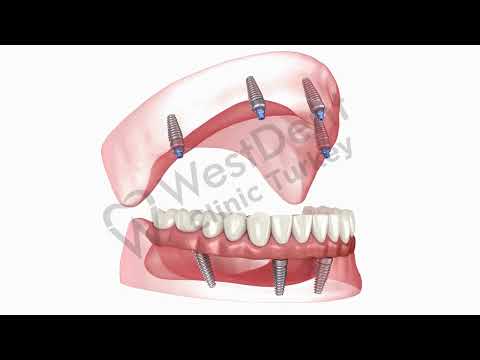
- All-on-4 / All-on-6 Systems: Comprehensive full-arch restorations that rely on strategically placed angled implants, often circumventing the need for extensive bone grafting.
- Zygomatic Implants: An advanced alternative for patients with severe maxillary bone loss, anchoring the implant into the cheekbone rather than the jaw.
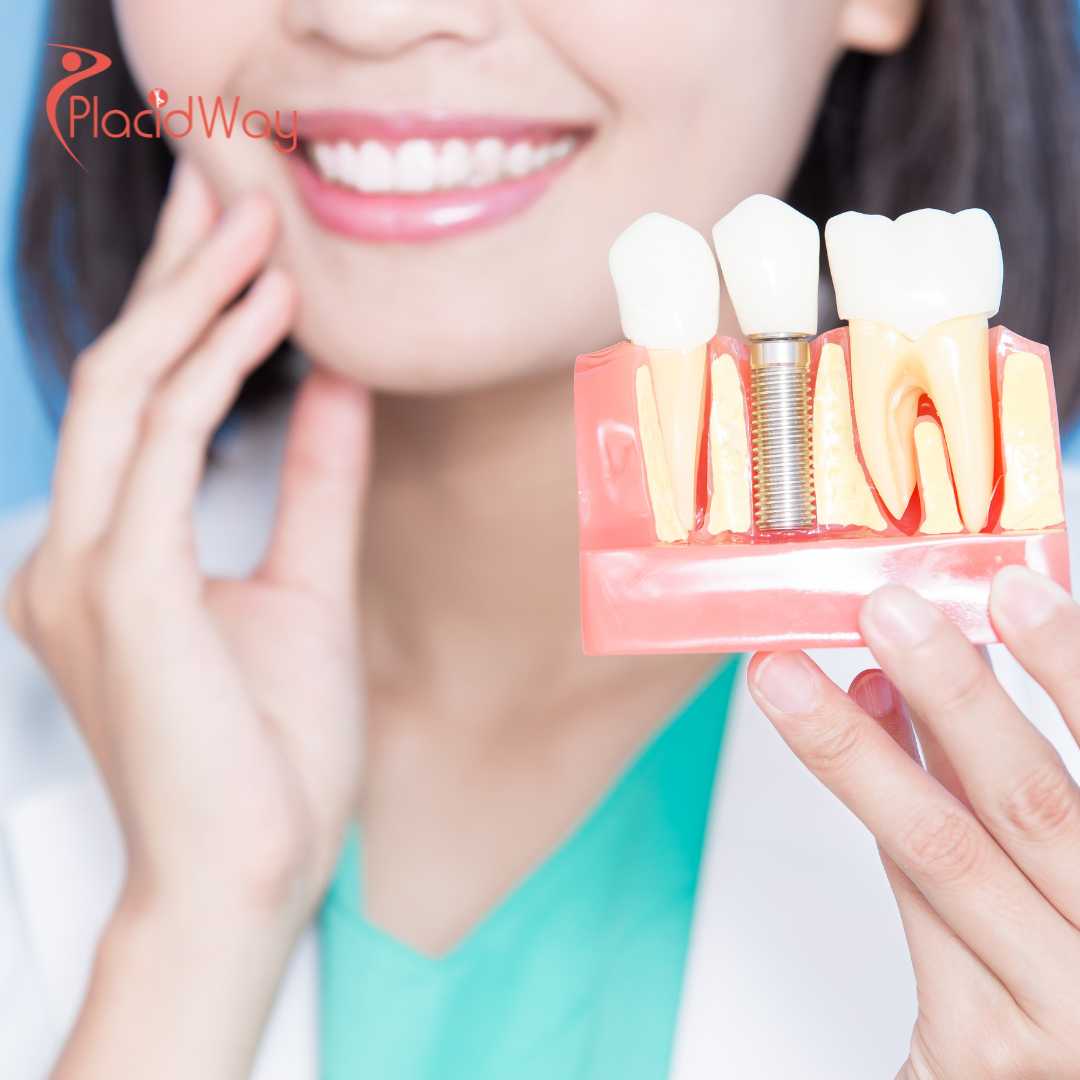
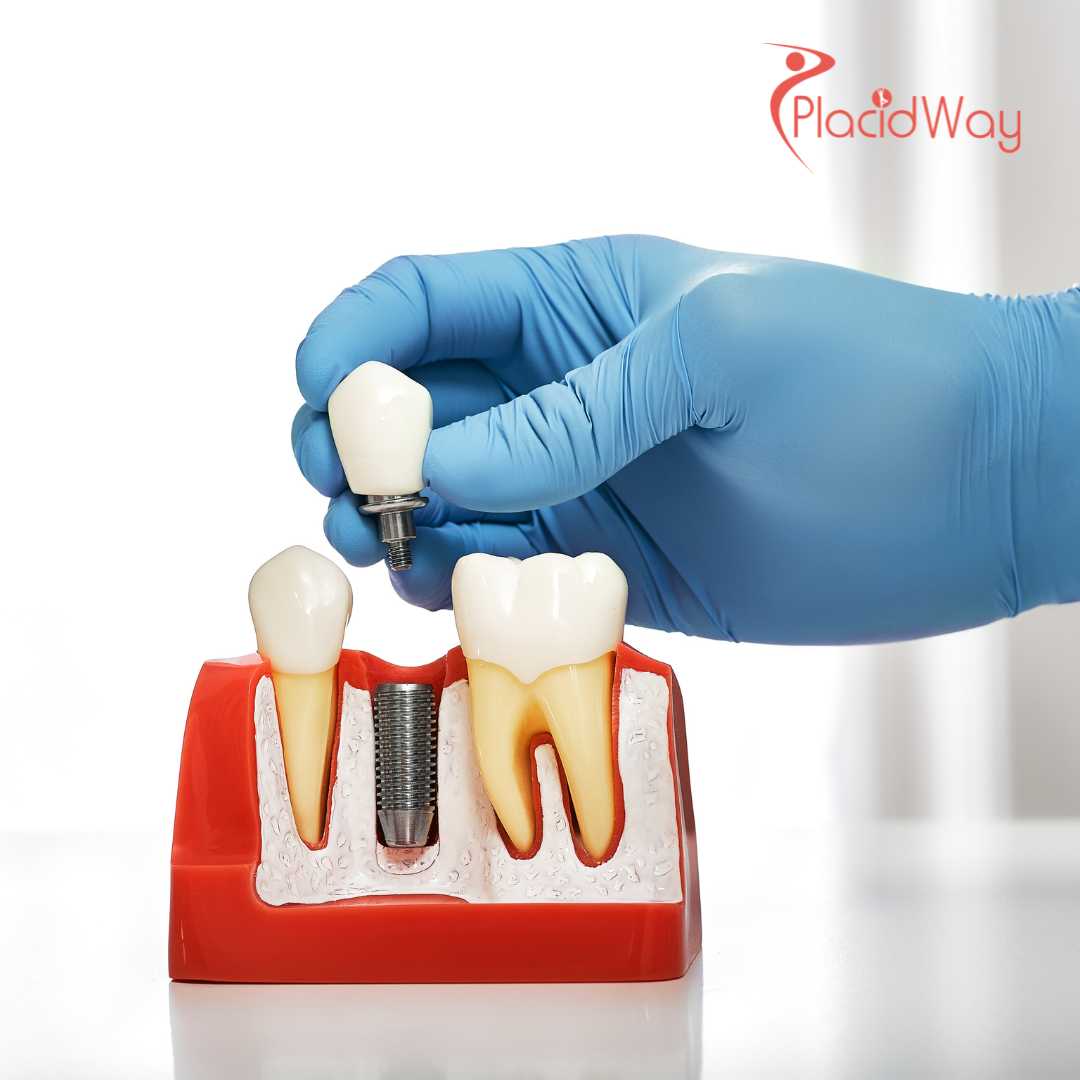
The material used for most dental implant posts is biocompatible titanium. This specific metal has a unique ability to fuse organically with human bone in a biological process known as osseointegration.
The Step-by-Step Dental Implant Process for International Patients
Embarking on a journey for dental procedures for Russian patients abroad requires an understanding of the chronological treatment phases. Unlike simple dental work, implantology is typically a multi-stage process that requires patience and strict adherence to clinical timelines. For medical tourists, this usually means planning for at least two separate visits to the destination country.
To provide clarity, the standard trajectory for international patients undergoing this transformative dental procedure generally follows a structured, step-by-step pathway designed to prioritize safety and long-term viability.
- Phase 1: Initial Digital Consultation: Evaluation of 3D scans remotely to determine candidacy and outline the preliminary surgical plan.
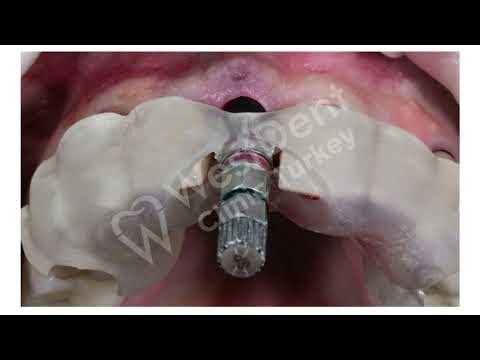
- Phase 2: First Visit & Surgical Placement: Traveling to the clinic where any necessary extractions, bone grafting, and the insertion of the titanium implant posts are performed.
- Phase 3: The Healing Period: A waiting period (typically 3 to 6 months) spent at home, allowing the jawbone to heal and firmly fuse with the new implants.
- Phase 4: Second Visit & Prosthetic Attachment: Returning to the clinic to have abutments placed and the custom-crafted, permanent crowns securely attached.
Safety Protocols and Quality Standards for Medical Tourism in Georgia
Safety remains the cornerstone of medical tourism in Georgia. To attract and maintain trust among international visitors, high-tier healthcare providers implement stringent infection control and quality assurance measures. These protocols are generally modeled after strict European and international healthcare directives, ensuring a hygienic and sterile surgical environment.
Patients are continually monitored before, during, and after surgical interventions. Clinical teams typically conduct comprehensive preoperative blood panels and medical history reviews to identify any underlying conditions that could impede healing or pose surgical risks. Quality standards encompass everything from the sterilization of instruments to the traceability of the implant materials used.
Not all patients are immediate candidates for dental implant surgery. Conditions such as uncontrolled diabetes, active periodontal disease, or heavy tobacco use can significantly elevate the risk of implant failure. Full transparency with your dental surgeon regarding your health history is mandatory.
Preparing for Your Dental Journey to the Caucasus
Meticulous preparation is essential when organizing cross-border healthcare. To fully benefit from an affordable dental implant cost in Georgia, patients must thoughtfully plan their logistics and medical documentation. Compiling dental records, previous X-rays, and a list of current medications is the first step in ensuring a seamless transition of care.
Moreover, preparing physically and mentally for oral surgery contributes to a smoother overall experience. Patients are generally advised to arrange for adequate rest periods post-surgery and to familiarize themselves with dietary restrictions—such as consuming soft foods—that will be required during the initial healing days in the destination country.
Pack a dedicated recovery kit containing over-the-counter pain relievers (approved by your surgeon), cold compresses, and travel-sized, non-alcoholic mouthwash to maintain oral hygiene comfortably during your return flight.
Recovery Expectations Following Dental Implants in Georgia
Understanding the postoperative phase is vital for setting realistic expectations. While the surgical placement at world-class dental implant clinics in Georgia is typically performed under effective local anesthesia or conscious sedation to minimize discomfort, the recovery phase requires active patient participation. Immediate post-operative effects generally include localized swelling, minor bruising, and mild to moderate discomfort.
These symptoms typically peak within 48 to 72 hours and gradually subside. The long-term recovery—osseointegration—occurs beneath the gums without conscious sensation. During this pivotal months-long period, patients must avoid excessive chewing forces on the surgical sites and adhere stringently to the oral hygiene instructions provided by their specialists.
According to oral health research, the timeline for osseointegration typically spans 3 to 4 months for the lower jaw (mandible) and up to 5 to 6 months for the upper jaw (maxilla), due to natural differences in bone density.
Combining High-Quality Dental Care with Georgian Tourism
While the primary motivation is undoubtedly healthcare, the location naturally offers a serene environment for recuperation. Medical tourism in Georgia frequently overlaps with traditional tourism, allowing patients to experience the country’s rich history, diverse landscapes, and renowned hospitality. Navigating the restorative journey in a tranquil environment can significantly reduce the stress often associated with dental surgeries.
During the periods between clinical appointments, when rest is recommended, patients often enjoy the mild climate and gentle walks through historic districts. It is generally advised, however, to avoid strenuous physical activities or extensive excursions immediately following bone grafting or implant placement to ensure optimal healing conditions.
Georgia is home to a unique alphabet, one of only 14 independent scripts in the world. Despite this distinct local language, international healthcare providers ensure barrier-free communication for Russian and English-speaking patients.
Patient Experiences Upgrading Their Smiles in Georgia
Patient testimonials serve as valuable insights into the reality of traveling for restorative dentistry. Individuals seeking dental implants in Georgia often share their outcomes, highlighting the professionalism of the medical staff and the transformative impact on their self-esteem and daily functionality. Hearing about real experiences can help prospective patients contextualize their own anticipated journeys.
Below are summaries of experiences from individuals who chose this region for their comprehensive oral rehabilitations. Please note: Results typically vary based on individual physiological factors and adherence to aftercare protocols.
Dmitry's Journey with All-on-4
After years of struggling with conventional dentures, Dmitry sought a more permanent solution. He underwent an All-on-4 procedure and noted that the multidisciplinary team approach made him feel secure throughout the entire process. He is currently enjoying a restored bite force and renewed confidence.
Elena's Single Implant Replacement
Elena needed a single molar replaced and was concerned about aesthetics. She highlighted the precise digital planning that allowed her zirconia crown to blend seamlessly with her natural teeth. She experienced minimal downtime and returned to work shortly after her initial trip.
Alexei's Bone Grafting and Implant Integration
Facing severe bone loss, Alexei required extensive sinus lifting before implants could be placed. He appreciated the transparent explanation of risks and the strict timeline provided. Following a six-month healing phase, his final prosthetic was successfully attached.
Natalia's Full Mouth Restoration
Natalia traveled for a comprehensive smile makeover involving multiple implants and crowns. She remarked on the high standards of clinic hygiene and the detailed post-operative care instructions she received, which were crucial during her recovery period back home.
Risk Factors and Important Considerations for Dental Implants
While the success rates for dental procedures for Russian patients are highly encouraging, objective decision-making requires an understanding of potential complications. Surgical interventions inherently carry risks, and implantology is no exception. It is vital to recognize that implants are medical devices placed directly into bone tissue.
Patients should engage in comprehensive discussions with their providers regarding these variables. Mitigating these risks generally involves rigorous pre-surgical screening, excellent surgical execution, and strict patient compliance with oral hygiene.
- Infection at the Implant Site: Although rare when protocols are followed, localized infections can occur and generally require prompt antibiotic intervention.
- Implant Micro-Movement: If a patient chews heavy or hard foods prematurely during the healing phase, the implant may shift, preventing successful osseointegration.
- Nerve Tissue Damage: Proximity to major facial nerves (especially in the lower jaw) poses a slight risk of temporary or, rarely, permanent numbness, which is why 3D imaging is critical for safe placement.
- Peri-implantitis: A long-term risk involving inflammation of the gums and bone surrounding the implant, typically associated with poor long-term oral hygiene.
Smoking significantly impairs blood flow to the oral tissues, which can drastically lower the success rate of bone grafts and dental implant integration. Surgeons generally require patients to cease smoking weeks before and after the procedure.
How PlacidWay Assists Your Dental Implants Medical Tourism Journey in Georgia
Navigating international healthcare systems can present logistical and informational challenges for individuals seeking specialized care. Connecting with world-class dental implant clinics in Georgia requires a trusted resource to help streamline the process, ensuring that prospective patients have access to verified information and reputable medical professionals.
PlacidWay serves as a dedicated global medical tourism platform, designed to empower patients with transparent details and direct access to internationally recognized healthcare networks. For those planning their oral restoration journey, PlacidWay offers structured, value-based assistance.
- Extensive Global Network Access: Providing detailed profiles of accredited dental facilities and highly qualified oral surgeons.
- Comprehensive Provider Matching: Helping patients align their specific clinical needs and budget requirements with appropriate medical centers.
- Facilitation of Medical Records: Streamlining the secure transfer of your panoramic X-rays and medical history to prospective specialists for initial evaluations.
- Transparent Communication: Assisting in initiating direct, clear communication with clinic coordinators to request detailed treatment plans.
- Patient Education and Advocacy: Offering educational resources to help you understand your chosen procedure, risks, and post-operative expectations.
PlacidWay facilitates connections between patients and medical providers in over 50 countries, focusing on empowering individuals to make informed healthcare choices on a global scale.
Frequently Asked Questions About Dental Implants in Georgia
Making an informed decision about international dental surgery requires asking the right questions. Whether inquiring about an affordable dental implant cost in Georgia or logistical concerns, patients generally have common queries regarding their upcoming medical travel.
Below is a curated list of frequently asked questions designed to provide concise, factual answers to help prepare you for a safe and successful restorative dental experience.
Why are Russian patients choosing Georgia for dental implants?
Many Russian patients seek dental care in Georgia due to the combination of geographic proximity, shared language capabilities, and access to highly trained specialists. The clinics often utilize international standards, making medical tourism in Georgia highly attractive.
Are dental implants in Georgia safe for international patients?
Generally, dental implants in Georgia are considered safe when performed at accredited facilities that follow strict international hygiene and safety protocols. Most reputable clinics adhere to rigorous sterilization and patient safety standards.
How long does the dental implant procedure take?
The initial implant placement typically requires a visit of 3 to 7 days, allowing for surgery and initial observation. A subsequent visit, usually 3 to 6 months later, is required to place the final crown after osseointegration is complete.
What is the typical recovery time after dental implant surgery?
Most patients experience mild swelling and discomfort for a few days following the procedure. Full integration of the implant into the jawbone usually takes between three and six months.
Do I need a visa to travel from Russia to Georgia for medical treatment?
Currently, Russian citizens typically do not require a visa for short-term visits to Georgia. However, it is always recommended to verify the latest travel regulations before planning your medical journey.
Are bone grafts always necessary for dental implants?
Bone grafting is not universally required but is often necessary if a patient lacks sufficient jawbone density to support the implant. Your dental specialist will evaluate your bone structure via 3D imaging during the consultation.
Can I get the All-on-4 dental implant system in Georgia?
Yes, many advanced clinics in Georgia offer the All-on-4 implant system for patients requiring full-arch restorations. This technique generally provides a stable foundation for a full set of replacement teeth.
What materials are used for dental implants in Georgian clinics?
High-quality Georgian clinics typically utilize biocompatible titanium for the implant post, recognized globally for its durability. For the visible crowns, patients can usually choose between porcelain, ceramic, or advanced zirconia.
Will I face a language barrier in Georgian dental clinics?
Most major dental facilities catering to international patients employ multilingual staff, and Russian is widely spoken among medical professionals in Georgia. This significantly reduces language barriers and enhances patient comfort.
How do I maintain my dental implants after returning home?
Proper maintenance involves standard oral hygiene practices, including twice-daily brushing, daily flossing, and using an antibacterial mouthwash. Routine check-ups with your local dentist are also essential to monitor the longevity of the implants.
Take the First Step Toward Your Smile Restoration Journey with PlacidWay!
Medical Disclaimer: This article is for informational purposes only and is not medical advice. Always consult a qualified healthcare provider before any medical decisions. Results may vary. Read Full Disclaimer here.
References
- Mayo Clinic. Dental Implant Surgery. https://www.mayoclinic.org/tests-procedures/dental-implant-surgery/about/pac-20384622
- Cleveland Clinic. Dental Implants. https://my.clevelandclinic.org/health/treatments/10903-dental-implants
- WebMD. Dental Implants: Procedures, Costs, Types. https://www.webmd.com/oral-health/guide/dental-implants
- U.S. Food and Drug Administration (FDA). Dental Implants: What You Should Know. https://www.fda.gov/medical-devices/dental-devices/dental-implants-what-you-should-know



.png)
.png)
.png)
.png)












Share this listing