
The Ultimate Guide to All-on-4 Costs: Country of Georgia vs. US State of Georgia

If you are researching full-arch tooth replacement options, you might be wondering about the All-on-4 dental implants cost in Georgia. Over the last decade, this picturesque country in the Caucasus region has steadily developed a reputation for providing modern dental care alongside a rich cultural experience. Many international patients find that seeking medical tourism in Georgia offers an appealing balance of affordability and access to advanced dental technologies.
Key Takeaways
- Cost Estimates: Treatment typically ranges from $3,500 to $6,500 per arch, subject to material choices and individual clinical needs.
- Treatment Timeline: The process generally requires at least two separate visits spaced three to six months apart.
- Patient Suitability: Good overall health, adequate jawbone density, and healthy lifestyle habits play a crucial role in eligibility and healing.
- Local Care: Securing a local dentist in your home country for ongoing maintenance and emergency support is a vital part of the medical tourism journey.
What factors influence the total cost of All-on-4 in Georgia?
While the baseline price might look very attractive, it helps to understand how different components affect your final bill. Clinics often offer different tiers of implant brands. Globally recognized premium brands like Nobel Biocare or Straumann tend to cost more than regional or alternative brands, though they come with extensive clinical documentation.
Additionally, the material you select for your final permanent teeth heavily dictates the price. A standard acrylic bridge fused to a titanium bar is usually the most budget-friendly option. In contrast, a full monolithic zirconia bridge, known for its exceptional durability and natural translucency, will typically push the cost toward the higher end of the estimate.
Finally, individual anatomical needs matter. If you have severe periodontal disease requiring complex extractions or if a minor bone graft is needed to ensure a stable foundation for the implants, these supplementary procedures will add to your overall expenses.
What is usually included in an All-on-4 treatment package?
When you contact an All-on-4 dental implants clinic in Georgia, they will often provide a comprehensive quote designed for international patients. It is vital to clarify exactly what that quote covers. Typically, a standard package involves:
- Pre-surgical diagnostics, including a Cone Beam Computed Tomography (CBCT) scan and panoramic X-rays.
- The surgical procedure itself, utilizing local anesthesia.
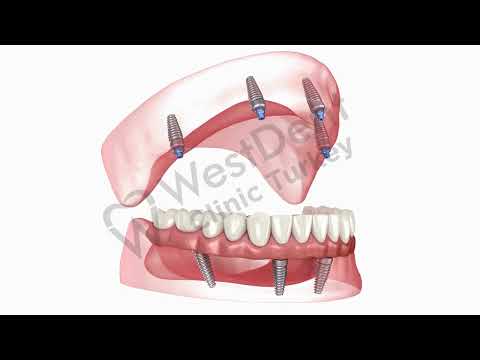
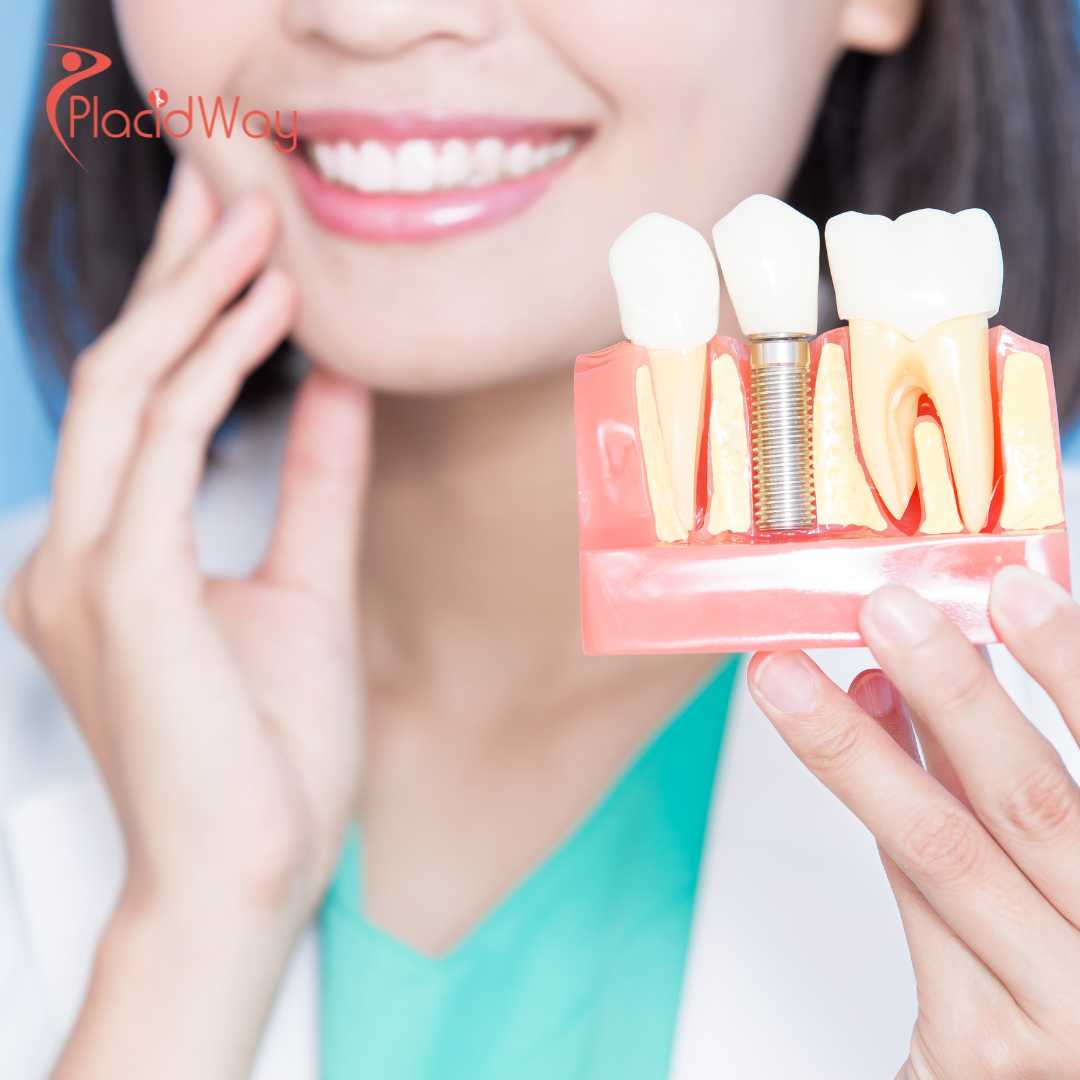
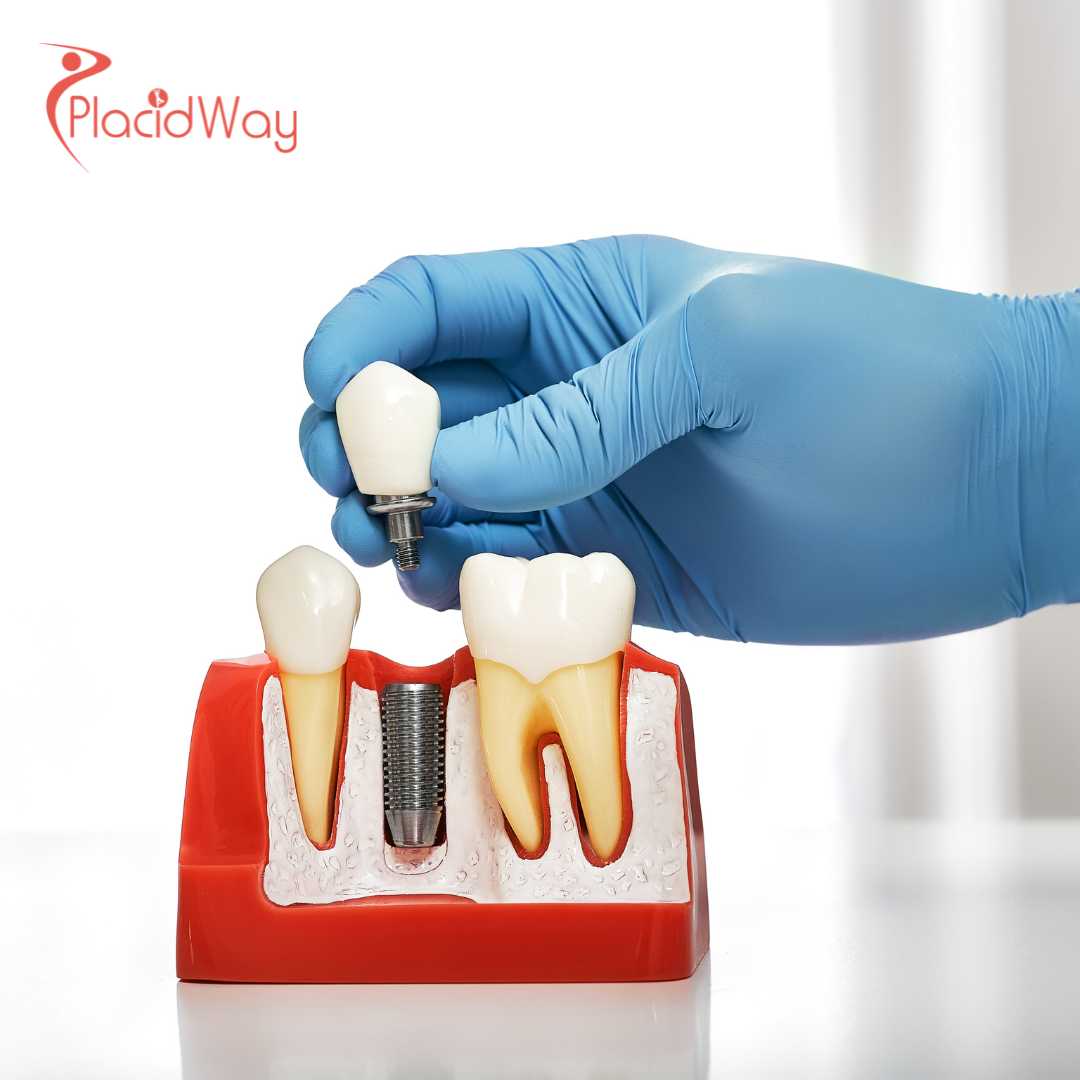
- Four titanium dental implants and the necessary abutments (connectors).
- A fixed, temporary acrylic prosthesis placed shortly after surgery.
- Post-operative check-ups during your stay.
It is equally important to understand what is not typically included. Travel expenses, accommodation, IV sedation, complex bone grafting, and the final permanent prosthesis (which is placed months later during a second trip) may be billed separately. Always ask for an itemized breakdown.
Did You Know?
The "All-on-4" technique was developed to angle the back implants, which helps avoid vital structures like the sinus cavity and often reduces the need for extensive bone grafting compared to traditional implant methods.
Why are dental implants often more affordable in Georgia?
Patients traveling from the United States, the United Kingdom, or Western Europe often express surprise at the price differences. In these regions, a significant portion of medical costs is tied to high operational overhead—rent, staff salaries, administrative costs, and malpractice insurance.
In Georgia, the general cost of living is notably lower. This economic reality allows dental practices to maintain lower overhead costs while still investing in modern dental technology, such as 3D scanners, CAD/CAM milling machines, and high-quality sterilization equipment.
Furthermore, the dental tourism market in the region is highly competitive. Clinics actively aim to attract international patients by offering transparent, bundled pricing structures that remain significantly more affordable than out-of-pocket expenses in Western countries.
| Destination | Estimated Price Range (USD) |
|---|---|
| Georgia | $3,500 – $6,500 |
| United States | $15,000 – $28,000 |
| United Kingdom | $12,000 – $20,000 |
Who is generally considered a suitable candidate for this procedure?
A thorough assessment by a qualified dental professional is mandatory to determine eligibility. Because placing implants is a surgical procedure, your overall systemic health is a major consideration. Conditions such as uncontrolled diabetes, autoimmune disorders, or a history of radiation therapy to the head and neck can impede the body’s ability to heal and may increase the risk of implant failure.
While the All-on-4 technique is famous for accommodating patients with mild to moderate bone loss, there must still be adequate healthy bone remaining to anchor the titanium posts securely. If bone loss is severe, alternative treatments or bone grafting might be recommended.
Lifestyle habits are equally critical. Smoking severely restricts blood flow to the gums, drastically slowing the healing process and significantly increasing the chances of complications. Most dental surgeons require patients to commit to quitting smoking well before and after the surgery.
How many trips to Georgia are typically required for All-on-4?
The journey to a fully restored smile is not instantaneous. During your first trip, which usually lasts between 5 to 8 days, you will undergo the initial consultations, surgical extractions (if necessary), and the placement of the implants. Before you leave, a temporary set of acrylic teeth is attached so you do not leave without a functional smile.
After returning home, your mouth enters a crucial healing phase called osseointegration. During this three-to-six-month window, the bone naturally grows around the titanium posts, locking them permanently into place. You will need to adhere to a soft-food diet during this time to avoid placing excessive force on the healing implants.
Once healing is complete and verified, you will return to Georgia for your second trip. This visit is generally less invasive and focuses on taking precise impressions, adjusting your bite, and securing your final, custom-made permanent bridge.
Important Consideration: Osseointegration
Osseointegration is the biological process where your living bone fuses with the surface of an artificial implant. Rushing this process or chewing hard foods too soon can cause the implants to shift or fail entirely, necessitating complex corrective surgeries.
What types of materials are used for the final dental arch?
Choosing the right material for your permanent teeth is a decision you will make alongside your dental team, balancing your budget with your aesthetic goals.
Acrylic over Titanium: This is the most cost-effective option and is widely used. The titanium bar provides structural strength, while the acrylic teeth keep the prosthesis relatively lightweight. However, acrylic can wear down over the years and may eventually require replacement or repair.
Zirconia: Zirconia has become the gold standard for full-arch restorations due to its incredible strength and chip resistance. It can be highly polished and color-matched to look remarkably like natural teeth. Because of its density and the advanced milling technology required to create it, a zirconia bridge will increase your final All-on-4 dental implants cost in Georgia.
Are there potential risks or complications with All-on-4 implants?
It is crucial to approach medical tourism with realistic expectations. While success rates for dental implants are generally high in suitable patients, complications can and do occur. Infection at the implant site is one of the most common risks, emphasizing the need for strict oral hygiene and adherence to post-operative antibiotic protocols.
During surgery, there is a small risk of incidental damage to surrounding anatomical structures, such as blood vessels, neighboring teeth, or nerves, which could result in temporary or (rarely) long-term numbness in the lips or chin. For upper jaw procedures, implants occasionally protrude into the sinus cavity, potentially leading to sinus issues.
Finally, there is the risk of implant failure. If osseointegration does not occur—often due to smoking, poorly managed diabetes, or poor bone density—the implant may become loose and need to be removed.
What should I expect during the initial recovery period?
Immediately following the surgery, your gums will be tender. Swelling often peaks around the second or third day post-surgery before beginning to subside. Your dentist will provide specific instructions on how to care for your mouth, which usually involves gentle saltwater rinses instead of rigorous brushing near the surgical sites.
Dietary restrictions are a major part of the recovery phase. You will be placed on a strict liquid or very soft-food diet (such as scrambled eggs, yogurt, and mashed potatoes) for several weeks. Chewing hard, crunchy, or chewy foods can jeopardize the healing implants and must be strictly avoided.
Rest is also essential. Patients are generally advised to avoid strenuous physical activity, heavy lifting, and intense exercise for at least a week to prevent elevated blood pressure, which can cause bleeding or throbbing at the surgical site.
How do international patients handle follow-up care and maintenance?
One of the most important considerations when pursuing medical tourism in Georgia is what happens after you return home. Dental implants are not "maintenance-free." They require diligent daily hygiene, including the use of water flossers, specialized interdental brushes, and non-abrasive toothpaste to keep the gums surrounding the implants healthy.
You will also need professional maintenance. The permanent prosthesis should be periodically examined, and sometimes removed and cleaned by a professional, to prevent peri-implantitis (a destructive inflammatory process affecting the soft and hard tissues surrounding dental implants).
Before booking your trip to an All-on-4 dental implants clinic in Georgia, it is highly recommended to secure a local dentist who agrees to provide your ongoing maintenance. Traveling internationally for minor adjustments or in the event of an urgent complication is rarely practical or safe.
Why Choose PlacidWay for Medical Tourism in Georgia?
Navigating international healthcare options can be complex. PlacidWay serves as a resource for patients seeking to understand their choices abroad. Here is how the platform can assist you in your research:
- Global Directory Access: PlacidWay provides a comprehensive directory, connecting patients with a wide network of healthcare providers and dental clinics internationally.
- Provider Information: The platform offers access to clinic profiles, allowing you to review facility details and provider backgrounds before making contact.
- Direct Communication: PlacidWay facilitates direct communication between international patients and foreign medical facilities to discuss treatments.
- Customized Estimates: Patients can use the portal to request and compare customized treatment cost estimates from multiple clinics in Georgia and worldwide.
- Multilingual Support: The platform provides access to a support team that assists in breaking down language barriers during the initial inquiry process.
Frequently Asked Questions
Can I get both jaws treated at the same time in Georgia?
Yes, many patients opt for a full-mouth restoration, having both the upper and lower jaws treated during the same surgical appointment. This approach depends on your overall health, bone density, and the surgeon's recommendation.
Do dental professionals in Georgia speak English?
Many dental clinics that cater to international patients in cities like Tbilisi and Batumi have English-speaking dentists and support staff. Some clinics also provide dedicated translators for medical consultations.
Is bone grafting included in the standard All-on-4 price?
Usually, bone grafting is not included in the baseline estimate. The All-on-4 technique is designed to maximize existing bone, but if significant bone loss has occurred, minor grafting may be required at an additional cost.
How long do I need to stay in Georgia for the surgery?
Patients are typically advised to stay in Georgia for 5 to 8 days during their first trip. This allows time for the initial consultation, the surgical placement of the implants, the fitting of the temporary bridge, and a follow-up check before flying home.
Can I fly immediately after implant surgery?
Dentists generally recommend waiting at least 48 to 72 hours after surgery before taking a flight. Cabin pressure changes can increase discomfort, swelling, or the risk of minor bleeding in the immediate postoperative period.
What kind of anesthesia is used for All-on-4 in Georgian clinics?
The procedure is most commonly performed using local anesthesia combined with intravenous (IV) conscious sedation. General anesthesia is less common, carries different risks, and typically increases the overall treatment cost.
Will my temporary teeth look natural?
Yes, the temporary acrylic bridge is designed to look aesthetically pleasing and natural. While they are not as durable or highly detailed as your final permanent zirconia or porcelain teeth, they allow you to smile and speak confidently during the healing phase.
How do international patients typically pay for dental treatment in Georgia?
Payment methods vary by clinic, but most major facilities accept international credit cards, direct bank transfers, and cash in major currencies. It is important to confirm payment policies and potential currency conversion fees before traveling.
What happens if I experience a complication after returning home?
If a complication arises, you should contact your treating clinic in Georgia for guidance, but immediately seek care from a local dentist or physician in your home country. Having a relationship with a local dentist before traveling is highly recommended for emergency support.
Do I need a visa to travel to Georgia for dental care?
Georgia has very welcoming entry requirements. Citizens of the US, UK, EU, Canada, and many other nations can enter Georgia visa-free for up to one year. Always verify current entry requirements with your local embassy before booking travel.
Ready to Explore Your Options?
Compare treatment options and gather the information you need to make an informed decision about dental care abroad.
Request Treatment InformationReferences
- Dental Implants: What You Should Know – U.S. Food and Drug Administration (FDA)
- Implants – American Dental Association (ADA)
- Travelers' Health: Georgia – Centers for Disease Control and Prevention (CDC)
- Dental Implant Surgery: Risks and What to Expect – Mayo Clinic
- Dental Implants FAQ – American Academy of Implant Dentistry (AAID)
- Long-term Survival of All-on-4 Concept – National Library of Medicine (PubMed)
Medical Disclaimer: The information provided in this article is for educational and informational purposes only and does not constitute medical advice, diagnosis, or treatment recommendations. The estimated costs, procedures, and risks associated with All-on-4 dental implants can vary widely based on individual health conditions and clinic protocols. Always seek the advice of a qualified and licensed dental professional or physician with any questions you may have regarding a medical condition or treatment plan. Outcomes are not guaranteed, and traveling for medical care carries unique risks that should be carefully considered.


















Share this listing