
Dental Implants in Georgia: What to Know

Traveling abroad for dental care requires careful planning, research, and a clear understanding of the medical realities involved. If you are exploring your options in the Caucasus region, it helps to know what to expect before you book a flight. In this guide, we will break down the timelines, estimate the dental implant cost in Georgia, and explore the practical aspects of managing your treatment away from home.
Key Takeaways
- Dental implantation is a multi-step surgical process, not a quick fix you can complete in a single short vacation.
- You will likely need to make at least two trips to Georgia, separated by a 3- to 6-month healing period.
- Costs vary widely based on the materials used, the need for preparatory bone grafting, and the complexity of your specific case.
- Arranging a local dentist back home for ongoing maintenance and potential emergency care is a vital step before you travel.
- Proper medical evaluation of your jawbone and overall health is required to determine if you are a safe candidate for surgery.
How much do dental implants actually cost in Georgia?
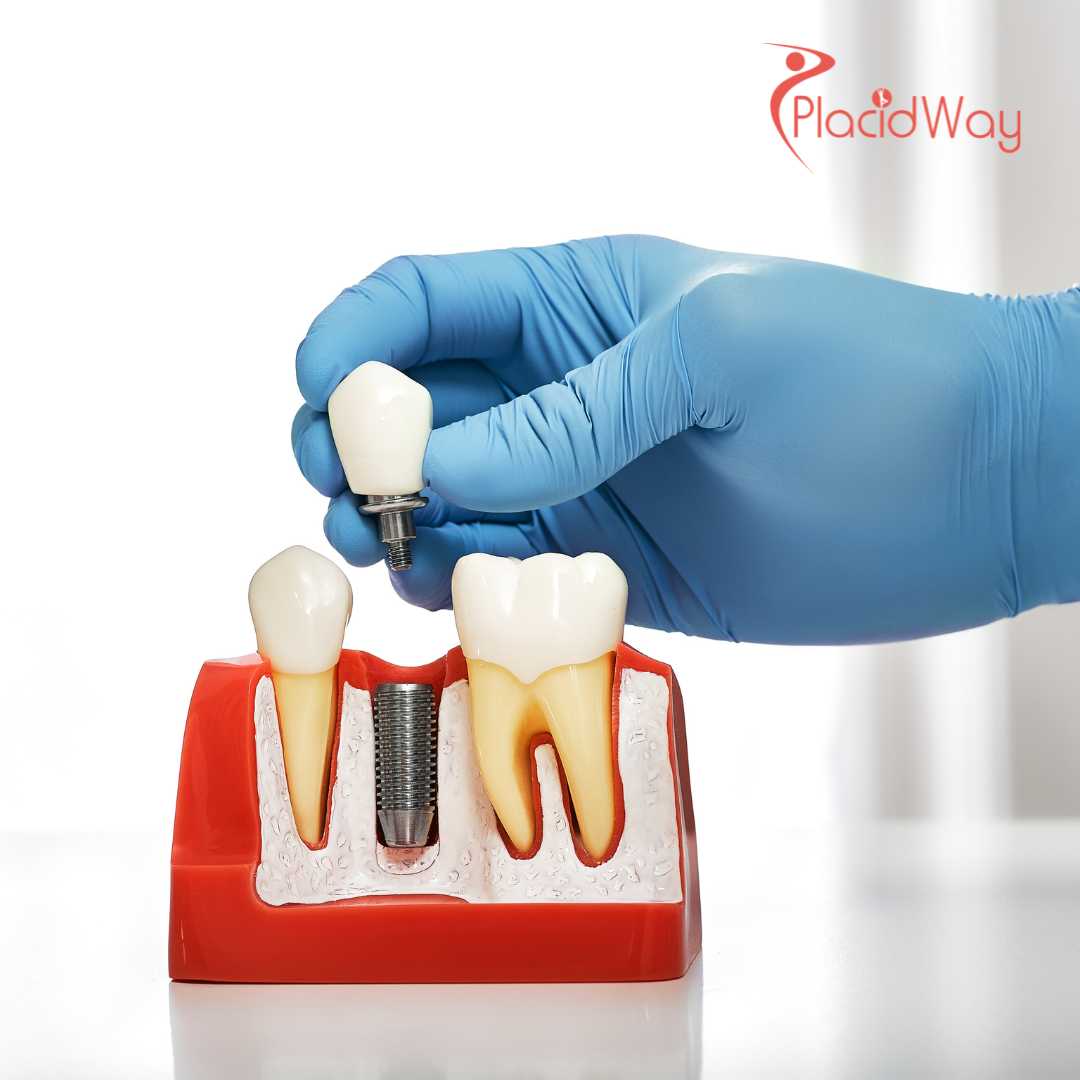
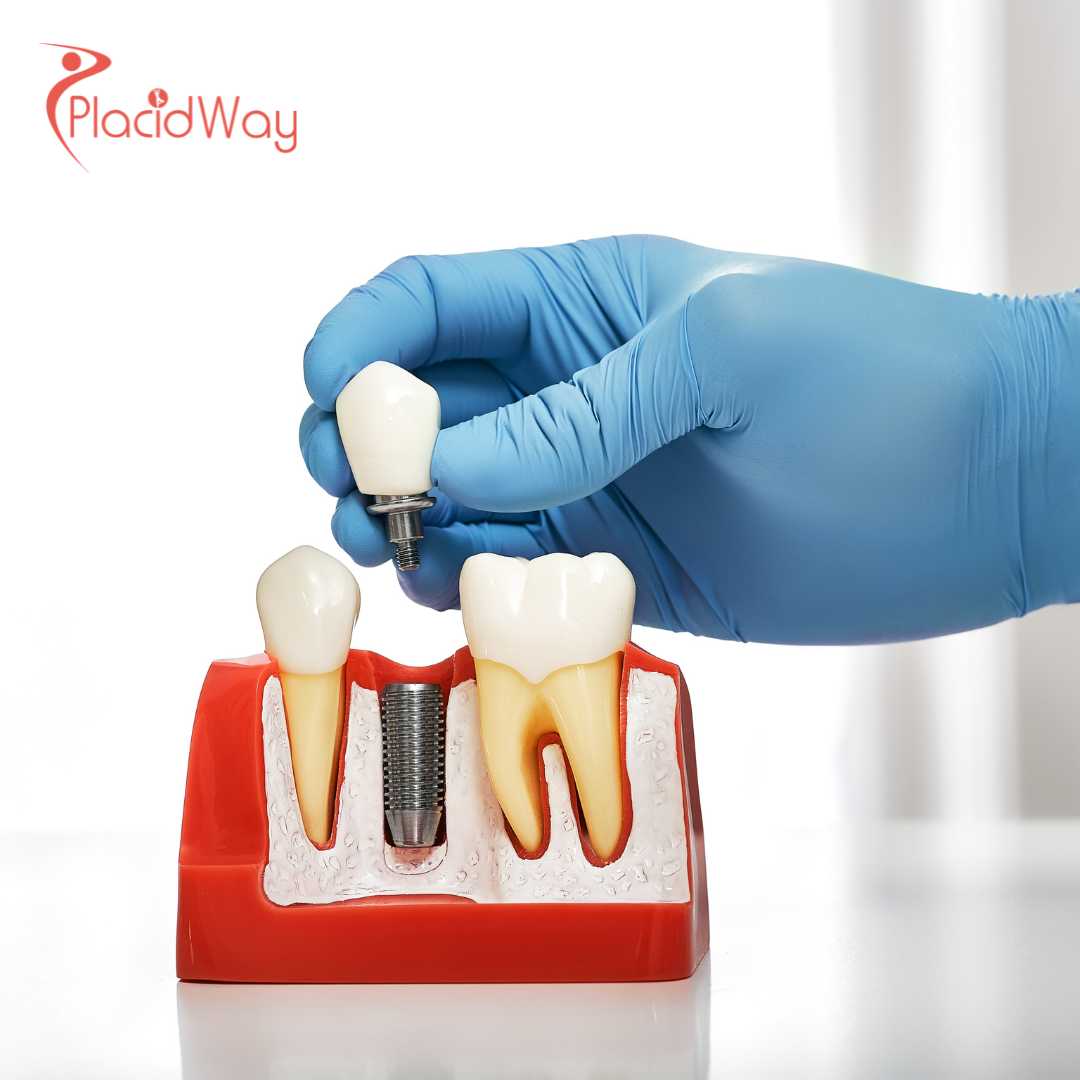
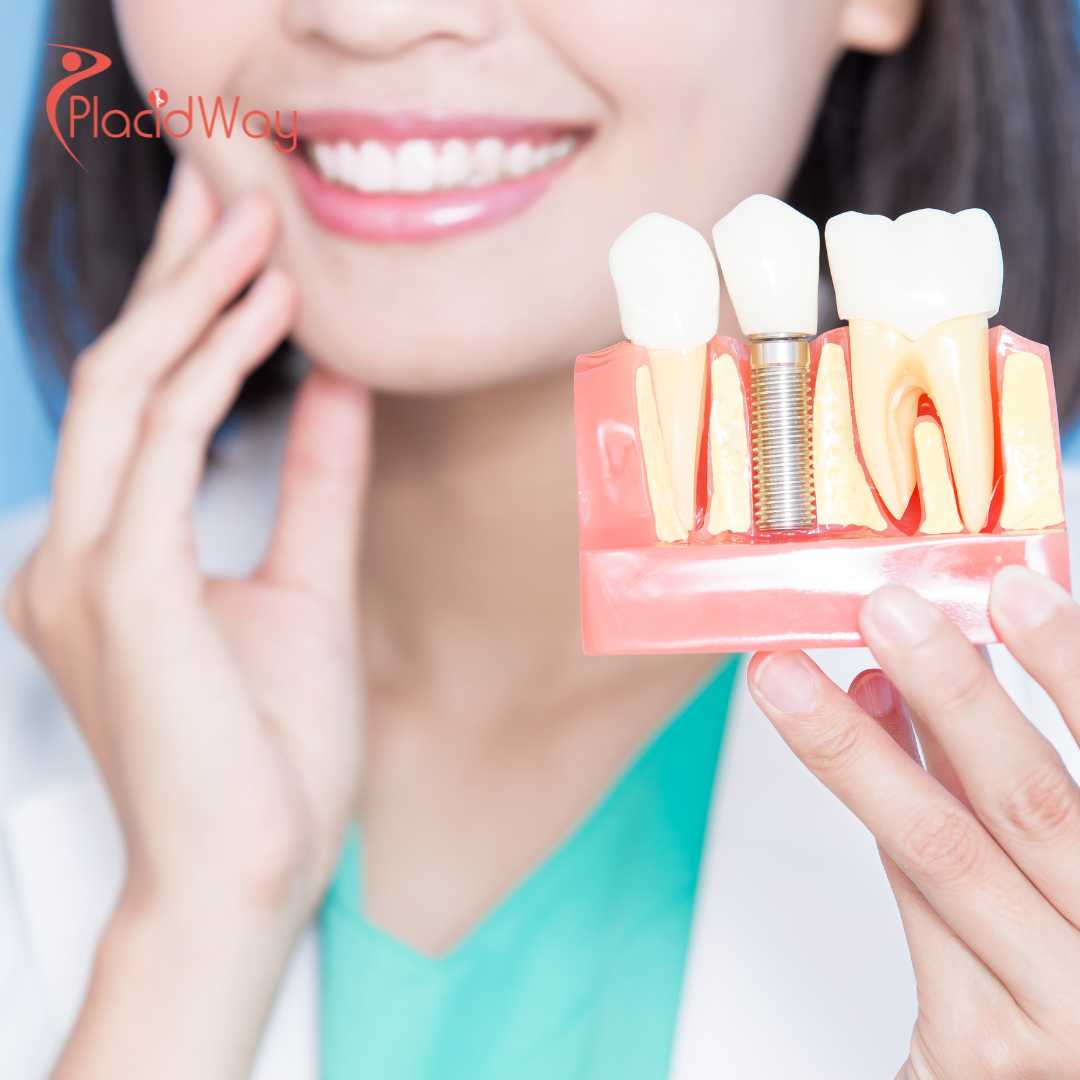
When researching prices, the figures you see advertised usually cover only the titanium post. A complete tooth replacement involves three distinct parts: the implant post (the root), the abutment (the connector), and the crown (the visible tooth). When requesting estimates from a dental implant clinic in Georgia, you should ask for a comprehensive breakdown that includes all three components, as well as consultation fees, imaging scans, and surgical costs.
If your jawbone has deteriorated due to missing teeth, you may require a bone graft before an implant can be safely placed. This adds to both the overall expense and the timeline of your treatment. Additionally, international patients must factor in the cost of flights, local accommodation, and transportation for multiple visits.
It is helpful to remember that incredibly low prices can sometimes indicate the use of lesser-known implant materials or hidden fees. Gathering itemized quotes from multiple providers allows you to make an informed comparison based on value and quality rather than just looking at the lowest number.
What is the timeline for completing dental implants abroad?
A common misconception among patients traveling for care is that they can walk into a clinic and leave with a permanent new smile a few days later. In reality, oral surgery requires biological healing. After the titanium post is inserted into your jawbone, a process called osseointegration must occur. The bone needs time to fuse securely to the metal to create a stable foundation.
During your first visit, which typically lasts 5 to 7 days, the dentist will perform evaluations, take 3D scans, and perform the surgery. You will usually go home with a temporary crown or denture. After 3 to 6 months—or longer if you had a bone graft—you will return for your second visit.
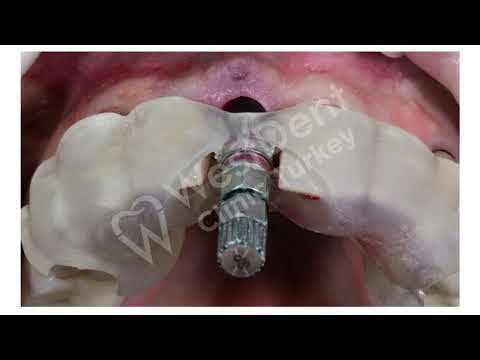
The second trip often takes another 7 to 10 days. During this time, the dentist will uncover the implant, attach the abutment, take impressions, and finally place the custom-made permanent crown. Rushing this timeline increases the risk of implant failure, which is why reputable dentists adhere strictly to proper healing protocols.
Are dentists in Georgia properly qualified to place implants?
When evaluating a provider, look beyond marketing materials. Ask specific questions about their background. Many experienced professionals participate in continuous education and hold memberships in recognized organizations such as the International Congress of Oral Implantologists (ICOI) or the European Association for Osseointegration (EAO).
Oral surgery requires specific expertise. A general dentist who places a few implants a year may not have the same skill level as a specialist who focuses primarily on implantology and complex full-mouth restorations. Asking a dentist how many procedures they perform annually and requesting to see before-and-after cases can provide valuable context.
Additionally, inquire about the clinic's sterilization protocols and the technology they use. Modern clinics should utilize 3D Cone Beam Computed Tomography (CBCT) scanners for precise surgical planning, which helps minimize risks and improves the likelihood of a successful outcome.
Am I a good candidate for this procedure?
- Bone Density: Implants need a solid foundation. If your teeth have been missing for a long time, the jawbone may have shrunk, requiring a bone graft before placement.
- Gum Health: Active periodontal disease (gum disease) can cause implants to fail. Infections must be fully treated before surgery.
- Medical Conditions: Uncontrolled diabetes, autoimmune disorders, and conditions that affect blood clotting can impair healing and increase surgical risks.
- Medications: Certain medications, such as bisphosphonates (used for osteoporosis) or blood thinners, can interfere with surgery and recovery.
- Lifestyle Factors: Heavy smoking restricts blood flow in the mouth, drastically reducing the success rate of the procedure.
What materials are commonly used for dental implants?
Titanium is the industry standard for implant posts because it has a unique ability to fuse directly with human bone. Some clinics may also offer zirconia implants as a metal-free alternative for patients with specific allergies, though titanium remains the most widely researched and utilized option.
For the crown portion, material selection usually depends on the location of the tooth. Zirconia is exceptionally strong and highly resistant to chipping, making it a frequent choice for back teeth that endure heavy chewing forces. Porcelain fused to metal (PFM) or all-ceramic crowns are often preferred for front teeth because they can be closely color-matched to natural teeth for better aesthetic results.
It is wise to ask the clinic which global brands of implants they use. Recognized international brands typically have rigorous clinical research supporting their longevity, making it easier for a local dentist in your home country to find replacement parts if maintenance is needed in the future.
How safe is medical tourism in Georgia for dental procedures?
Medical tourism in Georgia has grown, but patients must take an active role in ensuring their own safety. Every surgical procedure, no matter where it is performed, carries risks such as infection, nerve damage, or sinus problems. When you add international travel to the mix, complications can become more difficult to manage.
Language barriers can also impact safety if you cannot clearly communicate your pain levels, medical history, or concerns to the dental staff. Ensure the clinic you choose has fluent English speakers or dedicated medical translators available throughout your treatment.
From a travel perspective, flying soon after oral surgery can be uncomfortable due to changes in cabin pressure, which may exacerbate swelling or bleeding. Plan to rest in your hotel for a few days before boarding a flight back home, and follow all postoperative instructions closely.
What happens if I experience complications after going home?
While many implants heal without issue, complications like infection, implant loosening, or issues with the bite alignment can occur weeks or months after surgery. Because returning to Georgia for a quick adjustment is often impractical and expensive, having a safety net at home is essential.
Before you leave the foreign clinic, request a complete copy of your medical records in English. This should include details about the implant brand, size, abutment specifications, and digital copies of your pre- and post-operative X-rays. A local dentist will need this information to treat you safely.
Keep in mind that if you need remedial work at home, your local dentist will charge their standard rates, which could offset the savings you gained by traveling. Factor this potential risk into your overall budget when deciding if traveling for care is the right choice for you.
How painful is the recovery process after implant surgery?
- During Surgery: The area is numbed, so you should feel pressure but not sharp pain. Some clinics offer conscious sedation if you suffer from dental anxiety.
- First 48 Hours: Swelling and discomfort usually peak. Dentists typically recommend applying ice packs to the face and resting with your head elevated.
- Pain Management: Over-the-counter pain relievers or prescribed medications can help manage soreness. Stick to a soft-food diet to avoid irritating the surgical site.
- First Week: Bruising may appear on the skin around your jaw or cheeks. You will need to rinse gently with warm salt water or prescribed mouthwash.
- Long-term Healing: The deep bone healing (osseointegration) takes months, but this process is generally painless once the initial gum incisions have healed.
Should I get all-on-4 implants or individual ones?
If you are missing just one or two teeth, individual implants are typically the standard approach. They do not affect the adjacent healthy teeth and function much like natural roots. However, replacing an entire mouth of teeth with individual implants can be highly invasive, require extensive bone grafting, and become very expensive.
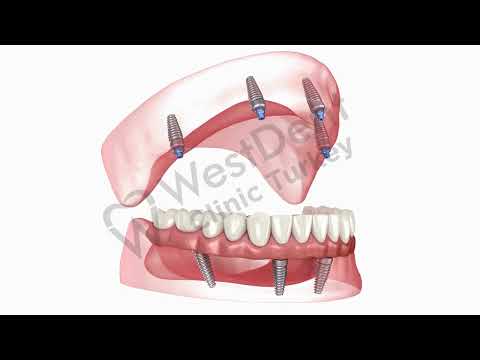
For patients missing all or most of their teeth on the upper or lower jaw, All-on-4 or All-on-6 restorations may be a suitable alternative. This technique angles the rear implants to maximize the use of available bone, which can sometimes eliminate the need for bone grafting. A fixed bridge is then attached to these posts.
While full-arch restorations can be life-changing for denture wearers, they require meticulous daily cleaning to prevent plaque buildup under the bridge. Your dentist will evaluate your oral anatomy and help you weigh the benefits and limitations of each approach.
Why Choose PlacidWay for Medical Tourism in Georgia?
PlacidWay is an informational platform designed to help patients research international medical providers. When exploring options abroad, PlacidWay offers several resources:
- Facility Profiles: Access detailed information about clinic amenities, technologies, and available treatments.
- Provider Qualifications: Review educational backgrounds and professional affiliations of practicing dentists.
- Cost Estimates: View pricing guidelines to help you compare costs across different regions and clinics.
- Patient Testimonials: Read reviews and watch video testimonials from previous international patients.
- Educational Content: Utilize guides and articles to better understand the steps involved in oral surgery.
Frequently Asked Questions (FAQs)
Do I need a visa to visit Georgia for dental treatment?
Many international visitors, including citizens of the US, EU, and UK, can enter Georgia visa-free for up to one year. However, you should always verify current entry requirements with your local Georgian embassy before booking travel.
How long do dental implants typically last?
With proper oral hygiene and regular dental check-ups, the titanium implant post can often last for decades. The crown attached to the implant may need replacement after 10 to 15 years due to normal wear and tear.
Can I get a tooth extracted and an implant placed on the same day?
Immediate implant placement is sometimes possible if you have sufficient bone density and no active infection in the extraction site. A dentist will need to evaluate your jaw using 3D imaging to determine if you are a suitable candidate.
Is bone grafting always necessary for implants?
No, bone grafting is only necessary if your jawbone is too thin or soft to hold an implant securely. A comprehensive scan during your initial consultation will reveal whether you need a graft before proceeding.
What are the signs of a failing dental implant?
Signs of potential implant failure include severe pain, swelling, loose implants, receding gums around the implant, or difficulty chewing. If you experience these symptoms, contact a dentist immediately for evaluation.
Do clinics in Georgia speak English?
Many clinics catering to international patients employ English-speaking dentists and support staff. Some facilities also offer translation services for other languages, but it is always best to confirm language support before scheduling your visit.
Can I fly immediately after dental implant surgery?
Most dentists advise waiting at least 48 to 72 hours before flying after oral surgery. Flying too soon can increase discomfort and swelling due to cabin pressure changes, especially if you had a sinus lift.
Does smoking affect my eligibility for dental implants?
Smoking restricts blood flow to the gums, which can significantly slow healing and increase the risk of implant failure. Dentists usually recommend quitting smoking several weeks before and after the procedure.
Are antibiotics required after implant surgery?
Dentists often prescribe a short course of antibiotics following implant surgery to reduce the risk of postoperative infection. You should take all prescribed medications exactly as directed by your healthcare provider.
How do I maintain my dental implants once I return home?
Care for implants just like natural teeth by brushing twice daily, flossing, using antibacterial mouthwash, and scheduling routine cleanings with your local dentist every six months.
Compare Treatment Options
Gather more information about clinic facilities, read patient reviews, and request estimates to help you make an informed decision about your dental care.
Request Treatment InformationReferences
- Implants - American Dental Association (ADA)
- Dental Implant Surgery - Mayo Clinic
- Dental Implants: What You Should Know - U.S. Food and Drug Administration (FDA)
- Medical Tourism - Centers for Disease Control and Prevention (CDC)
- Tooth Loss - National Institute of Dental and Craniofacial Research
- Dental Treatments - National Health Service (NHS)


















Share this listing