
The Complete Guide to Dental Implant Costs in Tbilisi for 2025
If you are exploring tooth replacement options abroad, understanding the dental implant cost in Tbilisi is often the first step. Georgia has steadily grown as a destination for international patients seeking affordable dental restorations. However, determining the final price involves much more than simply looking at the cost of the surgical post. Patients must consider the entire treatment plan, from diagnostic imaging to the final artificial tooth.
This guide provides a comprehensive overview of what to expect when considering dental restoration in the Georgian capital. We will explore the factors that influence estimates, the stages of the procedure, and important considerations regarding suitability, risks, and post-operative care.
Key Takeaways
- Estimates for a single implant in Tbilisi are often lower than prices in North America or Western Europe.
- The total financial commitment must include travel, accommodation, and potential multiple visits.
- Treatment success relies heavily on your overall health, jawbone density, and oral hygiene habits.
- Complications can arise, making it essential to coordinate with a local dentist in your home country for ongoing maintenance.
- Pricing structures vary; verify whether quotes cover the implant, abutment, and crown together or separately.
What factors affect the overall cost of getting implants in Tbilisi?
When evaluating quotes for a dental implant in Tbilisi, you will notice that prices are rarely a flat rate. The core component of the cost is usually the implant post itself, which serves as the artificial tooth root. Clinics offer different brands of implants, typically categorized as premium, mid-range, or budget. Premium brands from Switzerland or the United States often command higher fees due to their extensive clinical documentation and global recognition, while other reliable but less globally marketed brands may cost less.
The complexity of your specific oral health situation also plays a major role. A straightforward placement in a healthy jawbone will cost significantly less than a complex case requiring multiple implants, sinus lifts, or extensive extractions. Additionally, the experience level of the dental surgeon can influence the price, as specialists with advanced training in oral surgery or prosthodontics may charge higher fees for their expertise.
Are there additional expenses beyond the implant post?
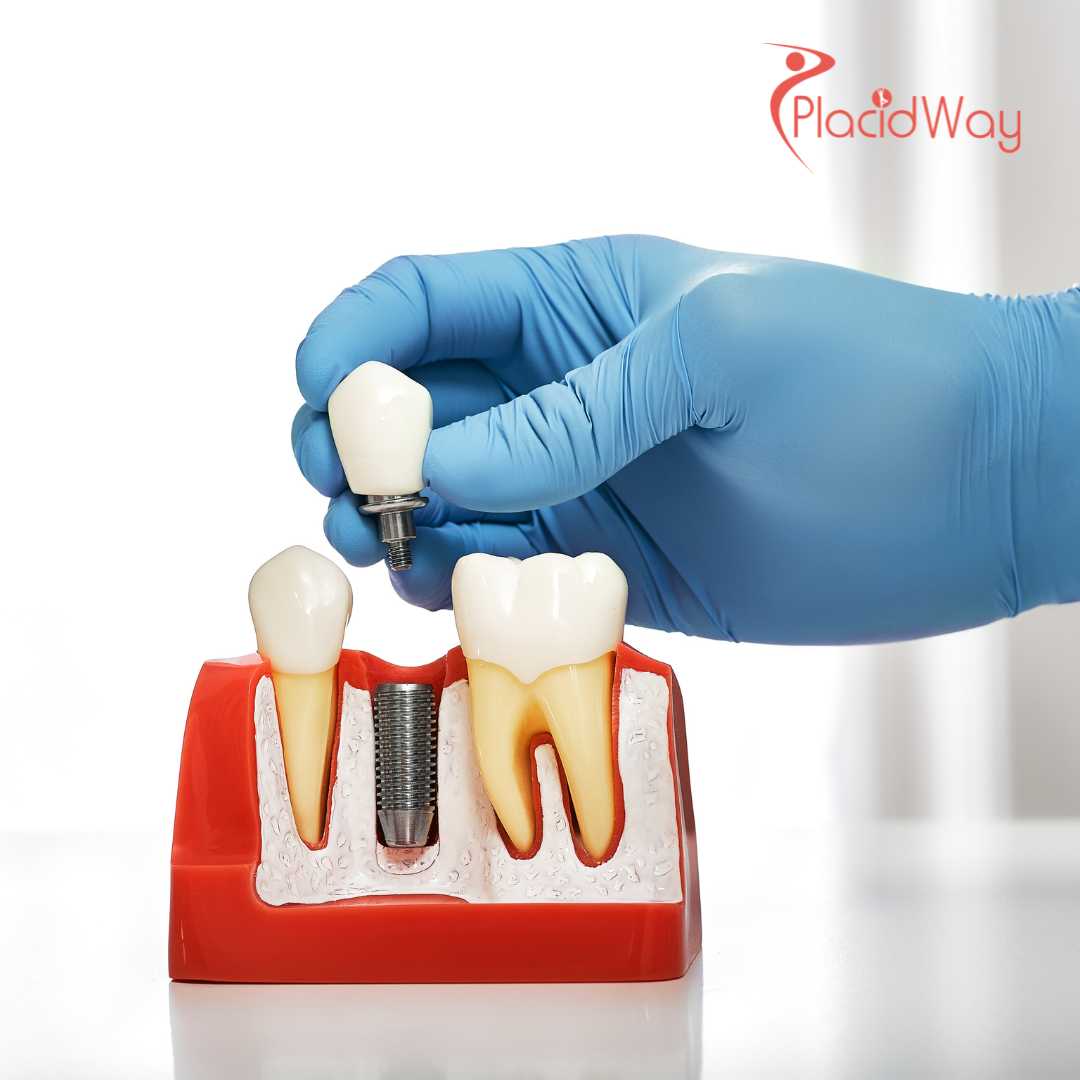
A common source of confusion for international patients is misunderstanding what a quoted price actually covers. An implant is not a single piece; it is a three-part system. Aside from the titanium post inserted into the bone, you will eventually need an abutment (the connector piece) and a custom-made crown (the visible artificial tooth). Some clinics bundle these together in a single package, while others itemize them.
You should also anticipate the following potential additional expenses:
- Diagnostic Imaging: 3D Cone Beam Computed Tomography (CBCT) scans and panoramic X-rays are mandatory for safe surgical planning.
- Preparatory Procedures: If you lack sufficient bone density, you may require a bone graft or a sinus lift before the implant can be placed.
- Tooth Extractions: Removing damaged or decayed teeth before implant placement incurs separate fees.
- Temporary Solutions: You may need a temporary crown or denture to wear during the healing phase.
- Medications: Prescription antibiotics, pain relievers, and specialized mouthwashes for your recovery period.
| Treatment Component | Estimated Price Range (USD) |
|---|---|
| Single Implant Post | $300 - $800 |
| Abutment | $50 - $150 |
| Ceramic/Zirconia Crown | $150 - $400 |
| Bone Grafting (per site) | $100 - $350 |
*Note: These figures are general estimates. Actual prices will vary based on individual clinical needs and provider pricing.
How many trips to Georgia will I need for the complete procedure?
A critical factor to consider when planning dental treatment abroad is the timeline. The implant process relies on a biological phenomenon called osseointegration, where the jawbone fuses to the titanium post. This fusion provides the necessary stability for chewing. Osseointegration is a slow process that generally takes between three to six months, depending on whether the implant was placed in the upper or lower jaw and your body's natural healing rate.
During your first visit to Tbilisi, the dentist will perform the necessary extractions, bone grafting (if minor), and place the implant posts. You will typically stay for about five to ten days to allow for initial healing, suture removal, and a follow-up check. You will then return home for the osseointegration period. Once healing is complete, you will undertake a second trip. During this visit, which usually lasts one to two weeks, the dentist will expose the implant, attach the abutment, take impressions, and fit your custom permanent crown.
What types of implant materials are commonly used?
The materials used in your dental restoration directly impact both the aesthetics and the longevity of the result. For the surgical post, titanium alloys remain the gold standard in dentistry worldwide. Titanium is highly biocompatible, meaning the human body rarely rejects it, and it has a proven track record of facilitating strong osseointegration. For patients with specific metal allergies or aesthetic concerns regarding thin gum tissue, zirconia (ceramic) implants may sometimes be offered as an alternative, though they are less common and often more expensive.
When it comes to the final crown, you have several material choices. Porcelain fused to metal (PFM) provides good strength and a decent appearance, making it suitable for back teeth. However, over time, a dark line may appear at the gum edge. Zirconia crowns have become highly popular because they offer exceptional durability and closely mimic the natural translucency of human teeth. They are metal-free and highly resistant to chipping, making them an excellent choice for both front and back teeth.
Am I a suitable candidate for this restorative dental treatment?
Not everyone with missing teeth is an immediate candidate for oral surgery. The primary requirement is sufficient bone density in the jaw. When a tooth is lost, the surrounding bone begins to resorb or shrink over time. If too much bone is lost, an implant cannot be securely anchored. In these cases, a bone graft may be required to rebuild the area before surgery can proceed.
Your general health is equally important. Conditions that impair the immune system or affect healing, such as uncontrolled diabetes, autoimmune diseases, or severe heart disease, can increase the risk of implant failure. Lifestyle factors play a massive role as well; heavy smoking severely constricts blood vessels in the gums, slowing down the healing process and significantly elevating the risk of complications. You must disclose your full medical history and a list of all medications to your dentist before committing to treatment.
What potential risks and complications should I be aware of?
It is vital to understand that no medical procedure is completely free of risk. During the surgical placement, there is a small risk of injury to surrounding structures, including other teeth or blood vessels. If placed in the lower jaw, there is a risk of nerve damage, which can cause pain, numbness, or tingling in the natural teeth, gums, lips, or chin. When implants are placed in the upper jaw, they can sometimes protrude into the sinus cavities, leading to sinus issues.
Post-surgical complications can include infection at the implant site. In the long term, patients can develop peri-implantitis, an inflammatory condition affecting the gum and bone around the implant, which can eventually lead to bone loss and implant failure if left untreated. Traveling shortly after surgery can also present minor risks, such as increased swelling due to changes in cabin pressure. Patients must be prepared to handle complications by seeking professional care, whether they are still abroad or have returned home.
How do prices in Tbilisi compare to other European destinations?
The rise of medical tourism in Tbilisi is heavily driven by economics. In countries like the United States, the United Kingdom, or Germany, replacing a single tooth can easily cost several thousand dollars. The lower cost of living, reduced overhead expenses, and different economic structures in Georgia allow clinics to offer the same international brands of implants at a reduced rate to the patient.
When comparing Tbilisi to places like Hungary, Poland, or Turkey, the prices are often quite similar, though variations exist based on specific clinic reputations and the exact materials utilized. When making a cost comparison, it is crucial to calculate the total expenditure. A cheaper procedure might be offset if the flights to Georgia are significantly more expensive from your home country than a shorter flight to a different European hub. Accommodation costs, local transportation, and the required length of stay must all be factored into your budget.
What should I look for when choosing a dental facility?
Selecting the right dental implant clinic in Tbilisi requires careful research. Because you will be managing care across borders, communication is essential. Look for facilities that have dedicated international patient coordinators who are fluent in your language. They should be able to clearly explain treatment plans, provide written itemized quotes, and answer your medical questions without pressuring you into immediate booking.
Investigate the qualifications of the dental surgeons. Look for providers who have completed specialized postgraduate training in implantology or maxillofacial surgery, and who participate in continuing education. You can also inquire about the technology available at the facility; the presence of in-house 3D CBCT scanners and modern sterilization equipment is a good indicator of a professional environment. Remember to request clear information regarding what brands of materials they use so you can verify their international standing.
How long does the recovery process usually take?
The recovery timeline operates on two different levels: soft tissue healing and bone healing. Immediately following the placement surgery, you can expect some swelling, bruising around the face, and minor bleeding. This acute phase typically peaks within 48 to 72 hours and gradually improves over the next week. Most patients manage this discomfort effectively with over-the-counter or prescribed pain relievers and cold compresses.
During this initial period, you will be restricted to a soft food diet to avoid placing undue stress on the surgical site. You must also avoid vigorous rinsing, spitting, or using a straw, as these actions can disrupt blood clots and impede healing. The internal healing—the osseointegration process—is invisible and occurs over the next three to six months. You will not feel this happening, but it is a critical waiting period during which you must maintain excellent oral hygiene and avoid chewing hard foods over the implant site.
What kind of aftercare is required once I return home?
A common misconception is that artificial teeth do not require maintenance because they cannot develop cavities. However, the gums and bone supporting the implant are still vulnerable to bacterial infection. Plaque buildup can cause peri-implant disease, which is similar to gum disease and can lead to the loss of the implant. Therefore, rigorous daily oral hygiene is mandatory. You should brush twice daily using a soft-bristled toothbrush and use interdental brushes or water flossers to clean around the crown.
Before you travel for your procedure, it is highly advisable to establish a relationship with a local dentist who is willing to take over your routine care and maintenance. Your local dentist will need to perform professional cleanings and take periodic X-rays to ensure the bone levels remain stable. If you notice any persistent pain, mobility of the crown, or swelling after returning home, you must consult your local dental professional promptly, as these could be signs of complications requiring immediate intervention.
Why Choose PlacidWay for Medical Tourism in Tbilisi?
PlacidWay is a comprehensive medical tourism platform that assists patients in researching global healthcare options. When looking into restorative dentistry in Georgia, PlacidWay offers several informational tools to help you navigate your choices:
- Extensive Directory: Access a broad database of dental facilities and practitioners operating in Tbilisi.
- Comparison Tools: Easily evaluate different clinics based on their listed services, estimated costs, and facility profiles.
- Educational Resources: Read detailed articles and guides about oral surgery, expected timelines, and what it means to be a medical tourist.
- Direct Communication: Utilize the platform to send inquiries directly to international healthcare providers to request information.
- User-Friendly Interface: Navigate a clear, structured website designed to help patients gather information at their own pace.
Frequently Asked Questions
Do I need a bone graft before getting an implant in Tbilisi?
Whether you need a bone graft depends entirely on your current jawbone density. If you have experienced significant bone loss due to missing teeth or gum disease, a dentist may require grafting to ensure the implant has a stable foundation. This is determined through a 3D CBCT scan.
Can I get the extraction and implant done on the same day?
Immediate implant placement is sometimes possible if you have sufficient bone and no active infection at the extraction site. However, many patients require a healing period of several months between the tooth extraction and the placement of the titanium post.
Is it safe to travel to Tbilisi for dental care?
Traveling for dental care carries general travel and medical risks. While many clinics in Georgia follow standard sterilization and safety protocols, patients must thoroughly research facilities, ensure they are healthy enough for travel, and understand what to do if complications occur abroad.
How long does a titanium dental implant last?
While the titanium post is designed to be a long-term restorative solution, its longevity depends on your oral hygiene, bone health, and lifestyle habits like smoking. The crown attached to the implant often needs replacement due to normal wear after ten to fifteen years.
Will I experience pain during the placement surgery?
The surgical placement is typically performed under local anesthesia, meaning you should not feel sharp pain during the procedure. You will likely experience pressure. Afterward, mild to moderate soreness, swelling, and bruising are common and are usually managed with prescribed or over-the-counter medication.
Are the dental materials used in Georgia internationally recognized?
Many dental facilities in Georgia use implant brands and materials manufactured in countries like Switzerland, Germany, South Korea, and the United States. You should always ask your provider which specific brands they use and verify that they meet international regulatory standards.
What happens if an implant fails after I leave Tbilisi?
If an implant fails or you develop an infection after returning home, you will need to seek immediate care from a local dentist. It is highly recommended to have a local dentist willing to take over your aftercare or manage emergencies before you travel abroad for treatment.
Do clinics in Tbilisi offer warranties on dental work?
Some facilities offer limited warranties on the implant post or the crown, but the terms vary widely. Warranties often require you to return to the specific clinic for repairs and may be voided if you fail to maintain proper oral hygiene or skip regular dental checkups.
Can I use my local dental insurance for treatment in Georgia?
Most domestic dental insurance plans do not cover procedures performed internationally. You will likely need to pay out of pocket. You should contact your insurance provider directly to ask about their specific policies on cross-border medical care.
How soon can I fly after oral surgery?
Dentists generally advise waiting a few days to a week before flying after oral surgery. Changes in cabin pressure can cause discomfort or increase swelling and bleeding risks. Always follow the specific travel clearance guidelines provided by your treating dentist.
Compare Treatment Options
Gather more information about facilities, read educational resources, and explore global options to make an informed decision regarding your dental care journey.
Request Treatment InformationReferences
- Dental Implants: What You Should Know – U.S. Food and Drug Administration (FDA)
- Dental implant surgery: Why it's done & What you can expect – Mayo Clinic
- Implants – American Dental Association (ADA)
- Medical Tourism: Travel for Medical Care – Centers for Disease Control and Prevention (CDC)
- Dental Implants: Procedure, Benefits & Risks – Cleveland Clinic
- Osseointegration: An Update – Journal of Indian Prosthodontic Society (via NCBI)



.png)
.png)
.png)
.png)














Share this listing