
Affordable Stem Cell Therapy for Knee Osteoarthritis in Malaysia

If you are struggling with chronic joint discomfort and looking for alternatives to extensive surgery, you might be wondering if Knee Arthritis Stem Cell Therapy in Malaysia can offer meaningful relief. This regenerative approach has gained global attention for its potential to modulate inflammation and support joint health. Malaysia has developed a robust healthcare infrastructure, drawing international patients seeking advanced therapies at competitive rates.
Navigating the world of regenerative medicine requires careful consideration of the medical facts, potential benefits, and inherent limitations. Below, we explore how this treatment works, what patients can realistically expect, and what to keep in mind when seeking care abroad.
Key Takeaways
- Therapy targets joint inflammation and may improve daily mobility for eligible patients.
- Treatment relies primarily on autologous mesenchymal stem cells derived from your own fat or bone marrow.
- It is a management tool for mild to moderate osteoarthritis, not a guaranteed structural cure.
- Proper screening by a qualified orthopedic or regenerative specialist is crucial for patient safety.
- Outcomes vary widely depending on age, arthritis severity, and underlying health conditions.
How does stem cell therapy address knee osteoarthritis pain?
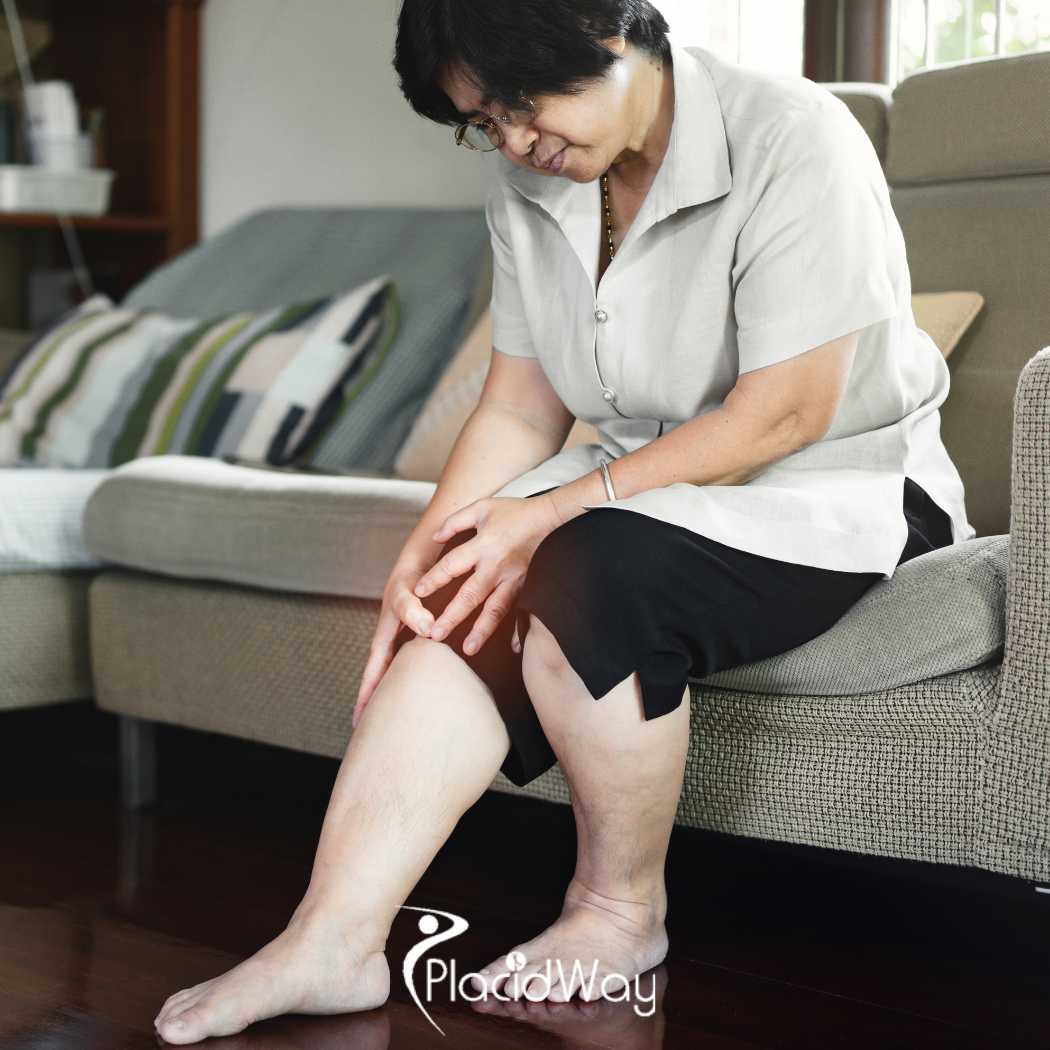
Osteoarthritis is characterized by the gradual breakdown of protective cartilage, leading to bone friction, persistent swelling, and pain. Instead of simply masking this pain with oral medications, cellular treatments aim to change the biological environment within the joint capsule. When mesenchymal stem cells are injected into the knee, they interact with the damaged tissue.
These cells act somewhat like tiny medical managers. They do not necessarily transform into new cartilage to replace what is lost. Instead, they secrete bioactive molecules that encourage your body to heal surrounding tissue, reduce inflammatory markers, and slow down further cartilage degradation. This process can make the knee feel significantly less stiff and painful during daily activities.
Who is typically considered a suitable candidate in Malaysia?
- Patients seeking to delay total knee replacement surgery often explore this option.
- Individuals must have sufficient remaining cartilage for the therapy to be effective.
- Those with active infections, blood disorders, or certain autoimmune diseases may be contraindicated.
- Candidates should have realistic expectations, understanding this is a symptom management tool rather than a joint reconstruction.
- A thorough evaluation involving physical exams and MRI scans is required to confirm eligibility.
What types of stem cells are commonly used for knee treatments?
Adipose-derived stem cells are extracted from body fat, often from the abdomen or thighs, using a miniature liposuction technique. Fat tissue contains a highly concentrated volume of mesenchymal cells, making it a very popular and relatively simple source for joint injections. The extraction process is done under local anesthesia and is well tolerated by most patients.
Bone marrow-derived cells are extracted from the hip bone. While the concentration of stem cells in bone marrow may decrease slightly as we age, it remains a heavily researched and effective source for orthopedic conditions. Once harvested, the fluid is spun in a centrifuge to isolate the powerful regenerative cells before they are carefully injected into the arthritic knee.
What influences the Knee Arthritis Stem Cell Therapy cost in Malaysia?
Cost is one of the primary reasons patients travel for medical care. While providing specific price guarantees is impossible due to varying patient needs, costs in Southeast Asia are typically estimated to be lower than in the United States or Western Europe. The total price will depend on whether the cells are simply centrifuged or if they require laboratory expansion over several weeks.
Other factors impacting the final bill include facility fees, physician consultation rates, diagnostic imaging such as MRIs, and post-treatment physical therapy. Patients should always request a detailed, itemized estimate prior to traveling so they understand exactly what is included in their care package.
How can I evaluate a Knee Arthritis Stem Cell Therapy clinic in Malaysia?
- Verify that the treating physician is a board-certified orthopedist or a specialist formally trained in regenerative medicine.
- Ask about the clinic laboratory standards and whether they use closed-system processing to prevent contamination.
- Look for facilities that prioritize patient safety and offer transparent information about potential risks and success rates.
- Ensure the clinic conducts thorough pre-treatment screenings rather than offering automatic approvals for all applicants.
- Inquire about their post-treatment follow-up protocols for international patients returning home.
What should I expect during the recovery period?
Because this is a minimally invasive outpatient procedure, most patients walk out of the clinic on the same day. However, doctors strongly advise resting the knee for at least 24 to 48 hours. You may be asked to avoid strenuous activities, heavy lifting, or high-impact exercises for several weeks to allow the joint environment to stabilize.
It is important to remember that biological healing takes time. You will likely not feel immediate arthritis pain relief. The anti-inflammatory effects and subsequent improvements in joint comfort typically become noticeable between four to eight weeks post-injection, with gradual improvements continuing over several months.
Are there potential risks or contraindications to consider?
The safety profile for autologous stem cell injections is generally considered favorable, but complications can occur. If bacteria enter the joint during the injection, it can cause a severe infection requiring immediate medical intervention. There is also a small risk of nerve damage or excessive bleeding at the cell extraction site.
Contraindications include having an active systemic infection, active cancer, poor poorly controlled diabetes, or taking certain blood-thinning medications. Your medical history must be completely transparent during your consultation. If complications arise after you return home, you must have access to a local healthcare professional who can properly assess and treat joint issues.
How long might the pain relief last after treatment?
- Results are highly dependent on the initial severity of the cartilage degradation before treatment.
- Maintaining a healthy body weight can significantly extend the benefits by reducing mechanical stress on the knee.
- Engaging in appropriate, low-impact physical therapy helps support the joint structures and prolongs pain relief.
- Patients with advanced, bone-on-bone arthritis typically experience shorter periods of relief compared to those with early-stage osteoarthritis.
- Follow-up care and lifestyle modifications play a critical role in overall treatment longevity.
What makes medical tourism in Malaysia attractive for regenerative care?
The Malaysian government has actively promoted and regulated its medical tourism sector to ensure high standards of patient care. Many medical centers are equipped with advanced laboratories necessary for safe cell processing. This regulatory oversight helps provide a structured environment for patients seeking therapies that might be cost-prohibitive or heavily restricted in their home countries.
Additionally, the widespread use of English among medical professionals ensures clear communication regarding diagnoses, risks, and recovery expectations. Patients exploring this route should plan their journey carefully, factoring in recovery time before flying, and ensuring they have local medical support arranged for when they return home.
Why Choose PlacidWay for Medical Tourism Research?
- Extensive Directory: PlacidWay offers access to a large global directory of medical providers and regenerative therapy clinics.
- Informational Resources: The platform provides educational content to help patients understand different medical procedures available internationally.
- Direct Provider Connection: Patients can use the system to request information directly from healthcare facilities to compare their options.
- Global Reach: The network includes detailed profiles of clinics across multiple continents, including Southeast Asia.
- Patient-Focused Tools: PlacidWay facilitates initial inquiries, allowing patients to gather estimates and treatment details before making healthcare decisions.
Frequently Asked Questions
Is stem cell therapy for knees approved by Malaysian health authorities?
Medical guidelines in Malaysia regulate cellular therapies to ensure patient safety. Facilities offering these procedures must adhere to strict Ministry of Health regulations regarding the processing and administration of human cells.
Can this treatment reverse bone-on-bone knee arthritis?
Stem cell therapy cannot completely regrow destroyed cartilage or reverse severe bone-on-bone arthritis. It is generally most effective for mild to moderate osteoarthritis by targeting inflammation and supporting joint health.
How is the injection procedure actually performed?
The procedure typically involves extracting your own cells from fat tissue or bone marrow, concentrating them in a laboratory, and injecting them directly into the knee joint capsule under ultrasound guidance.
Will I need physical therapy after the stem cell procedure?
Yes, many physicians recommend a tailored physical therapy program starting a few weeks after the injection to strengthen the muscles surrounding the knee and improve overall joint mechanics.
Can I fly home immediately after receiving knee injections in Malaysia?
Most doctors advise staying in the area for a few days to monitor for any immediate adverse reactions and to avoid the stiffness or swelling that can occur during long-haul flights right after joint injections.
Are repeated stem cell treatments necessary for sustained relief?
Some patients experience lasting relief from a single treatment, while others may require additional injections after a year or more, depending on how their body responds and the progression of their arthritis.
How does this differ from PRP therapy?
Platelet-Rich Plasma uses concentrated growth factors from your blood to stimulate healing, whereas stem cell therapy uses actual progenitor cells from fat or bone marrow that have broader regenerative and anti-inflammatory properties.
Do Malaysian clinics offer English-speaking medical staff?
English is widely spoken in the Malaysian healthcare sector, and major medical centers catering to international patients ensure their doctors and nursing staff can communicate effectively in English.
Can stem cell therapy replace the need for a total knee replacement?
While it may delay the need for surgery by managing symptoms and improving joint function, it is not a direct replacement for knee arthroplasty in cases of severe structural joint deterioration.
How long does the actual clinic visit take in Malaysia?
The entire process, from cell harvesting to processing and the final knee injection, usually takes a few hours and is performed as a same-day outpatient procedure.
Compare Treatment Options
Research your regenerative therapy options and connect with medical providers to help make an informed decision regarding your joint health.
Request Treatment InformationReferences
- Stem cells: What they are and what they do – Mayo Clinic
- Stem Cell Therapy for Arthritis – Arthritis Foundation
- Medical Guidelines and Regulations – Malaysian Medical Council
- Efficacy of Stem Cell Therapy for Knee Osteoarthritis – National Institutes of Health (PubMed)
- Traveler's Health: Malaysia – Centers for Disease Control and Prevention (CDC)
- Patient Guide to Stem Cell Therapies – International Society for Stem Cell Research
- Osteoarthritis Fact Sheet – World Health Organization
























Share this listing