


Treat Herniated Disks with Stem Cells in Malaysia: Cost & Procedure Guide
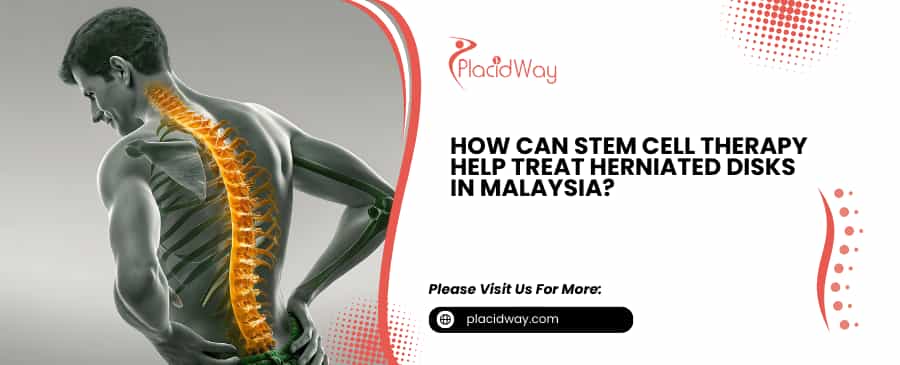
Experiencing persistent back pain can be incredibly disruptive, often pointing to issues like a herniated disk. If you've been struggling with discomfort, numbness, or weakness radiating from your spine, you're likely searching for effective and lasting solutions. While traditional treatments range from physical therapy to surgery, many individuals are now exploring innovative regenerative medicine options. In Malaysia, stem cell therapy is emerging as a cutting-edge approach that offers hope for those seeking to alleviate the pain and symptoms associated with herniated disks, providing a path toward natural healing and improved quality of life.
Stem cell therapy for herniated disks focuses on leveraging the body's own healing capabilities. Instead of merely managing symptoms or removing damaged tissue, this advanced treatment aims to repair and regenerate the injured disk material itself. By introducing powerful, undifferentiated stem cells into the affected area, the therapy seeks to reduce inflammation, promote tissue repair, and restore function to the spinal disk. This approach is gaining traction globally, and Malaysia, with its growing medical tourism sector and advanced healthcare facilities, is becoming a noteworthy destination for individuals considering this regenerative treatment.
What is a herniated disk and why is it painful?
Our spine is made up of vertebrae cushioned by intervertebral disks. Each disk has a tough outer ring (annulus fibrosus) and a soft, gelatinous center (nucleus pulposus). A herniated disk, also known as a slipped or ruptured disk, happens when the nucleus pushes through a tear in the annulus. This can be caused by aging, repetitive strain, improper lifting, or trauma.
The pain from a herniated disk arises primarily because the displaced disk material can press on or inflame nearby spinal nerves. Depending on the location of the herniation (neck or lower back), symptoms can include sharp, shooting pain in the arm or leg, tingling, numbness, or muscle weakness. This irritation makes everyday movements difficult and can significantly impact a person's quality of life, prompting the search for effective herniated disk treatment.
How does stem cell therapy work for herniated disks?
Stem cell therapy utilizes the body's own regenerative potential. When treating a herniated disk, stem cells – typically mesenchymal stem cells (MSCs) – are carefully processed and then precisely injected into the affected intervertebral disk. These specialized cells have unique properties that allow them to promote healing and repair in damaged tissues.
Once introduced, the stem cells work in several ways to address the herniated disk. They secrete growth factors and anti-inflammatory molecules that help reduce pain and swelling in the area. Furthermore, MSCs have the ability to differentiate into various cell types, including cartilage-like cells, which can help in the regeneration of the damaged annulus fibrosus and nucleus pulposus, strengthening the disk and potentially restoring its cushioning function. This regenerative process aims to provide a more lasting solution than simply managing symptoms.
What types of stem cells are used for disk repair in Malaysia?
Mesenchymal stem cells (MSCs) are the most frequently utilized type of stem cell for orthopedic and regenerative treatments, including herniated disks. These multipotent cells can be harvested from several sources within an adult's body, making them a safe and readily available option for autologous (patient's own cells) treatments. Their versatility lies in their ability to differentiate into various cell types, such as chondrocytes (cartilage cells), osteocytes (bone cells), and adipocytes (fat cells), which is crucial for tissue repair.
Common sources for MSCs used in Malaysia for herniated disk repair include:
- Adipose (Fat) Tissue: This is a rich and easily accessible source of MSCs, usually extracted through a minimally invasive liposuction-like procedure.
- Bone Marrow: MSCs can also be harvested from bone marrow, typically from the hip bone, under local anesthesia.
These cells are processed in a sterile laboratory setting to concentrate them before being precisely injected into the damaged disk, maximizing their therapeutic potential.
Is stem cell therapy for herniated disks approved in Malaysia?
Malaysia has been actively developing its regulatory framework for regenerative medicine, including stem cell therapy. The Ministry of Health in Malaysia has established guidelines to ensure the safety and efficacy of these advanced treatments. While approvals for specific stem cell applications can be complex and are often conditional, reputable private clinics and medical centers that offer stem cell therapy for conditions like herniated disks operate within these established regulations.
Patients considering stem cell therapy for herniated disks in Malaysia should seek clinics that adhere to national and international standards for cell processing, safety protocols, and ethical practice. It is essential to confirm that the chosen facility is licensed and operates under the prevailing Malaysian regulations for cell and gene therapy products. This ensures that the treatment is administered by qualified professionals in a controlled and safe environment, providing peace of mind for patients seeking regenerative solutions.
What are the benefits of choosing stem cell therapy for herniated disks over traditional surgery?
Traditional surgical interventions for herniated disks, such as microdiscectomy or spinal fusion, can be effective but often come with significant downsides. These include general anesthesia risks, potential for nerve damage, infection, scarring, and a lengthy recovery period requiring extensive physical therapy. Stem cell therapy, by contrast, presents a compelling alternative for many patients.
Here are some key benefits of stem cell therapy over traditional surgery for herniated disks:
- Minimally Invasive: The procedure typically involves simple injections, avoiding large incisions and the associated trauma to tissues.
- Natural Healing: It encourages the body's intrinsic healing mechanisms, aiming to repair the disk tissue rather than just removing or fusing it.
- Reduced Risks: Lower risk of infection, bleeding, and complications compared to open surgery.
- Faster Recovery: Patients generally experience a shorter downtime and quicker return to normal activities.
- Preservation of Spinal Mobility: Unlike fusion surgery, stem cell therapy aims to restore disk function, maintaining natural spinal movement.
This makes it an attractive option for those seeking a less aggressive approach to chronic back pain.
Who is a suitable candidate for stem cell therapy for herniated disks?
Determining suitability for stem cell therapy involves a thorough medical evaluation by a specialist. Generally, ideal candidates are individuals experiencing persistent back or neck pain, numbness, or weakness related to a herniated or bulging disk that has not responded well to conventional non-surgical treatments such as medication, rest, or physical therapy. Patients with mild to moderate disk degeneration may also benefit, as the therapy aims to regenerate disk tissue.
However, not everyone is an ideal candidate. Individuals with severe spinal instability, large disk extrusions causing significant neurological deficits, active infections, or certain medical conditions (e.g., specific cancers or blood disorders) might not be suitable. A comprehensive assessment, including MRI scans and a detailed medical history, is crucial to determine if stem cell therapy for herniated disks is the most appropriate and potentially effective treatment option for an individual.
What is the recovery process like after stem cell therapy for herniated disks?
The recovery process following stem cell therapy for a herniated disk is generally more comfortable and quicker than surgical recovery. Immediately after the procedure, patients might experience some mild soreness or discomfort at the injection site, which usually subsides within a few days. Patients are typically advised to rest for a short period, avoiding strenuous activities to allow the injected cells to settle and begin their regenerative work.
Over the following weeks and months, a gradual return to activity is encouraged. Physical therapy may be recommended to support the healing process, improve spinal stability, and strengthen core muscles. The full benefits of stem cell therapy often become apparent over several months as the disk tissue regenerates and inflammation reduces. Patients report progressive improvement in pain levels and functional ability, making this a restorative rather than just a symptomatic treatment approach.
What is the estimated cost of stem cell therapy for herniated disks in Malaysia?
The cost of stem cell therapy for herniated disks in Malaysia is influenced by several factors, which can lead to a broad price range. These factors include the reputation and accreditation of the medical facility, the expertise of the treating physician, the source of the stem cells (e.g., adipose tissue, bone marrow), the processing methods used, and the number of treatment sessions required. A comprehensive package might also include diagnostic tests, post-procedure care, and follow-up consultations.
Compared to Western countries, where similar treatments can be considerably more expensive, Malaysia often offers a more competitive price point without compromising on quality. This makes it an attractive destination for medical tourism. Patients should obtain a detailed cost breakdown from clinics to understand what is included in the quoted price. While it represents an investment, many find the potential for long-term relief and avoidance of surgery to be a worthwhile consideration for stem cell therapy for herniated disks.
Why choose Malaysia for stem cell therapy for herniated disks?
Malaysia has rapidly become a hub for medical tourism, drawing international patients seeking high-quality healthcare at accessible prices. For stem cell therapy, the country boasts state-of-the-art medical facilities equipped with advanced technology and adheres to international safety and quality standards. This ensures that patients receive care that is comparable to, if not exceeding, what they might find in more expensive Western nations.
The healthcare workforce in Malaysia includes numerous specialists trained internationally, bringing a wealth of expertise in regenerative medicine and spinal care. Furthermore, the Malaysian government actively promotes medical tourism and has established clear regulatory guidelines for stem cell treatments, fostering a safe and ethical environment for patients. Beyond medical considerations, Malaysia offers a welcoming culture, ease of travel, and diverse tourist attractions, making the overall experience pleasant for patients and their companions.
What should international patients consider when seeking stem cell therapy for herniated disks in Malaysia?
For international patients traveling to Malaysia for stem cell therapy for herniated disks, several key considerations can ensure a smooth and effective treatment journey. Thorough research into potential clinics is paramount. Look for facilities with international accreditations (e.g., JCI) and review the qualifications and experience of the doctors specializing in regenerative spinal treatments. Transparent communication is vital, so confirm that the clinic offers clear English-speaking staff and provides detailed information about the procedure, potential outcomes, and aftercare.
Additionally, patients should plan their travel logistics carefully, including visa requirements, accommodation near the clinic, and transportation. It's also wise to inquire about comprehensive treatment packages that might include initial consultations, diagnostic tests, the stem cell procedure itself, post-treatment follow-ups, and potentially even local transfers. Understanding the full scope of services and costs upfront will help manage expectations and ensure a positive medical tourism experience in Malaysia.
Ready to explore advanced treatment options like stem cell therapy for your herniated disk? PlacidWay connects you with leading clinics and specialists worldwide, including in Malaysia, to help you find the right solution for your healthcare journey. Contact us today to learn more about your options and begin your path to recovery.







.png)












Share this listing