


Cost, Quality, and Access: Bariatric Surgery in the Dominican Republic
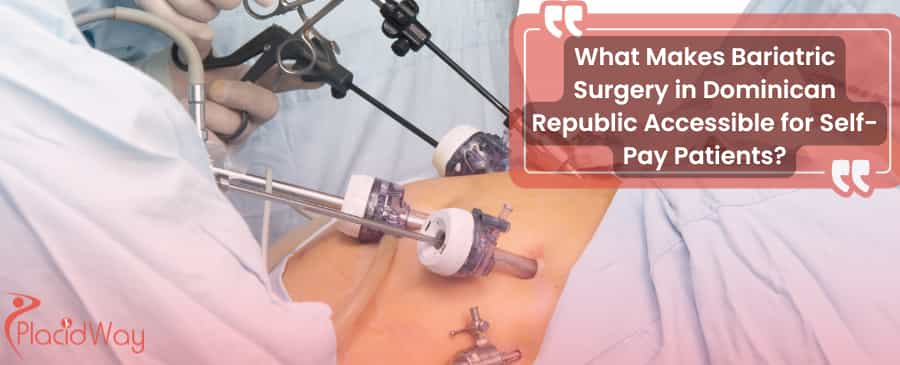
For many people struggling with obesity in the United States and Canada, the path to a healthier life hits a massive roadblock: the price tag. If you are a self-pay patient—meaning you don't have insurance or your policy explicitly excludes weight loss surgery—you are likely staring at bills upwards of $20,000. That is a tough pill to swallow.
This is where the Dominican Republic steps in as a game-changer. It is not just a beautiful vacation spot; it has become a premier destination for affordable, high-quality medical care. We aren't just talking about saving a few hundred dollars; we are talking about saving enough to buy a small car. But it’s not just about the money. It is about access to top-tier doctors who have performed thousands of these procedures.
The Dominican Republic offers a unique mix of medical expertise, modern facilities, and an infrastructure built specifically to help international patients feel safe and comfortable. If you have been feeling stuck because of financial barriers, this guide will walk you through exactly why this Caribbean nation might be the solution you have been looking for.
How much does bariatric surgery cost in the Dominican Republic?
Cost is almost always the biggest factor for self-pay patients, and the difference here is staggering. In the US, a single hospital bill for a gastric sleeve can drain your savings account. In the Dominican Republic, you get the same procedure, often with more personalized care, for a fraction of the price. The pricing structure is transparent, so you usually don't have to worry about hidden facility fees popping up later.
Below is a breakdown of average costs to give you a clear picture of the savings:
| Procedure | USA Average Cost | Dominican Republic Cost | Estimated Savings |
|---|---|---|---|
| Gastric Sleeve | $18,000 - $22,000 | $5,500 - $7,000 | ~70% |
| Gastric Bypass | $23,000 - $30,000 | $6,500 - $8,500 | ~72% |
| Revision Surgery | $25,000+ | $6,000 - $9,000 | ~65% |
| Gastric Balloon | $8,000 - $10,000 | $3,500 - $4,500 | ~55% |
It is important to remember that these DR prices often include things that would be extra in the US, like your anesthesiologist's fee and your hospital stay.
Why is weight loss surgery cheaper in the Dominican Republic?
A common misconception is that "cheaper" means "lower quality," but in medical tourism, that is rarely the case. The math is actually quite simple. The cost to run a hospital in Santo Domingo is vastly different from running one in New York or Los Angeles. Everything from real estate to electricity and medical staff wages costs less in the DR.
These savings are passed directly to you. In the US, a huge chunk of your medical bill goes toward administrative bloat and insurance company negotiations. In the Dominican Republic, you are paying for the doctor, the facility, and the materials. The currency exchange rate also plays a role, making your US dollars stretch much further than they would at home.
Is bariatric surgery in the Dominican Republic safe?
Safety should be your number one priority, and the Dominican Republic takes this seriously. The country has established itself as a medical tourism hub, which means its reputation depends on keeping patients safe. The top clinics utilize modern laparoscopic equipment, consistent sterilization processes, and follow international medical guidelines.
However, doing your homework is key. You should look for facilities that have certifications or affiliations with international medical boards. Don't just pick the cheapest option you find on the internet; look for clinics that have a proven track record of safety and hundreds of successful surgeries for patients just like you.
Are Dominican bariatric surgeons board-certified?
You will find that many of the leading surgeons in the DR are incredibly well-trained. A significant number of them have completed fellowships or specialized training in the United States, Europe, or Brazil. This means they are trained in the exact same surgical techniques used by doctors in your home country.
Before you book, you can—and should—ask for their credentials. A reputable surgeon will be proud to show you their board certifications and memberships. Knowing your doctor is a member of the ASMBS or similar global bodies gives you peace of mind that they are staying up-to-date with the latest advancements in weight loss medicine.
What is included in Dominican Republic bariatric surgery packages?
One of the biggest stressors of surgery is the logistics, and DR clinics know this. That is why they bundle everything together. Instead of getting five different bills (one for the hospital, one for the gas, one for the surgeon, etc.), you get one flat price. This transparency is a huge relief for self-pay patients who need to budget strictly.
Common inclusions are:
- Pre-op evaluations: Blood work, cardiology clearance, and chest X-rays.
- Surgical costs: Operating room time and surgical team fees.
- Hospitalization: Usually 1 or 2 nights in a private room.
- Logistics: Transportation between the airport, hotel, and clinic.
What types of bariatric procedures are available in the Dominican Republic?
Whatever your specific medical need is, you can likely find it here. The Gastric Sleeve is currently the most popular choice because it is highly effective and has a straightforward recovery. However, if you have severe acid reflux or diabetes, a Gastric Bypass might be the better recommendation, and DR surgeons are experts in this complex procedure.
They also specialize in Revision Surgery. If you had a lap band years ago that is causing trouble, or a sleeve that didn't give you the results you wanted, expert surgeons here can convert those procedures to a Bypass or re-sleeve you to get you back on track.
How long does the recovery take for gastric sleeve in the Dominican Republic?
The recovery timeline is standard regardless of where the surgery happens, but the environment in the DR can actually help you rest better. After your surgery, you won't be rushing back to handle household chores or work emails immediately. You will be in a hotel or recovery house where your only job is to sip your fluids and walk.
Doctors usually require you to stay in the country for at least a week after surgery. This is crucial for safety. It ensures that if you have any immediate issues, you are right there near your surgeon, not thousands of miles away. Once you are cleared to fly, you are usually feeling well enough to manage the trip comfortably.
Do I need a visa for medical travel to the Dominican Republic?
Accessibility is a huge plus. You don't have to go through a grueling embassy interview or wait months for a visa approval. For most North American travelers, getting into the Dominican Republic is as easy as booking a flight and showing up with your passport.
This ease of access removes a major barrier that exists with other medical tourism destinations that might require complex visa paperwork. It allows you to focus on your health rather than bureaucracy. Just check your passport expiration date to make sure it's valid for at least six months past your travel dates.
What medical facilities are available for bariatric patients?
Don't picture a rural clinic; picture a modern medical center that looks a lot like what you are used to back home. Santo Domingo, the capital, is home to several high-end hospitals that specialize in treating international patients. These facilities are clean, modern, and tech-forward.
Many of these hospitals have dedicated wings for bariatric patients. This matters because the nursing staff there understands exactly what you need—how to get you walking, how to manage your pain, and how to help you with your new hydration routine. Private rooms are standard, often with space for a companion to stay with you.
Can I use my US insurance for surgery in the Dominican Republic?
This is the reality for most medical tourists: you are going "out of network" globally. The system is built for self-pay. However, because the cash price is so low, many patients find that paying for the entire trip to the DR is still cheaper than meeting their high deductible and copays in the US, assuming they even have coverage.
Make sure you ask your provider about coverage for complications. While they won't pay for the surgery, some insurance plans will cover you if you have a medical emergency upon returning home. It is a good detail to clarify before you leave.
What financing options exist for self-pay patients?
Just because it is cheaper doesn't mean you have $6,000 sitting in your checking account, and that is okay. Many patients finance their surgery. There are loan companies specifically dedicated to medical tourism. You can take out a loan to cover the surgery and travel expenses, and then pay it back over 3 to 5 years.
Personal loans from your local bank or credit union are another solid option. Because the total amount is relatively low compared to a car loan or home renovation, approval odds can be favorable if you have decent credit. It turns a massive hurdle into a manageable monthly bill.
Can I bring a companion with me?
Having a friend, spouse, or family member with you is a huge emotional and physical help. They can help you with your luggage, be a second set of ears during doctor consultations, and just be there to hold your hand. The clinics in the DR are very welcoming to companions.
In fact, many recovery houses and hotels cater to pairs. Your companion can enjoy a bit of a vacation while you rest. Just make sure to check with your coordinator about the specific rules for your hospital room—usually, there is a sofa bed or recliner specifically for them.
How do I prepare for weight loss surgery abroad?
The process starts long before you get on the plane. You will likely send your medical records and fill out a health questionnaire from home. Your surgeon will review these to make sure you are a safe candidate. Once approved, the real work begins.
The pre-op diet is non-negotiable. It shrinks your liver, making the surgery safer and faster. Cheating on this diet can actually lead to your surgery being cancelled, so take it seriously. You will also need to pack smart—loose clothing, slip-on shoes, and any specific vitamins your doctor recommends starting beforehand.
What happens if complications arise after surgery?
No surgery is risk-free, whether in Boston or Santo Domingo. The difference is how it is managed. Good clinics have 24/7 access to emergency care. If you have a leak or an infection while you are still in the DR, your surgeon will treat you there.
The gap comes if you need care after you return home or if you need an extended stay that drains your budget. This is why "complication insurance" is a must-have. For a few hundred dollars, these policies cover you if you need to be readmitted or if your trip gets extended due to medical reasons. It is the best safety net you can buy.
How do I communicate if I don't speak Spanish?
You might be worried about waking up and not being able to tell the nurse you are in pain, but that is rarely the reality in these international centers. The surgeons who market to the US typically speak excellent English—often having studied there. The nurses and support staff in these specific wards are also usually accustomed to English speakers.
That said, downloading a translation app on your phone is a great backup plan for when you are outside the clinic, perhaps ordering food for your companion or taking a taxi. But for the medical stuff? You will be understood.
What is the success rate of bariatric surgery in DR?
The tool you are buying—the surgery itself—is effective. The data from the Dominican Republic shows high success rates for weight loss and the remission of comorbidities like Type 2 diabetes and hypertension. Because the surgeons here perform these operations frequently (often hundreds a year), their technical proficiency is very high.
Remember, the surgery is just the tool. The "magic" happens when you use that tool to change your lifestyle. The Dominican teams provide you with the same starting line as a US surgeon would; the race is then up to you to run.
Ready to explore affordable weight loss options?
If you are ready to take control of your health without the financial burden, PlacidWay is here to help. We connect you with top-rated, board-certified bariatric surgeons in the Dominican Republic who offer safe, affordable, and all-inclusive packages. Don't let cost stand in the way of your transformation.
Explore Bariatric Surgery Options





.jpg)

.jpg)








Share this listing