


The safest hair transplant in Panama
.png)
When you start looking into hair restoration options, the high prices in North America and Europe can be a massive shock. That’s usually when people start looking south. Panama has popped up as a major player in medical tourism, and for good reason. It’s accessible, uses the US dollar, and has a healthcare infrastructure that rivals many developed nations. But the big question on everyone's mind is naturally: Is it actually safe?
The short answer is yes, but it comes with a "do your homework" sticker. Panama City is home to world-class private hospitals and clinics, many of which are affiliated with prestigious US institutions like Johns Hopkins. The surgeons here often have international training and certifications. However, safety isn't just about the country; it's about the specific provider you choose. We’re going to dive deep into everything you need to know—from the qualifications of the doctors to the hygiene standards of the clinics—so you can decide if a hair transplant in Panama is the right move for you.
In this guide, we will break down the costs, the risks, the techniques used (like FUE and DHI), and what you can honestly expect from the experience. Let's get into the details.
How much does a hair transplant cost in Panama?
One of the primary drivers for medical tourism is cost, and Panama delivers substantial savings. In the United States or Canada, hair restoration is often considered a luxury cosmetic procedure, with prices per graft hovering between $5 and $10. In contrast, Panama hair transplant costs are far more accessible without compromising on quality.
Most clinics in Panama offer package deals that may include the procedure, post-op medications, and sometimes even local transportation. The price generally depends on whether you need a small touch-up (1,000 grafts) or a "mega session" (3,000+ grafts) to cover extensive baldness. Even at the higher end, you are likely to pay less than half of what you would back home.
Here is a detailed comparison of estimated costs for a standard 2,500-graft FUE procedure:
| Country | Estimated Cost (USD) | Savings vs USA |
|---|---|---|
| USA | $12,000 - $20,000 | - |
| Canada | $10,000 - $16,000 | 15% - 20% |
| UK | $8,000 - $14,000 | 25% - 30% |
| Panama | $3,500 - $5,500 | 65% - 75% |
| Mexico | $3,000 - $5,000 | 70% - 75% |
Are hair transplant surgeons in Panama qualified?
A common misconception is that lower cost means lower qualification, but in Panama, this is rarely the case at top-tier clinics. Many Panamanian surgeons have completed their medical education or residencies in the United States, Brazil, or Europe. They are often bilingual and well-versed in the latest international standards of care.
To ensure safety, you should verify that your surgeon is a member of recognized international bodies. Membership in the ISHRS or certification by the ABHRS is a gold standard in the industry. These organizations require strict adherence to ethical and safety protocols, ensuring the doctor stays updated on the latest technologies.
Always ask to see the doctor’s specific credentials before booking. Avoid clinics where the entire procedure is delegated to technicians. While technicians play a vital role in assisting, the planning and oversight should always be in the hands of a qualified medical doctor.
What hair transplant techniques are available in Panama?
Panama is not behind the times when it comes to technology. The days of the "pluggy" doll-hair look or the invasive strip surgery (FUT) are largely gone. The standard of care in Panama is FUE (Follicular Unit Extraction). This involves harvesting individual hair follicles from the donor area (back of the head) and implanting them into the thinning areas.
Another popular and advanced technique widely available is DHI (Direct Hair Implantation). In this method, a specialized pen-like tool (often called a Choi Implanter Pen) is used to implant the follicles directly. This allows the surgeon to have precise control over the angle, depth, and direction of each hair, resulting in a very natural look and high density. Both FUE and DHI are minimally invasive, meaning you won’t have a long linear scar on the back of your head.
Do clinics in Panama follow strict hygiene standards?
Hygiene is a non-negotiable factor for safety. The top clinics in Panama City—especially those located in medical hubs like Punta Pacifica—maintain impeccable standards. These facilities often cater to international patients and expatriates, so they operate under scrutiny similar to what you would find in Miami or New York.
When researching, look for clinics that use sterile, single-use instruments for extraction and implantation. You can often tell a lot by the clinic's affiliation; if they are located within a major private hospital complex, they are subject to rigorous hospital-grade sanitation regulations. Don't hesitate to ask the clinic about their sterilization processes during your consultation.
Is there a language barrier for English speakers?
One of the biggest anxieties for medical tourists is the fear of miscommunication. Fortunately, Panama has a strong historical relationship with the United States, and English is widely spoken in the business and medical sectors. In the realm of medical tourism in Panama, being bilingual is almost a requirement for staff.
From your initial consultation via video call to the instructions given during surgery, you can expect to communicate in English. This is crucial for discussing your hairline design, understanding post-op care instructions, and expressing any concerns you might have during the procedure. You likely won't need a translator for your medical appointments.
What is the recovery time for a hair transplant in Panama?
Because clinics in Panama primarily use FUE and DHI techniques, the physical recovery is rapid. You won't have stitches or staples to remove. Most patients experience some swelling and scabbing for the first few days, but this usually subsides within a week. You can technically fly back home 1 or 2 days after the surgery, although many people choose to stay a few extra days to rest.
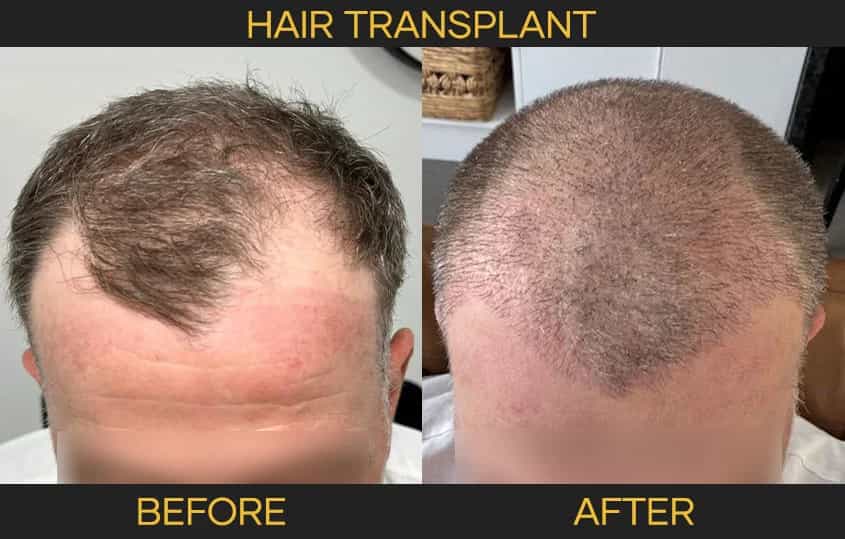
It is important to manage your expectations regarding the results. "Recovery" implies healing, which is fast, but "results" take time. The transplanted hair will often shed after a few weeks (shock loss) and then begin to grow back permanently around month 3 or 4. By month 12, you will see the full, dense result of your Panama hair transplant.
Is it safe to travel to Panama for surgery?
Panama is widely regarded as stable and safe for tourists, particularly compared to other destinations in the region. The infrastructure in Panama City is modern, with reliable public transport, Uber availability, and excellent hotels. The neighborhoods where you will likely find high-end hair clinics—like Punta Pacifica, Paitilla, and Costa del Este—are upscale business districts.
As with any big city, petty crime can exist, so it’s always smart to use common sense (don't flash expensive watches, stay in well-lit areas). However, for a medical tourist staying in a reputable hotel and using private transport to and from the clinic, the safety risk is minimal.
What are the risks or complications?
No surgical procedure is entirely risk-free. While hair transplants are superficial and use local anesthesia, complications can occur if protocols aren't followed. The most common minor issues are swelling of the forehead or temporary itching. More serious risks like infection or necrosis (tissue death) are extremely rare in clean, professional environments.
The biggest "risk" is often aesthetic—ending up with an unnatural hairline or low density. This is why vetting your surgeon is more important than finding the cheapest deal. A skilled surgeon understands facial symmetry and how to angle the grafts so they mimic nature. Using a "hair mill" clinic that relies solely on technicians increases the risk of these aesthetic failures.
How to choose the right clinic in Panama?
Selecting the right provider is the single most critical step in your journey. Don't rely just on the clinic's website; look for third-party reviews on forums like RealSelf or Trustpilot. Ask for a consultation (usually free online) and prepare a list of questions.
- Who performs the extraction and incision? It should be the doctor or a highly specialized lead assistant under direct supervision.
- What is the maximum number of grafts per day? Quality clinics cap this (usually around 3,000-4,000) to ensure the team doesn't get fatigued, which leads to mistakes.
- Do you have patient testimonials? Hearing from previous patients can give you insight into the entire experience, from airport pickup to follow-up care.
What happens during the consultation?
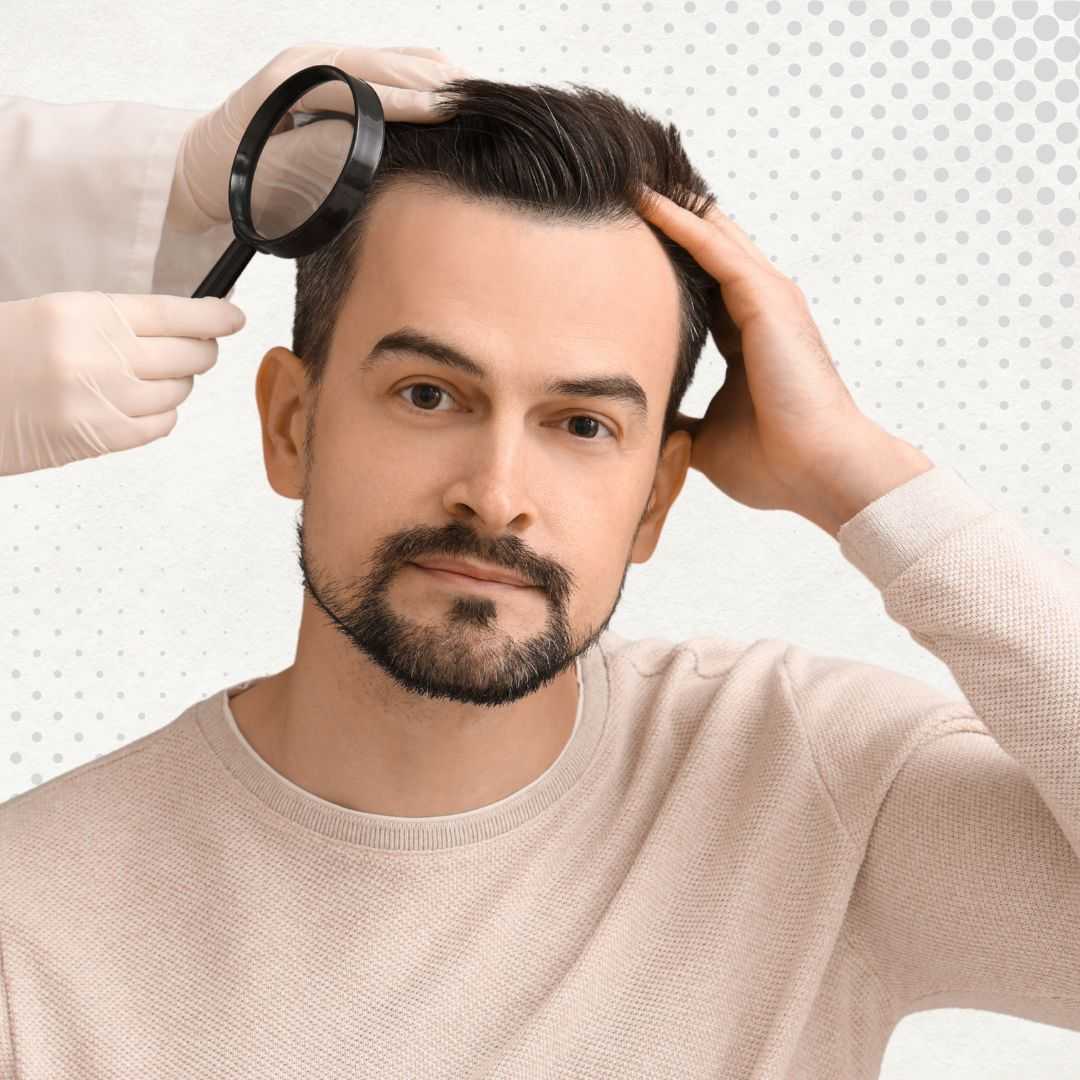
Most clinics offer a virtual consultation before you even book your flight. You will send photos of your head from various angles. The doctor will assess if you are a good candidate—specifically, if you have enough donor hair to cover the balding areas.
Once you arrive in Panama, you will have an in-person preoperative assessment. This is where the artistry happens. The surgeon will draw a hairline on your scalp with a marker. This is the time to be vocal about what you want. A conservative, mature hairline usually looks best and ensures you have enough grafts for future use if hair loss progresses.
Are there hidden costs?
Transparency is key. While the surgery price is often fixed, you should ask about the extras. Do you need to pay for the blood work required before surgery? Is the PRP (Platelet-Rich Plasma) therapy included to boost healing, or is it an add-on? What about the special shampoo and lotion needed for the first two weeks?
Also, budget for your travel expenses. While Panama is affordable, flights, hotel stays, and food are costs you must factor in. However, even with these added, the total usually remains significantly lower than a procedure in the US.
Can women get hair transplants in Panama?
Hair loss isn't just a male issue. Many women travel to Panama for eyebrow restoration, hairline lowering, or density filling. The approach for women is often different; fully shaving the head is rarely an option. Therefore, skilled surgeons use Unshaven FUE (DHI is also great for this), where they extract follicles from small shaved windows hidden by the rest of the hair.
This procedure requires more time and skill than a standard male transplant, so ensure the clinic you choose has specific experience with female hair restoration cases.
What pre-op preparations are required?
To get the best results, you need to prepare your body. Smoking restricts blood flow, which is terrible for newly implanted grafts, so you must stop before and after the surgery. You will also be asked to stop taking aspirin, ibuprofen, or certain vitamins (like Vitamin E) that can increase bleeding.
Alcohol should be avoided for a few days prior to the surgery as it can interact with the local anesthesia. Most clinics will provide you with a detailed "Do's and Don'ts" list weeks before your scheduled date.
What is the success rate of hair transplants in Panama?
When performed correctly, a hair transplant is permanent. The hair is taken from the "safe zone" on the back of your head, which is genetically resistant to balding. In reputable Panama clinics for hair transplant, you can expect over 90% of the transplanted grafts to survive and grow.
If a clinic claims a "100% success rate," be skeptical. Medicine is never 100%. However, high rates in the 90s are standard for FUE and DHI when done by experts. The density and naturalness of the final look are the true measures of success.
Is follow-up care available after I return home?
Your relationship with the clinic doesn't end when you board the plane. Good clinics want to see your results as much as you do. They usually have a dedicated patient coordinator who will check in with you.
You will be asked to send clear photos of your donor and recipient areas periodically. If you have any concerns—like an ingrown hair or unusual redness—you can message the team and get a response from the doctor. This remote support is a standard part of the medical tourism package in Panama.
Ready to Restore Your Confidence?
Finding the right clinic doesn't have to be a guessing game. If you are looking for safe, affordable, and high-quality hair transplant options in Panama or other top medical tourism destinations, let us help you connect with certified experts.
Explore Hair Transplant Options with PlacidWay

















Share this listing