


The World's Best Fertility Treatments for Men in Panama
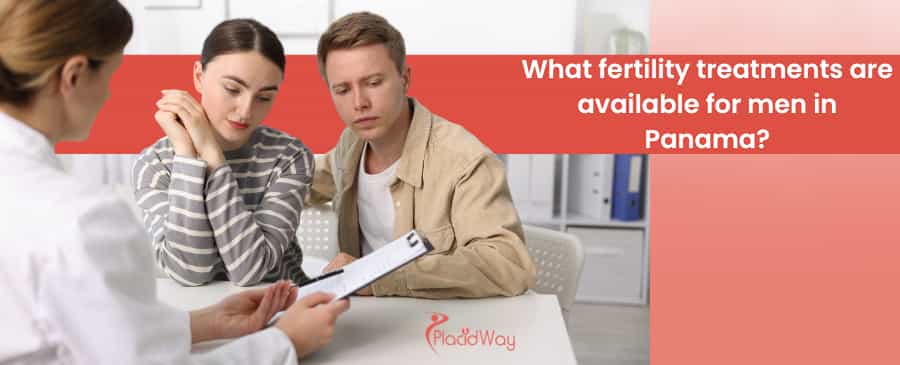
When we talk about starting a family, the conversation often leans heavily toward women's health. But did you know that male factors contribute to nearly half of all infertility cases? It's a shared journey, and fortunately, modern medicine has caught up. If you are exploring options abroad, fertility treatments for men in Panama offer a compelling blend of high-quality medical care, advanced technology, and affordability.
Choosing to travel for medical care is a big decision, but Panama has established itself as a hub for reproductive medicine. Whether you are dealing with low sperm count, blockages, or genetic concerns, specialists here utilize the same advanced protocols found in the US and Europe. From Intracytoplasmic Sperm Injection (ICSI) to minimally invasive sperm retrieval, the options are comprehensive.
In this guide, we'll walk you through everything you need to know. We will cover the specific treatments available, the costs you can expect to pay, and the practical details of planning your trip. Let’s explore how male fertility clinics in Panama can help you take the next step toward fatherhood.
What are the main male fertility treatments in Panama?
Panama's top fertility centers are well-equipped to handle a wide spectrum of male reproductive issues. The most common starting point is often Intrauterine Insemination (IUI), where healthy sperm is concentrated and placed directly into the partner's uterus. This is less invasive and ideal for mild fertility issues.
For more complex cases, In Vitro Fertilization (IVF) is the standard. In Panama, IVF is almost always accompanied by advanced techniques like ICSI (where a single sperm is injected into an egg) to maximize the chances of fertilization. Additionally, clinics offer surgical interventions for men who have blockages or have undergone a vasectomy in the past, ensuring that biological fatherhood is still a possibility.
How does ICSI treatment help with male infertility?
Intracytoplasmic Sperm Injection (ICSI) has revolutionized the treatment of male infertility. In a standard IVF cycle, thousands of sperm are placed near an egg, and one must penetrate it naturally. However, if a man has a low sperm count or sperm that doesn't swim well (poor motility), natural fertilization might fail.
With ICSI, embryologists in Panama use high-powered microscopes to select the best-looking sperm and inject it directly into the center of the egg. This technique bypasses natural barriers, making it an excellent solution for severe male factor infertility. Success rates for fertilization with ICSI are typically very high, offering hope even in difficult cases.
What is the cost of male fertility treatment in Panama?
Cost is often the biggest driver for medical tourism. In Panama, you can access world-class reproductive technology for a fraction of the price you would pay in the United States or Canada. Transparency is also a key benefit, with many clinics offering "all-inclusive" packages that bundle consultations, procedures, and sometimes even medication.
Below is a comparison of estimated costs for common procedures:
| Treatment | Estimated Cost in USA | Estimated Cost in Panama |
|---|---|---|
| IVF Cycle (often includes ICSI) | $15,000 - $30,000 | $6,000 - $9,500 |
| Vasectomy Reversal | $8,000 - $15,000 | $5,000 - $6,000 |
| TESA / PESA (Sperm Retrieval) | $3,000 - $6,000 | $1,500 - $2,500 |
| Semen Analysis | $200 - $400 | $50 - $150 |
| Sperm Freezing (per year) | $1,000+ | $400 - $800 |
Are sperm retrieval procedures like TESA and PESA available?
For men who have azoospermia (no sperm in their ejaculate), procedures like TESA and PESA are vital. These are typically performed under local anesthesia and are considered minimally invasive. PESA involves using a fine needle to extract fluid from the epididymis, while TESA extracts tissue directly from the testicle.
These procedures are synchronized with the female partner’s egg retrieval during an IVF cycle. The sperm collected is usually immature but can be used successfully with ICSI to fertilize the eggs. It is a game-changer for men who have had a vasectomy or have congenital blockages.
Can I get a vasectomy reversal in Panama?
If you have had a vasectomy and wish to have children again, vasectomy reversal is a viable option in Panama. The procedure is performed by specialized urologists who use high-powered operating microscopes to reconnect the tubes that carry sperm (the vas deferens).
Success depends largely on how much time has passed since the original vasectomy; reversals performed within 10 years have the highest success rates. The surgery in Panama is done in accredited hospitals or surgical centers, and patients can typically return to light activities within a few days, making it feasible for a medical trip.
Is sperm freezing and cryopreservation an option?
Cryopreservation, or sperm banking, is a standard service in Panama's fertility centers. This is particularly important for men facing medical treatments like chemotherapy that might damage their fertility, or for those who work in high-risk professions. It is also used during IVF cycles to ensure a "backup" sample is available on the day of the procedure.
Clinics use advanced vitrification (flash-freezing) technology, which ensures a high survival rate for the sperm upon thawing. The annual storage fees in Panama are significantly lower than in North America, making long-term storage a financially practical option.
How is male infertility diagnosed in Panama?
Before any treatment begins, a proper diagnosis is crucial. In Panama, the evaluation starts with a detailed semen analysis to check sperm count, motility (movement), and morphology (shape). This is often done in sophisticated andrology labs that follow World Health Organization (WHO) standards.
If the semen analysis shows abnormalities, doctors will investigate further with hormonal testing (to check testosterone, FSH, and LH levels) and scrotal ultrasounds to look for issues like varicoceles (enlarged veins). Genetic testing, such as karyotyping, is also available to detect chromosomal issues that might be affecting sperm production.
Is gender selection allowed with IVF in Panama?
One distinct difference between Panama and some other countries is the availability of gender selection (family balancing). This is done using Preimplantation Genetic Testing (PGT). After embryos are created via IVF, a few cells are biopsied and sent for genetic analysis.
This analysis not only reveals the sex of each embryo but, more importantly, screens for chromosomal abnormalities like Down syndrome. This ensures that only healthy embryos are transferred to the uterus, increasing the success rate of the pregnancy while allowing parents to choose the gender if they wish.
What are the success rates for male fertility treatments?
Panama's top clinics boast success rates that rival those in the US and Europe. This is largely due to the use of identical technology—such as time-lapse incubators and laser-assisted hatching—and the expertise of the medical teams. For male factor infertility specifically, the use of ICSI effectively levels the playing field, bringing success rates in line with standard IVF cycles.
It is important to note that success rates always depend on the age of the female partner and the quality of the eggs. However, for men with low sperm counts, the prognosis with treatment in Panama is generally excellent.
Do Panama fertility clinics have sperm donor programs?
For couples where the male partner has no viable sperm, or for single women and same-sex couples, donor sperm is a readily available option. Panama’s clinics often maintain their own sperm banks or collaborate with large international sperm banks to provide a diverse selection of donors.
Donors undergo strict medical, psychological, and genetic screening to ensure safety and quality. While the process is anonymous, prospective parents can typically view detailed profiles that include physical characteristics, educational background, and medical history to make an informed choice.
What is the difference between IUI and IVF for men?
Understanding the difference between IUI (Intrauterine Insemination) and IVF (In Vitro Fertilization) is key. IUI is a simpler, lower-cost procedure that gives sperm a "head start" but still requires the sperm to swim and fertilize the egg on its own. It is usually recommended for mild male factor issues.
IVF, on the other hand, is more invasive and expensive but offers much higher control. Because it involves fertilizing the egg in a lab (often using ICSI), it bypasses the sperm's need to penetrate the egg naturally. Therefore, IVF is the preferred route for moderate to severe male infertility cases.
Are fertility clinics in Panama accredited and safe?
Safety is a top priority for medical tourists. Panama City is home to modern medical infrastructure, including hospitals affiliated with major US health systems (like Johns Hopkins Medicine International). The leading fertility centers often have ISO certifications for their laboratories, ensuring strict quality control.
Furthermore, many fertility specialists in Panama have completed their residency or fellowships in the United States or Europe. This means they adhere to the same safety protocols, ethical standards, and treatment guidelines (such as those from ASRM or ESHRE) that you would expect at home.
How long does a typical treatment cycle take?
If you are traveling for IVF, you should plan for a stay of about two to three weeks. This covers the ovarian stimulation phase, egg retrieval, fertilization, and embryo transfer. However, many clinics offer "remote monitoring" options.
With remote monitoring, you can start your hormone injections and ultrasound checks with a local doctor at home and fly to Panama only for the final 7-10 days of the procedure (retrieval and transfer). This flexibility helps minimize time away from work and reduces travel costs.
Do doctors in Panama speak English?
Communication barriers are rarely an issue in Panama's private healthcare sector. Because many doctors trained in the US, they speak excellent English. Additionally, clinics that cater to international patients usually have dedicated international patient coordinators.
These coordinators act as your concierge, helping not just with medical translations but also with logistics like airport transfers, hotel bookings, and appointment scheduling, ensuring a stress-free experience.
What lifestyle changes do Panama specialists recommend?
To maximize the success of your treatment, specialists in Panama often advise a "pre-treatment" phase focused on health. Sperm takes about 3 months to generate, so changes made today can impact the quality of sperm 90 days from now.
Recommendations typically include taking antioxidants or male fertility supplements, avoiding hot baths or saunas (which can overheat testicles), and managing stress. Following these guidelines can significantly improve the DNA fragmentation levels in sperm, leading to better embryo quality.
Can I combine a vacation with my treatment?
Stress can negatively impact fertility, so why not turn the treatment trip into a vacation? Panama offers a diverse landscape, from the cosmopolitan vibe of Panama City to the pristine beaches of Bocas del Toro and the cool highlands of Boquete.
Many couples find that being away from their daily grind helps them relax and bond during the process. Just be sure to clear any strenuous activities (like zip-lining or scuba diving) with your doctor, especially during the active phases of treatment.
What documents do I need for fertility treatment in Panama?
Logistically, traveling to Panama is straightforward. Citizens from the US, Canada, and Europe generally do not need a visa for stays up to 180 days—a simple tourist entry is sufficient. Medically, you should bring copies of all previous fertility tests, surgeries, and blood work.
While laws are progressive, some clinics may have specific administrative requirements for paperwork regarding embryo creation and custody. It is best to check with your chosen clinic beforehand to ensure you have all necessary legal consents signed.
Why is Panama a top destination for male fertility?
Ultimately, men choose Panama for fertility treatment because it doesn't require compromising on quality to save money. You get access to the same ICSI and genetic testing technologies used in top US labs but in a more affordable and relaxed setting.
The personalized attention is another major draw; patients often report feeling less like a number and more like a priority compared to large, busy clinics at home. With direct flights from many major cities, it is an accessible and practical solution for building your family.
Ready to Explore Your Options in Panama?
Finding the right clinic and understanding your options shouldn't be stressful. Whether you need IVF, sperm retrieval, or a second opinion, help is available.
PlacidWay can connect you with top-rated fertility specialists in Panama and help you get a free quote for your treatment plan.
Get a Free Quote & Consultation


.png)




.jpg)









Share this listing