


Durability and Longevity of Breast Implants in Mexico
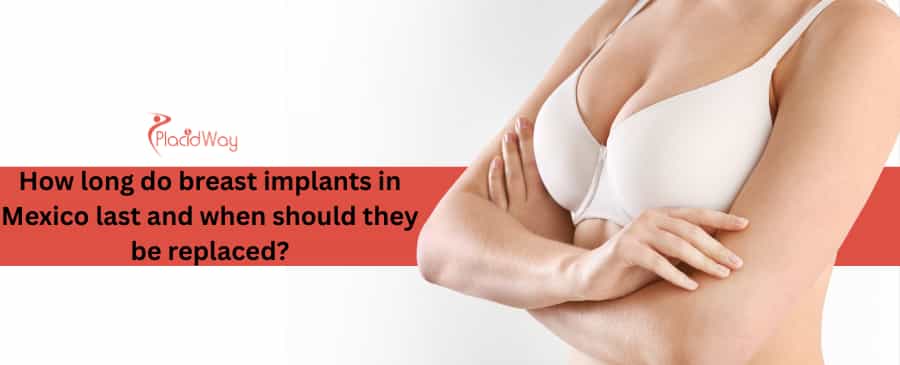
Deciding to undergo breast augmentation is a significant life choice, and for many women, choosing to have this procedure done in Mexico offers a blend of high-quality care and affordability. However, a common question that lingers long after the surgery is complete is: how long do breast implants in Mexico last? It is crucial to understand that while modern implants are incredibly durable, they are not designed to be lifetime devices.
Typically, both saline and silicone implants used by top surgeons in Mexico are built to last for more than a decade. The old "10-year rule"—the idea that you must replace them every decade—is largely considered outdated. Today, the consensus is that if your implants are in good condition and you are happy with how they look, there is no immediate need to replace them. However, factors like your body’s natural aging process, gravity, and lifestyle can affect the longevity of your results.
In this guide, we will walk you through everything you need to know about the lifespan of breast implants, the signs that it might be time for a change, and the cost of breast implant replacement in Mexico. Whether you are considering your first surgery or thinking about a revision, this information will help you make confident, informed decisions about your body.
How long do breast implants typically last?
While there is no specific expiration date stamped on these medical devices, the general expectation in the medical community is that breast implants will serve you well for about 10 to 20 years. This timeline applies to both the high-quality silicone and saline implants widely used in Mexico. It is important to view them as long-term devices rather than permanent ones.
Over time, the shell of the implant can weaken due to normal wear and tear, which is why the risk of rupture increases slightly with age. However, many women keep their implants for 20 years or more without experiencing a single issue. Regular monitoring and check-ups with your doctor are key to ensuring they remain intact and healthy.
Do I need to replace my implants every 10 years?
The notion that you must book a surgery date exactly ten years after your initial augmentation is a myth. If your breasts look great, feel soft, and you are not experiencing any pain or changes in shape, there is absolutely no medical reason to undergo surgery again. The FDA and plastic surgery associations advise treating patients based on symptoms, not the calendar.
That said, as your implants age, it is wise to be more vigilant. If you have silicone implants, routine MRI scans or high-resolution ultrasounds are recommended to check for "silent ruptures," which are leaks that aren't immediately obvious. As long as these screenings come back clear, you can confidently keep your current implants.
What are the signs that I need to replace my breast implants?
Your body will usually tell you when something is wrong. One of the most obvious signs is a change in aesthetics; if one breast suddenly looks smaller or deflated, it could indicate a rupture (especially with saline). For silicone implants, changes might be more subtle, such as a feeling of unevenness or lumps.
Physical symptoms are equally important indicators. If you experience persistent soreness, burning sensations, or swelling that doesn't go away, it is time to consult a specialist. Additionally, if the breast tissue begins to feel unusually firm or hard to the touch, this could be a sign of scar tissue tightening around the implant, known as capsular contracture.
What is the cost of breast implant replacement in Mexico?
One of the primary reasons patients travel for medical tourism in Mexico is the significant cost savings. A revision surgery, which involves removing the old implants and replacing them with new ones (and often removing the scar capsule), is an affordable option south of the border. This price generally includes the surgeon's fee, anesthesia, facility costs, and the new implants themselves.
It is worth noting that if you require a breast lift (mastopexy) along with the replacement to correct sagging, the price will be slightly higher. However, even with combined procedures, the total cost remains highly competitive compared to Western prices, allowing you to access top-tier medical facilities without breaking the bank.
Comparison of Breast Implant Costs: Mexico vs USA
To give you a clear picture of the financial benefits, here is a comparison table outlining the approximate costs for various breast procedures in Mexico versus the United States. These figures highlight why so many international patients choose Mexico for their revision surgeries.
| Procedure | Average Cost in USA | Average Cost in Mexico | Estimated Savings |
|---|---|---|---|
| Primary Breast Augmentation | $6,000 - $12,000 | $3,200 - $4,500 | 50% - 65% |
| Implant Replacement (Revision) | $8,000 - $15,000 | $3,500 - $5,000 | 55% - 70% |
| Implant Removal (Explant only) | $4,000 - $8,000 | $2,500 - $3,500 | 40% - 55% |
| Implant Exchange with Lift | $10,000 - $18,000 | $5,500 - $7,500 | 50% - 60% |
What is the difference in lifespan between saline and silicone implants?
When it comes to longevity, saline and silicone implants are fairly matched. However, the way they fail is different. Saline implants are filled with saltwater; if the shell breaks, they deflate quickly, often within a day or two. This makes a rupture instantly noticeable and easy to diagnose.
Silicone implants, particularly the modern "gummy bear" cohesive gel types, are much sturdier. If the shell breaks, the gel tends to stay in place, meaning a rupture might go unnoticed for years (a silent rupture). While silicone generally feels more natural and has a lower risk of rippling, it requires more diligent monitoring via imaging to ensure the shell is intact over the long term.
What happens if a breast implant ruptures?
A rupture is the most common reason for early implant replacement. With saline implants, the experience is dramatic but physically harmless: the breast loses volume rapidly, and the saline solution is safely absorbed and expelled by your body. You will look asymmetrical, which usually prompts immediate revision surgery.
Silicone ruptures are more complex. Because the gel is thick, it may remain trapped within the scar tissue capsule surrounding the implant. You might not see a change in size, but you could develop pain or firm knots in the breast. In rare cases, silicone can migrate to lymph nodes. This is why regular screening is essential for silicone patients.
Is breast implant revision surgery in Mexico safe?
Safety is a top priority for medical tourists. Mexico is home to world-class medical infrastructure, particularly in major hubs like Tijuana, Mexico City, and Guadalajara. Many surgeons are board-certified and have undergone rigorous training, often in the US or Europe. They utilize the same FDA-approved implant brands found in American clinics.
To ensure your safety, it is vital to research your provider. Look for surgeons who specialize in revision cases, as replacing an implant can be more technically demanding than a primary augmentation. Reputable clinics will always prioritize pre-operative testing and post-operative care to minimize risks like infection.
What is capsular contracture and does it require replacement?
The body naturally forms a capsule of scar tissue around any foreign object, including breast implants. In most cases, this capsule remains soft and unnoticeable. However, in some women, this tissue tightens and squeezes the implant, a condition called capsular contracture. This can make the breast look round, feel hard like a baseball, and become painful.
This condition is graded on a scale from I to IV. Grades III and IV usually require surgery because they cause deformity and discomfort. The treatment involves a "capsulectomy," where the surgeon removes the hardened scar tissue and typically inserts a new implant, often in a new pocket (e.g., moving it from over the muscle to under the muscle) to prevent recurrence.
Can I breastfeed with replaced implants?
Many women worry that revision surgery will impact their ability to nurse future children. Generally, breastfeeding with implants is safe and possible. The risk depends largely on the incision site. Incisions made under the breast fold (inframammary) or through the armpit (transaxillary) are less likely to disrupt milk ducts compared to incisions around the areola.
During a replacement surgery, an experienced surgeon will aim to use the original incision site to minimize new scarring and tissue damage. If you plan to have children in the future, discuss this with your surgeon during the consultation so they can choose the surgical approach that best preserves your milk production capabilities.
What brands of breast implants are used in Mexico?
Quality assurance is critical. You will find that reputable Mexican plastic surgeons do not cut corners on materials. They predominantly use the same top-tier brands used globally. Mentor and Allergan are industry giants with long safety records and extensive warranties. Motiva implants are also very popular internationally for their advanced safety features and natural feel.
Before your surgery, ask your doctor specifically which brand they intend to use. After the procedure, you will receive a device identification card. This card contains the serial number and style of your implants, which is essential for warranty claims and future medical tracking.
Does the warranty cover replacement costs in Mexico?
Most implant manufacturers offer robust warranties that cover the device itself if it deflates or ruptures due to a manufacturing defect. For example, if your implant ruptures, the company will usually provide a new pair of implants free of charge. Some premium warranties also offer financial assistance for surgical costs if the rupture happens within the first 10 years.
However, it is important to read the fine print regarding international surgery. While the device replacement is usually global, the cash reimbursement for surgical fees might not apply or might be harder to claim if the revision is done in a different country than the original surgery. Always clarify warranty details with your surgeon before proceeding.
How is the recovery for implant replacement different from the first surgery?
There is good news for those dreading another long recovery: revision surgery is often much easier than the first time around. Since your tissues and skin have already stretched to accommodate an implant, the intense pressure and tightness felt during primary augmentation are significantly reduced.
Most patients report less pain and are able to return to light daily activities sooner. However, if your revision involves a capsulectomy or a breast lift, the recovery will be more similar to your initial experience, requiring a few weeks of restricted movement and downtime to ensure proper healing.
Can I change the size or type of implant during replacement?
Lifestyle changes, weight fluctuations, and pregnancy can all alter what you want from your breast profile. Replacement surgery is rarely just about maintenance; it is an opportunity for an upgrade. Many women choose to downsize for more comfort as they age, or switch from saline to silicone for a softer feel.
Conversely, some opt for a larger size or a higher profile for more projection. This is also the time to correct any asymmetry or "bottoming out" issues. Your surgeon will measure your current chest wall and skin elasticity to determine the safe range of sizes for your new look.
What is "Breast Implant Illness" (BII)?
In recent years, more attention has been given to Breast Implant Illness (BII). While not an official medical diagnosis, thousands of women have reported systemic health issues they believe are linked to their implants. Symptoms can range from chronic fatigue and anxiety to rashes and hair loss.
For women experiencing these unexplained symptoms, removing the implants (often with the entire scar capsule, known as an "en bloc" capsulectomy) is often the chosen course of action. If you are considering replacement but are worried about BII, discuss your symptoms openly with your surgeon to decide if replacement or permanent removal is the best path for your health.
How often should I get an MRI or ultrasound for my implants?
Proactive monitoring is the best way to extend the life of your implants and ensure your safety. Because silicone ruptures are often silent, you cannot rely on touch alone. Following the FDA guidelines for imaging helps catch issues early when they are easiest to fix.
In Mexico, these imaging tests are widely available and significantly cheaper than in the US. Many patients combine a vacation check-up with an MRI scan to ensure their implants are intact. If you have saline implants, visual checks are usually sufficient, as a rupture is immediately obvious.



.png)
.png)
.png)
.png)
.png)




Share this listing