
What treatment


20+ Key FAQs on Cosmetic/Plastic Surgery in Mexico
Questions About Cosmetic/Plastic Surgery in Mexico? Start Here
Trusted Medical Tourism Platform Since 2007
.jpg)
Where is the best place to get a mommy makeover in Mexico
The best places for a mommy makeover in Mexico include Tijuana for US border proximity, Cancun for relaxing recovery, and Mexico City or Guadalajara for advanced medical infrastructure. Your ideal location depends on your travel needs. Choosing to undergo a mommy makeover in Mexico involves more than just selecting a procedure; it requires picking a destination that aligns with your travel capabilities, budget, and recovery preferences. Because a mommy makeover combines multiple major surgeries—typically involving the abdomen, breasts, and body contouring—the environment in which you recover plays a significant role in your overall experience. Different cities cater to different types of international patients. Some regions focus on border convenience, allowing patients to drive across rather than fly, while others offer serene, resort-like atmospheres for extended healing. Understanding the unique characteristics of these medical hubs can help you narrow down the best location for your specific situation. Key Takeaways Tijuana is highly favored for its close proximity to the US border and robust infrastructure for international patients. Cancun provides a peaceful, resort-based recovery environment with easy direct flights from many major cities. Mexico City and Guadalajara offer large metropolitan medical districts with highly specialized, board-certified surgeons. Recovery from a combined surgery requires staying in your destination city for roughly 10 to 14 days before flying home. Choosing a location should prioritize your safety, surgical needs, and access to proper post-operative care over tourism activities. What makes Tijuana a popular destination for this procedure? Tijuana stands out primarily due to its immediate proximity to San Diego, California, making it highly accessible for North American patients seeking cross-border medical care. For many patients, the logistics of travel heavily influence their choice of destination. Tijuana has built a massive healthcare infrastructure specifically designed to accommodate international visitors. The medical district features numerous specialized centers focusing heavily on bariatric and cosmetic procedures. Because it is located right on the border, patients can fly into San Diego International Airport and arrange for ground transportation across the border, often using dedicated medical lanes that expedite the crossing process. This eliminates the need for long international flights immediately following a major surgery, which can be a significant advantage when trying to minimize the risk of blood clots during recovery. Furthermore, because the local medical economy relies heavily on international patients, many providers and support staff speak fluent English. Hotels in the medical district frequently offer specialized recovery floors featuring nursing assistance, specialized diets, and accessible transportation to and from follow-up appointments. Why do patients choose Cancun for mommy makeover recovery? Cancun appeals to patients who prefer a calm, resort-style atmosphere away from bustling city centers to rest during their extended recovery period. A mommy makeover requires significant downtime. Patients are often dealing with multiple incisions, surgical drains, and restricted mobility. Because of this, some prefer to spend their two-week post-operative stay in a tropical setting. Cancun offers a distinct contrast to border cities by providing a more tranquil environment. While you cannot swim, use hot tubs, or spend time in direct sunlight after major surgery, the availability of comfortable resorts with comprehensive room service and attentive staff makes the healing process less stressful. Many medical facilities in Cancun are integrated into or located near recovery houses that manage medication schedules, drain care, and lymphatic drainage massages. Additionally, Cancun International Airport serves as a major hub with direct flights to cities across the United States, Canada, and Europe. This connectivity makes it relatively easy for patients living further away from the US-Mexico border to reach their destination without multiple layovers. Are Mexico City and Guadalajara good options for cosmetic surgery? Yes, both Mexico City and Guadalajara are exceptional options, offering large-scale academic hospital systems and highly experienced specialists. While border towns and coastal resorts often dominate the conversation surrounding medical tourism in Mexico, the major metropolitan areas hold significant advantages. Mexico City and Guadalajara are home to some of the country’s most prestigious medical universities and large teaching hospitals. Patients who choose these cities often do so to access specialized surgeons who have extensive backgrounds in complex reconstructive and aesthetic procedures. Because these cities serve massive local populations in addition to medical tourists, their healthcare infrastructure is deeply rooted and highly advanced. One trade-off is that these cities are busy, sprawling metropolises. Navigating traffic and urban environments can be more challenging during recovery compared to a quiet recovery house in a smaller town. However, for patients prioritizing access to major multidisciplinary hospitals, these cities are often considered the top choice. How should I choose the right location in Mexico for my needs? Selecting a location involves balancing your travel threshold, need for a companion, budget, and preference between a specialized surgical center or a full-scale hospital. When deciding where to travel, consider the following factors to ensure you prioritize your safety and comfort: Location Type Travel Logistics Ideal Patient Profile Border Cities (Tijuana, Mexicali) Drive across or short flight to a nearby US airport. Minimal flying post-op. Patients seeking convenience, shorter travel times, and specialized medical tourist infrastructure. Resort Towns (Cancun, Puerto Vallarta) Direct international flights. Requires flying home after recovery. Patients willing to stay 10-14 days who want a quiet, service-oriented recovery environment. Metropolises (Mexico City, Guadalajara) Major international airports. Urban navigation required. Patients prioritizing large academic hospitals and highly specialized surgical teams. What procedures are typically included in a mommy makeover? A mommy makeover is not a single set operation; it is a personalized combination of surgeries generally involving breast rejuvenation, abdominal contouring, and liposuction. The term is used to describe a restorative plan designed to address the physical changes that commonly occur after pregnancy and breastfeeding. Because every body changes differently, your surgeon will tailor the procedures to your specific anatomy. Commonly included procedures are: Abdominoplasty (Tummy Tuck): Removes excess skin and repairs separated abdominal muscles (diastasis recti) to restore a firmer midsection. Breast Surgery: Depending on volume loss or sagging, this may involve a breast lift (mastopexy), breast augmentation with implants, or a combination of both. Some patients opt for a breast reduction instead. Liposuction: Used to remove localized fat deposits from areas like the flanks, thighs, or back to improve overall body contour. Important Consideration: Combining multiple procedures increases the total time under general anesthesia. Your surgeon must evaluate your health status to ensure you can safely tolerate a lengthy combined surgery. What are the typical costs for this surgery in different Mexican cities? Estimated prices typically range from $6,000 to $10,000 depending on the city, the number of procedures performed, and the type of medical facility. When researching the mommy makeover cost in Mexico, you will find variations across different regions. Resort destinations like Cancun may have slightly higher package costs due to the inclusion of luxury recovery accommodations, while border cities might offer more competitive pricing due to the high density of specialized centers. It is crucial to understand what is included in any initial estimate. A comprehensive quote should transparently outline the surgeon's fee, anesthesiologist fee, operating room costs, medical supplies, overnight hospital stays, and required post-operative garments. Prices can also fluctuate based on whether you choose saline or silicone implants, or if advanced techniques like high-definition liposuction are utilized. Keep in mind that travel expenses, passports, necessary companion travel, and post-operative medications are often not included in surgical quotes and must be factored into your overall budget. How do I evaluate a mommy makeover clinic in Mexico? Evaluating a facility requires verifying the surgeon’s board certifications, checking the clinic’s safety accreditation, and asking detailed questions during virtual consultations. Selecting a mommy makeover clinic in Mexico demands rigorous research. Do not rely solely on social media before-and-after photos or marketing materials. Look for surgeons certified by the Mexican Council of Plastic, Aesthetic and Reconstructive Surgery (CMCPER). This certification indicates that the surgeon has completed rigorous specialty training and adheres to national safety standards. Additionally, ask where the surgery will be performed. Major combination surgeries should take place in an accredited hospital or a fully equipped ambulatory surgical center, not in an office setting. The facility must have an intensive care unit (ICU) or a transfer agreement in place in the event of an emergency. During your consultation, ask about their complication rates, how they handle post-operative emergencies, and what kind of local follow-up care is required before you are cleared to travel. What is the standard recovery timeline before traveling home? Patients are typically required to stay in their destination city for 10 to 14 days after a mommy makeover before being medically cleared to travel. Recovery from a combined surgery is intensive. In the first few days, you will likely be hunched over due to abdominal tightness, have limited use of your arms from the breast surgery, and require surgical drains to manage fluid buildup. You will need a companion to assist with sitting up, walking, and basic hygiene. Surgeons require patients to stay locally so they can monitor the initial healing phase, remove drains, and check for any signs of early infection or poor wound healing. Traveling too soon, especially flying, poses significant risks. Sitting in confined spaces for extended periods after pelvic or abdominal surgery increases the likelihood of developing deep vein thrombosis (DVT). Once you return home, you will still be in the recovery phase. Strenuous activities and heavy lifting are usually restricted for six to eight weeks. What are the potential risks of having cosmetic surgery abroad? Risks include surgical complications like infection and blood clots, as well as travel-related risks and difficulties accessing care if complications arise after you return home. All surgical procedures carry inherent risks, including adverse reactions to anesthesia, bleeding, delayed wound healing, asymmetric results, and changes in skin sensation. Because a mommy makeover involves extensive tissue alteration, the physical toll on the body is significant. When adding international travel to the equation, patients must consider what happens once they leave the destination city. If you develop an infection or require revision surgery weeks after returning home, you will need to seek care from a local medical provider. Domestic insurance policies often do not cover complications arising from elective surgeries performed outside the country. It is vital to have an honest conversation with your local primary care physician before traveling. They can evaluate your fitness for surgery, discuss how your medical history might impact recovery, and potentially agree to provide basic post-operative monitoring once you return. Why Choose PlacidWay for Medical Tourism in Mexico? Extensive Provider Database: PlacidWay offers a directory of clinics and hospitals across various Mexican cities, allowing you to research multiple options. Educational Resources: The platform provides information on different procedures, what to expect during recovery, and general guidelines for international medical travel. Cost Comparison: Patients can request and compare estimated quotes from different facilities to better understand regional pricing differences. Communication Assistance: PlacidWay helps facilitate the initial contact between international patients and medical providers, streamlining the inquiry process. Multilingual Support: The platform offers customer support in multiple languages to help patients navigate the initial stages of researching healthcare abroad. Frequently Asked Questions Am I a good candidate for a mommy makeover? Suitable candidates are typically individuals in good general health, at a stable weight, who have finished having children, and do not smoke. A qualified surgeon must evaluate your medical history to determine if combined surgeries are appropriate for your body. Can I break up my mommy makeover into multiple surgeries? Yes. While a mommy makeover traditionally combines procedures into one operation to consolidate recovery time, splitting them into separate surgeries can reduce time under anesthesia and lower certain surgical risks. Discuss this approach with your surgeon. How long should I wait after having children to get a mommy makeover? Most surgeons recommend waiting at least six months to a year after childbirth or after you have completely stopped breastfeeding. This allows your body to fully recover and your weight and breast tissue to stabilize. Will I need someone to travel with me to Mexico? It is highly recommended to bring a traveling companion. You will have limited mobility, be on pain medication, and need help with daily tasks, lifting your luggage, and moving safely during the initial days of recovery. Is it safe to fly after abdominal and breast surgery? Flying too soon after major surgery increases the risk of deep vein thrombosis (DVT) and blood clots. Surgeons generally require patients to stay in the destination for 10 to 14 days before being cleared for air travel, depending on the extent of the surgery. How do I communicate if I do not speak Spanish? Many surgeons and medical staff who frequently work with international patients speak English. Clinics often provide dedicated bilingual patient coordinators to assist with translations during consultations, pre-op testing, and post-op care. What happens if I experience a complication after returning home? Before traveling, you should have a plan for local aftercare. If a complication arises after returning home, you will need to seek care from a local healthcare provider or emergency room. Your domestic insurance may not cover complications from elective surgery performed abroad. Do I need a passport to travel to Mexico for surgery? Yes, international patients traveling to Mexico by air must have a valid passport. If crossing by land borders like Tijuana, a valid passport or an approved WHTI-compliant document (such as a passport card) is required to re-enter your home country. Can I enjoy the beach in Cancun after my surgery? You will not be able to swim, sunbathe, or exert yourself on the beach during your recovery. Incisions must be kept clean, dry, and out of direct sunlight to heal properly and minimize scarring. Any beach time must be limited to resting in shaded, climate-controlled environments. How long will the results of my mommy makeover last? The physical changes are meant to be long-lasting, but they are not immune to aging, gravity, or future weight fluctuations. Maintaining a stable weight and a healthy lifestyle helps preserve the surgical outcomes over the years. Compare Treatment Options in Mexico Gather information and explore facility options to make an educated decision about your healthcare journey. Request Treatment Information References Medical Tourism – Centers for Disease Control and Prevention (CDC) Yellow Book Mommy Makeover Overview – American Society of Plastic Surgeons (ASPS) Patient Safety Guidelines for International Travel – International Society of Aesthetic Plastic Surgery (ISAPS) Mommy Makeover Guide – American Board of Cosmetic Surgery Tummy Tuck (Abdominoplasty) Risks and Recovery – Mayo Clinic Optimizing Postpartum Care – American College of Obstetricians and Gynecologists (ACOG) Medical Disclaimer: The information provided in this article is for educational purposes only and does not constitute medical advice, diagnosis, or treatment planning. Any surgical procedure, especially combination surgeries abroad, carries significant risks. Prices, recovery timelines, and travel regulations are estimates and vary widely. Always consult directly with a board-certified healthcare professional and your local primary care physician to determine if you are a safe candidate for a mommy makeover....
Read more details


How long do butt implants last from Mexico
Butt implants typically last 10 to 15 years, though some can last longer. Because they are solid silicone, they do not rupture. However, they are not lifetime devices and may eventually require replacement due to shifting, aging, or complications. For individuals exploring body contouring options, getting butt implants in Mexico has become an increasingly considered route due to the availability of specialized surgeons. When evaluating this procedure, one of the most common questions revolves around the long-term durability of the implants. Patients often wonder if they are making a permanent alteration or if they should anticipate future maintenance surgeries. Understanding the expected lifespan of gluteal implants requires separating the physical durability of the device from how the human body reacts to it over time. While the material itself is highly resilient, biological changes, aging, and potential complications dictate how long you can comfortably keep the implants before a revision becomes necessary. Key Takeaways Gluteal implants are made of solid silicone elastomer, eliminating the risk of gel leakage or deflation. While they often last well over a decade, most medical professionals do not consider them lifetime devices. The functional lifespan depends heavily on proper surgical technique, strict post-operative care, and natural body changes. Reputable international clinics utilize the same federally and internationally recognized implant brands used worldwide. Establishing a relationship with a local doctor is essential for long-term monitoring and managing any late-onset complications. 1. Are the gluteal implants used in Mexico different from those used elsewhere? Reputable surgeons in Mexico utilize the same high-quality, internationally certified solid silicone implants as those used in the US and Canada. The geographic location of the surgery does not change the physical durability of the implant itself. A common misconception among patients considering cross-border care is that the medical devices might be of a different standard. In reality, well-established clinics cater to international patients by stocking globally recognized brands that meet stringent quality controls, such as ISO certification or FDA approval. Gluteal implants differ significantly from breast implants; they are manufactured from a highly cohesive, solid silicone elastomer designed specifically to withstand the daily pressures of sitting and walking. Because the material is solid, it cannot tear and leak silicone gel into the surrounding tissues. The structural integrity of these implants is nearly identical regardless of where your procedure takes place, provided your surgeon sources them from legitimate medical manufacturers. Patients should always feel empowered to ask their prospective surgeon about the specific brand, model, and safety certifications of the implants they intend to use. 2. What factors affect how long your butt implants will last? The lifespan of gluteal implants is largely influenced by the surgical technique, your adherence to recovery guidelines, and how your body naturally ages over time. While the implants are extremely durable, your biological response plays a significant role. When you receive butt implants in Mexico, the way the surgeon prepares the surgical pocket is critical to the longevity of the result. Implants placed entirely within the gluteal muscle (intramuscular placement) tend to have more support and are less likely to shift downward over the years compared to those placed above the muscle. The surrounding muscle acts as an internal bra, helping to stabilize the solid silicone against gravity. Beyond surgical technique, your lifestyle and biological changes deeply impact the visual and physical longevity of the implants. Significant weight fluctuations can stretch the skin or diminish the natural fat layer that helps camouflage the edges of the implant. Additionally, as we age, natural tissue laxity decreases. Over a period of 10 to 15 years, the combination of gravity, repeated muscle contractions from walking, and skin aging may cause the buttocks to sag, which can alter the initial aesthetic result even if the implant itself remains completely intact. 3. Will you eventually need surgery to replace or remove the implants? Although butt implants can last for well over a decade, they are not considered lifetime devices. Many patients eventually undergo revision surgery to adjust, replace, or remove the implants due to shifting, tissue changes, or complications. It is a medical reality that foreign bodies placed inside human tissue may eventually require maintenance. One of the most common reasons patients seek revision surgery years down the line is capsular contracture. When any implant is placed in the body, the immune system naturally forms a scar tissue capsule around it. In some individuals, this capsule can thicken, contract, and squeeze the implant. This may lead to localized pain, unnatural firmness, or visible distortion of the buttock shape, necessitating surgical intervention. Another long-term consideration is implant malposition. Despite excellent initial placement, implants can rotate or migrate downwards over the years. If an implant shifts significantly, it can cause marked asymmetry or put pressure on the sciatic nerve, causing radiating pain down the leg. In these scenarios, a surgeon must go in to reposition or exchange the implants. Patients should enter into this procedure with the understanding that future surgeries are a distinct possibility. Important Consideration: When budgeting and planning for any form of augmentation with implants, it is wise to mentally and financially prepare for the possibility of a revision or removal surgery 10 to 15 years in the future. 4. How does the butt implants cost in Mexico compare to the lifespan value? While the initial cost of surgery in Mexico is typically lower than in the US, patients still receive long-lasting, high-quality implants. However, it is vital to remember that any future revision surgeries will carry additional financial costs. Many individuals seek medical care abroad to access more manageable healthcare expenses. The butt implants cost in Mexico is frequently cited as a primary motivation for travel. The reduction in price is largely due to the lower cost of living, reduced overhead for medical facilities, and differences in regional healthcare economics, rather than a reduction in the quality of the implants used. When assessing the long-term value, patients must factor in not just the initial surgical fee, but also the costs associated with mandatory follow-up care and potential long-term revisions. If a complication arises five or ten years later, requiring removal or replacement, the patient will need to fund another surgery. Whether that revision happens locally or necessitates another trip abroad, it changes the lifetime financial commitment of having gluteal implants. 5. What makes a butt implants clinic in Mexico qualified to provide long-lasting results? Clinics that achieve enduring results generally employ board-certified plastic surgeons experienced specifically in gluteal augmentation. A dedicated surgical environment and adherence to strict hygiene protocols also help minimize complication risks. Choosing an appropriate facility is paramount to the safety and longevity of your procedure. A highly qualified butt implants clinic in Mexico will be transparent about the credentials of its medical staff. Surgeons should ideally be board-certified by recognized medical councils in their country, such as the Consejo Mexicano de Cirugía Plástica, Estética y Reconstructiva (CMCPER). Gluteal augmentation is a complex and highly specialized procedure; a surgeon who excels in breast or facial surgery may not necessarily have the specific anatomical expertise required for intramuscular buttock implants. Furthermore, the clinic itself should operate with rigorous infection control standards. Infection is one of the primary reasons implants must be removed prematurely. If bacteria are introduced during surgery, the implant cannot be effectively treated with antibiotics alone because the device lacks a blood supply. Often, the only solution to a severe implant infection is complete removal. Therefore, facilities that prioritize sterile operating environments heavily influence the long-term success of the surgery. 6. How does the recovery process affect the long-term placement of your implants? Strictly following post-operative instructions, particularly avoiding direct pressure on the buttocks for several weeks, is critical. Poor early aftercare can lead to implant displacement or wound separation, requiring early revision. The first four to six weeks following surgery are the most critical for the long-term durability of your results. During this time, the body is actively forming the initial scar tissue capsule that will eventually hold the solid silicone implants securely in place. If excessive pressure is applied to the area before this capsule is firm, the implants can easily be squeezed out of their intended pockets. Patients are typically instructed to sleep on their stomachs and use specialized recovery pillows that transfer body weight to the back of the thighs rather than the buttocks when sitting. Failure to adhere to these movement and pressure restrictions can cause the surgical incisions to open (dehiscence) or cause the implants to migrate downward, which can look unnatural and often requires an entirely new operation to fix. 7. What are the signs of implant complications you should monitor after returning home? After returning home, patients should watch for persistent pain, noticeable asymmetry, hardening of the buttocks, or signs of infection like fever and redness. Any of these symptoms warrant prompt medical evaluation. Monitoring your health after arriving back in your home country is an ongoing responsibility. While serious complications are relatively rare in suitable candidates treated by qualified surgeons, they can happen weeks, months, or even years down the line. One early sign of trouble is an unusual buildup of fluid around the implant, known as a seroma. This can present as sudden swelling or a feeling of fluid moving beneath the skin. Late-onset symptoms to be aware of include changes in how the implant feels. If one or both buttocks become increasingly hard to the touch or begin to ache chronically, it may be a sign of advanced capsular contracture. Additionally, if you experience sudden, sharp pain radiating down your leg, the implant may have shifted and could be compressing the sciatic nerve. You must have a plan in place to have these symptoms assessed by a medical professional immediately. 8. Can combining implants with a fat transfer extend the aesthetic results? Many surgeons perform composite augmentations, blending solid silicone implants with fat grafting to create a smoother transition. While this can enhance the visual outcome, the fat portion remains subject to weight fluctuations. In recent years, many specialized plastic surgeons have begun offering composite gluteal augmentation. This technique involves placing a silicone implant into the muscle to provide central projection and volume, and then using the patient’s own purified fat (liposuctioned from the abdomen or flanks) to smooth out the edges and fill out the hips. This combination can help camouflage the implant, especially in slender patients, leading to a much more natural look and feel. Method Primary Material Longevity Characteristics Implants Only Solid Silicone Elastomer Maintains fixed volume; may need eventual revision due to body aging or contracture. Fat Transfer (BBL) Autologous Fat Cells Surviving fat is permanent but highly responsive to future weight gain or loss. Composite (Both) Silicone + Patient Fat Stable central volume with softer edges; fat edges may alter with weight changes. While composite augmentation can offer excellent visual longevity, patients must understand that the fat and the implant behave differently over time. The silicone implant will maintain its exact volume regardless of your diet, but the grafted fat will shrink or expand if you lose or gain a significant amount of weight. Maintaining a stable body weight is the best way to preserve the results of a composite procedure. 9. What safety standards should you expect for medical tourism in Mexico? Established destinations for medical tourism adhere to recognized medical guidelines, often featuring internationally accredited hospitals. However, patients must diligently research facilities to ensure safety standards are actively maintained. Participating in medical tourism in Mexico involves specific logistical and health considerations that go beyond the surgery itself. Safety standards in major medical hubs can be excellent, often rivaling those in the US and Europe. These facilities frequently undergo rigorous evaluations to earn accreditations from international health organizations. They utilize modern technology, state-of-the-art operating theaters, and comprehensive pre-operative screening processes. However, standards can vary widely between different clinics. It is the patient's responsibility to verify the credentials of both the facility and the anesthesia provider. Additionally, travel logistics present unique risks. Flying too soon after major surgery significantly increases the risk of deep vein thrombosis (DVT) and pulmonary embolism, life-threatening blood clots. Medical travel guidelines generally suggest staying in the destination country for a minimum of 10 to 14 days post-operatively to allow your surgeon to monitor your initial healing and safely clear you for travel. 10. How do you handle long-term follow-up care for butt implants in your home country? Establishing a relationship with a local healthcare provider before traveling ensures you have someone to monitor your healing. You should never assume your primary care physician can manage specialized surgical complications. One of the most frequently overlooked aspects of traveling for surgery is the continuity of care. Because gluteal implants are long-term devices, you will need a medical professional who can periodically check their integrity. If a late-onset complication occurs, returning to the original surgeon abroad is not always practical or safe, especially in the event of an acute infection or severe pain. Before you book a procedure, try to locate a local board-certified plastic surgeon or a knowledgeable primary care physician who is willing to provide post-operative monitoring. Keep detailed copies of all your surgical records, including the exact make, model, and serial number of your implants, as well as the operative report detailing the surgical technique used. This information is vital for any doctor who may need to perform an ultrasound or MRI, or manage a complication for you in the future. Expert Insight: Medical imaging, such as an MRI or high-resolution ultrasound, is occasionally used to evaluate the status of gluteal implants if a patient experiences unexplained pain or swelling years after the procedure. Why Choose PlacidWay for Medical Tourism Information? Navigating international healthcare requires access to clear, organized information. PlacidWay assists patients by providing an educational platform designed to simplify the research process. Provides a comprehensive directory of international healthcare facilities and clinics. Allows patients to review and compare medical credentials, certifications, and facility details. Offers educational resources regarding different medical procedures and expected recovery processes. Facilitates direct communication lines between patients and international healthcare providers. Helps individuals independently gather the facts needed to make informed healthcare choices. Frequently Asked Questions Can butt implants pop or leak over time? Unlike older breast implants, gluteal implants are made from a highly cohesive, solid silicone elastomer. Because they are solid, they cannot pop, deflate, or leak silicone gel into the body, making them extremely durable physically. How soon can I sit normally after butt implant surgery in Mexico? Surgeons typically advise patients to avoid sitting directly on their buttocks for at least 3 to 4 weeks. You will likely need to use a specialized cushion that shifts pressure to your thighs to protect the healing incisions and implant placement. Is it safe to fly back home after getting butt implants? Flying can be considered after the initial recovery period, usually 10 to 14 days post-surgery, provided your surgeon clears you. You will need to take precautions against deep vein thrombosis (DVT) and use specialized cushions to avoid pressure during the flight. Do gluteal implants feel like natural muscle or fat? Solid silicone implants are firmer than natural body fat. When placed within or under the gluteal muscle, they can mimic the feel of a flexed muscle. However, they will generally feel firmer than a natural buttock, especially in patients with low body fat. Will I need to replace my implants after 10 years? There is no strict expiration date requiring replacement exactly at 10 years. However, as the body ages and tissues change, many patients find they need or desire a revision surgery around the 10 to 15-year mark to correct shifting, sagging, or capsular contracture. What happens if I gain or lose a lot of weight? Significant weight fluctuations can alter the fat and tissue surrounding the implant. Weight loss may make the edges of the implant more visible, while weight gain can change the overall proportion of the buttocks, potentially leading to a desire for revision surgery. Are gluteal implants noticeable through the skin? When correctly placed within the muscle by an experienced surgeon, the edges of the implants are typically well-hidden. However, if a patient has very thin skin and minimal natural fat, the edges may be slightly palpable or visible. How long is the typical hospital stay in Mexico for this surgery? Most gluteal augmentation procedures require an overnight stay in the clinic or hospital to monitor for immediate complications and manage pain, though some cases may be performed on an outpatient basis depending on the surgeon's protocols. Can butt implants shift out of place over the years? Yes, implant displacement is a known risk. Over time, gravity, muscle movement, or improper early healing can cause an implant to shift from its original pocket, leading to asymmetry that usually requires surgical correction. Does age impact how well the body accepts gluteal implants? While there is no strict age limit, older patients may have reduced skin elasticity, which can affect how the tissue supports the heavy implant over time. A thorough medical evaluation is necessary to determine if a patient's tissue quality is suitable for the procedure. Compare Treatment Options Gather information on clinics, board-certified surgeons, and procedure details to make an informed decision regarding your healthcare needs. Request Treatment Information References Gluteal Implants Overview – American Society of Plastic Surgeons (ASPS) Buttock Augmentation Safety and Guidelines – International Society of Aesthetic Plastic Surgery (ISAPS) Information on Implantable Medical Devices – U.S. Food and Drug Administration (FDA) Complications and Management in Gluteal Augmentation – National Institutes of Health (NIH) Medical Tourism and Travel Health Guidelines – Centers for Disease Control and Prevention (CDC) Long-Term Outcomes in Gluteal Implants – Aesthetic Surgery Journal Medical Disclaimer: The information provided in this article is for educational and informational purposes only and does not constitute medical advice, diagnosis, or treatment. Results, longevity, and recovery times for gluteal augmentation vary widely by individual based on health history, anatomy, and surgical technique. All surgical procedures carry inherent risks, including infection, capsular contracture, and the need for revision surgeries. Always consult with a qualified, board-certified healthcare professional to determine if a procedure is medically appropriate for your specific situation....
Read more details
How much is facial feminization surgery in mexico
In Mexico, the cost of facial feminization surgery (FFS) typically ranges from $10,000 to $25,000. The final price depends on the specific combination of procedures required, the surgeon's expertise, and the facility chosen for the treatment. For many transgender women and non-binary individuals, facial feminization surgery (FFS) is a vital step in alleviating gender dysphoria and aligning physical appearance with gender identity. Because these procedures can be financially out of reach in the United States and Canada, many individuals seek facial feminization surgery in Mexico as an alternative. This comprehensive guide explores cost estimates, the procedures involved, safety considerations, and what you should know before traveling internationally for gender-affirming care. Key Takeaways Estimated Costs: Packages generally range from $10,000 to $25,000, depending on the complexity of the interventions. Customized Approach: FFS is not a single surgery but a tailored combination of procedures such as forehead contouring, rhinoplasty, and jaw reduction. Extended Stay: Patients typically need to stay in Mexico for 10 to 14 days post-surgery for initial healing and follow-up care before flying. Local Support: It is highly recommended to have a local primary care physician or specialist back home to assist with long-term recovery and potential complications. What procedures are typically included in facial feminization? Facial feminization encompasses a variety of bone and soft-tissue procedures designed to soften masculine facial features. The exact combination is tailored to your unique anatomy and goals. Because facial structure varies greatly from person to person, there is no standard checklist for FFS. A craniofacial or plastic surgeon will evaluate your facial thirds (upper, middle, and lower) and recommend specific modifications. Commonly requested procedures include: Forehead Contouring and Reduction: Modifying the brow bone to reduce prominence, often combined with a brow lift to raise the eyebrows to a more traditionally feminine position. Hairline Lowering: Advancing the scalp forward to reduce the size of the forehead and round out a masculine hairline pattern. Rhinoplasty: Reshaping the nose to make it narrower, altering the profile, and refining the nasal tip. Cheek Augmentation: Using implants or fat grafting to add volume and roundness to the mid-face. Jaw and Chin Contouring: Shaving or reshaping the mandible (jawbone) and chin to soften square angles and create a more V-shaped or oval lower face. Tracheal Shave (Chondrolaryngoplasty): Reducing the size of the Adam's apple to make it less visible. How does the cost in Mexico compare to the US or Canada? The facial feminization surgery cost in Mexico is often 50% to 70% lower than in the United States and Canada, making it a primary motivation for patients seeking care abroad. In the United States, a comprehensive set of FFS procedures often ranges from $25,000 to well over $60,000. These high costs are largely driven by hospital fees, specialized anesthesia charges, and the high overhead of domestic medical practices. Additionally, while some North American health insurance plans are beginning to cover gender-affirming surgeries, many patients still face denials, long waitlists, or high deductibles. In contrast, international patients frequently find that Mexican facilities can offer the same combination of procedures for $10,000 to $25,000. This lower price point is a reflection of the overall lower cost of living, reduced administrative overhead, and different malpractice insurance structures in Mexico, rather than a reduction in the quality of surgical tools or medical protocols. Important Consideration While the surgical fees may be lower, patients must carefully calculate the additional expenses of international travel. Flights, two weeks of hotel accommodations, food, and the cost of bringing a companion for support can add several thousand dollars to the total budget. What factors influence the total price of FFS? The final price you pay is not a flat rate; it is calculated based on the number of individual procedures performed, the complexity of your anatomy, and facility-related fees. When reviewing quotes from international providers, it helps to understand how medical billing works for complex reconstructive procedures. Several variables dictate your final estimate: Scope of Surgery: A patient requiring only a tracheal shave and rhinoplasty will pay significantly less than a patient undergoing a full craniofacial reconstruction (forehead setback, jaw contouring, and chin reduction). Anesthesia and Operating Room Time: FFS can be a lengthy surgery, sometimes lasting 6 to 10 hours. The longer the surgery, the higher the cost for the anesthesiologist and the operating room. Materials Used: If your surgery requires titanium plates and screws for bone fixation, or specific implants for the cheeks or chin, these materials add to the overall cost. Facility Type: Procedures performed in fully accredited private hospitals tend to cost more than those performed in smaller ambulatory surgical centers. Why do patients participate in medical tourism for FFS? Beyond financial savings, patients often travel for access to specialized surgeons, shorter wait times, and comprehensive recovery care packages designed specifically for international visitors. Participating in medical tourism in Mexico has become a structured process. Many providers have built practices tailored almost entirely to international patients seeking gender-affirming care. Patients often choose this route because waitlists for renowned FFS surgeons in their home countries can stretch for years. Furthermore, some international clinics offer inclusive packages that coordinate airport transfers, nursing care in recovery houses, and local transportation to and from medical appointments. This structure can alleviate much of the logistical stress associated with having major surgery far from home, allowing the patient to focus entirely on healing. How do I find a qualified provider for FFS? Finding a qualified provider involves researching their specific experience in craniofacial and gender-affirming surgery, reviewing credentials, and examining verifiable before-and-after portfolios. Choosing the right facial feminization surgery clinic in Mexico is the most critical decision a patient will make. Because FFS involves complex alterations to the facial skeleton and delicate nerve structures, it requires expertise beyond standard cosmetic plastic surgery. Patients should seek out surgeons with specific training in maxillofacial or craniofacial surgery. It is advisable to request virtual consultations to ask about their complication rates, their approach to bone contouring, and how frequently they perform FFS. Verifying a surgeon's board certification within their home country (such as the Mexican Council of Plastic, Esthetic and Reconstructive Surgery) provides an added layer of assurance regarding their training and adherence to medical standards. Is it safe to travel to Mexico for gender-affirming surgery? Traveling for surgery carries inherent risks, but safety can be managed by thoroughly vetting your surgeon, choosing accredited hospitals, and following all travel and medical advisories. Safety must be evaluated on two fronts: the medical safety of the procedure itself and the general safety of traveling abroad. Medically, patients should ensure that the facility is equipped to handle surgical emergencies, ideally operating within a full-service hospital rather than a standalone clinic. From a travel perspective, while many medical tourism hubs are accustomed to international visitors, patients should remain vigilant, stay within designated tourist or medical districts, and follow their clinic's guidance regarding local travel. Having a trusted companion travel with you is strongly recommended to assist with mobility, medication management, and general support during the vulnerable initial days of recovery. What are the potential risks and complications of FFS? Like all major surgeries, FFS carries risks, including infection, bleeding, adverse reactions to anesthesia, and specific complications like nerve damage or dissatisfaction with aesthetic results. It is vital for patients to have realistic expectations and understand that no surgical procedure is without risk. Because FFS involves modifying bone structures close to major facial nerves, there are specific risks that patients must discuss with their surgeon. Nerve Damage: Numbness in the forehead, scalp, lower lip, or chin is common immediately following surgery. While sensation typically returns over several months, permanent altered sensation or numbness can occur. Healing Complications: Poor wound healing, scarring, or hair loss along the incision lines (particularly with hairline lowering) are potential risks. Asymmetry: The human face is naturally asymmetrical, and achieving perfect symmetry through surgery is often impossible. Some patients may require minor revisions. Psychological Impact: Adjusting to a dramatically altered facial appearance can be emotionally taxing, even when the surgery is successful. Post-operative depression during the swollen, early healing phase is not uncommon. How should I prepare for facial gender confirmation surgery? Preparation involves medical evaluations, organizing travel logistics, making lifestyle changes such as quitting smoking, and mentally preparing for a long recovery process. Thorough preparation is crucial for a successful outcome. Weeks before traveling, you will likely need to complete lab work, electrocardiograms (ECGs), and provide a comprehensive medical history. If you are having bone work done, your surgeon may require specific CT scans of your facial skeleton. Surgeons typically require patients to cease smoking and nicotine use at least four to six weeks prior to surgery, as nicotine severely constricts blood vessels and can lead to tissue necrosis (death) and impaired healing. You will also need to discuss your current medications, including hormone replacement therapy (HRT) and blood-thinning supplements, as some may need to be paused prior to the operation to reduce the risk of excessive bleeding or blood clots. How long is the typical recovery period before flying home? Patients are usually advised to remain in the destination country for 10 to 14 days following surgery to allow for initial healing, suture removal, and postoperative monitoring. The immediate post-operative period involves significant swelling, bruising, and discomfort. During the first few days, your activities will be severely restricted to resting with your head elevated. Many surgeons place drains to prevent fluid buildup, which are usually removed within the first week. Flying too soon after major surgery—especially procedures involving the facial cavities and nasal passages—can be dangerous due to cabin pressure changes and the heightened risk of deep vein thrombosis (DVT). Your surgeon will conduct a final clearance examination around the two-week mark to ensure your incisions are healing properly and that it is safe for you to board an airplane. What kind of follow-up care is required after returning home? Upon returning home, it is essential to have a local healthcare provider available to monitor your ongoing recovery and address any delayed complications that may arise. While your international surgeon may offer virtual check-ins via video call, they cannot physically examine you or prescribe medications once you return to your home country. Before you travel for surgery, you should establish a relationship with a local primary care physician or a sympathetic specialist who is aware of your surgical plans. This local provider will be vital if you develop signs of infection, require late-stage suture removal, or need assistance managing pain. Recovery from FFS is a marathon, not a sprint; while the initial bruises may fade in a month, internal tissues and bone take up to a year to fully settle into their final contours. Ongoing emotional support from therapists or support groups is also highly recommended during this prolonged transitional phase. Why Choose PlacidWay for Medical Tourism? Navigating the logistics of international healthcare can be complex. PlacidWay serves as a resource for patients seeking medical treatments abroad by offering the following: Extensive Provider Network: PlacidWay connects patients with healthcare facilities and specialists in various international destinations. Facility Information: The platform provides details regarding clinic accreditations and surgeon credentials to help you make informed decisions. Treatment Comparisons: Patients can explore and compare estimated pricing structures across different regions and facilities. Multilingual Resources: PlacidWay offers informational resources and coordination assistance to bridge potential language barriers. Consultation Assistance: The service helps facilitate initial virtual consultations between patients and international medical teams. Frequently Asked Questions (FAQs) Can I use health insurance to pay for FFS in Mexico? Most US and Canadian health insurance policies do not cover international medical care, though some patients may secure out-of-network reimbursement if their policy specifically covers gender-affirming care. It is essential to speak directly with your insurance provider prior to traveling. Do I need to be on hormone replacement therapy (HRT) before getting FFS? While the World Professional Association for Transgender Health (WPATH) recommends HRT for many gender-affirming procedures, it is not always a strict prerequisite for facial bone surgery. However, HRT can alter facial fat distribution, which may influence surgical planning. Will I need a psychiatric letter of recommendation? Many surgeons following WPATH guidelines require at least one referral letter from a qualified mental health professional stating that you have persistent gender dysphoria and can make an informed decision about surgery. Can I undergo all FFS procedures in a single surgical stage? Many patients do undergo comprehensive FFS in a single, prolonged surgery to consolidate recovery time. However, depending on your health, the complexity of the procedures, and the surgeon's recommendations, it may be divided into two stages to minimize time under anesthesia. What cities are popular for facial feminization surgery in Mexico? Tijuana, Guadalajara, Mexico City, and Monterrey are recognized hubs for medical tourism, often hosting established clinics and surgeons experienced in craniofacial and gender-affirming procedures. How soon can I wear glasses after FFS rhinoplasty? If rhinoplasty is part of your FFS, surgeons typically advise avoiding resting glasses on the bridge of your nose for at least 4 to 6 weeks to prevent indentations or shifting of the healing nasal structures. Contact lenses are usually permitted after a few days. Are there hidden costs I should budget for when traveling? Patients should budget for flights, accommodations for the 10-14 day recovery period, local transportation, post-operative medications, special dietary needs, and potentially medical travel insurance. How do I communicate with medical staff if I do not speak Spanish? Facilities that cater to international patients typically employ bilingual staff, including surgeons, nurses, and dedicated patient coordinators who speak English to ensure clear communication regarding medical consent and care. What happens if I need revision surgery later? Some patients may require minor revisions after swelling fully subsides. It is important to ask your surgeon about their revision policy before the initial surgery, as you may be responsible for travel costs and facility fees even if the surgeon waives their personal fee. How long do the final results of FFS take to show? While primary healing occurs in the first month, residual swelling—especially around the jaw and nose—can take 6 to 12 months, or sometimes longer, to completely resolve and reveal the final surgical outcome. Compare Treatment Options Connect with experienced providers and gather the information you need to make an informed decision about your healthcare journey. Request Treatment Information References Standards of Care for the Health of Transgender and Gender Diverse People, Version 8 – World Professional Association for Transgender Health (WPATH) Facial Feminization Surgery Overview – American Society of Plastic Surgeons (ASPS) Facial Feminization Surgery: About – Mayo Clinic Facial Feminization Surgery – Johns Hopkins Medicine Facial Feminization Surgery Details and Recovery – Cleveland Clinic Guidelines for the Primary and Gender-Affirming Care of Transgender and Gender Nonbinary People – UCSF Transgender Care Medical Disclaimer: The information provided in this article is for educational and informational purposes only and does not constitute medical advice. Treatment outcomes, recovery times, and costs vary significantly based on individual health profiles and surgical plans. Always consult with a qualified, board-certified healthcare professional to determine if a medical procedure is appropriate for your specific circumstances....
Read more detailsDiscover your treatment options with a free, no-obligation quote!
Get your quote now!.jpg)
How long do I need to be in Thailand for a mommy makeover
Typically, you should plan to stay in Thailand for 14 to 21 days for a mommy makeover. This timeframe accommodates pre-surgery consultations, the procedures, initial hospital recovery, and mandatory medical clearances before you can safely fly home. Deciding to travel for combination plastic surgery requires careful logistical planning, especially regarding your timeline. If you are considering a mommy makeover in Thailand, understanding the required length of stay is essential for your safety and the success of your recovery. Because this treatment involves multiple procedures performed at once—often including abdominal contouring and breast surgery—your body needs sufficient time to stabilize before enduring a long-haul flight. Rushing the recovery process or flying home too soon can lead to severe complications. By dedicating two to three weeks to your stay, you allow your medical team to monitor your healing, manage surgical drains, and ensure you are physically prepared for the journey back. Key Takeaways Plan for a minimum stay of 14 to 21 days to ensure safe post-operative healing. You will typically spend 1 to 3 nights in a hospital setting immediately after surgery. Flying too soon after combination surgery significantly increases the risk of deep vein thrombosis (DVT). Any vacation activities or sightseeing should be completed prior to your operation. You must receive a fit-to-fly certificate from your surgeon before leaving the country. What is the typical day-by-day itinerary for a mommy makeover in Thailand? A standard itinerary involves arriving one to two days before surgery, spending one to three nights in the hospital, and dedicating the remaining 10 to 14 days to resting at a local hotel while attending follow-up visits. While every patient's timeline varies based on their specific combination of surgeries and individual healing rate, a general framework helps with travel planning. The first couple of days are dedicated to settling in, adjusting to the time zone, and attending pre-operative consultations and blood tests. Following the surgery, the hospital stay provides 24-hour nursing care to manage initial pain and monitor vital signs. Once discharged, the bulk of your time in Thailand will be spent at a hotel or recovery facility. During this phase, you will return to your provider's office every few days. These visits are necessary to change dressings, monitor incision healing, and eventually remove surgical drains and sutures. Why is a two to three-week stay recommended for this combination surgery? A two to three-week stay is necessary because a mommy makeover involves multiple major surgeries, requiring close monitoring for complications like infection or fluid buildup before you are cleared to fly. A mommy makeover is not a single procedure; it is a customized set of operations usually involving a tummy tuck (abdominoplasty), breast lift or augmentation, and liposuction. This creates significant trauma to the body's tissues. The first week after surgery is usually accompanied by substantial swelling, restricted mobility, and reliance on prescription pain management. During the second week, patients typically have surgical drains in place to prevent fluid accumulation (seroma) under the skin. You cannot fly with these drains safely. Your surgeon needs adequate time to observe your healing progress, remove the drains when fluid output decreases to a safe level, and verify that your incisions are closed and free from early signs of infection. Can I fly home sooner if I feel well enough after surgery? No, flying home before your surgeon clears you is highly discouraged due to the severe risk of deep vein thrombosis (DVT) and pulmonary embolism associated with long-haul flights after major surgery. Even if you feel strong and your pain is manageable, the physiological risks of flying too early remain high. Major surgery inherently increases the risk of blood clots. When combined with the prolonged immobility, cramped seating, and lower cabin pressure of a long international flight, this risk multiplies significantly. A blood clot that forms in the legs (DVT) can break loose and travel to the lungs, creating a potentially fatal pulmonary embolism. Staying in Thailand for the recommended 14 to 21 days allows your mobility to improve and your body's clotting factors to normalize, making the journey home much safer. What factors might extend my required stay in Thailand? Your stay might need to be extended if you experience delayed healing, fluid buildup requiring prolonged drain use, or minor complications that require extra medical attention before flying. Flexibility is vital when traveling for healthcare. Several physiological factors can influence your recovery timeline: Drain output: Drains can only be removed once fluid output drops below a specific daily volume. For some patients, this takes five days; for others, it may take twelve. Wound healing: If an incision shows signs of delayed closure or superficial infection, your doctor will likely want to treat and monitor it before allowing you to travel. Mobility: You need to be able to walk comfortably and sit upright for extended periods to manage the flight home. Overall fatigue: Anemia or generalized weakness post-surgery may require a few extra days of rest before undertaking stressful travel. How soon after arriving in Thailand will the surgery take place? Most patients undergo surgery within one to two days of arriving in Thailand, provided their pre-operative lab tests and in-person consultations show they are fit for the procedure. While you might be eager to have the surgery immediately upon landing, a short buffer period is necessary. International flights can cause dehydration and swelling in the lower extremities, and jumping straight onto an operating table is not advisable. A day or two of rest helps your body rehydrate and recover from jet lag. This buffer time is also utilized for crucial pre-operative steps. You will have a comprehensive in-person consultation with your surgeon to finalize the surgical plan, review expectations, and sign consent forms. Additionally, you will undergo blood tests, an EKG, and sometimes a chest X-ray to confirm you are healthy enough for general anesthesia. How many days will I spend recovering in a mommy makeover clinic in Thailand? Depending on the facility and your specific procedures, you will usually spend one to three nights recovering in a hospital or specialized mommy makeover clinic in Thailand before moving to a hotel. The immediate post-operative period requires close clinical supervision. Because a mommy makeover involves multiple surgical sites, pain management during the first 48 hours often involves intravenous (IV) medication. Nurses will monitor your vital signs, empty your surgical drains, assist you with standing up for the first time, and ensure you can tolerate clear liquids before advancing to solid food. Once you are stable, can manage pain with oral medications, and are walking with minimal assistance, you will be discharged. From there, you will transition to your chosen hotel or a dedicated recovery facility that caters to post-surgical patients, where you will spend the remainder of your stay. Is it safe to combine a tropical vacation with my mommy makeover recovery? While you can enjoy a vacation before your surgery, engaging in typical tourist activities, swimming, or sunbathing during your post-operative recovery is strongly advised against. Many people associate medical tourism in Thailand with beaches and sightseeing, but recovery from major abdominal and breast surgery does not allow for a traditional holiday. Post-operative restrictions strictly forbid swimming in pools, oceans, or hot tubs due to the high risk of severe bacterial infections in fresh incisions. Furthermore, navigating crowded tourist areas, enduring the tropical heat while wearing tight compression garments, and walking long distances can compromise your healing. If you wish to experience the cultural and natural attractions of the country, you must plan to do so in the days or weeks prior to your surgery date. Important Consideration Sun exposure can cause permanent hyperpigmentation (darkening) of fresh surgical scars. You will need to keep all healing incisions completely protected from direct sunlight during your time in Thailand and for many months afterward. What follow-up appointments are required before I leave the country? Before you can travel, you must attend several follow-up appointments to have surgical drains removed, incisions checked for infection, and to receive a final fit-to-fly certificate from your surgeon. Your relationship with your surgeon does not end when you leave the operating room. You can expect to visit the clinic two to three times during your hotel recovery phase. These appointments are brief but crucial for tracking your progress. The most significant milestone is drain removal, which is typically painless but must be done by a professional. At your final appointment, the surgeon will assess your overall physical state, check for proper circulation, and evaluate your incisions. If everything is healing appropriately, you will be issued a medical certificate clearing you for air travel, which airlines may request if they notice you are traveling with medical garments or require assistance. How does the extent of my mommy makeover impact my recovery timeline? The more procedures you combine—such as an extensive tummy tuck with breast reconstruction and liposuction—the longer your body will need to stabilize, potentially pushing your required stay closer to the 21-day mark. A "mommy makeover" is an umbrella term; the actual surgeries vary greatly. A patient undergoing a mini-tummy tuck and a simple breast lift might feel prepared to fly home around day 14. However, a patient having a full abdominoplasty with muscle repair, breast implants, and extensive 360-degree liposuction will face a much steeper recovery curve. Extensive procedures result in more swelling, greater fluid output, and longer reliance on mobility assistance. While patients frequently spend time researching the mommy makeover cost in Thailand, budgeting adequate time for the hotel stay is just as important. Discussing your specific surgical plan with your provider well in advance will give you the most accurate estimate for your necessary length of stay. Why Choose PlacidWay for Medical Tourism in Thailand? Navigating international healthcare options requires reliable information. PlacidWay helps patients explore healthcare providers worldwide. When researching options in Thailand, PlacidWay offers several resources: Provider Profiles: Access detailed directories of hospitals and clinics offering cosmetic procedures. Accreditation Information: Review the local and international certifications held by various medical facilities. Direct Communication: Utilize platform tools to send inquiries and communicate directly with international medical teams. Global Comparisons: Compare treatment offerings, facility amenities, and standard care protocols across different regions. Educational Resources: Read comprehensive guides about procedures, preparation steps, and general medical travel considerations. Frequently Asked Questions Can I travel alone for a mommy makeover in Thailand? Traveling alone for major combination surgery is not advised. You will need help with basic tasks like getting out of bed, carrying items, and managing luggage during your journey home. Having a dedicated support person is highly recommended. Do I need a special visa for a 21-day medical stay in Thailand? Many nationalities qualify for a 30-day tourist visa exemption upon arrival, which usually covers a standard recovery timeline. However, you should verify current immigration rules for your specific nationality before booking your trip. What happens if I develop a complication after returning home? You must establish a relationship with a local primary care physician or specialist before you travel. If complications arise back home, you will need to seek immediate care locally, as returning to Thailand for acute complications is rarely feasible. How soon can I return to work after flying back from Thailand? Most patients need two to four weeks off work in total. Since you will spend two to three weeks in Thailand, you may be able to return to a desk job shortly after coming home, but physical jobs require a much longer clearance period. Will I need wheelchair assistance at the airport when leaving Thailand? Requesting wheelchair assistance at the airport is strongly encouraged. Walking long distances through large international terminals can be exhausting and may strain your healing abdominal incisions. Can I swim in my hotel pool during my 14-day stay? No. Submerging your healing incisions in pools, oceans, or hot tubs introduces a severe risk of infection. You must keep your incisions dry and follow your surgeon's specific bathing instructions. What should I pack for my 3-week recovery stay? Pack loose-fitting, button-down shirts, slip-on shoes, and comfortable pants with drawstring waists. Reaching over your head or bending down to tie shoes can be difficult and painful during the initial weeks. Are compression garments provided during my stay in Thailand? Some facilities include the first set of compression garments in their surgical packages, while others require you to purchase them separately. Clarify this with your chosen facility beforehand so you know if you need to bring extras. How do I get around Bangkok or Phuket safely after surgery? Rely on private taxis or ride-hailing apps for transportation. You should avoid crowded public transit systems like the BTS or MRT, as sudden stops or being bumped by crowds could injure your surgical sites. Is it possible to break up my flight home to make it more comfortable? Yes, scheduling a long layover where you can stay overnight in an airport hotel can help break up a strenuous 15+ hour journey. This allows you to rest flat, walk around, and reduce the risk of deep vein thrombosis. Explore Your Medical Options Compare treatment facilities, gather information, and connect with healthcare providers to make an informed decision about your care. Request Treatment Information References Mommy Makeover Recovery Guidelines – American Society of Plastic Surgeons (ASPS) Blood Clots and Travel Risks – Centers for Disease Control and Prevention (CDC) Guidelines for Medical Travelers – International Society of Aesthetic Plastic Surgery (ISAPS) Deep Vein Thrombosis and Air Travel – World Health Organization (WHO) Medical Tourism Guidelines – Centers for Disease Control and Prevention (CDC) What to Expect During Tummy Tuck Recovery – American Society of Plastic Surgeons (ASPS) Medical Disclaimer: The information provided in this article is for educational and informational purposes only and does not constitute medical advice. Treatment outcomes, recovery times, and risks vary by individual. Always consult with a qualified, board-certified healthcare professional for an individual assessment before deciding on any surgical procedure or medical travel. Traveling for surgery carries inherent risks, and patients should follow the explicit post-operative and travel clearance instructions provided by their treating physicians....
Read more details
Who is a good candidate for Liposuction in Mexico
A good candidate for liposuction in Mexico is a healthy adult within 30% of their ideal weight, with firm, elastic skin and realistic expectations. It is designed for stubborn fat removal, not weight loss or obesity treatment. Every year, thousands of individuals look across borders to achieve their aesthetic goals, making medical tourism in Mexico an increasingly common path for cosmetic procedures. However, deciding to undergo body contouring involves much more than just booking a flight and a hotel. The foundation of a successful procedure lies in determining your medical and physical readiness before you ever pack your bags. While many people are initially drawn by the competitive liposuction cost in Mexico, responsible healthcare providers will prioritize your health profile above all else. Finding out if you are a suitable candidate helps manage expectations, minimizes surgical risks, and sets the stage for a smoother recovery. Below, we explore the essential criteria that medical professionals use to determine who is an ideal fit for this popular body contouring procedure. Key Takeaways Ideal candidates are typically close to their target weight, usually within 30%. Good skin elasticity is crucial for smooth, natural-looking results after fat removal. Liposuction is a localized body contouring procedure, not a comprehensive weight-loss solution. Candidates must be in strong general health without uncontrolled systemic conditions. Traveling for surgery requires strict medical clearance and post-operative monitoring before flying. Does my BMI matter for liposuction eligibility in Mexico? Yes, your Body Mass Index (BMI) is highly relevant. Most surgeons require candidates to have a BMI of 30 or lower to minimize surgical risks and ensure optimal aesthetic outcomes. Liposuction is fundamentally a shaping tool, designed to target isolated pockets of fat that refuse to budge despite a healthy diet and consistent exercise. When consulting with a liposuction clinic in Mexico, the medical team will evaluate your height and weight to calculate your BMI. Patients who are significantly overweight face higher risks during anesthesia and are more prone to post-operative complications, such as poor wound healing or fluid imbalances. Furthermore, removing large volumes of fat from a patient with a high BMI often yields disappointing aesthetic results. Instead of creating a toned appearance, large-volume fat removal can lead to loose, draping skin. For individuals with a BMI over 30, a physician may recommend reaching a stable baseline weight through lifestyle changes or bariatric consultation before considering contouring surgeries. Why is skin elasticity important for body contouring? Good skin elasticity allows your skin to shrink and mold smoothly to your new underlying shape once the fat is removed. Poor elasticity can result in sagging or wrinkled skin. Think of your skin like a tightly fitted garment. If the structure underneath is reduced, a garment with good stretch will snap back to fit the new shape. If the fabric has lost its stretch, it will hang loosely. The same principle applies to human skin. Factors like age, genetics, sun damage, and previous significant weight fluctuations all impact the collagen and elastin levels in your skin. During an evaluation, a doctor will physically assess the treatment areas to gauge how well your skin might bounce back. If a patient has poor skin elasticity but still wishes to remove fat, a surgeon might suggest combining liposuction with a skin-excision procedure, such as a tummy tuck (abdominoplasty) or a thigh lift, to remove the excess tissue and achieve a smoother contour. What medical conditions might disqualify me from traveling for surgery? Conditions that impair healing or cardiovascular health—such as uncontrolled diabetes, severe heart disease, and bleeding disorders—often disqualify individuals from undergoing elective cosmetic procedures. Because liposuction is an elective, non-emergency surgery, patient safety is the absolute priority. Traveling abroad for medical care introduces additional physical stress, making robust baseline health even more critical. Systemic issues like uncontrolled high blood pressure, immunodeficiency disorders, or a history of deep vein thrombosis (DVT) significantly elevate the risks associated with both surgery and international flights. Even conditions that seem manageable at home require rigorous assessment. For instance, well-managed diabetes may be acceptable to some surgeons, but uncontrolled blood sugar can severely impede wound healing and increase the risk of infection. You must provide a completely transparent medical history to your chosen provider to ensure your safety. Important Consideration: Travel Risks Sitting in an airplane for extended periods shortly after surgery increases the risk of blood clots. Candidates must be willing to commit to the required post-operative stay in Mexico—often 5 to 10 days—to recover under medical supervision before flying home. How does smoking affect my candidacy for body contouring? Active smokers are generally not good candidates because nicotine constricts blood vessels, drastically reducing blood flow and oxygen to healing tissues, which can lead to severe complications. Surgeons are extremely cautious when treating patients who use tobacco or nicotine products, including e-cigarettes, vapes, and nicotine patches. Nicotine causes vasoconstriction, meaning the blood vessels narrow. During surgery, the body’s tissues endure trauma and rely heavily on a robust blood supply to heal properly. When blood flow is compromised by nicotine, patients face a much higher risk of delayed wound healing, excessive scarring, infection, and in severe cases, tissue death (necrosis). To be considered a viable candidate, you will typically need to commit to stopping all nicotine use at least four to six weeks before the procedure, and maintain cessation for several weeks during your recovery. Can liposuction treat obesity or help me lose weight? No. Liposuction is not a weight-loss method or a treatment for obesity. It is a targeted fat-reduction technique meant for patients already at or near their goal weight. One of the most common misconceptions about fat removal surgery is that it significantly changes the number on the scale. In reality, the volume of fat that can be safely removed in a single session is limited—often around 4 to 5 liters, depending on the patient's size and the surgeon’s assessment. This amount of fat weighs relatively little. A good candidate understands that the procedure refines their silhouette rather than dropping dress sizes. Patients seeking substantial weight reduction are usually advised to pursue diet, exercise, medical weight management, or bariatric surgery, depending on their individual health needs. What makes someone psychologically ready for cosmetic surgery abroad? Psychological readiness involves having realistic expectations about the results, understanding the recovery process, and acknowledging that surgery enhances appearance but does not solve personal or emotional issues. Mental and emotional preparedness is just as important as physical health. An ideal candidate pursues body contouring for themselves, not to fulfill someone else's desires or to try and repair a difficult life situation. Understanding the limitations of the procedure is key; results take months to fully materialize as swelling subsides, and perfection is never a guaranteed outcome. Additionally, the nature of medical tourism in Mexico requires resilience. You will be recovering in an unfamiliar environment, away from the immediate comfort of your own home and regular support network. Candidates need to be mentally prepared to follow strict post-operative instructions—such as wearing compression garments and managing temporary discomfort—while navigating the logistics of staying abroad. Are there age limits for getting liposuction? There is no strict upper age limit, provided the patient is in excellent health and has adequate skin elasticity. However, patients must be legal adults, typically 18 or older. While age itself is not a disqualifier, the physiological changes that accompany aging do impact candidacy. As we grow older, our skin naturally loses elasticity. Older patients are more likely to experience skin laxity after fat is removed, meaning the aesthetic outcome might not be as taut as it would be for a younger patient. Furthermore, advancing age often correlates with a higher likelihood of underlying health conditions. A surgeon will rigorously evaluate an older patient's cardiovascular and pulmonary health to ensure they can safely tolerate anesthesia and the physical stress of surgery. If health metrics are strong and the patient understands the potential for loose skin, age alone will not rule them out. How does previous abdominal surgery or scarring impact my options? Previous surgeries, such as C-sections or hernia repairs, can create internal scar tissue that may alter how a surgeon approaches fat removal in that specific area. Having a history of abdominal surgeries does not automatically prevent you from getting contouring on your midsection, but it does require careful evaluation. Internal scar tissue can make the fat layers denser and more fibrous, which might require specialized techniques or slightly adjust the expected outcome in that specific zone. It is vital to disclose all past surgeries to your medical provider. They need a complete map of your surgical history to plan safe access points for the cannula (the thin tube used to suction fat) and to avoid areas where internal anatomy might be altered by previous procedures. Will I need medical clearance from my local doctor before traveling? Yes, reputable international clinics usually require recent lab work and medical clearance from your primary care physician to verify your fitness for surgery before you travel. A thorough pre-operative assessment is non-negotiable for safe medical travel. Typically, the clinic you coordinate with will provide a list of required tests, which usually includes a complete blood count (CBC), a metabolic panel, a coagulation profile, and often an electrocardiogram (EKG) for patients over a certain age. You will complete these tests in your home country and send the results to your prospective surgical team. This step ensures that any underlying issues, such as anemia or irregular heart rhythms, are identified before you incur the expense of travel. It also provides an opportunity to establish a connection with a local doctor who is aware of your plans and can assist with post-operative follow-up when you return home. How do I know if the localized fat I have is treatable? Liposuction only treats subcutaneous fat—the soft, pinchable layer right beneath the skin. It cannot treat visceral fat, which is located deep within the abdomen behind the muscle wall. Understanding the difference between the types of body fat is crucial for managing expectations. Subcutaneous fat often feels soft and jiggly. It commonly accumulates on the hips, thighs, under the chin, and on the outer layer of the abdomen. This is the fat that surgeons can safely access and remove. Conversely, visceral fat wraps around internal organs and pushes the abdominal wall outward, creating a firm, rounded appearance often referred to as a "beer belly." Because this fat is located beneath the muscle layer, it is untouchable by cosmetic surgery and can only be reduced through dietary changes and weight loss. Feature Subcutaneous Fat Visceral Fat Location Just beneath the skin Deep inside the abdomen around organs Texture Soft, pinchable, jiggly Firm, pushes abdominal wall out Treatability via Surgery Yes No (Diet & Exercise only) Why Choose PlacidWay for Medical Tourism in Mexico? Navigating international healthcare options can feel overwhelming. PlacidWay acts as an informational resource connecting patients with medical facilities worldwide. Here are five factual ways PlacidWay assists individuals exploring their options: 1. Access to a Global Directory: PlacidWay provides a comprehensive directory of international healthcare providers, allowing patients to view various clinics in one place. 2. Direct Clinic Communication: The platform facilitates initial communication requests, helping patients reach out directly to international medical centers for information. 3. Provider Profiles: Patients can review facility details, doctor credentials, and listed accreditations provided by the clinics to aid in their research process. 4. Educational Resources: The site offers extensive informational articles and guides about medical procedures and popular treatment destinations. 5. Transparent Comparisons: PlacidWay enables users to compare different facilities side-by-side without pressure, supporting an informed decision-making process. Frequently Asked Questions What is the maximum BMI for liposuction? Most surgeons prefer patients to have a BMI of 30 or lower. Patients with a higher BMI may face increased surgical and anesthesia risks, though suitability is evaluated on a case-by-case basis by the consulting physician. Can men get liposuction in Mexico? Yes, men frequently travel for this procedure. Common treatment areas for men include the abdomen, flanks (love handles), chest, and under the chin. The candidacy requirements regarding health and weight remain the same for all genders. How soon after pregnancy can I get liposuction? Doctors typically recommend waiting at least six months to a year after childbirth or after you have stopped breastfeeding. This allows your body to recover fully and your weight to stabilize before undergoing body contouring. Does liposuction remove cellulite? No, traditional liposuction does not treat cellulite. In some cases, removing the fat beneath the skin can actually make cellulite or skin dimpling more noticeable if the skin lacks elasticity. Can I get multiple areas treated during one trip? Many patients have multiple areas treated during a single operation, such as the abdomen and thighs. However, safety guidelines limit the total volume of fat and fluid that can be safely removed in one session. What happens if I gain weight after the procedure? While the fat cells removed during the procedure are gone permanently, the remaining fat cells can still expand. Significant weight gain can alter your results, often distributing new fat to untreated areas of the body. Is it safe to fly back home shortly after liposuction? Flying too soon after surgery increases the risk of blood clots. Most surgeons require you to stay locally for several days to a week for initial recovery and a follow-up appointment before clearing you for air travel. Does liposuction treat visceral fat? No. Liposuction only removes subcutaneous fat, which sits just beneath the skin. It cannot safely reach or remove visceral fat, which is located deep within the abdominal cavity around your internal organs. Will I have loose skin after the fat is removed? If you have good skin elasticity, your skin will likely contract smoothly over your new contours. If your skin is already lax due to age, genetics, or previous weight loss, you may experience loose skin after the fat is removed. How long do I need to stay in Mexico after surgery? Patients are typically advised to stay in the destination country for 5 to 10 days post-surgery. This allows the medical team to monitor your initial healing, remove drains or stitches, and ensure you are safe to travel home. Compare Treatment Options Research your options, compare clinics, and gather the information you need to make an informed decision about your medical travel journey. Request Treatment Information References Who is a good candidate for liposuction? – American Society of Plastic Surgeons Liposuction: Overview and Risks – Mayo Clinic Medical Tourism Guidelines – Centers for Disease Control and Prevention (CDC) Liposuction Guide – American Board of Cosmetic Surgery (ABCS) Body Contouring: Liposuction – International Society of Aesthetic Plastic Surgery (ISAPS) Liposuction Device Information – U.S. Food and Drug Administration (FDA) Medical Disclaimer: The information provided in this article is for educational and informational purposes only and does not constitute medical advice. Candidacy for any surgical procedure, including liposuction, must be evaluated on an individual basis by a qualified, appropriately licensed medical professional. Cosmetic surgery carries inherent risks, including but not limited to infection, scarring, blood clots, and complications related to anesthesia. Traveling abroad for medical care introduces additional considerations and risks. Always consult with your primary care physician and a board-certified surgeon to assess your individual health status, suitability for treatment, and the required recovery protocols before making any medical decisions....
Read more details
How Much are Breast Implants in Mexico
The estimated cost of breast implants in Mexico typically ranges from $3,500 to $5,500. This often includes surgeon fees, anesthesia, and facility costs, though final prices depend on the implant type, clinic location, and individual needs. Every year, thousands of patients explore options for breast implants in Mexico to address concerns about breast volume, shape, and symmetry. Because healthcare expenses can vary widely across North America, cross-border care has become an increasingly popular alternative. Understanding the financial and medical aspects of this procedure is vital for anyone considering this journey. This comprehensive guide explores the factors influencing the breast implant cost in Mexico, what a standard surgical package entails, how to navigate your options safely, and the key medical considerations you should review with a qualified healthcare professional before making any decisions. Key Takeaways The total cost typically ranges between $3,500 and $5,500, often covering the facility, anesthesia, and surgeon fees. Choosing between saline and silicone implants will influence both the overall price and the surgical technique required. Patients must prioritize board-certified plastic surgeons and internationally accredited facilities to support patient safety. Recovery requires planning for an extended stay of 7 to 10 days in the destination country before flying home. Breast augmentation is a major surgery carrying inherent risks, and individual outcomes vary greatly. What factors affect the total cost of breast implants in Mexico The final price of your procedure depends primarily on the type of implant chosen, the surgeon's experience level, the facility's location, and any additional fees for anesthesia or overnight stays. When evaluating the breast implant cost in Mexico, it is helpful to recognize that the initial quote may not encompass every expense related to your trip and procedure. The choice between saline and silicone implants is one of the most significant price drivers. Silicone implants, particularly those composed of highly cohesive gel, generally carry a higher manufacturing cost, which is reflected in the surgical estimate. The location of the medical facility also plays a role in pricing. Clinics located in prominent medical hubs or popular tourist destinations may have different pricing structures than those in smaller cities. Furthermore, a surgeon's specific qualifications, board certifications, and years of specialized experience often influence their professional fees. Other common variables include pre-operative laboratory tests, prescription medications for post-operative care, and specialized compression garments. Patients should always request a detailed, itemized breakdown during their virtual or in-person consultation to avoid unexpected financial surprises. Important Consideration: Always clarify whether your quoted price includes pre-operative clearances (like EKGs or bloodwork) and medical complication insurance, as these are sometimes billed separately. Are silicone or saline implants better for my procedure The choice between silicone and saline implants depends on your anatomy, desired aesthetic outcome, age, and personal preferences, as both options offer distinct advantages and medical profiles. Saline implants are filled with sterile saltwater. They are inserted into the breast pocket empty and then filled, which often allows for a slightly smaller surgical incision. If a saline implant ruptures, the body safely absorbs and expels the sterile water, and the deflation is immediately noticeable. However, some patients feel that saline implants have a firmer feel and may be more prone to visible rippling, especially in patients with very little natural breast tissue. Silicone implants are pre-filled with a cohesive silicone gel that many patients feel closely mimics the texture of natural breast tissue. Because they are inserted pre-filled, they typically require a slightly larger incision. A rupture in a silicone implant is often silent, meaning it may not be immediately noticeable without imaging tests like an MRI or ultrasound. A qualified plastic surgeon will evaluate your chest wall dimensions, existing breast tissue volume, and skin elasticity to help you determine which implant material, profile, and size may be most appropriate for your specific body type. What does a typical breast augmentation package include A comprehensive surgical package generally covers the primary medical costs of the operation, including the surgeon's fee, the implants themselves, anesthesia, and the use of the operating facility. To streamline the process for international patients, many providers bundle their services into all-inclusive medical packages. Understanding exactly what is and is not included is essential for accurately budgeting your medical trip. Commonly Included Typically Excluded (Out-of-Pocket) Surgeon and assisting staff fees Flights and travel arrangements Cost of the physical implants Hotel accommodations for recovery Operating room and facility fees Meals and local transportation Anesthesiologist fees and medications Post-operative complication insurance Initial post-operative garment (bra) Follow-up care in your home country Always request this information in writing before making a deposit. You may also want to review our medical tourism guides to understand how to budget for the non-medical aspects of your journey. How do I choose a safe and reputable breast implant clinic in Mexico Selecting a safe facility requires verifying the surgeon's specialized board certifications, checking the clinic's international or national accreditations, and thoroughly reviewing the hospital's safety protocols. When evaluating a breast implant clinic in Mexico, patient safety must remain your primary focus. Start by verifying the credentials of the surgeon. In this region, qualified plastic surgeons should ideally be certified by the Mexican Council of Plastic, Aesthetic and Reconstructive Surgery (CMCPER). This certification indicates that they have undergone rigorous training and testing in their specialty. Next, evaluate the facility where the surgery will take place. Operations should be performed in accredited hospitals or specialized surgical centers equipped with advanced life-support systems and intensive care capabilities, rather than unaccredited office-based surgery rooms. Look for accreditations from recognized organizations such as the Joint Commission International (JCI) or the General Health Council (CSG) of the country. Finally, conduct virtual consultations with prospective clinics. A reputable provider will prioritize answering your medical questions, will clearly explain the risks involved, and will never pressure you into scheduling surgery immediately. Am I a suitable candidate for breast augmentation Ideal candidates are generally healthy non-smokers with fully developed breasts who have realistic expectations about the outcomes and understand the long-term commitments of having implants. Suitability for surgery is a medical determination that can only be made by a qualified healthcare professional after reviewing your complete medical history. Generally, candidates should be in good overall health, free from active infections, untreated breast cancer, or severe autoimmune conditions that could impede healing. Smoking and nicotine use severely impact blood circulation, increasing the risk of wound healing complications and infections. Most surgeons require patients to completely cease using nicotine products for several weeks before and after the procedure. Psychological readiness is equally important. Candidates should be pursuing surgery for their own personal reasons, not to fulfill someone else's desires or to achieve an unrealistic image of perfection. A thorough consultation will help determine if the physical and emotional prerequisites for surgery are met. What should I expect during the recovery process Recovery typically involves a few days of acute soreness, followed by a gradual return to light activities within one to two weeks, though full healing and implant settling can take several months. Immediately following the surgery, patients often experience tightness in the chest, swelling, bruising, and varying degrees of pain. Medication is usually prescribed to manage discomfort during these initial days. It is crucial to have a companion with you during the first 24 to 48 hours to assist with basic movements and medication schedules. During the first few weeks, you will be required to wear a surgical support bra continuously. Heavy lifting, strenuous exercise, and raising your arms above your shoulders are typically restricted to prevent shifting of the implants and to protect the healing incisions. While many patients feel comfortable returning to desk jobs within one to two weeks, the implants will continue to settle into their final position (a process sometimes called "fluffing and dropping") over three to six months. Scars will also mature and begin to fade gradually during this extended healing period. Are there risks or complications associated with breast implants Yes, breast augmentation is a major surgery carrying risks such as infection, bleeding, changes in nipple sensation, implant rupture, and capsular contracture, which may require future surgeries to correct. Like any surgical procedure, breast augmentation carries inherent general risks, including adverse reactions to anesthesia, excessive bleeding, and post-operative infection. Adhering strictly to your surgeon's aftercare instructions is essential to minimize these general surgical risks. There are also specific risks related directly to the implants. Capsular contracture occurs when the body's natural scar tissue forms a tight capsule around the implant, potentially causing the breast to feel hard, look distorted, or become painful. Implant rupture or deflation can also occur due to normal aging of the device, trauma, or surgical factors. Other potential complications include asymmetry, noticeable scarring, and temporary or permanent changes in nipple or breast sensation. It is also important to discuss Breast Implant-Associated Anaplastic Large Cell Lymphoma (BIA-ALCL), a rare type of lymphoma associated primarily with textured implants. Always review your personal risk profile comprehensively with your chosen surgeon. How long do breast implants typically last Breast implants are not lifetime devices; while they can last 10 to 20 years or more, most patients will eventually require a replacement or removal surgery due to natural device aging or bodily changes. A common misconception is that breast implants last indefinitely. While modern implants are highly durable, the outer shell degrades over time, increasing the risk of a rupture or leak. The longer you have the implants, the higher the probability that they will need to be replaced. Even if the implant remains intact, your body will continue to change over time. Fluctuations in weight, pregnancies, nursing, and natural aging will alter your breast tissue and skin elasticity. These natural bodily changes can affect the aesthetic appearance of augmented breasts, leading some patients to seek revision surgery or a breast lift procedure. Patients with silicone implants are often advised by medical agencies to undergo routine imaging (such as MRI or ultrasound) every few years to check for silent ruptures, as these cannot be detected through a physical exam alone. What questions should I ask my surgeon during the consultation You should inquire about the surgeon's complication rates, specific board certifications, emergency protocols at the operating facility, and what specific implant brands they recommend for your body. A thorough consultation is your best tool for ensuring patient safety and aligning aesthetic expectations. Approach this meeting as an interview. Because you are traveling abroad, clarity is even more critical. Are you board-certified specifically in plastic surgery? Confirm their specific medical board credentials. How often do you perform breast augmentations? Frequent experience with a specific procedure can be an indicator of surgical proficiency. Where will the surgery be performed? Ensure the facility is an accredited hospital or fully equipped surgical center, not a standard clinic room. What happens if there is a complication during surgery? Ask about their emergency transfer protocols and ICU access. What are my options if I am unsatisfied with the results? Understand their revision policy before committing to treatment. How do I plan my medical tourism trip for surgery Planning involves organizing time off work, securing travel documents, arranging safe accommodations near the clinic, and ensuring you have a travel companion to assist you during the initial recovery phase. Engaging in medical tourism in Mexico requires logistical preparation beyond standard vacation planning. Once your surgery date is confirmed, book accommodations that are close to the medical facility. Look for ground-floor rooms or hotels with elevators, as stairs will be difficult to manage immediately after surgery. You must plan to stay in the country for at least 7 to 10 days post-surgery. Your surgeon will need to evaluate your incisions, remove any drains, and officially clear you for air travel. Flying too soon after surgery significantly increases the risk of deep vein thrombosis (DVT) and pulmonary embolism. Finally, establish a plan for your return home. Inform your primary care physician about your upcoming surgery abroad so you have a local healthcare professional available to assist with routine follow-up care or in the event that a late-stage complication arises. Why Choose PlacidWay for Medical Tourism? Navigating healthcare options internationally can be overwhelming. PlacidWay serves as a global medical resource, offering information to help you make educated decisions regarding your care. Extensive Network: Connects patients with a wide variety of international healthcare facilities and specialists. Educational Resources: Provides comprehensive guides, articles, and frequently asked questions to help you understand procedures and destinations. Cost Comparisons: Offers access to estimated pricing structures across different regions, allowing you to compare financial requirements. Direct Communication: Facilitates initial contact between patients and clinics so you can ask medical questions directly to the providers. Patient-Focused Platform: Focuses on providing verifiable clinic profiles and doctor credentials for independent patient review. Frequently Asked Questions Is it safe to get breast implants in Mexico? Safety depends heavily on choosing an accredited facility and a board-certified plastic surgeon. While many patients travel safely for care, all surgeries carry inherent risks that should be carefully considered. Can I combine breast implants with a breast lift? Yes, many patients who require both volume enhancement and lifting combine these procedures. This is typically determined during a consultation to see if your anatomy allows for combined surgeries safely. How long do I need to stay in Mexico after surgery? Surgeons typically recommend staying in the country for 7 to 10 days after your procedure to attend follow-up appointments and ensure it is safe for you to travel home. What happens if I experience a complication after returning home? You should establish a relationship with a local healthcare provider before traveling. If an emergency occurs at home, you should seek immediate medical attention at a local hospital or clinic. Will breast implants affect future mammograms? Implants can obscure some breast tissue during a mammogram. You must inform your mammography technician about your implants so they can use special displacement techniques to properly view the breast tissue. Can I breastfeed after getting implants? Many women can breastfeed successfully after augmentation. However, depending on the incision placement and surgical technique, there is a risk of reduced milk production or inability to breastfeed. Do I need to pay for a consultation before traveling? Many clinics offer virtual consultations to review your case and provide an initial estimate. Some may charge a small fee, while others offer this service complimentary as part of their evaluation process. Can I fly immediately after breast augmentation surgery? No, flying immediately is not recommended due to the risks of blood clots, changes in cabin pressure, and the need for immediate post-operative monitoring. You should wait for medical clearance from your surgeon. Are the implants used in Mexico FDA-approved? Reputable clinics often use globally recognized implant brands that have received approval from major regulatory bodies, including the US FDA. You should always ask your surgeon for the exact brand and safety profile of the implants used. How do I prepare for my breast augmentation in Mexico? Preparation typically involves completing lab tests, stopping certain medications or supplements that increase bleeding risk, quitting smoking well in advance, and organizing your travel and recovery logistics. Compare Treatment Options If you are exploring your options for care abroad, connect with international clinics to gather information, compare estimated costs, and request a personalized evaluation. Request Treatment Information References Breast Augmentation Overview – American Society of Plastic Surgeons (ASPS) Breast Implants Safety and Information – U.S. Food and Drug Administration (FDA) Breast Augmentation Patient Information – International Society of Aesthetic Plastic Surgery (ISAPS) Breast Augmentation: What You Can Expect – Mayo Clinic Medical Directory & Board Verification – Consejo Mexicano de Cirugía Plástica, Estética y Reconstructiva (CMCPER) Medical Tourism Travel Health Guidelines – Centers for Disease Control and Prevention (CDC) Medical Disclaimer: The information provided in this article is for educational and informational purposes only and does not constitute medical advice, diagnosis, or treatment planning. Procedure outcomes, surgical risks, recovery periods, and costs vary significantly from person to person. Never disregard professional medical advice or delay seeking it because of something you have read here. Always consult with a qualified, board-certified healthcare professional regarding your specific medical history and suitability for any surgical procedure....
Read more details
What Makes Mexico a Preferred Country for Medical Tourism Skin Removal Surgery
Mexico is a preferred destination for medical tourism skin removal surgery due to its significantly lower procedural costs, proximity to the US and Canada, and the availability of highly experienced, board-certified plastic surgeons. After achieving massive weight loss, whether through bariatric surgery or lifestyle changes, many individuals are left with excess, inelastic skin. This loose skin can cause physical discomfort, hygiene issues, and emotional distress. Consequently, body contouring procedures have become a vital final step in the weight loss journey. Because these surgeries can be prohibitively expensive in North America, many patients explore international options, actively researching skin removal surgery in Mexico as a viable solution. Key Takeaways Procedural expenses in Mexico can often be 40% to 60% lower than in the United States or Canada. Geographic proximity makes travel shorter, reducing the physical strain on recovering patients. Many Mexican plastic surgeons maintain international board certifications and memberships in global medical societies. Careful preparation, including medical clearance and post-operative care planning, is critical for safe medical travel. Patients must budget for an extended stay of 10 to 14 days to allow for safe initial recovery before flying. What Is Skin Removal Surgery After Massive Weight Loss? Skin removal surgery, or body contouring, involves excising excess skin and fat that has lost elasticity following significant weight loss, improving the body's overall shape and function. When a person loses a substantial amount of weight—often defined as 100 pounds or more—the skin may lack the elasticity needed to conform to their new, smaller body size. This results in heavy folds of skin hanging from the abdomen, arms, thighs, and breasts. Skin removal surgery addresses these issues by surgically excising the redundant tissue. These procedures go beyond cosmetic improvement. Excess skin can cause persistent skin infections, rashes, chafing, and mobility limitations. By removing this tissue, patients often report improved physical comfort, better hygiene, and an enhanced ability to participate in physical activities, which supports long-term weight maintenance. How Does the Skin Removal Surgery Cost in Mexico Compare to the US? The estimate for skin removal surgery cost in Mexico is typically 40% to 60% lower than comparable procedures in the United States, depending on the complexity and number of surgeries required. Cost is the primary motivator for most individuals seeking care abroad. In the United States and Canada, a lower body lift or comprehensive body contouring can be overwhelmingly expensive, often costing tens of thousands of dollars out-of-pocket, as most insurance providers classify these surgeries as strictly cosmetic. In Mexico, the lower cost of living, reduced overhead for medical facilities, and different medical malpractice insurance structures allow clinics to offer procedures at a more accessible price point. While exact figures vary widely based on the patient's specific needs, the surgeon's experience, and the facility's location, the overall financial burden—even after factoring in flights and accommodations—is usually substantially less. Important Consideration: Never choose a clinic based solely on the lowest price. Prioritize board certification, facility accreditation, and safety protocols when evaluating cost estimates. Why Is Medical Tourism in Mexico Appealing for North Americans? The appeal of medical tourism in Mexico stems from its geographic closeness, shared time zones, and a well-established infrastructure designed specifically for international medical travelers. Traveling across the globe for major surgery introduces significant logistical challenges, particularly the physical toll of long-haul flights during recovery. Mexico provides a convenient alternative. Many major US and Canadian cities offer direct, relatively short flights to prominent Mexican medical hubs. Additionally, the established medical travel sector in Mexico means many facilities are highly accustomed to treating international visitors. This often translates to English-speaking staff, coordinated transportation from the airport to the clinic, and partnerships with local recovery boutiques or hotels that cater specifically to post-operative patients. What Types of Body Contouring Procedures Are Available? Patients can undergo a variety of contouring procedures, including panniculectomies, tummy tucks, arm lifts, thigh lifts, and breast lifts, often tailored to their specific areas of excess skin. A qualified skin removal surgery clinic in Mexico may offer several variations of body contouring. Common procedures include: Panniculectomy: The removal of the "apron" of skin hanging from the lower abdomen. Abdominoplasty (Tummy Tuck): Removes excess abdominal skin while also tightening the underlying abdominal muscles. Brachioplasty (Arm Lift): Addresses the loose skin that hangs from the upper arms. Thigh Lift: Excises excess skin from the inner or outer thighs to improve mobility and reduce chafing. Lower Body Lift: A comprehensive procedure that addresses the abdomen, buttocks, and outer thighs in a single circumferential surgery. Is It Safe to Travel for Extensive Plastic Surgery? Traveling for surgery carries inherent risks, but safety can be optimized by choosing accredited facilities, verified surgeons, and allowing adequate time for in-country recovery before flying. Patient safety must always be the highest priority. All surgeries carry risks such as infection, bleeding, poor wound healing, and reactions to anesthesia. Body contouring after massive weight loss is particularly extensive, meaning the incisions are large and the physical trauma to the body is significant. When combining these medical risks with travel, the risk of deep vein thrombosis (DVT)—blood clots—increases. Flying too soon after major surgery can be dangerous. Most medical guidelines strongly recommend staying near your surgical facility for a minimum of 10 to 14 days, allowing the surgeon to monitor early healing, manage drains, and clear you for safe air travel. How Can You Identify a Qualified Clinic and Surgeon? Identifying a qualified clinic requires verifying the surgeon's specialized training, checking for domestic or international board certifications, and confirming the facility meets recognized safety standards. Because you are traveling outside your home healthcare system, thorough vetting is essential. You can assess the quality of a provider by looking for the following indicators: Certification by the Mexican Council of Plastic, Aesthetic and Reconstructive Surgery (CMCPER). Membership in reputable international organizations, such as the International Society of Aesthetic Plastic Surgery (ISAPS) or the American Society of Plastic Surgeons (ASPS) International division. The surgery taking place in a hospital or clinic that holds accreditation from national or international health councils (such as the CSG in Mexico or Joint Commission International). A clear, transparent consultation process where the surgeon openly discusses potential risks and complication rates, rather than promising a "perfect" outcome. Who Is Considered an Ideal Candidate for Body Contouring? Ideal candidates are those who have reached their target weight, maintained a stable weight for at least 6 to 12 months, and do not have uncontrolled medical conditions that impair healing. Surgery is generally not recommended if you are still actively losing weight. If you have a procedure too soon and continue to lose weight, you may develop new loose skin. Conversely, significant weight gain after the procedure can stretch the tightened skin, altering the surgical results. Additionally, candidates should be non-smokers. Nicotine severely constricts blood vessels, restricting oxygen flow to the tissues. In extensive procedures like skin removal, restricted blood flow drastically increases the risk of tissue necrosis (tissue death) and severe wound separation. Surgeons typically require patients to be completely nicotine-free for weeks before and after the operation. What Should You Expect During the Recovery Process? Recovery from extensive skin removal involves a hospital stay, management of surgical drains, wearing compression garments, and several weeks of restricted physical activity. The immediate post-operative period is physically demanding. You will likely spend one or two nights in the hospital or clinic for close monitoring. During this time, pain management is a priority, and medical staff will help you take your first steps, which is vital for preventing blood clots. You will be fitted with medical-grade compression garments designed to reduce swelling and support your newly contoured tissues. Surgical drains are often placed under the skin to siphon off excess fluid; these usually remain in place for a week or more. While you may feel well enough to return to a desk job within 3 to 4 weeks, complete internal healing and the fading of scars can take up to a full year. Results vary widely by patient, and patience during the healing phase is essential. What Are the Potential Risks and Complications? Complications can include delayed wound healing, seromas (fluid buildup), infection, noticeable scarring, and in severe cases, deep vein thrombosis or tissue necrosis. It is vital to approach skin removal surgery with realistic expectations regarding risks. Because these surgeries involve long incisions across areas of the body that move frequently, delayed wound healing or minor wound separation at the incision margins is relatively common. This often requires careful wound care and dressings until it heals over time. Scarring is inevitable. A skilled surgeon will attempt to place incisions where they can be hidden by underwear or swimwear, but the scars will be permanent and can sometimes heal thicker or darker than the surrounding skin. Knowing what steps to take if you suspect a complication—especially after returning to your home country—is a critical part of your surgical planning. Expert Insight: Before traveling, arrange a consultation with a local physician who is aware of your plans and is willing to see you for follow-up care or unexpected issues upon your return. How Do You Prepare for Your Medical Journey? Preparation requires obtaining medical clearance from your local doctor, optimizing your nutrition, securing a travel companion, and organizing a safe, comfortable recovery space for your return. Successful medical travel hinges on meticulous planning. You should initiate the process several months in advance: Medical Optimization: Ensure your lab results are normal, focusing on protein levels and iron, which are crucial for post-surgical healing. Travel Logistics: Book refundable or flexible flights in case your surgeon recommends delaying your departure due to your healing progress. Pack Intelligently: Bring loose, front-opening clothing, slip-on shoes, and any specialized wound care supplies recommended by your clinic. Home Setup: Before you leave, arrange your home recovery space. Place essential items at waist height so you do not have to stretch or bend down during your first few weeks back. Why Choose PlacidWay for Medical Tourism in Mexico? Researching healthcare options in another country can feel overwhelming. PlacidWay exists to help patients navigate their international medical journeys by providing educational resources and connecting them with healthcare providers globally. Consider these factual points about how PlacidWay operates: Global Network: PlacidWay provides access to a database of international clinics and hospitals, allowing you to explore various options in Mexico. Transparent Information: The platform offers profile details on providers, including their listed credentials, spoken languages, and facility accreditations. Cost Estimates: Patients can view estimated pricing ranges for procedures to help evaluate their potential budgets. Direct Communication: You can use the platform to send inquiries directly to clinics, facilitating initial consultations and questions. Educational Resources: PlacidWay offers articles, guides, and information on medical tourism to help patients understand what the process entails. Frequently Asked Questions Can I combine multiple skin removal procedures during one trip? Yes, surgeons often combine procedures, such as an arm lift and a breast lift, to minimize overall recovery time and costs. However, extensive combinations increase surgical time and risks, so your surgeon will determine what is safe based on your health profile. Will my health insurance cover skin removal in Mexico? Most US and Canadian health insurance plans do not cover procedures performed outside their networks or country, especially if deemed cosmetic. Occasionally, a panniculectomy may be covered domestically if it causes medical issues, but getting reimbursement for international surgery is highly unlikely. Do plastic surgeons in Mexico typically speak English? Many surgeons and staff members at clinics catering to international patients speak English fluently. Clinics often provide bilingual coordinators to assist with translations, consultations, and post-operative instructions. How long do I need to stay in Mexico after a lower body lift? A lower body lift is an extensive procedure. Most surgeons recommend staying in the country for at least 10 to 14 days post-surgery to monitor for complications, manage drains, and ensure you are stable enough for a flight home. Are drains normally used during skin removal surgery? Yes, surgical drains are frequently used in procedures like tummy tucks and body lifts to prevent fluid buildup (seromas). You will be taught how to empty and track the fluid, and the surgeon will usually remove them before you travel home. What happens if I experience a complication after returning home? Before traveling, you should establish a plan with a local primary care doctor or specialist willing to provide post-operative care. If a severe complication like an infection or blood clot occurs at home, you must seek immediate care at a local emergency room. Can I bring a companion with me for support? Bringing a friend or family member is highly encouraged. A companion can help you navigate the hotel, assist with daily tasks during early recovery, and provide emotional support while you heal away from home. Is a passport required for medical travel to Mexico? Yes, a valid passport is required for entry into Mexico by air or land for US and Canadian citizens. Ensure your passport is valid for at least six months beyond your planned travel dates. How is pain managed after body contouring surgery? Your surgeon will typically prescribe oral pain medications and muscle relaxants. Many clinics also use long-lasting local anesthetics during the procedure to minimize immediate post-operative discomfort. When can I resume exercising after my procedure? Light walking is encouraged immediately to prevent blood clots, but strenuous exercise, heavy lifting, and intense cardio are usually restricted for 6 to 8 weeks to allow incisions to heal properly without stretching. Ready to Explore Your Medical Options? Connect with providers, compare treatment plans, and request educational information about body contouring procedures. Request Treatment Information References Body Contouring After Major Weight Loss – American Society of Plastic Surgeons (ASPS) Medical Tourism Guidelines – Centers for Disease Control and Prevention (CDC) Patient Safety in Aesthetic Surgery – International Society of Aesthetic Plastic Surgery (ISAPS) Panniculectomy Overview and Risks – Mayo Clinic Global Patient Safety Information – World Health Organization (WHO) Post-Weight Loss Surgery Guide – American Board of Cosmetic Surgery (ABCS) Medical Disclaimer: The information provided in this article is for educational and informational purposes only and does not constitute medical advice. Treatment outcomes, recovery times, and candidacy vary by individual. Always consult with a qualified, board-certified healthcare professional for an individualized assessment before pursuing any medical procedures or travel....
Read more detailsDiscover your treatment options with a free, no-obligation quote!
Get your quote now!
Who is the best doctor for laser lipolysis in Mexico
There is no single "best" doctor for laser lipolysis in Mexico. The ideal surgeon depends on your specific needs. Look for board-certified plastic surgeons recognized by medical boards, with proven experience in laser-assisted body contouring. If you are exploring your options for body contouring, you might be researching who is the best doctor for laser lipolysis in Mexico. Because the success of cosmetic procedures relies heavily on the individual skill and training of the provider, naming a single "best" doctor is impossible. Instead, patients looking into medical tourism in Mexico should focus on understanding how to identify highly qualified, board-certified professionals. This guide will walk you through the essential steps to evaluate surgeons, understand the procedure, review typical costs, and make informed decisions about pursuing body contouring abroad. Key Takeaways The "best" surgeon is one who is board-certified, experienced specifically in laser lipolysis, and transparent about potential risks. Verify credentials through organizations such as the Mexican Association of Plastic, Aesthetic and Reconstructive Surgery (AMCPER). Laser lipolysis is designed for localized fat reduction, not for overall weight loss. Thoroughly plan for your recovery, including an extended stay in the destination country and organizing local follow-up care at home. Consultations are essential for determining your individual candidacy and discussing realistic expectations. What qualifications should I look for in a laser lipolysis surgeon in Mexico? Prioritize surgeons who hold board certification in plastic surgery and possess specific, documented training in laser-assisted liposuction techniques. Finding a qualified professional goes far beyond reading online reviews. You should verify that any prospective surgeon is properly licensed to practice medicine in Mexico and has completed specialized training in plastic and reconstructive surgery. The Mexican Association of Plastic, Aesthetic and Reconstructive Surgery (AMCPER) is the recognized national body; membership or certification by this organization is a strong indicator of formal training. Additionally, ask about their specific experience with laser devices. Operating medical lasers requires distinct technical skills to ensure the targeted tissue is treated safely without damaging surrounding areas. A highly qualified surgeon will gladly discuss their background, show you before-and-after photos of previous cases, and explain the safety protocols they follow. How does laser lipolysis differ from traditional liposuction? Laser lipolysis utilizes thermal energy from a laser fiber to liquefy fat cells before they are suctioned out, which can sometimes make the removal process smoother than traditional methods. Traditional liposuction relies on the physical movement of a cannula (a thin hollow tube) to break up and remove fat. In contrast, laser lipolysis—often known by brand names like SmartLipo—introduces a tiny laser fiber through the cannula. The laser emits heat that melts the fat, which is then gently suctioned away or, in very small areas, left to be naturally metabolized by the body. The heat generated by the laser may also encourage mild collagen production in the treated area, potentially offering a slight skin-tightening effect. However, this varies widely among patients. Your surgeon can help determine which technique aligns better with your anatomy and aesthetic goals. Expert Insight: Thermal energy requires careful handling to avoid skin burns. This is why specialized training with laser devices is just as important as general surgical skill when choosing a provider. Am I a suitable candidate for laser lipolysis in Mexico? Suitable candidates are typically individuals at or near their ideal body weight who struggle with localized fat deposits that do not respond to diet and exercise. Laser lipolysis is not a solution for obesity or a substitute for a healthy lifestyle. Doctors usually look for patients who have maintained a stable weight for several months and possess relatively good skin elasticity. If your skin has significant laxity or stretch marks, the slight tightening effect of the laser may not be enough, and a surgical excision procedure (like a tummy tuck) might be more appropriate. During the evaluation, a doctor will also review your medical history. Conditions such as uncontrolled diabetes, cardiovascular issues, or bleeding disorders can increase surgical risks and may disqualify you from the procedure. Honesty about your medical background and any medications you take is critical for your safety. What areas of the body can be treated with laser lipolysis? The procedure is versatile and can target multiple areas, commonly including the abdomen, flanks, thighs, upper arms, and the submental area (under the chin). Because the cannula used in laser lipolysis is often smaller than those used in traditional liposuction, it can be particularly effective for treating delicate or highly contoured areas. For instance, addressing a double chin or contouring the jawline is frequently performed using laser assistance. Other popular treatment sites include: Inner and outer thighs Hips and "love handles" Upper and lower abdomen Bra bulge and back fat Knees and ankles (in select cases) What should I expect during a laser lipolysis consultation? A thorough consultation will involve a physical examination, a detailed discussion of your medical history, an explanation of the procedure, and a review of potential risks and outcomes. When selecting a laser lipolysis clinic in Mexico, pay close attention to how the consultation is handled. The provider should evaluate the fat distribution and skin elasticity in your areas of concern. They should clearly explain what laser lipolysis can and cannot achieve. This is also your opportunity to ask detailed questions. Consider asking how many procedures they perform monthly, what their protocol is for managing emergencies, and what post-operative care they provide. A trustworthy professional will welcome these questions and answer them transparently. How much does laser lipolysis typically cost in Mexico? The laser lipolysis cost in Mexico generally ranges from $2,000 to $4,500, though this is strictly an estimate. Final prices vary based on the number of areas treated and case complexity. Many patients consider traveling abroad because healthcare costs can be more competitive. However, estimating exact prices online is difficult because every patient's body and treatment plan is different. Factors that influence the final cost include the surgeon's expertise, the facility's fees, anesthesia costs, and the geographic location of the clinic. When reviewing price quotes, always ask for an itemized breakdown. You need to know if the quoted price includes the surgeon’s fee, operating room costs, anesthesia, pre-operative testing, post-operative garments, and follow-up visits. Never select a provider based on price alone; safety and proper medical credentials must always take priority. Cost Factor Why It Varies Number of Areas Treating multiple areas (e.g., abdomen and thighs) takes more time and resources. Surgeon's Experience Highly sought-after, board-certified surgeons often charge more for their expertise. Facility Type Accredited surgical centers or full-service hospitals usually have higher overhead costs. Anesthesia Costs differ depending on whether local anesthesia with sedation or general anesthesia is used. What are the potential risks and complications of laser lipolysis? Like all surgical procedures, laser lipolysis carries risks. Potential complications include infection, bleeding, contour irregularities, thermal burns, and changes in skin sensation. While often marketed as less invasive than some traditional surgeries, laser lipolysis is still a medical procedure that disrupts tissues. The use of lasers introduces the specific risk of thermal injury or burns to the skin or deeper tissues if the equipment is not handled correctly. Other general surgical risks include adverse reactions to anesthesia, fluid accumulation (seromas), and delayed healing. Aesthetic risks are also possible. Some patients may experience asymmetry, lumpiness, or loose skin if their skin lacks adequate elasticity. Discussing these risks comprehensively with your chosen provider helps you weigh the potential benefits against the possible downsides before making a decision. What does the recovery process involve after returning home? Recovery typically involves wearing compression garments, managing temporary swelling and bruising, and gradually returning to normal activities over several weeks. Immediately after the procedure, you will likely experience swelling, bruising, and mild to moderate discomfort. Most doctors require patients to wear a specialized compression garment for several weeks to help the skin conform to its new contours and to reduce fluid buildup. You will receive specific instructions on wound care, bathing, and mobility. When participating in medical tourism in Mexico, a crucial part of recovery planning happens before you travel. You must arrange for a local healthcare provider in your home country who is willing to monitor your long-term healing or assist if any delayed complications arise. Never assume you can simply fly home immediately; expect to stay near your clinic for several days for initial follow-up visits. How can I verify a Mexican plastic surgeon's credentials? You can verify credentials by cross-referencing the surgeon's name with the Mexican Council of Plastic, Aesthetic and Reconstructive Surgery (CMCPER) and checking for international society memberships. Thorough verification requires a bit of research. Start by asking the surgeon for their professional registration number (Cédula Profesional) in Mexico. You can then look for their inclusion in professional registries. Board certification through CMCPER indicates that the surgeon has completed required specialty training and passed necessary examinations. Membership in international organizations, such as the International Society of Aesthetic Plastic Surgery (ISAPS) or the American Society of Plastic Surgeons (ASPS) International branch, can also provide an additional layer of reassurance, as these groups have strict admission criteria regarding training and ethical standards. Why Choose PlacidWay for Medical Tourism in Mexico? Navigating international healthcare options can be complex. PlacidWay serves as a resource for patients exploring medical treatments abroad. Consider these facts about the platform: PlacidWay provides digital directories that list international medical providers and facilities. The platform offers extensive educational resources regarding various global medical tourism destinations. Patients can use the site to view and compare different international clinics side-by-side. The website supplies informational content detailing a wide variety of medical and cosmetic procedures. PlacidWay facilitates communication by helping connect individuals with healthcare facilities worldwide for initial inquiries. Frequently Asked Questions Is laser lipolysis performed under general anesthesia? Laser lipolysis is often performed using local anesthesia with sedation, depending on the size and number of areas being treated. General anesthesia may be used for more extensive procedures or if combined with other surgeries. How long do the results of laser lipolysis last? The fat cells removed during the procedure are permanently destroyed. However, remaining fat cells can still expand if you gain weight, which can alter your results. Maintaining a stable weight through diet and exercise is crucial. Can laser lipolysis tighten loose skin? The thermal energy from the laser may promote mild to moderate collagen production, which can sometimes lead to slight skin tightening. However, it is not a treatment for significant skin laxity, and a surgical lift may be required for severe sagging. When can I fly home after having laser lipolysis in Mexico? Most surgeons recommend staying in the country for 5 to 10 days after the procedure. This allows time for initial recovery and a follow-up appointment to ensure you are medically cleared for air travel. Will laser lipolysis help me lose weight? No. Laser lipolysis is a body contouring procedure designed to remove localized pockets of fat that resist diet and exercise. It is not a weight-loss method or a treatment for obesity. Are the lasers used in Mexico the same as in the US or Canada? Many reputable facilities in Mexico use internationally recognized, medical-grade laser technology that meets high safety standards. During your consultation, you can ask the provider about the specific equipment they use. What happens if I experience complications after returning home? Before traveling, you should establish a plan for post-operative care in your home country. If complications arise after returning, you will need to seek evaluation from a local healthcare provider or emergency medical service. How many areas can be treated in one session? The number of areas treated depends on your overall health, the volume of fat being removed, and safety limits regarding anesthesia and surgical time. Your surgeon will determine a safe treatment plan during your consultation. Will there be visible scarring after laser lipolysis? The incisions made for the cannula are typically very small (a few millimeters). While they do leave scars, they are generally minimal and strategically placed by the surgeon to be as inconspicuous as possible. Do I need to wear a compression garment after the procedure? Yes, wearing a compression garment is typically required for several weeks following the procedure. It helps minimize swelling, supports the newly contoured areas, and aids in the skin's retraction process. Compare Treatment Options Gather the information you need to make an informed decision about your medical care. Request details from international providers today. Request Treatment Information Medical Disclaimer: The information provided in this article is for educational purposes only and does not constitute medical advice, diagnosis, or treatment planning. Cosmetic surgery and medical tourism involve inherent risks. Always consult with a qualified, licensed healthcare professional to determine if a specific medical procedure is appropriate for your individual health circumstances. References Liposuction Overview and Safety – American Society of Plastic Surgeons (ASPS) Liposuction Procedure Information – International Society of Aesthetic Plastic Surgery (ISAPS) Laser Lipolysis: An Update – National Center for Biotechnology Information (NCBI) / PubMed Medical Tourism Safety Guidelines – Centers for Disease Control and Prevention (CDC) Asociación Mexicana de Cirugía Plástica, Estética y Reconstructiva (AMCPER) Information on Liposuction Devices – U.S. Food and Drug Administration (FDA)...
Read more details
What are the risks of getting calf implants in Mexico
The primary risks of getting calf implants in Mexico include infection, implant shifting, capsular contracture, and asymmetric results. Traveling too soon after surgery also significantly increases the risk of deep vein thrombosis (DVT) and delayed healing. Exploring calf implants in Mexico has become common for patients seeking lower leg contouring. While many people achieve their desired results, all surgical procedures carry inherent medical risks. Because calf augmentation involves placing an implant in a highly mobile, tight muscular area, the procedure presents unique challenges compared to other types of plastic surgery. When you add international travel to the equation, understanding the complete risk profile becomes even more crucial. From the physical stress of flying after surgery to managing potential complications once you return home, patient safety requires thorough preparation and realistic expectations. Key Takeaways Surgical Complications: Potential risks include infection, hematoma, capsular contracture, and the rare but severe risk of compartment syndrome. Travel Risks: Flying shortly after lower-extremity surgery significantly raises the risk of deep vein thrombosis (blood clots). Implant Issues: Calves are high-movement areas, making implant displacement or asymmetry a possibility that may require revision. Financial Considerations: While estimates are lower abroad, patients must budget for potential emergency care or revisions back home. Continuum of Care: Establishing a relationship with a local doctor before you travel is vital for safely managing your long-term post-operative recovery. What are the most common medical risks of calf implant surgery? Common risks include infection, seroma (fluid buildup), hematoma (bleeding), and capsular contracture. In rare cases, swelling in the tight calf space can cause nerve damage or compartment syndrome. Like any invasive procedure, calf augmentation carries general surgical risks such as adverse reactions to anesthesia, excessive bleeding, and poor wound healing. However, the anatomy of the lower leg introduces specific vulnerabilities. The fascia—the connective tissue surrounding the calf muscle—is naturally very tight. Inserting an implant increases pressure within this confined space. Capsular contracture is another recognized risk. The body naturally forms a capsule of scar tissue around any foreign object, including a calf implant. In some patients, this scar tissue shrinks and tightens, causing pain, visible distortion, and an unnaturally hard feel to the leg. If this occurs, a revision surgery is often required to remove the scar tissue or replace the implant. A rare but severe risk specific to this area is compartment syndrome. This happens when excessive swelling builds up pressure within the muscle compartment, restricting blood flow and potentially causing nerve or tissue damage. While uncommon in routine elective surgery, it is a medical emergency that requires immediate surgical intervention. How does traveling after surgery increase complication risks? Flying or driving long distances shortly after leg surgery dramatically increases the risk of deep vein thrombosis (DVT) and pulmonary embolism due to prolonged immobility and cabin pressure changes. When participating in medical tourism in Mexico, travel logistics directly impact your physical safety. Lower extremity surgeries inherently elevate your risk for blood clots. When you combine the trauma of surgery with sitting in a cramped airplane seat for hours, the risk of a clot forming in the deep veins of your legs (DVT) compounds. If a blood clot breaks loose and travels to the lungs, it causes a pulmonary embolism, which can be fatal. To mitigate this risk, surgeons typically require patients to stay in the destination country for an extended period—often 7 to 14 days—before being cleared to fly. During a flight, patients are advised to stay hydrated, wear medical-grade compression garments if approved by the surgeon, and walk the aisles frequently. Important Consideration Ignoring your surgeon's advice regarding minimum stay requirements is highly dangerous. Rushing a flight home to save on hotel costs exposes you to life-threatening vascular complications. Can calf implants shift or become displaced over time? Yes, calf implants can shift from their original position due to the constant muscle contractions involved in walking, running, and daily movement. The calves are incredibly dynamic areas of the body. Unlike breast or facial implants, calf implants are subjected to thousands of forceful muscle contractions every day. If the surgical pocket created to hold the implant is slightly too large, or if the patient experiences trauma to the leg, the solid silicone implant can migrate. Implant displacement often leads to visible asymmetry, where one calf appears noticeably different in shape or bulk than the other. Sometimes, the edge of a shifted implant becomes visible beneath the skin, a condition known as "palpability." Correcting a displaced implant usually requires a secondary operation to reposition the device and tighten the surgical pocket. What are the signs of infection after a calf augmentation? Signs of a surgical infection include worsening redness, severe throbbing pain, localized heat, foul-smelling drainage from the incision, and a systemic fever or chills. Infections can occur immediately after surgery or develop weeks later. Because an implant is a foreign body, the immune system has a harder time clearing bacteria that attach to its surface. If you notice the incision site becoming increasingly red, hot to the touch, or unusually swollen compared to the early days of recovery, these are red flags. Prompt medical evaluation is vital if an infection is suspected. While superficial wound infections may be treated with oral antibiotics, a deep space infection reaching the implant itself is much more severe. In cases of severe localized infection around a prosthesis, standard medical protocol often requires the complete removal of the implant, followed by months of healing before a new one can be safely inserted. How do I manage surgical complications if I have already returned home? Managing complications at home requires prior coordination with a local healthcare provider, as you cannot quickly return to your overseas surgeon for urgent post-operative care. One of the most significant logistical risks of undergoing surgery abroad is the disruption of the continuum of care. If a complication such as a delayed seroma, infection, or wound dehiscence (incision opening) occurs three weeks after you return home, flying back to Mexico is usually impractical and medically unsafe. Before leaving for your procedure, it is highly advisable to consult with a primary care physician or a local board-certified plastic surgeon who is willing to monitor your recovery and intervene if necessary. Keep in mind that local surgeons may be hesitant to manage complications from a surgery they did not perform. Furthermore, complications treated in your home country will usually be billed at local healthcare rates, and domestic health insurance may deny claims related to complications from an elective cosmetic surgery performed abroad. What is the estimated calf implants cost in Mexico? The estimated calf implants cost in Mexico generally ranges from $3,500 to $5,500, varying based on the surgeon's expertise, the facility, and the specific type of implants used. While cost savings are a primary driver for seeking care across the border, financial planning must account for more than just the base surgical fee. The quoted price often includes the surgeon's fee, anesthesia, operating room costs, and the implants themselves. However, patients should clearly ask whether pre-operative lab work, post-operative compression garments, and follow-up consultations are included. When assessing cost, it is vital to factor in travel, accommodation for the required recovery window, and potential expenses related to complications. If a complication requires extended hospitalization abroad or emergency care upon returning home, the final financial burden can easily exceed the initial savings. Expense Category Typical Inclusions / Variables Surgical Package Surgeon fee, facility fee, anesthesiologist, implants. Travel & Lodging Flights, 7-14 nights in a hotel or recovery house. Medical Incidentals Prescription medications, specialized compression socks, medical tourism insurance. How long should I stay in Mexico after getting calf implants? Patients are generally advised to stay in the country for at least 7 to 10 days post-surgery to attend critical follow-up appointments and clear the highest risk window for acute complications. The immediate post-operative period is when you are most vulnerable to complications such as hematomas or early onset infections. During this time, your mobility will be restricted, and you will likely need assistance with basic daily activities. A minimum stay allows your surgeon to monitor the initial healing phase closely. Furthermore, if surgical drains were placed to manage fluid buildup, you must remain nearby until the surgeon determines they are safe to remove. Leaving too early not only increases travel-related risks like DVT but also removes your direct access to the physician most familiar with your surgical details should an issue arise. How can I verify the safety of a calf implants clinic in Mexico? Safety verification involves checking for board certification, facility accreditation, and ensuring the clinic is equipped to handle surgical emergencies. Choosing a calf implants clinic in Mexico requires rigorous vetting. In Mexico, reputable plastic surgeons are certified by the Mexican Council of Plastic, Aesthetic and Reconstructive Surgery (CMCPER) and are often members of the Mexican Association of Plastic, Aesthetic and Reconstructive Surgery (AMCPER). Verifying these credentials helps ensure the practitioner has completed appropriate, recognized training. Additionally, evaluate the facility itself. Procedures should take place in accredited hospitals or surgical centers equipped with emergency resuscitative equipment and intensive care capabilities. Avoid outpatient clinics that cannot provide immediate advanced life support if an anesthesia complication occurs. Who is not a good candidate for calf augmentation? Individuals with poor leg circulation, uncontrolled diabetes, active infections, or unrealistic expectations regarding surgical outcomes are generally contraindicated for calf implants. Pre-existing health conditions can heavily influence surgical safety. Patients suffering from peripheral artery disease (PAD) or other vascular issues are at a significantly higher risk for poor wound healing and implant rejection. Blood flow to the lower extremities is naturally less robust than to the upper body, making vascular health critical. Smokers also face elevated risks, as nicotine constricts blood vessels, delaying healing and increasing the likelihood of tissue necrosis (skin death) along the incision line. Surgeons typically require patients to cease smoking entirely for several weeks before and after the operation. Finally, patients with very thin tissue in the lower leg may not be suitable candidates, as they risk visible rippling or palpable implant edges. What alternatives exist if the risks of implants are too high? For those who wish to avoid foreign implants, alternatives include autologous fat grafting (fat transfer) and targeted, specialized hypertrophy exercise regimens. Fat grafting involves using liposuction to harvest fat from another area of the body (like the abdomen or thighs), purifying it, and injecting it into the calves. This removes the risk of capsular contracture and implant shifting since the material is your own biological tissue. However, fat grafting has its own limitations: a portion of the transferred fat will be reabsorbed by the body, meaning results are less predictable, and the procedure is only an option for patients who have enough harvestable body fat. For patients wanting to avoid surgery entirely, specialized physical training targeting the gastrocnemius and soleus muscles can encourage natural growth. While genetics largely dictate calf muscle potential, a structured hypertrophy program carries zero surgical risk, though it requires long-term dedication and effort. Why Choose PlacidWay for Medical Tourism? Navigating healthcare options abroad requires reliable information and careful research. PlacidWay serves as a comprehensive resource for patients exploring treatments internationally. Extensive Directory Provides profiles of clinics and hospitals across various destinations, allowing patients to review facility details. Direct Communication Facilitates direct contact between patients and healthcare facilities to discuss medical needs and procedures. Educational Focus Offers articles, guides, and resources designed to help patients understand the realities of seeking medical care abroad. Transparent Details Displays available credentials, facility accreditations, and provider specializations as supplied by the clinics. Cost Comparisons Helps patients evaluate initial estimated cost ranges for various procedures across different global healthcare markets. Frequently Asked Questions Is calf implant surgery painful? Recovery from calf augmentation can be quite uncomfortable, as the calf muscle is constantly engaged when you stand or walk. Patients typically experience stiffness and soreness for the first few weeks, requiring modified walking habits during initial healing. Are silicone calf implants safe for long-term use? Solid silicone elastomer implants, which are typically used for calf augmentation, are widely considered safe for long-term use by medical professionals. However, they may eventually require replacement or removal if complications like capsular contracture or displacement develop over time. Can I walk normally after getting calf implants in Mexico? You will likely need to adjust your gait initially. Surgeons often recommend wearing shoes with a slight heel to reduce tension on the calf muscle during the first few weeks. Normal walking usually resumes after four to six weeks as the tissues heal. Do I need special travel insurance for cosmetic surgery in Mexico? Yes. Standard travel health insurance generally excludes complications arising from elective cosmetic procedures. Patients are strongly advised to purchase specialized medical tourism insurance that specifically covers surgical complications and delayed flights due to medical necessity. Will my calf implants feel natural to the touch? Calf implants are made of a dense, solid silicone that mimics the feel of a flexed muscle. For most patients, this feels relatively natural in the lower leg, though the firmness differs significantly from the softer gel used in breast implants. How long do calf implants typically last? Unlike gel breast implants, solid silicone calf implants do not rupture or leak, meaning they do not have a set expiration date. However, changes in your body weight, muscle tone, or the development of scar tissue may necessitate revision surgery in the future. Are there noticeable scars after calf augmentation? Surgeons typically place the incisions in the natural crease behind the knee (the popliteal crease) to help conceal scarring. While the scars often fade significantly over a year, their final appearance depends on your individual healing process and genetics. Can calf implants burst or rupture during exercise? No. Because modern calf implants are carved from solid or semi-solid silicone elastomer rather than a liquid or gel encased in a shell, they cannot pop, leak, or deflate, even under the pressure of strenuous leg exercises. Is medical tourism in Mexico strictly regulated? Medical facilities in Mexico are regulated by government bodies such as COFEPRIS. However, enforcement and standards can vary widely between different states and individual clinics, making patient research and facility verification essential before traveling. Can I combine calf implants with other procedures in Mexico? While surgeons can perform multiple procedures simultaneously, combining calf augmentation with other surgeries increases your time under anesthesia, physical trauma, and overall risk of complications like deep vein thrombosis. Suitability must be evaluated individually by a surgeon. Explore Your Treatment Options Gather the information you need to make an informed, medically responsible decision about your care. Compare facilities and request detailed information. Request Treatment Information References Calf Augmentation Safety and Risks – American Society of Plastic Surgeons (ASPS) Calf Augmentation Procedure Overview – International Society of Aesthetic Plastic Surgery (ISAPS) Medical Tourism: Travel for Medical Care – Centers for Disease Control and Prevention (CDC) Deep Vein Thrombosis (DVT) Risks and Prevention – Mayo Clinic Medical Implants and Prosthetics Information – U.S. Food and Drug Administration (FDA) Mexican Association of Plastic, Aesthetic and Reconstructive Surgery (AMCPER) Medical Disclaimer: The information provided in this article is for educational and informational purposes only and does not constitute medical advice. Treatment outcomes, recovery timelines, and procedural risks vary significantly based on individual patient health, anatomy, and adherence to post-operative instructions. Always consult with a qualified, board-certified healthcare professional for an individualized assessment before undergoing any surgical procedure....
Read more details.jpg)
Who Are The Top Plastic Surgeons In Guadalajara
Determining the top surgeons is subjective and depends on diverse perspectives. Rather than providing a ranked list, we suggest prioritizing safety by verifying that any specialist is board-certified by the Mexican Council of Plastic Surgery (CMCPER). Many patients looking into cosmetic enhancements consider traveling abroad for treatment. Researching plastic surgery in Guadalajara has become increasingly common due to the availability of specialized care and modern medical infrastructure. However, choosing a surgeon based solely on popularity or online rankings can be misleading. Because the quality of surgical outcomes and patient safety depend entirely on the provider's medical training, patients must evaluate surgeons objectively rather than relying on subjective lists. This guide offers a structured approach to identifying qualified medical professionals. It explains how to verify critical credentials, understand what standards an accredited plastic surgery clinic in Guadalajara should meet, and navigate the practical aspects of seeking medical treatment in Mexico. Key Takeaways Rankings for medical providers are subjective; focus instead on verifiable board certification. Always confirm a surgeon is certified by the CMCPER (Consejo Mexicano de Cirugía Plástica, Estética y Reconstructiva). Ensure the clinic or hospital operates under current Cofepris licensing. Do not fly immediately after surgery; allow adequate time for local recovery to reduce the risk of blood clots. Consult your local physician before traveling to discuss post-operative care needs. How do I verify a plastic surgeon's credentials in Guadalajara? You can verify a surgeon's credentials by searching the official directory of the Mexican Council of Plastic, Aesthetic and Reconstructive Surgery (CMCPER) to confirm their active board certification. In Mexico, the title of plastic surgeon is strictly regulated. To become board-certified, a physician must complete a multi-year residency in general surgery, followed by a specialized residency in reconstructive and aesthetic plastic surgery. After completing this rigorous training, they must pass examinations administered by the CMCPER. It is crucial to differentiate between a board-certified plastic surgeon and someone who markets themselves as a "cosmetic surgeon." The latter title may be used by general practitioners or physicians from other specialties who have taken short courses rather than completing a formalized surgical residency. Furthermore, many qualified surgeons are also members of the AMCPER (Mexican Association of Plastic, Aesthetic and Reconstructive Surgery) and international bodies like the International Society of Aesthetic Plastic Surgery (ISAPS). What are the most common procedures patients seek in Guadalajara? International patients most frequently travel to Guadalajara for body contouring procedures such as liposuction and tummy tucks, as well as facial enhancements like rhinoplasty and breast augmentations. Guadalajara is the second-largest city in Mexico and serves as a major medical hub. Specialists here routinely perform a wide range of aesthetic and reconstructive surgeries. Because many clinics handle high volumes of these procedures, surgeons often develop significant experience in complex contouring and facial operations. However, the suitability of any procedure depends strictly on individual health factors. Patients with high body mass indices (BMI), active medical conditions, or a history of smoking may not be candidates for elective surgery. A thorough medical evaluation, including blood work and cardiovascular assessment, is required before any procedure can be safely approved. How does the cost of surgery in Mexico compare to other regions? The estimated plastic surgery cost in Guadalajara is typically 40% to 60% lower than in the United States or Canada, depending on the specific procedure and clinic chosen. This price difference is primarily due to the lower cost of living in Mexico, reduced administrative overhead, and different medical liability insurance structures, rather than a lower standard of care. For example, a procedure that might cost $10,000 in the US may be estimated between $4,000 and $6,000 in Mexico. While costs are often lower, prospective patients must account for travel expenses. You need to budget for flights, extended accommodation for the recovery period, local transportation, and potential medical complications. Making a decision based solely on finding the lowest price can compromise your safety. It is advisable to obtain comprehensive quotes that outline surgeon fees, anesthesia, operating room costs, and post-operative garments. What safety standards should a clinic in Guadalajara meet? A reputable clinic should hold a current operating license from Cofepris and ideally perform surgeries in facilities accredited by the General Health Council (CSG). Cofepris is Mexico's federal commission for protection against sanitary risks, functioning similarly to the FDA in the United States. Any medical facility performing surgical procedures must be regularly inspected and licensed by this agency to ensure they maintain proper sterilization protocols, have appropriate emergency equipment, and adhere to structural safety standards. Furthermore, complex surgeries requiring general anesthesia should ideally take place in a fully equipped hospital or an accredited surgical center rather than a small office suite. Before booking, patients should verify where the surgery will be performed, ask if an intensive care unit (ICU) is on-site or nearby in case of emergencies, and confirm that a board-certified anesthesiologist will be present throughout the operation. Are consultations with Guadalajara plastic surgeons available online? Yes, most clinics that cater to international patients offer secure online video consultations to discuss your medical history, aesthetic goals, and preliminary eligibility before you travel. During an online consultation, you will typically be asked to provide clear, well-lit photographs of the areas you wish to treat, along with a comprehensive medical history. The surgeon uses this information to determine if you are a preliminary candidate and to formulate a tentative surgical plan. However, it is vital to understand that a virtual consultation cannot replace a physical examination. The final surgical plan and clearance for surgery will only occur after an in-person assessment and lab testing upon your arrival in Mexico. Patients should arrive prepared for the possibility that the surgeon may alter the plan or refuse to operate if in-person exams reveal previously unknown health risks. How does medical tourism in Guadalajara work for aesthetic procedures? Medical tourism in the city involves a coordinated process where clinics often assist patients with scheduling, providing pre-operative instructions, and sometimes connecting them with dedicated recovery accommodations. Because medical tourism in Guadalajara is well-established, the city's healthcare infrastructure is highly accommodating to international visitors. The international airport connects to many major North American hubs, making travel straightforward. Many prominent clinics employ patient coordinators who guide visitors through the pre-travel planning phase. Patients often stay in specialized recovery houses or hotels accustomed to hosting post-operative guests. These facilities typically offer nursing assistance, proper meals conducive to healing, and accessible transport to follow-up appointments. Despite this support, patients must take primary responsibility for their own safety by carefully researching every aspect of their trip. What should I expect during recovery in Guadalajara? Recovery typically involves staying in the city for at least one to two weeks, resting in your accommodation, and attending multiple post-operative appointments to monitor healing. The initial days following aesthetic surgery are often characterized by swelling, bruising, and discomfort. Your surgeon will prescribe appropriate pain management and antibiotic medications to mitigate the risk of infection. You will need to wear specific compression garments if you undergo body contouring procedures. During this period, rest is mandatory. While Guadalajara is known for its rich culture and architecture, medical tourists must avoid tourist activities, prolonged walking, sun exposure, and strenuous movement. Adhering strictly to your surgeon's recovery protocol is essential for achieving optimal results and preventing complications like seromas (fluid buildup) or wound separation. What risks are associated with traveling for plastic surgery? Beyond standard surgical risks like infection and adverse anesthesia reactions, traveling adds the specific danger of deep vein thrombosis (DVT) and pulmonary embolism from flying too soon. All surgical procedures carry inherent medical risks, regardless of the country where they are performed. These can include excessive bleeding, asymmetry, unfavorable scarring, and the need for revision surgeries. Patients must carefully weigh these medical risks against the anticipated aesthetic benefits. Travel introduces an additional physiological stressor. Sitting in a cramped airplane cabin for several hours increases the likelihood of blood clots forming in the legs. If a clot breaks loose and travels to the lungs, it becomes a life-threatening pulmonary embolism. Because surgery itself increases clotting risk, combining surgery with air travel requires strict adherence to specific post-operative waiting periods. How long should I stay in Mexico after my procedure? You should expect to stay in Mexico for an estimated 7 to 14 days post-surgery, depending on the complexity of your procedure and your surgeon's official clearance to fly. Minor procedures, such as eyelid surgery or small-volume liposuction, may only require a 5 to 7-day stay. However, major surgeries involving large incisions and significant tissue manipulation, such as abdominoplasty or complex facial reconstruction, typically require 10 to 14 days—or longer—before air travel is considered safe. Your surgeon will monitor your incisions, remove drains or sutures, and assess your mobility during this time. You must never rush your return flight to accommodate a work schedule. Only board a plane after your operating surgeon has officially cleared you for air travel. What happens if I need follow-up care after returning home? You must establish contact with a local primary care physician or specialist in your home country who is willing to monitor your recovery and handle any late-stage complications. While immediate complications are usually managed by your surgeon in Mexico, issues such as delayed infections, fluid accumulation, or unusual scar tissue development can occur weeks or months later. It can be difficult to manage these conditions effectively through virtual consultations alone. Many local physicians may be hesitant to take on the liability of treating complications from an international surgery. Therefore, it is strongly advised to discuss your medical travel plans with a doctor at home prior to your departure. Ensure you bring back all medical records, operative reports, and details of implants used, translated into English if necessary, to facilitate smooth continuity of care. Why Choose PlacidWay for Medical Tourism in Mexico? Researching medical options abroad can be overwhelming. PlacidWay provides an informational portal that helps patients explore international healthcare options with structure. Here are five factual ways PlacidWay assists users: Provider Information: PlacidWay directories display the professional credentials, board certifications, and professional memberships of affiliated clinics. Procedure Details: The platform offers educational resources regarding various surgical and non-surgical procedures to help patients prepare. Cost Estimates: Users can view estimated price ranges for different treatments, allowing for realistic financial planning. Direct Communication: Patients can use the platform to submit inquiries directly to international healthcare providers. Global Network: PlacidWay aggregates information on numerous medical facilities across Latin America, Asia, and Europe, allowing users to compare different regional options. Frequently Asked Questions Is Guadalajara safe for medical tourists? Like any major city, Guadalajara has safe areas and regions that require caution. Medical tourists typically stay in established clinical and commercial districts that cater to international visitors. Patients should maintain standard travel safety practices and rely on secure transportation provided by their clinic or official services. Do plastic surgeons in Guadalajara speak English? Many board-certified plastic surgeons who work with international patients are bilingual and fluent in English. High-quality clinics often have English-speaking medical staff and patient coordinators to ensure clear communication regarding procedures, risks, and post-operative care. What is the CMCPER in Mexico? The CMCPER (Consejo Mexicano de Cirugía Plástica, Estética y Reconstructiva) is the official regulatory board for plastic surgery in Mexico. Certification by this body indicates that a surgeon has completed the necessary specialist training and passed rigorous standardized examinations. Can I combine multiple plastic surgeries in one trip? While combining procedures is sometimes possible, it increases the time under anesthesia and the complexity of recovery. Only a qualified surgeon can determine if combining surgeries is medically safe based on your specific health profile, body mass index, and the extent of the procedures. What happens if there is a complication after surgery? Complications can occur with any surgery. If you are still in Mexico, your surgeon will manage the complication. If you have returned home, you must seek immediate care from a local medical professional or emergency room, which underscores the importance of having a local doctor aware of your medical travel plans. How do I pay for plastic surgery in Guadalajara? Payment methods vary by clinic but typically include major credit cards, bank wire transfers, and sometimes cash. Patients should confirm accepted payment methods during the consultation phase and ask about deposit requirements and cancellation policies. Are Mexican plastic surgery facilities accredited? Many reputable facilities hold national accreditation from the Consejo de Salubridad General (CSG), which is the Mexican equivalent of the Joint Commission. Clinics must also be licensed by Cofepris, the federal health regulatory agency in Mexico. What is the difference between a cosmetic surgeon and a plastic surgeon in Mexico? In Mexico, a board-certified plastic surgeon (Cirujano Plástico) has completed extensive residency training in reconstructive and aesthetic surgery. A provider using the title cosmetic surgeon (Cirujano Estético) may not have completed this formalized, legally recognized surgical residency pathway. Will my home insurance cover complications from surgery abroad? Standard health insurance policies typically do not cover elective cosmetic surgery or complications arising from procedures performed outside the country. Patients should review their coverage carefully and may consider purchasing specialized medical tourism complication insurance. How far in advance should I book my procedure? Patients often begin researching and consulting with surgeons three to six months in advance. Booking several months ahead allows ample time for medical clearance, blood tests, travel arrangements, and securing adequate time off from work for a safe recovery. Explore Your Healthcare Options Research clinics, verify credentials, and gather the information you need to make an informed medical decision. Request Treatment Information Medical Disclaimer: The information provided in this article is for educational purposes only and does not constitute medical advice, diagnosis, or treatment planning. All medical procedures carry inherent risks, and outcomes vary by individual. Do not disregard professional medical advice or delay seeking it because of information found here. Always consult directly with a qualified, board-certified healthcare provider to evaluate your specific medical suitability for surgery. References Medical Tourism: Travel Health - Centers for Disease Control and Prevention (CDC) Patient Safety Resources - American Society of Plastic Surgeons (ASPS) Official Directory and Certification Verification - Consejo Mexicano de Cirugía Plástica, Estética y Reconstructiva (CMCPER) Patient Guidelines and Surgeon Registry - Asociación Mexicana de Cirugía Plástica, Estética y Reconstructiva (AMCPER) Patient Safety Guidelines for Medical Tourism - International Society of Aesthetic Plastic Surgery (ISAPS) Federal Commission for the Protection against Sanitary Risk - Cofepris Mexico...
Read more details.jpg)
What is the best age for otoplasty in Mexico
Deciding to undergo ear reshaping surgery involves careful consideration of physical development and emotional readiness. If you are exploring otoplasty in Mexico, understanding the most appropriate timeline for treatment can help you make an informed choice for yourself or your child. The procedure, commonly known as ear pinning, aims to reposition prominent ears closer to the head or alter the shape and size of the cartilage. The ideal age for otoplasty is generally between 5 and 6 years old, as the ear cartilage is sufficiently developed but still pliable. However, teenagers and adults of any age can also safely undergo otoplasty in Mexico with excellent results. Key Takeaways Ears reach about 90 percent of their adult size by age five, making early childhood a common timeframe for correction. Early intervention often helps prevent potential psychosocial challenges or teasing during early school years. Adults and teenagers frequently choose to have the procedure later in life for both aesthetic and reconstructive reasons. A thorough medical evaluation is vital to ensure any patient is physically and emotionally prepared for surgery. Combining surgical care with travel requires organized planning for a safe and comfortable recovery abroad. Why is early childhood considered the best time for ear reshaping Operating between the ages of five and six takes advantage of soft, highly pliable ear cartilage. At this stage, the ears have reached almost their full adult size, allowing for proportional reshaping. Human ears develop rapidly during the first few years of life. By the time a child reaches their fifth or sixth birthday, the ear anatomy is structurally mature enough to undergo surgical alteration without impacting future growth. This biological milestone creates a brief window where the cartilage is firm enough to hold a new shape but soft enough for a surgeon to mold it easily. Beyond the physical benefits, addressing prominent ears at this age often shields children from peer teasing. Entering elementary school can be a socially demanding transition. By correcting prominent ears before first grade, parents often notice a boost in their childs confidence and self-esteem during a highly formative psychological period. Can adult patients still safely undergo ear pinning surgery Adults can successfully have ear reshaping surgery at almost any stage of life, provided they are in good overall health. Cartilage becomes firmer with age, but experienced surgeons adapt their techniques accordingly. Many individuals who did not receive treatment during childhood opt for the procedure as teenagers or adults. The primary physical difference in adult surgery is the stiffness of the ear cartilage. Older cartilage does not bend as easily as a childs, meaning the surgical approach may involve scoring or removing small sections of cartilage rather than just folding and suturing it. Adults actually enjoy certain advantages during this process. They are highly motivated, understand the recovery instructions clearly, and typically undergo the operation using local anesthesia rather than general anesthesia. This reduces the risks and side effects associated with being fully sedated, allowing for a quicker discharge from the clinic on the day of the procedure. How do parents know if a child is emotionally ready for treatment A child is usually emotionally ready when they begin recognizing their ears are different and express a personal desire to change them. Forced procedures on unwilling children often lead to poor cooperation during recovery. Psychological readiness is just as critical as physical development. Surgeons often look for cues that the child actually wants the surgery, rather than the parents projecting their own anxieties onto the child. If a child expresses unhappiness about their ears or complains about teasing, they are far more likely to cooperate with the sometimes uncomfortable postoperative care. During the initial consultation, medical professionals will evaluate the childs maturity level. They need to ascertain whether the young patient can follow basic instructions, such as keeping their hands away from the surgical site and consistently wearing the protective headband. Open, gentle conversations at home can help parents gauge their childs true feelings before committing to medical travel. Important Consideration Every patient heals differently. While early childhood is optimal for cartilage softness, waiting until a child is emotionally mature enough to consent to the process often yields a smoother, less stressful recovery experience for the whole family. What makes patients choose medical travel for this specific surgery Families and individuals frequently choose international facilities to access highly experienced specialists while managing out-of-pocket expenses. The proximity of modern facilities south of the border makes travel highly convenient. The rise of medical tourism in Mexico is largely driven by the combination of quality healthcare infrastructure and accessibility. For North American patients, traveling a short distance across the border provides access to renowned board-certified plastic surgeons. Many of these specialists operate in state-of-the-art facilities equipped with advanced surgical technology. Because ear reshaping is an elective cosmetic procedure, it is rarely covered by standard health insurance policies unless deemed medically necessary to correct a congenital deformity that impacts function. This leaves patients to cover the entire financial burden independently. By expanding their search geographically, patients can often find exceptional care that aligns with their personal budget, without compromising on safety or hygiene standards. How much does the procedure typically cost across different regions An estimated otoplasty cost in Mexico generally ranges from $2,500 to $4,500 USD. This typically represents a significantly lower financial commitment compared to the $5,000 to $8,000 USD average found in the US and Canada. Pricing varies widely based on several factors, including the specific city, the expertise of the surgeon, facility fees, and the type of anesthesia required. For instance, a complex reconstructive surgery requiring general anesthesia for a child will likely cost more than a straightforward localized adjustment for an adult using local anesthesia. When comparing estimates, patients should ask exactly what is included in the quoted price. Comprehensive quotes usually cover the surgeons fee, operating room costs, anesthesia, and basic postoperative follow-up visits. Travel expenses, accommodations, and prescribed medications are usually separate and should be factored into the overall medical travel budget. Are there any strict age limits or contraindications for surgery There is no strict upper age limit for cosmetic ear surgery, though patients younger than five are generally not treated. Contraindications relate primarily to underlying health conditions rather than chronological age. Bleeding disorders: Conditions that affect blood clotting can increase surgical risks and may disqualify a patient. Chronic illnesses: Poorly managed diabetes or severe cardiovascular disease can impair healing and anesthesia safety. Smoking habits: Nicotine constricts blood vessels, significantly increasing the risk of tissue death and poor scarring in adult patients. Incomplete development: Performing the procedure on toddlers younger than five risks altering natural cartilage growth patterns. Unrealistic expectations: Patients or parents demanding absolute perfection rather than improvement may be advised against proceeding. How should families prepare for recovery away from home Preparing for recovery abroad requires booking comfortable accommodations near the clinic, packing appropriately, and scheduling sufficient time to rest before flying home. When traveling for a medical procedure, the environment you recover in plays a vital role in your overall experience. Patients should arrange to stay in a calm, quiet hotel or rental property close to the medical facility. This proximity reduces transit stress and makes attending postoperative follow-up appointments highly manageable. Parents traveling with children should pack comforting items from home, such as favorite toys, button-down shirts that do not need to be pulled over the head, and extra pillows to keep the child elevated during sleep. Plan to stay in the destination city for at least one week. Leaving too early can risk complications from cabin pressure during flights or limit access to the surgeon if unexpected swelling occurs. Does age affect the healing timeline and recovery process While the biological healing stages are similar across age groups, children tend to bounce back physically faster, whereas adults may experience slightly more lingering swelling due to firmer tissues. Following the procedure, all patients will have bulky bandages wrapped around their head to maintain the new ear position and minimize swelling. Once these initial dressings are removed by the medical team, they are usually replaced with a lighter headband. The primary challenge for younger patients is behavioral; parents must actively monitor children to ensure they do not scratch, bend, or sleep directly on their newly shaped ears. Recovery Phase Pediatric Patients Adult Patients First 48 Hours Requires close monitoring to prevent touching; general grogginess from anesthesia. Mild to moderate throbbing manageable with medication; rest required. 1 to 2 Weeks May return to school but must avoid recess and physical education classes. Usually clear to return to office work; swelling begins to subside noticeably. 1 to 3 Months Contact sports strictly avoided; nighttime headband wear continues. Gradual return to heavy exercise; ears settle into final permanent shape. How can international patients find a qualified medical team Selecting an otoplasty clinic in Mexico requires verifying that the operating physician is a board-certified plastic surgeon recognized by reputable national and international medical boards. Patient safety should always be the priority when exploring international care options. Look for surgeons who hold active membership in respected professional organizations, such as the Mexican Association of Plastic, Esthetic and Reconstructive Surgery (AMCPER). Membership in such associations typically indicates that the surgeon has completed rigorous specialized training and adheres to strict safety protocols. During virtual consultations, ask the physician about their specific experience performing this surgery on patients in your age group. Request to view before-and-after portfolios of past cases. A trustworthy medical team will be fully transparent about their credentials, the facilitys accreditation status, and the realistic risks associated with the surgery. Why Choose PlacidWay for Medical Tourism in Mexico? Navigating healthcare options abroad can be complex. PlacidWay serves as an educational resource to help patients gather information and connect with international providers. Provides access to an extensive directory of international healthcare facilities and registered clinics. Allows patients to directly compare provider profiles, medical credentials, and specialized treatments. Offers transparent informational resources detailing medical procedures and potential destinations. Facilitates direct communication channels between patients and international healthcare teams. Empowers individuals to research independently and make educated, individualized healthcare choices. Frequently Asked Questions Does ear surgery affect hearing development in children? Ear reshaping surgery only alters the outer ear structure and cartilage. It does not involve the middle or inner ear structures, meaning it has no impact on a childs auditory development or overall hearing capabilities. Will the patient need general anesthesia for the procedure? Young children typically require general anesthesia to ensure they remain entirely still and comfortable throughout the procedure. Teenagers and adult patients often undergo the surgery using local anesthesia combined with a mild sedative. How long should we stay in the destination country after surgery? Surgeons typically recommend staying in the destination city for at least five to seven days post-surgery. This allows the medical team to monitor the initial healing phase, remove bandages safely, and clear the patient for air travel. Can ear pinning be combined with other procedures? Adults traveling for medical care sometimes combine ear reshaping with other facial cosmetic treatments. For pediatric patients, surgeons strongly advise against combining treatments to minimize time under anesthesia and simplify the recovery process. Will the scars be visible as the child grows? The incisions are carefully placed behind the ear in the natural crease where the ear meets the head. Over time, these fine lines typically fade significantly and remain hidden from regular view, even as the patient grows. Is it safe to fly immediately after ear surgery? Flying immediately after surgery is discouraged due to cabin pressure changes and the risk of swelling or discomfort. Patients should always wait for medical clearance from their operating surgeon before booking their return flight. Do Mexican clinics use the same surgical techniques as international surgeons? Board-certified plastic surgeons across the country utilize the same modern techniques, instruments, and medical protocols as those practiced globally. Many specialists have trained or completed fellowships internationally. What happens if the ears revert to their original shape? While rare, cartilage can occasionally shift back slightly if the postoperative headband is not worn properly or if the ear suffers trauma during healing. Revision surgery may be considered if a significant shift occurs after complete healing. How long does a child need to wear the protective headband? Patients typically wear a soft, supportive headband continuously for the first week or two following surgery. After that, surgeons usually advise wearing it only at night for an additional four to six weeks to protect the ears during sleep. Can adult patients return to work while still healing? Adults often feel well enough to resume desk-based work within a week, depending on how they feel about wearing a supportive headband or dressing in public. Strenuous jobs require a longer recovery period to prevent elevated blood pressure near the surgical site. Compare Treatment Options Discover more about medical facilities, compare estimates, and connect with qualified specialists for your healthcare journey. Request Treatment Information References Otoplasty Overview – American Society of Plastic Surgeons (ASPS) Otoplasty Care and Risks – Mayo Clinic Ear Pinning Surgery Details – Johns Hopkins Medicine Pediatric Otoplasty Guidelines – Stanford Children's Health Ear Surgery Information – MedlinePlus Travel Health for Medical Tourism – CDC Yellow Book Cosmetic Procedures in Pediatric Patients – American Academy of Pediatrics Medical Disclaimer: The content provided in this article is intended strictly for informational and educational purposes. It does not constitute professional medical advice, diagnosis, or endorsement of any specific treatment plan. Otoplasty outcomes, risks, and recovery timelines vary widely depending on the individual patients health, anatomy, and adherence to postoperative care. Always consult with a qualified, board-certified healthcare professional to determine if a medical procedure is appropriate for your specific circumstances. Seek immediate medical attention if you experience unexpected symptoms or complications after surgery....
Read more details
What is the price per graft for FUE in Mexico
The estimated price per graft for FUE in Mexico typically ranges from $1.00 to $3.00 USD. This rate can vary based on the surgeon’s experience, clinic location, and the specific technology used during your follicular unit extraction procedure. Finding accurate information about the cost of hair restoration can be difficult when considering traveling abroad. Exploring FUE in Mexico has become increasingly common for international patients seeking more accessible pricing without necessarily compromising on the standard of medical care. Follicular Unit Extraction (FUE) is a meticulous surgical process where individual hair follicles are harvested from a donor area and implanted into thinning or balding sections of the scalp. Because the procedure charges are often calculated based on the exact amount of hair moved, understanding the per-graft pricing structure is essential for setting a realistic budget. Beyond just the surgical fee, patients must consider their medical history, the degree of their hair loss, travel logistics, and the critical importance of selecting a properly credentialed provider. Key Takeaways The standard per-graft price for FUE in Mexican clinics ranges from $1.00 to $3.00 USD, representing a noticeable decrease compared to US averages. Final pricing depends heavily on the total number of grafts required, which is determined by your degree of hair loss on the Norwood scale. Some facilities offer all-inclusive flat-rate packages, though per-graft pricing remains a common and transparent billing method. Patients must account for potential additional costs such as travel, accommodations, pre-operative blood work, and post-operative medications. Careful vetting of the surgeon’s credentials, specifically focusing on their active involvement in the extraction and implantation phases, is crucial for your safety and outcome. How does the FUE cost in Mexico compare to the US and Canada? While patients might pay between $1.00 and $3.00 per graft in Mexico, the same procedure in the US or Canada typically costs between $4.00 and $8.00 per graft, depending on the region and the surgeon's reputation. The FUE cost in Mexico is distinctly lower due to differences in the overarching cost of living, reduced administrative overhead for medical facilities, and variations in malpractice insurance premiums compared to the healthcare systems in the United States and Canada. This economic variance allows clinics south of the border to offer procedures at a lower out-of-pocket cost to the patient while still utilizing modern medical equipment. For a patient requiring a moderately sized procedure of 2,000 grafts, the domestic cost in North America could easily exceed $10,000 to $16,000 USD. In contrast, the same estimated graft count in Mexico might fall between $2,000 and $6,000 USD. It helps to view these figures as general estimates rather than fixed guarantees, as individual clinic pricing models vary considerably. Location Estimated Price Per Graft (USD) Estimated Cost for 2,000 Grafts United States $4.00 - $8.00+ $8,000 - $16,000+ Canada $4.00 - $7.00+ $8,000 - $14,000+ Mexico $1.00 - $3.00 $2,000 - $6,000 What factors influence the final price of a hair transplant? The per-graft cost is primarily influenced by the operating surgeon's credentials, the clinic's geographical location, and the specific extraction technology utilized during the procedure. Even within the same country, pricing structures are rarely uniform. A clinic situated in a high-demand border city like Tijuana or a popular resort destination like Cancun may have different overhead costs than a facility in a smaller, non-tourist inland city. Facilities catering heavily to international patients often provide extra amenities, which can be reflected in their pricing. Additionally, the technology applied can alter the cost. Manual extraction, motorized extraction, sapphire blade implantation, and robotic-assisted FUE all come with different equipment and maintenance costs. The experience level of the provider is also a major variable; board-certified dermatologists or plastic surgeons specializing exclusively in hair restoration generally command higher fees than newly established practitioners or clinics where technicians perform the majority of the labor. Are there hidden fees when traveling for hair restoration? While the per-graft price covers the surgery itself, patients should budget for ancillary expenses such as pre-operative blood work, specialized aftercare medications, and all travel-related logistics. Transparency is a critical component of a safe medical experience. When receiving a quote based on a per-graft estimate, you should ask the clinic for an itemized breakdown of what that fee includes. Some facilities bundle the procedure, local anesthesia, and standard post-op supplies into a single package, while others itemize every component. Patients should consider setting aside funds for the following potential expenses: Round-trip airfare or ground transportation to the destination city. Hotel accommodations for the duration of the recommended stay (typically 2 to 4 nights). Pre-operative diagnostic tests and electrocardiograms, if required by your medical history. Prescription medications for pain management and infection prevention following the surgery. Specialized post-operative shampoos, saline sprays, or neck pillows to protect the grafts during sleep. How many grafts might I need for successful coverage? The required number of grafts depends entirely on your stage of hair loss, hair caliber, and the density of your donor area, typically ranging from 1,000 grafts for minor hairline adjustments to 4,000 grafts for extensive restoration. Determining graft count requires a personalized medical evaluation. Physicians often use the Norwood scale to classify male pattern baldness, which helps estimate the surgical scope. A patient with early-stage recession (Norwood 2 or 3) might require between 1,000 and 1,500 grafts to rebuild the frontal hairline. Someone with more advanced thinning extending to the crown (Norwood 4 or 5) may need 3,000 to 4,000 grafts. It is crucial to recognize that donor hair is a finite resource. An ethical provider will carefully manage your donor area (typically the back and sides of the head) to ensure it is not over-harvested, which could lead to patchy, unnatural scarring. If you have fine hair or low donor density, the surgeon may recommend a conservative approach, spacing out the grafts to maximize visual coverage rather than attempting dense packing. How can I verify the quality of an FUE clinic in Mexico? You can evaluate a clinic by reviewing the lead surgeon’s educational background, checking for affiliations with recognized hair restoration societies, and ensuring the doctor performs the critical steps of the surgery. Choosing an FUE clinic in Mexico requires careful due diligence. The global rise in demand for hair transplants has led to a proliferation of "black market" or "turn-key" clinics where unlicensed technicians perform the bulk of the surgical work. This practice significantly increases the risk of complications, poor growth yield, and irreversible scarring. Look for providers who hold memberships or credentials with recognized bodies, such as the International Society of Hair Restoration Surgery (ISHRS) or the American Board of Hair Restoration Surgery (ABHRS). While membership does not guarantee a perfect outcome, it indicates that the physician has met specific educational standards and adheres to established ethical guidelines. During your consultation, ask explicitly who will be administering anesthesia, making the incisions, and overseeing the extraction process. What is the standard recovery time after an FUE procedure? Initial healing of the extraction sites and implanted grafts typically takes 7 to 10 days, though patients can often return to non-strenuous work within a few days depending on their comfort level. FUE is considered a minimally invasive outpatient procedure, but it is still a surgery that requires a dedicated recovery period. For the first three to five days, you can expect some swelling, redness, and minor discomfort around the forehead and donor area. The implanted follicles are extremely fragile during this window and require careful maintenance to prevent dislodging. By the end of the first week or early into the second, the tiny scabs surrounding the grafts will begin to flake off naturally. Patients are generally advised to avoid strenuous exercise, heavy lifting, direct prolonged sun exposure, and swimming for at least two to four weeks. Following the surgeon's specific post-operative care instructions is vital for minimizing infection risks and encouraging optimal graft survival. Are there medical risks associated with traveling for FUE? While FUE is generally safe for suitable candidates, traveling abroad for surgery introduces logistical challenges regarding immediate post-operative complications and the necessity of remote long-term follow-up. Participating in medical tourism in Mexico means you must be proactive about your health and safety. Every surgical procedure carries inherent risks, including infection, excessive bleeding, temporary numbness, and adverse reactions to local anesthetics. Specific to hair transplants, risks include poor follicle survival (low yield), cyst formation, and noticeable scarring in the donor area if over-harvesting occurs. When you travel for care, managing complications becomes more complex once you return home. If an infection develops a week after your procedure, you cannot easily visit your operating surgeon in person. It is highly recommended to have a plan in place for local medical care should any urgent issues arise after your return. Always disclose your full medical history, including any bleeding disorders, chronic conditions, or medications you take, to the clinic beforehand to determine if you are a safe candidate for the procedure. Can I finance my hair transplant procedure abroad? Some international clinics offer internal payment plans or partner with third-party medical financing companies, though patients frequently use personal savings or credit cards for procedures abroad. Because hair restoration is an elective cosmetic procedure, it is rarely covered by standard health insurance. Some domestic medical credit companies may not allow their funds to be utilized outside of your home country, so it is important to read the terms and conditions of any medical loan you consider. Many patients opt to pay using major credit cards, which may also offer travel protections, though foreign transaction fees should be considered. If a clinic offers an in-house financing option, thoroughly review the interest rates and repayment terms. Be cautious of clinics that require massive non-refundable cash deposits upfront before any medical consultation has taken place. What should I expect during a typical FUE consultation? A thorough consultation includes a medical history review, an examination of your scalp laxity and donor density, a discussion of your aesthetic goals, and a realistic projection of what surgery can achieve. Many international clinics conduct preliminary consultations online. You will typically be asked to submit clear, well-lit photographs of your hairline, the top of your scalp, and the donor areas on the back and sides of your head. The doctor will use these images to provide a preliminary estimate of your per-graft needs and suitability for surgery. Once you arrive at the clinic, a comprehensive in-person evaluation is mandatory before any surgery begins. The doctor will physically examine the caliber of your hair shafts, confirm the donor area's capacity, and use a specialized pen to draw potential hairline designs on your forehead. This is a collaborative process where the provider should clearly explain the limitations of the procedure and align your expectations with what is medically achievable. Why Choose PlacidWay for Medical Tourism in Mexico? Navigating international healthcare requires reliable information and clear communication. PlacidWay assists patients by providing structured resources for exploring medical options abroad. 1. Extensive Directory Access a comprehensive listing of medical centers and specialized clinics located throughout various cities in Mexico. 2. Provider Information Review detailed profiles outlining clinic facilities, available technologies, and listed physician credentials. 3. Option Comparison Compare treatment approaches, estimated cost ranges, and offered packages from multiple international facilities in one place. 4. Communication Facilitation Utilize tools designed to help you easily contact clinics, request preliminary quotes, and ask specific medical questions. 5. Informational Resources Read articles and guides related to various elective procedures, helping you gather facts before making a healthcare decision. Frequently Asked Questions Is it generally safe to get an FUE hair transplant in Mexico? FUE can be safely performed in Mexico when conducted by properly credentialed professionals in accredited facilities. However, safety standards vary by clinic, making independent research and medical verification essential before booking. Do Mexican clinics typically charge by the graft or by the session? Many clinics in Mexico charge a specific price per graft, though some offer flat-rate packages for a defined session (e.g., up to 3,000 grafts). You should always clarify the pricing structure during your consultation. What happens if I need more grafts than initially estimated? If the surgeon determines more grafts are safely available and necessary for coverage, you may incur additional per-graft charges. It is advisable to establish how overages are billed before your surgery begins. Can I fly home immediately after my hair transplant? Surgeons typically recommend waiting 24 to 48 hours before flying. This allows for an initial post-operative check, reduces swelling risks, and ensures you are comfortable managing the fragile newly implanted grafts during travel. Will my hair transplant results look natural? When performed by an experienced surgeon who carefully designs the hairline and angles the follicles correctly, FUE can yield very natural-looking results. Outcomes vary based on your hair characteristics and the provider's skill. How soon will the transplanted hair begin to grow? After an initial shedding phase known as shock loss, new growth typically begins around the three-to-four-month mark. Visible thickening often occurs between six and nine months, with final results visible after 12 to 15 months. Are touch-up procedures included in the initial graft price? Touch-ups or secondary density procedures are usually not included in the initial surgical fee. If a second session is desired in the future, it is typically billed as a separate procedure. What type of anesthesia is used during FUE in Mexico? FUE is routinely performed using local anesthesia injected directly into the scalp. Some clinics may offer mild oral sedatives to help you relax during the lengthy procedure. Do I need to speak Spanish to get treatment at a Mexican clinic? Many clinics catering to international patients employ bilingual staff and doctors who speak English fluently. It helps to confirm language capabilities prior to scheduling your consultation. How do I handle medical follow-up once I return home? Clinics often schedule remote follow-ups via video call or email to monitor healing. You should also establish a relationship with a local primary care doctor or dermatologist who can assist if any unexpected skin issues or infections arise. Explore Hair Restoration Options Gather detailed information, compare international clinic profiles, and request personalized estimates for your procedure. Request Treatment Information References Hair Transplantation Surgery – International Society of Hair Restoration Surgery (ISHRS) Hair Transplant Procedures and Expectations – American Academy of Dermatology (AAD) Complications in Hair Transplantation – National Center for Biotechnology Information (NCBI) Medical Tourism: Travel for Medical Care – Centers for Disease Control and Prevention (CDC) Hair Transplant Overview & Risks – Mayo Clinic Board Certification in Hair Restoration – American Board of Hair Restoration Surgery (ABHRS) Follicular Unit Extraction (FUE): Methodology and Applications – Journal of Cutaneous and Aesthetic Surgery Medical Disclaimer: The information provided in this article is for educational and informational purposes only and does not constitute professional medical advice, diagnosis, or treatment. Hair transplantation is a surgical procedure, and outcomes, costs, and risks vary by individual patient and provider. Never disregard professional medical advice or delay in seeking it because of something you have read here. Always consult with a qualified, credentialed healthcare provider regarding any questions you have about medical conditions, surgical eligibility, or treatment options....
Read more details
Where is the Cheapest Place to Get Breast Implants?
The cheapest places to get breast implants are typically Turkey, Mexico, Colombia, and Thailand, where average prices range from $2,500 to $4,500. While costs are significantly lower than in the US or UK, prioritizing safety is essential. Deciding to undergo cosmetic surgery is a major life choice, and finding out where the cheapest place to get breast implants is often the first step for patients exploring international options. High domestic healthcare costs drive thousands of people abroad each year in search of more affordable care. However, navigating international healthcare requires careful research. Balancing cost savings with high-quality medical care, board-certified surgeons, and safe medical facilities is crucial to achieving a positive outcome. Key Takeaways Turkey, Mexico, Colombia, and Thailand are among the most affordable and popular destinations for breast augmentation. Lower prices are driven by regional costs of living and favorable exchange rates, not necessarily a lack of quality. Patients must thoroughly vet clinics for international accreditations like JCI and surgeons for board certifications. Travel expenses, extended stays for recovery, and potential local follow-up care must be factored into your total budget. Safety and health should always take precedence over finding the lowest possible price tag. Why are breast implants cheaper in certain countries? Breast implant procedures cost less in specific countries primarily due to lower regional costs of living, favorable currency exchange rates, and reduced administrative overhead. A lower price tag abroad does not automatically mean a lower standard of medical care. The primary drivers of healthcare costs in countries like the United States and the United Kingdom are high labor wages, expensive facility fees, and the immense cost of malpractice insurance. When you travel to a country with a lower cost of living, the overhead required to run a hospital or clinic drops significantly. These operational savings are often passed directly to the patient. Furthermore, favorable currency exchange rates can heavily influence the final price. When patients paying in US Dollars, Euros, or British Pounds convert their money in nations with weaker local currencies, their purchasing power increases. Additionally, some international governments actively subsidize their medical sectors to attract foreign patients, further lowering the cost of treatments and facility usage. Which countries offer the lowest breast implant costs? The lowest costs are generally found in Turkey, Mexico, Colombia, and Thailand, where high-quality medical tourism infrastructure meets competitive pricing. When exploring affordable options, several global destinations frequently stand out. Getting breast implants in Mexico is highly popular for North American patients due to geographic proximity and average costs ranging from $3,000 to $4,500. Patients can often take short, inexpensive flights while accessing highly skilled, frequently US-trained surgeons. Meanwhile, the breast implant cost in Turkey attracts many European and Middle Eastern patients. Prices in this region often average between $2,500 and $4,000, which frequently includes comprehensive packages covering hotel stays and local transfers. Patients exploring a breast implant clinic in Thailand often find exceptional care in internationally accredited hospitals for $3,500 to $5,000, combining top-tier medical facilities with a recovery environment known for its hospitality. Additionally, medical tourism in Colombia has grown significantly in recent years. Known for its aesthetic surgery expertise, Colombia offers skilled surgeons and competitive pricing, typically hovering around $3,000 to $4,500. While these prices are estimates and vary by patient needs, they illustrate the substantial savings possible compared to domestic averages. Is it safe to travel abroad for breast augmentation? Traveling abroad for surgery can be safe if you carefully select an internationally accredited facility and a verified, board-certified plastic surgeon. Safety in medical tourism varies widely depending on your preparation and choice of provider. Complications such as infection, adverse reactions to anesthesia, or poor aesthetic outcomes can occur anywhere in the world. However, being far from home adds a layer of vulnerability. You can mitigate these risks by seeking out hospitals and clinics that hold international accreditations, such as the Joint Commission International (JCI). It is also important to consider the physical toll of traveling. Long flights combined with surgery can increase the risk of deep vein thrombosis (DVT) and pulmonary embolism. To prioritize your safety, follow strict recovery protocols, avoid flying too soon after your procedure, and clearly communicate your entire medical history to your chosen foreign surgeon to ensure you are a suitable candidate. What hidden travel costs should I consider? Beyond the surgical fee, you must budget for flights, accommodations for an extended recovery, specialized post-operative garments, and local transportation. While the headline price for surgery might seem incredibly low, the total cost of your medical journey involves several other factors. Patients need to accurately calculate travel expenses to determine if going abroad is truly cost-effective. Consider the following additions to your budget: Flights: Round-trip airfare, including potential baggage fees for medical supplies. Accommodation: You will need a comfortable hotel or recovery house for 7 to 14 days post-surgery. Companion expenses: Food, lodging, and airfare for the person traveling with you to assist in your recovery. Aftercare supplies: Specialized compression bras, prescription medications, and wound care materials. Insurance: Medical travel insurance designed specifically to cover complications abroad. How do I verify a foreign plastic surgeon's credentials? You can verify a surgeon's credentials by checking their national medical board certifications and looking for memberships in recognized international organizations. Researching a doctor outside of your home country requires extra diligence. Start by asking for the surgeon’s exact qualifications and the name of the medical board that certified them. A highly reliable indicator of a surgeon's expertise and commitment to global safety standards is membership in the International Society of Aesthetic Plastic Surgery (ISAPS). ISAPS requires members to be board-certified in their home country and maintain rigorous continuing education. You should also request to see before-and-after photos of previous patients, read independent reviews from third-party platforms, and ask about their specific complication rates. During your virtual consultation, assess whether the surgeon takes the time to answer your questions thoroughly or if they seem overly focused on making a sale. A trustworthy doctor will always prioritize discussing risks alongside benefits. What happens if I experience complications after returning home? If complications arise once you are home, you must seek local medical care, which is why establishing a relationship with a local doctor before you travel is highly recommended. This is one of the most critical aspects of medical tourism. If you develop an infection, capsular contracture, or other complications after returning home, returning to the original foreign clinic is often impractical or medically unsafe. You will need to rely on your local healthcare system. Some local doctors may be hesitant to treat complications arising from surgeries performed abroad by unknown providers. To protect yourself, it is advisable to speak with your primary care physician or a local plastic surgeon before your trip. Additionally, standard health insurance rarely covers corrective procedures for cosmetic surgeries gone wrong. Securing specialized medical tourism insurance that covers revision surgeries or emergency care is a vital safeguard. How long do I need to stay in the destination country? You will typically need to stay in the destination country for 7 to 14 days following your surgery to ensure safe initial healing and attend follow-up appointments. Medical travel is not a quick weekend getaway. The length of your stay is dictated by medical necessity. Immediately after breast augmentation, you will need to attend scheduled follow-up visits so your surgeon can monitor your healing, check for signs of infection, and remove any drains or sutures. Furthermore, flying too soon after surgery is dangerous. The combination of prolonged immobility in a specialized seat and the low cabin pressure of an airplane increases the risk of blood clots. The cabin pressure can also cause swelling and put undue stress on fresh incisions. Most surgeons strongly advise waiting at least a week, and often two, before boarding an international flight home. What types of breast implants are available abroad? International clinics generally offer high-quality silicone gel and saline implants from major global brands, though regional approvals may vary. The selection of implants available in major medical tourism hubs is typically very similar to what you would find in the US or Europe. You can choose between saline implants (filled during surgery) and various types of silicone implants, including highly cohesive "gummy bear" implants that maintain their shape well. It is important to understand that regulatory approvals differ by region. While many international clinics use FDA-approved brands like Mentor or Allergan, they also frequently use brands like Motiva, which are highly respected and carry the European CE mark, even if they are still undergoing final FDA approval phases in the United States. Always ask your surgeon to provide the specific brand and model of the implant they plan to use, as well as the manufacturer's warranty information. Am I a good candidate for traveling for breast surgery? A good candidate for medical tourism is typically a healthy non-smoker with realistic expectations who does not have severe underlying medical conditions. Not everyone is suited to travel abroad for invasive surgery. Ideal candidates are in good overall physical health, maintain a stable weight, and have no uncontrolled medical conditions such as diabetes, heart disease, or severe hypertension. Since smoking heavily restricts blood flow and significantly increases the risk of tissue necrosis and poor wound healing, surgeons usually require patients to quit smoking several weeks before and after the procedure. Mental and emotional preparedness is equally important. Traveling for surgery requires flexibility, patience, and the ability to manage stress in an unfamiliar environment. You must also have realistic expectations about the surgical outcomes, understanding that a surgeon can enhance your natural contours but cannot guarantee absolute perfection. Why Choose PlacidWay for Medical Tourism? Planning a medical procedure in another country can be overwhelming. PlacidWay acts as an informational platform to assist patients in navigating global healthcare options. Here are several reasons patients utilize PlacidWay: Global Network Access: Connects patients with medical centers and specialized clinics across multiple continents. Information Transparency: Provides detailed profiles of medical facilities, including doctor credentials and facility accreditations. Destination Variety: Offers resources on a wide range of countries, allowing you to compare options based on location and budget. Educational Resources: Supplies articles, guides, and patient resources to help you understand the procedures and recovery protocols. Cost Comparisons: Helps patients gather pricing estimates from various international clinics to make informed financial decisions. Frequently Asked Questions Can I fly immediately after breast implant surgery? No, you should not fly immediately after surgery. Most surgeons recommend waiting at least 7 to 14 days before taking a flight. Flying too soon increases the risk of deep vein thrombosis (DVT) and exposes you to cabin pressure changes that may affect your incisions. Do foreign clinics use FDA-approved implants? Many reputable international clinics use FDA-approved brands or implants that carry the European CE mark. It is important to ask the clinic exactly which brands they use and verify that they meet international safety standards. How much do breast implants typically weigh? The weight of a breast implant depends on its volume in cubic centimeters (cc). As a general estimate, a 300cc implant weighs approximately 0.66 pounds (about 300 grams). Therefore, a pair of 300cc implants would add roughly 1.3 pounds in total. Will language barriers be an issue during my consultation? Reputable clinics catering to international patients usually have bilingual surgeons or dedicated patient coordinators who translate medical information. Always ensure you can communicate clearly with your medical team before agreeing to any procedure. Does my health insurance cover complications from overseas surgery? Standard health insurance policies typically do not cover elective cosmetic surgery or complications arising from procedures performed abroad. Patients often need to purchase specific medical travel complications insurance before their trip. What is the typical recovery timeline for breast implants? Initial recovery usually takes 1 to 2 weeks, during which you can resume light daily activities. Strenuous exercise and heavy lifting must typically be avoided for 4 to 6 weeks, and full settling of the implants can take several months. Can I combine breast implants with other procedures abroad? Yes, many patients choose to combine procedures, such as a breast augmentation with a lift or tummy tuck. However, combining surgeries increases the time you spend under anesthesia, which can elevate risks and require a longer recovery period. Do I need a companion to travel with me for surgery? Having a travel companion is highly recommended. You will need assistance during the first few days of recovery for basic tasks, managing medications, and carrying luggage on your return trip. How do I transport my medical records internationally? You should carry physical copies of your medical records, preoperative test results, and a letter from your local doctor in your carry-on luggage. Additionally, keep secure digital backups on an encrypted device or cloud storage. Will getting breast implants abroad affect future mammograms? Breast implants, regardless of where they are placed, require specialized techniques during mammograms. You will need to inform your mammography technician about your implants so they can take specific views to examine the breast tissue safely. Explore Your Global Treatment Options Take the next step in your research. Compare destinations, review clinic information, and request more details to make an informed choice about your medical journey. Request Treatment Information References Breast Augmentation Overview – American Society of Plastic Surgeons (ASPS) Patient Safety in Aesthetic Surgery – International Society of Aesthetic Plastic Surgery (ISAPS) Medical Tourism Safety Guidelines – Centers for Disease Control and Prevention (CDC) Risks and Complications of Breast Implants – U.S. Food and Drug Administration (FDA) International Patient Safety Standards – Joint Commission International (JCI) Patient Safety Fact Sheet – World Health Organization (WHO) Medical Disclaimer: The information provided in this article is for educational and informational purposes only and does not constitute medical advice. Treatment outcomes, risks, suitability, and recovery times vary significantly by patient. Prices listed are general estimates and may change. We strongly encourage you to seek personalized evaluation and guidance from an appropriately qualified, board-certified healthcare professional before making any decisions regarding medical procedures or international medical travel....
Read more details.jpg)
What are the risks of ear surgery in Mexico?
The risks of ear surgery in Mexico include infection, bleeding, anesthesia reactions, and asymmetry. Traveling for surgery adds challenges like language barriers and managing post-operative complications or follow-up care from a distance. If you are considering ear surgery in Mexico, understanding the potential medical and logistical risks is a vital part of your research. Cosmetic ear surgery (otoplasty), earlobe repair, and reconstructive procedures all carry inherent surgical risks. When you cross borders for medical care, you also introduce travel-related variables that can impact your recovery and overall safety. Key Takeaways Ear surgery carries general risks such as hematoma, infection, and poor wound healing. Aesthetic risks include asymmetry, overcorrection, or dissatisfaction with the final shape. Traveling long distances too soon after surgery can increase the risk of blood clots. Managing complications after returning home can be difficult and costly. Properly vetting your surgeon's credentials and the facility's accreditation is essential for patient safety. Evaluating these factors objectively helps you make an informed decision. Below, we explore the specific risks associated with undergoing ear surgery abroad, how travel affects healing, and what you can do to prioritize your health. What are the general medical risks of otoplasty General medical risks of otoplasty include bleeding, infection, and adverse reactions to anesthesia. Patients may also experience hematomas, which require prompt drainage to prevent damage to the ear cartilage. Like any surgical procedure, ear reshaping or reconstruction involves incisions that expose the body to potential complications. A hematoma is one of the most common early risks. This occurs when blood collects under the skin, creating a painful, swollen pocket. If left untreated, the pressure from a hematoma can restrict blood flow to the ear cartilage, potentially causing the cartilage to die (necrosis) and resulting in severe deformities. Infection is another primary concern. While facilities maintain sterile environments, infections can develop during the healing process, especially if incisions are not kept clean and dry. Symptoms typically include increased pain, redness, swelling, and discharge. Treating an infection early with antibiotics is crucial to protect the ear cartilage from permanent damage. Additionally, some patients may experience adverse reactions to local or general anesthesia. This can range from mild nausea and dizziness to more severe respiratory or cardiovascular issues. Discussing your full medical history and any previous reactions to anesthesia with your provider is a necessary step before any surgery. Can ear surgery result in asymmetrical or unnatural ears Yes, there is a risk that the ears may heal asymmetrically or appear overcorrected. No human face is perfectly symmetrical, but surgical variations or the body's healing process can cause noticeable differences between the two ears. Aesthetic complications are among the most frequently cited reasons for patient dissatisfaction following otoplasty. Overcorrection occurs when the ears are pinned back too tightly against the head, resulting in an unnatural "pinned" appearance. Conversely, undercorrection happens when the cartilage relaxes during the healing process, causing the ears to protrude again. Asymmetry can result from surgical technique, but it can also be a byproduct of how your unique tissue heals and scars. Sometimes, stitches placed in the cartilage can break or pull through the tissue, altering the ear's position during recovery. While minor asymmetries are normal and often unnoticeable, significant differences may require revision surgery to correct. What happens if I develop an infection after returning home Developing an infection after returning home requires immediate medical attention from a local healthcare provider. Finding a domestic doctor willing to take over post-operative care for a surgery performed abroad can sometimes be challenging. One of the most significant risks of seeking medical treatment across borders is the logistical gap in aftercare. If you develop a fever, excessive swelling, or pus draining from your incisions a week after flying home, you cannot easily visit your original surgeon for a quick check-up. You will need to rely on local emergency rooms or primary care doctors. Some local surgeons may be hesitant to manage complications arising from another doctor's work, especially if they do not have access to the operative report or details about the specific techniques used. Important Consideration: Standard domestic health insurance policies often exclude coverage for complications resulting from elective cosmetic surgeries performed outside the country. This means you could be financially responsible for emergency domestic care if an infection occurs. Does flying after ear surgery increase my risk of complications Flying shortly after surgery increases the risk of deep vein thrombosis (DVT) and pulmonary embolism due to prolonged immobility. While cabin pressure rarely affects outer ear surgery, physical travel can disrupt the early healing process. Travel inherently adds physical stress to a recovering body. The primary medical concern with flying post-surgery is blood clot formation in the legs. Immobility in cramped airplane seats slows blood circulation. If a clot breaks loose and travels to the lungs, it becomes a life-threatening pulmonary embolism. Additionally, carrying heavy luggage, navigating busy airports, and sitting upright for hours can increase blood pressure, which may elevate the risk of bleeding or hematoma at the surgical site. Most healthcare professionals advise waiting a minimum of 5 to 7 days before flying home, allowing the initial critical healing phase to pass and giving your provider time to remove bandages and check for early complications. What are the risks of choosing an unverified ear surgery clinic in Mexico Choosing an unverified clinic increases your exposure to substandard hygiene, outdated equipment, and practitioners lacking specialized training. This heavily elevates the risk of severe infections, botched results, and life-threatening complications. While patients are often attracted by a lower ear surgery cost in Mexico, making a decision based solely on price is dangerous. An unverified ear surgery clinic in Mexico may not adhere to strict international sterilization protocols, putting patients at risk of difficult-to-treat bacterial or fungal infections. Furthermore, unverified facilities might employ providers who are not board-certified plastic surgeons or otolaryngologists (ENTs). A lack of specific anatomical knowledge regarding the delicate structures of the ear can lead to permanent cartilage damage, excessive scarring, and the need for complex, highly expensive reconstructive procedures later. Verifying facility accreditation and doctor credentials through official medical boards is a non-negotiable step for patient safety. Risk Factor Verified Board-Certified Facility Unverified Facility Surgical Standards Follows standardized safety and sterilization protocols. Protocols may be inconsistent or inadequate. Emergency Response Equipped to handle adverse anesthesia reactions. May lack critical life-saving equipment. Provider Training Specialized training in ear cartilage manipulation. General practitioners performing specialist procedures. Are there risks of permanent numbness or skin sensation changes Yes, temporary numbness around the ears is very common after surgery, but there is a small risk of permanent sensation changes. Nerve damage during incisions can leave parts of the ear permanently numb or overly sensitive. During the procedure, small sensory nerves in the skin and tissue are inevitably cut or stretched. For most patients, this causes a temporary loss of feeling in the ears and the skin directly behind them. Sensation typically returns gradually over several weeks to a few months as the nerves regenerate. However, in some cases, the nerves do not fully heal. This can result in permanent numbness in specific areas of the ear. Alternatively, some patients experience hyperesthesia, where the ear becomes abnormally sensitive to touch or temperature changes. While permanent nerve damage does not affect hearing, it can be uncomfortable when brushing hair, wearing glasses, or sleeping on your side. Can I need revision surgery, and how is that handled internationally Revision surgery is sometimes necessary to correct asymmetry, suture failure, or aesthetic dissatisfaction. Handling revisions internationally means you will likely bear the cost of secondary travel, lodging, and time off work. Cartilage has a "memory" and can sometimes warp or shift back toward its original position as it heals. Additionally, the internal sutures used to fold the ear can occasionally break. When these issues occur, a secondary surgery is required to fix the shape. When you undergo surgery in your home city, returning for a revision might involve paying a facility fee, but travel logistics are simple. When traveling abroad, however, returning for a revision is a major logistical hurdle. Even if the foreign facility offers the revision procedure for free or at a discount, you are still responsible for the cost of flights, hotels, food, and the loss of income from taking more time off work. How does language play a role in patient safety during medical tourism Language barriers can lead to dangerous miscommunications regarding medical history, medication allergies, and post-operative care instructions. Clear communication is critical for ensuring patient safety and recognizing early signs of complications. During medical consultations, complex medical terminology is used to describe procedures, risks, and recovery protocols. If neither you nor the medical staff are fully fluent in a shared language, crucial details can be lost in translation. Failing to accurately communicate an allergy to a specific antibiotic or painkiller can have severe consequences. Furthermore, understanding your aftercare instructions—such as how to clean incisions, how long to wear compression garments, and what sleeping positions to avoid—is essential for a good outcome. Misunderstanding these directions increases the risk of infection, suture breakage, and cartilage damage. Many reputable facilities employ dedicated patient coordinators or translators, but patients must verify this resource is available before booking. How can I minimize the risks of medical tourism in Mexico You can minimize risks by thoroughly researching board-certified surgeons, choosing accredited facilities, staying in the destination long enough for initial recovery, and having a clear plan for post-operative care in your home country. Participating in medical tourism in Mexico safely requires extensive preparation. Start by verifying that your chosen surgeon is certified by the appropriate medical boards in their country, such as the CMCPER in Mexico. Reviewing before-and-after photos and asking specific questions about complication rates can provide insight into their expertise. Plan your trip with recovery in mind. Do not treat a surgical trip as a typical vacation; avoid swimming, sun exposure, and strenuous activities. Budget for a longer stay so your provider can monitor you closely during the first critical week. Finally, consult with your primary care physician at home before you leave, ensuring you have a baseline of health and someone to contact if you encounter issues upon your return. Why Choose PlacidWay for Medical Tourism in Mexico? Navigating healthcare options internationally requires access to transparent, reliable information. PlacidWay acts as a resource to help patients make informed decisions about their care. Global Network Access Provides patients with a directory of healthcare facilities and providers internationally, allowing for direct comparison of services. Educational Resources Offers informational guides and content detailing procedure outlines, standard recovery timelines, and destination facts. Direct Communication Facilitates initial contact between patients and international clinics, helping you request quotes and ask medical questions directly. Provider Research Support Helps patients identify facility accreditations and board certifications so they can properly vet their chosen medical professionals. Cost Transparency Tools Provides estimated pricing ranges from various clinics to help patients budget appropriately for their medical journey. Frequently Asked Questions Is ear surgery in Mexico safe? Safety depends on the facility, the surgeon's credentials, and your individual health. While many patients have successful outcomes, surgery always carries risks like infection, bleeding, and adverse anesthesia reactions, which can be complicated by international travel. What is the most common complication of otoplasty? The most frequent complications are cosmetic, such as minor asymmetry, overcorrection, or undercorrection of the ears. Medically, hematomas (blood collecting under the skin) and temporary numbness are also relatively common. How long should I stay in Mexico after ear surgery to monitor for risks? Surgeons typically recommend staying in the destination city for 5 to 7 days after the procedure. This allows them to remove initial bandages, check for early signs of infection, and ensure you are healing properly before you fly home. What if I am dissatisfied with the aesthetic results? If the visual results do not meet your expectations, you may require revision surgery. You would typically need to travel back to the original destination, which incurs additional travel and accommodation expenses, even if the surgeon reduces their fee. Can traveling cause blood clots after ear surgery? Yes, sitting for long periods on flights or in cars after any surgery increases the risk of deep vein thrombosis (DVT). Patients are usually advised to walk periodically, stay hydrated, and follow their surgeon's specific travel timelines. Do Mexican clinics offer warranties for revision surgeries? Policies vary widely by facility. Some providers offer reduced rates for revision work if a medical complication occurs, but rarely cover the costs of travel, lodging, or local care in your home country. Always get these policies in writing before treatment. What should I ask my Mexican surgeon before booking? Ask about their board certification, how often they perform ear surgeries, what their complication rates are, how they handle post-operative emergencies, and what the specific protocol is if you need revision surgery. Can smoking increase the risks of my ear surgery? Yes, smoking restricts blood flow, which significantly increases the risk of poor wound healing, excessive scarring, and tissue death (necrosis). Most surgeons require patients to stop smoking several weeks before and after the procedure. How do I verify a Mexican plastic surgeon's credentials? You can look for certification from the Consejo Mexicano de Cirugía Plástica, Estética y Reconstructiva (CMCPER), which is the recognized board for plastic surgeons in Mexico. Membership in international organizations like ISAPS can also indicate specific training standards. Does medical insurance cover complications from surgery abroad? Standard health insurance policies in the US or Canada typically do not cover complications arising from elective cosmetic procedures performed abroad. You may need specialized medical tourism insurance to cover unexpected emergencies. Compare Treatment Options Research facilities, review credentials, and gather the information you need to make an informed decision about your healthcare journey. Request Treatment Information References Ear Surgery Safety and Risks – American Society of Plastic Surgeons (ASPS) Otoplasty Risks and What to Expect – Mayo Clinic Medical Tourism Guidelines and Risks – Centers for Disease Control and Prevention (CDC) Ear Surgery (Otoplasty) Overview – International Society of Aesthetic Plastic Surgery (ISAPS) Ear Reshaping (Otoplasty) Complications – National Health Service (NHS) Mexican Council of Plastic, Aesthetic and Reconstructive Surgery (CMCPER) Medical Disclaimer: The information provided in this article is for educational and informational purposes only and does not constitute medical advice. Treatment suitability, outcomes, and risks vary by individual. Always seek the advice of a qualified healthcare provider regarding a medical condition, procedure, or before making any decisions related to medical tourism. Do not disregard professional medical advice or delay seeking it because of information you have read here....
Read more details.jpg)
Is getting a neck lift in Mexico safe?
Getting a neck lift in Mexico can be safe for suitable candidates who select board-certified plastic surgeons and accredited medical facilities. Like any surgery, it carries inherent risks that require careful medical evaluation and proper aftercare. Considering a cosmetic procedure abroad involves evaluating numerous factors, with patient safety being the most critical priority. When researching neck lift in Mexico, prospective patients often wonder about the quality of care, surgical standards, and potential risks compared to undergoing the procedure in their home country. A neck lift, medically known as a lower rhytidectomy or platysmaplasty, addresses loose skin, excess fat, and muscle banding in the lower face and jawline. Safety outcomes depend heavily on diligent research, patient health status, and strict adherence to pre-operative and post-operative instructions. While many individuals achieve their desired aesthetic outcomes abroad, aesthetic surgery always requires careful consideration of the associated medical realities. Key Takeaways Safety relies on choosing a surgeon certified by recognized medical boards such as AMCPER. Medical facilities should hold national or international accreditations ensuring strict hygiene and emergency protocols. Flying too soon after surgery increases the risk of deep vein thrombosis and prolonged swelling. Proper recovery requires planning for an extended stay in the destination country for follow-up care. Patients must arrange for a local healthcare provider at home to manage potential long-term complications. How do I verify the credentials of a plastic surgeon in Mexico? You can verify credentials by ensuring the surgeon is certified by the Mexican Council of Plastic, Aesthetic and Reconstructive Surgery. Board certification indicates they have completed rigorous specialized training. In the realm of cosmetic surgery, the qualification of the operating physician is a primary determinant of safety and procedural success. Proper credentialing means the physician has moved beyond basic medical school to complete extensive residencies focused specifically on plastic and reconstructive surgery. Verifying these qualifications is a vital step for anyone seeking treatment abroad. Patients should look for active membership in respected national organizations such as the Asociación Mexicana de Cirugía Plástica, Estética y Reconstructiva. Membership in international groups, such as the International Society of Aesthetic Plastic Surgery, can also serve as an additional indicator of professional standing and adherence to global safety protocols. Avoid practitioners who practice outside their scope of formal training. What medical standards should a Mexican surgery center meet? A reputable facility should maintain strict infection control protocols and hold accreditation from recognized health authorities. This ensures they possess the necessary equipment to handle surgical emergencies. Choosing a safe neck lift clinic in Mexico requires looking beyond aesthetic marketing to evaluate the clinical infrastructure. Accredited hospitals and specialized surgical centers are evaluated on their emergency response capabilities, sterilization techniques, and intensive care availability. The Consejo de Salubridad General is the primary national accrediting body for healthcare facilities in the region. Furthermore, some institutions choose to pursue rigorous international standards, such as Joint Commission International accreditation. These markers provide an objective measure of quality control. A facility lacking basic resuscitation equipment, certified anesthesiologists, or clear patient safety protocols poses a severe risk during any invasive procedure. What are the medical risks of a neck contouring procedure? Common risks include hematoma, infection, adverse reactions to anesthesia, and delayed wound healing. There is also a specific risk of temporary or permanent nerve injury affecting facial movements. All surgical interventions, regardless of where they are performed, carry inherent physiological risks. A platysmaplasty involves manipulating delicate tissues, muscles, and blood vessels beneath the skin. One notable complication is a hematoma, which is a collection of blood under the skin that may require immediate surgical drainage to prevent tissue damage and severe scarring. Nerve damage is a specific concern during cervical surgeries. The marginal mandibular nerve runs along the jawline, and injury to this nerve can cause an asymmetrical smile or localized weakness. While often temporary, nerve damage can sometimes be permanent. Patients must discuss their complete medical history, including any bleeding disorders or medication use, as these factors significantly influence individual risk profiles. How does international travel impact surgical safety? Combining surgery with international travel introduces unique challenges, including physical stress and varying levels of healthcare continuity. Patients must navigate recovery away from their normal support systems. Engaging in medical tourism in Mexico means stepping outside a familiar healthcare ecosystem. The physical toll of travel can suppress the immune system and increase fatigue, which may negatively impact initial healing. Additionally, recovering in a hotel or temporary accommodation lacks the comfort and logistical ease of being at home. Continuity of care is another critical consideration. Once a patient leaves the destination country, direct supervision by the operating surgeon ends. This geographic distance can complicate matters if a delayed infection or secondary healing issue arises weeks later. Comprehensive planning is necessary to bridge the gap between foreign surgical care and domestic medical support. Is it safe to fly home immediately after neck surgery? Flying immediately after surgery is strongly discouraged due to the elevated risk of deep vein thrombosis and pulmonary embolism. Cabin pressure changes can also exacerbate post-operative swelling and bleeding. Major health organizations, including the Centers for Disease Control and Prevention, caution against air travel soon after surgical procedures. The combination of prolonged immobility in a cramped seat and altered cabin pressure significantly increases the risk of forming blood clots in the legs. If a clot travels to the lungs, it becomes a life-threatening pulmonary embolism. Most medical professionals advise international patients to remain in their destination city for at least seven to fourteen days following facial or neck surgery. This window allows the clinical team to remove surgical drains, evaluate early healing progress, and ensure that the highest-risk period for acute complications has passed before the patient boards a plane. What should I expect during recovery abroad? Recovery involves managing swelling, bruising, and discomfort while strictly resting in your accommodation. You will need to attend multiple follow-up appointments and avoid strenuous activities. Swelling and Bruising: Expect significant inflammation around the jawline and neck, peaking around the third day. Mobility Restrictions: You will likely be instructed to keep your head elevated at all times and avoid bending or heavy lifting. Incision Care: Daily cleaning of incision sites is required to prevent localized infections. Dietary Changes: A soft diet is often recommended to minimize extensive chewing, which can strain the healing neck muscles. Monitoring: Regular check-ins with your surgical team are essential to monitor fluid drainage and tissue viability. How do I manage post-operative complications at home? You must establish a relationship with a local primary care physician or specialist before traveling. If a complication arises after returning home, immediate domestic medical evaluation is required. Preparation is critical for managing delayed complications such as late-onset infections, unexpected scarring, or contour irregularities. Because your original operating surgeon is in another country, they cannot provide physical examinations or emergency interventions once you return home. Relying solely on virtual consultations during a medical crisis is unsafe. Patients should proactively secure a local healthcare professional who is willing to monitor their recovery upon return. Be prepared to share all surgical records, operative notes, and implant details with your domestic physician. In the event of acute symptoms like severe pain, sudden excessive swelling, or fever, patients should seek immediate care at a local emergency department rather than waiting for overseas guidance. Who is generally considered a good candidate for this procedure? Ideal candidates are healthy adults without major underlying medical conditions who experience skin laxity or muscle banding in the neck. Non-smokers typically experience better healing outcomes and lower complication rates. Suitability for surgery is based on a comprehensive evaluation of physical health and anatomical needs. A surgeon will assess the elasticity of the skin, the underlying bone structure, and the extent of fat deposits. Individuals with chronic conditions such as uncontrolled diabetes, high blood pressure, or cardiovascular disease may not be medically cleared for elective cosmetic procedures due to the increased risk of intraoperative and post-operative events. Smoking significantly impairs blood flow and oxygen delivery to tissues, drastically increasing the risk of skin necrosis, delayed wound healing, and severe scarring. Reputable surgeons require patients to cease all nicotine use for several weeks before and after the operation. Realistic expectations regarding the outcome are also a crucial component of psychological readiness for aesthetic surgery. How do financial estimates compare for this surgery? The financial outlay for medical care abroad is often lower than in the United States or Canada, primarily due to differences in regional economic factors and administrative overhead. When evaluating the neck lift cost in Mexico, patients must look at the complete financial picture rather than just the surgical fee. While the baseline medical costs are generally reduced, individuals must factor in the price of flights, extended hotel accommodations, ground transportation, passports, and specialized medical travel insurance. These logistical expenses can add up quickly. It is important to remember that exact prices vary widely depending on the chosen city, the complexity of the specific procedure, the type of anesthesia required, and the experience level of the surgeon. Extremely low price quotes should be approached with caution, as they may indicate compromises in facility standards, the use of outdated techniques, or hidden fees that are added post-consultation. How do consultations work for international patients? The process typically begins with an initial virtual consultation where patients share photographs and medical histories. A mandatory in-person physical examination follows once the patient arrives at the destination. Technology has simplified the initial stages of cross-border medical planning. During a digital consultation, the physician evaluates photographs and discusses aesthetic goals. However, virtual assessments have limitations. A surgeon cannot palpate tissue elasticity or fully assess anatomical nuances through a video screen, meaning any preliminary surgical plan is strictly provisional. Upon arrival in the destination city, a comprehensive in-person evaluation is mandatory before any final agreements are made. During this visit, the surgical team conducts pre-operative blood tests, reviews anesthesia protocols, and finalized the surgical approach. If the physical examination reveals that the patient is not a suitable candidate, the procedure may be altered, postponed, or canceled entirely for safety reasons. Why Choose PlacidWay for Medical Tourism? Navigating the complexities of international healthcare requires access to clear, organized information. PlacidWay serves as an informational platform to help individuals research their global medical options safely. Provides a centralized directory to research medical facilities and international healthcare providers. Facilitates initial communication between prospective patients and global medical centers. Offers access to information regarding hospital accreditations and provider credentials. Allows users to compare estimated treatment costs across different geographical locations. Supplies educational resources to help patients understand medical procedures and general recovery expectations. Frequently Asked Questions Does a neck lift leave noticeable scars? Incisions are typically placed behind the ears and under the chin to minimize visibility. While scars are permanent, they usually fade over time and blend into natural skin creases when performed by an experienced surgeon and cared for properly. How long does swelling last after cervical plastic surgery? Significant swelling often peaks within the first three to four days after surgery and gradually subsides over two to three weeks. Mild, residual swelling can sometimes persist for several months before final results are visible. Can I combine a facelift with my neck procedure? Many patients choose to undergo both procedures simultaneously to achieve comprehensive facial rejuvenation. Combining surgeries can increase the overall operation time and may affect the length of your recovery period. What anesthesia is typically used for neck contouring? Surgeons generally utilize either intravenous sedation with local anesthesia or general anesthesia, depending on the complexity of the operation and patient health requirements. Will my domestic medical insurance cover complications abroad? Standard domestic health insurance rarely covers elective cosmetic surgery or complications arising from medical tourism. Patients often need specialized medical travel insurance to mitigate unexpected financial risks. How long should I stay in my destination city after surgery? Most surgeons recommend staying in the destination city for at least seven to fourteen days post-surgery. This allows time for initial healing, drain removal, and vital follow-up assessments before flying. Are language barriers an issue during medical travel? Many healthcare providers catering to international patients employ bilingual staff and offer translation services. Clear communication is vital for understanding surgical risks, instructions, and recovery protocols. What kind of surgical drains are used? Small, temporary fluid drains are sometimes placed under the skin to prevent blood and fluid accumulation. The medical team typically removes these drains within a few days during a follow-up appointment. Can men undergo this type of cosmetic surgery? Yes, men frequently undergo neck contouring to address loose skin or excess tissue. The surgical approach may be slightly adjusted to accommodate male facial anatomy and beard growth patterns. Is it necessary to wear a compression garment? Surgeons often require patients to wear a supportive chin strap or compression garment for a specified duration. This helps minimize swelling, supports the newly contoured tissues, and aids in the overall healing process. Compare Treatment Options Worldwide Gather the information you need to make an educated decision about your healthcare journey. Request details on providers, estimated costs, and facility credentials today. Request Treatment Information References Neck Lift Safety and Risks – American Society of Plastic Surgeons (ASPS) Medical Tourism Travel Advice – Centers for Disease Control and Prevention (CDC) Patient Safety in Aesthetic Surgery – International Society of Aesthetic Plastic Surgery (ISAPS) Neck Lift: About the Procedure – Mayo Clinic Directorio de Cirujanos Certificados – Consejo Mexicano de Cirugía Plástica, Estética y Reconstructiva (CMCPER) Accredited Organizations Directory – Joint Commission International (JCI) Medical Disclaimer: The information provided in this article is for educational and informational purposes only and does not constitute medical advice, diagnosis, or treatment recommendations. All surgical procedures, including cosmetic surgeries, carry inherent risks, including infection, nerve injury, and complications related to anesthesia and travel. Suitability for any medical procedure must be evaluated by a qualified, board-certified healthcare professional based on your individual medical history. Always consult with a licensed physician before making any decisions regarding medical travel or elective surgery. Outcomes vary by patient, and no specific results can be guaranteed. If you experience a medical emergency, contact your local emergency services immediately....
Read more details
How Much Cost of Breast Reduction in Tijuana Mexico?
The estimated cost of a breast reduction in Tijuana, Mexico typically ranges from $3,500 to $5,500. This is significantly lower than average US prices, though final costs depend on surgical technique, clinic fees, and individual patient needs. If you are exploring options for breast reduction in Tijuana Mexico, understanding the financial aspect is often the first step. Many women struggle with physical discomfort, such as chronic neck and back pain, caused by disproportionately large breasts. When conservative treatments fail, reduction mammaplasty becomes a consideration. Because healthcare costs in the United States and Canada can be prohibitively high, patients often look across the border for more accessible alternatives. Navigating cross-border healthcare requires careful research. Beyond simply comparing prices, patients must evaluate surgeon credentials, understand the medical nuances of the procedure, and plan for a safe recovery. This guide explores what you can expect regarding pricing, medical safety, and practical travel considerations. Key Takeaways Estimated procedures cost between $3,500 and $5,500, varying by clinic and surgical complexity. Consultations are necessary to determine if you are a medically appropriate candidate. Recovery typically requires a 5 to 7-day stay in the area before safely traveling home. All surgical procedures carry inherent risks, including infection and changes in sensation. Securing local medical support at home is vital for handling potential late complications. What exactly is included in the breast reduction cost in Tijuana Mexico? Quotes for breast reduction in Tijuana generally include the surgeon fees, anesthesia, operating room costs, and basic follow-up appointments. However, it is essential to ask for an itemized breakdown. When you receive a price estimate from a clinic, you need to understand what is covered and what might incur additional charges. Comprehensive packages often cover the primary surgical expenses, but patients frequently encounter out-of-pocket costs for pre-operative medical clearances. Blood work, EKGs, and mammograms are usually required before surgery to ensure you are healthy enough for general anesthesia. Additionally, you should budget for post-operative necessities. Prescription medications for pain management and infection prevention are rarely included in the initial surgical quote. You will also need specialized compression garments or surgical bras to support your healing tissues. Clarifying these details early helps you avoid unexpected financial strain during your recovery period. Am I a good candidate for this procedure? Suitable candidates typically experience physical discomfort like back or neck pain from disproportionately large breasts and are in good overall health. A medical evaluation is necessary to determine true eligibility. Breast reduction is primarily performed to alleviate physical symptoms rather than purely for cosmetic enhancement. Women who suffer from chronic shoulder indentations from bra straps, skin irritation beneath the breast crease, or restricted physical activity often seek this procedure. However, existing medical conditions can significantly affect your eligibility. Surgeons typically require patients to be at a stable weight, as significant weight fluctuations can alter breast size and impact the surgical results. Smoking is a major contraindication because nicotine restricts blood flow, severely increasing the risk of tissue death and poor wound healing. You will likely be asked to stop smoking several weeks before and after the procedure. A thorough medical history review is the only way a physician can evaluate your individual risks. How is a breast reduction surgery performed? The procedure usually involves removing excess breast fat, glandular tissue, and skin to achieve a breast size more in proportion with your body. Surgeons commonly use anchor or lollipop incision techniques based on your anatomy. Under general anesthesia, the surgeon makes specific incisions to access the breast tissue. The most traditional method is the inverted-T or anchor pattern, which involves an incision around the areola, vertically down to the breast crease, and horizontally along the crease. This allows for maximum tissue removal and reshaping, which is often required for significant reductions. Alternatively, some patients may qualify for a vertical or lollipop incision, which eliminates the horizontal cut along the breast crease. During the surgery, the nipple and areola are typically repositioned to a higher, more natural placement. Once the excess tissue is removed and the remaining breast is reshaped, the incisions are closed with sutures. The exact surgical approach depends heavily on your unique anatomy and the extent of reduction required. What are the common risks and complications of breast reduction? Like any major surgery, breast reduction carries risks such as infection, bleeding, unfavorable scarring, and changes in nipple or breast sensation. You should discuss these potential complications thoroughly with a qualified surgeon. Patient safety must be the primary focus when considering any surgical intervention. While breast reduction often yields high patient satisfaction, it is not without risks. Immediate post-operative complications can include hematoma (blood pooling under the skin) or adverse reactions to anesthesia. Careful monitoring in a clinical setting is required to manage these initial risks. Long-term considerations include breast asymmetry and noticeable scarring, which can be unpredictable despite a surgeon's best efforts. Changes in sensation are also common; some patients experience temporary numbness, while others may face permanent loss of feeling in the nipples or areolae. Wound healing issues, such as minor skin separation at the incision intersections, may require prolonged dressing care. Understanding these possibilities is crucial for informed consent. How long does it take to recover from breast reduction surgery? Most patients take about two weeks off from work, with full recovery and resumption of strenuous activities taking four to six weeks. Healing times vary individually depending on the extent of the surgery and personal health. The initial recovery phase involves managing swelling, bruising, and discomfort. You may wake up with small drainage tubes placed under the skin to remove excess blood and fluid; these are typically removed within the first few days. Wearing a dedicated surgical support bra is mandatory around the clock to minimize swelling and support the newly shaped tissues. During the first two weeks, physical activity is strictly limited to light walking to promote circulation. Bending, lifting heavy objects, and raising your arms above your head can strain the healing incisions and must be avoided. While you may feel physically capable of doing more as your energy returns, adhering to your surgeon's specific timeline is necessary to prevent wound separation and optimize scar healing. Will a breast reduction affect future breastfeeding? Breast reduction surgery can impact your ability to breastfeed because milk ducts and glands may be removed or disconnected during the procedure. If you plan to breastfeed in the future, you should discuss this with your surgeon beforehand. Nipple repositioning: Techniques that leave the nipple attached to its original blood and nerve supply often preserve better ductal continuity. Tissue removal: Removing significant amounts of glandular tissue naturally reduces the volume of potential milk-producing glands. Duct damage: Even with careful surgical planning, milk ducts can be severed, making it difficult or impossible for milk to reach the nipple. Nerve damage: Reduced sensation can interfere with the biological let-down reflex necessary for nursing. Unpredictability: There is no reliable way to predict definitively whether a specific patient will be able to breastfeed successfully after recovery. How do I choose a safe breast reduction clinic in Tijuana Mexico? Finding a reputable clinic involves verifying board certification, reviewing facility accreditation, and assessing the surgeon's specific experience with breast procedures. Researching qualifications rather than just price is crucial for patient safety. Safety should never be compromised for cost savings. When researching clinics, verify that the primary surgeon is certified by recognized medical boards, such as the Mexican Council of Plastic, Esthetic and Reconstructive Surgery (CMCPER). This certification indicates that the physician has completed rigorous specialized training comparable to standards found in the United States or Canada. The facility itself also matters. Inquire whether the clinic operates within a full-service hospital or a certified outpatient surgical center equipped to handle medical emergencies. Ask about their protocols for infection control, anesthesia administration, and overnight patient monitoring. Reputable clinics are transparent about their credentials and encourage patients to ask detailed medical questions. Do I need to stay in Tijuana for recovery before traveling home? Surgeons typically recommend staying in the area for at least 5 to 7 days after surgery to monitor your initial healing and safely clear you for travel. Traveling too soon can increase the risk of complications like blood clots. Post-operative travel requires careful planning. Sitting in a car or an airplane for extended periods shortly after major surgery increases the risk of Deep Vein Thrombosis (DVT), a potentially serious condition where blood clots form in the legs. Staying locally allows you to rest properly during the most acute phase of recovery. Furthermore, remaining close to your surgical team facilitates essential follow-up care. Within the first week, your surgeon will likely need to evaluate your incision sites, assess your healing progress, and remove any surgical drains. Attempting to travel before you are medically cleared can compromise your results and your overall safety. What should I do if I experience complications after returning home? Before leaving Mexico, you should establish a clear plan for post-operative care and secure a local healthcare provider at home willing to assist if complications arise. Immediate medical attention is necessary if you develop signs of infection or severe pain. Continuity of care is a primary challenge in medical tourism. While your surgeon in Tijuana may offer virtual consultations to monitor your progress, they cannot physically intervene if you develop an infection, experience sudden bleeding, or face severe wound separation. It is highly advisable to discuss your surgical plans with your primary care physician before traveling. If you experience symptoms such as a high fever, spreading redness, sudden chest pain, or shortness of breath after returning home, you must seek immediate attention at a local emergency department. Having copies of your surgical records, operative notes, and a list of administered medications translated into English helps local doctors provide accurate emergency care. Why is medical tourism in Mexico popular for plastic surgery? Patients often travel to Mexico for plastic surgery due to the combination of more accessible pricing, proximity to the United States, and the availability of experienced, board-certified surgeons. Proper research remains essential to ensure safe outcomes. The proximity of border cities makes them a practical option for North American patients seeking medical care. Lower overhead costs, differences in medical liability structures, and overall economic factors allow clinics to offer procedures at a fraction of standard US prices. For many patients, this makes treatments that are often denied by insurance—such as breast reductions deemed not medically necessary—financially viable. Additionally, many facilities catering to international patients have invested heavily in modern medical technology and bilingual staff to facilitate clear communication. However, the popularity of the destination does not negate the need for individual due diligence. Every patient must prioritize verifiable medical credentials over aggressive marketing or exceptionally low price quotes. Why Choose PlacidWay for Medical Tourism Information? Researching medical options abroad requires access to factual, organized information. PlacidWay provides a platform to help patients explore international healthcare possibilities. Broad Clinic Network: PlacidWay offers access to a wide directory of international medical centers and specialized clinics. Information Transparency: The platform provides detailed profiles regarding clinic facilities, available procedures, and listed medical credentials. Multilingual Resources: Patients can access support and information in multiple languages to overcome communication barriers. Comparison Tools: Users can request and compare multiple estimates to better understand regional healthcare pricing. Established Platform: With years of experience in the medical tourism sector, PlacidWay connects patients with healthcare information globally. Frequently Asked Questions How much does a consultation for breast reduction usually cost? Consultation fees in Tijuana typically range from $50 to $100. Some clinics may apply this fee toward your total surgical cost if you decide to proceed with the procedure. Is anesthesia included in the typical Tijuana price quotes? Most comprehensive price quotes include general anesthesia, but you should always ask for an itemized breakdown to confirm there are no separate billing surprises from the anesthesiologist. Can I combine breast reduction with a breast lift? A breast reduction inherently includes lifting techniques to reshape the breast. However, if significant skin removal is required, your surgeon will discuss how this impacts the surgical plan and overall cost. How much weight is typically removed during breast reduction? The amount varies greatly depending on the patient, ranging from a few hundred grams to over a kilogram per breast. Your surgeon will base this on your anatomy and symptom relief needs. Are there hidden fees I should watch out for? Potential extra costs can include pre-operative blood tests, prescription medications for recovery, special surgical garments, and local transportation. Always request a transparent, all-inclusive estimate. Will my insurance cover surgery in Tijuana? Most US and Canadian health insurance plans do not cover cross-border elective or medical tourism procedures, even if the reduction is deemed medically necessary at home. What kind of scarring should I expect? Scarring is unavoidable and typically follows an anchor or lollipop pattern. Scars usually fade over a year but are permanent. Proper incision care helps optimize healing. How soon can I exercise after the procedure? Light walking is encouraged immediately to prevent blood clots, but strenuous exercise, heavy lifting, and high-impact activities must typically be avoided for four to six weeks. Is it safe to cross the border after surgery? Crossing the border by car is common, but patients are generally advised to wait several days before undertaking long travel to ensure stability and reduce the risk of deep vein thrombosis. Do Tijuana clinics offer post-op follow-up care? Yes, reputable clinics require you to attend follow-up appointments before you travel home. They also often provide telehealth check-ins, though you must arrange a local doctor for in-person care back home. Compare Treatment Options Gather more information and explore available clinics for your potential procedure. Request Treatment Information References Breast Reduction Overview – American Society of Plastic Surgeons (ASPS) Breast Reduction Surgery: Risks and Results – Mayo Clinic Medical Tourism Travel Information – Centers for Disease Control and Prevention (CDC) Breast Reduction Procedure Details – International Society of Aesthetic Plastic Surgery (ISAPS) Certifications and Patient Safety – Mexican Council of Plastic, Esthetic and Reconstructive Surgery (CMCPER) Surgical Risks and Breast Tissue Complications – U.S. Food and Drug Administration (FDA) Medical Disclaimer: The information provided in this article is for educational and informational purposes only and does not constitute medical advice. Treatment outcomes, risks, recovery times, and eligibility vary significantly from patient to patient. Always consult with a qualified, board-certified healthcare professional for individualized medical assessment and before making any healthcare decisions....
Read more details.jpg)
Is it safe to get a labiaplasty in Mexico?
Many women considering cosmetic gynecology wonder, is it safe to get a labiaplasty in Mexico? With healthcare costs rising across the globe, seeking treatment across borders has become a popular alternative for those looking for affordable, quality medical care. Labiaplasty is a surgical procedure designed to reduce or reshape the labia minora, often performed to alleviate physical discomfort or address cosmetic concerns. While any surgery abroad requires careful planning, many patients experience positive outcomes when they thoroughly research their options, understand the surgical risks, and select appropriately credentialed medical professionals. Getting a labiaplasty in Mexico can be safe when utilizing a board-certified surgeon operating in an accredited medical facility. Like all surgeries, it carries inherent risks. Proper research and a thorough medical evaluation are always essential. Key Takeaways Patient safety depends heavily on selecting verified, board-certified specialists and accredited facilities. The procedure generally costs significantly less in Mexico than in the US or Canada, often allowing for substantial savings. Typical recovery requires a 4 to 6-week period before resuming strenuous physical activities or sexual intercourse. Medical tourists should plan to remain in Mexico for at least 5 to 7 days for post-operative monitoring. Always consult with a qualified medical professional to assess your individual anatomy, medical history, and suitability for surgery. What qualifications should I look for in a Mexican labiaplasty surgeon? To help ensure your safety, seek out a board-certified plastic surgeon or gynecologist who specializes in cosmetic gynecology and has extensive experience performing labiaplasties. Not all doctors are equally qualified to perform cosmetic procedures on sensitive tissue. In Mexico, you should look for surgeons certified by recognized national organizations, such as the Mexican Association of Plastic, Aesthetic and Reconstructive Surgery (AMCPER). Certification indicates that the surgeon has completed rigorous training and adheres to current medical standards. Beyond basic certification, a surgeon's specific experience with labiaplasty matters greatly. The anatomy of the labia varies widely from person to person, requiring a customized surgical approach rather than a one-size-fits-all technique. When consulting with potential doctors, ask how frequently they perform the procedure and request to see anonymous before-and-after photos of previous patients with similar anatomy to yours. Clear communication is also vital for your safety and peace of mind. Ensure the surgeon speaks fluent English or that the clinic provides dedicated translation services. You need to be able to fully understand the risks, surgical plans, and postoperative care instructions without anything getting lost in translation. How much does a labiaplasty cost in Mexico compared to the US? The estimated labiaplasty cost in Mexico typically ranges from $2,000 to $3,500, which is often 40% to 60% less than the prices found in the United States or Canada. Affordability is the primary reason many individuals travel south for cosmetic surgery. In the United States, a labiaplasty can easily cost between $4,000 and $8,000, depending on the geographic location, surgeon expertise, and the facility used. Because this procedure is mostly considered elective, health insurance rarely covers these expenses, making out-of-pocket costs a major consideration. When reviewing price quotes in Mexico, you must ask exactly what is included. A comprehensive quote should cover the surgeon’s fee, anesthesia, operating room charges, and basic postoperative medications. You also need to factor in additional expenses such as flights, hotel accommodations, meals, and local transportation. Even with travel costs included, the total financial outlay is usually much lower. However, price should never be the sole determining factor. Selecting a highly skilled surgeon in an accredited facility is vastly more important than finding the cheapest available option. What are the potential risks and complications of labiaplasty? While often performed safely in suitable patients, labiaplasty carries surgical risks such as infection, bleeding, poor wound healing, asymmetry, and changes in tissue sensation. Every surgical procedure involves some level of risk, and labiaplasty is no exception. Understanding these risks is crucial before committing to surgery, especially when traveling abroad. Short-term complications can include hematoma (a collection of blood under the skin), minor wound separation, or localized infections. These are typically manageable if caught early and treated with proper medication and rest. Long-term complications, though less common, can include persistent pain, noticeable scarring, over-resection (removing too much tissue), or asymmetry between the two sides. Some patients may also experience temporary or, in rare instances, permanent changes to sexual sensation due to nerve damage. Your medical history plays a significant role in your risk profile. Conditions like diabetes or lifestyle factors such as smoking can severely impair healing. Being completely honest with your surgeon about your health, medications, and habits is the best way to minimize potential complications. How should I prepare for labiaplasty surgery abroad? Proper preparation involves getting medical clearance from your local doctor, stopping certain medications that increase bleeding, and organizing a low-stress travel itinerary for your recovery. Medical Clearance: Have a routine check-up with your primary care physician to ensure you are physically fit for surgery and travel. Medication Review: Your surgeon will likely advise you to stop taking blood thinners, aspirin, ibuprofen, and certain herbal supplements at least two weeks prior to surgery. Packing Appropriately: Pack loose-fitting cotton clothing, comfortable skirts, or wide-leg pants. Avoid tight jeans or synthetic underwear that can cause friction. Recovery Space: Book a comfortable, clean hotel close to the clinic. Ensure your room has easy access to a bathroom and room service or nearby food options, so you can limit movement in the first few days. Travel Companion: If possible, travel with a friend or family member who can help you navigate the airport, pick up prescriptions, and assist you during the initial 48 hours of recovery. What does the labiaplasty recovery process look like? Recovery usually involves swelling and mild discomfort for the first few weeks, with most patients needing four to six weeks before resuming strenuous exercise, swimming, or sexual intercourse. The immediate post-operative phase focuses on minimizing swelling and preventing infection. During the first 48 to 72 hours, you will likely experience the most swelling and soreness. Surgeons commonly recommend applying cold compresses over your clothing and using a peri-bottle with warm water to cleanse the area gently after using the bathroom, rather than wiping with dry toilet paper. By the end of the first week, many patients feel comfortable enough to return to desk jobs or light daily routines, provided they can avoid prolonged sitting. Wearing loose clothing and cotton underwear is essential during this stage to allow the surgical site to breathe and heal. Complete healing of the delicate tissues takes time. Most surgeons strongly advise against using tampons, taking baths, swimming, or engaging in sexual intercourse for at least four to six weeks. Rushing back into strenuous activities like cycling or heavy lifting can cause the incisions to separate, leading to prolonged recovery and potential scarring. Important Consideration: Recovery timelines are estimates. Some patients heal faster, while others may require more time. Listen to your body and follow your surgeon's specific aftercare instructions closely. Are hospitals and clinics in Mexico properly accredited? Many private healthcare facilities maintain strict standards, but you should specifically look for a labiaplasty clinic in Mexico that holds national or international accreditation to ensure safety protocols are followed. Mexico has a robust private healthcare sector designed to meet the demands of international patients. However, medical standards can vary between facilities. Reputable clinics will hold accreditation from the Consejo de Salubridad General (CSG), which is the Mexican government’s equivalent to strict hospital standards found in North America. Some top-tier hospitals and surgical centers go a step further and acquire Joint Commission International (JCI) accreditation. This globally recognized certification means the facility has passed rigorous evaluations regarding patient safety, hygiene, equipment sterilization, and emergency response capabilities. Never hesitate to ask a clinic about their accreditations, emergency protocols, and the type of operating rooms they use. A trustworthy facility will be transparent and happy to provide documentation proving their commitment to high medical standards. How long do I need to stay in Mexico after the procedure? Surgeons typically recommend staying in Mexico for 5 to 7 days after your procedure to attend follow-up appointments and ensure you are healing properly before flying. While labiaplasty is often an outpatient procedure, meaning you do not need to stay overnight in a hospital, you should not fly home immediately. The initial days following surgery are when complications like bleeding or infection are most likely to occur. Being close to your surgeon during this window is highly recommended. Before you depart, your surgeon will need to conduct a final postoperative check to examine the incisions, monitor the swelling, and clear you for travel. Flying too soon can be uncomfortable due to cabin pressure and prolonged sitting, which can exacerbate swelling and increase the rare but serious risk of deep vein thrombosis (DVT). Plan to use this time in your hotel to rest, watch movies, and allow your body to heal in a stress-free environment before navigating the physical demands of airports and long flights back home. What techniques are commonly used for labiaplasty? The two most common surgical approaches are the trim technique, which removes tissue along the outer edge, and the wedge technique, which removes a V-shaped piece of tissue from the center. The "trim method" (also known as edge resection) is the most traditional technique. It involves making an incision along the outer edge of the labia minora to remove excess tissue. This approach is relatively straightforward and is effective for removing darker, pigmented edges, resulting in a more uniform appearance. The "wedge method" is a slightly more complex technique where a V-shaped wedge of tissue is excised from the thickest part of the labia. The remaining edges are then sutured together. Many patients prefer this method because it preserves the natural corrugated edge of the labia, though it may have a slightly higher risk of wound separation during recovery. The best technique for you depends on your unique anatomy, your aesthetic goals, and your surgeon's professional assessment. During your consultation, your doctor will evaluate your tissue and explain which method is most appropriate for your body. Is medical tourism in Mexico a reliable option for cosmetic gynecology? Participating in medical tourism in Mexico can be a viable option for cosmetic gynecology if patients prioritize medical credentials, facility safety, and comprehensive post-operative care over finding the lowest price. Mexico has grown into a major hub for international patients, offering advanced medical technology and highly trained specialists, many of whom have completed fellowships or training in the United States or Europe. For procedures like labiaplasty, patients often find that they can receive care comparable to what they would get at home. However, medical tourism places a greater burden of responsibility on the patient. You must act as your own advocate by rigorously researching doctors, verifying facility accreditations, and understanding the logistics of traveling for surgery. It is also critical to have a plan in place for local medical care once you return home, in case you need assistance with late-stage healing or unexpected complications. When approached with diligence, realistic expectations, and proper medical guidance, seeking cosmetic gynecology abroad can be a positive and empowering experience for many women. Why Choose PlacidWay for Medical Tourism in Mexico? Navigating healthcare options in another country requires access to clear, factual information. PlacidWay helps patients explore international medical possibilities by providing educational resources and clinic connections. Provider Network PlacidWay features an extensive directory of medical providers and clinics across Mexico to help you start your research. Clinic Profiles Patients can view detailed clinic profiles, which often include doctor credentials and facility information for careful review. Direct Communication The platform allows patients to initiate direct contact with international clinics to ask specific medical or financial questions. Cost Comparison By compiling data from various facilities, patients can compare estimated treatment costs across multiple Mexican cities. Educational Resources PlacidWay offers a variety of articles and guides designed to educate users about medical tourism destinations and procedures. Frequently Asked Questions Will a labiaplasty affect sensation? When performed correctly by an experienced surgeon, labiaplasty typically does not negatively affect long-term sensation. In some cases, reducing excess tissue that previously caused discomfort can improve overall physical comfort. However, temporary numbness during recovery is common, and there is a small risk of permanent sensory changes. Can I combine labiaplasty with other procedures in Mexico? Many patients choose to combine a labiaplasty with other cosmetic procedures, such as a vaginoplasty or a breast augmentation, to reduce overall recovery time and travel costs. Your surgeon will need to evaluate your health to determine if combining surgeries is a safe option for you. Is labiaplasty performed under local or general anesthesia? Labiaplasty can be performed under local anesthesia with oral sedation or under general anesthesia. The choice depends on the complexity of the surgery, the patient's preference, and the surgeon's recommendation. How soon can I fly home after a labiaplasty in Mexico? Most surgeons advise waiting at least 5 to 7 days before flying home. Sitting for extended periods during a flight can increase swelling, discomfort, and the risk of blood clots. You will need clearance from your doctor before traveling. Will my health insurance cover labiaplasty abroad? Because labiaplasty is usually considered an elective cosmetic procedure, it is rarely covered by standard health insurance, whether performed locally or abroad. Patients should expect to pay for the procedure out of pocket. Are there age restrictions for getting a labiaplasty? Surgeons typically require patients to be at least 18 years old, ensuring physical development is complete. There is no strict upper age limit, provided the patient is in good overall health and cleared for surgery. Can I exercise normally after fully recovering from a labiaplasty? Yes, once you are fully healed and have received medical clearance—usually after 4 to 6 weeks—you can return to all normal exercises, including cycling, running, and swimming. Many women find these activities more comfortable after the procedure. What happens if I experience complications after returning home? If complications arise after you return home, you should immediately contact your local primary care doctor or gynecologist for assessment. It is important to establish a local follow-up plan before you travel for surgery. Do clinics in Mexico offer consultations in English? Yes, facilities that regularly cater to international medical tourists typically have bilingual staff and surgeons who speak fluent English. Many also offer translation services to ensure clear communication regarding your care. What is the difference between the trim and wedge techniques? The trim technique removes the outer edge of the labia minora, which removes darker edges and creates a uniform look. The wedge technique removes a V-shaped section from the center of the labia and stitches the edges together, which can preserve the natural edge of the tissue. Compare Treatment Options Gather the facts you need to make an informed decision. Connect with established clinics in Mexico to review credentials, ask questions, and compare estimated costs. Request Treatment Information References Labiaplasty Overview – American Society of Plastic Surgeons (ASPS) Elective Female Genital Cosmetic Surgery – American College of Obstetricians and Gynecologists (ACOG) Medical Tourism Guidelines – Centers for Disease Control and Prevention (CDC) Cosmetic Procedures: Labiaplasty – National Health Service (NHS) Labiaplasty Procedure Details – International Society of Aesthetic Plastic Surgery (ISAPS) Medical Tourism: What You Need to Know – Mayo Clinic Medical Disclaimer: The information provided in this article is for educational and informational purposes only and does not constitute medical advice, diagnosis, or treatment recommendations. All medical procedures carry inherent risks, and outcomes vary by individual. Always consult with a qualified, licensed healthcare professional regarding your specific medical condition and before making any decisions about surgery or traveling for medical care....
Read more details.jpg)
Are there all inclusive mommy makeover packages in Tijuana Mexico?
Yes, there are all-inclusive mommy makeover packages in Tijuana, Mexico. These packages typically bundle surgical fees, anesthesia, facility costs, ground transportation, and post-operative hotel stays to streamline the medical tourism experience. If you are exploring body contouring options after pregnancy, you might be wondering about surgical availability across the border. A mommy makeover in Mexico is a common consideration for many international patients, with Tijuana standing out due to its close proximity to the United States. Combining multiple surgeries—such as a tummy tuck and breast enhancement—requires extensive planning, extended recovery time, and careful financial consideration. Because organizing surgery abroad can feel overwhelming, many patients look for all-inclusive packages designed to help manage the logistics and clarify total expenses upfront. This article explores what these packages usually contain, estimated cost ranges, patient safety requirements, and what you need to know about recovery before making any medical decisions. Key Takeaways Tijuana offers bundled packages that often cover the surgical procedure, hotel accommodations, and local airport transfers. Packages rarely cover personal airfare, pre-operative medical clearances, or complication insurance. Combining multiple major surgeries carries significant physical risks and requires a stringent medical evaluation. Appropriate candidates must be in good overall health, at a stable weight, and completely finished recovering from childbirth. Patients typically need to stay in Tijuana for 7 to 14 days for initial recovery and necessary medical follow-ups before traveling home. What does an all inclusive mommy makeover package in Tijuana typically include Packages typically include the primary surgeons fee, anesthesia services, operating room costs, basic medical garments, local border transfers, and a designated number of nights in a recovery hotel or boutique. Bundled surgical packages are designed to reduce the stress of organizing international medical care. Instead of receiving separate bills from the hospital, the anesthesiologist, and the primary surgeon, the facility groups these expenses into a single price. This model helps patients budget more effectively for their time abroad. In Tijuana, a standard package usually provides transportation from San Diego International Airport across the border to the clinic. It also covers the immediate hospital stay required for monitoring after general anesthesia. Following hospital discharge, the package typically transitions the patient to a partnered recovery house or hotel for several days. These recovery accommodations often include basic nursing assistance, daily meals, and transportation to and from the clinic for follow-up appointments. Typically Included Rarely Included Operating room and facility fees Airfare to San Diego/Tijuana Anesthesiologist and surgeon fees Medical complication insurance 1-2 nights hospital stay At-home post-operative care Recovery hotel accommodations Companion meals and flights Initial post-op compression garments Extensive pre-op medical testing How much does a mommy makeover cost in Mexico Estimated prices for these packages in Tijuana generally range from $6,000 to $12,000 depending on the specific combination of procedures, the type of breast implants used, and the length of the recovery stay. The mommy makeover cost in Mexico varies significantly based on individual patient needs. Because this is not a single standardized operation, the total expense depends entirely on which surgeries are combined. A patient opting for a full abdominoplasty paired with a breast lift and silicone implants will face a higher estimate than someone seeking a mini tummy tuck with basic liposuction. While these estimates are generally lower than corresponding prices in the United States or Canada, patients should budget carefully. It is critical to have an emergency fund available. If complications occur that require an extended hospital stay, additional medications, or extra time in a recovery house, you will be responsible for those unexpected expenses unless you have purchased specialized medical tourism complication insurance. Am I a suitable candidate for a combined procedure Suitable candidates are typically in good overall health, maintain a stable body weight, do not smoke, and have completely finished having children and breastfeeding. Not everyone who wants body contouring is medically cleared to undergo multiple procedures at once. Combining surgeries means your body remains under general anesthesia for a longer duration—sometimes up to six hours. This prolonged surgical time places significant stress on the cardiovascular and respiratory systems. Consequently, surgeons implement strict health criteria to minimize risk. To be considered a viable candidate, you will typically need to meet specific Body Mass Index (BMI) guidelines; many facilities require a BMI under 30 to reduce the risk of anesthesia complications and poor wound healing. Furthermore, nicotine restricts blood vessels and severely impairs the healing process, so patients must stop smoking and using all nicotine products several weeks before and after surgery. You must also disclose your complete medical history, including any previous abdominal surgeries, bleeding disorders, or chronic conditions. Important Consideration Never withhold medical information from an international provider to secure approval for surgery. Omitting details about medications, previous surgeries, or underlying conditions can lead to life-threatening emergencies while under general anesthesia. What are the medical risks and potential complications Combining major surgeries increases inherent risks, including deep vein thrombosis, severe bleeding, infection, poor wound healing, fluid accumulation, and adverse reactions to prolonged anesthesia. All surgical interventions carry risk, and those risks multiply when multiple operations are performed during the same session. A mommy makeover is an intensive physiological trauma. Patients may experience hematomas (blood pooling under the skin) or seromas (fluid accumulation) that require medical draining. There is also the possibility of delayed wound healing, excessive scarring, or tissue necrosis, particularly if blood supply to the surgical area is compromised. One of the most severe risks associated with extensive body contouring and international travel is Deep Vein Thrombosis (DVT)—the formation of blood clots in the legs. Immobility during a long surgery, followed by bed rest and subsequent air travel, creates an environment where clots can form and potentially travel to the lungs, causing a life-threatening pulmonary embolism. This is why following mobility protocols and wearing compression devices are vital parts of recovery. How long should I stay in Tijuana for recovery before traveling home Surgeons generally require patients to remain in Tijuana for 7 to 14 days post-surgery to monitor early healing, manage surgical drains, and safely clear the patient for travel. Attempting to travel too soon after major combined surgeries is highly dangerous. The initial days following a tummy tuck and breast operation involve intense pain management, limited mobility, and careful monitoring of surgical incisions for early signs of infection. During this period, you will likely have temporary surgical drains placed in your abdomen and breasts to remove excess fluid. The mandatory stay in a recovery facility allows your medical team to conduct post-operative assessments and safely remove these drains when fluid levels decrease appropriately. Furthermore, obtaining medical clearance from your surgeon before boarding a flight or embarking on a long car ride is necessary to mitigate the risk of post-operative blood clots and incision separation. How do I evaluate a safe mommy makeover clinic in Mexico Evaluating a facility requires verifying formal hospital accreditations, confirming the operating surgeon holds proper board certification in plastic surgery, and reviewing the clinics emergency response protocols. When selecting a mommy makeover clinic in Mexico, aesthetics and pricing should be secondary to safety standards. Patients should verify that the surgical center is accredited by recognized bodies, such as the General Health Council (CSG) in Mexico or international organizations like the Joint Commission International (JCI). These accreditations indicate that the facility adheres to rigorous hygiene, equipment, and safety regulations. Equally important is the surgeon's credentialing. Ensure the doctor performing the procedure is a recognized plastic surgeon, ideally certified by the Mexican Council of Plastic, Aesthetic and Reconstructive Surgery (CMCPER). Additionally, inquire about emergency protocols. A safe clinic will either have an on-site intensive care unit (ICU) or a documented, rapid-transfer agreement with a fully equipped nearby hospital in the event of a surgical crisis. What is usually excluded from all inclusive surgery packages Personal travel to the border, specialized pre-operative medical clearances, complication insurance, prescription refills once home, and future revision surgeries are almost never included in standard packages. While the term "all-inclusive" sounds comprehensive, it typically applies only to the immediate, uncomplicated surgical event and local accommodations. You must account for outside costs to get a realistic picture of your total financial commitment. For instance, flights from your hometown to Southern California are your responsibility. If your primary care doctor requires you to undergo mammograms, EKGs, or specialized blood work before clearing you for travel, those tests will be billed through your domestic healthcare provider. Most importantly, standard medical packages do not cover extended care if something goes wrong. If you develop an infection that requires prolonged hospitalization in Tijuana, or if you need an ambulance transfer to a US hospital, you will face significant out-of-pocket costs unless you have purchased specific medical tourism insurance prior to your trip. How does medical tourism in Mexico work for long term post operative care Traveling for surgery requires arranging a local healthcare provider in your home country to manage staple removal, monitor long term healing, and address any delayed complications after you return. A major consideration for medical tourism in Mexico is the transition of care once you fly home. Full recovery from extensive body contouring takes several months, and your Tijuana-based surgeon will not be physically available to examine your incisions, remove remaining sutures, or assess delayed swelling. Relying solely on telehealth consultations is often insufficient for proper medical follow-up. Before leaving for Mexico, you should establish a relationship with a local general practitioner or a domestic plastic surgeon who is willing to take over your post-operative care. Be aware that some domestic doctors are hesitant to manage complications arising from international surgeries due to liability concerns. Securing a local care plan in advance ensures you have immediate help if you develop a fever, infection, or unusual pain weeks after returning home. Can I break up my mommy makeover into separate procedures Yes, staging the surgeries by performing a tummy tuck first and addressing the breasts months later can significantly reduce time under anesthesia and lower your overall complication risks. While the appeal of completing all contouring in a single trip is strong, prioritizing safety may mean separating the surgeries into distinct stages. Patients with underlying health concerns, higher BMIs, or those requiring extensive abdominal reconstruction are often advised to split the procedures. Doing so drastically reduces the surgical duration, which directly lowers the risk of anesthesia complications and DVT. Staging procedures also allows the body to focus its healing resources on one major trauma at a time, often leading to better cosmetic outcomes and a more manageable initial recovery period. Although this approach requires two separate trips to Tijuana and prolongs the overall timeline, a cautious, phased approach is frequently recommended by responsible medical professionals for maximizing patient safety. Why Choose PlacidWay for Medical Tourism in Mexico? PlacidWay operates as an informational medical tourism platform, connecting international patients with a network of healthcare providers globally. The platform offers detailed profiles of medical facilities, allowing you to review clinic accreditations and facility overviews in one place. Patients can use the service to compare estimated costs for various procedures across different regions in Mexico. PlacidWay provides educational resources to help individuals understand international treatment options and general healthcare systems abroad. The platform facilitates initial communication requests, allowing you to ask questions directly to medical facilities and their patient coordinators. Frequently Asked Questions How do I travel to Tijuana for surgery? Most international patients fly into the San Diego International Airport in California. From there, clinics often provide ground transportation across the US-Mexico border directly to the medical facility or recovery hotel in Tijuana. What kind of anesthesia is used during a mommy makeover? Because a mommy makeover involves multiple major surgical procedures simultaneously, general anesthesia is typically required. A board-certified anesthesiologist should administer and monitor this throughout the operation. Can I combine a BBL with a mommy makeover in Tijuana? While some facilities offer this combination, performing a Brazilian Butt Lift alongside a tummy tuck and breast surgery significantly increases time under anesthesia and restricts your ability to rest in a safe position. Many surgeons advise against combining these specific procedures for safety reasons. Are medical records required before booking a package in Mexico? Yes. Responsible medical facilities will require a comprehensive health history, recent blood work, and sometimes an EKG or clearance from your primary care physician before approving you for major combined surgeries. Do Tijuana recovery houses provide medical staff? Recovery boutiques or houses often employ nurses or trained medical assistants to help with basic postoperative needs like drain management, vital sign monitoring, and mobility assistance, though the level of credentialing varies by facility. What happens if I experience a medical emergency while in Mexico? If a severe complication arises, you will be treated at a local hospital in Tijuana. Patients should verify that their chosen surgical clinic has formal transfer agreements with fully equipped local intensive care units. How soon after having a baby can I consider this procedure? Surgeons typically require patients to wait at least six months after they have completely stopped breastfeeding, and ideally one year postpartum, to allow the body to heal and weight to stabilize. Can a companion stay with me during my recovery? Yes, many all-inclusive packages allow you to bring one adult companion. The package usually covers their stay in the hotel room, though meals and extra amenities for companions might incur additional fees. Are language barriers a problem in Tijuana medical facilities? Tijuana is a major hub for international patients, so most doctors, patient coordinators, and nursing staff in clinics catering to travelers speak fluent English. Some facilities also provide dedicated interpreters if needed. How do I manage surgical drains after leaving the clinic? Nurses will teach you or your companion how to empty and record fluid levels from your drains before you leave the facility. Depending on fluid output, drains are usually removed by the surgical team before you travel home. Compare Treatment Options Take time to gather information, compare estimated costs, and learn more about international facilities before making a medical decision. Request Treatment Information References CDC Yellow Book: Medical Tourism – Centers for Disease Control and Prevention Mommy Makeover Safety – American Society of Plastic Surgeons (ASPS) Patient Safety in International Surgery – International Society of Aesthetic Plastic Surgery (ISAPS) Safe Surgical Care Guidelines – American College of Surgeons (ACS) Accredited Organizations Directory – Joint Commission International (JCI) Directory of Certified Surgeons – Consejo Mexicano de Cirugía Plástica, Estética y Reconstructiva (CMCPER) Medical Disclaimer: The information provided in this article is for educational and informational purposes only and does not constitute medical advice, diagnosis, or treatment recommendations. Surgery carries inherent risks, and outcomes vary based on individual health conditions. Always consult with a qualified, board-certified healthcare professional to determine if a procedure is appropriate for your specific medical needs. Pricing and package inclusions are estimates and subject to change without notice. PlacidWay does not guarantee surgical outcomes, facility safety, or the absence of hidden fees....
Read more details.jpg)
How long do blepharoplasty results last from Mexico?
Upper blepharoplasty results from Mexico typically last 5 to 7 years, while lower eyelid surgery results are often considered permanent. Longevity depends on your skin quality, genetics, lifestyle factors, and the surgical technique used. Choosing to undergo blepharoplasty in Mexico is a major decision, and understanding what to expect in the years following your procedure is crucial. Eyelid surgery can dramatically refresh your appearance by removing excess skin and repositioning fat pads, but it does not pause the natural aging process. Many patients travel for this procedure to combine quality medical care with more accessible pricing, making medical tourism in Mexico an increasingly popular choice for aesthetic treatments. If you are planning to travel for this surgery, you likely want to know how long you can enjoy the benefits before needing further treatments. Let’s explore the longevity of eyelid surgery, the factors that influence your results, and what you can do to maintain a youthful look. Key Takeaways Upper eyelid surgery results typically provide a refreshed look for 5 to 7 years, sometimes longer. Lower eyelid surgery (focusing on fat removal) often yields permanent structural changes. Your eyes will continue to age naturally post-surgery as skin elasticity slowly declines. Daily sun protection, a healthy diet, and medical-grade skincare help maintain your results. Selecting a qualified, board-certified blepharoplasty clinic in Mexico is essential for safe, lasting outcomes. What factors affect how long eyelid surgery results last? The longevity of your results is heavily influenced by your skin's natural elasticity, your genetic aging patterns, daily sun exposure, and your overall lifestyle habits. While the surgical removal of tissue is permanent, the canvas—your skin and facial muscles—continues to age. Factors that can shorten the lifespan of your eyelid surgery include chronic sun exposure, which breaks down collagen and elastin, and lifestyle choices like smoking, which restricts blood flow to the skin. Additionally, significant weight fluctuations can alter the fat distribution in your face, potentially affecting how your eyelids look over time. Patients with naturally thicker, more resilient skin often find that their results hold up better against gravity than those with very thin, fragile skin. Is there a difference in longevity between upper and lower blepharoplasty? Yes, lower eyelid results are generally permanent because the targeted fat pads rarely return, whereas upper eyelid results last about 5 to 7 years due to ongoing skin sagging and forehead descent. Upper blepharoplasty focuses primarily on removing loose, hooded skin that droops over the eyes. Because gravity constantly pulls on the forehead and brow, the skin above the eyes will eventually stretch again over the years. This means you might notice some hooding returning after a decade. Conversely, lower blepharoplasty typically addresses under-eye bags caused by protruding fat pads. Once a surgeon removes or repositions this fat, it usually does not grow back. While the skin under the eyes may develop fine lines or minor laxity as you age, the heavy bags that were surgically removed are unlikely to return. Important Consideration: Brow Ptosis Sometimes, what appears to be a fading upper blepharoplasty result is actually brow ptosis (a drooping brow). As the forehead ages, the eyebrows lower, pushing skin down over the upper eyelids. In these cases, a brow lift might be more appropriate than a revision eyelid surgery. Can I do anything to make my blepharoplasty results last longer? You can extend your results by wearing high-SPF sunscreen daily, using polarized sunglasses, staying hydrated, avoiding smoking, and adopting a medical-grade skincare routine. Your post-surgical habits play a massive role in preserving your new look. The skin around the eyes is the thinnest on your body, making it incredibly susceptible to environmental damage. To protect your investment, you should consider the following steps: Strict Sun Protection: Apply broad-spectrum SPF to your face every day, rain or shine, to prevent collagen degradation. Wear Sunglasses: Quality sunglasses not only protect the eyelid skin from UV rays but also prevent you from squinting, which contributes to dynamic wrinkles. Avoid Nicotine: Smoking accelerates skin aging and hinders blood circulation, which can cause the skin to sag prematurely. Skincare Maintenance: Ask your dermatologist about incorporating retinoids, peptides, or vitamin C serums to maintain skin elasticity. Will my eyes eventually look like they did before surgery? Your eyes will rarely revert exactly to how they looked before surgery, as the baseline excess skin and fat have been permanently removed. Think of eyelid surgery as turning back the clock by about ten years. Although the clock immediately starts ticking forward again, you will still look younger in the future than you would have if you had never had the surgery at all. While you may eventually develop some new skin laxity or fine lines as you enter your later years, the heavy, hooded eyelids or prominent under-eye bags you originally sought to correct typically do not rebuild themselves to their pre-surgery severity. How does the surgical technique impact the lifespan of results? Modern techniques that preserve and reposition fat, rather than aggressively removing it, tend to yield more natural, longer-lasting results that prevent a "hollowed-out" appearance as you age. Historically, eyelid surgery involved aggressively removing fat from the upper and lower lids. While this smoothed the area initially, it often led to a sunken, skeletal look years later as the face naturally lost fat due to aging. Today, a highly skilled surgeon will often use a fat-repositioning technique for the lower eyelids. Instead of just cutting the fat away, they smooth it over the orbital rim to fill in tear troughs and hollows. This structural approach provides better long-term support for the delicate skin, helping your results age much more gracefully. Are the results from a blepharoplasty clinic in Mexico different from the US? The biological longevity of your results relies on your body and the surgeon’s skill, not the geographic location of the clinic. Board-certified surgeons in Mexico use the same medical techniques as those in the US. When seeking a blepharoplasty clinic in Mexico, you will find that top-tier facilities often adhere to rigorous international standards. Many surgeons practicing in popular medical tourism hubs are board-certified, have trained internationally, and utilize the exact same state-of-the-art equipment as their American or Canadian counterparts. The key to securing lasting results abroad is thorough research. You must verify credentials, review before-and-after portfolios, and ensure the clinic prioritizes patient safety and comprehensive pre-operative evaluations. The surgery's location does not alter human biology; the expertise of the medical professional does. At what age should you consider getting eyelid surgery for the best longevity? There is no perfect age for blepharoplasty, but patients in their late 30s to early 50s often see the longest-lasting results because their skin still retains decent elasticity. Many people wait until their 60s or 70s to pursue eyelid surgery, which is completely fine and often yields excellent, rejuvenating results. However, older skin has naturally lost more collagen and elastin, meaning it may stretch out again a bit faster than younger skin. Patients who address congenital under-eye bags or early signs of upper eyelid hooding in their 40s often enjoy their results for a longer period before requiring any touch-ups. Ultimately, eligibility is based on anatomical need and overall health rather than a specific chronological age. What are the signs that you might need a revision blepharoplasty? Signs that you may want a revision include renewed heavy hooding that impairs vision, noticeable asymmetry, or a hollowed appearance around the eyes occurring years after the initial procedure. While most people only need one eyelid surgery in their lifetime, some choose to have a revision 10 to 15 years down the line. You might consider a secondary procedure if the upper eyelid skin begins to drape over your eyelashes again, making your eyes feel heavy or tired. Revision surgery is generally more complex due to the presence of scar tissue from the original procedure. If you are considering a revision, it is highly recommended to consult with a specialist who has extensive experience in secondary facial surgeries to carefully assess your remaining eyelid tissue and overall eye health. Does skin type or genetics play a role in how long results hold up? Yes, genetics strongly dictate how your skin ages, its baseline thickness, and how fat is distributed in your face, all of which directly impact the long-term durability of your results. If your parents developed heavy, sagging eyelids relatively early in life, you might be genetically predisposed to a faster loss of skin elasticity in that area. People with thicker, oilier skin (often seen in certain ethnic backgrounds) tend to develop fewer fine lines and may retain surgical outcomes longer than those with very fair, thin, or dry skin. Furthermore, genetic fat distribution matters. If you have a familial trait of prominent orbital fat pads, removing them via lower blepharoplasty will permanently alter that specific genetic trait, providing a lifelong structural improvement. How do lifestyle choices like smoking affect healing and long-term outcomes? Smoking severely compromises immediate wound healing and accelerates long-term skin aging by degrading collagen and constricting microvascular blood flow to the delicate eyelid tissues. Surgeons universally require patients to stop smoking weeks before and after surgery. Nicotine constricts blood vessels, depriving healing tissues of the oxygen and nutrients they need. This can lead to thick, visible scars, infections, or even tissue necrosis (death) during the recovery phase. In the long term, continuing to smoke after your eyes have healed will fast-track the aging process. The toxic chemicals in cigarettes break down the skin's structural proteins, meaning your eyelids will likely begin to sag and wrinkle much sooner than they would if you lived a smoke-free lifestyle. Why Choose PlacidWay for Medical Tourism in Mexico? Navigating international healthcare requires reliable information. PlacidWay provides educational tools and resources for patients seeking care abroad. 1. Clinic Profiles Access detailed profiles containing information on facility accreditations and medical infrastructure. 2. Provider Qualifications Review the educational backgrounds, certifications, and specialties of various international doctors. 3. Educational Resources Read medical-tourism guides to better understand what to expect when receiving care across borders. 4. Patient Testimonials Explore a collection of reviews and experiences shared by previous international patients. 5. Direct Communication Utilize channels designed to help you communicate directly with clinic coordinators to ask specific medical questions. Frequently Asked Questions Does blepharoplasty stop the aging process around the eyes? No, blepharoplasty does not stop the natural aging process. While it sets the clock back by removing excess skin and fat, your skin will continue to age and lose elasticity over time. Good skincare can help slow these visible signs. Is eyelid surgery painful? Most patients report mild to moderate discomfort rather than severe pain after eyelid surgery. You will typically experience tightness, swelling, and soreness, which can usually be managed with prescribed or over-the-counter pain medication. How much is the average blepharoplasty cost in Mexico? The blepharoplasty cost in Mexico generally ranges from $2,000 to $4,500, depending on whether you are having upper, lower, or both eyelids done. This is an estimate, and prices vary based on the clinic, the surgeon's experience, and the complexity of your procedure. How long is the recovery period for eyelid surgery? Initial recovery usually takes 10 to 14 days, during which bruising and swelling begin to subside. Most people feel comfortable returning to work and social activities after two weeks, though full internal healing can take several months. Can I wear contacts after a blepharoplasty in Mexico? You will need to avoid wearing contact lenses for at least one to two weeks following surgery. Your surgeon will advise you when it is safe to resume wearing them, as pulling on the eyelid to insert contacts can disrupt the healing incisions. Are there risks associated with traveling for eyelid surgery? Yes, combining surgery with travel introduces risks such as deep vein thrombosis (DVT) from flying, varying medical standards, and challenges with follow-up care. It is crucial to plan for adequate recovery time in your destination before flying home. Will blepharoplasty fix my crow's feet? No, eyelid surgery primarily addresses excess skin, muscle, and fat on the eyelids themselves. It does not correct crow's feet, dark circles, or sagging eyebrows. Other treatments, such as neurotoxin injections or a brow lift, may be needed for those concerns. Can upper and lower eyelid surgery be done at the same time? Yes, many patients choose to have both upper and lower eyelid surgery performed concurrently. Doing both at once requires only one recovery period and one session of anesthesia, provided you are a suitable candidate for the combined procedure. What happens if I develop a complication after returning home? If complications arise after you return home, you should immediately contact your local primary care doctor or seek emergency medical care if symptoms are severe. You should also notify your surgeon in Mexico, though immediate physical treatment must be handled locally. How soon after surgery can I safely fly back home? Surgeons typically recommend staying in Mexico for 7 to 10 days post-surgery. This allows time for initial healing, the removal of stitches, and a follow-up evaluation to ensure you are medically cleared to handle the cabin pressure and dry air of a flight. Compare Treatment Options Explore educational resources, compare facility standards, and request more information to help you make an informed decision about your care. Request Treatment Information References Eyelid Surgery (Blepharoplasty) – American Society of Plastic Surgeons Blepharoplasty Overview – Mayo Clinic Long-term Outcomes of Blepharoplasty – National Institutes of Health (NIH) Eyelid Surgery International Guidelines – International Society of Aesthetic Plastic Surgery (ISAPS) Blepharoplasty Details and Recovery – Cleveland Clinic What is Blepharoplasty? – American Academy of Ophthalmology Medical Tourism Patient Safety – Centers for Disease Control and Prevention (CDC) Medical Disclaimer: The information provided in this article is for educational and informational purposes only and does not constitute medical advice. Treatment outcomes, recovery times, and suitability vary by individual. Always consult with a qualified, board-certified healthcare professional for an individualized assessment before undergoing any surgical procedure. Traveling for medical care carries unique risks that should be discussed thoroughly with your doctor....
Read more details
Is liposculpture in Mexico safe?
Liposculpture in Mexico can be safe when performed by a board-certified plastic surgeon in a properly accredited facility. However, all surgeries carry inherent risks. Thoroughly verifying credentials, facility standards, and medical suitability is essential for patient safety. Many patients looking to refine their body contours consider traveling abroad for treatment. If you are exploring liposculpture in Mexico, your primary concern is likely safety. While Mexico boasts many highly trained medical professionals and modern facilities, navigating healthcare in another country requires diligent research and careful planning. Understanding the safety standards, potential risks, and the credentials required for a successful procedure can help you make an informed decision. Medical tourism involves unique considerations—from finding a reputable liposculpture clinic in Mexico to managing your recovery before flying home. This guide will walk you through what you need to know to prioritize your health and safety throughout the process. Key Takeaways Safety heavily depends on choosing a surgeon certified by the Mexican Council of Plastic, Aesthetic and Reconstructive Surgery (CMCPER). Like any surgery, liposculpture carries risks such as infection, fluid shifts, and contour irregularities. Liposculpture is for body contouring and reshaping, not for significant weight loss. Patients must plan for an adequate recovery period in Mexico before attempting to fly home. Post-operative care and arranging a local physician for follow-up in your home country are critical safety steps. What safety standards apply to a liposculpture clinic in Mexico? Legitimate clinics in Mexico must be licensed and regulated by COFEPRIS, the federal health regulatory agency. High-quality facilities often adhere to safety standards comparable to those in the US and Canada. When evaluating a liposculpture clinic in Mexico, understanding the regulatory landscape is crucial. In Mexico, the Federal Commission for the Protection against Sanitary Risk (COFEPRIS) oversees healthcare facilities. A clinic must hold a current COFEPRIS license to operate legally. This agency regulates sanitation, equipment standards, and the proper handling of medical supplies. Furthermore, many top-tier clinics voluntarily seek out additional accreditations to demonstrate their commitment to patient safety. You might find clinics accredited by the Joint Commission International (JCI) or the General Health Council (CSG) in Mexico. These accreditations mean the facility undergoes rigorous, independent audits regarding emergency protocols, infection control, and overall patient care. However, standards can vary significantly between facilities. It is vital to look beyond marketing materials. Patients should request evidence of clinic licensing, inquire about the presence of an intensive care unit (ICU) or emergency transfer protocols, and verify that the anesthesiologist is also board-certified. How can I verify a Mexican plastic surgeon's credentials? You can verify a surgeon's credentials by checking their status with the Mexican Council of Plastic, Aesthetic and Reconstructive Surgery (CMCPER) and ensuring they hold a valid national medical license (Cédula Profesional). The single most important factor in your safety and surgical outcome is the qualification of your surgeon. In Mexico, the equivalent of the American Board of Plastic Surgery is the CMCPER (Consejo Mexicano de Cirugía Plástica, Estética y Reconstructiva). A surgeon certified by this board has completed extensive medical training, specialized surgical residencies, and passed rigorous examinations. To verify a surgeon: Ask for their full name and their CMCPER certification number. Visit the official CMCPER website and use their public directory to confirm the surgeon is currently in good standing. Ask for their Cédula Profesional (medical license number) and verify it through the Mexican government's professional registry database. Look for international affiliations, such as memberships in the International Society of Aesthetic Plastic Surgery (ISAPS) or the American Society of Plastic Surgeons (ASPS), which require strict adherence to ethical and safety guidelines. Expert Insight: Do not confuse "cosmetic surgeons" with "plastic surgeons." In many countries, including Mexico, any physician can legally call themselves a cosmetic surgeon, but only those who have completed formal plastic surgery residencies can be board-certified by organizations like CMCPER. What are the common risks and complications of liposculpture? Liposculpture carries surgical risks including infection, excessive bleeding, anesthesia reactions, contour irregularities, fluid accumulation (seromas), and in rare cases, severe complications like fat embolisms or deep vein thrombosis (DVT). Even in the hands of a highly skilled, board-certified surgeon in a top-rated facility, liposculpture is a major surgical procedure. Understanding the risks allows you to recognize warning signs early and seek appropriate medical care. Aesthetic risks typically involve contour irregularities. The skin may appear bumpy, wavy, or withered due to uneven fat removal or poor skin elasticity. Changes in skin sensation, such as temporary or permanent numbness, can also occur around the treated areas. Medical risks are more serious and require immediate attention. These may include: Fluid imbalances: Large volumes of fluid are injected and removed during the procedure. Imbalances can affect the heart and kidneys. Infection: Any incision carries a risk of bacterial infection, which can occasionally be severe. Fat embolism: A rare but critical condition where pieces of loosened fat enter a blood vessel, travel to the lungs, or travel to the brain. Deep vein thrombosis (DVT) and pulmonary embolism: Blood clots can form in the legs during recovery and travel to the lungs. Who is considered a good candidate for liposculpture? Ideal candidates are non-smokers in good overall health who are close to their ideal body weight, have stubborn pockets of localized fat, and possess firm, elastic skin. Liposculpture is frequently misunderstood as a treatment for obesity. Medical professionals emphasize that it is a body contouring procedure. If a patient is significantly overweight, surgeons will typically advise weight loss before considering surgery, as removing excessive amounts of fat in one session dramatically increases surgical risks. Skin elasticity is a critical factor for success. Because liposculpture removes the underlying fat, the skin must be able to shrink and conform to the new, slimmer shape. Patients with poor skin elasticity—often due to age, significant previous weight loss, or genetics—may be left with loose, sagging skin, and might be better suited for procedures that remove excess skin, such as a tummy tuck or thigh lift. Your medical history also dictates your candidacy. Individuals with compromised immune systems, severe cardiovascular disease, diabetes, or those who smoke face significantly higher risks of complications and poor wound healing. How does liposculpture differ from traditional liposuction? While both remove fat, traditional liposuction focuses on volume reduction over larger areas, whereas liposculpture focuses on precise, artistic reshaping and defining muscle contours. The terms are often used interchangeably, but there is a clinical and artistic distinction. Traditional liposuction is generally utilized to remove larger volumes of fat from areas like the abdomen, thighs, or back to reduce overall size. The primary goal is debulking. Liposculpture, on the other hand, is a more refined technique. The surgeon acts almost like a sculptor, strategically removing fat to highlight the natural musculature underneath. Techniques like "high-definition liposculpture" fall into this category. Surgeons often use specialized, smaller cannulas (the tubes used to suction fat) and advanced technologies like ultrasound (VASER) or laser assistance to gently separate fat from surrounding tissues. Feature Traditional Liposuction Liposculpture Primary Goal Fat volume reduction Body contouring and definition Target Areas Larger, broader areas Specific, localized pockets Technique Standard cannulas Micro-cannulas, often energy-assisted What should I expect during the recovery process in Mexico? Recovery involves wearing compression garments, managing pain and swelling, and attending follow-up appointments. The initial acute recovery usually takes one to two weeks, though full healing takes months. Immediately after the procedure, you will experience swelling, bruising, and soreness. Your surgeon will likely require you to wear a specialized compression garment. This garment is crucial—it helps control swelling, reduces the risk of fluid accumulation (seromas), and helps your skin conform to your new body contours. During your recovery in Mexico, you will need a comfortable, clean place to rest. Some patients choose medical recovery houses, which offer nursing support, meals, and assistance with daily tasks. You will also have scheduled follow-up visits with your surgeon to remove drains (if used), check incision sites for infection, and monitor your overall healing progress. It is important to mobilize gently. Light, short walks are usually encouraged soon after surgery to promote blood circulation and reduce the risk of deep vein thrombosis. However, strenuous activity, heavy lifting, and vigorous exercise must be avoided for several weeks. How does the average liposculpture cost in Mexico compare? The estimated liposculpture cost in Mexico is generally lower than in the United States or Canada, often ranging from $3,000 to $6,000 USD depending on the number of areas treated and the technology used. Many patients are drawn to medical tourism because of the potential financial savings. The lower cost of living and different healthcare economic structures in Mexico allow clinics to offer procedures at a reduced rate without necessarily compromising on the quality of medical supplies or facility standards. However, patients must approach pricing with caution. A price that seems too good to be true often is. When evaluating quotes, ensure you understand exactly what is included. A comprehensive quote should cover: The surgeon's fee Anesthesia and the anesthesiologist's fee Operating room and facility fees Pre-operative medical tests and consultations Post-operative garments and medications Never choose a surgeon based solely on price. The costs of correcting a botched surgery or managing severe complications back home will far exceed any initial savings gained by choosing an underqualified provider. What happens if complications arise after I return home? If complications develop after returning home, you must seek immediate care from a local medical professional. Establishing a relationship with a local doctor before you travel is a vital safety measure. One of the most significant challenges of medical tourism is continuity of care. Once you fly home, your operating surgeon is hundreds or thousands of miles away. While many surgeons offer telehealth follow-ups to monitor your progress via video or photos, they cannot physically examine you or intervene if a physical complication occurs. If you experience signs of infection (fever, spreading redness, foul-smelling drainage), severe pain, shortness of breath, or chest pain, you must go to a local emergency room or urgent care immediately. Do not wait to contact your surgeon abroad before seeking emergency help locally. Important Consideration: Check your domestic health insurance policy. While many domestic insurers will cover emergency medical care to stabilize a life-threatening complication, they almost never cover revision surgeries or treatments to fix aesthetic issues resulting from elective surgery performed abroad. How long should I stay in Mexico after my procedure? Most board-certified surgeons advise patients to stay in Mexico for 7 to 14 days post-surgery, depending on the extent of the liposculpture and individual recovery rates. Flying too soon after major body contouring surgery poses serious health risks. The combination of post-surgical immobility, dehydration, and cabin pressure changes significantly increases the risk of developing deep vein thrombosis (DVT). A blood clot in the leg can break free and travel to the lungs, creating a potentially fatal pulmonary embolism. Your stay in Mexico allows your surgeon to monitor you during the highest-risk window for acute complications, such as infection or fluid accumulation. They need to assess your healing, remove any surgical drains, and officially clear you for air travel. When planning your budget and time off work, you must factor in this extended stay. Attempting to rush the recovery process to save money on hotel or recovery house accommodations compromises your physical safety. How do I prepare for medical tourism in Mexico? Preparation involves extensive research, obtaining domestic medical clearance, purchasing specialized medical tourism insurance, and setting up post-operative care plans at home. Engaging in medical tourism in Mexico requires proactive organization. Start by consulting with your primary care physician at home. Discuss your plans honestly and obtain a full physical evaluation to ensure you are healthy enough for elective surgery and international travel. Next, consider purchasing medical complications insurance. Standard travel insurance usually excludes elective medical procedures. Specialized medical tourism insurance can provide coverage in the event that you experience a complication while abroad or require medical evacuation. Finally, prepare your home for your return. Even after spending a week recovering in Mexico, you will still be healing when you get back. Arrange for someone to help you with luggage at the airport, drive you home, and assist with heavy lifting or strenuous household chores for the first few weeks. Why Choose PlacidWay for Medical Tourism in Mexico? Navigating the complexities of healthcare abroad can feel overwhelming. PlacidWay serves as a global medical tourism platform designed to help patients access information and connect with healthcare providers worldwide. When exploring options for treatments abroad, having access to organized, detailed information is highly valuable. 1. Extensive Global Directory: PlacidWay provides access to a large database of medical centers and clinics in Mexico and across the globe, allowing patients to compare multiple facilities in one place. 2. Provider Profiles and Credentials: The platform displays details regarding clinic accreditations, doctor profiles, and professional certifications to assist patients in their independent research. 3. Educational Resources: Patients can access articles, guides, and informative content about specific procedures, helping them understand what to expect before making a decision. 4. Transparent Cost Estimates: PlacidWay helps patients gather estimated pricing packages from various international clinics, making it easier to understand the potential financial scope of their treatment. 5. Direct Communication: The platform facilitates initial contact between the patient and the international medical providers, allowing you to ask questions directly to the medical teams. Frequently Asked Questions (FAQs) Does liposculpture leave noticeable scars? Liposculpture incisions are typically very small, often less than a quarter of an inch. While they do leave scars, surgeons usually place them in natural body creases or hidden areas where they are less noticeable once fully healed. Can liposculpture remove cellulite? No, liposculpture is not designed to treat or remove cellulite. In some cases, removing fat beneath the skin might actually make cellulite appear slightly more prominent. Other specific dermatological treatments are typically recommended for cellulite reduction. Is local or general anesthesia used for this procedure? The type of anesthesia depends on the extent of the procedure. Small, localized areas may be treated using local anesthesia with sedation, while larger areas or combined procedures generally require general anesthesia. When can I safely fly after liposculpture in Mexico? Most surgeons recommend waiting at least 7 to 10 days before flying. Flying too soon can increase the risk of deep vein thrombosis (DVT) and exacerbate swelling. You should always obtain medical clearance from your operating surgeon before boarding a plane. How much weight can I lose with liposculpture? Liposculpture is a body contouring procedure, not a weight-loss tool. While you may lose a few pounds of localized fat, the primary goal is to reshape specific areas of the body. Ideal candidates are usually within 30% of their ideal body weight. Will I need to wear a compression garment? Yes, wearing a compression garment is a standard part of the recovery process. It helps reduce swelling, supports the newly contoured tissues, and aids in proper skin retraction. Surgeons typically recommend wearing it for several weeks. Can liposculpture be combined with other procedures? Yes, it is often combined with other surgeries like tummy tucks (abdominoplasty), breast augmentations, or fat transfer procedures (such as a Brazilian Butt Lift). However, combining surgeries increases the overall surgical time and potential risks, which must be carefully evaluated by your surgeon. What is the difference between VASER and laser liposculpture? VASER liposculpture uses ultrasound energy to liquefy fat cells before removal, which can be gentler on surrounding tissues. Laser-assisted liposculpture (like SmartLipo) uses thermal energy to melt fat and may offer mild skin-tightening benefits. Your surgeon can recommend the best technology for your tissue type. Are there age restrictions for liposculpture? While there is no strict upper age limit, candidates must be in good overall health and have adequate skin elasticity to allow the skin to mold to the new contours. Older patients naturally have reduced skin elasticity, which may affect the final aesthetic result. How long do liposculpture results typically last? The fat cells removed during liposculpture are permanently gone. However, if you experience significant weight gain after the procedure, the remaining fat cells in the treated area—and throughout the rest of your body—can expand, potentially altering your new contours. Ready to Compare Treatment Options? Gather educational information, review clinic profiles, and learn more about your options for treatment abroad. Request Treatment Information References Liposuction Safety – American Society of Plastic Surgeons (ASPS) Travelers' Health: Medical Tourism – Centers for Disease Control and Prevention (CDC) Public Directory of Certified Plastic Surgeons – Mexican Council of Plastic, Aesthetic and Reconstructive Surgery (CMCPER) Liposuction: Risks & What to Expect – Mayo Clinic Patient Safety and Medical Tourism Guidelines – International Society of Aesthetic Plastic Surgery (ISAPS) Information on Liposuction Devices and Risks – U.S. Food and Drug Administration (FDA) Medical Disclaimer: The information provided in this article is for educational and informational purposes only and does not constitute medical advice. Treatment outcomes, recovery times, and risks vary by individual. Always consult with a qualified, board-certified healthcare professional for an evaluation of your specific medical condition and to determine if a procedure is appropriate for you....
Read more detailsTable of Contents
Unlock the Best Cosmetic Plastic Surgery Packages Just for You
Discover the ultimate Cosmetic Plastic Surgery packages designed to meet your health and wellness goals. Choose the perfect fit for your journey.

Price starting from $7,700
Facelift Surgery Package in Mexicali, Mexico by Dr. Miguel Fernandez
Dr. Miguel Angel Fernandez
- Cosmetic/Plastic Surgery
Mexicali, Mexico

Price starting from $4,500
Rhinoplasty Package in San Pedro Garza Garcia, Mexico by Dr. Guillermo Guerra Gil
Dr. Guillermo Guerra Gil de Leyva - Rhinoplasty Specialist
- Cosmetic/Plastic Surgery
Monterrey,San Pedro Garza Garcia, Mexico

Price starting from $7,000
Tummy Tuck Package in Ciudad Juarez, Mexico by Dr. David Flores Soto
Dr. David Flores Soto - DFS Plastic Surgery
- Cosmetic/Plastic Surgery
Ciudad Juarez, Mexico

Price starting from $6,400
Brazilian Butt Lift Package at Dr. Israel Villalobos - Plastic Surgery in Tijuana Mexico, Tijuana, Mexico
Dr. Israel Villalobos - Plastic Surgery in Tijuana Mexico
- Cosmetic/Plastic Surgery
Tijuana, Mexico
Cosmetic Plastic Surgery Solutions Near You: Explore Top Medical Centers
Discover how Cosmetic Plastic Surgery is transforming lives at leading medical centers in , Mexico. Dive into center profile, specialties, doctors, reviews, etc. and explore the best options tailored to your needs in this region.
Hospital Vallarta Medical Center in Puerto Vallarta, Mexico
Puerto Vallarta, Mexico
Dr. Jorge Sandoval - Plastic Surgeon in Mexico City
Mexico City, Mexico
Dr. Israel Villalobos - Plastic Surgery in Tijuana Mexico
Tijuana, Mexico
Cancun Plastic Surgery Center by Dr. Víctor Sámano
Cancun,Playa Del Carmen, Mexico
Transformative Cosmetic Plastic Surgery Experiences: Dive into Procedure Insights
Discover the power of Cosmetic Plastic Surgery through compelling patient experiences. Uncover detailed insights into procedures, recovery journeys, and life-changing results.

Price starting from $3,200
Rhinoplasty in Mexico City, Mexico
- Nose Surgery Rhinoplasty, Cosmetic/Plastic Surgery
Mexico City, Mexico

Price starting from $6,000
Rhinoplasty in Mexicali, Mexico
- Nose Surgery Rhinoplasty, Cosmetic/Plastic Surgery
Mexicali, Mexico
.jpg)
Price starting from $3,500
Liposuction in Guadalajara, Mexico
- Liposuction, Cosmetic/Plastic Surgery
Guadalajara, Mexico

Price starting from $5,500
Tummy Tuck in Mexico City, Mexico
- Tummy Tuck Surgery, Cosmetic/Plastic Surgery
Mexico City, Mexico
Explore Cosmetic Plastic Surgery: Stories, Testimonials, and Procedures
Watch in-depth videos covering everything from Cosmetic Plastic Surgery success stories to detailed procedure explanations. Learn what to expect and hear from real patients.

Nashaat's Testimonial after Hair Transplantation in Mexico by Hair in 1 Day Clinic
Cosmetic Plastic Surgery
Hair in 1 Day - Hair Transplant Clinic in Guadalajara
Mexico

Renuvion Skin Tightening for Body Contouring: How the Procedure Works
Cosmetic Plastic Surgery
Dr. Ary Papadopulos - Plastic Surgery in Mexico City
Mexico
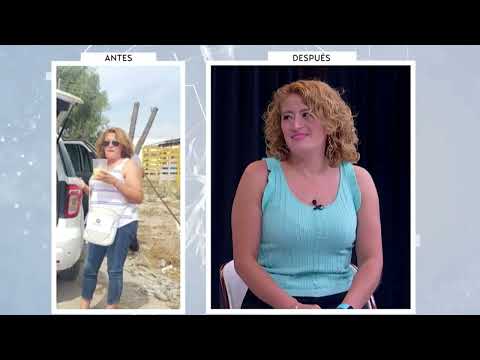
Post-Pregnancy Loose Skin Surgery: Patient Transformation and Recovery
Cosmetic Plastic Surgery
Dr. Ary Papadopulos - Plastic Surgery in Mexico City
Mexico
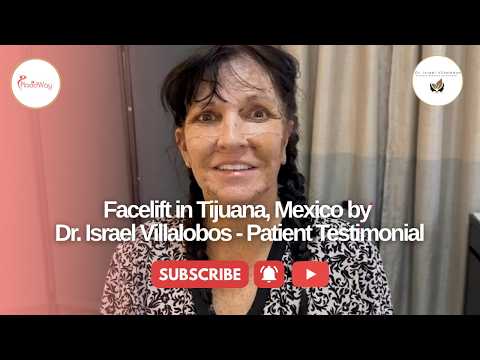
Turn Back Time with a Facelift in Tijuana, Mexico by Dr. Israel Villalobos
Cosmetic Plastic Surgery
Dr. Israel Villalobos - Plastic Surgery in Tijuana Mexico
Mexico
Learn More with These Cosmetic Plastic Surgery Articles
Take a look at these interesting articles, stories and research that will help you learn more about Cosmetic Plastic Surgery.
.jpg)
What to Expect From Mommy Makeover in Guadalajara, Mexico
PlacidWay Mexico Medical Tourism
- Cosmetic/Plastic Surgery
Mexico
.jpg)
Mommy Makeover in Monterrey, Mexico: What Recovery Can Look Like for Patients
PlacidWay Mexico Medical Tourism
- Cosmetic/Plastic Surgery
Mexico
.jpg)
What to Expect From Tummy Tuck with Liposuction in Mexicali, Mexico
PlacidWay Mexico Medical Tourism
- Cosmetic/Plastic Surgery
Mexico
.jpg)
Choosing Tummy Tuck in Puerto Vallarta, Mexico: What to Evaluate Before Treatment
PlacidWay Mexico Medical Tourism
- Cosmetic/Plastic Surgery
Mexico







