
Dealing with excess abdominal skin and stubborn fat pockets after major weight loss or pregnancy can be deeply frustrating when diet and exercise fall short. Many North American patients research tummy tuck with liposuction cost in Mexico to find relief from high domestic healthcare pricing while seeking excellent surgical outcomes. This comprehensive resource will help you understand the clinical process, evaluate board-certified surgeons recognized by the Consejo Mexicano de Cirugía Plástica Estética y Reconstructiva, verify clinical safety standards, and confidently plan your medical journey to Mexicali.
- Estimated treatment expenses in Mexicali typically range from $5,500 to $8,500 USD depending on procedure complexity and facility fees.
- Patient safety requires selecting a clinic licensed by COFEPRIS and accredited by the Consejo de Salubridad General.
- Your surgeon must hold active board certification from the Consejo Mexicano de Cirugía Plástica Estética y Reconstructiva.
- Ideal candidates are non-smokers at a stable weight who struggle with loose abdominal fascia and localized fat deposits.
- Initial biological recovery takes approximately two to three weeks before patients can safely travel home or resume light desk work.
- Mexicali is chosen primarily for its immediate proximity to the United States border and concentrated infrastructure of modern private surgical hospitals.
- Patients must prioritize medical suitability over travel convenience and carefully disclose all underlying health conditions before booking surgery.
Understanding Body Contouring Motivations and Medical Tourism in Mexicali
Deciding to undergo major body contouring surgery requires careful consideration of your physical health, emotional well-being, and financial resources. Patients often look beyond their local healthcare systems because domestic out-of-pocket costs for elective cosmetic procedures remain prohibitively high. Mexicali has developed a robust medical infrastructure strategically located right across the border from Calexico California to serve international patients seeking advanced surgical care.
When you choose to travel for a combination procedure involving abdominal skin excision and fat aspiration, you are engaging in a specialized area of medical tourism that requires thorough preoperative planning. People primarily travel to this specific border city because it offers a seamless geographic transition for North American patients while maintaining stringent surgical protocols within its top-tier private hospitals.
- Accessibility for patients driving from Southern California, Arizona, and Nevada without requiring commercial air travel.
- Substantial reduction in facility fees and anesthesia costs compared to US and Canadian private healthcare markets.
- Availability of highly experienced bilingual surgical teams accustomed to coordinating cross-border postoperative care.
- Access to modern medical facilities strictly regulated by Mexican national health authorities.
- The ability to bundle abdominoplasty and liposuction into a single surgical event with streamlined pricing structures.
How Abdominoplasty and Fat Removal Work Together Clinically
Combining these two surgical techniques addresses different anatomical layers of the abdominal region to create a cohesive aesthetic outcome. Traditional abdominoplasty focuses on excising redundant skin and plicating the weakened rectus abdominis muscles to restore a firm abdominal wall. However, this procedure alone does not effectively address dense localized adipose tissue situated on the flanks or upper abdomen.
By integrating fat aspiration techniques, your surgeon can thin the subcutaneous fat layer before tightening the remaining skin. This dual approach helps contour the waistline dynamically and prevents the unnatural transition zones that sometimes occur when skin is stretched over unaddressed fat deposits. The biological synergy between these methods typically yields a more anatomically natural silhouette.
- Comprehensive contouring of both skin and adipose layers.
- Correction of muscle diastasis alongside waist narrowing.
- Single recovery period for two distinct aesthetic corrections.
- Increased surgical duration and extended time under general anesthesia.
- Higher risk of fluid accumulation requiring temporary surgical drains.
- More complex biological healing process demanding strict postoperative rest.
Patient Demographics and Regional Travel Trends for Body Sculpting
The landscape of cross-border healthcare continues to evolve with recent data showing a steady influx of specific demographic groups seeking body contouring in Northern Mexico. Throughout 2024 and extending into 2025, clinical registries and international healthcare surveys indicate that women aged thirty-five to fifty remain the primary demographic for combination abdominal surgeries. This correlates closely with the biological aftermath of multiple pregnancies and significant age-related metabolic shifts.
Furthermore, post-bariatric patients from the United States and Canada represent a rapidly growing segment of the medical tourism population. After achieving massive weight loss through gastric bypass or sleeve gastrectomy, these individuals travel to Mexicali to address the functional and aesthetic challenges of severe skin laxity that domestic insurance typically refuses to cover.
Source: ISAPS Global Statistics Report / Recent Border Clinic Patient Registries (2024)
Evaluating the Cost of Tummy Tuck with Liposuction in Mexicali
Understanding the financial commitment required for cross-border surgery involves analyzing both direct medical fees and indirect travel expenses. The primary motivation for most patients exploring this option is the significant price discrepancy between the United States and Mexico. In North American metropolitan centers, this combination surgery easily exceeds twelve thousand dollars just for the surgeon's fee, excluding facility and anesthesia charges.
In Mexicali, the same clinical protocols performed by board-certified plastic surgeons typically range between five thousand five hundred and eight thousand five hundred dollars. This price generally includes the surgical facility, the anesthesiologist, standard pre-operative blood panels, and the primary surgical garments. However, patients must remember that individual anatomical complexity dictates the final clinical quote.
| Country of Treatment | Estimated Lower Range USD | Estimated Upper Range USD |
|---|---|---|
| United States | $12,000 | $22,000+ |
| Canada | $11,500 | $20,000+ |
| Mexicali Mexico | $5,500 | $8,500 |
Itemized Breakdown of Surgical and Travel Expenses
Transparency is vital when planning your medical budget. Reputable clinics will provide a comprehensive written quote, but patients often overlook the ancillary costs associated with international medical travel. The surgery itself is only one component of the overall financial picture.
You must factor in specialized recovery accommodations, additional compression garments, prescription medications upon discharge, and potential extended stays in case your surgeon recommends delaying your travel home for safety reasons. Properly accounting for these variables prevents stressful financial surprises during your biological healing phase.
| Expense Category | Typical Inclusions or Explanations |
|---|---|
| Primary Surgeon Fee | Compensation for the lead plastic surgeon and assisting medical staff. |
| Anesthesiology | Fees for the board-certified anesthesiologist and operating room monitoring. |
| Facility Costs | Operating theater time, recovery room utilization, and overnight hospital stay. |
| Medical Supplies | Primary compression garments, surgical drains, and immediate postoperative dressings. |
| Travel and Lodging | Boutique recovery houses, hotel stays, and border transfer transportation. |
| Medications | Discharge prescriptions including antibiotics, analgesics, and anticoagulants if required. |
Selecting a Safe and Regulated Hospital in Mexicali
Your safety depends heavily on the medical infrastructure where your operation takes place. Unlike standard clinics, major body contouring requires a fully equipped surgical hospital capable of handling general anesthesia and possessing advanced life support protocols. When researching facilities in Mexicali, you must prioritize governmental compliance over aesthetic marketing.
Ensure the hospital holds current licensing from COFEPRIS, which is the Mexican federal commission responsible for protecting against sanitary risks. Furthermore, facilities recognized by the Consejo de Salubridad General adhere to national quality and safety standards comparable to stringent international frameworks. These regulatory bodies ensure the hospital maintains proper sterilization units, emergency transfer protocols, and licensed nursing staff.
- Verify the explicit COFEPRIS operating license number for surgical procedures.
- Confirm the presence of an on-site intensive care unit or formal transfer agreement to a tertiary hospital.
- Ask about the specific sterilization protocols for medical instruments.
- Ensure the facility utilizes independent board-certified anesthesiologists, not nurse anesthetists.
- Check if the hospital provides a dedicated 24-hour medical contact for postoperative emergencies.
Verifying Your Plastic Surgeon Credentials and Board Certification
The technical skill and clinical judgment of your chosen doctor directly dictate your surgical outcome and safety profile. In Mexico, any licensed medical doctor can legally refer to themselves as a cosmetic surgeon, which creates confusion for international patients. To ensure you are in the hands of a qualified specialist, you must verify their specific reconstructive and aesthetic training.
Your surgeon must be a registered member of the Consejo Mexicano de Cirugía Plástica Estética y Reconstructiva. This national medical council is the only authority in Mexico that officially certifies plastic surgeons. Membership proves the doctor has completed general surgery training followed by a rigorous multi-year residency specifically dedicated to plastic and reconstructive surgery.
Request their official certification number and independently verify it on the council's public registry website.
High volume in a specific procedure indicates refined surgical technique and deep familiarity with complication management.
A trustworthy surgeon will clearly explain their revision policy and emergency care procedures without being defensive.
Ideal Candidates and Medical Suitability for Body Contouring
Patient selection is arguably the most critical factor in achieving a successful aesthetic outcome and minimizing clinical risks. This surgical intervention is not a weight-loss method; it is a body contouring procedure designed for individuals who have already reached a stable baseline weight. Fluctuating weight after surgery can stretch the newly tightened skin and alter the surgical results.
A medically suitable candidate is typically a non-smoker in good cardiovascular health without uncontrolled systemic diseases like diabetes or severe hypertension. Nicotine severely constricts blood vessels, compromising oxygen delivery to the healing abdominal tissues. Surgeons will generally mandate complete nicotine cessation for at least four to six weeks prior to surgery to prevent disastrous tissue necrosis.
Never hide any aspect of your medical history, previous abdominal surgeries, or current medications from your surgical team. Failing to disclose the use of blood thinners, herbal supplements, or illicit substances can lead to life-threatening intraoperative hemorrhaging or severe anesthesia complications.
Preparing for Your Surgery and Travel to the Border
Meticulous preoperative preparation reduces anxiety and supports a smoother biological recovery. Traveling for surgery adds logistical layers to your medical journey, requiring coordination between your home environment, transportation, and clinical scheduling. You must arrange for a responsible adult companion to travel with you, as you will not be permitted to drive or navigate border crossings alone immediately after general anesthesia.
Your surgeon will request comprehensive blood panels and potentially an electrocardiogram depending on your age. These medical clearances must usually be completed within thirty days of your scheduled operation. Planning your clothing, gathering necessary medical supplies, and preparing your home recovery space well in advance allows you to focus entirely on healing once the procedure is finished.
| Timeline Phase | Action Required for Travel and Surgery |
|---|---|
| 4 Weeks Before | Complete all requested blood work, cease all nicotine use, and pause blood-thinning supplements. |
| 2 Weeks Before | Confirm border transport logistics, finalize recovery house booking, and prepare home environment. |
| 1 Week Before | Pack loose-fitting clothing, necessary travel documents, and pick up local prescriptions if instructed. |
| 24 Hours Before | Begin strict fasting protocol as directed by your anesthesiologist. Drink only clear liquids until the cutoff time. |
Step by Step Surgical Process from Anesthesia to Incision Closure
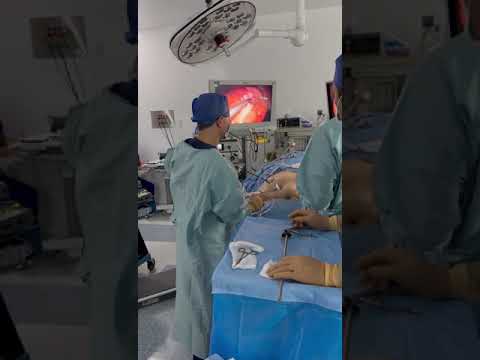
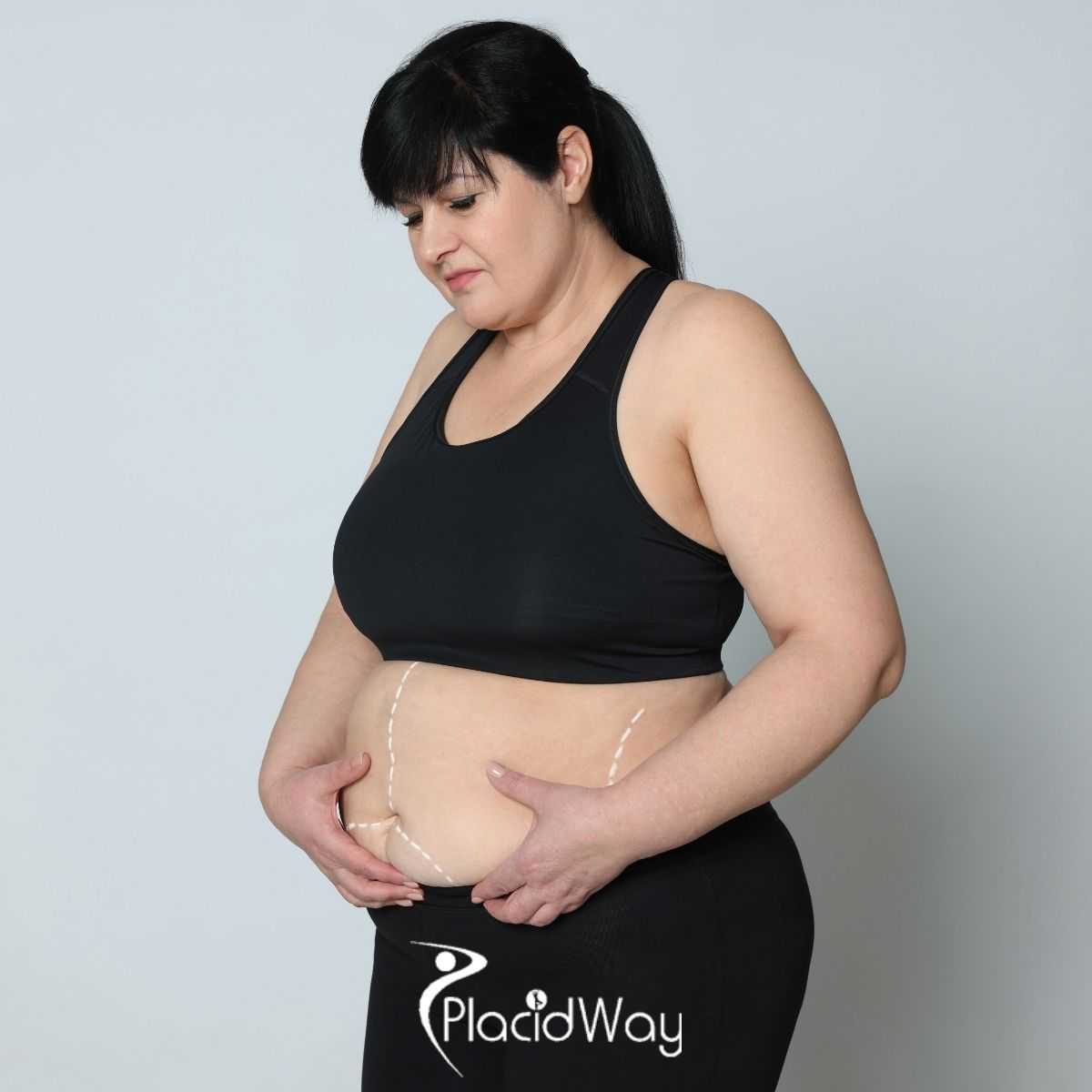
Understanding the clinical progression of your operation helps demystify the surgical experience and set realistic expectations. On the morning of your procedure, your surgeon will mark your abdomen while you are standing to identify precise areas for fat removal and skin excision. Once in the operating theater, the anesthesiologist administers general anesthesia to ensure you are completely unconscious and pain-free.
The surgeon typically begins with the liposuction phase, infusing the target adipose tissue with a tumescent solution containing saline, epinephrine, and lidocaine. This solution minimizes bleeding and facilitates fat extraction through small hollow cannulas. Afterward, the primary horizontal incision is made just above the pubic mound. The surgeon repairs the underlying abdominal fascia, removes the excess skin, repositions the umbilicus, and meticulously closes the incisions in multiple tissue layers to support proper scar formation.
- Preoperative medical evaluation and precise surgical marking.
- Administration of general anesthesia and continuous vital sign monitoring.
- Tumescent fluid infiltration and targeted fat aspiration.
- Creation of the lower abdominal incision and tissue elevation.
- Plication of the rectus abdominis muscle to correct diastasis.
- Excision of redundant lower abdominal skin.
- Creation of a new umbilical opening and multi-layer suturing.
- Application of surgical dressings and placement of the compression garment.
Postoperative Recovery Timeline and Biological Healing Process
The healing journey following major abdominal surgery is intensive and requires immense patience. Your body will dedicate significant energetic resources to repairing tissue trauma, managing fluid shifts, and bridging the newly sutured vascular networks. Immediate postoperative swelling is substantial, and you will walk in a slightly bent-over position for several days to avoid placing tension on the fresh incision line.
Most surgeons mandate that international patients remain in Mexicali or the immediate border region for at least seven to ten days. During this critical window, you will attend follow-up appointments to monitor wound healing, manage fluid output, and safely remove surgical drains. Rushing your travel back home prematurely drastically increases the risk of deep vein thrombosis and wound separation.
| Timeframe | Biological Process | Patient Sensation | Activity Restriction |
|---|---|---|---|
| Days 1 to 3 | Acute inflammatory response and peak fluid accumulation. | Significant tightness, muscle soreness, and generalized fatigue. | Strict bed rest with short, assisted walks to promote circulation. |
| Days 4 to 10 | Initial tissue adhesion and drain fluid reduction. | Decreasing sharp pain, persistent numbness, and heavy swelling. | Gradual increase in light walking. No lifting over five pounds. |
| Weeks 2 to 4 | Vascular bridging and early scar collagen formation. | Itching around incisions, random nerve twinges, and improved posture. | Return to light desk work. Avoid all strenuous exertion. |
| Months 3 to 6 | Deep tissue remodeling and gradual resolution of residual edema. | Return of normal sensation, softening of the scar tissue. | Gradual resumption of core exercises upon surgeon clearance. |
Tracking Patient Safety and Long Term Clinical Outcomes
Monitoring cross-border surgical safety remains a priority for both medical societies and prospective patients. Recent analytical data from 2024 to 2025 demonstrates that when patients select appropriately vetted, board-certified surgeons and adhere strictly to extended recovery protocols, complication rates in medical tourism hubs like Mexicali mirror domestic North American statistics.
The key variable influencing success is postoperative compliance. Patients who ignore activity restrictions, resume smoking, or attempt long-haul travel immediately after discharge severely skew complication data. A well-planned surgical journey prioritizes biological healing time over a rapid return to daily life.
Source: Cross-Border Patient Safety Metrics / Outbound Medical Tourism Reports (2024-2026 Projections)
Potential Risks Complications and Prevention Strategies
Every surgical intervention carries inherent medical risks, and large-scale body contouring is no exception. Acknowledging these possibilities allows you to recognize early warning signs and seek immediate medical intervention. The most severe acute risks include deep vein thrombosis, pulmonary embolism, and severe postoperative infections.
More common, manageable complications involve fluid collections known as seromas, delayed wound healing at the lowest point of the incision, and temporary changes in skin sensation. By closely following your surgeon's specific hygiene protocols, wearing your compression garments exactly as directed, and attending all scheduled follow-up appointments, you dramatically lower your risk profile.
| Potential Complication | Clinical Explanation | Prevention and Management Strategy |
|---|---|---|
| Seroma Formation | Accumulation of clear biological fluid beneath the abdominal skin layer. | Consistent use of surgical drains and mandatory continuous compression garment wear. |
| Infection | Bacterial infiltration of the incision site causing localized or systemic illness. | Strict adherence to the prescribed antibiotic regimen and daily hygienic wound care. |
| Wound Dehiscence | Separation of the surgically closed incision layers due to tension or poor blood supply. | Avoiding excessive physical stretching, lifting, and complete abstention from nicotine products. |
| Deep Vein Thrombosis | Formation of a blood clot in the deep veins of the leg due to prolonged immobility. | Early postoperative ambulation, hydration, and potentially wearing pneumatic compression boots in recovery. |
Frequently Asked Questions About Body Contouring in Mexicali
How long must I stay in Mexicali after my surgery
Surgeons typically require international patients to remain in the city for seven to ten days. This timeframe allows the medical team to remove your surgical drains, monitor early tissue healing, and ensure you are biologically stable enough to withstand the seated position required for traveling home safely.
Will my surgical scars from the procedure be permanent
Yes, any surgical incision through the full thickness of the skin leaves a permanent scar. However, experienced plastic surgeons strategically place the horizontal incision low on the bikini line so it can be easily concealed under standard underwear or swimwear. Scars generally fade significantly over the first twelve to eighteen months.
Can I safely combine other procedures with abdominal contouring
While many patients combine abdominal surgeries with breast augmentations or lifts to create a complete makeover, adding procedures significantly extends anesthesia time and complicates recovery. Your surgeon will carefully evaluate your general health and safety metrics before approving multiple simultaneous surgeries.
Why is my BMI an important factor for surgical approval
Body Mass Index provides a baseline measurement for surgical risk assessment. Most board-certified surgeons require a BMI under 30 or 32 for elective aesthetic surgery. Higher BMI ranges drastically increase the risks of severe anesthesia complications, postoperative blood clots, and poor wound healing.
How do I manage pain during the trip back home
Your surgeon will provide specific pain management prescriptions upon discharge. During your travel back, you should take your medication exactly on schedule, plan for frequent stops if driving to stretch your legs, and recline your seat to reduce tension on your abdominal muscles.
What happens if I experience a medical complication after returning home
Before leaving Mexicali, you must have a clear complication management plan. While your Mexican surgeon will provide remote guidance, you must know where your nearest domestic emergency room is located. Some patients purchase specialized medical complications insurance prior to travel to help cover unexpected domestic treatment costs.
Do the clinics in Mexicali accept American health insurance
No, cosmetic body contouring is considered an elective aesthetic procedure and is almost universally excluded from domestic and international health insurance coverage. Patients must pay for these services out-of-pocket, typically using cash, credit cards, or specialized medical financing loans.
How soon can I start exercising after the operation
Light walking is encouraged immediately to prevent blood clots. However, strenuous cardiovascular exercise is strictly prohibited for at least four to six weeks. Direct core exercises and heavy weightlifting must be avoided for at least eight to twelve weeks to prevent tearing the internal muscle sutures.
Will liposuction remove my visceral abdominal fat
No, liposuction only removes subcutaneous fat, which is the soft layer located directly beneath the skin. Visceral fat surrounds your internal organs beneath the muscle wall and can only be reduced through dietary changes, cardiovascular exercise, or medically managed weight loss.
Is a medical visa required for treatment in Mexicali
For United States and Canadian citizens, a specific medical visa is not typically required for short-term surgical stays. However, you must carry a valid passport for reentry into your home country. Border wait times can vary, so utilizing the medical lane pass provided by some clinics can expedite your return journey.
Ready to Explore Your Surgical Options?
PlacidWay can help you compare board-certified surgeons in Mexicali, review transparent cost estimates, and coordinate your medical travel journey safely.
Request Information TodayDisclaimer: This information is for educational purposes only and does not replace professional medical advice. Always consult a qualified healthcare provider before making medical decisions.
References
- ISAPS Global Statistics and Patient Demographics – International Society of Aesthetic Plastic Surgery
- Patient Safety for Abdominoplasty – American Society of Plastic Surgeons
- Travelers Health Guidelines for Mexico – Centers for Disease Control and Prevention
- Official Directory of Board Certified Plastic Surgeons – Consejo Mexicano de Cirugía Plástica Estética y Reconstructiva
- Federal Commission for Protection Against Sanitary Risk Regulations – COFEPRIS Mexico
- Clinical Review of Lipoabdominoplasty Safety and Outcomes – National Library of Medicine (PubMed)
- Global Patient Safety Frameworks – World Health Organization




















Share this listing