
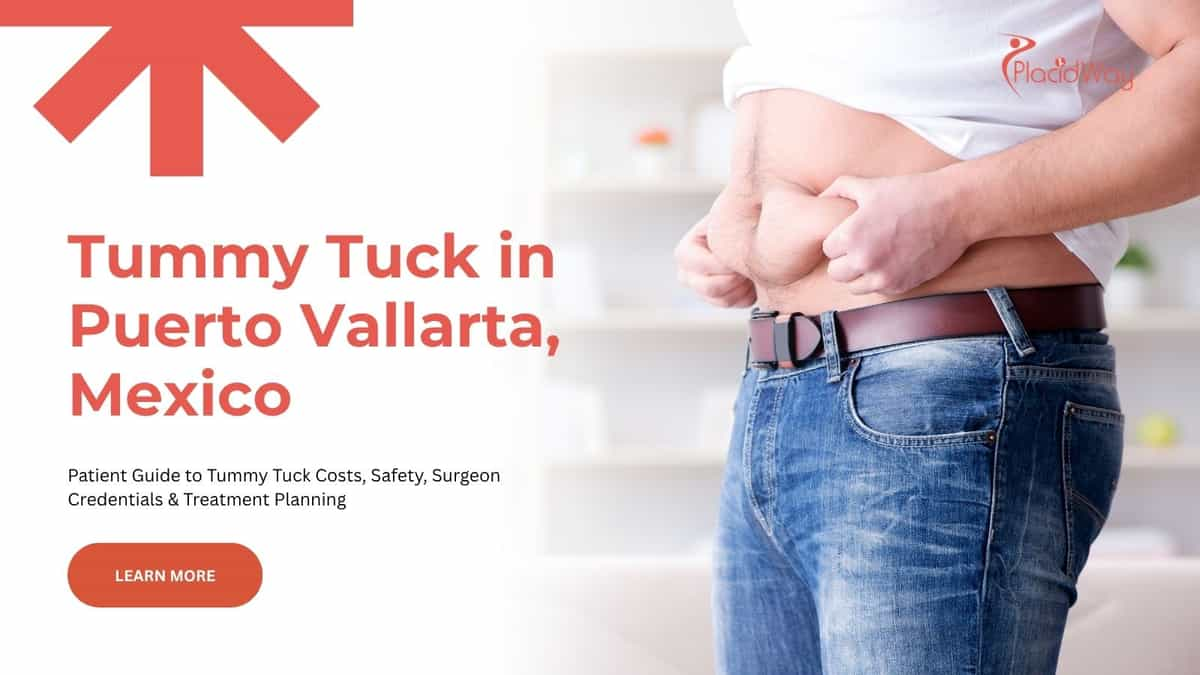
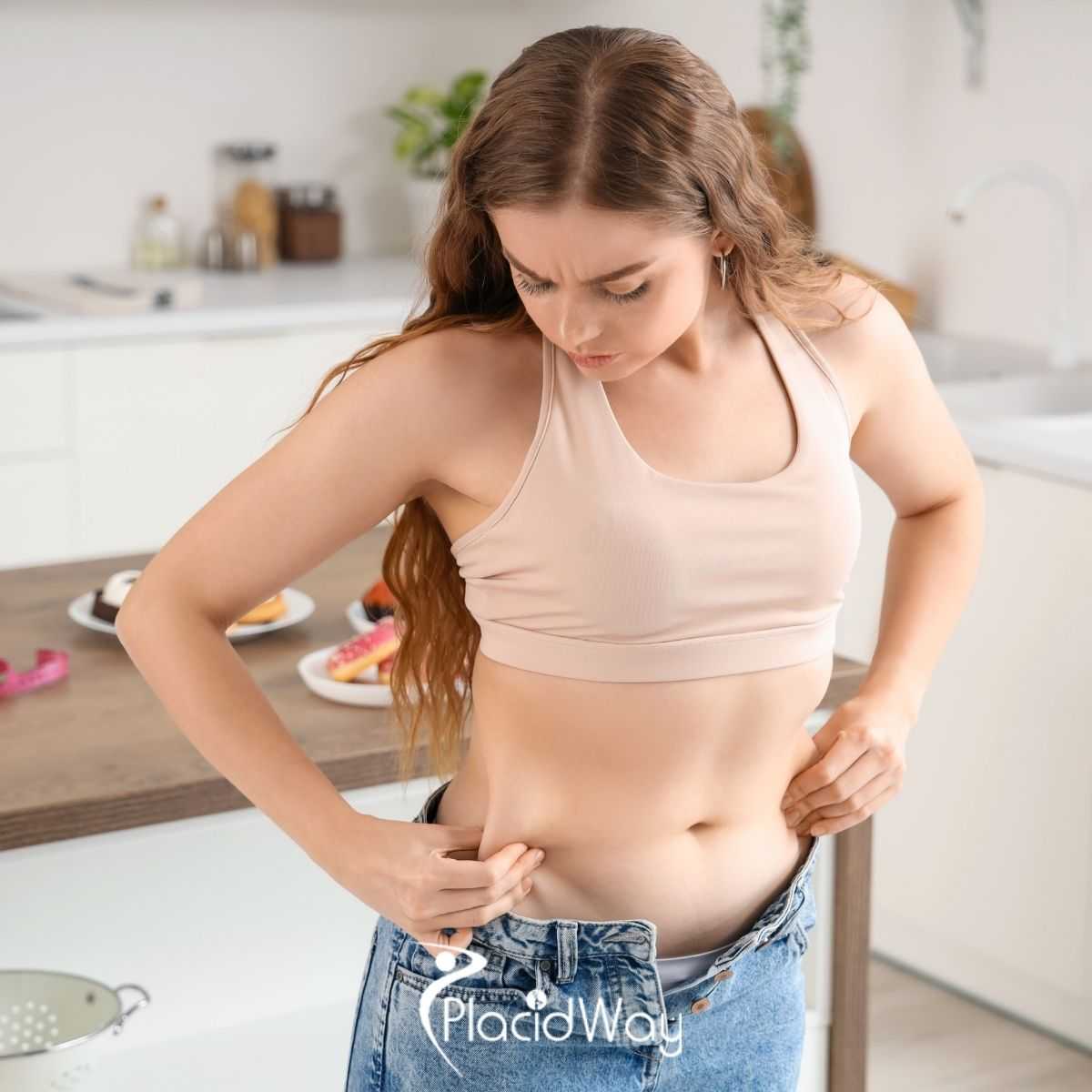
Struggling with loose abdominal skin after significant weight loss or pregnancy can deeply impact your confidence, but finding affordable and high-quality surgical care locally often feels impossible due to exorbitant costs. Many international patients travel for a tummy tuck in Puerto Vallarta to access state-of-the-art medical facilities and highly experienced surgeons without the overwhelming financial burden. When evaluating clinics in Mexico, your primary focus should always be patient safety by verifying that your chosen surgeon holds active certification from the Mexican Council of Plastic Aesthetic and Reconstructive Surgery known as CMCPER and that the clinic is fully licensed by COFEPRIS.
- Estimated Cost: Typically ranges from $4,500 to $6,500 USD depending on the complexity of the procedure and facility.
- Safety Focus: Always verify your surgeon is board-certified by CMCPER and the hospital is approved by COFEPRIS.
- Ideal Candidate: Healthy individuals close to their ideal weight with excess abdominal skin and weakened underlying muscles.
- Recovery Time: Most patients stay in Puerto Vallarta for 10 to 14 days before flying home, with full recovery taking several months.
- Why Puerto Vallarta: Combines highly skilled bilingual medical professionals with a peaceful recovery environment.
- Important Caution: Avoid clinics offering unusually low prices or surgeons lacking official board certification in plastic surgery.
Understanding Tummy Tuck Surgery in Puerto Vallarta Mexico
A tummy tuck, medically referred to as an abdominoplasty, is a surgical procedure designed to remove excess fat and skin while restoring weakened or separated abdominal muscles. Patients who have experienced massive weight loss or multiple pregnancies often find that diet and exercise alone cannot correct loose, overstretched tissue. This reconstructive and aesthetic procedure helps create a smoother and firmer abdominal profile. Choosing to undergo this treatment abroad requires careful research and a clear understanding of the surgical process.
Puerto Vallarta has emerged as a prominent destination for international patients seeking quality healthcare combined with a serene environment for recuperation. The city is home to modern medical facilities that frequently cater to patients from the United States and Canada. Understanding the biological changes your body will undergo and the clinical expertise required for this operation is the first step in making an informed medical decision.
Pro Tip: An abdominoplasty is not a weight-loss surgery. You should be at or near your target weight and maintain a stable weight for at least six months prior to scheduling your consultation.
Primary Reasons International Patients Choose Mexico for Body Contouring
Patients traveling from North America often face significant financial barriers when considering body contouring procedures in their home countries. Puerto Vallarta offers a solution by providing access to specialized surgical care at a lower cost without necessarily compromising on medical standards. The favorable exchange rate and lower administrative overhead in Mexico allow fully equipped private hospitals to offer comprehensive surgical packages that are financially accessible.
Beyond cost savings, the standard of care in highly rated private clinics in Puerto Vallarta frequently mirrors that of leading global healthcare institutions. Many practicing plastic surgeons in the region have completed fellowships internationally and maintain affiliations with prestigious global medical societies. Additionally, recovering in a calm coastal environment away from the daily stresses of home provides patients with the dedicated time needed to focus entirely on healing.
Advantages of Medical Travel to Puerto Vallarta
- Access to highly experienced and specialized plastic surgeons
- Comprehensive care packages often including ground transfers
- Lower out-of-pocket costs compared to US healthcare
- Bilingual medical staff dedicated to international patients
Challenges to Consider Before Traveling
- Navigating medical visas and international travel requirements
- Managing the logistics of an extended stay away from home
- Ensuring proper follow-up care once you return to your country
- Evaluating the legitimacy of foreign medical credentials
Exploring Different Types of Tummy Tuck Procedures
Not all patients require the same surgical approach for abdominal contouring. Depending on your anatomical needs, skin elasticity, and muscle separation, your plastic surgeon will recommend a specific technique. A thorough physical examination during your consultation will determine which method will provide the safest and most effective outcome. Some patients only require minor correction below the navel, while others need extensive tissue removal reaching around the flanks.
The extent of the surgery directly impacts the length of the incision, the duration of the operation, and your expected recovery timeline. It is vital to have realistic expectations and understand the biological limitations of what surgery can achieve. Your surgeon will discuss the trade-offs between scar length and the degree of abdominal tightening possible for your unique body type.
| Procedure Type | Clinical Application | Incision Scope |
|---|---|---|
| Mini Tummy Tuck | Targets mild skin laxity entirely below the belly button without muscle repair. | Small horizontal incision just above the pubic area. |
| Standard Tummy Tuck | Addresses moderate to severe excess skin and repairs separated abdominal muscles. | Incision extends from hip to hip with an additional incision around the navel. |
| Extended Tummy Tuck | Treats significant excess skin on the abdomen and flanks typically after massive weight loss. | Longer incision extending beyond the hips towards the lower back. |
Evaluating the Cost of Tummy Tuck Surgery in Puerto Vallarta
The financial investment required for an abdominoplasty in Mexico varies widely based on several clinical and logistical factors. You must review quotes carefully to understand exactly what is included in the package. An all-inclusive medical tourism package typically covers surgeon fees, anesthesiology, operating room time, overnight hospital stays, and sometimes local hotel accommodations for the recovery period. However, hidden costs can arise if complications occur or if additional medications are required.
When reviewing financial estimates, always ask the clinic for a transparent itemized written quote. The complexity of your specific case, such as the need for extensive muscle plication or concurrent liposuction, will influence the final cost. Pre-operative medical clearances, specialized compression garments, and post-operative lymphatic drainage massages are essential components of the recovery process that may incur additional fees.
| Cost Component | Estimated Range in USD |
|---|---|
| Surgeon and Anesthesia Fees | $2,500 - $3,500 |
| Hospital and Operating Room Facilities | $1,500 - $2,200 |
| Pre-operative Tests and Medical Clearance | $150 - $300 |
| Post-operative Garments and Medications | $150 - $400 |
Comparing Tummy Tuck Prices Between Mexico and the United States
Financial considerations are frequently the driving force behind a patient's decision to pursue medical travel. In the United States and Canada, body contouring procedures are rarely covered by health insurance unless they are deemed medically necessary to resolve chronic skin infections or severe functional impairments. This leaves patients responsible for substantial out-of-pocket expenses that can quickly escalate when facility fees and anesthesiology are factored into the final bill.
Puerto Vallarta offers a distinct economic advantage due to differences in living costs, localized pharmaceutical pricing, and reduced medical malpractice insurance overhead for practitioners. This economic disparity does not inherently mean a reduction in medical quality, provided the patient selects a vetted and accredited facility. Below is a comparative look at estimated out-of-pocket expenses for an uncomplicated abdominoplasty across different countries.
| Country | Estimated Average Cost in USD |
|---|---|
| United States | $9,000 - $15,000 |
| Canada | $10,000 - $14,000 |
| Puerto Vallarta Mexico | $4,500 - $6,500 |
Verifying Surgeon Credentials and Certifications in Mexico
Your safety and surgical outcome depend entirely on the skill and education of your chosen plastic surgeon. In Mexico, any licensed medical doctor can legally perform cosmetic procedures, which makes independent verification of specialty training absolutely critical. You must ensure your doctor is not merely a general practitioner offering cosmetic treatments, but a rigorously trained specialist in plastic and reconstructive surgery.
The most important credential to verify is certification by the Consejo Mexicano de Cirugía Plástica Estética y Reconstructiva known as CMCPER. This is the national medical board responsible for certifying plastic surgeons in Mexico. Additionally, membership in the Asociación Mexicana de Cirugía Plástica Estética y Reconstructiva known as AMCPER indicates adherence to ethical standards and ongoing medical education. You should always ask for your surgeon's specific certification numbers and verify them through the official council directories.
Warning: Never undergo surgery with a physician claiming to be a cosmetic surgeon who lacks official CMCPER board certification. In Mexico, only CMCPER guarantees the physician has completed a formal residency in plastic and reconstructive surgery.
Selecting a Safe and Regulated Hospital in Puerto Vallarta
The facility where your surgery takes place must meet strict healthcare regulations to manage any unexpected clinical emergencies safely. While many plastic surgeons operate in private clinics, major procedures like an abdominoplasty require an environment equipped with an intensive care unit and continuous patient monitoring capabilities. Investigating the clinical infrastructure is just as important as researching your surgeon.
In Mexico, medical facilities must be licensed and regularly inspected by the Comisión Federal para la Protección contra Riesgos Sanitarios known as COFEPRIS. This federal regulatory body ensures the hospital meets national sanitary and operational standards. Additionally, you should inquire about the clinic's complication management protocols, 24-hour emergency support, and whether they hold any supplementary national accreditations from the Consejo de Salubridad General.
Checklist for Evaluating Clinic Safety
- Confirm active COFEPRIS facility licensure
- Ensure the presence of an on-site Intensive Care Unit
- Verify availability of a board-certified anesthesiologist
- Review written protocols for emergency medical transfers
- Check for in-house multilingual patient coordinators
Determining If You Are an Ideal Candidate for Abdominoplasty
Not everyone seeking abdominal contouring is biologically suited for surgery. An abdominoplasty is a major invasive procedure that places physical stress on the cardiovascular and respiratory systems. Ideal candidates are non-smokers in good overall health who do not suffer from uncontrolled chronic conditions such as severe diabetes or advanced heart disease. Your surgeon will require comprehensive blood panels and an electrocardiogram prior to clearing you for surgery.
Patients should also be at a stable weight for at least six to twelve months. Significant weight fluctuations after surgery can stretch the newly tightened skin and reverse the surgical results. Furthermore, women considering future pregnancies are typically advised to postpone a tummy tuck, as a growing uterus will stretch the surgically repaired abdominal muscles and compromise the aesthetic outcome.
Key Takeaway: Disclosing your complete medical history, including all current medications, previous surgeries, and lifestyle habits like smoking, is critical. Withholding medical information can lead to life-threatening complications under general anesthesia.
Preparing for Your Medical Travel Journey to Mexico
Proper preparation significantly reduces the stress of international medical travel and improves clinical outcomes. Planning should begin months in advance, starting with securing a valid passport and determining travel logistics. You will need to coordinate your arrival in Puerto Vallarta at least one to two days before your scheduled surgery for in-person consultations and final medical clearances. Organizing your recovery accommodation is also vital, as you will need a space on the ground floor with easy access to a bathroom.
In the weeks leading up to your surgery, you must strictly follow your surgeon's pre-operative instructions. This typically includes pausing certain medications, particularly blood thinners and non-steroidal anti-inflammatory drugs, which can increase the risk of surgical bleeding. Smoking and nicotine consumption must be halted entirely, as nicotine causes vasoconstriction, which severely impairs blood flow to the skin and increases the risk of tissue necrosis.
Pre-Surgical Timeline
- Four Weeks Before: Stop all nicotine products and coordinate medical clearance tests with your local physician.
- Two Weeks Before: Cease taking aspirin, herbal supplements, and anti-inflammatory drugs as directed by your surgeon.
- One Week Before: Finalize travel arrangements, pack loose clothing, and secure necessary post-operative compression garments.
- Day Before: Arrive in Puerto Vallarta, attend the final in-person consultation, and begin fasting at midnight.
Step by Step Breakdown of the Tummy Tuck Surgical Process
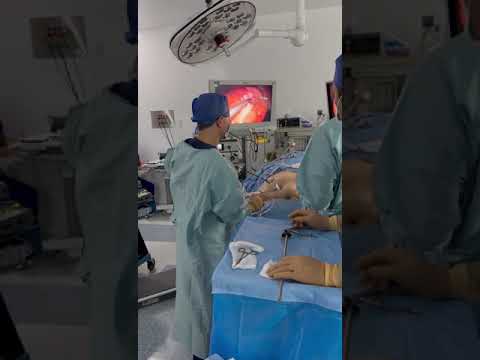
Understanding the clinical steps involved in an abdominoplasty can help alleviate preoperative anxiety. The procedure is performed under general anesthesia, ensuring you are completely unconscious and pain-free. An anesthesiologist will continuously monitor your vital signs, including heart rate, blood pressure, and oxygen saturation throughout the duration of the surgery. The operation typically lasts between two to four hours depending on the complexity of tissue removal and muscle repair required.
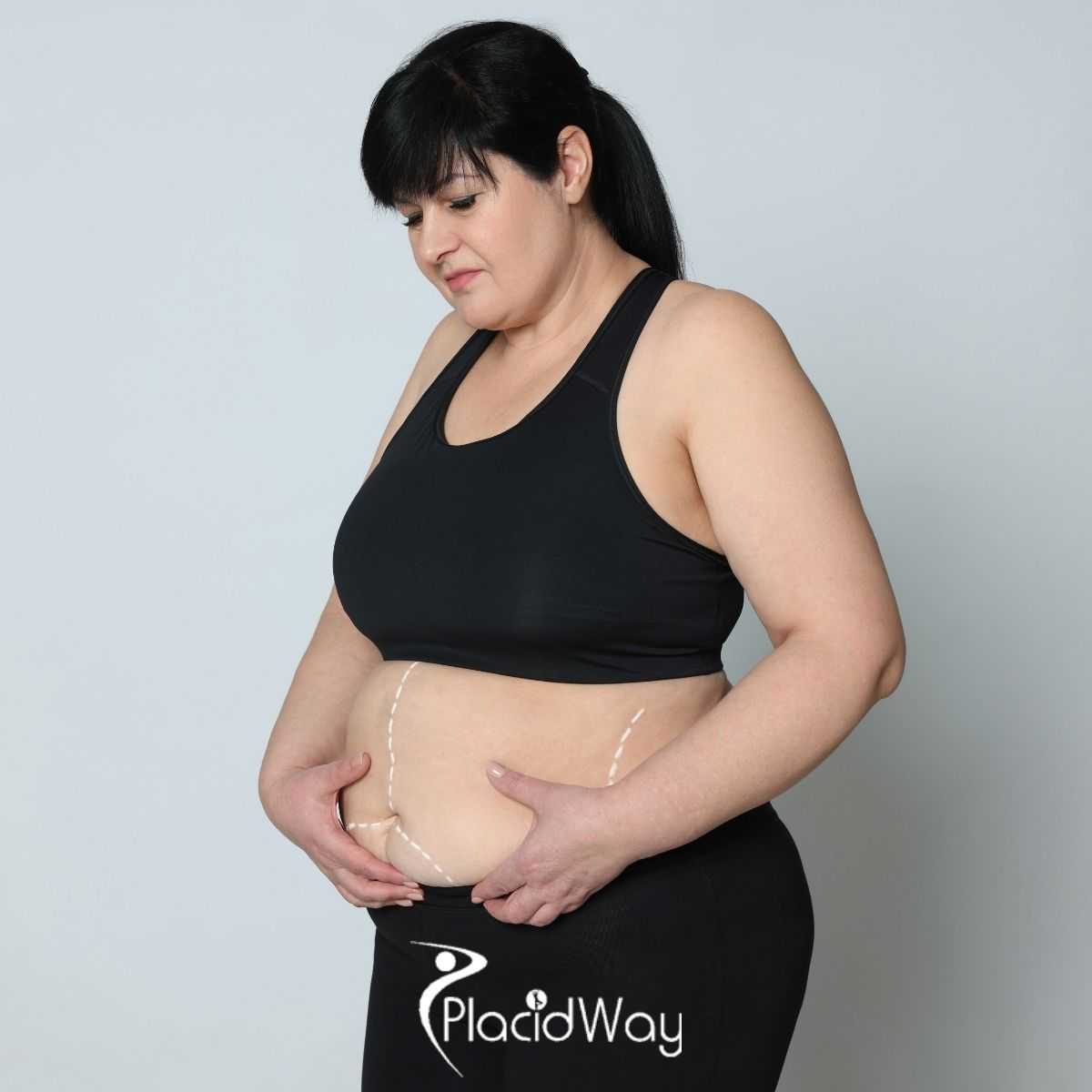
Once you are anesthetized, the surgeon makes the predetermined incisions and lifts the abdominal skin to access the underlying muscles. Weakened fascia is sutured tightly together to create a firmer abdominal wall. After the muscle repair, the skin is pulled downward, excess tissue is excised, and a new opening is carefully created for the belly button. The incisions are then closed using layered sutures, and surgical drains may be placed to prevent fluid accumulation.
- Step 1: Administration of general anesthesia and vital sign monitoring.
- Step 2: Incision placement along the lower abdomen.
- Step 3: Surgical plication to repair separated abdominal muscles.
- Step 4: Excision of excess skin and repositioning of the umbilicus.
- Step 5: Layered wound closure and application of sterile dressings.
Managing Pain and Postoperative Recovery After Surgery
The initial recovery phase following an abdominoplasty requires patience, assistance, and strict adherence to clinical guidelines. Upon waking in the recovery room, you will experience tightness, swelling, and moderate discomfort, which will be managed with prescribed intravenous or oral analgesics. You will be required to wear a specialized compression garment continuously; this applies necessary pressure to reduce edema, support the healing tissues, and contour the surgical site.
During the first week in Puerto Vallarta, your mobility will be limited. You will need to walk with a slight bend at the waist to avoid placing tension on your healing incisions. Your surgeon will schedule multiple follow-up appointments to monitor for signs of infection, evaluate tissue healing, and safely remove any surgical drains. Patients are strongly advised against flying or enduring long travel days until their surgeon explicitly clears them.
| Recovery Phase | Biological Process | Patient Activity Level |
|---|---|---|
| Days 1 to 3 | Acute inflammatory response and fluid accumulation. | Strict rest with short assisted walks to promote circulation. |
| Days 4 to 10 | Initial tissue adhesion and reduction of severe swelling. | Light independent walking, returning to clinic for drain removal. |
| Weeks 2 to 4 | Suture dissolution and continued reduction of internal edema. | Gradual return to desk work and normal daily activities without lifting. |
| Weeks 6 and Beyond | Collagen remodeling and scar maturation. | Clearance for strenuous exercise and heavy lifting depending on healing. |
Understanding the Potential Risks and Complications
While an abdominoplasty is generally safe when performed by a qualified board-certified specialist, it carries inherent medical risks like any major surgery. Understanding these risks is necessary for informed consent. The most common minor complication is a seroma, which is an accumulation of fluid beneath the skin that may require clinical aspiration. Hematomas, or localized collections of blood, can also occur and might necessitate minor surgical intervention to resolve.
More severe risks include deep vein thrombosis, localized skin necrosis at the incision margin, and postoperative infections. To mitigate the risk of deep vein thrombosis, patients are instructed to begin walking shortly after surgery and may be prescribed blood-thinning medications based on their risk profile. Choosing a highly qualified surgeon and strictly following all postoperative hygiene and activity restrictions are the most effective ways to minimize the likelihood of adverse events.
| Complication Risk | Clinical Description | Prevention Strategy |
|---|---|---|
| Seroma | Pockets of clear fluid building up under the skin. | Proper use of surgical drains and wearing compression garments as directed. |
| Wound Infection | Bacterial infiltration of the surgical incision. | Strict hygiene, completing prescribed antibiotic courses, and monitoring for redness. |
| Tissue Necrosis | Death of skin tissue due to lack of adequate blood supply. | Absolute cessation of all nicotine products weeks before and after surgery. |
Long Term Results and Post Surgery Scar Management
The primary trade-off of a tummy tuck is the presence of a permanent surgical scar. However, highly skilled plastic surgeons in Puerto Vallarta meticulously place the incision low on the abdomen so that it can be easily concealed beneath underwear or swimwear. In the early stages of healing, the scar will appear red, raised, and firm. The biological process of scar maturation takes up to twelve to eighteen months, during which the scar will gradually soften and fade to a lighter color.
Active scar management plays a vital role in achieving the best aesthetic outcome. Once the incisions have fully closed and your surgeon gives approval, applying specialized silicone scar sheets or topical gels can significantly improve scar texture. Protecting the healing tissue from ultraviolet sun exposure is also crucial, as sunlight can cause permanent dark pigmentation of the immature scar tissue.
Tip: Maintaining a stable diet and regular exercise routine once fully cleared by your doctor will help preserve the firm, contoured results of your surgery for many years.
Combining Abdominoplasty with Other Mommy Makeover Procedures
Many patients traveling to Puerto Vallarta choose to combine their abdominoplasty with other body contouring operations in a comprehensive approach often referred to as a Mommy Makeover. Pregnancy and nursing cause widespread changes to the body, frequently resulting in breast ptosis and stubborn localized fat deposits alongside abdominal laxity. Combining procedures allows the patient to undergo general anesthesia only once and consolidate the recovery period.
However, combining surgeries increases the total time spent in the operating room, which simultaneously increases the physiological stress on the body and the risk of complications. Your board-certified surgeon will evaluate your overall health, BMI, and the planned length of surgery to determine if multiple procedures can be safely performed in a single session. If the combined operative time is considered too long, the surgeon may recommend staging the procedures months apart for your safety.
| Combined Procedure | Clinical Purpose | Impact on Recovery |
|---|---|---|
| Liposuction | Removes localized fat deposits on the flanks or back to improve overall contour. | Increases localized bruising and requires extended use of compression garments. |
| Breast Lift | Elevates and reshapes sagging breast tissue often affected by nursing. | Limits arm mobility and prevents sleeping on the side or stomach. |
| Breast Augmentation | Restores lost breast volume using saline or silicone implants. | Requires management of pectoral muscle discomfort and specific supportive bras. |
Essential Travel Tips for Your Medical Journey
Traveling abroad for surgery requires logistical planning beyond standard vacation preparation. Ensure your passport is valid for at least six months beyond your intended date of return. Most citizens of the United States and Canada do not require a special medical visa for stays under 180 days in Mexico, but you should always verify current immigration requirements before booking flights. When arranging transport from the airport to your clinic or hotel, rely on coordinated medical transport provided by your clinic rather than hailing public taxis.
Communication is another critical factor. While top-tier clinics in Puerto Vallarta employ fluent English-speaking staff, having a translation application on your phone can be helpful when navigating the city. Bring a reliable companion to assist you during the initial days of your recovery, as you will be physically limited and unable to carry luggage, cook, or move easily. Most importantly, familiarize yourself with your home country's guidelines for seeking follow-up care should you need medical attention upon your return.
Medical Travel Timeline Guidance
- Arrival: Plan to arrive 2 days before surgery for rest and final consultations.
- Surgery Day: Coordinated clinic transport will bring you to the hospital.
- Recovery in City: Plan to stay in Puerto Vallarta for 10 to 14 days post-surgery.
- Departure: Obtain written medical clearance and "fit to fly" documentation from your surgeon before heading to the airport.
Recent Demographic Trends for Body Contouring Patients in Mexico
The landscape of cross-border medical travel continues to evolve, with reliable clinical registries indicating a steady increase in international patients seeking body contouring in Mexico. According to recent demographic data from 2024 to 2025 documenting healthcare travel patterns in regions like Jalisco, patients traveling for abdominoplasty primarily fall into specific age brackets and motivations. The majority of these patients are pursuing restorative surgery after significant life events such as bariatric weight loss or multiple pregnancies.
Understanding these verified demographic trends provides insight into who is utilizing these medical services. The data shows a strong prevalence of women between the ages of 30 and 49, aligning with the demographic most commonly seeking post-maternity body contouring. The graphs below illustrate the recent age distribution of international patients and the rising volume of individuals traveling specifically for body contouring procedures in established medical hubs like Puerto Vallarta based on current 2024-2025 healthcare registry insights.
Age Distribution of International Body Contouring Patients in Mexico (2025 Data)
International Patient Volume Growth for Body Contouring in Mexico (2024-2026 Trends)
Frequently Asked Questions About Tummy Tuck Surgery in Puerto Vallarta
Is it safe to get a tummy tuck in Puerto Vallarta Mexico?
Yes, undergoing an abdominoplasty in Puerto Vallarta can be safe if you select a hospital licensed by COFEPRIS and a plastic surgeon officially board-certified by CMCPER. Patient safety depends heavily on clinical vetting and adhering strictly to pre- and postoperative guidelines provided by your medical team.
How long do I need to stay in Mexico after abdominoplasty?
Most board-certified surgeons require international patients to remain in Puerto Vallarta for 10 to 14 days following the procedure. This timeframe allows the medical team to remove surgical drains, evaluate initial wound healing, and provide formal clearance before you board a flight home.
Will a tummy tuck help me lose a significant amount of weight?
No, an abdominoplasty is a body contouring procedure aimed at removing loose skin and tightening muscles, not a weight-loss surgery. Patients should reach their target weight and maintain it for at least six months prior to scheduling a consultation to achieve the best aesthetic outcomes.
What happens if I experience complications once I return home?
Reputable clinics offer postoperative support via telemedicine, but if an acute complication arises, you will need to seek immediate care at a local hospital or from a physician in your home country. It is highly recommended to purchase specialized medical tourism complications insurance before your trip.
Can I combine my tummy tuck with liposuction while in Mexico?
Yes, many patients choose to combine abdominoplasty with liposuction to improve the contour of the flanks and waist. Your surgeon will evaluate your overall health and the projected surgical time to determine if combining these procedures is medically safe for your specific case.
How long will the scars from my surgery take to fade?
Surgical scars undergo a natural maturation process that typically takes 12 to 18 months. While the incision scar is permanent, it will eventually soften and fade from red to a lighter color. Using silicone scar treatments and protecting the area from UV exposure aids in healing.
When can I safely return to the gym after my surgery?
Light walking is encouraged immediately to promote circulation, but strenuous exercise and heavy lifting must be avoided for at least six to eight weeks. Returning to the gym requires explicit medical clearance from your surgeon to ensure your abdominal muscles have healed adequately.
Are the prices quoted for Mexican clinics fully inclusive?
Pricing structures vary by provider. While some clinics offer all-inclusive packages covering the facility, anesthesia, and surgeon fees, others provide unbundled quotes. Always request a written, itemized breakdown to identify any potential extra costs such as medications, garments, or pre-operative lab tests.
Why do I need to stop smoking before an abdominoplasty?
Nicotine causes blood vessels to constrict, severely reducing oxygen delivery to your healing tissues. Smoking dramatically increases the risk of serious complications, including delayed wound healing, infection, and tissue necrosis. Surgeons require patients to be nicotine-free for several weeks before and after surgery.
How do I verify if a Mexican plastic surgeon is board certified?
You can independently verify a surgeon's credentials by requesting their certification number and checking it directly on the official website of the Consejo Mexicano de Cirugía Plástica Estética y Reconstructiva CMCPER. This board is the only recognized authority for certifying plastic surgeons in Mexico.
Ready to Explore Your Surgical Options in Mexico?
PlacidWay can help you compare highly rated providers, understand transparent treatment costs, and request essential information from board-certified clinics in Puerto Vallarta.
Request Free Information NowDisclaimer: This information is for educational purposes only and does not replace professional medical advice. Always consult a qualified healthcare provider before making medical decisions.
References
- ISAPS Global Survey Data 2024 – International Society of Aesthetic Plastic Surgery
- Official Directory of Certified Plastic Surgeons – Consejo Mexicano de Cirugía Plástica Estética y Reconstructiva
- Tummy Tuck Safety and Complication Risks – American Society of Plastic Surgeons
- Travelers Health Guidelines for Medical Tourism – Centers for Disease Control and Prevention
- National Healthcare Facility Regulations – Federal Commission for the Protection against Sanitary Risk COFEPRIS
- Outcomes and Safety in Combined Body Contouring Procedures 2024 – National Library of Medicine
- Quality and Patient Safety Standards in International Healthcare – Joint Commission International

















Share this listing