
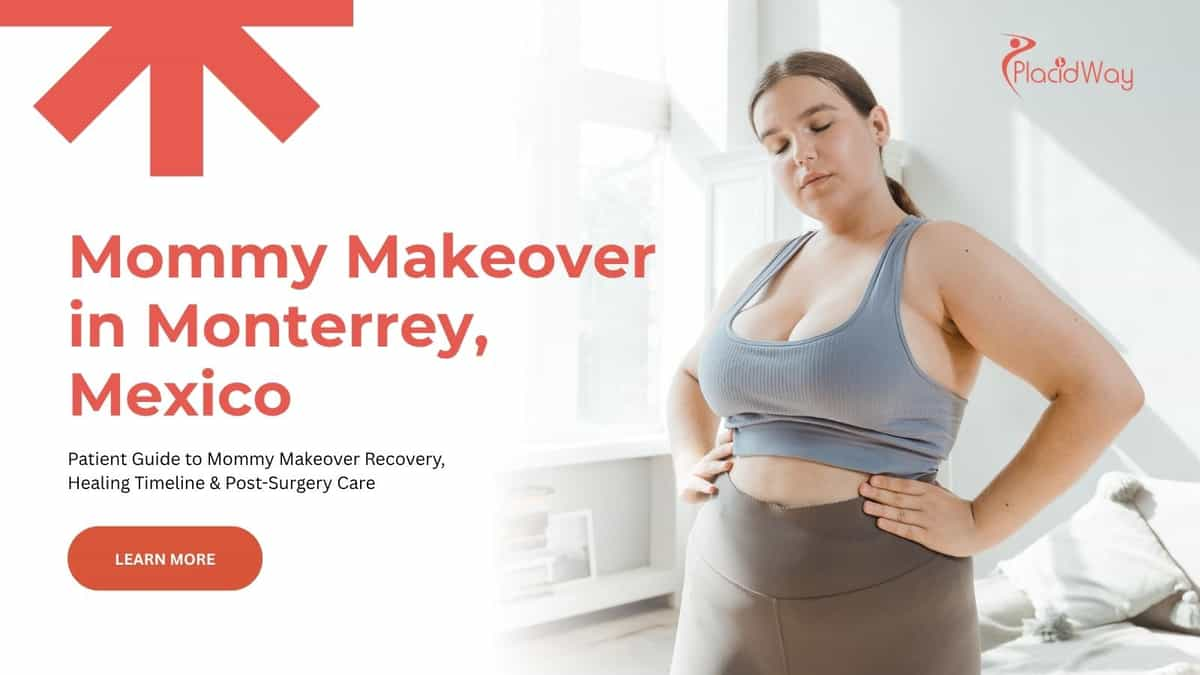
Deciding to restore your pre-pregnancy body involves significant emotional and financial considerations which is why many women explore a Mommy Makeover in Monterrey Mexico as a practical alternative to high domestic healthcare costs. By understanding the typical investment of $6000 to $9000 and verifying that your chosen surgeon is certified by the Mexican Association of Plastic Esthetic and Reconstructive Surgery you can approach your decision with confidence. This guide addresses your most pressing concerns about surgical combinations facility safety and recovery timelines so you can make an informed choice for your health and well-being.
- Estimated treatment cost ranges from $6000 to $9000 USD depending on the specific procedures combined.
- Look for surgeons certified by AMCPER and hospitals accredited by the General Health Council of Mexico.
- The ideal candidate has completed their family is at a stable weight and is in good general health.
- Initial recovery typically requires two to three weeks of dedicated rest before resuming light activities.
- Patients frequently choose this destination for its advanced medical facilities and geographic proximity to the United States and Canada.
- Always verify doctor credentials independently and avoid clinics offering prices that seem unusually low.
Understanding the Emotional and Practical Reasons for Traveling to Monterrey
Many mothers struggle with physical changes that diet and exercise alone cannot resolve leading to frustration and a desire for effective surgical intervention. Traveling for medical care requires careful thought but thousands of women cross borders annually seeking high quality aesthetic procedures without facing the extreme financial burden present in their home countries. Monterrey serves as a major industrial and medical hub in northern Mexico offering world class infrastructure that rivals facilities found in major North American cities.
Patients typically plan this journey not just for affordability but because the destination provides access to highly experienced specialists who perform these complex combination surgeries routinely. When researching your options you will find that top clinics prioritize comprehensive patient care including preoperative diagnostics and structured postoperative follow up. The primary motivations for patients selecting this specific city include the following verifiable factors.
- Significantly lower out of pocket costs compared to equivalent treatments in the United States or Canada.
- Direct short flights from major cities in Texas California and other southern states.
- High concentration of board certified plastic surgeons recognized by international medical societies.
- Modern private hospitals equipped with intensive care units and advanced surgical technology.
- Comprehensive medical tourism packages that include airport transfers dedicated nursing and recovery accommodations.
- Bilingual medical staff ensuring clear communication regarding risks expectations and postoperative instructions.
Patient Demographics and Travel Trends to Northern Mexico
Recent data indicates a steady increase in outbound medical travel from North America specifically for complex body contouring procedures. Women aged thirty to fifty make up the vast majority of these patients often planning their surgeries a few years after their final pregnancy. The geographical convenience of northern Mexico makes it a primary choice for residents of border states who want exceptional medical care without the long haul flights required by overseas destinations.
Clinical motivations focus primarily on restoring abdominal muscle integrity and addressing breast volume loss which are common physical results of pregnancy and breastfeeding. The chart below illustrates the documented age distribution of women undergoing combined contouring surgeries in major private facilities throughout 2025.
Common Surgical Combinations for Post Pregnancy Contouring
This treatment is not a single defined operation but rather a personalized surgical plan combining multiple procedures to address your specific anatomical needs. Most women require a combination of breast and abdominal interventions to repair stretched muscles remove excess skin and restore lost volume. Your surgeon will evaluate your body during a consultation and recommend the safest approach ensuring that the total surgical time remains within safe medical limits.
The specific procedures chosen depend heavily on your aesthetic goals the current laxity of your skin and your overall physiological health. It is crucial to understand exactly what each component addresses so you can set realistic expectations for your final outcome.
| Surgical Procedure | Primary Medical Purpose | Target Area |
|---|---|---|
| Abdominoplasty | Repairs diastasis recti and excises redundant skin | Abdomen and core muscles |
| Breast Augmentation | Restores volume lost post breastfeeding using implants | Breasts |
| Mastopexy | Elevates the nipple and reshapes drooping breast tissue | Breasts |
| Liposuction | Removes localized adipose tissue for improved contouring | Flanks back or thighs |
Estimated Cost Analysis for Surgery in Monterrey
Understanding the financial commitment involves looking beyond the base surgical fee to account for anesthesia hospital stays and postoperative garments. In northern Mexico the total cost typically ranges between $6000 and $9000 depending largely on whether you require implants and the extent of the abdominal repair. Comprehensive medical tourism packages often bundle these expenses providing transparent pricing that protects you from unexpected hospital bills.
Prices fluctuate based on the specific clinic the experience level of the surgeon and the brand of medical devices used. You must request an itemized written quote to ensure you know exactly what your payment covers.
| Expense Category | Estimated Cost Range in USD | What is Typically Included |
|---|---|---|
| Surgeon Fees | $3000 - $4500 | Primary surgeon and surgical assistants |
| Facility and Operating Room | $1500 - $2500 | Equipment medications and recovery room |
| Anesthesiologist | $800 - $1200 | General anesthesia and continuous monitoring |
| Implants and Garments | $700 - $1500 | FDA approved implants and compression wear |
Comparing Body Contouring Costs Between Different Countries
When you evaluate medical travel affordability you must compare the comprehensive costs against what you would pay locally for identical procedures. Healthcare systems in the United States and Canada face high overhead administrative expenses and steep medical malpractice insurance premiums which significantly inflate patient costs. Private medical facilities in Mexico benefit from lower operational expenses allowing them to offer the same level of care and identical medical materials at a fraction of the price.
This cost difference does not indicate a reduction in medical quality provided you select accredited facilities. Review the table below to see the stark contrast in typical procedural costs across popular healthcare markets.
| Country | Estimated Total Cost USD | Primary Cost Drivers |
|---|---|---|
| United States | $18000 - $25000 | High hospital fees and administrative overhead |
| Canada | $15000 - $22000 | Private facility fees outside the public system |
| Monterrey Mexico | $6000 - $9000 | Lower operational costs and competitive private market |
Verifying Surgeon Credentials and Certifications in Mexico
Selecting the right medical professional is the single most critical decision you will make regarding your healthcare journey abroad. Mexico has strict regulatory bodies for medical specialists and you must ensure your chosen doctor holds the appropriate national certifications. Any doctor performing plastic surgery must be certified by the Mexican Council of Plastic Esthetic and Reconstructive Surgery known locally as CMCPER.
Do not rely solely on clinic marketing materials or social media before and after photos. You must independently verify their medical license numbers and professional affiliations to guarantee they possess the necessary surgical expertise.
Essential Mexican Credentials
Verify that the surgeon holds an active CMCPER certification. They should also provide their Cedula Profesional which is the official medical license issued by the Mexican government.
International Affiliations
Look for memberships in global organizations such as the International Society of Aesthetic Plastic Surgery ISAPS or the American Society of Plastic Surgeons ASPS as secondary trust indicators.
Selecting a Safe and Regulated Hospital Facility
The infrastructure where your surgery takes place is just as important as the surgeon performing the procedure. Monterrey is home to several top tier private hospitals that adhere to strict safety protocols and infection control standards. You should prioritize facilities that have earned certification from the General Health Council which is the highest national healthcare accreditation in the country.
Your surgical facility must be equipped to handle medical emergencies with an on site intensive care unit and continuous monitoring capabilities. Never undergo extensive combination surgeries in a small outpatient clinic that lacks emergency transfer protocols.
Facility Safety Warning
Always ask your clinic coordinator if the surgery will take place in a fully equipped hospital or a standalone surgical suite. For combined procedures lasting more than four hours a hospital setting with overnight monitoring is medically advised to prevent complications.
Determining Your Medical Eligibility for Surgery
Not every woman who wishes to alter her post pregnancy body is a suitable candidate for simultaneous surgical procedures. Because this treatment combines multiple surgeries under one period of general anesthesia it places significant stress on your cardiovascular and respiratory systems. Your doctor will require a comprehensive panel of preoperative blood tests an electrocardiogram and potentially a chest x ray to ensure your body can withstand the surgical trauma.
It is medically advised to delay this surgery until you have definitively finished having children. Future pregnancies will reverse the surgical repairs made to your abdominal muscles and stretch the skin once again.
| Eligibility Factor | Ideal Candidate Status | Reasoning |
|---|---|---|
| Body Mass Index | BMI under 30 | Higher BMI significantly increases risks of blood clots and poor healing. |
| Nicotine Use | Non smoker for at least 6 weeks | Nicotine constricts blood vessels leading to severe tissue necrosis. |
| Postpartum Timeline | At least 6 months post breastfeeding | Breast tissue must stabilize and hormones must return to baseline. |
| Weight Stability | Stable weight for 3 to 6 months | Fluctuating weight alters surgical outcomes and skin elasticity. |
Understanding Surgical Risks and Medical Complications
Any major surgical intervention carries inherent medical risks and combining procedures inherently amplifies those risks due to prolonged anesthesia exposure. It is crucial to have an open and honest conversation with your surgeon about complication rates and how the medical team manages adverse events. Deep vein thrombosis infection and delayed wound healing are among the most serious concerns associated with extensive abdominal contouring.
Your surgeon will employ preventive measures such as prescribing prophylactic antibiotics using pneumatic compression devices on your legs during surgery and encouraging early walking. You must strictly follow all postoperative care instructions to minimize these risks.
| Potential Complication | Clinical Explanation | Prevention Strategy |
|---|---|---|
| Deep Vein Thrombosis | Blood clots forming in the deep veins of the legs. | Early mobilization compression garments and blood thinners if needed. |
| Seroma Formation | Fluid accumulation under the skin at surgical sites. | Proper placement of surgical drains and consistent use of compression wear. |
| Infection | Bacterial infiltration of surgical incisions. | Strict operating room sterility and full adherence to antibiotic prescriptions. |
Planning Your Travel and Medical Itinerary
Organizing a medical trip requires meticulous planning to ensure a stress free environment immediately following your operation. You should plan to remain in Mexico for at least ten to fourteen days post surgery. This window allows your surgeon to monitor your initial healing remove any surgical drains and clear you medically for air travel back home.
Coordinate closely with your clinic to arrange ground transportation between the airport hospital and your recovery hotel. Many patients find it incredibly helpful to travel with a trusted companion who can assist with daily tasks like bathing and dressing during the initial days of limited mobility.
Essential Travel Checklist
- Confirm your passport is valid for at least six months beyond your travel dates.
- Notify your bank that you will be making large medical transactions in Mexico.
- Pack loose button down clothing that does not require lifting over your head.
- Purchase specialized medical travel insurance that covers surgical complications abroad.
Timeline for Surgery and Initial Hospital Stay
Your medical journey begins the moment you arrive in the destination city typically starting with an in person consultation and preoperative testing the day before your surgery. On the day of your operation you will meet with the anesthesiologist and the surgeon will mark your body to guide the incisions. The combined surgery usually takes between four to six hours depending on the complexity of your specific case.
Following the surgery you will be transferred to a recovery room where nurses will monitor your vital signs as you wake up from anesthesia. Most patients remain in the hospital for one to two nights ensuring immediate medical attention is available during the most critical phase of recovery.
Standard Patient Journey Timeline
- Day 1: Arrival airport pickup and hotel check in.
- Day 2: In person surgeon consultation physical exam and laboratory tests.
- Day 3: Surgery day followed by overnight hospital monitoring.
- Day 4-5: Hospital discharge and transfer to your recovery accommodation.
- Day 6-12: Rest at the hotel with scheduled clinic follow ups and drain removal.
- Day 14: Final medical clearance and flight back home.
Managing Recovery Dynamics After Returning Home
The journey to full recovery continues long after you return home requiring patience and strict adherence to physical limitations. You will need to wear surgical compression garments continuously for several weeks to minimize swelling and support your healing tissues. During this phase you must avoid heavy lifting vigorous exercise and any activities that strain your abdominal core.
Expect to experience varying degrees of swelling bruising and fatigue which are entirely normal biological responses to extensive surgery. It typically takes a full six to eight weeks before you feel entirely comfortable returning to a normal active lifestyle.
| Postoperative Phase | Biological Process | Patient Activity Level |
|---|---|---|
| Weeks 1 to 2 | Acute tissue inflammation and initial incision sealing. | Strict bed rest with short frequent walks to prevent clots. |
| Weeks 3 to 4 | Significant reduction in swelling and removal of sutures. | Light daily activities no lifting objects over five pounds. |
| Weeks 5 to 6 | Deeper tissue healing and scar maturation begins. | Gradual return to work depending on physical demands. |
| Months 3 to 6 | Final resolution of residual swelling and tissue settling. | Clearance for all normal exercise routines and heavy lifting. |
Evaluating Long Term Results and Body Maintenance
While the surgical results are designed to be long lasting they are not completely immune to the natural aging process or significant lifestyle changes. Your newly contoured body requires active maintenance through a balanced diet and regular cardiovascular exercise once your doctor clears you for activity. Any substantial weight gain or subsequent pregnancies will stretch the abdominal muscles and skin negating the surgical improvements.
Scar management is also a critical component of your long term results. Your incisions will fade from red to pale pink over the course of a year but they will never disappear entirely. Adhering to your surgeons silicone scar therapy protocols will yield the best aesthetic outcome over time.
Crucial Consideration for Maintenance
Do not rely on this surgery as a weight loss method. The procedure removes localized fat and excess skin but long term satisfaction depends entirely on your commitment to maintaining a stable healthy weight through lifestyle choices.
Patient Volumes and Healthcare Growth in Monterrey
The infrastructure supporting medical tourists in this region has expanded significantly driven by consistent patient demand and heavy investments in advanced medical technology. Government health authorities alongside private hospital networks continuously update clinical protocols to align with North American safety standards. This ongoing development ensures that international patients receive care that is both highly effective and stringently regulated.
As wait times for elective procedures increase in public healthcare systems globally destinations with robust private sectors become crucial alternatives. The steady influx of international patients has prompted local facilities to create specialized departments focused entirely on cross border healthcare logistics.
Communicating Effectively With Your Medical Team
Clear communication is the cornerstone of a safe medical journey especially when receiving treatment in a foreign country. Most top tier facilities in northern Mexico employ fully bilingual doctors and dedicated patient coordinators who speak fluent English. You should feel entirely comfortable asking detailed questions about your surgical plan the specific brand of implants being used and emergency protocols.
If you ever feel pressured into making a deposit before having your clinical questions answered step back and evaluate other providers. A reputable surgeon will prioritize your medical education and ensure you comprehend all physical implications before consenting to surgery.
Questions to Ask Your Surgeon
- How many combination contouring surgeries do you perform each month?
- What is your specific protocol if a complication occurs during recovery?
- Can you provide a detailed itinerary of my preoperative and postoperative appointments?
- Are all medical devices and implants approved by health authorities like Cofepris or the FDA?
Addressing Common Psychological Changes During Recovery
Physical healing is only one aspect of your post surgical journey as many women experience emotional fluctuations during the initial weeks of recovery. The combination of anesthesia effects prescription pain medications and restricted mobility can trigger temporary feelings of anxiety or regret. This emotional response is a widely recognized medical phenomenon often referred to as postoperative depression.
It is crucial to rely on your support system during this vulnerable period. Understand that the severe swelling and bruised appearance immediately after surgery do not reflect your final aesthetic results which will gradually reveal themselves over several months.
Coping Strategies for Postoperative Anxiety
Maintain realistic expectations about the speed of your recovery. Keep open communication with your clinical team and do not hesitate to contact your patient coordinator if you feel overwhelmed by the healing process.
Frequently Asked Questions About Mommy Makeover in Monterrey
How long do I need to stay in Mexico after my surgery?
Most surgeons require international patients to remain in the city for at least 10 to 14 days following the operation. This timeframe is necessary to monitor your initial healing manage any surgical drains and ensure you are medically cleared to safely fly back home without risking blood clots.
Is it safe to fly after having abdominal contouring procedures?
Flying is generally safe once you receive medical clearance from your surgeon usually around two weeks post op. You will be advised to wear compression stockings stay hydrated and walk the aisle during the flight to prevent deep vein thrombosis.
Can I combine additional procedures like Brazilian Butt Lift with this surgery?
While some surgeons do combine these procedures it significantly increases surgical time and limits your ability to rest comfortably. Lying on your back or stomach becomes severely restricted. Your doctor will evaluate your health to determine if staging the procedures is a safer option.
What happens if I experience a complication after returning to my home country?
Before traveling you should establish a relationship with a local primary care doctor who can assist with basic postoperative care like suture removal if needed. Reputable clinics abroad also provide telemedicine follow ups but severe emergencies must be treated at your local hospital.
Do Mexican hospitals use the same breast implants as US clinics?
Yes top private hospitals utilize globally recognized and FDA approved implant brands such as Mentor and Allergan. You will receive a product warranty card with the serial numbers of your implants just as you would in the United States.
How much weight should I lose before scheduling my operation?
You should aim to be at or very close to your ideal sustainable weight for at least three to six months prior to surgery. Significant weight fluctuations after the procedure can alter your results and cause skin laxity to return.
Will my abdominal scars be visible in a bathing suit?
Surgeons strategically place the abdominoplasty incision low on the bikini line so it can be concealed by most standard underwear or swimwear. While the scar is permanent it will fade significantly over the first year with proper scar therapy.
How do I verify if a clinic in Mexico is properly licensed?
You can verify a clinic's legitimacy by checking if they hold certification from the General Health Council of Mexico. Additionally ensure your specific doctor is board certified by the Mexican Council of Plastic Esthetic and Reconstructive Surgery CMCPER.
When can I safely lift my children again after surgery?
You must strictly avoid lifting anything over five to ten pounds including children or pets for at least four to six weeks. Straining your core muscles too early can tear the internal abdominal sutures requiring revision surgery.
Do medical tourism packages include travel complications insurance?
Some premium packages include specialized complication insurance but many do not. It is highly recommended that you purchase third party medical tourism insurance independently to cover unforeseen extended hospital stays or emergency treatments abroad.
Start Planning Your Safe Medical Journey Today
PlacidWay can help you compare certified providers understand exact treatment costs ask the right medical questions and review hospital options in Monterrey. Connect with dedicated patient coordinators to evaluate your choices safely.
Disclaimer: This information is for educational purposes only and does not replace professional medical advice. Always consult a qualified healthcare provider before making medical decisions.
References
- Official Certification Guidelines – Mexican Council of Plastic Esthetic and Reconstructive Surgery
- Global Patient Safety Guidelines for Combination Surgeries – International Society of Aesthetic Plastic Surgery
- Surgical Risks and Safety Considerations for Body Contouring – American Society of Plastic Surgeons
- Health and Safety Risks of Medical Tourism – Centers for Disease Control and Prevention
- National Hospital Accreditation Standards – General Health Council of Mexico
- Clinical Outcomes and Complication Rates in Outpatient Combination Aesthetics – Aesthetic Surgery Journal






















Share this listing