
A closer look at medical travel
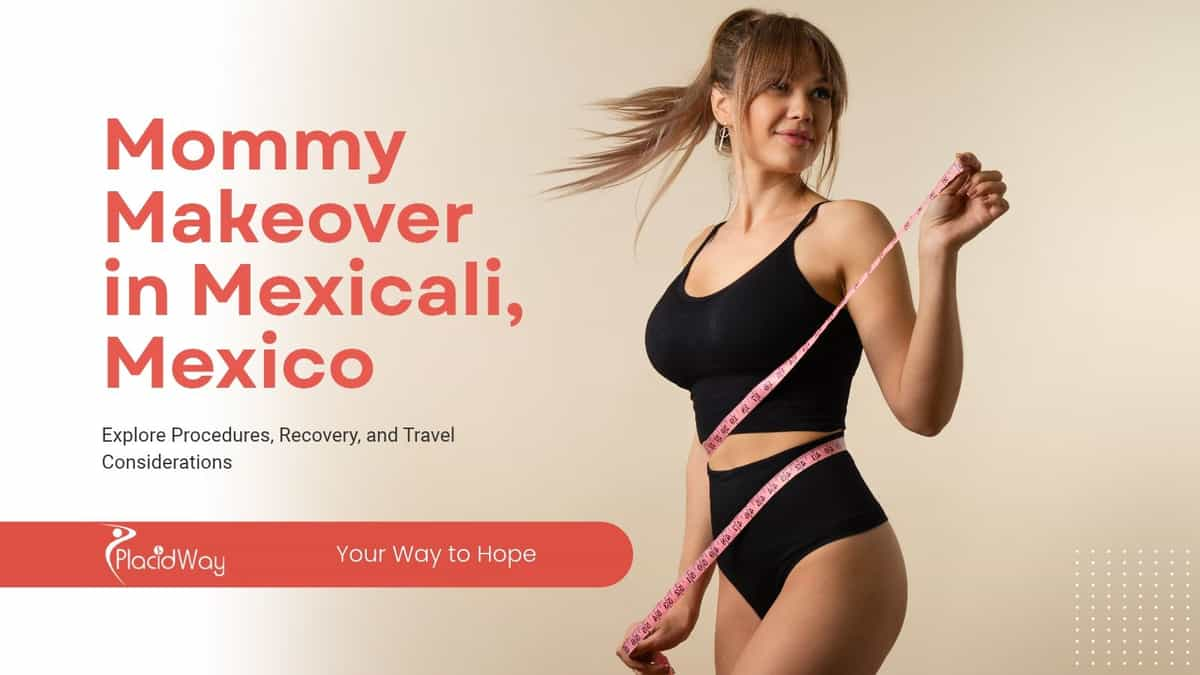
Mommy Makeover in Mexicali, Mexico
Why this border city appeals to some U.S. patients, and what a good plan needs to cover.
The first coffee is for your companion
In Mexicali, morning light falls across low buildings and broad streets while cars move toward the Calexico border crossings. Your companion steps out for coffee and something simple to eat. By later in the day, especially in the hotter months, the dry desert air may make an indoor, air-conditioned room much more inviting than a walk outside. You are not planning a sightseeing day. You are resting, drinking water as your surgical team directs, and working out when your next check-in will happen.
That ordinary scene helps explain Mexicali’s quiet appeal. For some women in the United States, it offers a land-border route and a potentially lower self-pay quote without a flight to a distant resort city. Its appeal is practical rather than glamorous. A mommy makeover is still major surgery, though, and proximity only helps when the surgeon, facility, recovery arrangements, and trip home have been checked carefully.
The first assumption
“People go because the surgery is cheaper.” That is only part of it.
Elective cosmetic surgery is rarely covered by U.S. health insurance. When you are paying out of pocket for a combination of procedures, the difference between a U.S. estimate and a Mexican estimate can be meaningful. The price ranges below are planning estimates, not offers. There is no reliable basis here for claiming that Mexicali is growing faster than another destination or that it has a particular rank among surgery cities.
A reachable route
Mexicali sits opposite Calexico, California. Driving may let you bring a companion, loose clothing, supplies, and luggage without arranging a post-surgery flight. It does not remove the need to be medically cleared for the ride home.
Self-pay pressure
A typical Mexicali combined-surgery package is approximately $7,500–$14,000. A comparable U.S. self-pay baseline is approximately $15,000–$30,000. The actual procedures and included services may differ.
A smaller-city preference
Some patients would rather recover near a land crossing than coordinate flights and a longer stay elsewhere. That is a personal logistical preference, not evidence that care is safer or better in Mexicali.
A “mommy makeover” is not one fixed operation. It commonly combines abdominal surgery, such as a tummy tuck, with a breast lift, augmentation, or reduction, and sometimes liposuction. The right combination depends on your goals, medical history, examination, and your surgeon’s assessment. More procedures can mean a longer operation and a more demanding recovery, so ask why each proposed step belongs in your plan.
A fair comparison
Mexicali is not automatically the easiest Mexican option
Tijuana may make more sense for someone based near San Diego. Cancún has more direct leisure-flight possibilities for some U.S. cities. Guadalajara and Mexico City offer major-city travel connections and a broader urban setting, though getting home generally involves air travel. Mexicali’s strongest travel argument is for a patient who can arrange a manageable drive and stay close to her surgical team during early recovery.
| Destination | Typical range | Travel and quote consideration |
|---|---|---|
| Mexicali | $7,500–$14,000 | Land crossing at Calexico. Tests, garments, medications, hotel, and added procedures may cost extra. |
| Tijuana | $7,000–$14,000 | Convenient for many San Diego-area travelers. Recovery-house and lodging arrangements vary. |
| Cancún | $8,500–$16,000 | Flight and hotel costs matter, as does support between initial follow-up and departure. |
| Guadalajara | $8,000–$15,000 | Accommodation and extra procedures may be separate from the surgery package. |
| Mexico City | $9,000–$17,000 | Hospital level, procedure mix, hotel, and recovery assistance can change the total. |
| United States | $15,000–$30,000 | Self-pay baseline. Location, implants, complexity, and postoperative services can raise the price. |
Ranges are approximate planning figures. Package scope varies substantially. Confirm every price and inclusion directly with providers in an individualized written quote.
Before the deposit
A short drive does not replace a safety check
Start with the individual surgeon, not a package photograph. Ask for their full name, professional license details, plastic surgery training, and certification information. In Mexico, you can ask whether the surgeon is certified by the Consejo Mexicano de Cirugía Plástica, Estética y Reconstructiva, often shortened to CMCPER, and check the current directory yourself. Do not treat “cosmetic surgeon” as proof of plastic surgery board certification. If you are comparing a U.S. surgeon, check American Board of Plastic Surgery certification separately.
Next, establish exactly where surgery takes place. Request the facility’s name and address, its relevant operating authorization, the anesthesia professional’s qualifications, and the plan for emergencies or a hospital transfer. Accreditation can add useful information, but a logo on a website is not verification. Ask the accrediting organization to confirm current status, and ask what the facility can do if you need monitoring beyond the expected stay.
A careful consultation should cover prior C-sections or other abdominal operations, medications and supplements, smoking or nicotine use, weight stability, anemia, clotting history, pregnancy plans, and any conditions that affect wound healing. Your surgeon and your own clinician should guide decisions about testing and whether it is safer to limit or stage procedures. If a provider offers to book several operations without a meaningful medical review, pause and seek another opinion.
Useful test of a quote: Can you identify the surgeon, anesthesia professional, operating facility, expected follow-up visits, and the person who answers an urgent call after hours?
The recovery room matters more than the city brochure
“I can budget for the operation. I need to know who will help me get up, take me to follow-up, and speak to the surgeon if something feels wrong.”This is an illustrative composite patient’s concern, not a testimonial or a report of one person’s treatment.
A comfortable Mexicali recovery plan is deliberately unexciting: a clean, accessible room with reliable air conditioning, a bathroom that is easy to reach, drinking water, meals you can tolerate, and a companion or arranged caregiver who understands the surgeon’s instructions. Ask whether your lodging has stairs and whether help is available overnight. A hotel stay and a staffed recovery stay are not the same service.
After a tummy tuck, breast surgery, and liposuction, you may have restrictions on lifting, reaching, driving, and caring for children. You may also need help with garments, prescribed medicines, and any drains if your surgeon uses them. The exact instructions and length of stay depend on your procedures and health. Arrange childcare and time away from work before you travel, rather than assuming that working from a laptop or picking up a toddler will be manageable within days.
Gentle movement may be part of your care plan, but it is not a substitute for medical follow-up. Ask when the team expects to see you in person, who removes any drains or sutures, and what changes require an immediate call. Before leaving Mexico, get a copy of your operative report, medication list, and contact information for the surgical team. Keep those records available to your U.S. clinician.
The full bill
A $10,500 quote is not a $10,500 trip
This sample is arithmetic, not a provider offer. It shows why two quotes are difficult to compare until you know what each includes. Actual lodging, testing, transportation, and care needs may be higher or lower.
Ask for a line-by-line written quote showing the named procedures, anesthesia, facility fees, implants if relevant, tests, garments, medicines, follow-up visits, lodging, caregiver services, and any charges for an extra night or an unplanned return to the operating room. Ask how complications are billed and whether your U.S. insurance would cover any care after you return. Do not assume it will.
The route home
Being near California does not make the return trip effortless
For a patient driving from Southern California or Arizona, the usual plan may involve reaching Calexico, crossing into Mexicali, and traveling onward to the clinic or lodging. A companion should handle the driving after surgery. Confirm your documents for entering Mexico and returning to the United States, and check current border-crossing information before each travel day. Rules depend on citizenship and how you travel. Build flexibility into the schedule because inspection and traffic times can change.
A drive that felt easy on the way in may feel quite different after abdominal surgery. Sitting for a long time, getting in and out of a car, carrying bags, and waiting at a crossing all deserve discussion with your surgeon. Ask when you may travel, whether the proposed ride is too long, how to manage prescribed medications, and what movement or stops your team recommends. Recent surgery and prolonged immobility can raise concern about blood clots. Your own clinician should assess your risk and give you individual advice, especially if your journey includes a flight.
Mexicali’s desert climate is another practical factor. Hot periods can be intense, and walking outside while recovering may be unpleasant. Plan door-to-door transportation, dependable cooling, and a way to attend appointments without standing outdoors for long stretches. Pleasant recovery here comes from thoughtful indoor arrangements and accessible follow-up, not from expecting vacation weather.
The trade-offs
What the appealing price cannot solve
- Provider choice takes work. Mexicali may offer fewer practical options for a given procedure or credential preference than larger destinations. Do not stretch your standards to make a convenient location work. If you cannot independently verify a surgeon and facility that meet your needs, compare other cities or stay closer to home.
- A lower package price may leave out important support. Lodging, a caregiver, testing, implants, prescriptions, and extra visits are not universally included. A cheap-looking quote can become less attractive once you compare the same procedures and services.
- Complications do not respect a travel schedule. Mommy makeover procedures can involve bleeding, infection, wound-healing problems, anesthesia complications, blood clots, and results that need further assessment. Your surgical team should explain your individual risks, the local response plan, and the cost of additional treatment. No clinic can promise that recovery will follow the planned departure date.
- Follow-up gets harder across a border. Routine wound checks and questions may continue after you are back in the United States. A U.S. clinician may not be able to take over scheduled postoperative care on short notice. Identify someone willing to assess you locally before you leave, while keeping the operating surgeon involved.
- Heat and waiting are real inconveniences. Desert temperatures and an unpredictable border line can make an otherwise short route tiring. An air-conditioned room, flexible checkout, and a companion able to manage the crossing matter more than a tight itinerary.
- Home responsibilities do not pause automatically. Children, work shifts, and household lifting may require more help than the travel days themselves. Budget for support at home as carefully as you budget for the operation.
These are reasons to plan, not reasons to dismiss Mexicali. The sensible comparison is between complete care plans, including what happens when recovery takes longer than expected.
Who Mexicali may suit, and who should keep looking
A reasonable fit
You can arrange a companion, a medically approved land journey, and enough time nearby for postoperative checks. You have found a surgeon whose training you can verify, a facility whose safety arrangements you understand, and a written quote that survives comparison with other options. Childcare and help at home are already in place. The specific surgery plan has been discussed with your own clinician, not chosen from a menu by price alone.
A reason to reconsider
You need to return to lifting a young child or doing physical work almost immediately. You cannot stay longer if your surgeon advises it, do not have a capable travel companion, or have no realistic U.S. follow-up plan. The drive home is long and your clinician is concerned about travel risk. You also may be better served elsewhere if Mexicali’s available providers cannot meet your credential, facility, or communication requirements.
If you are still planning a pregnancy, discuss timing before booking. Pregnancy and weight changes can affect cosmetic results. If you have significant medical conditions or a history of complications, ask your own clinician and a qualified surgeon whether combined elective surgery is appropriate at all. Choosing to wait, stage procedures, or have surgery near home can be a sound decision.
For the first consultation
Get answers you can use after you leave the appointment
Bring the U.S. estimate you are comparing, if you have one. Ask the Mexicali surgeon to describe the proposed breast and abdominal procedures in plain language, including what will not be done. Ask about expected operating time, the anesthesia plan, overnight observation, scars, drains, lifting restrictions, and the follow-up schedule. If implants are proposed, discuss implant-specific risks, future monitoring, and possible additional surgery.
Request the facility details and written emergency plan before paying a deposit. Ask who takes calls outside office hours, where you would go for urgent assessment, and how records would reach a U.S. treating clinician. Agree on a departure decision that depends on an examination and medical clearance, not just the date on your hotel reservation.
Finally, compare the total cost of a safe plan: operation, travel, lodging, companion support, recovery assistance, and a reserve for changed plans. Mexicali can be an appealing choice for the right patient, but the best reason to choose it is a verifiable care plan that also works on the difficult days after surgery.
























Share this listing