
Breast Reduction in Tijuana: The Complete Cost & Safety Guide (2025)

If you are exploring options for breast reduction in Tijuana Mexico, understanding the financial aspect is often the first step. Many women struggle with physical discomfort, such as chronic neck and back pain, caused by disproportionately large breasts. When conservative treatments fail, reduction mammaplasty becomes a consideration. Because healthcare costs in the United States and Canada can be prohibitively high, patients often look across the border for more accessible alternatives.
Navigating cross-border healthcare requires careful research. Beyond simply comparing prices, patients must evaluate surgeon credentials, understand the medical nuances of the procedure, and plan for a safe recovery. This guide explores what you can expect regarding pricing, medical safety, and practical travel considerations.
Key Takeaways
- Estimated procedures cost between $3,500 and $5,500, varying by clinic and surgical complexity.
- Consultations are necessary to determine if you are a medically appropriate candidate.
- Recovery typically requires a 5 to 7-day stay in the area before safely traveling home.
- All surgical procedures carry inherent risks, including infection and changes in sensation.
- Securing local medical support at home is vital for handling potential late complications.
What exactly is included in the breast reduction cost in Tijuana Mexico?
When you receive a price estimate from a clinic, you need to understand what is covered and what might incur additional charges. Comprehensive packages often cover the primary surgical expenses, but patients frequently encounter out-of-pocket costs for pre-operative medical clearances. Blood work, EKGs, and mammograms are usually required before surgery to ensure you are healthy enough for general anesthesia.
Additionally, you should budget for post-operative necessities. Prescription medications for pain management and infection prevention are rarely included in the initial surgical quote. You will also need specialized compression garments or surgical bras to support your healing tissues. Clarifying these details early helps you avoid unexpected financial strain during your recovery period.
Am I a good candidate for this procedure?
Breast reduction is primarily performed to alleviate physical symptoms rather than purely for cosmetic enhancement. Women who suffer from chronic shoulder indentations from bra straps, skin irritation beneath the breast crease, or restricted physical activity often seek this procedure. However, existing medical conditions can significantly affect your eligibility.
Surgeons typically require patients to be at a stable weight, as significant weight fluctuations can alter breast size and impact the surgical results. Smoking is a major contraindication because nicotine restricts blood flow, severely increasing the risk of tissue death and poor wound healing. You will likely be asked to stop smoking several weeks before and after the procedure. A thorough medical history review is the only way a physician can evaluate your individual risks.
How is a breast reduction surgery performed?
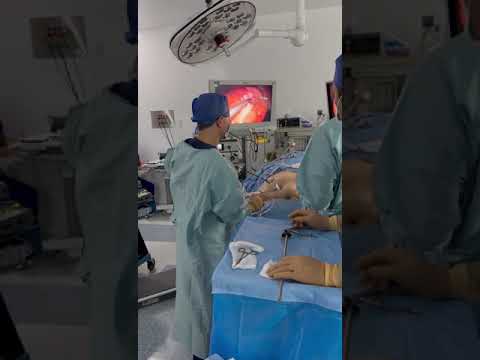
Under general anesthesia, the surgeon makes specific incisions to access the breast tissue. The most traditional method is the inverted-T or anchor pattern, which involves an incision around the areola, vertically down to the breast crease, and horizontally along the crease. This allows for maximum tissue removal and reshaping, which is often required for significant reductions.
Alternatively, some patients may qualify for a vertical or lollipop incision, which eliminates the horizontal cut along the breast crease. During the surgery, the nipple and areola are typically repositioned to a higher, more natural placement. Once the excess tissue is removed and the remaining breast is reshaped, the incisions are closed with sutures. The exact surgical approach depends heavily on your unique anatomy and the extent of reduction required.
What are the common risks and complications of breast reduction?
Patient safety must be the primary focus when considering any surgical intervention. While breast reduction often yields high patient satisfaction, it is not without risks. Immediate post-operative complications can include hematoma (blood pooling under the skin) or adverse reactions to anesthesia. Careful monitoring in a clinical setting is required to manage these initial risks.
Long-term considerations include breast asymmetry and noticeable scarring, which can be unpredictable despite a surgeon's best efforts. Changes in sensation are also common; some patients experience temporary numbness, while others may face permanent loss of feeling in the nipples or areolae. Wound healing issues, such as minor skin separation at the incision intersections, may require prolonged dressing care. Understanding these possibilities is crucial for informed consent.
How long does it take to recover from breast reduction surgery?
The initial recovery phase involves managing swelling, bruising, and discomfort. You may wake up with small drainage tubes placed under the skin to remove excess blood and fluid; these are typically removed within the first few days. Wearing a dedicated surgical support bra is mandatory around the clock to minimize swelling and support the newly shaped tissues.
During the first two weeks, physical activity is strictly limited to light walking to promote circulation. Bending, lifting heavy objects, and raising your arms above your head can strain the healing incisions and must be avoided. While you may feel physically capable of doing more as your energy returns, adhering to your surgeon's specific timeline is necessary to prevent wound separation and optimize scar healing.
Will a breast reduction affect future breastfeeding?
- Nipple repositioning: Techniques that leave the nipple attached to its original blood and nerve supply often preserve better ductal continuity.
- Tissue removal: Removing significant amounts of glandular tissue naturally reduces the volume of potential milk-producing glands.
- Duct damage: Even with careful surgical planning, milk ducts can be severed, making it difficult or impossible for milk to reach the nipple.
- Nerve damage: Reduced sensation can interfere with the biological let-down reflex necessary for nursing.
- Unpredictability: There is no reliable way to predict definitively whether a specific patient will be able to breastfeed successfully after recovery.
How do I choose a safe breast reduction clinic in Tijuana Mexico?
Safety should never be compromised for cost savings. When researching clinics, verify that the primary surgeon is certified by recognized medical boards, such as the Mexican Council of Plastic, Esthetic and Reconstructive Surgery (CMCPER). This certification indicates that the physician has completed rigorous specialized training comparable to standards found in the United States or Canada.
The facility itself also matters. Inquire whether the clinic operates within a full-service hospital or a certified outpatient surgical center equipped to handle medical emergencies. Ask about their protocols for infection control, anesthesia administration, and overnight patient monitoring. Reputable clinics are transparent about their credentials and encourage patients to ask detailed medical questions.
Do I need to stay in Tijuana for recovery before traveling home?
Post-operative travel requires careful planning. Sitting in a car or an airplane for extended periods shortly after major surgery increases the risk of Deep Vein Thrombosis (DVT), a potentially serious condition where blood clots form in the legs. Staying locally allows you to rest properly during the most acute phase of recovery.
Furthermore, remaining close to your surgical team facilitates essential follow-up care. Within the first week, your surgeon will likely need to evaluate your incision sites, assess your healing progress, and remove any surgical drains. Attempting to travel before you are medically cleared can compromise your results and your overall safety.
What should I do if I experience complications after returning home?
Continuity of care is a primary challenge in medical tourism. While your surgeon in Tijuana may offer virtual consultations to monitor your progress, they cannot physically intervene if you develop an infection, experience sudden bleeding, or face severe wound separation. It is highly advisable to discuss your surgical plans with your primary care physician before traveling.
If you experience symptoms such as a high fever, spreading redness, sudden chest pain, or shortness of breath after returning home, you must seek immediate attention at a local emergency department. Having copies of your surgical records, operative notes, and a list of administered medications translated into English helps local doctors provide accurate emergency care.
Why is medical tourism in Mexico popular for plastic surgery?
The proximity of border cities makes them a practical option for North American patients seeking medical care. Lower overhead costs, differences in medical liability structures, and overall economic factors allow clinics to offer procedures at a fraction of standard US prices. For many patients, this makes treatments that are often denied by insurance—such as breast reductions deemed not medically necessary—financially viable.
Additionally, many facilities catering to international patients have invested heavily in modern medical technology and bilingual staff to facilitate clear communication. However, the popularity of the destination does not negate the need for individual due diligence. Every patient must prioritize verifiable medical credentials over aggressive marketing or exceptionally low price quotes.
Why Choose PlacidWay for Medical Tourism Information?
Researching medical options abroad requires access to factual, organized information. PlacidWay provides a platform to help patients explore international healthcare possibilities.
- Broad Clinic Network: PlacidWay offers access to a wide directory of international medical centers and specialized clinics.
- Information Transparency: The platform provides detailed profiles regarding clinic facilities, available procedures, and listed medical credentials.
- Multilingual Resources: Patients can access support and information in multiple languages to overcome communication barriers.
- Comparison Tools: Users can request and compare multiple estimates to better understand regional healthcare pricing.
- Established Platform: With years of experience in the medical tourism sector, PlacidWay connects patients with healthcare information globally.
Frequently Asked Questions
How much does a consultation for breast reduction usually cost?
Consultation fees in Tijuana typically range from $50 to $100. Some clinics may apply this fee toward your total surgical cost if you decide to proceed with the procedure.
Is anesthesia included in the typical Tijuana price quotes?
Most comprehensive price quotes include general anesthesia, but you should always ask for an itemized breakdown to confirm there are no separate billing surprises from the anesthesiologist.
Can I combine breast reduction with a breast lift?
A breast reduction inherently includes lifting techniques to reshape the breast. However, if significant skin removal is required, your surgeon will discuss how this impacts the surgical plan and overall cost.
How much weight is typically removed during breast reduction?
The amount varies greatly depending on the patient, ranging from a few hundred grams to over a kilogram per breast. Your surgeon will base this on your anatomy and symptom relief needs.
Are there hidden fees I should watch out for?
Potential extra costs can include pre-operative blood tests, prescription medications for recovery, special surgical garments, and local transportation. Always request a transparent, all-inclusive estimate.
Will my insurance cover surgery in Tijuana?
Most US and Canadian health insurance plans do not cover cross-border elective or medical tourism procedures, even if the reduction is deemed medically necessary at home.
What kind of scarring should I expect?
Scarring is unavoidable and typically follows an anchor or lollipop pattern. Scars usually fade over a year but are permanent. Proper incision care helps optimize healing.
How soon can I exercise after the procedure?
Light walking is encouraged immediately to prevent blood clots, but strenuous exercise, heavy lifting, and high-impact activities must typically be avoided for four to six weeks.
Is it safe to cross the border after surgery?
Crossing the border by car is common, but patients are generally advised to wait several days before undertaking long travel to ensure stability and reduce the risk of deep vein thrombosis.
Do Tijuana clinics offer post-op follow-up care?
Yes, reputable clinics require you to attend follow-up appointments before you travel home. They also often provide telehealth check-ins, though you must arrange a local doctor for in-person care back home.
Compare Treatment Options
Gather more information and explore available clinics for your potential procedure.
Request Treatment InformationReferences
- Breast Reduction Overview – American Society of Plastic Surgeons (ASPS)
- Breast Reduction Surgery: Risks and Results – Mayo Clinic
- Medical Tourism Travel Information – Centers for Disease Control and Prevention (CDC)
- Breast Reduction Procedure Details – International Society of Aesthetic Plastic Surgery (ISAPS)
- Certifications and Patient Safety – Mexican Council of Plastic, Esthetic and Reconstructive Surgery (CMCPER)
- Surgical Risks and Breast Tissue Complications – U.S. Food and Drug Administration (FDA)























Share this listing