
Popular Cosmetic Surgeons in Guadalajara

Many patients looking into cosmetic enhancements consider traveling abroad for treatment. Researching plastic surgery in Guadalajara has become increasingly common due to the availability of specialized care and modern medical infrastructure. However, choosing a surgeon based solely on popularity or online rankings can be misleading. Because the quality of surgical outcomes and patient safety depend entirely on the provider's medical training, patients must evaluate surgeons objectively rather than relying on subjective lists.
This guide offers a structured approach to identifying qualified medical professionals. It explains how to verify critical credentials, understand what standards an accredited plastic surgery clinic in Guadalajara should meet, and navigate the practical aspects of seeking medical treatment in Mexico.
Key Takeaways
- Rankings for medical providers are subjective; focus instead on verifiable board certification.
- Always confirm a surgeon is certified by the CMCPER (Consejo Mexicano de Cirugía Plástica, Estética y Reconstructiva).
- Ensure the clinic or hospital operates under current Cofepris licensing.
- Do not fly immediately after surgery; allow adequate time for local recovery to reduce the risk of blood clots.
- Consult your local physician before traveling to discuss post-operative care needs.
How do I verify a plastic surgeon's credentials in Guadalajara?
In Mexico, the title of plastic surgeon is strictly regulated. To become board-certified, a physician must complete a multi-year residency in general surgery, followed by a specialized residency in reconstructive and aesthetic plastic surgery. After completing this rigorous training, they must pass examinations administered by the CMCPER.
It is crucial to differentiate between a board-certified plastic surgeon and someone who markets themselves as a "cosmetic surgeon." The latter title may be used by general practitioners or physicians from other specialties who have taken short courses rather than completing a formalized surgical residency. Furthermore, many qualified surgeons are also members of the AMCPER (Mexican Association of Plastic, Aesthetic and Reconstructive Surgery) and international bodies like the International Society of Aesthetic Plastic Surgery (ISAPS).
What are the most common procedures patients seek in Guadalajara?
Guadalajara is the second-largest city in Mexico and serves as a major medical hub. Specialists here routinely perform a wide range of aesthetic and reconstructive surgeries. Because many clinics handle high volumes of these procedures, surgeons often develop significant experience in complex contouring and facial operations.
However, the suitability of any procedure depends strictly on individual health factors. Patients with high body mass indices (BMI), active medical conditions, or a history of smoking may not be candidates for elective surgery. A thorough medical evaluation, including blood work and cardiovascular assessment, is required before any procedure can be safely approved.
How does the cost of surgery in Mexico compare to other regions?
This price difference is primarily due to the lower cost of living in Mexico, reduced administrative overhead, and different medical liability insurance structures, rather than a lower standard of care. For example, a procedure that might cost $10,000 in the US may be estimated between $4,000 and $6,000 in Mexico.
While costs are often lower, prospective patients must account for travel expenses. You need to budget for flights, extended accommodation for the recovery period, local transportation, and potential medical complications. Making a decision based solely on finding the lowest price can compromise your safety. It is advisable to obtain comprehensive quotes that outline surgeon fees, anesthesia, operating room costs, and post-operative garments.
What safety standards should a clinic in Guadalajara meet?
Cofepris is Mexico's federal commission for protection against sanitary risks, functioning similarly to the FDA in the United States. Any medical facility performing surgical procedures must be regularly inspected and licensed by this agency to ensure they maintain proper sterilization protocols, have appropriate emergency equipment, and adhere to structural safety standards.
Furthermore, complex surgeries requiring general anesthesia should ideally take place in a fully equipped hospital or an accredited surgical center rather than a small office suite. Before booking, patients should verify where the surgery will be performed, ask if an intensive care unit (ICU) is on-site or nearby in case of emergencies, and confirm that a board-certified anesthesiologist will be present throughout the operation.
Are consultations with Guadalajara plastic surgeons available online?
During an online consultation, you will typically be asked to provide clear, well-lit photographs of the areas you wish to treat, along with a comprehensive medical history. The surgeon uses this information to determine if you are a preliminary candidate and to formulate a tentative surgical plan.
However, it is vital to understand that a virtual consultation cannot replace a physical examination. The final surgical plan and clearance for surgery will only occur after an in-person assessment and lab testing upon your arrival in Mexico. Patients should arrive prepared for the possibility that the surgeon may alter the plan or refuse to operate if in-person exams reveal previously unknown health risks.
How does medical tourism in Guadalajara work for aesthetic procedures?
Because medical tourism in Guadalajara is well-established, the city's healthcare infrastructure is highly accommodating to international visitors. The international airport connects to many major North American hubs, making travel straightforward. Many prominent clinics employ patient coordinators who guide visitors through the pre-travel planning phase.
Patients often stay in specialized recovery houses or hotels accustomed to hosting post-operative guests. These facilities typically offer nursing assistance, proper meals conducive to healing, and accessible transport to follow-up appointments. Despite this support, patients must take primary responsibility for their own safety by carefully researching every aspect of their trip.
What should I expect during recovery in Guadalajara?
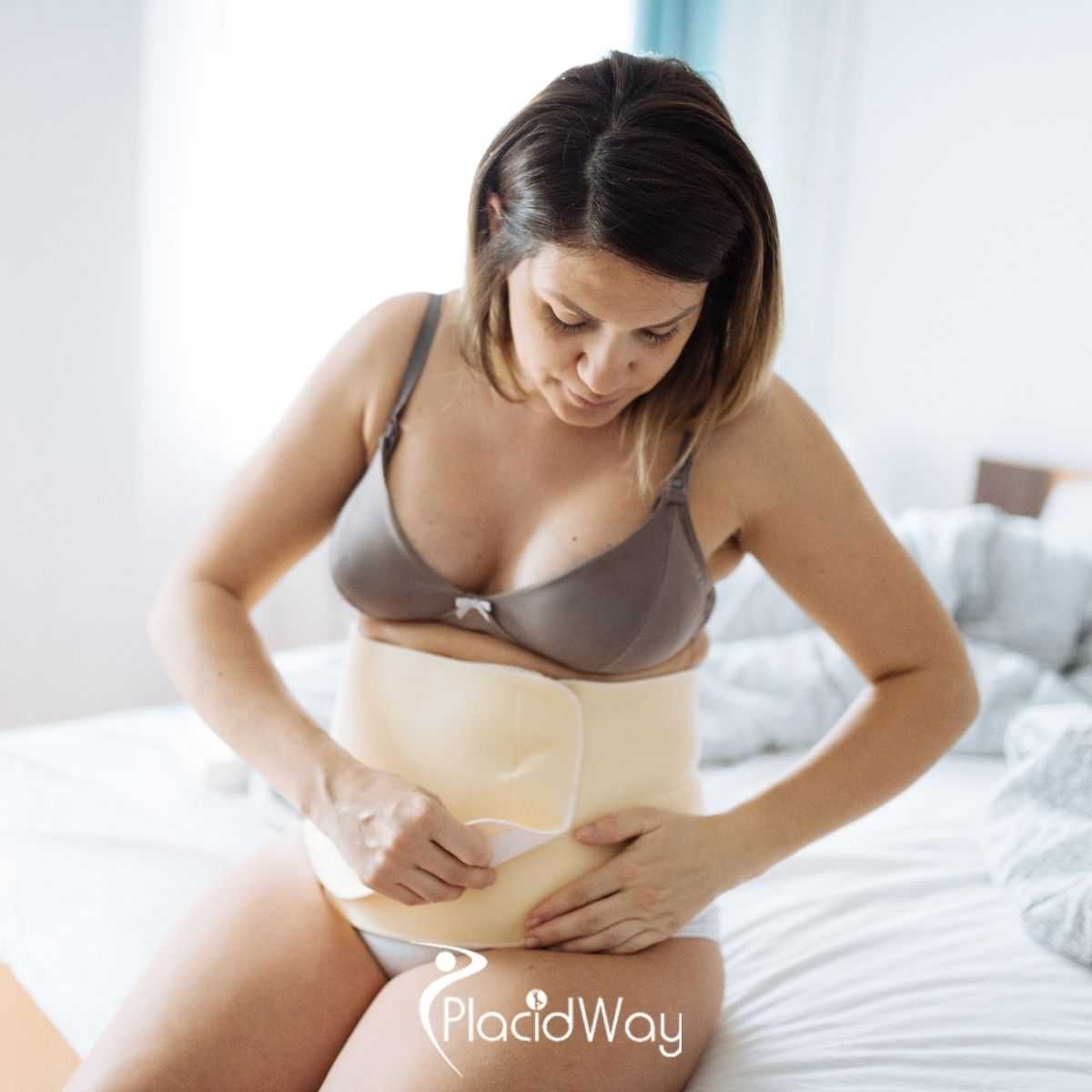
The initial days following aesthetic surgery are often characterized by swelling, bruising, and discomfort. Your surgeon will prescribe appropriate pain management and antibiotic medications to mitigate the risk of infection. You will need to wear specific compression garments if you undergo body contouring procedures.
During this period, rest is mandatory. While Guadalajara is known for its rich culture and architecture, medical tourists must avoid tourist activities, prolonged walking, sun exposure, and strenuous movement. Adhering strictly to your surgeon's recovery protocol is essential for achieving optimal results and preventing complications like seromas (fluid buildup) or wound separation.
What risks are associated with traveling for plastic surgery?
All surgical procedures carry inherent medical risks, regardless of the country where they are performed. These can include excessive bleeding, asymmetry, unfavorable scarring, and the need for revision surgeries. Patients must carefully weigh these medical risks against the anticipated aesthetic benefits.
Travel introduces an additional physiological stressor. Sitting in a cramped airplane cabin for several hours increases the likelihood of blood clots forming in the legs. If a clot breaks loose and travels to the lungs, it becomes a life-threatening pulmonary embolism. Because surgery itself increases clotting risk, combining surgery with air travel requires strict adherence to specific post-operative waiting periods.
How long should I stay in Mexico after my procedure?
Minor procedures, such as eyelid surgery or small-volume liposuction, may only require a 5 to 7-day stay. However, major surgeries involving large incisions and significant tissue manipulation, such as abdominoplasty or complex facial reconstruction, typically require 10 to 14 days—or longer—before air travel is considered safe.
Your surgeon will monitor your incisions, remove drains or sutures, and assess your mobility during this time. You must never rush your return flight to accommodate a work schedule. Only board a plane after your operating surgeon has officially cleared you for air travel.
What happens if I need follow-up care after returning home?
While immediate complications are usually managed by your surgeon in Mexico, issues such as delayed infections, fluid accumulation, or unusual scar tissue development can occur weeks or months later. It can be difficult to manage these conditions effectively through virtual consultations alone.
Many local physicians may be hesitant to take on the liability of treating complications from an international surgery. Therefore, it is strongly advised to discuss your medical travel plans with a doctor at home prior to your departure. Ensure you bring back all medical records, operative reports, and details of implants used, translated into English if necessary, to facilitate smooth continuity of care.
Why Choose PlacidWay for Medical Tourism in Mexico?
Researching medical options abroad can be overwhelming. PlacidWay provides an informational portal that helps patients explore international healthcare options with structure. Here are five factual ways PlacidWay assists users:
- Provider Information: PlacidWay directories display the professional credentials, board certifications, and professional memberships of affiliated clinics.
- Procedure Details: The platform offers educational resources regarding various surgical and non-surgical procedures to help patients prepare.
- Cost Estimates: Users can view estimated price ranges for different treatments, allowing for realistic financial planning.
- Direct Communication: Patients can use the platform to submit inquiries directly to international healthcare providers.
- Global Network: PlacidWay aggregates information on numerous medical facilities across Latin America, Asia, and Europe, allowing users to compare different regional options.
Frequently Asked Questions
Is Guadalajara safe for medical tourists?
Like any major city, Guadalajara has safe areas and regions that require caution. Medical tourists typically stay in established clinical and commercial districts that cater to international visitors. Patients should maintain standard travel safety practices and rely on secure transportation provided by their clinic or official services.
Do plastic surgeons in Guadalajara speak English?
Many board-certified plastic surgeons who work with international patients are bilingual and fluent in English. High-quality clinics often have English-speaking medical staff and patient coordinators to ensure clear communication regarding procedures, risks, and post-operative care.
What is the CMCPER in Mexico?
The CMCPER (Consejo Mexicano de Cirugía Plástica, Estética y Reconstructiva) is the official regulatory board for plastic surgery in Mexico. Certification by this body indicates that a surgeon has completed the necessary specialist training and passed rigorous standardized examinations.
Can I combine multiple plastic surgeries in one trip?
While combining procedures is sometimes possible, it increases the time under anesthesia and the complexity of recovery. Only a qualified surgeon can determine if combining surgeries is medically safe based on your specific health profile, body mass index, and the extent of the procedures.
What happens if there is a complication after surgery?
Complications can occur with any surgery. If you are still in Mexico, your surgeon will manage the complication. If you have returned home, you must seek immediate care from a local medical professional or emergency room, which underscores the importance of having a local doctor aware of your medical travel plans.
How do I pay for plastic surgery in Guadalajara?
Payment methods vary by clinic but typically include major credit cards, bank wire transfers, and sometimes cash. Patients should confirm accepted payment methods during the consultation phase and ask about deposit requirements and cancellation policies.
Are Mexican plastic surgery facilities accredited?
Many reputable facilities hold national accreditation from the Consejo de Salubridad General (CSG), which is the Mexican equivalent of the Joint Commission. Clinics must also be licensed by Cofepris, the federal health regulatory agency in Mexico.
What is the difference between a cosmetic surgeon and a plastic surgeon in Mexico?
In Mexico, a board-certified plastic surgeon (Cirujano Plástico) has completed extensive residency training in reconstructive and aesthetic surgery. A provider using the title cosmetic surgeon (Cirujano Estético) may not have completed this formalized, legally recognized surgical residency pathway.
Will my home insurance cover complications from surgery abroad?
Standard health insurance policies typically do not cover elective cosmetic surgery or complications arising from procedures performed outside the country. Patients should review their coverage carefully and may consider purchasing specialized medical tourism complication insurance.
How far in advance should I book my procedure?
Patients often begin researching and consulting with surgeons three to six months in advance. Booking several months ahead allows ample time for medical clearance, blood tests, travel arrangements, and securing adequate time off from work for a safe recovery.
Explore Your Healthcare Options
Research clinics, verify credentials, and gather the information you need to make an informed medical decision.
Request Treatment InformationReferences
- Medical Tourism: Travel Health - Centers for Disease Control and Prevention (CDC)
- Patient Safety Resources - American Society of Plastic Surgeons (ASPS)
- Official Directory and Certification Verification - Consejo Mexicano de Cirugía Plástica, Estética y Reconstructiva (CMCPER)
- Patient Guidelines and Surgeon Registry - Asociación Mexicana de Cirugía Plástica, Estética y Reconstructiva (AMCPER)
- Patient Safety Guidelines for Medical Tourism - International Society of Aesthetic Plastic Surgery (ISAPS)
- Federal Commission for the Protection against Sanitary Risk - Cofepris Mexico























Share this listing