
What Defines the “Best” Doctor for Laser Lipolysis in Mexico

If you are exploring your options for body contouring, you might be researching who is the best doctor for laser lipolysis in Mexico. Because the success of cosmetic procedures relies heavily on the individual skill and training of the provider, naming a single "best" doctor is impossible. Instead, patients looking into medical tourism in Mexico should focus on understanding how to identify highly qualified, board-certified professionals.
This guide will walk you through the essential steps to evaluate surgeons, understand the procedure, review typical costs, and make informed decisions about pursuing body contouring abroad.
Key Takeaways
- The "best" surgeon is one who is board-certified, experienced specifically in laser lipolysis, and transparent about potential risks.
- Verify credentials through organizations such as the Mexican Association of Plastic, Aesthetic and Reconstructive Surgery (AMCPER).
- Laser lipolysis is designed for localized fat reduction, not for overall weight loss.
- Thoroughly plan for your recovery, including an extended stay in the destination country and organizing local follow-up care at home.
- Consultations are essential for determining your individual candidacy and discussing realistic expectations.
What qualifications should I look for in a laser lipolysis surgeon in Mexico?
Finding a qualified professional goes far beyond reading online reviews. You should verify that any prospective surgeon is properly licensed to practice medicine in Mexico and has completed specialized training in plastic and reconstructive surgery. The Mexican Association of Plastic, Aesthetic and Reconstructive Surgery (AMCPER) is the recognized national body; membership or certification by this organization is a strong indicator of formal training.
Additionally, ask about their specific experience with laser devices. Operating medical lasers requires distinct technical skills to ensure the targeted tissue is treated safely without damaging surrounding areas. A highly qualified surgeon will gladly discuss their background, show you before-and-after photos of previous cases, and explain the safety protocols they follow.
How does laser lipolysis differ from traditional liposuction?
Traditional liposuction relies on the physical movement of a cannula (a thin hollow tube) to break up and remove fat. In contrast, laser lipolysis—often known by brand names like SmartLipo—introduces a tiny laser fiber through the cannula. The laser emits heat that melts the fat, which is then gently suctioned away or, in very small areas, left to be naturally metabolized by the body.
The heat generated by the laser may also encourage mild collagen production in the treated area, potentially offering a slight skin-tightening effect. However, this varies widely among patients. Your surgeon can help determine which technique aligns better with your anatomy and aesthetic goals.
Am I a suitable candidate for laser lipolysis in Mexico?
Laser lipolysis is not a solution for obesity or a substitute for a healthy lifestyle. Doctors usually look for patients who have maintained a stable weight for several months and possess relatively good skin elasticity. If your skin has significant laxity or stretch marks, the slight tightening effect of the laser may not be enough, and a surgical excision procedure (like a tummy tuck) might be more appropriate.
During the evaluation, a doctor will also review your medical history. Conditions such as uncontrolled diabetes, cardiovascular issues, or bleeding disorders can increase surgical risks and may disqualify you from the procedure. Honesty about your medical background and any medications you take is critical for your safety.
What areas of the body can be treated with laser lipolysis?
Because the cannula used in laser lipolysis is often smaller than those used in traditional liposuction, it can be particularly effective for treating delicate or highly contoured areas. For instance, addressing a double chin or contouring the jawline is frequently performed using laser assistance.
Other popular treatment sites include:
- Inner and outer thighs
- Hips and "love handles"
- Upper and lower abdomen
- Bra bulge and back fat
- Knees and ankles (in select cases)
What should I expect during a laser lipolysis consultation?
When selecting a laser lipolysis clinic in Mexico, pay close attention to how the consultation is handled. The provider should evaluate the fat distribution and skin elasticity in your areas of concern. They should clearly explain what laser lipolysis can and cannot achieve.
This is also your opportunity to ask detailed questions. Consider asking how many procedures they perform monthly, what their protocol is for managing emergencies, and what post-operative care they provide. A trustworthy professional will welcome these questions and answer them transparently.
How much does laser lipolysis typically cost in Mexico?
Many patients consider traveling abroad because healthcare costs can be more competitive. However, estimating exact prices online is difficult because every patient's body and treatment plan is different. Factors that influence the final cost include the surgeon's expertise, the facility's fees, anesthesia costs, and the geographic location of the clinic.
When reviewing price quotes, always ask for an itemized breakdown. You need to know if the quoted price includes the surgeon’s fee, operating room costs, anesthesia, pre-operative testing, post-operative garments, and follow-up visits. Never select a provider based on price alone; safety and proper medical credentials must always take priority.
| Cost Factor | Why It Varies |
|---|---|
| Number of Areas | Treating multiple areas (e.g., abdomen and thighs) takes more time and resources. |
| Surgeon's Experience | Highly sought-after, board-certified surgeons often charge more for their expertise. |
| Facility Type | Accredited surgical centers or full-service hospitals usually have higher overhead costs. |
| Anesthesia | Costs differ depending on whether local anesthesia with sedation or general anesthesia is used. |
What are the potential risks and complications of laser lipolysis?
While often marketed as less invasive than some traditional surgeries, laser lipolysis is still a medical procedure that disrupts tissues. The use of lasers introduces the specific risk of thermal injury or burns to the skin or deeper tissues if the equipment is not handled correctly. Other general surgical risks include adverse reactions to anesthesia, fluid accumulation (seromas), and delayed healing.
Aesthetic risks are also possible. Some patients may experience asymmetry, lumpiness, or loose skin if their skin lacks adequate elasticity. Discussing these risks comprehensively with your chosen provider helps you weigh the potential benefits against the possible downsides before making a decision.
What does the recovery process involve after returning home?
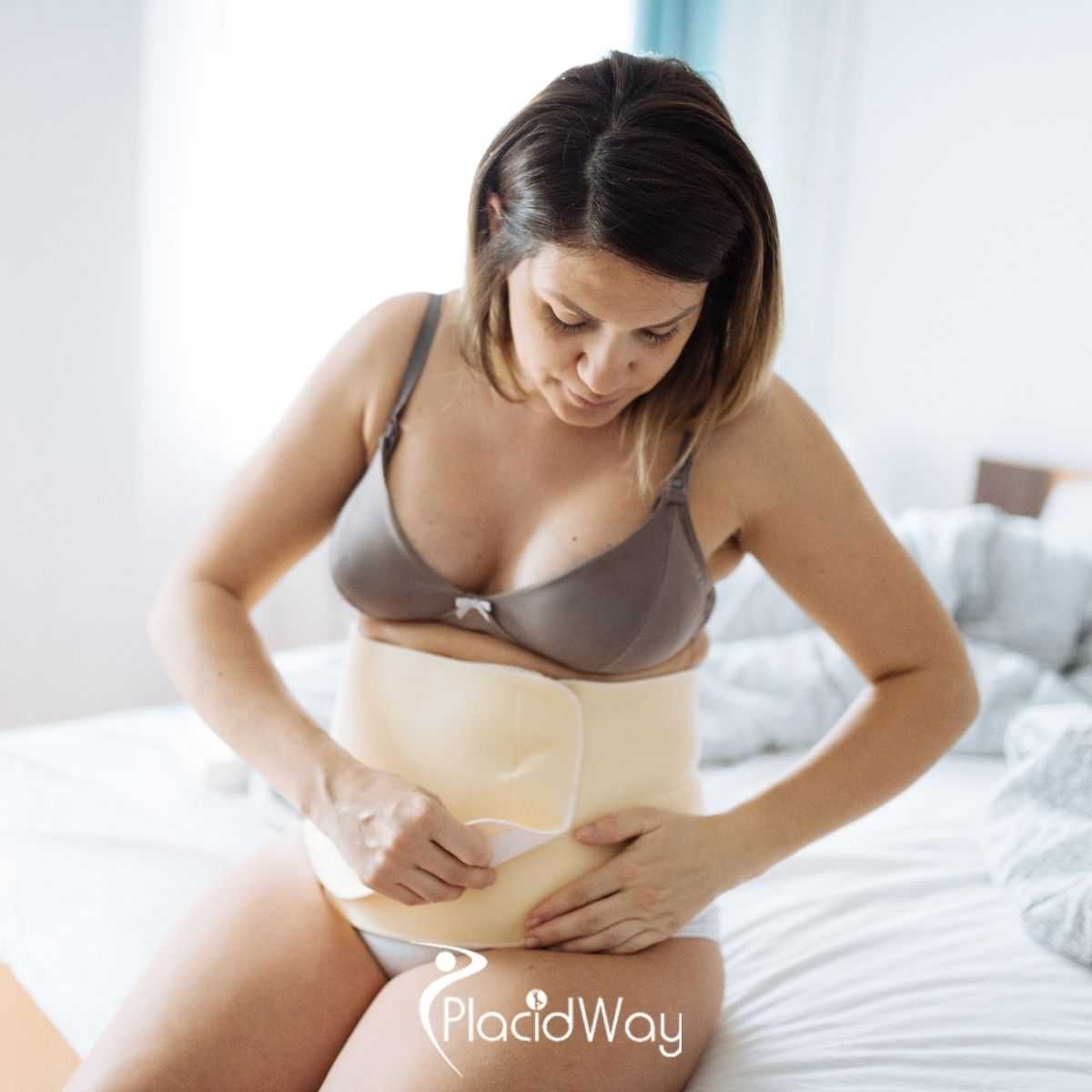
Immediately after the procedure, you will likely experience swelling, bruising, and mild to moderate discomfort. Most doctors require patients to wear a specialized compression garment for several weeks to help the skin conform to its new contours and to reduce fluid buildup. You will receive specific instructions on wound care, bathing, and mobility.
When participating in medical tourism in Mexico, a crucial part of recovery planning happens before you travel. You must arrange for a local healthcare provider in your home country who is willing to monitor your long-term healing or assist if any delayed complications arise. Never assume you can simply fly home immediately; expect to stay near your clinic for several days for initial follow-up visits.
How can I verify a Mexican plastic surgeon's credentials?
Thorough verification requires a bit of research. Start by asking the surgeon for their professional registration number (Cédula Profesional) in Mexico. You can then look for their inclusion in professional registries. Board certification through CMCPER indicates that the surgeon has completed required specialty training and passed necessary examinations.
Membership in international organizations, such as the International Society of Aesthetic Plastic Surgery (ISAPS) or the American Society of Plastic Surgeons (ASPS) International branch, can also provide an additional layer of reassurance, as these groups have strict admission criteria regarding training and ethical standards.
Why Choose PlacidWay for Medical Tourism in Mexico?
Navigating international healthcare options can be complex. PlacidWay serves as a resource for patients exploring medical treatments abroad. Consider these facts about the platform:
- PlacidWay provides digital directories that list international medical providers and facilities.
- The platform offers extensive educational resources regarding various global medical tourism destinations.
- Patients can use the site to view and compare different international clinics side-by-side.
- The website supplies informational content detailing a wide variety of medical and cosmetic procedures.
- PlacidWay facilitates communication by helping connect individuals with healthcare facilities worldwide for initial inquiries.
Frequently Asked Questions
Is laser lipolysis performed under general anesthesia?
Laser lipolysis is often performed using local anesthesia with sedation, depending on the size and number of areas being treated. General anesthesia may be used for more extensive procedures or if combined with other surgeries.
How long do the results of laser lipolysis last?
The fat cells removed during the procedure are permanently destroyed. However, remaining fat cells can still expand if you gain weight, which can alter your results. Maintaining a stable weight through diet and exercise is crucial.
Can laser lipolysis tighten loose skin?
The thermal energy from the laser may promote mild to moderate collagen production, which can sometimes lead to slight skin tightening. However, it is not a treatment for significant skin laxity, and a surgical lift may be required for severe sagging.
When can I fly home after having laser lipolysis in Mexico?
Most surgeons recommend staying in the country for 5 to 10 days after the procedure. This allows time for initial recovery and a follow-up appointment to ensure you are medically cleared for air travel.
Will laser lipolysis help me lose weight?
No. Laser lipolysis is a body contouring procedure designed to remove localized pockets of fat that resist diet and exercise. It is not a weight-loss method or a treatment for obesity.
Are the lasers used in Mexico the same as in the US or Canada?
Many reputable facilities in Mexico use internationally recognized, medical-grade laser technology that meets high safety standards. During your consultation, you can ask the provider about the specific equipment they use.
What happens if I experience complications after returning home?
Before traveling, you should establish a plan for post-operative care in your home country. If complications arise after returning, you will need to seek evaluation from a local healthcare provider or emergency medical service.
How many areas can be treated in one session?
The number of areas treated depends on your overall health, the volume of fat being removed, and safety limits regarding anesthesia and surgical time. Your surgeon will determine a safe treatment plan during your consultation.
Will there be visible scarring after laser lipolysis?
The incisions made for the cannula are typically very small (a few millimeters). While they do leave scars, they are generally minimal and strategically placed by the surgeon to be as inconspicuous as possible.
Do I need to wear a compression garment after the procedure?
Yes, wearing a compression garment is typically required for several weeks following the procedure. It helps minimize swelling, supports the newly contoured areas, and aids in the skin's retraction process.
Compare Treatment Options
Gather the information you need to make an informed decision about your medical care. Request details from international providers today.
Request Treatment InformationReferences
- Liposuction Overview and Safety – American Society of Plastic Surgeons (ASPS)
- Liposuction Procedure Information – International Society of Aesthetic Plastic Surgery (ISAPS)
- Laser Lipolysis: An Update – National Center for Biotechnology Information (NCBI) / PubMed
- Medical Tourism Safety Guidelines – Centers for Disease Control and Prevention (CDC)
- Asociación Mexicana de Cirugía Plástica, Estética y Reconstructiva (AMCPER)
- Information on Liposuction Devices – U.S. Food and Drug Administration (FDA)

























Share this listing