
Understanding Liposculpture Safety in Mexico

Many patients looking to refine their body contours consider traveling abroad for treatment. If you are exploring liposculpture in Mexico, your primary concern is likely safety. While Mexico boasts many highly trained medical professionals and modern facilities, navigating healthcare in another country requires diligent research and careful planning.
Understanding the safety standards, potential risks, and the credentials required for a successful procedure can help you make an informed decision. Medical tourism involves unique considerations—from finding a reputable liposculpture clinic in Mexico to managing your recovery before flying home. This guide will walk you through what you need to know to prioritize your health and safety throughout the process.
Key Takeaways
- Safety heavily depends on choosing a surgeon certified by the Mexican Council of Plastic, Aesthetic and Reconstructive Surgery (CMCPER).
- Like any surgery, liposculpture carries risks such as infection, fluid shifts, and contour irregularities.
- Liposculpture is for body contouring and reshaping, not for significant weight loss.
- Patients must plan for an adequate recovery period in Mexico before attempting to fly home.
- Post-operative care and arranging a local physician for follow-up in your home country are critical safety steps.
What safety standards apply to a liposculpture clinic in Mexico?
When evaluating a liposculpture clinic in Mexico, understanding the regulatory landscape is crucial. In Mexico, the Federal Commission for the Protection against Sanitary Risk (COFEPRIS) oversees healthcare facilities. A clinic must hold a current COFEPRIS license to operate legally. This agency regulates sanitation, equipment standards, and the proper handling of medical supplies.
Furthermore, many top-tier clinics voluntarily seek out additional accreditations to demonstrate their commitment to patient safety. You might find clinics accredited by the Joint Commission International (JCI) or the General Health Council (CSG) in Mexico. These accreditations mean the facility undergoes rigorous, independent audits regarding emergency protocols, infection control, and overall patient care.
However, standards can vary significantly between facilities. It is vital to look beyond marketing materials. Patients should request evidence of clinic licensing, inquire about the presence of an intensive care unit (ICU) or emergency transfer protocols, and verify that the anesthesiologist is also board-certified.
How can I verify a Mexican plastic surgeon's credentials?
The single most important factor in your safety and surgical outcome is the qualification of your surgeon. In Mexico, the equivalent of the American Board of Plastic Surgery is the CMCPER (Consejo Mexicano de Cirugía Plástica, Estética y Reconstructiva). A surgeon certified by this board has completed extensive medical training, specialized surgical residencies, and passed rigorous examinations.
To verify a surgeon:
- Ask for their full name and their CMCPER certification number.
- Visit the official CMCPER website and use their public directory to confirm the surgeon is currently in good standing.
- Ask for their Cédula Profesional (medical license number) and verify it through the Mexican government's professional registry database.
- Look for international affiliations, such as memberships in the International Society of Aesthetic Plastic Surgery (ISAPS) or the American Society of Plastic Surgeons (ASPS), which require strict adherence to ethical and safety guidelines.
What are the common risks and complications of liposculpture?
Even in the hands of a highly skilled, board-certified surgeon in a top-rated facility, liposculpture is a major surgical procedure. Understanding the risks allows you to recognize warning signs early and seek appropriate medical care.
Aesthetic risks typically involve contour irregularities. The skin may appear bumpy, wavy, or withered due to uneven fat removal or poor skin elasticity. Changes in skin sensation, such as temporary or permanent numbness, can also occur around the treated areas.
Medical risks are more serious and require immediate attention. These may include:
- Fluid imbalances: Large volumes of fluid are injected and removed during the procedure. Imbalances can affect the heart and kidneys.
- Infection: Any incision carries a risk of bacterial infection, which can occasionally be severe.
- Fat embolism: A rare but critical condition where pieces of loosened fat enter a blood vessel, travel to the lungs, or travel to the brain.
- Deep vein thrombosis (DVT) and pulmonary embolism: Blood clots can form in the legs during recovery and travel to the lungs.
Who is considered a good candidate for liposculpture?
Liposculpture is frequently misunderstood as a treatment for obesity. Medical professionals emphasize that it is a body contouring procedure. If a patient is significantly overweight, surgeons will typically advise weight loss before considering surgery, as removing excessive amounts of fat in one session dramatically increases surgical risks.
Skin elasticity is a critical factor for success. Because liposculpture removes the underlying fat, the skin must be able to shrink and conform to the new, slimmer shape. Patients with poor skin elasticity—often due to age, significant previous weight loss, or genetics—may be left with loose, sagging skin, and might be better suited for procedures that remove excess skin, such as a tummy tuck or thigh lift.
Your medical history also dictates your candidacy. Individuals with compromised immune systems, severe cardiovascular disease, diabetes, or those who smoke face significantly higher risks of complications and poor wound healing.
How does liposculpture differ from traditional liposuction?
The terms are often used interchangeably, but there is a clinical and artistic distinction. Traditional liposuction is generally utilized to remove larger volumes of fat from areas like the abdomen, thighs, or back to reduce overall size. The primary goal is debulking.
Liposculpture, on the other hand, is a more refined technique. The surgeon acts almost like a sculptor, strategically removing fat to highlight the natural musculature underneath. Techniques like "high-definition liposculpture" fall into this category. Surgeons often use specialized, smaller cannulas (the tubes used to suction fat) and advanced technologies like ultrasound (VASER) or laser assistance to gently separate fat from surrounding tissues.
| Feature | Traditional Liposuction | Liposculpture |
|---|---|---|
| Primary Goal | Fat volume reduction | Body contouring and definition |
| Target Areas | Larger, broader areas | Specific, localized pockets |
| Technique | Standard cannulas | Micro-cannulas, often energy-assisted |
What should I expect during the recovery process in Mexico?
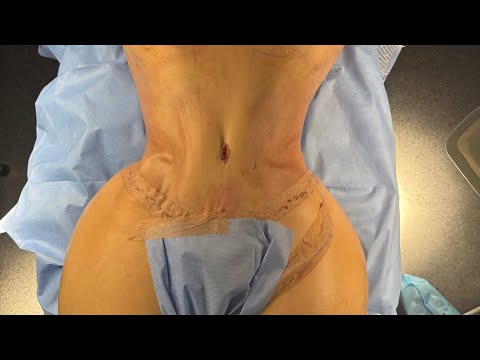
Immediately after the procedure, you will experience swelling, bruising, and soreness. Your surgeon will likely require you to wear a specialized compression garment. This garment is crucial—it helps control swelling, reduces the risk of fluid accumulation (seromas), and helps your skin conform to your new body contours.
During your recovery in Mexico, you will need a comfortable, clean place to rest. Some patients choose medical recovery houses, which offer nursing support, meals, and assistance with daily tasks. You will also have scheduled follow-up visits with your surgeon to remove drains (if used), check incision sites for infection, and monitor your overall healing progress.
It is important to mobilize gently. Light, short walks are usually encouraged soon after surgery to promote blood circulation and reduce the risk of deep vein thrombosis. However, strenuous activity, heavy lifting, and vigorous exercise must be avoided for several weeks.
How does the average liposculpture cost in Mexico compare?
Many patients are drawn to medical tourism because of the potential financial savings. The lower cost of living and different healthcare economic structures in Mexico allow clinics to offer procedures at a reduced rate without necessarily compromising on the quality of medical supplies or facility standards.
However, patients must approach pricing with caution. A price that seems too good to be true often is. When evaluating quotes, ensure you understand exactly what is included. A comprehensive quote should cover:
- The surgeon's fee
- Anesthesia and the anesthesiologist's fee
- Operating room and facility fees
- Pre-operative medical tests and consultations
- Post-operative garments and medications
Never choose a surgeon based solely on price. The costs of correcting a botched surgery or managing severe complications back home will far exceed any initial savings gained by choosing an underqualified provider.
What happens if complications arise after I return home?
One of the most significant challenges of medical tourism is continuity of care. Once you fly home, your operating surgeon is hundreds or thousands of miles away. While many surgeons offer telehealth follow-ups to monitor your progress via video or photos, they cannot physically examine you or intervene if a physical complication occurs.
If you experience signs of infection (fever, spreading redness, foul-smelling drainage), severe pain, shortness of breath, or chest pain, you must go to a local emergency room or urgent care immediately. Do not wait to contact your surgeon abroad before seeking emergency help locally.
How long should I stay in Mexico after my procedure?
Flying too soon after major body contouring surgery poses serious health risks. The combination of post-surgical immobility, dehydration, and cabin pressure changes significantly increases the risk of developing deep vein thrombosis (DVT). A blood clot in the leg can break free and travel to the lungs, creating a potentially fatal pulmonary embolism.
Your stay in Mexico allows your surgeon to monitor you during the highest-risk window for acute complications, such as infection or fluid accumulation. They need to assess your healing, remove any surgical drains, and officially clear you for air travel.
When planning your budget and time off work, you must factor in this extended stay. Attempting to rush the recovery process to save money on hotel or recovery house accommodations compromises your physical safety.
How do I prepare for medical tourism in Mexico?
Engaging in medical tourism in Mexico requires proactive organization. Start by consulting with your primary care physician at home. Discuss your plans honestly and obtain a full physical evaluation to ensure you are healthy enough for elective surgery and international travel.
Next, consider purchasing medical complications insurance. Standard travel insurance usually excludes elective medical procedures. Specialized medical tourism insurance can provide coverage in the event that you experience a complication while abroad or require medical evacuation.
Finally, prepare your home for your return. Even after spending a week recovering in Mexico, you will still be healing when you get back. Arrange for someone to help you with luggage at the airport, drive you home, and assist with heavy lifting or strenuous household chores for the first few weeks.
Why Choose PlacidWay for Medical Tourism in Mexico?
Navigating the complexities of healthcare abroad can feel overwhelming. PlacidWay serves as a global medical tourism platform designed to help patients access information and connect with healthcare providers worldwide. When exploring options for treatments abroad, having access to organized, detailed information is highly valuable.
- 1. Extensive Global Directory: PlacidWay provides access to a large database of medical centers and clinics in Mexico and across the globe, allowing patients to compare multiple facilities in one place.
- 2. Provider Profiles and Credentials: The platform displays details regarding clinic accreditations, doctor profiles, and professional certifications to assist patients in their independent research.
- 3. Educational Resources: Patients can access articles, guides, and informative content about specific procedures, helping them understand what to expect before making a decision.
- 4. Transparent Cost Estimates: PlacidWay helps patients gather estimated pricing packages from various international clinics, making it easier to understand the potential financial scope of their treatment.
- 5. Direct Communication: The platform facilitates initial contact between the patient and the international medical providers, allowing you to ask questions directly to the medical teams.
Frequently Asked Questions (FAQs)
Does liposculpture leave noticeable scars?
Liposculpture incisions are typically very small, often less than a quarter of an inch. While they do leave scars, surgeons usually place them in natural body creases or hidden areas where they are less noticeable once fully healed.
Can liposculpture remove cellulite?
No, liposculpture is not designed to treat or remove cellulite. In some cases, removing fat beneath the skin might actually make cellulite appear slightly more prominent. Other specific dermatological treatments are typically recommended for cellulite reduction.
Is local or general anesthesia used for this procedure?
The type of anesthesia depends on the extent of the procedure. Small, localized areas may be treated using local anesthesia with sedation, while larger areas or combined procedures generally require general anesthesia.
When can I safely fly after liposculpture in Mexico?
Most surgeons recommend waiting at least 7 to 10 days before flying. Flying too soon can increase the risk of deep vein thrombosis (DVT) and exacerbate swelling. You should always obtain medical clearance from your operating surgeon before boarding a plane.
How much weight can I lose with liposculpture?
Liposculpture is a body contouring procedure, not a weight-loss tool. While you may lose a few pounds of localized fat, the primary goal is to reshape specific areas of the body. Ideal candidates are usually within 30% of their ideal body weight.
Will I need to wear a compression garment?
Yes, wearing a compression garment is a standard part of the recovery process. It helps reduce swelling, supports the newly contoured tissues, and aids in proper skin retraction. Surgeons typically recommend wearing it for several weeks.
Can liposculpture be combined with other procedures?
Yes, it is often combined with other surgeries like tummy tucks (abdominoplasty), breast augmentations, or fat transfer procedures (such as a Brazilian Butt Lift). However, combining surgeries increases the overall surgical time and potential risks, which must be carefully evaluated by your surgeon.
What is the difference between VASER and laser liposculpture?
VASER liposculpture uses ultrasound energy to liquefy fat cells before removal, which can be gentler on surrounding tissues. Laser-assisted liposculpture (like SmartLipo) uses thermal energy to melt fat and may offer mild skin-tightening benefits. Your surgeon can recommend the best technology for your tissue type.
Are there age restrictions for liposculpture?
While there is no strict upper age limit, candidates must be in good overall health and have adequate skin elasticity to allow the skin to mold to the new contours. Older patients naturally have reduced skin elasticity, which may affect the final aesthetic result.
How long do liposculpture results typically last?
The fat cells removed during liposculpture are permanently gone. However, if you experience significant weight gain after the procedure, the remaining fat cells in the treated area—and throughout the rest of your body—can expand, potentially altering your new contours.
Ready to Compare Treatment Options?
Gather educational information, review clinic profiles, and learn more about your options for treatment abroad.
Request Treatment InformationReferences
- Liposuction Safety – American Society of Plastic Surgeons (ASPS)
- Travelers' Health: Medical Tourism – Centers for Disease Control and Prevention (CDC)
- Public Directory of Certified Plastic Surgeons – Mexican Council of Plastic, Aesthetic and Reconstructive Surgery (CMCPER)
- Liposuction: Risks & What to Expect – Mayo Clinic
- Patient Safety and Medical Tourism Guidelines – International Society of Aesthetic Plastic Surgery (ISAPS)
- Information on Liposuction Devices and Risks – U.S. Food and Drug Administration (FDA)





.png)
.png)


.jpg)
.jpg)
.jpg)
.jpg)









Share this listing