
Dealing with stubborn chest tissue can weigh heavily on your confidence and daily wardrobe choices, but finding a highly qualified surgical solution shouldn't require depleting your life savings. This $7,500 estimated gynecomastia surgery package in Mexico City, performed by board-certified specialist Dr. Ary Papadopulos, offers a comprehensive medical pathway for healthy adult men seeking a firmer, flatter chest contour. Typically requiring a 5-to-7-day stay, this package includes primary surgical fees, facility access, and essential medical consultations for international patients. Please note that exact patient eligibility, finalized clinical protocols, and ultimate pricing are strictly dependent upon a personalized, thorough medical assessment by the operating surgeon.
Essential Gynecomastia Package Insights at a Glance
- Estimated Starting Cost: $7,500 USD (subject to final personalized medical evaluation).
- Medical Credentials: Performed by Dr. Ary Papadopulos, an internationally trained, board-certified plastic surgeon.
- Patient Eligibility: Best suited for healthy adult males with stable, fully developed glandular tissue unresponsive to diet.
- Expected Outcome: Strategic extraction of excess glandular tissue and localized fat to permanently contour the masculine chest profile.
- Pre-Travel Protocol: International patients must undergo a rigorous virtual consultation and submit medical records before receiving travel clearance.
International Cost Comparison for Male Breast Reduction
Understanding the financial investment required for medical care is a crucial step in planning your healthcare journey. Many patients from North America choose Mexico City for its unique combination of advanced surgical expertise and highly accessible pricing. Below is a realistic overview of how estimated surgical costs for this specific procedure compare internationally.
| Country of Treatment | Average Estimated Cost (USD) |
|---|---|
| United States | $8,500 – $12,000+ |
| Canada | $8,000 – $11,000 |
| United Kingdom | $7,500 – $10,000 |
| Mexico (Dr. Papadopulos Package) | Starting at $7,500 |
Detailed $7,500 Gynecomastia Surgery Cost Breakdown
* Please note: The following table represents an estimated, itemized cost distribution for educational purposes. Final pricing is strictly pending your individual medical assessment, body mass index, and personalized surgical plan.
| Procedure Item | Estimated Cost | Description |
|---|---|---|
| Surgical & Specialist Fees | $3,500 | Compensation for the primary board-certified plastic surgeon and specialized assisting medical staff. |
| Facility & Operating Room | $2,000 | Access to an accredited, state-of-the-art operating theater, including standard surgical equipment. |
| Anesthesia Services | $1,200 | Professional fees for a board-certified anesthesiologist and necessary sedation medications. |
| Medical Consultations | $800 | Comprehensive pre-operative assessment and routine post-surgical follow-up appointments in Mexico. |
| Total Estimated Price | $7,500 | Pending final medical evaluation and strict surgical clearance. |
What is Included in Your Mexico City Gynecomastia Package?
- Initial virtual consultation and comprehensive preliminary surgical planning.
- In-person pre-operative physical evaluation upon your arrival in Mexico City.
- Primary surgical and professional fees for Dr. Ary Papadopulos.
- Professional fees for the dedicated, board-certified anesthesiologist.
- Use of a fully accredited operating room and standard disposable medical supplies.
- Routine post-operative follow-up appointments and dressing changes before departure.
- Initial fitting and provision of one standard post-surgical compression garment.
What is Excluded from the Surgery Package Price?
- International airfare, airport transfers, and local transportation in Mexico City.
- Hotel accommodations, meals, and general living expenses during your recovery period.
- Required pre-operative laboratory tests (blood work, EKG, chest X-rays).
- Outpatient prescription medications (antibiotics, specialized pain management).
- Comprehensive travel insurance or specialized medical complication insurance.
- Fees for any additional concurrent cosmetic procedures (e.g., extensive abdominal liposuction).
Who is the Ideal Candidate for Male Breast Reduction Surgery?
While male breast reduction is a highly successful and common procedure, it is not universally appropriate for every individual. A rigorous consultation is essential to determine if surgery aligns with your medical profile and aesthetic goals. Generally, ideal candidates share the following physiological and lifestyle characteristics:
- Men whose breast development has fully stabilized and is no longer actively growing.
- Individuals who are in strong overall physical health and do not suffer from unmanaged, life-threatening conditions that impair healing.
- Non-smokers and those willing to completely abstain from alcohol, nicotine, and recreational drugs before and after surgery, as these heavily restrict healthy blood flow.
- Patients who maintain highly realistic expectations regarding the surgical process, possible scarring, and final contouring results.
- Men whose chest enlargement is resistant to alternative medical therapies, targeted diet, or rigorous exercise routines.
Required Medical Documentation for Your Virtual Assessment
Patient safety is never compromised. Before traveling internationally, the medical team must ensure the procedure is physically safe for you. The following standard documentation is typically required for your preliminary virtual evaluation:
- A complete, honest medical history form, detailing all current prescription medications, vitamins, and herbal supplements.
- Recent laboratory blood work, specifically including a Complete Blood Count (CBC), metabolic panel, and coagulation profile to assess bleeding risks.
- Clear, well-lit, high-resolution photographs of your bare chest taken from the front, side, and oblique (angled) viewpoints.
- Detailed records of any previous surgeries involving the chest, or earlier clinical treatments directed at gynecomastia.
- Results from past endocrine or hormonal panels, if you were previously evaluated by an endocrinologist for the root cause of your condition.
Step-by-Step Guide to the Gynecomastia Surgical Procedure
The surgical approach for correcting gynecomastia is meticulously tailored to the specific composition of your enlarged tissue—whether it is primarily excess fatty tissue, dense fibrous glandular tissue, or a combination of both. Here is a clear, jargon-free overview of what typically happens in the operating room.
Step 1: Patient Anesthesia Administration
To ensure your absolute physical comfort and safety, medications are administered prior to any surgical work. The board-certified anesthesiologist will provide either general anesthesia or intravenous sedation combined with local anesthesia, depending entirely on the surgical complexity discussed with you beforehand.
Step 2: Strategic Incision Placement
Incision patterns vary drastically based on the amount of tissue removal required. For less complex cases, incisions are often placed discreetly along the natural dark edge of the areola. If extensive tissue or excess sagging skin must be removed, larger incisions extending into the chest crease may be necessary to ensure a tight contour.
Step 3: Targeted Tissue Extraction
If the enlargement is mostly fatty tissue, advanced liposuction techniques are used to gently break down and suction the fat away. When dense, fibrous glandular tissue is the primary issue, surgical excision (cutting) is required. The surgeon meticulously removes the gland to sculpt a traditionally masculine shape.
Step 4: Chest Contouring and Incision Closing
Once the excess bulk is removed, the remaining skin and tissue are carefully re-draped and contoured to look natural and symmetrical. The incisions are then meticulously closed with internal or external sutures, and surgical dressings or bandages are immediately applied to protect the healing areas.
Your Day-by-Day Gynecomastia Treatment and Travel Itinerary
Traveling for surgery requires structure. Below is a standard timeline outlining what international patients can expect from the moment they are cleared for travel until they return home.
Pre-Travel Phase
Your journey begins at home. You undergo a thorough virtual consultation, submit necessary medical files, and receive your personalized surgical quote and medical clearance to book your flights.
Day 1: Arrival in Mexico City
You arrive in Mexico City, transfer to your chosen hotel, and settle in. This day is dedicated strictly to rest and hydration following the physiological stress of your flight.
Day 2: In-Person Pre-Op Consultation
You meet Dr. Papadopulos at the clinic for a comprehensive physical examination. The surgical plan is finalized, markings may be made, and any missing pre-operative blood work is drawn.
Day 3: The Day of Surgery
You are admitted to the surgical facility. The procedure typically takes 1 to 3 hours. Afterward, you rest in a highly monitored recovery room until cleared to return to your hotel.
Days 4 to 6: Outpatient Recovery
You rest safely at your hotel, focusing on short, gentle walks to prevent blood clots. You will attend scheduled follow-up appointments to check healing progress and change specific dressings.
Day 7+: Final Medical Clearance and Departure
Once Dr. Papadopulos assesses that your initial healing is stable and it is safe to manage airplane cabin pressure, you are cleared to board your flight and return home.
Expected Duration of Your Medical Stay in Mexico City
Planning your travel logistics requires careful consideration of the necessary recovery time before flying. Rushing the return trip can severely compromise your healing and increase complication risks.
- The strictly required duration of stay is typically 5 to 7 days, largely depending on the complexity of your surgical extent.
- Travel clearance is determined solely by the treating physician based on your real-time recovery progress, not a rigid, pre-booked schedule.
- The first 24 to 48 hours mandate complete rest, meaning you will not be physically fit to navigate a busy airport environment.
- Your final follow-up appointment will ultimately dictate the exact day you are medically cleared to safely manage cabin pressure and fly home.
Phased Recovery and Aftercare Protocol for Chest Surgery
Healing from male breast reduction is a delicate, phased process. Adhering strictly to your surgeon's aftercare instructions is crucial for minimizing complications, preventing fluid buildup, and achieving optimal cosmetic results.
Immediate Post-Op (Days 1-3)
Expect moderate swelling, distinct bruising, and mild to moderate discomfort. You will wear a mandatory compression garment continuously to minimize swelling and support the new chest contours. Rest is the absolute priority during this window.
Early Healing (Weeks 1-2)
Bruising typically peaks and begins to gradually fade. Most patients can return to light, non-strenuous desk work during this period. However, any physical activity that elevates heart rate or strains the chest muscles must remain strictly prohibited.
Continued Recovery (Weeks 3-4)
You may slowly reintroduce light cardiovascular exercise, like walking on a treadmill. Heavy lifting, resistance training, and direct chest exercises are still restricted. The compression garment may be reduced to part-time wear as directed.
Full Healing (Months 3-6)
The final chest contours confidently emerge as deep tissue swelling entirely dissipates. Scar tissue matures and begins to fade naturally, though it may take up to a year to lighten completely. Unrestricted physical activity is typically cleared.
Understanding Potential Surgical Risks and Complications
Every surgical intervention carries inherent medical risks. While choosing a board-certified specialist in an accredited facility significantly mitigates these risks, it is vital to approach surgery with full, mature awareness. The list below is not exhaustive; your physician will empathetically discuss all personalized risks during your private consultation.
- Adverse physiological reactions to anesthesia or prescribed pain medications.
- Post-operative bleeding (hematoma) or excessive fluid accumulation (seroma) beneath the skin requiring drainage.
- Infection at the incision sites, which may necessitate antibiotic intervention or additional clinical care.
- Temporary or, rarely, permanent changes in nipple or breast skin sensation due to inevitable nerve irritation.
- Unfavorable hypertrophic scarring, slight chest asymmetry, or contour irregularities that might require future revision surgery.
Realistic Expectations for Your Chest Contouring Outcome
Setting realistic, medically grounded goals is key to surgical satisfaction. Gynecomastia surgery typically results in a noticeably flatter, firmer, and more classically masculine chest profile, but perfection is not a guaranteed medical outcome.
- While incisions do leave permanent scars, they are generally placed in discreet anatomical locations and often fade significantly over time, varying wildly by individual skin type and genetics.
- The physical results are often considered permanent, provided the patient maintains a relatively stable body weight and strictly avoids the use of anabolic steroids or medications known to cause glandular growth.
- According to overarching data published by the American Society of Plastic Surgeons, patient satisfaction rates for this specific procedure are typically very high, often exceeding 90% in general clinical populations when performed by qualified professionals.
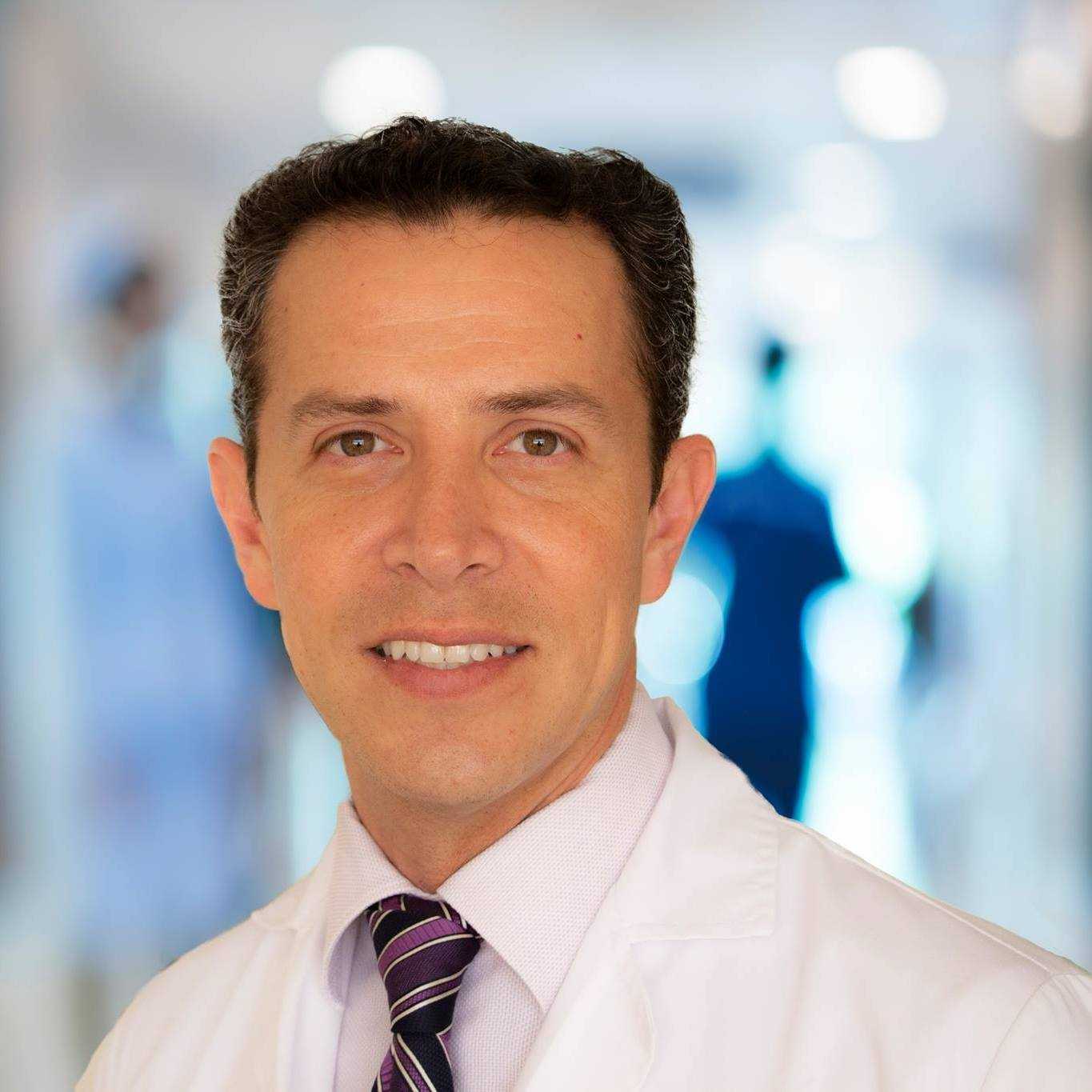
Meet Dr. Ary Papadopulos: Board-Certified Plastic Surgeon in Mexico
Dr. Ary Papadopulos is a recognized specialist in aesthetic and reconstructive surgery operating in Mexico City. His clinical philosophy centers on harmonizing body proportions rather than delivering a "one-size-fits-all" approach, ensuring deeply personalized, natural-looking results for international patients traveling for care.
- Rigorous Medical Credentials: Holds a Medical Surgeon degree and completed exhaustive specialty training in Plastic and Reconstructive Surgery.
- Verified Board Certification: A fully certified specialist, ensuring his practice meets the highest national and international standards for patient safety and surgical efficacy.
- Extensive Clinical Experience: Brings years of highly focused clinical experience specifically dedicated to complex male body contouring and advanced reconstructive techniques.
- Patient-Centric Approach: Known for maintaining open, empathetic communication, ensuring international patients feel fully informed and safe before, during, and after their procedures.
Frequently Asked Questions
Is gynecomastia surgery highly painful?
During the procedure itself, you will feel absolutely no pain due to the administration of medical anesthesia. In the initial days following surgery, most patients experience moderate soreness, tightness, and a sensation similar to a heavy chest workout rather than severe, acute pain. This is typically well-managed with standard oral pain medications prescribed by your surgeon.
Can the removed glandular tissue grow back later in life?
The physical removal of targeted glandular tissue and fat cells is generally considered permanent. However, if a patient experiences extreme weight gain, uses anabolic steroids, or develops a new, severe endocrine or hormonal imbalance later in life, it is physiologically possible for the chest to enlarge again. Maintaining a healthy lifestyle heavily protects your results.
How long do I need to wait before I can hit the gym and lift weights?
Light walking is encouraged immediately to promote blood flow and prevent clots. However, you must wait about 3 to 4 weeks before resuming light cardiovascular exercises. Heavy lifting, particularly exercises actively engaging the chest muscles like bench presses or push-ups, must be avoided for at least 4 to 6 weeks, strictly pending your doctor's final clearance.
Are the surgical scars going to be highly visible without a shirt?
Plastic surgeons prioritize highly discreet incision placement. For many patients, incisions are made along the lower border of the areola, where the resulting scar blends naturally with the skin's color transition. While scars are biologically permanent, they typically fade and flatten significantly over the first year of healing.
Why do so many men choose Mexico City for this specific procedure?
Mexico City is a global hub for medical tourism due to its dense concentration of highly trained, board-certified specialists who utilize the same advanced surgical techniques as surgeons in the US or Europe. The lower cost of living and reduced administrative overhead allow clinics to offer premium, accredited care at a fraction of Northern prices.
Can liposuction alone fix my gynecomastia without cutting?
If your chest enlargement is solely caused by excess localized fat (a condition known as pseudogynecomastia), advanced liposuction alone may be clinically sufficient. However, if true, dense, fibrous glandular tissue is present, liposuction cannot physically break it down. In such cases, direct surgical excision is absolutely required.
Does the estimated $7,500 quote cover absolutely every expense?
No. The $7,500 package is a comprehensive baseline estimate covering the primary medical requirements: surgeon fees, anesthesia, operating room, and standard clinical consultations. It explicitly does not cover your travel expenses, hotel accommodations, mandatory pre-operative lab work, or post-operative prescription medications.
Is it physiologically safe to fly internationally after chest surgery?
Yes, flying is considered safe once you receive formal medical clearance. You must wait to fly because the initial, delicate healing phase requires close clinical monitoring for complications like hematomas, and airplane cabin pressure fluctuations can occasionally affect healing tissue. Clearance is usually granted 5 to 7 days post-surgery.
Will I need to manage surgical drains after my procedure?
The use of surgical drains depends entirely on the specific surgical technique used and the sheer volume of tissue removed. Drains are sometimes placed temporarily to proactively prevent fluid accumulation (seroma) under the skin. If utilized, they are typically removed painlessly by the medical team within the first few days before you travel home.
How soon after the procedure will I see my final results?
You will notice a significantly flatter chest profile immediately following surgery. However, post-operative swelling obscures the final contours for several weeks. It typically takes 3 to 6 months for the deep internal swelling to resolve completely and for the skin to fully contract and settle into its permanent new shape.
Take the Next Step Toward a Confident Chest
Reclaiming your comfort and physical confidence is a significant, empowering step. Our dedicated team is here to support you with highly transparent information and compassionate guidance. When you are ready to explore your personalized, medically sound treatment plan, we invite you to reach out for a comprehensive, no-obligation virtual evaluation with Dr. Papadopulos.
The content provided on this page is for general educational and informational purposes only. It does not constitute professional medical advice, diagnosis, or treatment, and should never replace a thorough, personalized clinical consultation with a qualified, board-certified healthcare provider.
References
- https://www.mayoclinic.org/diseases-conditions/gynecomastia/symptoms-causes/syc-20351793
- https://my.clevelandclinic.org/health/diseases/16227-enlarged-male-breast-tissue-gynecomastia
- https://www.hopkinsmedicine.org/health/conditions-and-diseases/gynecomastia
- https://www.plasticsurgery.org/cosmetic-procedures/gynecomastia-surgery
- https://wwwnc.cdc.gov/travel/page/medical-tourism



















Share this listing