
The Ultimate Guide to Skin Removal Surgery in Mexico (2025)
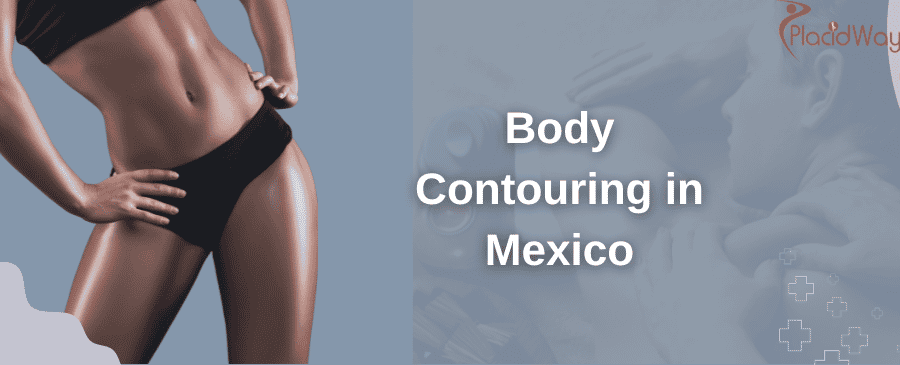
After achieving massive weight loss, whether through bariatric surgery or lifestyle changes, many individuals are left with excess, inelastic skin. This loose skin can cause physical discomfort, hygiene issues, and emotional distress. Consequently, body contouring procedures have become a vital final step in the weight loss journey. Because these surgeries can be prohibitively expensive in North America, many patients explore international options, actively researching skin removal surgery in Mexico as a viable solution.
Key Takeaways
- Procedural expenses in Mexico can often be 40% to 60% lower than in the United States or Canada.
- Geographic proximity makes travel shorter, reducing the physical strain on recovering patients.
- Many Mexican plastic surgeons maintain international board certifications and memberships in global medical societies.
- Careful preparation, including medical clearance and post-operative care planning, is critical for safe medical travel.
- Patients must budget for an extended stay of 10 to 14 days to allow for safe initial recovery before flying.
What Is Skin Removal Surgery After Massive Weight Loss?
When a person loses a substantial amount of weight—often defined as 100 pounds or more—the skin may lack the elasticity needed to conform to their new, smaller body size. This results in heavy folds of skin hanging from the abdomen, arms, thighs, and breasts. Skin removal surgery addresses these issues by surgically excising the redundant tissue.
These procedures go beyond cosmetic improvement. Excess skin can cause persistent skin infections, rashes, chafing, and mobility limitations. By removing this tissue, patients often report improved physical comfort, better hygiene, and an enhanced ability to participate in physical activities, which supports long-term weight maintenance.
How Does the Skin Removal Surgery Cost in Mexico Compare to the US?
Cost is the primary motivator for most individuals seeking care abroad. In the United States and Canada, a lower body lift or comprehensive body contouring can be overwhelmingly expensive, often costing tens of thousands of dollars out-of-pocket, as most insurance providers classify these surgeries as strictly cosmetic.
In Mexico, the lower cost of living, reduced overhead for medical facilities, and different medical malpractice insurance structures allow clinics to offer procedures at a more accessible price point. While exact figures vary widely based on the patient's specific needs, the surgeon's experience, and the facility's location, the overall financial burden—even after factoring in flights and accommodations—is usually substantially less.
Why Is Medical Tourism in Mexico Appealing for North Americans?
Traveling across the globe for major surgery introduces significant logistical challenges, particularly the physical toll of long-haul flights during recovery. Mexico provides a convenient alternative. Many major US and Canadian cities offer direct, relatively short flights to prominent Mexican medical hubs.
Additionally, the established medical travel sector in Mexico means many facilities are highly accustomed to treating international visitors. This often translates to English-speaking staff, coordinated transportation from the airport to the clinic, and partnerships with local recovery boutiques or hotels that cater specifically to post-operative patients.
What Types of Body Contouring Procedures Are Available?
A qualified skin removal surgery clinic in Mexico may offer several variations of body contouring. Common procedures include:
- Panniculectomy: The removal of the "apron" of skin hanging from the lower abdomen.
- Abdominoplasty (Tummy Tuck): Removes excess abdominal skin while also tightening the underlying abdominal muscles.
- Brachioplasty (Arm Lift): Addresses the loose skin that hangs from the upper arms.
- Thigh Lift: Excises excess skin from the inner or outer thighs to improve mobility and reduce chafing.
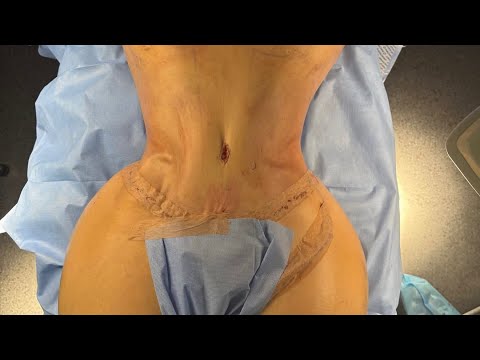
- Lower Body Lift: A comprehensive procedure that addresses the abdomen, buttocks, and outer thighs in a single circumferential surgery.
Is It Safe to Travel for Extensive Plastic Surgery?
Patient safety must always be the highest priority. All surgeries carry risks such as infection, bleeding, poor wound healing, and reactions to anesthesia. Body contouring after massive weight loss is particularly extensive, meaning the incisions are large and the physical trauma to the body is significant.
When combining these medical risks with travel, the risk of deep vein thrombosis (DVT)—blood clots—increases. Flying too soon after major surgery can be dangerous. Most medical guidelines strongly recommend staying near your surgical facility for a minimum of 10 to 14 days, allowing the surgeon to monitor early healing, manage drains, and clear you for safe air travel.
How Can You Identify a Qualified Clinic and Surgeon?
Because you are traveling outside your home healthcare system, thorough vetting is essential. You can assess the quality of a provider by looking for the following indicators:
- Certification by the Mexican Council of Plastic, Aesthetic and Reconstructive Surgery (CMCPER).
- Membership in reputable international organizations, such as the International Society of Aesthetic Plastic Surgery (ISAPS) or the American Society of Plastic Surgeons (ASPS) International division.
- The surgery taking place in a hospital or clinic that holds accreditation from national or international health councils (such as the CSG in Mexico or Joint Commission International).
- A clear, transparent consultation process where the surgeon openly discusses potential risks and complication rates, rather than promising a "perfect" outcome.
Who Is Considered an Ideal Candidate for Body Contouring?
Surgery is generally not recommended if you are still actively losing weight. If you have a procedure too soon and continue to lose weight, you may develop new loose skin. Conversely, significant weight gain after the procedure can stretch the tightened skin, altering the surgical results.
Additionally, candidates should be non-smokers. Nicotine severely constricts blood vessels, restricting oxygen flow to the tissues. In extensive procedures like skin removal, restricted blood flow drastically increases the risk of tissue necrosis (tissue death) and severe wound separation. Surgeons typically require patients to be completely nicotine-free for weeks before and after the operation.
What Should You Expect During the Recovery Process?
The immediate post-operative period is physically demanding. You will likely spend one or two nights in the hospital or clinic for close monitoring. During this time, pain management is a priority, and medical staff will help you take your first steps, which is vital for preventing blood clots.
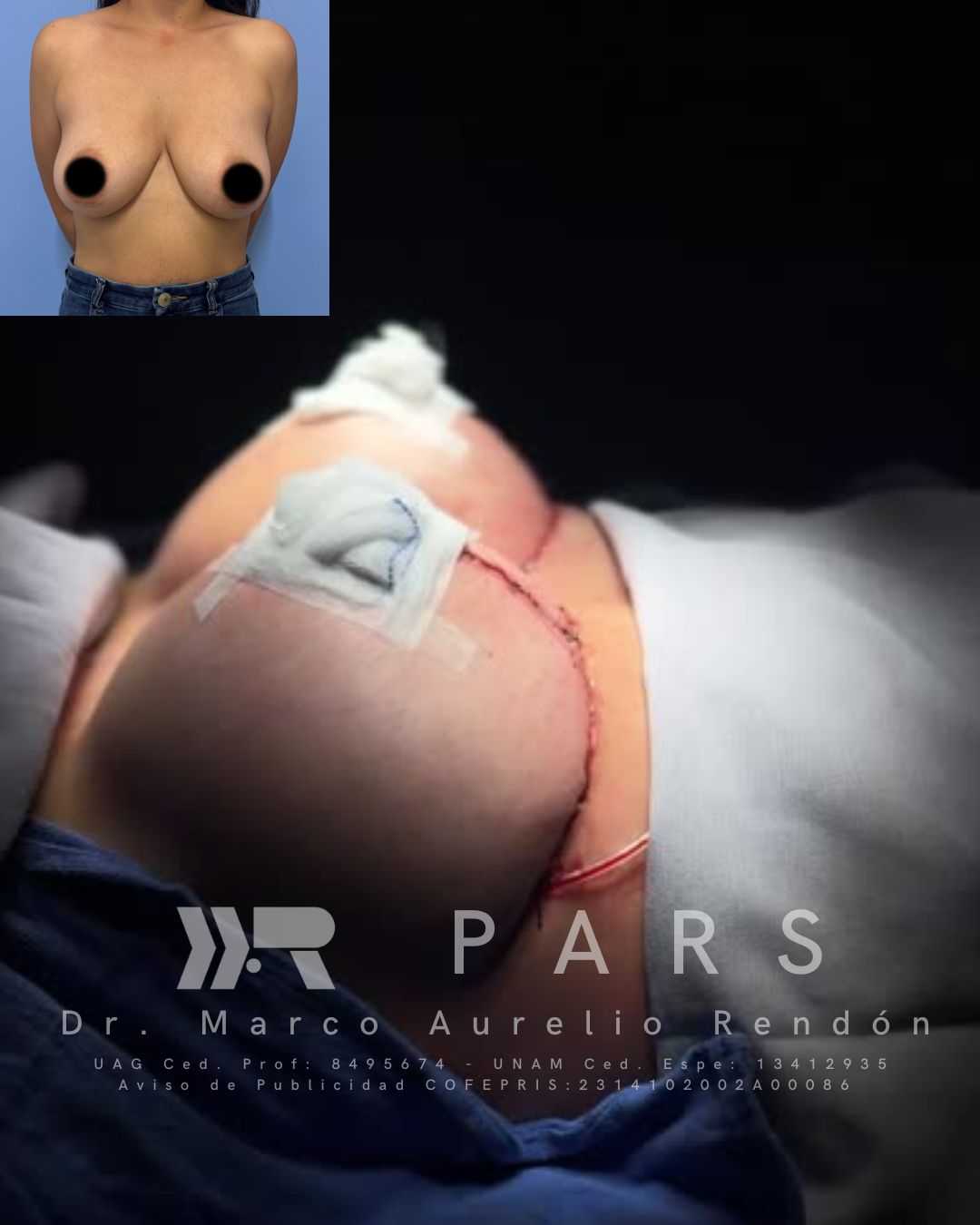
You will be fitted with medical-grade compression garments designed to reduce swelling and support your newly contoured tissues. Surgical drains are often placed under the skin to siphon off excess fluid; these usually remain in place for a week or more. While you may feel well enough to return to a desk job within 3 to 4 weeks, complete internal healing and the fading of scars can take up to a full year. Results vary widely by patient, and patience during the healing phase is essential.
What Are the Potential Risks and Complications?
It is vital to approach skin removal surgery with realistic expectations regarding risks. Because these surgeries involve long incisions across areas of the body that move frequently, delayed wound healing or minor wound separation at the incision margins is relatively common. This often requires careful wound care and dressings until it heals over time.
Scarring is inevitable. A skilled surgeon will attempt to place incisions where they can be hidden by underwear or swimwear, but the scars will be permanent and can sometimes heal thicker or darker than the surrounding skin. Knowing what steps to take if you suspect a complication—especially after returning to your home country—is a critical part of your surgical planning.
How Do You Prepare for Your Medical Journey?
Successful medical travel hinges on meticulous planning. You should initiate the process several months in advance:
- Medical Optimization: Ensure your lab results are normal, focusing on protein levels and iron, which are crucial for post-surgical healing.
- Travel Logistics: Book refundable or flexible flights in case your surgeon recommends delaying your departure due to your healing progress.
- Pack Intelligently: Bring loose, front-opening clothing, slip-on shoes, and any specialized wound care supplies recommended by your clinic.
- Home Setup: Before you leave, arrange your home recovery space. Place essential items at waist height so you do not have to stretch or bend down during your first few weeks back.
Why Choose PlacidWay for Medical Tourism in Mexico?
Researching healthcare options in another country can feel overwhelming. PlacidWay exists to help patients navigate their international medical journeys by providing educational resources and connecting them with healthcare providers globally. Consider these factual points about how PlacidWay operates:
- Global Network: PlacidWay provides access to a database of international clinics and hospitals, allowing you to explore various options in Mexico.
- Transparent Information: The platform offers profile details on providers, including their listed credentials, spoken languages, and facility accreditations.
- Cost Estimates: Patients can view estimated pricing ranges for procedures to help evaluate their potential budgets.
- Direct Communication: You can use the platform to send inquiries directly to clinics, facilitating initial consultations and questions.
- Educational Resources: PlacidWay offers articles, guides, and information on medical tourism to help patients understand what the process entails.
Frequently Asked Questions
Can I combine multiple skin removal procedures during one trip?
Yes, surgeons often combine procedures, such as an arm lift and a breast lift, to minimize overall recovery time and costs. However, extensive combinations increase surgical time and risks, so your surgeon will determine what is safe based on your health profile.
Will my health insurance cover skin removal in Mexico?
Most US and Canadian health insurance plans do not cover procedures performed outside their networks or country, especially if deemed cosmetic. Occasionally, a panniculectomy may be covered domestically if it causes medical issues, but getting reimbursement for international surgery is highly unlikely.
Do plastic surgeons in Mexico typically speak English?
Many surgeons and staff members at clinics catering to international patients speak English fluently. Clinics often provide bilingual coordinators to assist with translations, consultations, and post-operative instructions.
How long do I need to stay in Mexico after a lower body lift?
A lower body lift is an extensive procedure. Most surgeons recommend staying in the country for at least 10 to 14 days post-surgery to monitor for complications, manage drains, and ensure you are stable enough for a flight home.
Are drains normally used during skin removal surgery?
Yes, surgical drains are frequently used in procedures like tummy tucks and body lifts to prevent fluid buildup (seromas). You will be taught how to empty and track the fluid, and the surgeon will usually remove them before you travel home.
What happens if I experience a complication after returning home?
Before traveling, you should establish a plan with a local primary care doctor or specialist willing to provide post-operative care. If a severe complication like an infection or blood clot occurs at home, you must seek immediate care at a local emergency room.
Can I bring a companion with me for support?
Bringing a friend or family member is highly encouraged. A companion can help you navigate the hotel, assist with daily tasks during early recovery, and provide emotional support while you heal away from home.
Is a passport required for medical travel to Mexico?
Yes, a valid passport is required for entry into Mexico by air or land for US and Canadian citizens. Ensure your passport is valid for at least six months beyond your planned travel dates.
How is pain managed after body contouring surgery?
Your surgeon will typically prescribe oral pain medications and muscle relaxants. Many clinics also use long-lasting local anesthetics during the procedure to minimize immediate post-operative discomfort.
When can I resume exercising after my procedure?
Light walking is encouraged immediately to prevent blood clots, but strenuous exercise, heavy lifting, and intense cardio are usually restricted for 6 to 8 weeks to allow incisions to heal properly without stretching.
Ready to Explore Your Medical Options?
Connect with providers, compare treatment plans, and request educational information about body contouring procedures.
Request Treatment InformationReferences
- Body Contouring After Major Weight Loss – American Society of Plastic Surgeons (ASPS)
- Medical Tourism Guidelines – Centers for Disease Control and Prevention (CDC)
- Patient Safety in Aesthetic Surgery – International Society of Aesthetic Plastic Surgery (ISAPS)
- Panniculectomy Overview and Risks – Mayo Clinic
- Global Patient Safety Information – World Health Organization (WHO)
- Post-Weight Loss Surgery Guide – American Board of Cosmetic Surgery (ABCS)




















Share this listing