


What Recovery After Ibogaine Looks Like?
Ibogaine treatment for cocaine dependency in Mexico is highly effective for interrupting addiction pathways. The treatment costs between $5,000 and $10,000, offering medically supervised detox that drastically reduces withdrawal symptoms and cravings.

Key Takeaways:
- Neurobiological Reset: The medicine rapidly repairs dopamine pathways damaged by chronic stimulant abuse, severely diminishing post-acute withdrawal syndromes.
- Comprehensive Safety: Top-tier centers utilize advanced telemetry, continuous EKG monitoring, and board-certified emergency physicians to ensure total patient safety.
- Psychological Breakthroughs: The unique visionary state allows individuals to process deep-rooted trauma and address the root emotional causes of their substance reliance.
- Legally Regulated Framework: Specialized clinical environments operate with full legal compliance, offering a safe alternative to unregulated underground providers in other regions.
- Holistic Integration: Successful recovery combines the clinical intervention with intensive psychotherapeutic integration, yoga, nutritional balancing, and long-term aftercare planning.
Chronic stimulant use severely alters the structural integrity and chemical balance of the human brain. Traditional rehabilitation methods often force patients to endure agonizing months of intense cravings and severe depression, leading to high relapse rates. However, specialized medical intervention utilizing powerful plant-derived alkaloids has revolutionized dependency recovery. By combining rigorous safety protocols with profound neurological repair, these specialized programs offer a unique pathway to total sobriety.
How does ibogaine treatment in Mexico work to reset the brain after cocaine dependency?
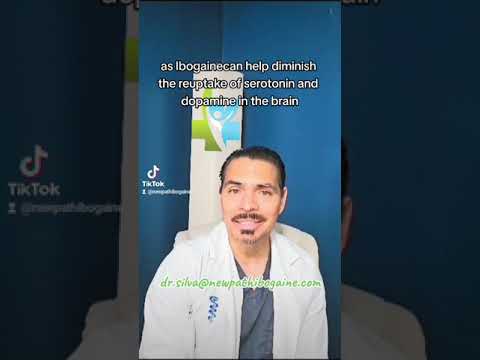
The therapy fundamentally disrupts active addiction by targeting specific neural receptors altered by long-term stimulant abuse. It actively promotes neuroplasticity, restoring depleted dopamine levels and neutralizing the psychological obsession to use.
The core mechanism behind this remarkable recovery process involves the release of Glial cell line-derived neurotrophic factor. This powerful protein acts as a fertilizer for the central nervous system, actively repairing and growing new neural connections that were previously destroyed by chronic chemical abuse. By stimulating this cellular regeneration, the brain is effectively coaxed back into a pre-addiction state, rapidly healing the critical reward pathways that govern pleasure and motivation.
Cocaine specifically functions by flooding the brain with artificial dopamine and preventing its natural reabsorption, leading to severe receptor downregulation over time. When an individual attempts to quit, they experience profound anhedonia, an inability to feel joy, because their natural dopamine production is compromised. The plant medicine bridges this chemical deficit by interacting with multiple neurotransmitter systems simultaneously, stabilizing the mood and drastically mitigating the crushing depression typically associated with stimulant withdrawal.
Beyond the physical neurochemical repair, the active compound induces a highly profound, dream-like visionary state known as the oneirophrenic phase. During this intense introspective period, patients often review crucial memories and process unresolved emotional trauma from an objective, detached perspective. This intense psychological journey enables individuals to confront the deep-seated root causes of their dependency, fundamentally changing their relationship with themselves and their past trauma.
What is the average ibogaine treatment cost in Mexico for cocaine addiction?
The average ibogaine treatment cost in Mexico typically spans from five thousand to twelve thousand dollars. This comprehensive fee covers the intense medical supervision, luxury accommodation, and extensive therapeutic integration required for a safe recovery.
- Advanced Medical Diagnostics: A significant portion of the cost is dedicated to exhaustive pre-treatment health screenings. This includes comprehensive metabolic blood panels, advanced electrocardiograms, liver function tests, and detailed psychological evaluations to ensure absolute physical readiness.
- Specialized Clinical Personnel: The fee covers the continuous, round-the-clock presence of highly credentialed medical staff. This includes board-certified emergency room physicians, registered nurses trained in advanced cardiac life support, and experienced psychological facilitators who monitor vital signs constantly.
- Pharmaceutical Grade Medicine: Only the highest quality, laboratory-purified hydrochloride extracts are utilized in reputable programs. The cost ensures that the medicine is accurately dosed based on body weight, completely free of impurities, and administered under strict clinical protocols.
- Luxury Healing Environments: Recovery requires total serenity and comfort. Programs feature private, resort-style accommodations with premium amenities, private chefs preparing nutritious, balancing meals, and peaceful natural surroundings that significantly reduce anxiety during the vulnerable stabilization period.
- Holistic Integration Therapies: True healing extends beyond the single medicinal dose. The comprehensive pricing structure includes vital complementary therapies such as specialized addiction counseling, integration coaching, restorative yoga, massage therapy, and detailed post-care planning for the transition home.
While standard inpatient rehabilitation in North America can exceed forty thousand dollars for a standard thirty-day stay and often yields high relapse rates, specialized plant-based interventions offer a profoundly deeper neurobiological reset at a fraction of the cost and time.
Is it safe to visit an ibogaine clinic in Mexico for severe substance abuse?
Visiting a fully licensed ibogaine clinic in Mexico is highly secure when meticulous safety protocols are enforced. Strict cardiovascular screenings and continuous medical monitoring effectively eliminate the primary risks associated with the therapy.
The safety of this intensive neurobiological intervention relies entirely upon the rigorous clinical standards maintained by the facility. Because the active alkaloid significantly slows the heart rate and extends the electrical repolarization cycle of the heart, underlying cardiovascular issues pose a severe risk. Therefore, world-class clinics mandate extensive physical examinations and advanced cardiac stress tests long before a patient is ever approved for travel.
During the actual administration of the medicine, patient safety is the absolute paramount focus. Reputable centers utilize advanced hospital-grade telemetry equipment to continuously monitor the patient’s heart rhythm, blood pressure, and blood oxygen saturation levels throughout the entire active phase. A board-certified physician remains physically present in the room, actively observing the readouts and ensuring the nervous system responds appropriately to the therapeutic dose.
Furthermore, leading clinical environments are fully equipped to handle any unforeseen medical emergencies. These facilities maintain fully stocked crash carts, automated external defibrillators, and emergency intravenous medications on standby. By combining a serene, spa-like environment with the rigorous safety standards of an intensive care unit, patients are granted the total peace of mind required to surrender fully to the deeply introspective healing process.
Comparing Recovery Pathways
| Feature | Traditional Rehabilitation | Advanced Clinical Protocol |
|---|---|---|
| Treatment Duration | Thirty to ninety days standard | Seven to fourteen days intensive |
| Cravings Reduction | Gradual decline over several months | Immediate massive reduction post-treatment |
| Neurological Repair | Relies entirely on natural time healing | Actively stimulates rapid neuroplasticity |
| Core Focus | Behavioral modification and group therapy | Receptor resetting and deep trauma processing |
What medical screenings are required before undergoing ibogaine treatment in Mexico?
Rigorous medical qualification involves exhaustive cardiovascular diagnostics, comprehensive blood chemistry analysis, and detailed psychological vetting. These strict protocols ensure the body can safely process the powerful medicinal alkaloids without adverse events.
- Advanced Electrocardiogram Analysis: A standard resting twelve-lead EKG is absolutely mandatory to measure the electrical activity of the heart. The medical team specifically scrutinizes the QTc interval, as the plant medicine naturally prolongs this electrical phase, making pre-existing arrhythmias highly dangerous.
- Comprehensive Metabolic Panel: Extensive blood work is drawn to evaluate the critical functioning of the liver and kidneys. Because the liver heavily metabolizes the alkaloids via the CYP2D6 enzyme pathway, optimal hepatic function is required to prevent dangerous toxic accumulation within the bloodstream.
- Complete Blood Count and Electrolytes: Chronic stimulant abuse frequently leads to severe malnutrition and critical electrolyte imbalances, particularly concerning potassium and magnesium levels. These vital minerals must be perfectly balanced and supplemented prior to treatment to support healthy cardiac function during the session.
- Detailed Psychiatric Evaluation: An intensive psychological assessment is conducted to rule out absolute contraindications such as active schizophrenia, severe borderline personality disorder, or a history of drug-induced psychosis, ensuring the patient can safely navigate the intense visionary experience.
- Rigorous Toxicology Screening: Strict urine and blood toxicology panels are performed upon arrival at the facility to verify that the patient has fully abstained from specific conflicting substances, ensuring there are no dangerous pharmacological interactions within the central nervous system.
How long does the recovery process take at an ibogaine clinic in Mexico?
The comprehensive residential clinical program typically lasts between seven and fourteen days. This timeline allows for proper medical stabilization, the intense twenty-four-hour therapeutic intervention, and crucial days of psychological integration before returning home.
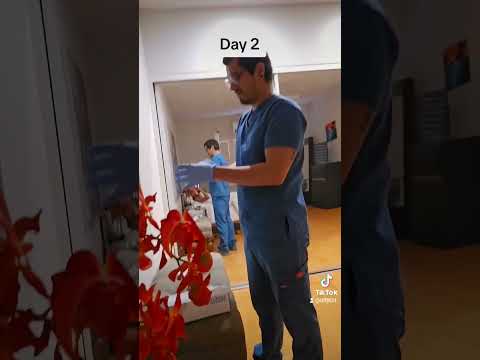
The initial phase of the journey, spanning the first two to three days, focuses entirely on physical stabilization and medical optimization. Patients are welcomed into a serene environment where they receive intravenous hydration, heavy vitamin supplementation, and continuous holistic therapies to calm the nervous system. During this critical window, final medical clearances are secured, and individuals work closely with psychologists to set clear, powerful intentions for their upcoming introspective journey.
The core intervention, commonly known as flood day, is an intensive physical and spiritual marathon. The active visionary phase typically peaks for eight to twelve hours, during which the patient remains entirely bedbound under constant cardiac telemetry. Following the acute visions, patients enter a prolonged processing phase characterized by deep physical exhaustion and profound emotional openness, requiring absolute silence, gentle care, and uninterrupted rest.
The final days of the residential stay are exclusively dedicated to cognitive integration and physical recovery. Often referred to as the gray day, the period immediately following the treatment leaves patients highly sensitive and emotionally raw. Expert facilitators guide them through gentle therapeutic conversations, massage, and specialized somatic therapies, helping them articulate their visions and forge a concrete, actionable plan for maintaining their newly achieved sobriety once they leave the clinical sanctuary.
The plant medicine remains in the human body, specifically stored in fat cells, slowly releasing a secondary metabolite called noribogaine for several weeks post-treatment. This creates a powerful afterglow effect, acting as a natural antidepressant and shielding the patient from cravings during the vulnerable early stages of recovery.
Why is medical tourism in Mexico popular for psychedelic addiction therapies?
Medical tourism in Mexico thrives because the country provides a legal, safe, and medically regulated sanctuary for advanced plant-based treatments that remain highly restricted or classified as illegal under strict North American pharmaceutical laws.
The primary driver for international patients seeking this specialized care is the stark difference in global drug classification laws. In the United States and Canada, these powerful botanical medicines are rigidly classified as Schedule I substances, entirely prohibiting their clinical application despite overwhelming anecdotal and emerging scientific evidence of their anti-addiction properties. Conversely, the Mexican medical framework allows for the legal administration of these compounds within controlled, licensed clinical environments, offering desperate patients a legitimate lifeline.
Beyond simple legality, the region has cultivated an incredibly sophisticated infrastructure dedicated entirely to psychedelic-assisted therapy. The finest clinics attract world-class medical talent, including brilliant cardiologists and forward-thinking psychiatrists who are passionate about exploring alternative, rapid-detoxification modalities. This concentration of specialized medical expertise ensures that patients receive care that frequently surpasses the safety protocols found in standard western rehabilitation hospitals.
Furthermore, geographical accessibility makes this destination highly appealing for individuals struggling with severe dependency. World-renowned clinics are strategically located in beautiful, serene coastal areas like Baja California and the Riviera Maya, easily accessible via brief international flights. This unique combination of strict medical professionalism, legal security, and deeply restorative natural environments creates the perfect incubator for profound personal transformation and lasting sobriety.
Can ibogaine therapy for cocaine dependency in Mexico prevent future relapses?
While it provides an unparalleled interruption of the addiction cycle and a massive reduction in cravings, it is not a magical cure. Long-term relapse prevention requires dedicated psychological integration and sweeping lifestyle changes.
- Capitalizing on the Window of Neuroplasticity: The treatment creates a unique, ninety-day neurological window where the brain is incredibly malleable. Patients must utilize this brief period of zero cravings to aggressively build new, healthy neural pathways through positive habits, making it much harder for old addictive behaviors to return.
- Mandatory Post-Treatment Integration: Processing the intense visionary experience is essential for long-term success. Engaging weekly with a specialized integration coach or psychedelic-informed therapist helps individuals decode the profound psychological insights they received and apply those vital lessons directly to their daily challenges.
- Total Environmental Restructuring: Returning to the exact same environment, friend group, and stressors that fueled the initial stimulant abuse is a major catalyst for relapse. Successful patients must be willing to completely alter their social circles, cut ties with enablers, and radically redesign their daily routines to support sobriety.
- Addressing Co-Occurring Psychological Trauma: Because dependency is frequently a coping mechanism for profound unresolved pain, continued psychological counseling is imperative. Participating in cognitive behavioral therapy, somatic experiencing, or eye movement desensitization and reprocessing therapy helps permanently resolve the emotional triggers that lead to drug use.
- Building a New Support Architecture: Lasting sobriety cannot be achieved in isolation. Connecting with supportive communities, whether through non-traditional recovery circles, spiritual groups, or specialized sober networks, provides the necessary accountability and profound human connection required to thrive without chemical crutches.
What type of medical staff monitors patients during ibogaine treatment in Mexico?
The safest clinical environments employ highly integrated, multidisciplinary teams comprising emergency medicine physicians, clinical psychiatrists, specialized intensive care nurses, and experienced holistic integration guides to provide comprehensive oversight.
The foundation of clinical safety rests firmly on the shoulders of the lead medical physician. Premium facilities strictly employ doctors who hold board certifications in emergency medicine, anesthesiology, or cardiology. These highly trained professionals are experts in advanced cardiac life support, uniquely qualified to interpret real-time electrocardiogram data, manage blood pressure fluctuations, and rapidly intervene at the first sign of any cardiovascular distress during the active session.
Working alongside the physiological experts are dedicated clinical psychologists and specialized nursing staff. The nurses provide continuous, compassionate bedside care, monitoring vital signs minute-by-minute and ensuring the patient remains physically comfortable and properly hydrated. Simultaneously, the psychiatric staff offers critical emotional grounding, helping to calm the patient if they encounter particularly challenging or frightening psychological material during their deep visionary journey.
Finally, the medical hierarchy is complemented by specialized holistic integration coaches and wellness practitioners. These professionals guide the patient through the softer, but equally vital, aspects of recovery. They facilitate daily restorative practices such as breathwork, sound healing therapy, and meditation, ensuring that once the intense medical detoxification is complete, the patient is spiritually grounded and psychologically prepared to embrace their new, sober reality.
Why Choose PlacidWay for ibogaine treatment in Mexico?
PlacidWay connects discerning patients directly with fully vetted, medically superior clinics that adhere rigidly to international safety standards. We guarantee total transparency, clinical rigor, and continuous support throughout your health journey.
- Strict Medical Vetting and Credentialing: We absolutely refuse to partner with substandard or underground providers. Every single facility in our network undergoes an exhaustive audit to ensure they employ fully licensed, board-certified emergency medical personnel and maintain state-of-the-art cardiovascular monitoring equipment.
- Total Pricing Transparency: We eliminate the immense stress of hidden medical fees by providing comprehensive, upfront cost breakdowns. Patients receive detailed quotes that clearly outline every aspect of their clinical care, psychological screening, and residential accommodations before making any commitment.
- Uncompromising Focus on Safety Protocols: We exclusively advocate for centers that enforce mandatory, highly rigorous pre-treatment diagnostic testing. Our partner clinics require exhaustive blood panels and EKG clearances, guaranteeing that patient physiological safety is always prioritized over simple admission numbers.
- Objective and Empowering Patient Resources: We provide families with completely unbiased, scientifically grounded information regarding addiction therapies. By offering access to authentic patient testimonials and detailed facility profiles, we empower individuals to make highly educated decisions regarding their recovery.
- Dedicated Health Coordination Services: Our platform facilitates seamless, secure communication directly between the patient and the international clinical staff. This ensures that all complex medical questions, psychiatric concerns, and specific treatment methodologies are thoroughly addressed by the doctors well in advance of treatment.
Frequently Asked Questions
Are there specific age restrictions for ibogaine treatment in Mexico?
Most specialized clinical facilities require patients to be at least eighteen years of age to undergo this intensive psychedelic therapy. Older adults, particularly those over sixty, are evaluated on a strict case-by-case basis due to the increased natural risk of age-related cardiovascular issues. Comprehensive medical screening dictates eligibility rather than age alone, ensuring the physical safety of every individual prior to admission.
What cardiovascular conditions disqualify a patient from visiting an ibogaine clinic in Mexico?
Patients with a history of prolonged QTc intervals, arrhythmias, severe hypertension, congenital heart defects, or recent myocardial infarctions are generally disqualified from this specific plant-based therapy. The active alkaloid naturally slows the heart rate and extends the QT interval, making robust cardiovascular health an absolute necessity. All reputable centers mandate advanced electrocardiogram testing and cardiology clearance before approving any prospective patient for the program.
How soon after consuming cocaine can a patient safely begin the protocol?
Unlike opioid detoxification which requires stabilization on short-acting medications, patients struggling with stimulant dependency must completely clear the substance from their system before administration. Medical protocols typically require a minimum abstention period of five to seven days from all stimulants prior to receiving the flood dose. This strict timeline prevents dangerous central nervous system interactions and mitigates the risk of severe cardiac complications during the active therapeutic window.
Is the medicine utilized in Mexican facilities synthetic or naturally derived from the Tabernanthe iboga plant?
Premium centers primarily utilize purely extracted hydrochloride alkaloids derived directly from the root bark of the African Tabernanthe iboga shrub. This highly purified pharmaceutical-grade extract ensures exact dosing and eliminates the unpredictable variables associated with consuming raw root bark. Some advanced facilities also offer total alkaloid extracts which contain secondary medicinal compounds from the plant, providing a holistic botanical approach while maintaining strict clinical safety standards.
Do reputable Mexican centers integrate psychological support for co-occurring depressive disorders?
Yes, top-tier medical facilities recognize that substance dependency rarely exists in isolation and frequently stems from underlying mood disorders or trauma. These centers employ licensed clinical psychologists and holistic integration coaches who work directly with the patient before and after the clinical dose. This dual-diagnosis approach ensures that underlying depression, anxiety, and post-traumatic stress are addressed comprehensively alongside the physical detoxification process.
What exactly constitutes a full clinical dose during the therapy session for severe addiction?
The full clinical dose, frequently referred to in medical circles as a flood dose, is carefully calculated based on the precise body weight, metabolic rate, and dependency severity of the individual patient. It typically ranges between fifteen and twenty milligrams per kilogram of body weight. This specific dosage threshold is required to fully saturate the neural receptors, effectively resetting the neurotransmitter pathways and inducing the profound visionary state necessary for psychological breakthroughs.
How can international patients verify the credentials of the medical personnel at these centers?
Patients should request to see the active medical licenses of the attending physicians, specifically looking for credentials in emergency medicine, cardiology, or anesthesiology. Reputable facilities operate transparently and will readily provide certification documentation for their doctors and nursing staff. Utilizing a recognized medical tourism facilitator offers an additional layer of security, as these organizations perform rigorous background checks and continuous credential verification on all their partner clinics.
What is the standard protocol for patients currently taking psychiatric medications alongside their addiction?
Patients taking selective serotonin reuptake inhibitors, antipsychotics, or certain anxiety medications must undergo a carefully medically supervised tapering process before arriving. The interaction between the plant medicine and synthetic psychiatric drugs can cause severe complications, including fatal serotonin syndrome. The intake physician coordinates closely with the patient at home to establish a safe weaning schedule, ensuring the nervous system is entirely clear of conflicting pharmaceuticals.
How does this specialized protocol compare to traditional rehabilitation models for stimulant abuse?
Traditional rehabilitation relies heavily on long-term behavioral therapy, group counseling, and gradual psychological adjustments without addressing the immediate neurochemical imbalances caused by chronic use. The plant-based protocol accelerates this process by physically repairing compromised dopamine receptors and instantly eliminating intense cravings within a matter of days. This powerful neurobiological reset provides the patient with a clear, unburdened mind, significantly enhancing the effectiveness of subsequent behavioral therapies.
What type of post-treatment aftercare is recommended after completing medical tourism in Mexico for dependency?
The immediate weeks following the intervention present a critical window of neuroplasticity where the brain is highly receptive to new habit formation. Patients are strongly advised to transition immediately into a structured continuing care program, which may include intensive outpatient therapy, sober living environments, or regular sessions with a specialized integration coach. Building new healthy routines, avoiding familiar environmental triggers, and engaging in continuous psychological support are absolutely essential for maintaining lifelong sobriety.





.png)
.png)
.png)








Share this listing