


How Stem Cell Therapy for Diabetes in Guadalajara Improves Blood Sugar Control
Canadians seeking stem cell therapy for diabetes in Guadalajara typically pay between $5,000 and $10,000. This regenerative treatment offers a highly cost-effective alternative, focusing on cellular repair and improved blood sugar management safely.
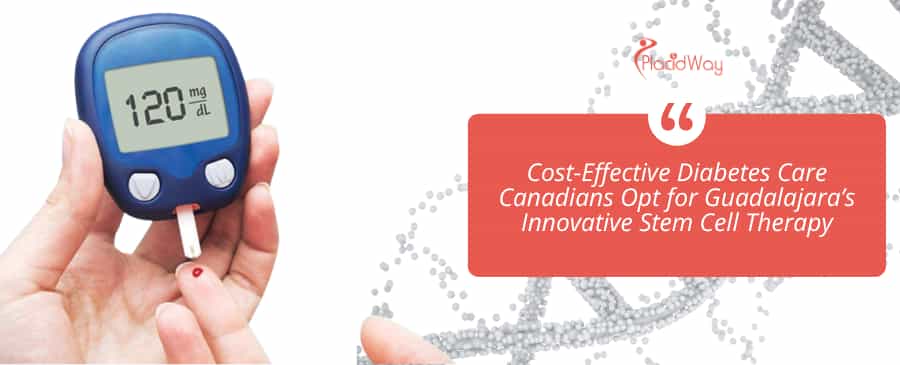
Key Takeaways: Regenerative Care in Guadalajara
- Exceptional Affordability: Patients save significantly compared to experimental treatments available in North America.
- Advanced Protocols: Utilization of ethical, potent mesenchymal cells tailored for metabolic conditions.
- Strict Safety Standards: Facilities operate under rigorous federal health guidelines ensuring high cellular viability.
- Accessible Location: Direct flights from major Canadian cities make the journey stress-free and manageable.
Why are Canadians traveling for stem cell therapy for diabetes in Mexico?
Canadians seek this treatment abroad due to limited domestic access and long wait times. Guadalajara offers affordable, innovative regenerative medicine that focuses on underlying cellular dysfunction rather than just symptom management.
- The Canadian healthcare system heavily restricts advanced regenerative therapies, making them virtually inaccessible for standard metabolic conditions.
- Patients experience immense frustration with conventional treatments that only mask symptoms instead of addressing pancreatic tissue damage.
- Guadalajara has emerged as a premier biomedical hub, attracting top-tier cellular biologists and medical specialists from around the globe.
- The favorable exchange rate allows Canadians to access premium medical care without depleting their life savings or taking on massive debt.
- Proximity is a major factor, as direct flights from Toronto or Vancouver make the logistical process much easier than traveling to overseas destinations like Asia.
How does a stem cell therapy for diabetes clinic in Mexico treat the condition?
Clinics utilize mesenchymal stem cells to target pancreatic inflammation and promote tissue regeneration. This advanced approach helps improve insulin sensitivity and restores overall cellular function within the body.
The fundamental mechanism relies on the unique ability of mesenchymal cells to seek out areas of inflammation and cellular damage. Once introduced into the bloodstream, usually via an intravenous drip, these potent cells navigate toward the pancreas and other affected organs. They begin releasing anti-inflammatory cytokines that cool down the immune system responses that typically exacerbate the disease.
Following the reduction of inflammation, the secondary phase of the treatment involves cellular regeneration. The infused cells secrete growth factors that stimulate the body's native repair mechanisms. This process encourages the healing of damaged beta cells in the pancreas, which are responsible for producing insulin, thereby naturally improving the body's ability to regulate blood glucose levels.
Medical teams in these specialized facilities continuously monitor the patient throughout the infusion process. Comprehensive blood panels are conducted before and after the procedure to measure biomarkers and ensure the cellular application is precisely calibrated to the specific metabolic needs of the individual patient.
Mesenchymal cells used in these therapies possess a unique immunomodulatory property. This means they can actively reset a hyperactive immune system, making them incredibly effective for addressing the autoimmune aspects of certain diabetic conditions without causing adverse allergic reactions.
What is the average stem cell therapy for diabetes cost in Mexico compared to Canada?
Patients typically spend between $5,000 and $10,000 in Guadalajara, which is a fraction of the cost for similar experimental therapies in North America. This transparent pricing includes comprehensive medical evaluations and the cellular infusions.
Understanding the financial commitment is crucial for international patients. In North America, the rare private clinics that offer experimental regenerative protocols can charge upwards of $25,000 to $40,000 per session. In stark contrast, the highly developed biomedical infrastructure in Guadalajara allows for state-of-the-art treatments at a much more accessible price point, democratizing access to cutting-edge healthcare.
The pricing structures in these southern facilities are highly transparent. A standard quotation usually covers all pre-operative laboratory work, specialist consultations, the exact dosage of millions of live cells, and post-procedure medical monitoring. This all-inclusive approach ensures that patients are not hit with unexpected facility fees or hidden laboratory charges upon discharge.
Beyond the immediate procedure cost, patients must consider the long-term financial benefits. By successfully managing the root cause of the condition, many individuals significantly reduce their reliance on expensive daily medications, test strips, and insulin. This reduction in ongoing pharmaceutical expenses often offsets the initial cost of traveling for regenerative care within a few years.
Is medical tourism in Mexico safe for Canadian diabetic patients?
Yes, undergoing procedures in certified facilities is highly secure. The national health authority enforces strict medical regulations for regenerative therapies, ensuring environments are sterile and protocols are globally standardized.
- Federal regulators strictly oversee biomedical laboratories, requiring frequent audits to maintain operational licenses and ensure cellular safety.
- Top facilities utilize advanced clean rooms and strict sterilization protocols that directly mirror the standards found in major Canadian hospitals.
- Before any procedure begins, patients undergo extensive cardiovascular and metabolic screenings to confirm they are ideal candidates for the therapy.
- Medical teams consists of highly qualified, board-certified specialists who have often completed specialized fellowships in the United States or Europe.
- The dedicated international patient departments provide seamless communication, utilizing fully bilingual staff to eliminate any potential language barriers regarding medical care.
What type of stem cells are used for diabetes treatment in Guadalajara?
Facilities primarily use Wharton Jelly-derived mesenchymal cells. These are highly potent, ethically sourced from donated umbilical cords, and carry no risk of tissue rejection or adverse genetic complications.
The selection of the cell type is a critical factor in the success of regenerative medicine. Leading medical centers have moved away from bone marrow or fat-derived cells due to the invasive nature of extraction and the age of the cells. Instead, they utilize umbilical cord tissue, specifically the Wharton Jelly, which contains the youngest, most robust mesenchymal cells available in modern science.
These tissues are ethically sourced from healthy, full-term pregnancies after rigorous screening of the donor mothers. Because these cells are considered immune-privileged, they do not possess the markers that would typically trigger a rejection response from the patient immune system. This allows patients to receive high-dose therapies safely without the need for dangerous immunosuppressive drugs.
The cellular expansion process occurs in specialized laboratories where biologists cultivate the cells to achieve maximum viability and potency. Before infusion, the final biological product undergoes intense third-party testing for pathogens, ensuring that the patient receives a pure, highly concentrated dose designed specifically to combat systemic inflammation and tissue degeneration.
How long is the recovery after receiving stem cell treatments in Guadalajara?
Recovery is remarkably minimal, with most patients returning to normal daily activities within two to three days. The non-surgical, minimally invasive nature of the procedure prevents long downtimes and complex rehabilitation.
Because the application is entirely systemic through an intravenous line, patients do not undergo general anesthesia or surgical incisions. Following the infusion, patients are monitored comfortably in a recovery suite for a few hours. Medical staff track vital signs and ensure there are no immediate mild reactions before clearing the individual to return to their accommodation.
In the forty-eight hours post-treatment, it is highly recommended to engage only in light activities. Patients are advised to rest, hydrate extensively, and avoid strenuous exercise or extreme temperatures. Some individuals report a mild sense of fatigue during this window, which is simply the body redirecting energy resources to facilitate the new cellular repair processes.
By the third day, the vast majority of international visitors feel completely revitalized and are cleared to fly back home. The medical team provides a detailed discharge plan outlining dietary recommendations and follow-up consultation schedules to monitor progress remotely as the regenerative effects take hold over the subsequent months.
Can stem cell therapy completely cure type 1 or type 2 diabetes?
It is not classified as a definitive cure but rather a powerful, transformative management tool. The therapy aims to significantly reduce insulin dependency and alleviate severe complications associated with the metabolic condition.
- Patients must maintain realistic expectations; the goal is deep cellular repair and vastly improved quality of life, not an immediate total reversal of the disease.
- Clinical results frequently show a marked reduction in HbA1c levels, allowing patients to consult their primary doctors to lower their daily medication dosages.
- The therapy is highly effective at alleviating debilitating secondary complications, particularly the painful symptoms of peripheral neuropathy in the lower extremities.
- Many individuals report sustained improvements in natural energy levels, better sleep patterns, and improved wound healing capabilities following the protocol.
- Long-term success relies heavily on the patient combining the regenerative treatment with positive lifestyle changes, including dedicated nutritional management and consistent physical activity.
What should Canadians look for when choosing a regenerative medicine facility?
Patients must verify specialized accreditations, request cellular viability reports, and check the medical board certifications of the treating physicians. Absolute transparency regarding lab protocols is essential for safety.
The most crucial element is ensuring the facility operates its own certified laboratory or partners exclusively with federally licensed tissue banks. Patients have every right to request documentation detailing the exact live cell count, viability percentage, and negative pathogen screening reports for the biological material they are scheduled to receive.
Furthermore, investigate the specific credentials of the medical director. The treating physician should not just be a general practitioner; they should hold specific certifications in regenerative medicine, immunology, or endocrinology. A reputable center will prominently display the specialized training and professional backgrounds of their entire medical staff.
Finally, evaluate their approach to patient care. A trustworthy facility will mandate a thorough review of your current medical records before ever accepting payment or scheduling a date. They will offer a comprehensive pre-treatment consultation to ensure you are a valid candidate and explain the realistic outcomes specific to your unique medical history.
Why Choose PlacidWay for your diabetes treatment journey?
PlacidWay simplifies your medical journey by connecting you exclusively with vetted and accredited regenerative centers globally. We ensure absolute patient safety, rigorous medical screening, and fully transparent pricing structures.
- We perform rigorous, ongoing screening of all medical facilities, ensuring they maintain flawless safety records and employ highly credentialed specialists.
- Our platform guarantees transparent, pre-negotiated pricing so patients never experience hidden medical fees or unexpected laboratory charges.
- We provide dedicated patient advocacy, offering impartial guidance to help you select the clinical protocol that best matches your specific medical diagnosis.
- Our coordinators facilitate a comprehensive review of your medical history by board-certified experts long before you make any financial commitment.
- We ensure continuous medical follow-up coordination post-treatment, bridging communication between your international doctors and local healthcare providers for seamless ongoing care.
Frequently Asked Questions About Stem Cell Therapy For Diabetes In Mexico
Do I need a medical visa to travel to Guadalajara from Canada for regenerative therapy?
Canadian citizens do not require a specific medical visa for short-term treatments in Guadalajara. You can enter the country using a standard tourist permit, which is typically granted upon arrival and covers stays for medical procedures lasting up to 180 days.
How many days should a Canadian stay in Guadalajara for stem cell therapy for diabetes?
Most regenerative protocols require a stay of four to seven days. This timeframe allows for initial blood work, the primary infusion sessions, and a short observation period before you are medically cleared to fly back to Canada.
Can I use my Canadian provincial health insurance for stem cell treatments in Mexico?
Provincial health care plans in Canada do not cover elective regenerative therapies performed internationally. Patients must pay out of pocket or use specialized private medical financing to cover the procedure costs abroad.
Are the stem cells used in Guadalajara regulated safely?
Yes, regenerative therapies are strictly regulated by COFEPRIS, the national health authority. Accredited laboratories must follow rigorous sterilization and cellular viability testing protocols that meet or exceed international biomedical standards.
What is the general success rate of stem cell therapy for diabetes in Mexican clinics?
While outcomes vary by individual condition, many patients report a significant reduction in insulin dependency and improved HbA1c levels. Clinical observations show robust improvements in energy levels and a decrease in neuropathic pain.
How soon can patients see improvements in their blood sugar levels after treatment?
Initial metabolic improvements can sometimes be noticed within the first four to six weeks post-treatment. However, the maximum regenerative benefits and stabilization of blood glucose usually manifest between three and six months as the cells repair damaged tissue.
Are there any age restrictions for receiving stem cell therapy in Guadalajara?
There is no strict upper age limit, but patients must pass a comprehensive pre-operative health screening. Cardiologists and endocrinologists evaluate older patients to ensure their bodies can safely process the cellular infusions.
Is the climate in Guadalajara suitable for recovery after regenerative procedures?
Guadalajara features a mild, spring-like climate year-round, which is exceptionally comfortable for post-treatment recovery. The moderate temperatures prevent excessive physical stress, making it an ideal environment for healing.
What language is primarily spoken in Mexican stem cell clinics treating international patients?
Facilities catering to Canadian and international patients are staffed by fully bilingual medical professionals. Doctors, nurses, and patient coordinators speak fluent English to ensure clear communication regarding medical histories and treatment protocols.
How are mesenchymal stem cells administered for diabetes patients?
The most common and effective administration route for metabolic conditions is an intravenous drip. This systemic approach allows the regenerative cells to circulate throughout the bloodstream and home in on areas of pancreatic inflammation and tissue damage.
Take Control of Your Metabolic Health Today
* Patient privacy strictly guaranteed. Consultations reviewed by board-certified specialists.
.png)






.jpg)
.jpg)
.jpg)
.jpg)








Share this listing