
What treatment


20+ Key FAQs on Stem Cell Therapy in Mexico
Questions About Stem Cell Therapy in Mexico? Start Here
Trusted Medical Tourism Platform Since 2007

How does IV stem cell therapy work for treating various health conditions in Mexico?
IV stem cell therapy in Mexico works by introducing powerful mesenchymal stem cells (MSCs) directly into the bloodstream. These cells then travel throughout the body, targeting areas of inflammation and tissue damage to promote regeneration, reduce inflammation, and modulate the immune system. Mexico has emerged as a global leader in regenerative medicine, attracting patients from around the world seeking innovative treatments like IV stem cell therapy. This advanced procedure offers new hope for a wide range of chronic and degenerative conditions that have been difficult to manage with conventional medicine. But how exactly does it work? What happens when these "master cells" are introduced into your body, and what makes Mexico a prime destination for this cutting-edge therapy? The core principle of IV stem cell therapy in Mexico is to harness the body's own natural healing mechanisms and amplify them. By delivering a high concentration of potent stem cells intravenously, the therapy aims to repair damaged tissues, calm overactive immune responses, and improve overall cellular function. This guide will delve into the science behind the treatment, the conditions it addresses, and what you can expect from the process at a certified Mexican clinic. What Are Stem Cells and How Do They Work? Stem cells are the body's raw materials special cells with the unique ability to develop into many different cell types. Their primary functions are to regenerate and repair damaged tissue, reduce inflammation, and modulate the immune system to restore balance. Think of stem cells as your body's internal repair crew. They are "unspecialized," meaning they can transform into specialized cells like muscle cells, nerve cells, or cartilage cells as needed. The most commonly used type for therapeutic purposes, especially in Mexico, are Mesenchymal Stem Cells (MSCs). MSCs are particularly powerful because they have three key properties: Differentiation: They can transform into a variety of cell types to replace damaged or diseased cells. Anti-Inflammatory Effects: They release proteins that powerfully combat chronic inflammation, a root cause of many diseases. Immunomodulation: They help regulate the immune system, calming it down in cases of autoimmune disease where the body mistakenly attacks itself. How Does the IV Administration Process Work? IV stem cell therapy involves administering a high concentration of stem cells directly into a patient's vein through an intravenous drip. This process typically takes 60 to 90 minutes and allows the cells to circulate throughout the entire body. The intravenous route is key to the therapy's effectiveness for systemic conditions. Once in the bloodstream, the stem cells act like intelligent homing devices. They are naturally attracted to signals of inflammation and damage. They travel to these affected areas, where they can then begin their regenerative work. The process at a reputable clinic in Mexico generally follows these steps: Initial Consultation: A thorough review of your medical history and health condition to determine if you are a suitable candidate. Personalized Treatment Plan: A specialist creates a protocol tailored to your specific needs, including the type and dosage of stem cells. IV Infusion: The stem cells are administered slowly and safely via an IV drip in a controlled clinical setting. The procedure is painless and minimally invasive. Observation: After the infusion, you will be monitored for a short period to ensure there are no immediate adverse reactions. Follow-Up: Reputable clinics provide ongoing support and follow-up to monitor your progress after you return home. Where Do the Stem Cells Come From? Stem Cell Therapy Clinics in Mexico primarily use allogeneic mesenchymal stem cells sourced from donated umbilical cords, placentas, or adipose tissue. These sources provide a rich supply of young, potent, and ethically sourced cells. The use of allogeneic (donor) cells from these sources is a key advantage. Unlike autologous cells (taken from the patient's own body), these donor cells are incredibly vibrant and have not been affected by the patient's age or underlying disease. Umbilical Cord Tissue: This is considered a gold standard source. The tissue, collected after a healthy birth with full consent, is rich in MSCs that are immunologically privileged, meaning they have a very low risk of rejection. Placental Tissue: Similar to the umbilical cord, the placenta is another excellent source of high-quality, young MSCs. Adipose (Fat) Tissue: MSCs can also be derived from the fat of pre-screened donors. Reputable clinics in Mexico use certified labs that follow strict FDA and international standards to screen donors and process the cells, ensuring they are safe, viable, and free of contaminants. What Health Conditions Can Be Treated with IV Stem Cell Therapy? IV stem cell therapy in Mexico is used to treat a wide variety of conditions, particularly those characterized by inflammation, immune dysfunction, and tissue degeneration. This includes autoimmune diseases, neurological disorders, orthopedic issues, and anti-aging protocols. Because the stem cells travel systemically, they can address problems throughout the body. Some of the most common conditions treated include: Condition Category Specific Examples Autoimmune Diseases Rheumatoid Arthritis, Multiple Sclerosis (MS), Lupus, Crohn's Disease, Hashimoto's Neurological Disorders Parkinson's Disease, Alzheimer's Disease, Stroke Recovery, Autism, ALS Orthopedic & Musculoskeletal Osteoarthritis, Degenerative Disc Disease, Chronic Pain, Fibromyalgia Cardiovascular & Metabolic Heart Failure, Diabetes (Type 1 & 2), Peripheral Artery Disease Anti-Aging & Wellness Enhanced Energy, Improved Cognitive Function, Skin Rejuvenation, Hair Loss Is Stem Cell Therapy in Mexico Safe and Regulated? Yes, when performed at a licensed and accredited clinic, stem cell therapy in Mexico is safe. Reputable clinics operate under licenses from COFEPRIS (Mexico's equivalent of the FDA), adhere to strict safety protocols, and use high-quality, screened stem cells. Patient safety is paramount. It is crucial to do your research and choose a clinic that is transparent about its licensing, physician credentials, and cell sourcing. A trustworthy clinic will: Hold a COFEPRIS license for regenerative medicine. Use cells from a licensed and certified laboratory. Have a team of qualified medical specialists. Provide clear, evidence-based information and avoid making unrealistic "cure-all" claims. The regulatory environment in Mexico allows for more advanced and varied stem cell applications than are currently available in the US or Canada, but this makes patient due diligence even more important. By choosing a high-quality, certified provider, you can access these innovative treatments safely and effectively. Interested in Exploring Stem Cell Therapy in Mexico? PlacidWay can help you connect with leading, certified stem cell clinics in Mexico. Get personalized information, compare treatment options, and take the next step on your journey to better health....
Read more details

Where is the Best Place to get Stem Cell Therapy in the World?
Stem cell therapy, a revolutionary field in regenerative medicine, offers hope for a wide range of conditions previously considered untreatable. From orthopedic injuries and autoimmune diseases to neurodegenerative disorders and anti-aging treatments, the potential of stem cells to repair and regenerate damaged tissues is transforming healthcare. As a result, a growing number of patients are exploring options for treatment across the globe. This guide provides an in-depth look at the best countries for stem cell therapy, considering factors like regulatory environments, technological advancements, cost, and the quality of medical care. Key Takeaways Top Destinations for Stem Cell Therapy: Countries like Mexico, Germany, South Korea, India, Thailand, Colombia, and Turkey are at the forefront, offering advanced treatments, experienced specialists, and modern facilities. Significant Cost Savings: Patients traveling for stem cell therapy can expect to save significantly compared to costs in the United States. For instance, treatment in Mexico or India can be 60-80% cheaper. Varying Costs by Country and Condition: The cost of stem cell therapy depends on the country, the type of condition being treated, and the complexity of the procedure. Mexico: Starting from $4,000 - $15,000 Germany: Approximately $7,500 - $25,000 South Korea: Ranging from $10,500 - $30,000 India: From $5,000 - $15,000 Thailand: Ranging from $8,000 - $20,000 Colombia: Between $6,000 - $16,000 Turkey: Between $6,000 - $18,000 Top Countries for Stem Cell Therapy Best places for stem cell therapy include Mexico, Germany, South Korea, India, Thailand, Colombia, and Turkey, known for affordable treatments, advanced technology, and skilled professionals. These destinations offer high-quality care, with Mexico and India offering cost advantages and Germany and South Korea leading in innovation and research. 1. Mexico Mexico has become a premier destination for medical tourism, particularly for stem cell therapy. Its proximity to the United States, coupled with a more progressive regulatory framework for regenerative medicine, has led to the establishment of numerous high-quality clinics. Regulatory Environment: Mexico's health authority, COFEPRIS, regulates the use of stem cells, allowing for a wider range of therapies than are currently available in the US or Canada. This has fostered innovation and made advanced treatments more accessible. Expertise and Technology: Many clinics in Mexico are staffed by physicians trained in the US and Europe and are equipped with state-of-the-art laboratory facilities for stem cell processing and administration. They often specialize in treating autoimmune diseases, orthopedic injuries, and neurodegenerative conditions. Cost-Effectiveness: The cost of stem cell therapy in Mexico is significantly lower than in the US, often by 60-80%, without compromising on the quality of care. 2. Germany Germany is renowned for its stringent healthcare standards, cutting-edge research, and precision in medical treatments. The country has a long-standing reputation for excellence in orthopedics and is now a leading European destination for stem cell therapy. Rigorous Standards: German regulations for cell-based therapies are among the strictest in the world, ensuring a high level of safety and quality. Clinics must adhere to the German Medicinal Products Act, which governs the manufacturing and application of stem cell products. Focus on Orthopedics and Neurology: German clinics have made significant strides in using stem cell therapy to treat orthopedic conditions like osteoarthritis and degenerative disc disease, as well as neurological disorders such as Parkinson's and multiple sclerosis. Advanced Research: Germany is a hub for biomedical research, with many university hospitals and private clinics actively involved in clinical trials and the development of new stem cell technologies. 3. South Korea South Korea is a global leader in biotechnology and medical innovation. The government has invested heavily in stem cell research, creating a supportive ecosystem for the development and application of regenerative therapies. Government Support and Innovation: The Korean Ministry of Health and Welfare has actively promoted the field of regenerative medicine, leading to the establishment of world-class research institutes and clinics. High-Tech Infrastructure: South Korean medical facilities are known for their advanced technology and highly skilled medical professionals. They offer a wide range of stem cell treatments, including therapies for cosmetic and anti-aging purposes. Ethical and Regulated Practices: All stem cell research and treatments in South Korea are subject to strict ethical guidelines and regulatory oversight, ensuring patient safety and the integrity of the therapies offered. 4. India India is a rapidly growing hub for medical tourism, offering a compelling blend of highly skilled doctors, advanced medical facilities, and some of the most affordable treatment prices in the world. Cost Advantage: The primary driver for patients choosing India is the significant cost savings. Treatments are often a fraction of the price found in Western countries. Skilled Professionals: India has a large base of English-speaking, internationally trained doctors and surgeons who are experts in their fields. Regulatory Guidelines: The Indian Council of Medical Research (ICMR) has established guidelines for stem cell research and therapy, ensuring ethical practices. However, patients should verify that their chosen clinic adheres strictly to these national guidelines. 5. Thailand Known as the "Land of Smiles," Thailand is also a powerhouse in medical tourism, famed for its JCI-accredited hospitals, exceptional hospitality, and focus on patient wellness. World-Class Hospitals: Thailand boasts a large number of internationally accredited hospitals, particularly in Bangkok, that offer cutting-edge medical technology and five-star service. Focus on Wellness and Orthopedics: Alongside cosmetic procedures, Thai clinics have developed strong programs in regenerative medicine for orthopedic issues and holistic wellness and anti-aging. Integrated Medical Travel Experience: Thailand excels at providing a seamless medical travel experience, combining treatment with recovery in a tranquil, resort-like environment. 6. Colombia Colombia has emerged as a leading destination for high-quality, affordable healthcare in Latin America. Cities like Medellín and Bogotá are now home to state-of-the-art clinics specializing in regenerative medicine. High Standards of Care: Many stem cell clinics in Colombia are known for their high medical standards and have received international recognition. The country's health regulatory agency, INVIMA, oversees clinical practices. Specialized Expertise: Colombian clinics have gained a reputation for excellence in orthopedic, autoimmune, and aesthetic regenerative therapies. Affordability and Accessibility: Offering costs comparable to Mexico, Colombia is an attractive and accessible option, particularly for patients from North and South America. 7. Turkey Turkey has rapidly emerged as a major player in the medical tourism industry, offering high-quality healthcare at competitive prices. The country's strategic location, bridging Europe and Asia, makes it an accessible option for many international patients. Modern Facilities and JCI Accreditation: Many Turkish hospitals and clinics are accredited by the Joint Commission International (JCI), a testament to their high standards of care and patient safety. They are equipped with the latest medical technology and offer a comprehensive range of stem cell therapies. Experienced Specialists: Turkey has a large pool of well-trained and experienced doctors, many of whom have received their education and training in Europe and the United States. Affordable Treatment Options: The cost of medical procedures in Turkey, including stem cell therapy, is significantly lower than in Western countries, making it an attractive option for patients seeking affordable, high-quality care. Cost of Stem Cell Therapy Around the World The cost of stem cell therapy can vary widely depending on the country, the clinic, the type and source of the stem cells, the complexity of the procedure, and the condition being treated. The following table provides an estimated cost comparison for popular treatment destinations. Country Condition Estimated Cost (USD) Mexico Orthopedic (e.g., knee, hip) / Autoimmune (e.g., MS, RA) $5,000 - $15,000 Germany Orthopedic (e.g., spine, joints) / Neurological (e.g., Parkinson's) $10,000 - $25,000 South Korea Neurological & Cosmetic $10,000 - $30,000 India Orthopedic & Neurological $5,000 - $15,000 Thailand Orthopedic & Wellness/Anti-Aging $8,000 - $20,000 Colombia Orthopedic & Autoimmune $6,000 - $16,000 Turkey Orthopedic & Autoimmune $7,000 - $18,000 United States Limited Approved Treatments $20,000 - $50,000+ Expert Insight "When considering the cost of stem cell therapy, it's important to look beyond the price tag. A comprehensive treatment package should include not just the procedure itself, but also pre-treatment consultations, laboratory tests, post-treatment follow-up, and any necessary supportive therapies. At PlacidWay, we ensure transparency in pricing and help patients understand the full scope of their treatment plan." Understanding Stem Cell Therapy Stem cell therapy is a form of regenerative medicine that uses stem cells to repair or replace damaged cells and tissues in the body. These unique cells have the remarkable ability to develop into many different cell types, from muscle cells to brain cells, and can also divide to produce more stem cells. There are several types of stem cells used in treatments, each with its own set of characteristics and potential applications. The most common types include: Mesenchymal Stem Cells (MSCs): Found in bone marrow, adipose (fat) tissue, and umbilical cord tissue, MSCs are multipotent, meaning they can differentiate into a variety of cell types, including bone, cartilage, muscle, and fat cells. They are widely used for orthopedic conditions, autoimmune diseases, and inflammatory disorders due to their strong anti-inflammatory and regenerative properties. Hematopoietic Stem Cells (HSCs): Primarily found in bone marrow and cord blood, HSCs are the foundation of our blood and immune systems. They are most commonly used in transplants to treat blood cancers like leukemia and lymphoma, as well as certain genetic blood disorders. Induced Pluripotent Stem Cells (iPSCs): These are adult cells that have been reprogrammed in a lab to an embryonic-like pluripotent state. This means they can be differentiated into any cell type in the body. While still largely in the research phase, iPSCs hold immense promise for future therapies. Did You Know? The first successful bone marrow transplant, a form of stem cell therapy, was performed in 1956 to treat leukemia. This groundbreaking procedure paved the way for the development of modern stem cell treatments. Is Stem Cell Therapy Right for You? Candidacy and Considerations While stem cell therapy holds great promise, it is not a one-size-fits-all solution. Determining your candidacy for treatment involves a thorough medical evaluation and a detailed discussion with a qualified stem cell specialist. Key factors that influence candidacy include your overall health, the specific condition you are seeking to treat, the stage and severity of the condition, and your medical history. General Candidacy Criteria: A confirmed diagnosis of a condition for which stem cell therapy has shown potential benefits. Exhaustion of conventional treatment options or a desire for a less invasive alternative. Good overall health, free from active infections or other serious medical conditions that could interfere with the treatment. Realistic expectations about the potential outcomes of the therapy. The Stem Cell Therapy Procedure: What to Expect The stem cell therapy procedure typically involves three main stages: the collection of stem cells, the processing of the cells in a laboratory, and the administration of the cells back into the body. The specifics of each stage can vary depending on the type of stem cells being used and the condition being treated. 1. Stem Cell Collection: Autologous (from your own body): If your own stem cells are being used, they will be harvested from either your bone marrow (usually from the hip bone) or adipose tissue (through a mini-liposuction procedure). This is typically done under local anesthesia. Allogeneic (from a donor): If donor cells are used, such as from umbilical cord tissue, they are sourced from a certified tissue bank that screens donors rigorously for infectious diseases and genetic disorders. 2. Laboratory Processing: Once collected, the stem cells are sent to a specialized laboratory where they are isolated, purified, and often expanded in number to achieve the required therapeutic dose. This process is conducted in a sterile environment to ensure the safety and viability of the cells. 3. Administration: The processed stem cells are then administered back into your body. The method of administration depends on the target area and the condition being treated: Intravenous (IV) Infusion: For systemic conditions like autoimmune diseases, the cells are delivered directly into the bloodstream. Intra-articular Injection: For joint problems, the cells are injected directly into the affected joint. Intrathecal Injection: For neurological conditions, the cells may be injected into the spinal canal to reach the central nervous system. Aftercare and Recovery Recovery after stem cell therapy is generally straightforward, with minimal downtime. You may experience some mild soreness or bruising at the injection or harvesting site, which typically resolves within a few days. Your doctor will provide you with specific post-treatment instructions, which may include resting for a short period, avoiding strenuous activities, and following a healthy diet to support the regenerative process. It's important to remember that the benefits of stem cell therapy are not always immediate. The regenerative process takes time, and you may notice gradual improvements in your symptoms over several weeks or months. Frequently Asked Questions (FAQs) 1. Is stem cell therapy safe? When performed by qualified professionals in a regulated clinical setting, stem cell therapy is generally considered safe. The use of autologous stem cells (from your own body) minimizes the risk of rejection or immune reactions. Reputable clinics follow strict protocols for cell collection, processing, and administration to ensure patient safety. 2. How successful is stem cell therapy? The success rate of stem cell therapy varies depending on the condition being treated, the patient's overall health, and the type of therapy used. While many patients report significant improvements in their symptoms and quality of life, it is not a guaranteed cure. It is crucial to have realistic expectations and discuss potential outcomes with your doctor. 3. What conditions can be treated with stem cell therapy? Stem cell therapy is being used to treat a wide range of conditions, including: Orthopedic: Osteoarthritis, degenerative disc disease, joint injuries Autoimmune: Multiple sclerosis, rheumatoid arthritis, Crohn's disease Neurological: Parkinson's disease, Alzheimer's disease, stroke recovery Anti-Aging and Wellness: Improving energy levels, cognitive function, and skin rejuvenation 4. How long do the effects of stem cell therapy last? The longevity of the effects of stem cell therapy can vary. For some patients, the benefits may last for several years, while others may require follow-up treatments. The goal of the therapy is to stimulate the body's own healing mechanisms, which can lead to long-term improvements. 5. Why is stem cell therapy cheaper in other countries? The lower cost of stem cell therapy in countries like India, Mexico, and Thailand is due to several factors, including lower operational costs, a more favorable regulatory environment for certain therapies, and government initiatives to promote medical tourism. 6. How do I choose a reputable stem cell clinic? When choosing a stem cell clinic, it's essential to do thorough research. Look for clinics with: Experienced and qualified medical staff A strong track record of successful treatments Positive patient testimonials Transparent pricing and treatment plans Accreditation from recognized international organizations Your Journey to Regenerative Healing Starts with PlacidWay Navigating the world of stem cell therapy can be overwhelming. At PlacidWay, we are committed to helping you find the best and most affordable treatment options at world-class clinics and hospitals. Our team of experienced patient advocates will guide you through every step of your medical journey, from initial consultation and clinic selection to travel arrangements and post-treatment care. Contact PlacidWay today for a free consultation and to learn more about how stem cell therapy can help you achieve your health and wellness goals....
Read more details
Can Shoulder Pain Be Treated With Stem Cells in Mexico
Yes, stem cell therapy is available in Mexico to help manage shoulder pain from osteoarthritis or tissue injuries. While many patients report relief, it is often considered an investigational treatment, and individual results vary. Chronic shoulder discomfort can severely impact your daily life, making simple tasks like reaching for a high shelf or sleeping on your side difficult. If conservative methods such as physical therapy or corticosteroid injections have not provided sufficient relief, you may be researching alternative options. Today, many patients are exploring whether they can undergo stem cell therapy for shoulder pain in Mexico. Regenerative medicine has gained attention for its potential to support the body's natural healing processes. For individuals dealing with joint degeneration or partial tendon tears, seeking care abroad is often driven by a combination of treatment availability and financial considerations. Understanding how these therapies work, what the process entails, and the associated risks is crucial for making an informed, medically responsible decision about your health. Key Takeaways Stem cell treatments are offered in Mexico for conditions like osteoarthritis and partial rotator cuff tears. These therapies are largely considered investigational and are not guaranteed to cure joint disease. Treatment costs in Mexico are generally lower compared to estimates in the United States or Canada. Proper clinic vetting, including verifying local health regulations (COFEPRIS), is essential for patient safety. Outcomes vary widely, and a detailed consultation with an orthopedic specialist is required to determine eligibility. 1. How does stem cell therapy for shoulder pain work? Stem cell therapy aims to reduce inflammation and promote tissue repair by injecting regenerative cells directly into the damaged area of the shoulder. The fundamental concept behind regenerative medicine is utilizing the body’s own biological mechanisms to address tissue damage. Mesenchymal stem cells (MSCs) are commonly used in orthopedic applications. These cells are unique because they have the potential to differentiate into various cell types, such as cartilage or bone cells, and they play a significant role in managing inflammation. When injected into a damaged shoulder joint, these cells release cytokines and growth factors. The goal is to alter the inflammatory environment within the joint, which may help reduce pain and potentially support the repair of damaged cartilage or tendon tissue. However, it is important to understand that the cells do not act as an immediate structural replacement for lost tissue. Instead, the therapy functions more like a signaling system, encouraging the surrounding tissues to begin a healing response. Because cellular repair is a gradual biological process, patients who respond favorably to the treatment typically notice changes over several weeks or months, rather than experiencing immediate pain relief. 2. What types of shoulder conditions may respond to stem cells? Clinics typically offer stem cell treatments for chronic shoulder osteoarthritis, partial rotator cuff tears, and various forms of tendinopathy. Orthopedic specialists generally evaluate patients based on the specific nature of their joint damage. Stem cell therapy is most frequently explored for conditions where tissue is degraded or partially torn but not completely severed. Common applications include: Shoulder Osteoarthritis: The progressive wearing down of the protective cartilage at the ends of the bones. Partial Rotator Cuff Tears: Incomplete tears in the group of muscles and tendons that stabilize the shoulder joint. Tendinopathy and Bursitis: Chronic inflammation or micro-tearing of the tendons and the fluid-filled sacs (bursae) that cushion the joint. Labral Tears: Certain types of non-severe tears to the ring of cartilage that surrounds the shoulder socket. It is vital to note that severe, end-stage bone-on-bone arthritis or massive, fully retracted tendon tears typically do not respond to regenerative injections. In those scenarios, surgical interventions such as joint replacement or surgical tendon repair are usually the standard of care. Diagnostic imaging, such as an MRI, is essential to determine if the condition falls within the treatable spectrum for regenerative medicine. 3. Are stem cell treatments for shoulders safe in Mexico? Stem cell treatments generally carry a low risk of severe complications when performed by qualified professionals in regulated facilities, though no procedure is entirely risk-free. Patient safety depends heavily on the standards maintained by the specific facility providing the care. In Mexico, medical facilities and the use of biologics are regulated by COFEPRIS (The Federal Committee for Protection from Sanitary Risks). A legitimate clinic will hold current COFEPRIS licenses for regenerative medicine and operate clean, sterile laboratory environments. When the procedure utilizes your own cells (autologous), the risk of allergic reaction or rejection is extremely low. If the clinic uses donor cells (allogeneic), strict screening and sterilization protocols must be followed to prevent disease transmission and adverse immune responses. You should always ask the facility about their cell sourcing and screening procedures. Despite general safety profiles, any injection into a joint space carries inherent risks. Potential complications, though rare when proper sterile techniques are used, include joint infection, bleeding, and localized nerve damage. Discussing your full medical history with the treating physician is necessary to identify any personal risk factors. 4. What is the typical stem cell therapy for shoulder pain cost in Mexico? The estimated stem cell therapy for shoulder pain cost in Mexico typically ranges from $3,000 to $8,000, depending on the cell source and treatment protocol. Financial considerations are a primary driver for patients exploring options abroad. The cost of regenerative treatments in Mexico is often more accessible than similar procedures in the United States or Canada, where they are rarely covered by insurance and can involve substantial out-of-pocket expenses. Several factors influence the final price estimate: Cell Source: Autologous treatments requiring bone marrow extraction may be priced differently than allogeneic treatments using cultured umbilical cord cells. Cell Count: The dosage, often measured in millions of cells, varies based on the severity of the shoulder condition. Additional Therapies: Some clinics combine stem cells with Platelet-Rich Plasma (PRP) or ozone therapy, which can increase the overall cost. Number of Joints: Treating both shoulders concurrently will increase the price, though usually not double the cost of a single joint. Patients must also budget for indirect expenses. These include flights, hotel accommodations, meals, and local ground transportation. It is advisable to request a comprehensive, itemized quote from the clinic to understand exactly what the medical fee covers before traveling. 5. How should I choose a stem cell therapy clinic in Mexico? Selecting a reliable stem cell therapy clinic in Mexico requires verifying the facility’s health licenses, the medical team's credentials, and their clinical protocols. Because regenerative medicine is a rapidly growing field, the quality of care can vary between providers. Thorough research is mandatory. Begin by looking for clinics that employ board-certified orthopedic surgeons, sports medicine specialists, or physicians with specialized training in regenerative medicine. During your initial inquiries, pay attention to how the clinic communicates. Reputable providers will ask to review your MRI or X-rays and your medical history before promising any results. They will be transparent about the fact that stem cell therapy does not work for everyone and will clearly outline potential risks. Avoid facilities that make absolute claims, guarantee a 100% success rate, or market stem cells as a magical cure for all ailments. Additionally, ensure the facility uses modern diagnostic imaging, such as ultrasound or fluoroscopy, to guide the injection—a blind injection into a complex joint like the shoulder is considered substandard practice in regenerative medicine. 6. What happens during a shoulder stem cell procedure? The procedure usually involves a targeted injection into the shoulder joint under image guidance, typically completed within a few hours on an outpatient basis. The specific steps of your procedure will depend on the type of stem cells being used. If you are receiving autologous stem cells, the process begins with an extraction. The physician will use a local anesthetic to harvest cells from your bone marrow (usually the hip bone) or adipose tissue (belly fat). These extracted cells are then processed in a centrifuge to concentrate the regenerative properties. If the clinic uses allogeneic (donor) cells, the extraction step is bypassed. The laboratory will have already prepared and verified the cell count for your specific treatment protocol, making the appointment much shorter. For the injection phase, the shoulder area is cleaned and numbed. The physician uses a real-time ultrasound monitor to visualize the internal structures of your shoulder—including the cartilage, tendons, and bursae. This ensures the needle is directed accurately into the site of tissue damage. The stem cells are then slowly injected, and the site is bandaged. You are usually monitored for a short period before being released to return to your hotel. 7. How long is the recovery after shoulder stem cell injections? Most patients experience mild soreness for a few days and are advised to rest the shoulder, with gradual physical therapy starting after a few weeks. Recovery from the injection itself is relatively quick, but the biological healing process requires time and patience. For the first 48 to 72 hours, it is common to experience increased pain, swelling, and stiffness in the shoulder. This is an expected inflammatory response as the body reacts to the injection. Patients are typically advised to use ice and specific pain relievers recommended by the doctor, but are often told to avoid anti-inflammatory medications (NSAIDs) like ibuprofen, as these may interfere with the healing process. During the first few weeks, you will need to limit overhead activities, heavy lifting, and strenuous exercise. The joint needs time to rest while the cellular activity begins. Your physician will provide a timeline for gradually reintroducing movement. Typically, around the 4-to-6-week mark, patients are encouraged to begin formal physical therapy. Strengthening the muscles that support the shoulder is crucial for maximizing the potential benefits of the stem cells. Because tissue repair is slow, patients might not evaluate the full effect of the treatment until 3 to 6 months post-procedure. 8. What are the potential risks and side effects? Common side effects include temporary pain and swelling at the injection site, while rare complications can involve infection, bleeding, or joint damage. It is important to approach any medical treatment with a clear understanding of potential adverse events. The most frequently reported side effects are minor and temporary. These include injection site soreness, localized bruising, and a temporary increase in joint stiffness lasting a few days. More serious complications are uncommon but possible. If bacteria enter the joint during the injection, it can cause septic arthritis—a severe infection requiring immediate medical and potentially surgical intervention. Damage to nearby nerves or blood vessels is also a risk, which is why image guidance during the procedure is critical. Additionally, the medical community is still studying the long-term safety data of biologic therapies. There are certain contraindications for this treatment. Individuals with active infections, active cancer, bleeding disorders, or certain autoimmune conditions may not be eligible for regenerative therapies. Always disclose your complete medical history to both your primary care doctor at home and the treating specialist in Mexico. 9. Am I a suitable candidate for this regenerative treatment? Ideal candidates are usually those with mild to moderate shoulder damage who have not found relief from conservative treatments and wish to explore non-surgical options. Determining eligibility requires an individualized medical assessment. The treatment is not a one-size-fits-all solution. Generally, suitable candidates are individuals experiencing chronic shoulder pain due to early or moderate osteoarthritis, partial tendon tears, or persistent bursitis. They are usually individuals whose daily lives are impacted by pain, but whose joint deterioration has not progressed to the point of requiring an immediate total shoulder replacement. Age, overall health, and lifestyle also play a role in candidacy. Patients who smoke, have poorly controlled diabetes, or take certain immunosuppressive medications may experience reduced healing capacities, which could compromise the effectiveness of the treatment. A thorough consultation is necessary. You will need to provide recent imaging (MRI or X-rays) so the orthopedic specialist can evaluate the joint's internal structure. If a doctor suggests treatment without looking at your imaging or understanding your medical history, it is advisable to seek a second opinion. 10. How do I prepare for medical tourism in Mexico for stem cells? Planning for medical tourism in Mexico involves organizing your medical records, securing appropriate travel documents, and coordinating with your chosen clinic for local logistics. Traveling across borders for healthcare requires diligent preparation. Start by gathering your medical files. You will need to send high-quality copies of your MRI reports, X-rays, and physician notes to the Mexican clinic well in advance of your trip. This allows the medical team to formulate an appropriate treatment plan before you arrive. From a travel perspective, ensure your passport is valid for at least six months beyond your travel dates. While many clinics are located in border cities (like Tijuana or Los Algodones) or major resort areas (like Cancun or Puerto Vallarta), you still need to plan your logistics carefully. Arrange for comfortable accommodations near the clinic to minimize travel time on the day of your procedure. It is highly recommended to travel with a companion. Because your shoulder may be sore and immobilized in a sling after the injection, having someone to help you carry luggage and navigate airports is invaluable. Finally, set up an appointment with a physical therapist in your home city before you leave, so you have a rehabilitation plan ready when you return. Why Choose PlacidWay for Medical Tourism in Mexico? Navigating healthcare options in another country can be complex. PlacidWay serves as a resource for patients seeking medical care abroad. Information Access: PlacidWay provides educational materials about various procedures and destinations available globally. Clinic Comparisons: The platform allows users to compare different medical facilities and treatment options side-by-side. Direct Communication: Patients can use the service to request information and communicate directly with international healthcare providers. Diverse Locations: The directory includes numerous facilities across various cities in Mexico to suit different patient needs. Provider Profiles: PlacidWay displays facility details and physician profiles supplied by the clinics to help inform patient research. Frequently Asked Questions Is stem cell therapy for the shoulder painful? The procedure involves injections, which can cause mild discomfort. However, clinics typically use local anesthesia to numb the shoulder area before administering the stem cells. You may experience localized soreness and swelling for a few days following the treatment as the body responds. Where do the stem cells used in Mexican clinics come from? Clinics in Mexico generally utilize two main sources. Autologous stem cells are harvested from your own body, usually from bone marrow or adipose (fat) tissue. Allogeneic stem cells are ethically sourced from donated umbilical cord tissue after healthy, full-term deliveries, processed in regulated laboratories. Will I need more than one treatment session for my shoulder? Many patients receive a single treatment session designed to provide long-term relief. However, depending on the severity of the joint degeneration or the specific shoulder condition, some doctors may recommend a follow-up injection or a booster treatment several months later. Can I drive immediately after the shoulder injection? It is highly recommended that you do not drive immediately after the procedure. Your shoulder may be numb, stiff, or sore, limiting your mobility and reaction time. Patients traveling for care should arrange for a companion or a transportation service to take them back to their hotel. Are the results of stem cell therapy for the shoulder permanent? Stem cell therapy is not considered a permanent cure for degenerative conditions like osteoarthritis. While some patients experience relief lasting several years, joint wear and tear can continue over time. The longevity of the results varies widely depending on age, activity level, and the underlying condition. How soon can I return to work after treatment? If you have a desk job, you can typically return to work within a few days once the initial soreness subsides. If your occupation requires heavy lifting, overhead reaching, or strenuous physical labor, you may need to take several weeks off to protect the joint during the early healing phase. Can stem cells fix a completely torn rotator cuff? No. Stem cell therapy is generally not effective for completely torn or retracted tendons. A complete rotator cuff tear typically requires surgical intervention to reattach the tendon to the bone. Stem cells are typically reserved for partial tears, tendinopathy, or post-surgical healing support. Do doctors in Mexico use ultrasound guidance for these injections? Yes, reputable clinics use ultrasound or fluoroscopic (X-ray) guidance to perform the injections. Image guidance is essential for regenerative medicine because it allows the physician to place the stem cells precisely into the damaged tissue or joint space rather than relying on a blind injection. Is stem cell therapy FDA-approved in Mexico? The United States FDA does not have jurisdiction in Mexico. Instead, healthcare facilities and medical treatments in Mexico are regulated by COFEPRIS (The Federal Committee for Protection from Sanitary Risks). It is important to ensure your chosen clinic operates under appropriate COFEPRIS licensing. Can I combine stem cell therapy with physical therapy? Yes, in fact, post-treatment physical therapy is often highly recommended. Once the initial inflammation settles, a structured physical therapy program helps strengthen the surrounding shoulder muscles, improve range of motion, and support the overall rehabilitation process. Compare Treatment Options Take the next step in evaluating your regenerative medicine options. Request information to learn more about facilities, physicians, and estimates for your specific condition. Request Treatment Information References Important Patient and Consumer Information About Regenerative Medicine Therapies – U.S. Food and Drug Administration (FDA) Biologics (Orthobiologics) – American Academy of Orthopaedic Surgeons (AAOS) Medical Tourism Guidelines – Centers for Disease Control and Prevention (CDC) Stem Cell Therapy for Arthritis – Arthritis Foundation Mesenchymal Stem Cells for Rotator Cuff Repair – National Institutes of Health (NIH / PubMed) Stem Cell Therapies for Joint Osteoarthritis – National Institutes of Health (NIH / PubMed) Medical Disclaimer: The information provided in this article is for educational and informational purposes only and does not constitute medical advice. Stem cell therapy is considered investigational for many orthopedic conditions, and outcomes vary by individual. This content should not be used to diagnose, treat, or replace professional consultation. Always seek the advice of a qualified healthcare provider regarding a medical condition, treatment options, and suitability for international medical travel. Prices mentioned are estimates and subject to change....
Read more detailsDiscover your treatment options with a free, no-obligation quote!
Get your quote now!
Can stem cell therapy in Mexico help with global developmental delay
While some parents report functional improvements, stem cell therapy in Mexico for global developmental delay remains an experimental approach. It aims to reduce neuroinflammation and promote cellular repair, but results vary widely and it is not a medically proven cure. When a child is diagnosed with global developmental delay (GDD), parents often explore every possible avenue to help them achieve their milestones. As families research alternative options outside their home countries, many wonder if exploring stem cell therapy in Mexico could provide neurological benefits. While traditional interventions remain the foundation of care, international regenerative medicine has emerged as an option some families consider. It is crucial to approach this topic with realistic expectations. Experimental treatments carry distinct risks and uncertainties, and they are not suitable for every child. This guide explores the science, safety, regulations, and logistical considerations for families researching this complex medical pathway. Key Takeaways Stem cell therapy for developmental delays is investigational and not a standard medical treatment. Mesenchymal stem cells (MSCs) are primarily used for their potential to reduce neuroinflammation. Costs in Mexico are generally lower than in other regions but vary significantly based on the cell dosage and clinic. Verifying a facility's COFEPRIS licensing and safety protocols is essential for patient protection. Regenerative therapy should always complement, never replace, ongoing physical, occupational, and speech therapies. 1. What is global developmental delay, and how might stem cells help? Global developmental delay affects a child's cognitive, physical, and social milestones. Experimental stem cell therapy attempts to address underlying neuroinflammation and promote natural tissue repair in the brain, though it cannot alter genetic conditions. Global developmental delay (GDD) is a broad diagnostic term used when a child under the age of five shows significant delays in two or more areas of development. These areas typically include gross or fine motor skills, speech and language, cognitive abilities, and social or personal development. The underlying causes of GDD are vast, ranging from genetic abnormalities and metabolic disorders to oxygen deprivation at birth. In regenerative medicine, researchers are exploring how stem cells might interact with the central nervous system. The theory behind using these biological materials is based on their paracrine effects—meaning the cells release growth factors and cytokines. These released substances are believed to help modulate the immune system, potentially reducing inflammation in the brain and stimulating the growth of new blood vessels. While this sounds promising, it is highly important to understand that stem cells do not magically replace damaged brain tissue. Instead, they are thought to create a more favorable microenvironment for the brain to heal itself. Because the causes of GDD are so diverse, a child's potential response to such experimental pediatric neurological therapies can be highly unpredictable. 2. Is stem cell therapy for developmental delay medically proven? No, stem cell therapy for global developmental delay is currently considered investigational. It is not recognized as a proven cure or standard of care by major global health organizations, and robust clinical trials are still ongoing. When navigating medical decisions for a child, differentiating between experimental treatments and proven therapies is vital. Currently, the U.S. Food and Drug Administration (FDA) and other major international regulatory bodies have not approved stem cell therapies specifically for the treatment of global developmental delay or autism spectrum disorders. Much of the evidence supporting regenerative treatments for neurological delays relies on anecdotal reports from parents or small-scale, early-phase clinical trials. While some families report noticeable improvements in their child's focus, speech, or motor skills after treatment, these results are not consistently reproducible in large, randomized, placebo-controlled studies. For this reason, medical professionals advise extreme caution. Parents should view these therapies as exploratory rather than guaranteed solutions. Consulting with your child’s primary pediatrician and a pediatric neurologist is a necessary step before making any decisions regarding unproven medical procedures. 3. What types of stem cells are used for neurological conditions? Facilities typically use mesenchymal stem cells (MSCs) for neurological applications. These are most commonly sourced from donated human umbilical cord tissue, as they are easily expanded and carry a lower risk of immune rejection. The type of stem cell used plays a significant role in the intent and safety of the therapy. For neurological conditions, clinics generally avoid embryonic stem cells due to safety risks and ethical concerns. Instead, they rely on adult stem cells, specifically mesenchymal stem cells (MSCs). MSCs can be harvested from a patient’s own body (autologous), usually from bone marrow or adipose (fat) tissue. However, for pediatric neurological therapies, many international facilities prefer allogeneic cells—meaning they come from a healthy, thoroughly screened donor. In Mexico, Wharton’s jelly derived from human umbilical cords is a very common source for MSCs. Umbilical cord-derived MSCs are often preferred because they are considered "younger" cells with robust proliferative capabilities. Furthermore, they are immunoprivileged, meaning they are less likely to trigger a severe immune response or rejection in the patient receiving them. However, rigorous screening of the donor material for infectious diseases is non-negotiable for patient safety. Important Consideration: Always ask how a facility screens its donor tissues and whether they provide a certificate of analysis detailing cell viability and sterility for the specific batch being used. 4. How much does stem cell therapy cost in Mexico? The estimated stem cell therapy cost in Mexico for pediatric developmental conditions typically ranges between $5,000 and $15,000 per session. Pricing depends heavily on the cell dosage, the administration method, and the specific facility. One of the primary drivers for families seeking treatment abroad is the high cost of out-of-pocket medical care in places like the United States. In Mexico, overhead costs are lower, allowing facilities to offer experimental treatments at a reduced rate. However, parents should be aware that these are estimates, and the final cost will depend on a personalized medical evaluation. Pricing structures usually fluctuate based on the number of cells required (which is typically calculated by the child's weight) and how the treatment is administered. Additionally, parents must factor in travel, accommodation, and time away from work into their overall budget. Treatment Component Estimated Cost Range (USD) Factors Influencing Price Initial Medical Consultation & Testing $300 - $800 Depth of blood work and neurological assessments required. Intravenous (IV) Stem Cell Infusion $4,500 - $8,000 Total cell count based on patient weight and specific protocol. Intrathecal (Spinal) Administration $7,000 - $15,000 Requires specialized anesthesiology and neurological expertise. Note: The prices listed above are general estimates for educational purposes. Treatment costs vary significantly among providers and individual patient needs. 5. What should parents look for in a stem cell therapy clinic in Mexico? When evaluating a stem cell therapy clinic in Mexico, parents must verify active COFEPRIS licensing, facility accreditation, and the involvement of board-certified pediatric specialists before committing to treatment. Safety and regulatory compliance should be the top priorities when selecting an international medical facility, particularly for a vulnerable pediatric population. In Mexico, biological treatments and medical facilities are regulated by COFEPRIS (Federal Commission for the Protection against Sanitary Risk). A reputable facility will proudly display their current COFEPRIS licenses for regenerative medicine. Furthermore, because global developmental delay is a complex neurological condition, the medical team should include qualified pediatric neurologists, not just general practitioners. Parents should feel empowered to ask extensive questions about the clinic's emergency protocols and their affiliation with full-service hospitals in the event of an adverse reaction. Ask for credentials: Request the medical license numbers and board certifications of the treating physicians. Inquire about the lab: Find out where the cells are processed. Are they cultured in a certified cleanroom environment? Review informed consent: A trustworthy clinic will provide clear, written documentation of the experimental nature of the therapy and all associated risks without pressuring you into a decision. 6. What are the potential risks of pediatric stem cell treatments? While often well-tolerated, stem cell therapy carries risks including infection, mild immune reactions, fever, and theoretically, abnormal cell growth. Careful medical evaluation is mandatory to mitigate these hazards. No medical procedure is entirely risk-free, and experimental biological treatments require careful consideration. Common, mild side effects following an infusion may include a low-grade fever, fatigue, or mild nausea. These typically resolve within a few days and are closely monitored by the medical team. However, more serious complications, though less common, are possible. These include infections at the injection site or within the central nervous system (if intrathecal administration is used). There is also a theoretical risk of immune rejection or graft-versus-host disease, though this is minimized by using screened MSCs. Additionally, some researchers raise concerns about the long-term risk of abnormal cell growth, emphasizing why stringent cellular screening is necessary. A child’s medical history, current medications, and existing genetic conditions can significantly affect their eligibility and risk profile. It is imperative that parents provide complete medical records to the treating facility and have an open dialogue with their home pediatrician about the risks of traveling for medical care. 7. How is the treatment typically administered to children? Stem cells for neurological delays are primarily administered through a standard intravenous (IV) drip or via an intrathecal injection into the spinal canal, depending on the clinic's protocol and the child's specific needs. The method of delivery is a critical component of the treatment protocol. The most common and least invasive method is an intravenous (IV) infusion. During this process, the stem cells are introduced directly into the bloodstream, where they are thought to circulate and respond to inflammatory signals throughout the body, including the brain. Alternatively, some medical teams recommend intrathecal administration for neurological conditions. This involves a lumbar puncture to inject the cells directly into the cerebrospinal fluid, bypassing the blood-brain barrier. Proponents argue this delivers a higher concentration of cells to the central nervous system. However, this method is more invasive, carries a higher risk of complications (such as spinal fluid leaks or infection), and usually requires mild sedation for a child. The choice of administration should be made on a case-by-case basis. A thorough consultation with the international medical team, evaluating the child's age, weight, and tolerance for medical procedures, is necessary to determine the safest and most appropriate route. 8. What role does medical tourism in Mexico play for this treatment? Medical tourism in Mexico provides families access to experimental biological treatments that are heavily restricted or unavailable in their home countries, driven by different regulatory frameworks and lower overhead costs. The landscape of global healthcare is shifting, and borderless medicine is becoming more common. Families in the United States, Canada, and Europe often face strict regulatory hurdles that limit access to experimental cellular therapies outside of highly selective clinical trials. Mexico has positioned itself as a hub for regenerative medicine by establishing a regulatory environment (under COFEPRIS) that permits certain stem cell therapies under specific medical guidelines. Cities like Tijuana, Cancun, Guadalajara, and Monterrey have developed modern medical infrastructure to cater specifically to international patients. These hubs often feature bilingual staff, state-of-the-art laboratories, and concierge services tailored to ease the stress of traveling for medical purposes. However, the rise of medical tourism also means parents must be discerning consumers. The responsibility falls heavily on the family to research thoroughly, separate marketing claims from medical realities, and ensure they are engaging with ethical, medically sound institutions. 9. How do you prepare a child for stem cell therapy abroad? Preparing a child involves comprehensive medical evaluations, gathering extensive neurological records, coordinating with your home pediatrician, and planning a stress-free travel itinerary to ensure the child is comfortable. Preparation begins long before booking a flight. Your chosen facility will require a comprehensive review of your child’s medical history. This typically involves submitting recent blood work, MRI scans (if applicable), genetic testing results, and detailed reports from occupational, physical, and speech therapists. This data helps the international medical team assess whether the child is a suitable candidate. Equally important is preparing the child emotionally and physically for the journey. Children with global developmental delay often thrive on routine and can be sensitive to environmental changes. Parents should plan travel logistics carefully, allowing for extra rest days before the procedure to help the child acclimate to the new surroundings. It is also advisable to have a candid discussion with your local pediatrician about your plans. While they may caution against experimental treatments, maintaining an open line of communication is essential so they are prepared to assist with post-travel care if necessary. 10. What kind of aftercare and follow-up is necessary back home? Post-treatment care requires careful monitoring for adverse reactions, maintaining regular check-ups with local pediatricians, and strictly continuing all traditional physical, occupational, and behavioral therapies. The medical journey does not end once you return home. In the days and weeks following the treatment, parents must monitor their child closely for any delayed side effects, such as unusual lethargy, fever, or signs of infection at the injection site. If any concerning symptoms arise, immediate consultation with a local healthcare provider is necessary. Furthermore, stem cell therapy should never be viewed as a standalone solution that replaces traditional interventions. Medical experts widely agree that if stem cells provide any functional benefit, those benefits must be harnessed through rigorous, ongoing therapy. Consistent pediatric physical and occupational therapy provides the structure needed for the brain to potentially form new neural pathways. Documenting your child's progress (or lack thereof) objectively is also helpful. Keep detailed logs of milestones, behavioral changes, and therapy reports to share with both your local medical team and the international clinic during follow-up consultations. Why Choose PlacidWay for Medical Tourism in Mexico? Navigating international healthcare options can be overwhelming, especially when researching complex pediatric conditions. PlacidWay serves as a global medical tourism platform designed to help families access information about international healthcare providers. Comprehensive Directory: PlacidWay offers a searchable database of medical centers and clinics in Mexico and worldwide. Information Access: Families can review facility profiles, physician credentials, and available treatments in one centralized location. Cost Comparison: The platform allows users to request and compare estimated pricing from multiple international facilities. Global Connectivity: PlacidWay connects patients directly with international healthcare coordinators to facilitate initial medical inquiries. Educational Resources: The site provides access to articles, guides, and patient resources regarding cross-border healthcare logistics. Frequently Asked Questions Are stem cell treatments for developmental delay in Mexico regulated? Yes, biological treatments in Mexico are regulated by COFEPRIS (The Federal Committee for Protection from Sanitary Risks). However, parents must actively verify that a specific clinic holds the appropriate current licenses for cell therapy, as regulatory enforcement can vary. Can stem cells completely cure global developmental delay? No. Stem cell therapy is not a recognized cure for global developmental delay. It is an experimental approach intended to potentially reduce neuroinflammation and support cellular repair, but it cannot reverse the underlying genetic or neurological causes of GDD. How long does a stem cell therapy session take in Mexico? The actual administration of stem cells usually takes a few hours. However, families typically stay in Mexico for three to five days to allow for comprehensive pre-treatment consultations, medical evaluations, and initial post-treatment monitoring. Is umbilical cord stem cell therapy safe for young children? While mesenchymal stem cells from umbilical cord tissue are generally well-tolerated because they have low immunogenicity, no medical procedure is entirely risk-free. Potential risks include infection, immune reactions, or fever, requiring thorough medical screening. Will my child need multiple stem cell treatment sessions? Because results vary significantly, some clinics recommend a series of treatments over several months or years. The need for subsequent sessions depends heavily on the child's individual response, medical condition, and the consulting neurologist's assessment. Do Mexican stem cell clinics use the child's own cells or donor cells? Clinics in Mexico frequently use allogeneic (donor) mesenchymal stem cells derived from ethically donated umbilical cord tissue. Some facilities may offer autologous treatments (using the child's own bone marrow), but cord tissue is often preferred for neurological applications. Should we stop traditional therapies after receiving stem cells? Absolutely not. Stem cell therapy should only be viewed as a potential complementary treatment. It is crucial to continue all traditional interventions, including physical, occupational, and speech therapies, to support your child's ongoing development. What age is considered most appropriate for stem cell therapy in GDD? There is no universally established 'best age' because the treatment remains experimental. Suitability is based on a child's specific medical history, weight, and overall health, requiring evaluation by a qualified pediatric neurologist. Are there medical financing options available for stem cell treatments in Mexico? Because stem cell therapy for GDD is experimental, health insurance typically does not cover it. Some medical tourism facilitators and specialized clinics offer third-party financing or payment plans, though treatment is primarily an out-of-pocket expense. What happens if there is a medical complication during treatment in Mexico? Properly equipped medical facilities in Mexico have emergency protocols and affiliations with full-service hospitals. Before traveling, parents should ensure their chosen facility has immediate access to pediatric intensive care and emergency intervention if required. Compare Treatment Options Explore international medical facilities and gather educational information about available procedures and estimated costs to help you make informed healthcare decisions. Request Treatment Information References FDA Warns About Stem Cell Therapies – U.S. Food and Drug Administration Patient Resources and Guidelines – International Society for Stem Cell Research (ISSCR) Mesenchymal Stem Cells in Neurological Disorders – National Institutes of Health (NIH) Medical Tourism Safety Guidelines – Centers for Disease Control and Prevention (CDC) Stem cells: What they are and what they do – Mayo Clinic Regulatory Framework for Biological Products – COFEPRIS (Federal Commission for the Protection against Sanitary Risk) Medical Disclaimer: The information provided in this article is for educational and informational purposes only and does not constitute medical advice. Stem cell therapy for global developmental delay is considered an investigational and experimental procedure; it is not a medically proven cure. Outcomes, risks, and suitability vary significantly among individuals. Never disregard professional medical advice or delay seeking it because of something you have read here. Always consult with a qualified healthcare provider, such as a pediatrician or pediatric neurologist, before undergoing any experimental treatment or making international travel arrangements for medical care....
Read more details
What improvements can be expected from stem cell therapy for CP in Mexico
Patients pursuing stem cell therapy for CP in Mexico may experience potential improvements in motor function, muscle tone, spasticity reduction, and cognitive focus. Results vary widely by individual, and treatments are largely investigational. Cerebral palsy (CP) is a group of neurological disorders that affect movement, muscle tone, and posture, typically caused by damage to the developing brain before, during, or shortly after birth. Because traditional treatments focus heavily on symptom management through physical therapy, medications, and sometimes surgery, many families look toward regenerative medicine for additional support. Pursuing stem cell therapy for CP in Mexico has become a prominent option for patients seeking alternative or investigational approaches not widely available in their home countries. Stem cell therapy aims to introduce healthy, multipotent cells into the body to potentially repair damaged neural tissues, reduce neuroinflammation, and support neuroplasticity. While outcomes are never guaranteed and the treatment is not a cure, clinical observations and patient reports suggest that some individuals may experience functional improvements. Understanding what to realistically expect, the associated risks, and the commitment required for aftercare is crucial for any family considering this path. Key Takeaways Stem cell therapy for CP is an investigational treatment aimed at supporting brain repair and reducing inflammation. Potential improvements may include enhanced motor skills, reduced spasticity, and better cognitive focus, though results vary heavily by patient. Treatment relies heavily on post-procedure physical and occupational therapy to maximize any neural gains. Thorough medical screening is essential, as not all patients are suitable candidates for regenerative therapies. Comprehensive aftercare and local neurological follow-ups are necessary upon returning home. What specific motor function improvements can stem cells offer for CP? Stem cells may support motor function improvements by encouraging neuroplasticity, which can potentially lead to better head control, independent sitting, and smoother limb movements in some patients. Motor dysfunction is the hallmark of cerebral palsy. When stem cells are introduced into the body—often intravenously or intrathecally (into the spinal canal)—they are believed to secrete neurotrophic factors. These growth factors can help stimulate angiogenesis (the formation of new blood vessels) and neurogenesis (the growth of new nervous tissue). By increasing blood flow and reducing inflammation in damaged areas of the brain, the therapy attempts to create an environment where the brain can forge new neural pathways. For parents observing their children post-treatment, improvements in motor function are often the primary goal. Clinical literature and patient reports indicate that some children may develop the ability to roll over, sit unassisted for longer periods, or display improved trunk stability. Fine motor skills, such as grasping objects or feeding oneself, may also show gradual development. It is crucial to understand that these changes do not happen overnight. The brain requires time to utilize the regenerative properties of the cells. Furthermore, physical therapy acts as the catalyst for these improvements; the newly supported neural pathways must be trained and reinforced through repetitive, targeted exercises. Can stem cell therapy help reduce spasticity and muscle stiffness? Many patients report a reduction in hypertonia (high muscle tone) and spasticity following stem cell therapy, which may make daily movements easier and less painful. Spasticity—where muscles are continuously contracted—is one of the most debilitating symptoms for many individuals with CP. It leads to stiffness, joint deformities, and chronic pain. The immunomodulatory properties of mesenchymal stem cells (MSCs) are particularly interesting to researchers studying spasticity. These cells can help regulate the immune system and reduce systemic inflammation, which is often heightened in patients with neurological injuries. Following treatment, some families notice that a child's limbs become more relaxed and easier to stretch. This reduction in stiffness can have a profound cascading effect on the patient's quality of life. Relaxed muscles can lead to: More effective physical therapy sessions with less discomfort. Improved sleep quality due to a reduction in muscle spasms at night. Better positioning in wheelchairs or specialized seating. A potential delay in the need for invasive orthopedic surgeries, such as tendon lengthenings. Are cognitive and speech improvements possible with this treatment? While motor improvements are the main focus, some patients also experience enhanced cognitive focus, better eye contact, and improved speech articulation following treatment. Cerebral palsy can affect the areas of the brain responsible for language processing, speech production, and cognitive development. Because stem cell therapy targets systemic brain inflammation and promotes overall cellular health, the benefits are not strictly limited to muscle control. Many regenerative medicine protocols operate on the premise that healing the underlying neural environment can yield broad developmental benefits. Speech improvements are often linked to better motor control of the facial and oral muscles. If spasticity in the jaw and tongue decreases, a patient may find it easier to articulate words, chew, and swallow safely. Cognitively, parents frequently report subtle but meaningful changes in their child's engagement with the world. This can manifest as an increased attention span during school or therapy, more frequent and sustained eye contact, and a general increase in alertness. However, cognitive improvements are highly subjective and difficult to quantify, making ongoing evaluation by speech and occupational therapists essential. How long does it take to see results after stem cell therapy in Mexico? Initial improvements are typically observed within 3 to 6 months post-treatment, though the timeline varies significantly based on the patient's biological response and adherence to physical therapy. The timeline for assessing the effectiveness of stem cell therapy requires patience. The therapy relies on biological processes—cellular signaling, reduction of inflammation, and tissue regeneration—which take time to unfold. During the first few weeks after returning home, some patients may actually feel fatigued as their bodies adjust to the treatment. Most treating physicians advise waiting at least three to six months before evaluating whether the therapy has been successful. During this window, the introduced stem cells are most active in secreting growth factors. The trajectory of improvement is rarely a straight line; patients may experience periods of rapid developmental leaps followed by plateaus. Tracking progress requires detailed baseline assessments prior to the trip to Mexico, followed by regular check-ins with local healthcare providers. Is stem cell therapy for cerebral palsy considered safe? While often well-tolerated, stem cell therapy carries risks such as infection, mild immune reactions, and fatigue, making rigorous patient screening and sterile clinical environments vital. Any medical procedure carries inherent risks, and regenerative medicine is no exception. Because stem cell therapy for CP is largely classified as investigational, safety is a primary concern for regulatory bodies and medical professionals. The safety profile often depends heavily on the type of stem cells used (autologous vs. allogeneic), the method of administration, and the quality standards of the facility. Common, mild side effects immediately following the procedure may include a low-grade fever, headache, nausea, or fatigue. These typically resolve within a few days. More severe risks, though rare in well-regulated environments, include infections at the injection site, adverse immune responses, or complications related to anesthesia (if sedation is required for pediatric patients). Patients with a history of severe seizures or certain genetic conditions may face higher risks or be deemed ineligible for treatment. Important Consideration: Always consult with an independent neurologist or pediatrician before pursuing investigational treatments. A multidisciplinary medical team should review the patient's complete health history to weigh the potential benefits against the risks. How much does stem cell therapy for CP cost in Mexico compared to other regions? The estimated stem cell therapy for CP cost in Mexico generally ranges from $10,000 to $25,000, which is often more accessible than experimental self-pay trials in the US or Europe. Financial considerations are a major factor for families evaluating regenerative medicine. Because these treatments are rarely covered by health insurance, patients must pay out of pocket. In countries like the United States, accessing stem cell therapy outside of highly restricted clinical trials can be financially prohibitive, often exceeding $30,000 to $40,000 depending on the protocol. In Mexico, the cost of living, lower administrative healthcare overhead, and different regulatory frameworks allow clinics to offer these therapies at a lower price point without necessarily compromising on the quality of the biological materials. The final price varies based on several factors: The number of stem cells required (dosage is often based on patient weight). The source of the cells (e.g., umbilical cord tissue MSCs vs. bone marrow extraction). The length of the clinical stay and inclusion of supportive therapies (hyperbaric oxygen, specialized physical therapy). The complexity of the administration method (IV drip vs. lumbar puncture). What factors determine patient eligibility for treatment at a stem cell therapy for CP clinic in Mexico? Eligibility is determined through a comprehensive medical review, assessing the patient's neurological history, Gross Motor Function Classification System (GMFCS) level, and overall physical stability. Not every patient with cerebral palsy is a suitable candidate for stem cell therapy. A reputable stem cell therapy for CP clinic in Mexico will conduct a thorough pre-screening process before accepting a patient for travel. This process is designed to ensure patient safety and to identify those most likely to respond positively to the therapy. Medical teams typically request recent MRI scans, detailed reports from current neurologists and physical therapists, and comprehensive blood work. They evaluate the severity of brain injury, the presence of active infections, and the patient's seizure history. Uncontrolled epilepsy, for instance, can sometimes be a contraindication for certain stem cell protocols, as introducing new cellular activity could potentially alter brain electrical patterns. Age is also considered; while neuroplasticity is highest in early childhood, leading many clinics to prefer treating younger patients, some adults are accepted based on their specific health profiles. How does medical tourism in Mexico support patients traveling for neuroregenerative therapies? Medical tourism in Mexico provides dedicated infrastructure for international patients, featuring bilingual medical staff, modern clinical environments, and proximity to the US and Canada. Traveling abroad for medical care—especially with a patient who has significant mobility and developmental challenges—requires careful logistical planning. Mexico has positioned itself as a global hub for medical travel, heavily investing in healthcare infrastructure tailored to international visitors. Cities like Tijuana, Cancun, Monterrey, and Guadalajara host modern facilities dedicated specifically to regenerative medicine. For North American patients, the geographic proximity is a massive advantage. Shorter flight times or the ability to drive across the border reduces the physical strain on the patient. Furthermore, clinics accustomed to international patients usually provide bilingual coordinators who assist with translating medical documents, explaining clinical procedures clearly in English, and helping manage local accommodations that are wheelchair accessible. This supportive environment helps reduce the stress on families, allowing them to focus entirely on the patient's treatment and immediate recovery. What type of physical therapy and aftercare is required post-treatment? Intensive, ongoing physical and occupational therapy is mandatory upon returning home to train the nervous system and maximize any functional gains facilitated by the stem cells. Stem cell therapy should never be viewed as a standalone solution; it is a biological tool designed to enhance traditional therapies. When stem cells help reduce inflammation and create an environment conducive to neural growth, the brain still needs instructions on how to use these new pathways. This is where rigorous, sustained physical, occupational, and speech therapy comes in. Upon returning home, patients should ideally enter an intensive therapy program. Therapists will work to take advantage of reduced spasticity to improve range of motion, strengthen atrophied muscles, and practice new motor skills. Families must clearly communicate with their local therapists about the treatment received in Mexico so that therapy plans can be adjusted to challenge the patient appropriately. Neglecting aftercare significantly diminishes the potential benefits of regenerative medicine. Why Choose PlacidWay for Medical Tourism Information? Navigating the complex landscape of international regenerative medicine requires access to organized, factual information. PlacidWay serves as a comprehensive resource for patients exploring treatment options globally. Extensive Information Network: PlacidWay provides access to a large directory of clinics and medical providers worldwide, allowing patients to compare different treatment centers. Educational Resources: The platform offers articles, patient guides, and detailed breakdowns of various medical procedures to help families understand their options. Direct Clinic Connections: PlacidWay facilitates direct communication between patients and international healthcare providers for personalized medical inquiries. Cost Transparency Profiles: Patients can review estimated cost ranges and treatment inclusions published by various international facilities. Global Medical Options: The platform covers multiple regions and specialties, giving families a broader view of where specific investigational treatments are actively performed. Frequently Asked Questions (FAQs) How many stem cell sessions are typically needed for CP? The number of required sessions varies based on the patient's condition, age, and the specific clinical protocol used. Some patients undergo a single intensive week of treatments, while others may require multiple visits spread over several months or years. Where do the stem cells used for CP in Mexico come from? Clinics generally use either autologous stem cells (harvested from the patient's own bone marrow or fat tissue) or allogeneic mesenchymal stem cells (ethically sourced from donated umbilical cord tissue). Is stem cell therapy a cure for cerebral palsy? No, stem cell therapy is not a cure for cerebral palsy. It is an investigational treatment aimed at managing symptoms, repairing cellular damage, and improving overall quality of life alongside traditional therapies. Do patients need to stop traditional CP medications before treatment? Medication management must be handled directly by your treating neurologists. Some medications, particularly anti-inflammatories or immunosuppressants, may need to be adjusted, but you should never alter medication without professional medical guidance. Will my local neurologist monitor me after returning from Mexico? It is highly recommended to establish a relationship with a local neurologist who is aware of your medical travel plans. While some may be hesitant about investigational treatments, local monitoring is crucial for ongoing physical therapy and tracking developmental progress. Are there age limits for CP stem cell therapy? Eligibility ages vary by clinic. Many protocols are designed for children during critical developmental windows, but some facilities also evaluate and treat adult patients with CP based on their specific health profiles. What are the common side effects immediately after the procedure? Immediate side effects may include mild fever, fatigue, headaches, or localized pain and bruising at the injection or IV site. Severe complications are rare but can include infection or immune reactions, which is why proper medical screening is necessary. Can adults with CP benefit from stem cell therapy? While neuroplasticity is generally higher in children, some adults with CP pursue stem cell therapy to help manage spasticity, reduce joint pain, and maintain mobility. Outcomes in adults are still being studied and vary widely. How long do patients typically stay in Mexico for treatment? A standard treatment trip usually lasts between 5 to 10 days. This allows time for initial medical evaluations, the administration of the stem cells, and a brief observation period before traveling home. Does insurance cover stem cell therapy for CP in Mexico? Because stem cell therapy for CP is largely considered investigational or experimental by major regulatory bodies, traditional health insurance providers typically do not cover the cost of the procedure or associated travel. Explore Your Treatment Options Gather more information, compare clinic profiles, and learn about regenerative medicine opportunities globally. Request Treatment Information References What is Cerebral Palsy? – Centers for Disease Control and Prevention (CDC) FDA Warns About Stem Cell Therapies – U.S. Food and Drug Administration (FDA) Mesenchymal Stem Cell Therapy for Cerebral Palsy: A Comprehensive Review – National Institutes of Health (NIH) / PubMed Medical Travel and Patient Safety – World Health Organization (WHO) Treatment Options for CP – Cerebral Palsy Foundation Cerebral Palsy Clinical Guidance – American Academy of Pediatrics (AAP) Medical Disclaimer: The information provided in this article is for educational and informational purposes only and does not constitute medical advice. Stem cell therapy for cerebral palsy is an investigational treatment, and outcomes vary significantly. Information regarding costs, procedures, and timelines are estimates and subject to change. Always consult with a qualified, independent healthcare provider to determine if a specific medical treatment is appropriate for your individual medical condition and history....
Read more details
Can stem cell therapy in Mexico treat diabetic retinopathy
Stem cell therapy for diabetic retinopathy is currently an experimental treatment and not an approved cure. While research explores its potential to repair damaged retinal blood vessels, treatments in Mexico remain investigational and outcomes vary. Diabetic retinopathy is a serious complication of diabetes that damages the blood vessels in the light-sensitive tissue at the back of the eye. As patients search for ways to preserve their vision, many look beyond conventional methods toward emerging regenerative medicine. Understanding the reality of stem cell therapy in Mexico requires separating early scientific promise from proven medical reality. This comprehensive guide explores the current state of regenerative research for diabetic eye disease. We will examine how these experimental therapies are theorized to work, the potential risks involved, and important considerations for anyone evaluating options abroad. Key Takeaways Stem cell therapy for retinal disease remains strictly experimental and is not a recognized standard of care. Standard treatments like anti-VEGF injections and laser therapy should always be prioritized. Researchers are studying mesenchymal stem cells (MSCs) for their potential to reduce inflammation and stabilize blood vessels. Safety is a major concern; unregulated ocular injections carry severe risks, including permanent vision loss. Patients traveling abroad must conduct extensive due diligence to ensure facilities adhere to strict regulatory standards. What is diabetic retinopathy and how does it damage vision? Diabetic retinopathy occurs when chronically high blood sugar levels damage the tiny blood vessels supplying the retina. This leads to fluid leakage, swelling, and eventually the growth of abnormal new blood vessels that obscure vision. The retina is the neural tissue lining the back of the eye that detects light and sends signals to the brain. In patients with diabetes, prolonged elevated glucose weakens the vascular walls within this delicate tissue. In the early stages (non-proliferative diabetic retinopathy), these vessels may bulge and leak fluid or blood into the macula, causing blurred vision. As the disease progresses to the proliferative stage, the compromised blood supply deprives the retina of oxygen. In a misguided attempt to heal itself, the eye triggers the growth of fragile new blood vessels. Unfortunately, these new vessels are highly prone to bleeding into the vitreous gel of the eye, which can lead to severe scarring and potentially cause the retina to detach entirely. How might stem cell therapy potentially help diabetic eye disease? Researchers are investigating whether stem cells can secrete protective growth factors to stabilize existing retinal blood vessels, reduce chronic inflammation, and prevent the chaotic growth of abnormal new vessels. The scientific interest in cellular therapy for ocular conditions centers on a concept called neuroprotection and immunomodulation. Rather than directly transforming into new retinal cells to replace dead ones (which is incredibly complex and not yet possible in standard clinical practice), the administered stem cells are thought to act as cellular signaling centers. Current clinical trials suggest that certain stem cells, such as mesenchymal stem cells (MSCs), may release cytokines and neurotrophic factors. These proteins have the potential to calm the inflammatory environment caused by diabetes. In theory, this could help preserve the surviving retinal neurons and maintain the integrity of the vascular barrier, potentially slowing the progression of the disease in suitable patients. Is stem cell therapy an approved cure for diabetic retinopathy? No, stem cell therapy is not an approved cure or standard treatment for diabetic retinopathy. It is strictly considered experimental, and there is no guarantee that it will improve or stabilize your vision. It is vital for patients to approach regenerative medicine with realistic expectations. Major medical bodies, including the American Academy of Ophthalmology, do not currently endorse stem cell therapy outside of highly regulated, formal clinical trials for retinal diseases. Any clinic claiming to offer a guaranteed cure or permanent reversal of blindness is not providing factually accurate medical information. While some patients report subjective improvements after experimental protocols, these anecdotes do not replace rigorous, peer-reviewed clinical evidence. Because outcomes vary drastically, this approach should only be considered after a thorough discussion with your primary endocrinologist and a board-certified ophthalmologist. Why do patients travel for medical tourism in Mexico for eye conditions? Patients often pursue medical tourism in Mexico to access alternative or experimental regenerative therapies that are not yet available or approved in their home countries, often at a more accessible price point. The regulatory landscape for regenerative medicine differs globally. In the United States and Canada, the approval process for new cellular therapies is notably lengthy, often taking a decade or more of clinical trials. In contrast, some international destinations have regulatory frameworks that allow for the clinical application of certain adult stem cells under specific guidelines. Additionally, geographical proximity plays a large role. For North American patients, traveling south of the border is logistically simpler than flying to Europe or Asia for experimental treatments. However, this accessibility means patients must take on the heavy responsibility of independently verifying the safety protocols and credentials of the facilities they choose to visit. Important Consideration "Stem cell tourism" can be risky. Patients should be wary of facilities that lack transparent ethical standards, refuse to provide detailed information about cell sourcing, or discourage you from consulting your regular doctors. What types of stem cells are used in retinal research? Most experimental treatments currently utilize adult Mesenchymal Stem Cells (MSCs) derived from ethically donated human umbilical cord tissue, bone marrow, or the patient's own adipose (fat) tissue. Umbilical Cord-Derived MSCs: Sourced from healthy, full-term pregnancies after thorough screening. These cells are highly potent and have strong immunomodulatory properties. Adipose-Derived MSCs: Harvested from the patient's own fat through a mini-liposuction procedure. Because they are autologous (from your own body), the risk of immune rejection is practically nonexistent. Bone Marrow-Derived MSCs: Extracted from the patient's hip bone. While historically common, the extraction can be painful, and the cellular yield decreases as patients age. In advanced research laboratories, scientists are also studying Induced Pluripotent Stem Cells (iPSCs) to literally grow new retinal pigment epithelium cells. However, iPSC technology is incredibly complex, strictly confined to formal university clinical trials, and not something you will find routinely offered in private clinics. Are there risks associated with experimental eye treatments? Yes. Experimental cellular therapies carry significant risks, particularly if cells are injected directly into the eye by unqualified personnel, which can lead to severe infections, retinal detachment, and total blindness. Patient safety must always be the highest priority. The method of administration heavily influences the risk profile. Systemic intravenous (IV) infusions carry general risks such as transient fever, allergic reactions, or infection at the IV site. However, ocular risks are much more severe. There have been documented, tragic cases in the medical literature where patients sought unregulated intravitreal (inside the eye) stem cell injections at unverified clinics and suffered catastrophic vision loss. This occurs when improperly processed cells cause massive inflammation or proliferate uncontrollably, detaching the retina. Any procedure involving the eye must be evaluated with extreme caution and performed only by specialized, licensed ophthalmologists. What is the estimated stem cell therapy cost in Mexico? The estimated stem cell therapy cost in Mexico generally ranges from $3,500 to $8,500 USD per treatment session, though complex experimental protocols for specific conditions can exceed $10,000 USD. Pricing varies widely depending on several critical factors. The source of the stem cells, the total cell count administered, laboratory processing fees, and the specific delivery method all influence the final price. A simple autologous adipose procedure often costs differently than high-dose umbilical cord MSC infusions. When reviewing estimates, patients should ask for a comprehensive breakdown of what is included. Because these treatments are entirely out-of-pocket and not covered by insurance, you must budget not only for the medical procedure but also for travel, accommodation, and necessary follow-up care once you return home. How can patients identify a safe stem cell therapy clinic in Mexico? To identify a reputable stem cell therapy clinic in Mexico, patients must verify that the facility holds a specific, current license from COFEPRIS for regenerative medicine and operates with transparent safety protocols. Finding a responsible provider requires asking direct, detailed questions. You should inquire about the origin of their biological materials and request proof of independent laboratory testing for cell viability and infectious diseases. A credible facility will be transparent about their laboratory standards. Furthermore, evaluating the medical staff is critical. For any condition related to the eyes, the evaluating physician should be a board-certified ophthalmologist, not a general practitioner. Responsible clinics will carefully review your medical records, explain the high level of uncertainty regarding outcomes, and may outright decline to treat you if they believe the procedure poses too great a risk to your remaining vision. What are the standard alternatives to regenerative eye therapy? Standard, evidence-based treatments for diabetic retinopathy include strict blood sugar management, anti-VEGF intraocular injections, laser photocoagulation surgery, and in severe cases, a vitrectomy. Before considering any experimental therapy abroad, patients should exhaust or concurrently maintain standard ophthalmic care. These approved treatments have decades of clinical data proving their efficacy in preventing further vision loss. Treatment Type Mechanism of Action Status Anti-VEGF Injections Blocks a specific protein to stop abnormal blood vessel growth and reduce retinal swelling. Standard of Care / Proven Laser Surgery Burns away edges of the retina to shrink abnormal vessels and seal leaks. Standard of Care / Proven Stem Cell Therapy Theorized to use cellular signaling to reduce inflammation and stabilize vascular walls. Experimental / Investigational How should patients prepare before seeking experimental treatments abroad? Preparation involves having open discussions with your local healthcare team, compiling comprehensive medical records, managing your diabetes meticulously, and planning for post-treatment monitoring once you return home. Your local ophthalmologist needs to be aware of your plans, even if they advise against experimental treatments. They will be the ones monitoring your ocular health upon your return. Ask for copies of your most recent eye exams, retinal imaging (such as OCT scans), and recent HbA1c blood test results to share with the international provider. Finally, understand that managing your diabetes remains your primary defense against blindness. No regenerative therapy can succeed if your underlying blood sugar remains uncontrolled. You must have a solid plan in place to address any potential adverse reactions or complications that could arise days or weeks after returning from your trip. Why Choose PlacidWay for Medical Tourism Research? Navigating international healthcare options can be overwhelming. PlacidWay provides resources to help patients make informed decisions. Extensive Network: PlacidWay maintains a global directory of healthcare facilities, allowing patients to research options across multiple countries. Information Facilitation: The platform helps connect patients directly with international clinics to request estimates and discuss protocols. Provider Profiles: Patients can review facility details, listed medical credentials, and available treatments in one centralized location. Educational Resources: PlacidWay offers articles, guides, and tools to help you understand the landscape of cross-border healthcare. Comparison Tools: The platform allows you to evaluate different clinics based on their published services and patient information. Frequently Asked Questions Is stem cell therapy for diabetic retinopathy painful? The administration method determines the level of discomfort. Intravenous (IV) infusions feel like a standard blood draw, while localized ocular injections (if performed in clinical trials) involve local anesthesia to minimize pain, though some pressure may be felt. How long does a regenerative treatment protocol usually take in Mexico? Most patients traveling to Mexico for regenerative medicine spend about three to five days in the country. This allows time for initial consultations, the administration of the therapy, and a brief period of local observation before flying home. Does stem cell therapy reverse blindness caused by diabetes? Currently, there is no scientific evidence proving that stem cells can reverse established blindness or restore dead retinal tissue. Experimental therapies primarily aim to protect remaining vision and stabilize damaged blood vessels rather than restore lost sight. Will my health insurance cover experimental eye treatments in Mexico? No. Because stem cell therapy for diabetic retinopathy is considered experimental and investigational, standard health insurance policies in the US and Canada do not cover the procedure or associated travel costs. Can patients with both Type 1 and Type 2 diabetes receive these treatments? Yes, investigational protocols often accept patients with either Type 1 or Type 2 diabetes. The critical factor is typically the stage of the retinopathy and the patient's overall health rather than the specific type of diabetes. What is COFEPRIS and why does it matter? COFEPRIS is the Mexican health regulatory authority, similar to the FDA in the United States. It is crucial to ensure that any facility you visit holds a valid COFEPRIS license specifically for the handling and application of regenerative cellular medicine. Are umbilical cord stem cells safe to use? When properly screened for infectious diseases and processed in certified laboratories, umbilical cord-derived mesenchymal stem cells are generally well-tolerated. However, any cellular therapy carries inherent risks of immune reaction or infection. How soon might a patient notice changes after treatment? Because outcomes vary widely and the treatment is experimental, there is no standard timeline. Some clinical trial participants report stabilization within a few months, while others experience no change at all. Results are never guaranteed. Do I need to stop taking my current diabetes medications? No. You should never stop taking prescribed diabetes medications or insulin without direct instructions from your primary endocrinologist. Managing blood sugar remains the most important step in preventing further retinal damage. Can I fly immediately after receiving stem cell treatment? Providers typically recommend waiting 24 to 48 hours before flying. This allows the medical team to monitor you for any immediate adverse reactions, such as fever or localized inflammation, before you travel. Compare Treatment Options Gather the information you need to make an informed decision about your healthcare journey. Request educational materials and facility details today. Request Treatment Information References What Is Diabetic Retinopathy? – American Academy of Ophthalmology (AAO) Diabetic Retinopathy Data and Facts – National Eye Institute (NEI) FDA Warns About Stem Cell Therapies – U.S. Food and Drug Administration Clinical Trials for Diabetic Retinopathy and Stem Cells – ClinicalTrials.gov Eye Health and Diabetes – American Diabetes Association Diabetes Fact Sheet – World Health Organization (WHO) Medical Disclaimer: The information provided in this article is for educational and informational purposes only and does not constitute medical advice. Stem cell therapy for diabetic retinopathy is experimental and not an approved standard of care. Outcomes are not guaranteed, and treatment carries risks. Always consult with a qualified, board-certified healthcare provider or ophthalmologist before making any decisions regarding your medical treatment or traveling abroad for care....
Read more details
How much does stem cell therapy for knee arthritis cost in Mexico
The estimated stem cell therapy for knee arthritis cost in Mexico typically ranges from $3,000 to $6,000 per knee. Prices vary based on the specific type of cells used, clinic location, and your personalized treatment plan. Many people struggling with joint pain are looking beyond standard treatments to explore regenerative options. Stem cell therapy for knee arthritis in Mexico has become an increasingly frequent choice for patients seeking alternative methods to manage discomfort and improve mobility. By participating in medical tourism in Mexico, individuals often find procedures at a lower price point compared to their home countries. Navigating healthcare options abroad requires careful research. This guide breaks down the financial aspects, medical considerations, and practical steps involved in exploring regenerative joint treatments across the border. Key Takeaways Treatment estimates usually fall between $3,000 and $6,000 per knee, depending on cell types and dosages. Options typically include your own cells (autologous) or donor cells (allogeneic) from umbilical cord tissue. The procedure aims to manage symptoms and inflammation but is not a permanent cure for osteoarthritis. Proper screening by a qualified medical professional is essential to determine if you are a suitable candidate. Patients should budget separately for travel, accommodation, and post-treatment physical therapy. What factors influence the cost of stem cell therapy for knees in Mexico? The total price depends heavily on the cell source, the total number of cells administered, and any complementary therapies included in your protocol. Not all regenerative treatments are identical. The source of the stem cells plays a major role in pricing. Harvesting your own cells from bone marrow or body fat requires a specialized extraction procedure, which adds to the operating room and physician fees. Conversely, using laboratory-expanded donor cells involves highly regulated processing and specialized storage costs. The required dosage also shifts the estimate. A treatment requiring 50 million mesenchymal stem cells (MSCs) will cost less than a protocol demanding 100 million or more. Your physician determines this dosage based on the severity of your arthritis and your body weight. Additionally, finding a stem cell clinic in Mexico often means choosing between different cities. Facilities in popular border towns like Tijuana or resort destinations like Cancun may have different pricing structures based on local operating expenses. Many doctors also recommend combining stem cells with Platelet-Rich Plasma (PRP) to potentially enhance the biological response, which adds a modest amount to the final bill. How much can I save by choosing medical tourism for this procedure? Patients traveling south for treatment often report saving between 40% and 60% compared to typical out-of-pocket expenses in the United States or Canada. In North America, extensive regenerative joint treatments can reach upwards of $10,000 to $15,000, particularly when using expanded cell protocols. Because these procedures are rarely covered by conventional health insurance, patients bear the entire financial burden. Treatment Variable Estimated US Cost Estimated Mexico Cost Single Knee Injection $5,000 - $8,000+ $3,000 - $4,500 Bilateral (Both Knees) $8,000 - $15,000+ $5,000 - $7,000 The difference in price stems from a lower overall cost of living, reduced administrative overhead, and more affordable malpractice insurance for providers. Furthermore, the regulatory framework in Mexico allows specialized laboratories to culture and multiply mesenchymal stem cells more efficiently, a process that is highly restricted and heavily expensive under current FDA regulations in the US. What types of stem cells are used for knee osteoarthritis? Doctors primarily use Mesenchymal Stem Cells (MSCs), which can be harvested from your own fat tissue and bone marrow, or sourced from donated umbilical cord tissue. Autologous treatments rely on your body’s own resources. A doctor will perform a mini-liposuction to gather adipose (fat) tissue, or a bone marrow aspiration from your hip. These tissues are then processed in a centrifuge to isolate the regenerative cells before injecting them into the knee. While this avoids the use of donor material, the quantity and vitality of your own cells naturally decline as you age. Allogeneic treatments utilize cells from a healthy donor. The most common source is Wharton’s Jelly, a substance found within umbilical cords donated after healthy, full-term births. These cells are considered "immune-privileged," meaning they rarely trigger an immune rejection response. They are young, robust, and can be cultured in a lab to achieve very high cell counts, which many doctors prefer for treating degenerative joint conditions. Expert Insight: Research into stem cell therapy is ongoing. While MSCs have shown potential in modulating inflammation and promoting tissue repair, they work differently for everyone. Your doctor will help you decide which cell type aligns best with your medical history. Is stem cell therapy for knee arthritis a permanent cure? No. While regenerative medicine can significantly reduce pain and improve joint function, it is not a permanent cure for degenerative osteoarthritis. Osteoarthritis is a chronic, progressive condition characterized by the breakdown of joint cartilage over time. Stem cell injections aim to alter the inflammatory environment inside the knee. They release proteins and growth factors that can soothe irritated tissues, decrease swelling, and potentially stimulate the surrounding cells to function better. For many individuals, this translates to noticeable symptom relief that can last for months or even a few years. It may help you return to daily activities with less discomfort and possibly delay the need for a total knee replacement. However, if your cartilage is entirely gone—a state known as bone-on-bone arthritis—injections will not magically regrow a brand-new cushion. Setting realistic expectations with your healthcare provider is crucial before traveling for care. Am I a good candidate for regenerative knee treatments? Ideal candidates are adults with mild to moderate knee osteoarthritis who have not found adequate relief from conservative treatments like physical therapy or corticosteroid injections. Suitability for this procedure depends heavily on a thorough medical evaluation. You may be a good candidate if: You experience consistent joint pain that limits your daily routine. Your imaging (X-rays or MRI) shows remaining cartilage space. You are looking to delay invasive joint replacement surgery. You do not have an active infection, active cancer, or certain severe autoimmune disorders. If you have severe, end-stage osteoarthritis with significant bone deformity, regenerative therapies might offer very limited benefits. A reputable facility will request your recent medical records and imaging to provide an honest assessment of whether the treatment is appropriate for your specific joint health. What does a typical treatment package include? Most clinic packages bundle the initial medical consultation, the stem cell product, the injection procedure, and facility fees into one straightforward price. When reviewing a quote, it helps to understand what is covered. A standard medical package usually includes the physician's time for evaluation, the processing or procurement of the cells, local anesthesia for comfort, and the actual intra-articular (inside the joint) injection. Some clinics use ultrasound or fluoroscopy guidance to ensure precise placement of the cells, which is usually factored into the total cost. Many centers catering to international patients also provide a dedicated patient coordinator and ground transportation between the local airport, your hotel, and the clinic. You will typically need to arrange and pay for your own flights, lodging, and meals. Always request a detailed, itemized list from the provider before making any financial commitments so you are aware of any potential extra fees. How long does it take to see results after the procedure? Regenerative therapy is not a quick fix; most patients begin noticing improvements in pain and mobility within four to eight weeks, with continuing progress over several months. Immediately following the injection, you might actually experience a temporary increase in stiffness or mild swelling. This is a normal part of the body's inflammatory response as the cells begin to interact with your joint environment. As the weeks pass, the biochemical signaling from the MSCs works to modulate inflammation. Patients frequently report that their joint feels less "angry" and more fluid after the first month. The cellular processes intended to optimize tissue health continue working beneath the surface for three to six months. Everyone heals at a different pace, and lifestyle factors such as weight management and physical therapy can influence how quickly you feel the benefits. What are the potential risks and side effects of this treatment? While generally considered safe when performed by qualified professionals, risks include injection site pain, swelling, and a small chance of infection. Any procedure involving a needle entering a joint carries inherent risks. The most common side effects are temporary and relatively mild, such as localized tenderness, bruising, or a feeling of fullness in the knee. These usually subside within a few days and can be managed with rest and ice. More severe complications, such as joint infections or nerve damage, are rare but possible. When using allogeneic (donor) umbilical cord cells, the risk of an adverse immune reaction is very low due to the immature nature of the cells, but it is not entirely zero. To minimize risks, ensure the facility uses highly regulated, sterilized laboratories and adheres to strict hygiene protocols. Discuss all potential contraindications with your local doctor before traveling. Important Consideration: If you experience severe pain, excessive heat around the joint, or a high fever after returning home, seek immediate medical attention from a local healthcare provider, as these could be signs of infection. How should I prepare for my medical trip and procedure? Preparation involves organizing your recent medical imaging, pausing specific anti-inflammatory medications, and carefully planning your travel logistics. Start by obtaining recent X-rays or an MRI of your knee, as the treating physician will need these to finalize your protocol. You will likely be asked to stop taking non-steroidal anti-inflammatory drugs (NSAIDs) like ibuprofen or naproxen for a week or two before the procedure. These medications can interfere with the biological signaling necessary for the treatment to work effectively. On the travel side, ensure your passport is valid for at least six months beyond your travel dates. Pack comfortable, loose-fitting clothing that allows easy access to your knee. It is often wise to travel with a companion who can assist you with luggage and mobility during the trip back home, as your knee may feel slightly sore right after the injection. What kind of follow-up care is necessary after returning home? Post-treatment care centers on joint protection, gradual rehabilitation through physical therapy, and ongoing communication with your healthcare team. The immediate post-procedure phase requires relative rest. You will be advised to avoid high-impact activities, heavy lifting, or long periods of standing for the first few weeks. Depending on your doctor's advice, you might need to wear a supportive brace temporarily. After the initial healing period, engaging in targeted physical therapy is highly beneficial. A local therapist can help you safely rebuild strength in the quadriceps and hamstrings, which takes pressure off the knee joint. Additionally, maintain open communication with the clinic that performed the procedure. Many provide scheduled follow-up calls or video consultations to monitor your progress. You should also inform your primary care physician or local orthopedic specialist about the treatment you received abroad. Why Choose PlacidWay for Medical Tourism? Navigating healthcare options in a different country can feel overwhelming. PlacidWay serves as a comprehensive resource for patients exploring international medical options. Extensive Network: PlacidWay provides access to a directory of medical centers and specialized clinics around the globe, allowing you to view various options in one place. Cost Transparency: The platform helps patients obtain estimated treatment costs upfront, making it easier to compare prices across different facilities and regions. Educational Resources: Users can access a wealth of articles, patient guides, and informational content to better understand their desired medical procedures. Direct Communication: The service facilitates initial contact between you and the international healthcare providers, streamlining the inquiry process. Customized Search: Patients can filter facilities based on specific medical needs, preferred destinations, and available treatment modalities. Frequently Asked Questions Does insurance cover stem cell therapy for knee arthritis in Mexico? Most health insurance plans consider regenerative joint injections investigational and do not provide coverage for the procedure, especially when performed abroad. Patients typically pay out of pocket. Can I get treatment for both knees at the same time? Yes, many facilities offer bilateral injections during the same appointment. Treating both knees simultaneously will increase the total price, but it is often more cost-effective than scheduling two separate trips. How long do the effects of stem cell knee injections usually last? Symptom relief can last anywhere from six months to several years. Because osteoarthritis is a progressive condition, results vary by patient and the therapy is not a permanent cure. Do Mexican stem cell clinics speak English? Most facilities catering to international patients employ bilingual staff and doctors who speak English fluently to facilitate clear medical communication and informed consent. Is the injection procedure painful? Patients may experience mild discomfort during the injection, similar to a standard joint shot. Doctors typically use local anesthesia to numb the area and minimize pain during the process. Can stem cells replace the need for knee replacement surgery? While regenerative treatments may help delay surgery for some patients by managing pain and inflammation, they cannot fully regrow lost cartilage in severe, bone-on-bone arthritis. How long will I need to stay in Mexico for this treatment? A typical visit requires staying for three to five days. This allows time for the initial consultation, the procedure itself, and a brief follow-up before traveling home. What is the difference between autologous and allogeneic stem cells? Autologous cells are harvested from your own body, such as fat or bone marrow. Allogeneic cells come from a carefully screened donor, often utilizing ethically sourced umbilical cord tissue. Will I need physical therapy after the injection? Yes, a customized physical therapy program is often recommended a few weeks after the procedure. Gentle rehabilitation helps strengthen the surrounding muscles and supports joint mobility. Are stem cell treatments regulated in Mexico? Yes, the Federal Commission for the Protection against Sanitary Risk (COFEPRIS) oversees the licensing and regulation of regenerative medicine facilities and laboratories in the country. Ready to Explore Your Options? Compare treatment facilities, gather information on estimated costs, and learn more about regenerative therapy options available abroad. Request Treatment Information References Stem Cells in Orthopedics: A Comprehensive Guide – National Institutes of Health (NIH) Stem Cell Therapy for Arthritis – Arthritis Foundation Orthobiologics and Stem Cells – American Academy of Orthopaedic Surgeons (AAOS) FDA Warns About Stem Cell Therapies – U.S. Food and Drug Administration (FDA) Clinical Trials on Stem Cell Therapy for Knee Osteoarthritis – ClinicalTrials.gov Medical Tourism Guidelines – Centers for Disease Control and Prevention (CDC) Medical Disclaimer: The information provided in this article is for educational and informational purposes only and does not constitute medical advice. Treatment outcomes, costs, and recovery times vary significantly by individual. Regenerative medicine therapies for osteoarthritis are not universally recognized as a standard of care and may be considered investigational. Always consult with a qualified, independent healthcare provider before making any decisions regarding medical procedures or traveling abroad for care....
Read more detailsDiscover your treatment options with a free, no-obligation quote!
Get your quote now!
What is the cost of stem cell treatment for anemia in Mexico
The estimated stem cell treatment for anemia cost in Mexico typically ranges from $15,000 to $35,000. Prices vary based on the specific type of anemia, stem cell source, facility fees, and the medical complexity of the required protocol. When patients face severe, life-threatening blood disorders, finding effective and accessible care becomes a primary concern. Seeking stem cell treatment for anemia in Mexico has become a prominent option for individuals looking to access specialized hematopoietic therapies outside of their home healthcare systems. This complex medical procedure, often referred to as a bone marrow transplant, involves replacing defective bone marrow with healthy cells capable of producing functioning blood cells. Navigating the landscape of international medical care requires a deep understanding of the procedures, safety protocols, and associated expenses. This guide explores everything you need to know about pursuing this treatment, from understanding the specific conditions treated to estimating the comprehensive stem cell treatment for anemia cost in Mexico. Key Takeaways Treatment costs generally range from $15,000 to $35,000, depending heavily on the need for matched donor cells and hospitalization length. This therapy is strictly for severe conditions like aplastic anemia, sickle cell disease, or thalassemia, not for common iron deficiency. The process utilizes hematopoietic stem cells (HSCs), which are capable of rebuilding a damaged immune and blood-production system. A thorough evaluation by a board-certified hematologist is mandatory to determine if the potential benefits outweigh the significant risks. Patients must prepare for a prolonged stay in the destination country and coordinate extensive follow-up care upon returning home. What types of anemia are treated with stem cells in Mexico? Stem cell therapy is reserved for severe, life-threatening blood disorders such as aplastic anemia, sickle cell anemia, and thalassemia. It is never used as a treatment for common nutritional deficiencies like iron-deficiency anemia. Anemia is a broad term that describes a lack of healthy red blood cells capable of carrying adequate oxygen to your bodys tissues. However, the types of anemia considered for cellular therapy are caused by fundamental failures in the bone marrow rather than simple dietary shortages. For example, severe aplastic anemia occurs when the bone marrow completely stops producing enough new blood cells, leaving the patient vulnerable to life-threatening infections and uncontrollable bleeding. Sickle cell disease is an inherited disorder where red blood cells become rigid and sticky, shaped like sickles. These malformed cells can get stuck in small blood vessels, slowing or blocking blood flow and oxygen. Thalassemia is another inherited blood disorder characterized by less oxygen-carrying protein (hemoglobin) and fewer red blood cells in the body than normal. For these severe genetic or acquired marrow failures, doctors at a specialized stem cell treatment for anemia clinic in Mexico may evaluate a patient for a hematopoietic stem cell transplant. Because the procedure carries substantial risks, it is typically considered only when standard therapies, such as blood transfusions or immunosuppressive medications, have failed or are no longer effective. How do Mexican clinics use stem cells for severe anemia? Specialists use hematopoietic stem cells to replace a patients defective bone marrow. Once infused, these cells migrate to the bone marrow space where they begin generating healthy, functioning red blood cells, white blood cells, and platelets. The primary cells utilized for these severe blood disorders are hematopoietic stem cells (HSCs), which are uniquely capable of developing into all types of blood cells. Depending on the condition, the procedure usually involves an allogeneic transplant. This means the stem cells are harvested from a healthy, genetically matched donor, which could be a sibling or an unrelated donor from a registry. Before the new cells can be introduced, the patient must undergo a conditioning regimen. This phase involves administering intensive chemotherapy or radiation. Conditioning serves two critical purposes: it destroys the diseased bone marrow to make room for the new cells, and it severely suppresses the patients immune system so it will not reject the donor cells. Following the conditioning phase, the collected donor stem cells are infused into the patients bloodstream through an intravenous line. The cells naturally navigate to the hollow spaces inside the bones. Over a period of weeks, a successful transplant will see these cells engrafting and initiating the production of a completely new and healthy blood system. What exactly is included in the estimated price in Mexico? The baseline price typically covers pre-treatment diagnostics, the stem cell harvesting or procurement, standard facility fees, and medical staff compensation. Complex allogeneic transplants requiring long hospital stays will push costs to the higher end of the estimate. Understanding the components of the estimated $15,000 to $35,000 price range is vital for accurate financial planning. The lower end of this spectrum might apply to highly specific, less intensive cellular protocols, though full bone marrow transplants for severe aplastic anemia often sit at the higher end or can occasionally exceed it depending on complications. A comprehensive treatment package generally includes: Initial Consultations: Hematological evaluations, blood typing, and organ function testing. Cell Sourcing: The collection, processing, and testing of the stem cells (donor fees may add separate costs). Conditioning Therapies: The medications or radiation used to prepare the bone marrow space. Facility Utilization: Time spent in specialized positive-pressure isolation rooms during the vulnerable recovery phase. Medical Staff Fees: Care provided by hematologists, specialized nurses, and support staff during the primary procedure. It is essential to note that patients must budget for auxiliary costs. These often include extended accommodation for the recovery weeks, travel expenses, specialized diets, caregiver lodging, and potential emergency funds if medical complications necessitate an extended hospital stay or additional medications. Why do patients choose medical tourism in Mexico for this therapy? Patients turn to medical tourism in Mexico primarily due to the stark contrast in healthcare costs. Treatment in Mexican facilities can often be accessed for a fraction of the out-of-pocket costs typically quoted in the United States. In the United States, an allogeneic stem cell transplant can easily generate medical bills ranging from $100,000 to well over $300,000. For patients who lack comprehensive health insurance, or those whose insurance dictates lengthy approval processes they cannot afford to wait out, seeking care internationally becomes a viable pathway. The pricing differences are driven by varying economic structures, lower administrative overhead, and different malpractice insurance requirements in the destination country. Beyond pure economics, geographical proximity plays a major role for North American patients. Traveling south of the border is often logistically simpler than flying to destinations in Europe or Asia. This proximity allows for easier transportation, particularly for patients whose health is already compromised by severe anemia and who may struggle with long-haul international flights. Furthermore, some Mexican healthcare facilities have specifically developed infrastructure aimed at international patients. These clinics often feature bilingual staff, dedicated international patient coordinators, and modern medical equipment designed to meet international standards of care, making the daunting prospect of traveling for major medical procedures somewhat more manageable. Important Consideration While cost savings are significant, they should never be the sole determining factor. Evaluating the credentials, safety protocols, and hematological expertise of the medical team is far more critical to patient safety than the initial price tag. What are the potential risks of undergoing this procedure in Mexico? Hematopoietic stem cell transplantation is a highly complex, high-risk procedure. Potential complications include severe life-threatening infections, graft failure, organ toxicity, and Graft-Versus-Host Disease. Patient safety must remain the absolute priority when considering intensive therapies. The conditioning phase intentionally obliterates the patients immune system, leaving them extraordinarily vulnerable to bacterial, viral, and fungal infections. Even a common cold can become life-threatening during the period before the newly infused stem cells begin producing white blood cells. For allogeneic transplants (using donor cells), one of the most severe risks is Graft-Versus-Host Disease (GVHD). This condition occurs when the newly transplanted donor immune cells recognize the patients body tissues as foreign and launch an attack against them. GVHD can affect the skin, liver, gastrointestinal tract, and other organs, ranging from mild symptoms to fatal complications. It often requires prolonged treatment with powerful immunosuppressive medications. Other significant risks include graft failure, where the donor cells fail to multiply inside the bone marrow, and severe organ toxicity caused by the chemotherapy or radiation used during conditioning. Because of these profound risks, the procedure is only indicated when a patients primary condition is severe enough that the risk of remaining untreated outweighs the dangers of the transplant. How do I know if I am a suitable candidate for treatment in Mexico? Eligibility is determined through rigorous medical testing. Specialists evaluate your age, the exact diagnosis and severity of the anemia, the health of your major organs, and the availability of an appropriate stem cell donor. Not every patient with severe anemia is a candidate for a transplant. Because the procedure places an enormous strain on the body, patients must possess adequate heart, liver, kidney, and lung function to withstand the rigorous conditioning regimens. Older patients or those with multiple coexisting medical conditions (comorbidities) may face risks that are too high for standard conditioning, though they might sometimes be evaluated for reduced-intensity protocols. A critical factor in determining suitability for conditions like aplastic anemia or sickle cell is finding a compatible donor. Human Leukocyte Antigen (HLA) typing is used to match patients and donors. A perfectly matched sibling is often the best source, but if one is not available, searching national or international registries for an unrelated matched donor is required. If a match cannot be found, the procedure generally cannot move forward safely. Ultimately, candidacy can only be confirmed by a board-certified hematologist or a specialized transplant physician. They must carefully review your complete medical history, recent bone marrow biopsies, and comprehensive blood panels before advising whether traveling for this intervention is medically responsible. What does the recovery process look like before flying home from Mexico? The initial recovery phase is characterized by strict medical isolation, intense monitoring, and a gradual rebuilding of the immune system. Patients often require frequent blood and platelet transfusions until the new bone marrow begins functioning. The timeline for hematopoietic stem cell therapy recovery is extensive. The period immediately following the infusion is the most critical. Patients are typically kept in specialized positive-pressure isolation rooms equipped with HEPA filters to minimize exposure to airborne pathogens. During this time, blood counts will drop to their lowest levels, causing severe fatigue and increasing the risk of bleeding and infection. Treatment Phase General Timeline Key Milestones Conditioning Days -10 to Day -1 Chemotherapy/radiation administered. Infusion Day 0 Stem cells are delivered intravenously. Neutropenic Phase Days 1 to 30 High risk of infection; strict isolation required. Engraftment Weeks 2 to 4 New blood cells slowly appear in lab tests. Even after the patient is discharged from the isolation ward, they must remain close to the medical facility. Outpatient monitoring continues daily or weekly to ensure that blood counts are stable and to check for early signs of GVHD or organ dysfunction. Patients must follow a strict neutropenic diet avoiding raw fruits, vegetables, and unpasteurized dairy to prevent foodborne illnesses. Are the stem cell facilities in Mexico strictly regulated? Legitimate medical facilities must be licensed and monitored by COFEPRIS, the Mexican federal health regulatory agency. However, because enforcement can vary, patients must independently verify hospital accreditations and doctor credentials. In Mexico, COFEPRIS (Federal Commission for the Protection against Sanitary Risk) oversees medical facilities, pharmaceuticals, and cellular therapies. Any clinic offering complex procedures like bone marrow transplants must hold specific licenses related to regenerative medicine and blood handling. Despite this regulatory framework, the medical tourism market is vast, and quality varies widely from one facility to another. When selecting a stem cell treatment for anemia clinic in Mexico, patients should look for hospitals that maintain international accreditations, such as those from the Joint Commission International (JCI). The medical team must consist of board-certified hematologists and oncologists who possess specific training and substantial experience in hematopoietic stem cell transplantation. Beware of facilities that make absolute guarantees about outcomes, minimize the severe risks involved, or suggest that experimental cellular therapies (like unproven mesenchymal injections) can cure all forms of anemia. Ethical medical practitioners will always provide a balanced view of benefits and risks and will insist on rigorous pre-treatment testing. How long do I need to stay in Mexico for the therapy? Patients undergoing complex stem cell treatments for severe anemia should plan to remain in Mexico for at least four to eight weeks, and sometimes longer. This prolonged timeline is non-negotiable for safety reasons. The conditioning phase takes roughly a week, followed by the infusion day. The subsequent period, waiting for the cells to engraft, takes two to four weeks. During this critical window, patients are highly susceptible to sudden complications that require immediate emergency intervention by the treating team. Flying home too early can be incredibly dangerous. Commercial air travel exposes patients to numerous pathogens and the physical stress of travel can compromise a fragile recovery. Furthermore, local doctors in your home country may be hesitant to immediately take over the management of an acute, recently transplanted patient without a comprehensive, stabilized handover. Your medical team will explicitly instruct you when it is safe to travel. Once you return home, you will still face a recovery period lasting several months to a year, requiring close, coordinated care with a local hematologist who must be briefed entirely on your international procedure. Why Choose PlacidWay for Medical Tourism Research? When evaluating international healthcare options, having access to clear, organized information is essential. PlacidWay serves as a comprehensive resource platform for patients exploring medical possibilities abroad. Global Network Access: PlacidWay connects patients with detailed information about internationally accredited hospitals and specialized medical centers. Provider Transparency: The platform lists extensive data regarding medical facilities, including doctor profiles, professional credentials, and facility accreditations. Clear Cost Estimates: Users can request and compare transparent pricing estimates directly from healthcare providers across different destinations. Direct Communication: The service helps facilitate initial contact and communication between patients and prospective medical teams before any commitments are made. Educational Resources: PlacidWay offers access to patient reviews, testimonials, and detailed destination guides to assist in informed decision-making. Frequently Asked Questions Is this therapy in Mexico a guaranteed cure for anemia? No medical procedure offers a guaranteed cure. While hematopoietic stem cell transplantation can successfully manage or resolve severe conditions like aplastic anemia or sickle cell disease in suitable patients, outcomes vary widely. Some patients experience complete remission, while others may face graft failure or severe complications. Can iron-deficiency anemia be treated at a Mexican clinic? Stem cell therapies are not appropriate or indicated for common iron-deficiency anemia. Iron-deficiency anemia is typically managed with dietary changes, oral supplements, or intravenous iron infusions. Stem cells are reserved for severe, life-threatening marrow failure disorders. Do I need to find my own donor before traveling to Mexico? For severe anemias requiring an allogeneic transplant, you typically need a matched donor, often a sibling. Some medical facilities in Mexico have access to international donor registries, but finding a match can take time. You must discuss donor requirements with the medical team long before making travel arrangements. Will domestic health insurance cover anemia therapies in Mexico? Most US and Canadian health insurance plans do not cover medical care received internationally, especially for specialized procedures like stem cell transplants. Patients usually pay out-of-pocket, which is why understanding the full estimated cost is critical before proceeding. What happens if complications arise after leaving Mexico? Post-transplant complications, such as infections or graft-versus-host disease, can occur months after the procedure. It is absolutely essential to have an established relationship with a local hematologist in your home country who can manage long-term follow-up care and treat any late-onset complications. How soon will my blood counts improve after Mexican therapies? Engraftment, the process where newly infused stem cells begin producing normal blood cells, typically takes two to four weeks. However, complete restoration of normal blood counts and full immune system recovery can take several months to over a year. Are mesenchymal cells used for blood disorders in Mexico? Severe anemias typically require hematopoietic stem cells (HSCs) which form blood. Mesenchymal stem cells (MSCs) do not form blood cells. While some experimental protocols use MSCs to help modulate the immune system or support engraftment, HSCs are the primary requirement for treating marrow failure. What should I pack for a prolonged medical stay in Mexico? Because the treatment requires an extended stay, pack comfortable clothing, personal hygiene items suitable for sensitive skin, necessary medical records, current medications, and entertainment for isolation periods. Always consult your clinic for a specific list of permitted items in sterile environments. Can I bring a companion to the Mexican medical facility? Having a caregiver is highly recommended and often required by medical teams. The recovery process is physically and emotionally demanding. A companion can help with daily tasks, manage communications, and provide essential support, though their access to sterile isolation rooms may be restricted. Is there an age limit for undergoing this procedure in Mexico? Age is a significant factor in transplant eligibility due to the physical toll of conditioning treatments. While pediatric and young adult patients often tolerate the procedure better, older adults may be candidates for reduced-intensity conditioning. Eligibility is always determined on a case-by-case basis by the attending hematologist. Explore Your Treatment Options Connect with specialized medical facilities and compare transparent information regarding care options, timelines, and costs. Request Treatment Information References Aplastic Anemia – National Institute of Diabetes and Digestive and Kidney Diseases (NIH) Bone Marrow Transplant – Mayo Clinic Stem Cell Transplants – American Cancer Society FDA Warns About Unapproved Stem Cell Therapies – U.S. Food and Drug Administration Medical Tourism Guidelines – Centers for Disease Control and Prevention (CDC) Sickle Cell Disease Transplant – NMDP / Be The Match Federal Commission for the Protection against Sanitary Risk (COFEPRIS) – Government of Mexico Medical Disclaimer: The information provided in this article is for educational and informational purposes only and does not constitute medical advice, diagnosis, or treatment planning. Stem cell therapies and bone marrow transplants are highly complex medical procedures carrying significant risks, including infection, graft-versus-host disease, and potential mortality. Suitability, risks, and recovery vary profoundly by individual patient and specific diagnosis. Never disregard professional medical advice or delay in seeking it because of something you have read here. Always consult with a qualified, board-certified healthcare professional or hematologist before making any decisions regarding your medical care or traveling internationally for treatment....
Read more details
Where Can I Get Stem Cell Therapy For Cancer In Mexico
In Mexico, legitimate stem cell therapies for blood cancers are available at specialized hematology-oncology centers and large, fully equipped medical facilities located in major metropolitan areas such as Mexico City, Monterrey, Guadalajara, and Tijuana. Navigating an oncology diagnosis is overwhelming, and seeking advanced treatments abroad requires careful research and medical guidance. When exploring options for stem cell therapy for cancer in Mexico, it is vital to understand the difference between medically established protocols and unproven experimental treatments. Legitimate stem cell procedures for oncology—specifically hematopoietic stem cell transplants (HSCT)—are highly complex medical interventions that require sophisticated hospital infrastructure, strict sterile environments, and multidisciplinary medical teams. Key Takeaways Stem cell transplants are standard treatments primarily for blood cancers, not solid tumors. Legitimate procedures are performed in major Mexican cities with specialized hematology-oncology infrastructure. Patients must undergo rigorous medical evaluations to determine if they are suitable candidates. The recovery process is demanding, requiring an extended stay near the treatment facility. Comprehensive local aftercare in your home country is essential for long-term safety and monitoring. What types of cancer can be treated with stem cell therapy in Mexico? Established stem cell therapies in Mexico, as in the rest of the medical world, are utilized almost exclusively to treat blood-related cancers such as leukemia, lymphoma, and multiple myeloma. The standard medical term for this procedure is a hematopoietic stem cell transplant (HSCT), frequently referred to as a bone marrow transplant. In these cases, the primary goal of the treatment is not for the stem cells to attack the cancer directly. Instead, high doses of chemotherapy or radiation are used to destroy the cancer cells, which simultaneously destroys the patient's bone marrow. The stem cell transplant is then given to "rescue" the patient by replacing the destroyed bone marrow, allowing the body to produce healthy blood cells again. Common blood cancers treated with this method include Acute Lymphoblastic Leukemia (ALL), Acute Myeloid Leukemia (AML), Hodgkin and Non-Hodgkin Lymphoma, and Multiple Myeloma. Some non-cancerous blood disorders, such as severe aplastic anemia, may also be treated using this approach. Important Consideration: Solid Tumors It is critical for patients to know that stem cell therapy is not a recognized standard of care for solid tumors, such as breast, lung, prostate, or colon cancer. While research is ongoing, any facility offering routine stem cell "cures" for advanced solid tumors should be approached with extreme caution, as these claims lack robust clinical backing. In which Mexican cities are cancer stem cell treatments available? Patients can find suitably equipped hospitals capable of performing oncology stem cell transplants in major urban centers including Mexico City, Monterrey, Guadalajara, and Tijuana. A stem cell transplant requires an immense amount of medical infrastructure. Patients undergoing this procedure have heavily compromised immune systems, meaning they cannot be treated in small, standalone outpatient clinics. Instead, they require treatment in large hospitals with dedicated oncology wings. Mexico City: As the capital, it houses some of the country's largest tertiary care hospitals, complete with comprehensive blood banks and specialized hematology departments. Monterrey: Known for its advanced medical sectors and strong ties to international medical standards, Monterrey hosts several high-acuity hospitals capable of complex oncological care. Guadalajara: This major metropolitan area offers large university-affiliated hospitals and specialized oncology centers. Tijuana: Due to its proximity to the US border, Tijuana has a robust medical sector. However, patients must strictly differentiate between large, accredited acute-care hospitals and smaller wellness clinics that are not equipped for true bone marrow transplants. How do I find a legitimate stem cell therapy for cancer clinic in Mexico? To identify a legitimate stem cell therapy for cancer clinic in Mexico, you must look for comprehensive acute-care hospitals that employ board-certified hematologists and hold proper regulatory licenses from COFEPRIS. Vetting an international medical facility for something as severe as cancer treatment requires intense scrutiny. A legitimate provider will focus heavily on medical records, requiring detailed pathology reports, blood work, and imaging before ever suggesting a treatment plan. When evaluating facilities, look for the following medical capabilities: Dedicated Isolation Wards: The facility must have positive-pressure rooms with HEPA filtration to protect neutropenic (immune-compromised) patients from airborne pathogens. On-Site Blood Bank and Laboratory: Immediate access to irradiated blood products and advanced pathology labs is non-negotiable during a transplant. Multidisciplinary Teams: Care should be directed by specialized hematologists, not general practitioners or alternative medicine providers. Regulatory Compliance: The facility must hold specific licenses from COFEPRIS (Mexico's Federal Commission for Protection Against Sanitary Risk) for handling human tissues and cellular therapies. What is the difference between proven and unproven stem cell cancer treatments? Proven treatments involve replacing diseased bone marrow with healthy hematopoietic stem cells, whereas unproven treatments often market mesenchymal stem cells (MSCs) as unsupported general cures for various tumors. This is perhaps the most crucial distinction a patient must make. Hematopoietic Stem Cell Transplantation (HSCT) is a globally recognized, scientifically validated procedure for specific hematological malignancies. It is rigorously documented in peer-reviewed medical literature. Conversely, some international clinics market therapies using mesenchymal stem cells—often derived from umbilical cord tissue, fat, or dental pulp—as a way to boost the immune system or attack solid tumors directly. Currently, leading global health and cancer organizations consider these applications unproven. Relying on experimental, unverified cellular therapies can pose serious health risks and may delay patients from receiving standard, life-prolonging oncological care. How much does stem cell therapy for cancer cost in Mexico? The stem cell therapy for cancer cost in Mexico can range from approximately $30,000 to $90,000 or more, depending largely on whether the procedure is an autologous or allogeneic transplant. While these estimated costs represent a significant financial commitment, they are often substantially lower than the out-of-pocket prices for uninsured patients in the United States or Canada, where transplants can frequently exceed several hundred thousand dollars. However, it is essential to understand that medical pricing is highly individualized. Transplant Type Description Relative Cost Factor Autologous Uses the patient's own harvested stem cells. Generally less expensive; fewer risks of rejection. Allogeneic Uses cells from a matched donor (related or unrelated). More expensive due to donor search, cell testing, and intensive immunosuppressive management. When budgeting for care, patients must also account for extended accommodation, travel for caregivers, highly specialized post-transplant medications, and potential emergency interventions if complications arise during the neutropenic phase. What does the stem cell transplant procedure actually involve? A medical stem cell transplant is a rigorous, multi-step process that involves cell collection, high-dose conditioning therapy, stem cell infusion, and a delicate period of engraftment and recovery. The procedure is far more complex than a simple injection. It typically follows a strict timeline designed to eliminate cancer cells and rebuild the body's blood-forming capacity. Collection (Harvesting): Stem cells are collected either from the patient's bloodstream (autologous) or a matched donor (allogeneic). This is often done using an apheresis machine that separates stem cells from the blood. Conditioning: The patient undergoes several days of intense chemotherapy, and sometimes whole-body radiation. This crucial step destroys the underlying cancer and suppresses the immune system so it will not reject new donor cells. Infusion: The harvested stem cells are infused into the patient's bloodstream through a central venous catheter, similar to a standard blood transfusion. Engraftment: The infused cells naturally migrate to the bone marrow cavities and begin producing new red blood cells, white blood cells, and platelets. This process typically takes two to four weeks. Expert Insight: The Conditioning Phase The conditioning phase is physically taxing. It intentionally lowers the patient's white blood cell count to near zero, leaving them highly vulnerable to infection. Strict isolation protocols during this time are absolutely vital for survival. Am I a candidate for a stem cell transplant in Mexico? Candidacy is determined through strict medical assessments evaluating a patient's exact cancer diagnosis, overall organ function, age, and previous responses to standard treatments. Not everyone with a blood cancer is a suitable candidate for a transplant. Because the high-dose conditioning regimen is exceedingly harsh on the body, patients must possess sufficient heart, lung, kidney, and liver function to withstand the toxicity. An extensive battery of preoperative tests—including echocardiograms, pulmonary function tests, and comprehensive blood panels—is mandatory. Age is often a factor, though biological age (overall health and fitness) is increasingly considered over strict chronological age. Furthermore, patients usually need to be in a state of remission, or at least have minimal disease burden, prior to the transplant for it to have the highest chance of success. Patients with uncontrolled, rapidly progressing disease are rarely good candidates for an immediate transplant. What are the risks and potential complications of the procedure? Stem cell transplants carry severe, potentially life-threatening risks, including severe infections, organ toxicity, graft failure, and graft-versus-host disease (GVHD). Any medical professional discussing a transplant must have a frank conversation about the inherent dangers. The risks are substantial and vary depending on patient health and whether the transplant is autologous or allogeneic. In allogeneic transplants, one of the most significant complications is Graft-Versus-Host Disease (GVHD). This occurs when the newly transplanted donor immune cells recognize the patient's tissues (such as the skin, liver, or digestive tract) as foreign and begin attacking them. GVHD can be acute (occurring shortly after the transplant) or chronic (developing months later) and requires intense management with immunosuppressive drugs. Additionally, during the weeks when the patient has no functioning immune system, even common bacteria and fungi that typically pose no threat can cause rapid, overwhelming, and potentially fatal infections. Organ damage from high-dose chemotherapy is also a notable risk. How long is the recovery period after a stem cell transplant? The initial acute recovery typically requires 30 to 100 days of close monitoring near the hospital, while a complete immune system recovery can take one to two years. Recovery from a stem cell transplant is a marathon, not a sprint. Patients typically remain hospitalized in an isolation room for three to five weeks immediately following the infusion. Once discharged, they cannot simply travel home. They must stay in close proximity to the treatment center for several weeks or months to allow doctors to monitor blood counts daily or weekly, manage medications, and address any signs of infection or GVHD immediately. Even after returning to their home country, patients face significant lifestyle restrictions. They may need to avoid crowds, raw foods, plants, and certain animals to prevent opportunistic infections. Returning to work or normal physical activities often takes several months to a year, depending on the individual's healing progress. Travel Health Note Commercial air travel is highly restricted following a transplant. The recycled air and close proximity to crowds on an airplane pose severe infection risks to a patient with a newly forming immune system. Travel clearance must be explicitly granted by the treating hematologist. How does medical tourism in Mexico work for oncology patients? Engaging in medical tourism in Mexico for oncology care requires extensive logistical planning, securing long-term sterile housing, and coordinating care between Mexican specialists and the patient’s home oncologist. Medical tourism for severe illnesses like cancer operates very differently than traveling for elective surgeries. It demands a highly structured approach. Patients must establish a local support system in the destination city, as they will require a full-time, dedicated caregiver—usually a family member or spouse—to assist with daily tasks, hygiene, and monitoring for fever once they leave the hospital. Furthermore, continuity of care is paramount. Patients must ensure that their local oncologist in their home country is willing to collaborate with the medical team in Mexico. Upon returning home, the patient will need routine blood tests, ongoing prescription management, and potentially emergency care if late-onset complications arise. Open communication and detailed medical records transferred between both medical teams are essential for patient safety. Why Choose PlacidWay for Medical Tourism? Navigating international healthcare options can be complex. PlacidWay serves as an educational resource to help patients discover and research global medical providers. When considering treatments abroad, PlacidWay offers: Access to Information: A comprehensive platform to research international hospitals, clinics, and specialized medical centers. Provider Profiles: Detailed listings that include facility credentials, available medical specialties, and language support options. Direct Communication: Tools that allow patients to reach out directly to medical facilities to ask specific questions about treatment protocols and evaluation requirements. Comparative Research: The ability to review and compare information from multiple international centers to make informed, personalized decisions. Educational Resources: Access to articles and guides that help patients understand the general landscape of seeking medical care outside their home country. Frequently Asked Questions Is a stem cell transplant the same as a bone marrow transplant? Yes, they are often used interchangeably. Historically, stem cells were primarily harvested directly from the bone marrow. Today, they are more commonly collected from the peripheral blood, but both procedures serve the same medical purpose of replacing damaged bone marrow. Do Mexican oncology centers offer both allogeneic and autologous transplants? Yes, specialized hematology-oncology centers in Mexico typically offer both autologous (using your own cells) and allogeneic (using a donor's cells) transplants, depending on the type of cancer being treated and patient eligibility. Can stem cell therapy cure solid tumors like breast or lung cancer? Currently, stem cell transplantation is not a standard or proven treatment for most solid tumors. It is primarily established for blood cancers such as leukemia, lymphoma, and multiple myeloma. Patients should be highly cautious of clinics claiming to treat solid tumors with stem cells. How long do I need to stay in Mexico for a cancer stem cell transplant? Patients typically need to stay in the country for a minimum of two to three months. This period covers pre-transplant conditioning, the hospital stay during the acute neutropenic phase, and several weeks of close outpatient monitoring for complications. Are stem cell facilities in Mexico regulated by the government? Legitimate medical facilities performing cellular therapies must be authorized and regulated by COFEPRIS, Mexico’s federal health regulatory agency. However, enforcement varies, making it essential for patients to verify a facility's specific licenses for handling human tissues. What should I look for when evaluating a Mexican oncology facility? Patients should look for facilities with dedicated hematology-oncology wards, specialized isolation rooms with HEPA filtration, an in-house blood bank, and medical teams led by appropriately certified hematologists and oncologists. Will my local oncologist back home need to be involved in the process? Yes, your local oncologist must be heavily involved. A stem cell transplant requires extensive long-term follow-up care. You will need a medical team at home ready to monitor your recovery, manage medications, and treat potential late-onset complications. Can I travel by commercial airline immediately after the procedure? No. Because your immune system is severely compromised following a transplant, flying commercially exposes you to highly dangerous respiratory infections. Doctors usually require patients to remain near the treatment center until their immune system sufficiently recovers. What happens if I develop an infection after returning to my home country? If you develop a fever or signs of infection after returning home, you must seek emergency medical care immediately at a local hospital. Infections in post-transplant patients can escalate rapidly and require prompt administration of intravenous antibiotics. Are donor cells tested for safety in Mexican medical facilities? In accredited, legitimate hematology centers, all donor cells undergo rigorous screening for infectious diseases (such as HIV, Hepatitis B and C) and strict HLA-matching protocols to ensure patient safety and reduce the risk of severe graft-versus-host disease. Explore Your Healthcare Options Gather information, compare treatment options, and learn more about highly specialized international medical facilities. Request Treatment Information Medical Disclaimer: The information provided in this article is for educational and informational purposes only and does not constitute medical advice, diagnosis, or a recommendation for treatment. Outcomes, risks, recovery times, and suitability vary widely among individuals. Unproven cellular therapies carry significant health risks. Always consult with a qualified healthcare professional, such as a board-certified hematologist or oncologist, before making any decisions regarding cancer treatments or traveling abroad for medical care. References Important Patient and Consumer Information About Regenerative Medicine Therapies – U.S. Food and Drug Administration (FDA) Stem Cell Transplants for Cancer – American Cancer Society Stem Cell Transplants in Cancer Treatment – National Cancer Institute Bone Marrow Transplant – Mayo Clinic Stem Cell Transplantation – Leukemia & Lymphoma Society Federal Commission for the Protection against Sanitary Risk (COFEPRIS) – Government of Mexico...
Read more details
What is the success rate of stem cell therapy for Parkinsons disease in Mexico
The success rate of stem cell therapy for Parkinson's disease in Mexico is not universally established, as treatments are experimental. Many patients report improved motor symptoms and quality of life, but results vary widely and it is not a cure. When exploring alternative and regenerative treatments, many patients and their families look across borders for options that might improve quality of life. Researching stem cell therapy for Parkinsons disease in Mexico has become increasingly common as patients seek to manage the progressive symptoms of this complex neurological disorder. Because Parkinson's disease gradually reduces dopamine-producing neurons in the brain, standard medications often lose effectiveness over time or produce challenging side effects. This reality drives interest in regenerative medicine. However, navigating the landscape of medical tourism requires a clear, objective understanding of what stem cells can realistically achieve, the safety profiles involved, and the medical landscape in your destination. Key Takeaways Stem cell therapy for Parkinson's is an experimental treatment, not an approved cure. Reported success largely involves temporary improvements in motor functions and quality of life. Outcomes vary drastically based on the patient's disease stage, overall health, and treatment protocol. Thorough evaluation by your primary neurologist is essential before considering treatment abroad. Evaluating the regulatory compliance of any facility in Mexico is a critical step for patient safety. How does stem cell therapy for Parkinson's disease actually work? Stem cells are utilized with the goal of protecting surviving brain cells and reducing inflammation, rather than directly replacing lost dopamine neurons. In the context of Parkinson's disease, the scientific community is studying two main approaches to stem cell therapy. The first is cell replacement—creating new dopamine-producing neurons to replace those that have died. While this is the ultimate goal of ongoing clinical trials worldwide, it is highly complex and not what is typically offered in commercial clinics. The second approach, which is more commonly utilized in facilities abroad, focuses on the "paracrine effect." Mesenchymal stem cells (MSCs) are administered to release anti-inflammatory proteins, growth factors, and cytokines. The theory is that these substances may help alter the hostile, inflammatory environment in the brain, potentially protecting the remaining dopamine neurons from further rapid degeneration. It is important to understand that this supportive mechanism does not reverse the disease process. Instead, it aims to temporarily improve the neurological environment, which is why symptom management is the primary goal. What improvements can patients realistically expect? Patients may experience a reduction in tremors, improved muscle rigidity, and better energy levels, though some patients experience no noticeable changes at all. Because success rates are not tracked by centralized, standardized registries, relying on broad statistics can be misleading. Instead, medical professionals look at the types of symptom relief patients report. When a treatment is deemed "successful" by a patient, it usually means their daily functioning has become easier for a period of time. Potential areas of symptomatic improvement may include: Decreased duration and severity of "off" times (when standard medication wears off). Mild to moderate reductions in resting tremors. Improvements in sleep quality and a reduction in chronic fatigue. Decreased muscle stiffness and slightly improved mobility. Better management of non-motor symptoms, such as mood or digestion issues. You must approach these potential benefits with cautious optimism. A positive outcome for one patient does not guarantee a similar result for another, and expectations must be tailored to your specific medical history. Are the results of stem cell therapy for Parkinson's permanent? No, the results are not permanent. Because Parkinson's is a progressive, neurodegenerative disorder, any symptom relief experienced is typically temporary. Stem cell therapy does not halt the underlying genetic or environmental mechanisms causing Parkinson's disease. As the disease naturally progresses, the supportive effects of the administered stem cells will eventually wane. Patients who report positive outcomes often state that their symptom relief lasts anywhere from a few months to a couple of years. Because the effects are transient, many individuals who pursue this route find themselves returning for subsequent treatments to maintain their quality of life. This ongoing need for treatment should be heavily factored into your long-term medical and financial planning. What makes Mexico a destination for this treatment? Mexico offers a combination of geographical proximity for North Americans, different regulatory pathways for experimental medicine, and lower overall healthcare costs. For patients traveling from the United States or Canada, Mexico is often preferred due to short flight times and easily accessible border cities. The physiological stress of long-haul travel can severely exacerbate Parkinson's symptoms, making closer destinations inherently more practical. Furthermore, the regulatory framework in Mexico allows for certain regenerative medicine protocols that are currently restricted to strict clinical trials in the US and Canada. While this accessibility is exactly what draws patients, it also places the burden of due diligence on the patient to ensure the facility maintains high ethical and safety standards. How much does stem cell therapy for Parkinson's disease cost in Mexico? Prices vary significantly based on the protocol, but patients typically spend a fraction of what experimental private treatments might cost in other global regions. Understanding the stem cell therapy for Parkinsons disease cost in Mexico requires recognizing that there is no standard flat rate. Prices are estimated and depend entirely on the type of cells used, the number of millions of cells administered, the delivery method (such as intravenous or intrathecal), and the length of the medical stay. Generally, estimated costs can range from $10,000 to over $25,000 USD per treatment cycle. It is crucial to remember that these are out-of-pocket expenses. Because the therapy is experimental, standard health insurance policies will not cover the procedure, nor will they cover travel, accommodation, or any necessary companion care. Important Consideration on Costs When budgeting, patients must account for the likelihood of needing multiple treatments over time. A single payment is rarely a one-time fix for a progressive condition. Who is a suitable candidate for a stem cell therapy clinic in Mexico? Suitability depends on the stage of the disease, overall physical health, and the absence of specific contraindications like active infections or a history of cancer. Not every patient with Parkinson's will be accepted by a reputable stem cell therapy clinic in Mexico. Responsible medical providers conduct rigorous screening processes before approving a patient for travel and treatment. Candidates in the early to moderate stages of the disease generally report better symptomatic responses than those in advanced stages. Patients with severe comorbidities—such as advanced heart disease, severe cognitive decline (dementia), or respiratory issues—are often disqualified. This is because the risks associated with international travel, anesthesia (if utilized), and the therapy itself may outweigh any potential benefits. What are the potential risks and side effects? Risks include localized infections, immune reactions, temporary exacerbation of symptoms, and complications related to the method of cell administration. Patient safety must always come first. While many clinics advertise the safety of stem cell therapy, no medical procedure is entirely risk-free. Common, mild side effects can include fatigue, low-grade fever, headache, or soreness at the injection or IV site, which typically resolve within a few days. More severe risks depend largely on the delivery method. For instance, intrathecal administration (injection into the spinal canal) carries risks of spinal fluid leaks, meningitis, or nerve damage if not performed by a highly qualified specialist. Additionally, while rare, there is a theoretical risk of unregulated cell growth. You must discuss all potential risks with an independent medical professional prior to making a decision. How is the quality of care regulated in Mexico? Medical facilities in Mexico are regulated by COFEPRIS, the federal health authority responsible for licensing and overseeing biological and cellular treatments. The regulatory landscape in Mexico differs from that of the FDA in the United States. The Comisión Federal para la Protección contra Riesgos Sanitarios (COFEPRIS) oversees medical devices, medications, and clinical facilities. For a facility to legally harvest, process, and administer stem cells, they must hold specific, up-to-date licenses issued by COFEPRIS. Patients must verify these credentials before committing to any treatment. Unlicensed or poorly regulated clinics may not adhere to strict sterile processing protocols, increasing the risk of contamination and serious infections. Quality providers will transparently share their COFEPRIS licensing and details about their laboratory partnerships. What should I look for when researching medical tourism in Mexico? Focus on transparency, verifiable medical credentials, clean laboratory standards, and the clinic's willingness to collaborate with your home neurologist. Engaging in medical tourism in Mexico requires a proactive approach to patient safety. The most crucial factor is finding a provider who prioritizes ethical medical care over sales. A reputable clinic will provide clear answers about their cellular sources (e.g., ethically sourced umbilical cord tissue), viability testing, and processing protocols. Look for facilities that: Require a comprehensive review of your medical records before accepting you as a patient. Do not guarantee a cure or pressure you into immediate booking. Offer robust, multi-lingual support to ensure there are no miscommunications regarding your health. Provide clear, written protocols on what happens in the event of an emergency. What does the recovery and follow-up process involve? Recovery is usually mild, but long-term follow-up with your local primary care team is essential to monitor disease progression and adjust medications as needed. Immediately following the procedure, patients are usually advised to rest and avoid strenuous activities for a few weeks. The true focus of post-treatment care happens once you return home. Because stem cell therapy is complementary, you must maintain a consistent relationship with your local neurologist. Your local doctor will need to evaluate any changes in your motor symptoms to determine if your traditional Parkinson's medications (like Levodopa) need adjustment. If you experience any unexplained fever, neurological decline, or localized pain after returning home, you must seek immediate medical attention locally. Why Choose PlacidWay for Medical Tourism Information? Navigating international healthcare options can be overwhelming, especially when managing a complex condition like Parkinson's disease. PlacidWay serves as an educational and informational resource for patients considering treatment abroad. Extensive Informational Network: PlacidWay provides access to directories of medical centers and providers across Mexico, allowing you to research various options in one place. Focus on Patient Education: The platform offers resources, articles, and guides to help patients understand the nature of experimental treatments and medical tourism. Transparent Communication: PlacidWay facilitates direct communication between patients and international healthcare providers, ensuring you can ask detailed medical questions. Multi-lingual Support: The platform helps bridge language barriers, making it easier to review medical documentation and facility credentials. Empowering Choice: Rather than directing you to a single clinic, PlacidWay encourages you to compare different facilities, approaches, and cost estimates to make an informed decision alongside your local doctor. Frequently Asked Questions (FAQs) Is stem cell therapy for Parkinson's disease a recognized cure? No. Stem cell therapy is currently an experimental treatment for Parkinson's disease. While it may help manage symptoms and improve quality of life for some patients, it is not a cure and cannot permanently halt the progression of the disease. Which types of stem cells are commonly used in Mexico for Parkinson's? Clinics in Mexico typically use Mesenchymal Stem Cells (MSCs) derived from umbilical cord tissue, bone marrow, or adipose (fat) tissue. These are favored for their potential anti-inflammatory and immunomodulatory properties. How long does a typical treatment protocol take in Mexico? While protocols vary by facility, most patients spend between three to seven days in Mexico. This timeframe usually includes initial consultations, medical testing, the cell administration procedure, and brief post-treatment observation. Can I stop taking my traditional Parkinson's medication after stem cell therapy? No. You should never stop or alter your prescribed Parkinson's medications without direct supervision from your primary neurologist. Stem cell therapy is considered an adjunct (complementary) approach, not a medication replacement. Does US or Canadian health insurance cover stem cell therapy in Mexico? Because the treatment is considered experimental and is performed outside of the patient's home country, traditional US and Canadian health insurance providers do not cover the costs. Patients must pay entirely out-of-pocket. Will I need multiple stem cell treatment sessions? Many patients require multiple sessions over time to maintain any symptomatic relief they may experience. The degenerative nature of Parkinson's means that a single treatment is rarely sufficient for long-term symptom management. Are there age restrictions for receiving stem cells for Parkinson's in Mexico? While there is no universal age limit, suitability is evaluated on a case-by-case basis. Providers look at overall health, the presence of other medical conditions (comorbidities), and the advanced stage of the disease rather than just chronological age. How soon might I notice improvements in my motor symptoms? If a patient responds to the therapy, improvements are typically noticed within 3 to 12 weeks post-treatment. However, outcomes are highly unpredictable, and some patients may experience no noticeable improvements at all. Is it safe to travel to Mexico with advanced Parkinson's disease? Traveling with advanced Parkinson's presents significant logistical and health challenges. It requires careful planning, medical clearance from your local doctor, and usually the presence of a dedicated caregiver to assist with mobility and medication management. What should I do if I experience complications after returning home? If you experience any adverse reactions, infections, or unexpected neurological symptoms after returning home, you must immediately contact your local primary care physician or neurologist, informing them fully of the treatment you received. Explore Your Options for Parkinson's Care Gathering accurate information is the first step in making empowered healthcare decisions. Compare facilities, review medical protocols, and request detailed information to discuss with your primary doctor. Compare Treatment Options References Stem Cells and Parkinson's Disease – The Michael J. Fox Foundation for Parkinson's Research Experimental Treatments: Stem Cells – Parkinson's Foundation FDA Warns About Stem Cell Therapies – U.S. Food and Drug Administration Patient Guide to Stem Cell Treatments – International Society for Stem Cell Research (ISSCR) Mesenchymal Stem Cells in Parkinson's Disease: A Review – National Institutes of Health (NIH) Medical Tourism Guidelines – Centers for Disease Control and Prevention (CDC) Medical Disclaimer: The information provided in this article is for educational and informational purposes only and does not constitute medical advice, diagnosis, or treatment recommendations. Stem cell therapy for Parkinson's disease is an experimental procedure and is not universally approved as a cure. Outcomes, risks, and recovery vary significantly by individual. Always consult with a qualified healthcare professional or your primary neurologist before making any decisions regarding medical treatments or traveling abroad for healthcare....
Read more details
Can stem cell therapy in Mexico help with CFS ME
Stem cell therapy for ME/CFS is an experimental treatment some patients explore to manage symptoms. While not a cure, research suggests mesenchymal stem cells may help modulate the immune system and reduce inflammation linked to the condition. Living with Myalgic Encephalomyelitis/Chronic Fatigue Syndrome (ME/CFS) presents complex daily challenges. Characterized by profound fatigue, post-exertional malaise (PEM), cognitive difficulties, and unrefreshing sleep, this multi-systemic disease currently has no known cure. Traditional medicine largely focuses on symptom management and pacing strategies. Because standard options are limited, a growing number of patients are looking abroad to explore experimental regenerative therapies. Interest in stem cell therapy in Mexico has increased significantly in recent years. The country's medical regulations allow for the expansion and use of certain biological products that remain restricted to clinical trials in places like the United States and Canada. If you are researching this option, it is vital to approach the topic with caution, realistic expectations, and a clear understanding of both the potential benefits and the inherent risks of undergoing experimental treatments abroad. Key Takeaways Stem cell treatments for ME/CFS are strictly experimental and not recognized as a cure by major health organizations. The therapy theoretically targets underlying neuroinflammation and immune dysregulation. Treatment relies heavily on mesenchymal stem cells (MSCs) sourced from umbilical cord tissue or the patient's own body. Travel logistics require careful planning to avoid triggering severe post-exertional malaise (PEM). Consulting with your primary healthcare provider is an essential first step before considering medical travel. How might stem cell treatment target ME/CFS symptoms? Researchers believe stem cells may help manage ME/CFS by modulating an overactive immune system and potentially reducing neuroinflammation, which are suspected to be key drivers of the illness. While the exact cause of ME/CFS remains unknown, substantial medical research points toward systemic immune dysfunction, chronic viral persistence, and inflammation in the central nervous system. Because of these factors, therapies that influence immune responses are a primary focus of current experimental research. Mesenchymal stem cells (MSCs) possess unique immunomodulatory properties. When introduced into the body, they release signaling molecules, known as exosomes and cytokines, which can influence how nearby cells behave. The theory behind using these cells for ME/CFS is that they may help calm a hyperactive immune response, lower markers of systemic inflammation, and promote tissue repair at a cellular level. However, clinical data specifically tracking MSCs in ME/CFS patients is still in its infancy, and outcomes vary drastically from one individual to another. What types of stem cells are used for chronic fatigue? Most international clinics utilize mesenchymal stem cells (MSCs) for autoimmune and neuroimmune conditions. These are typically harvested from donated umbilical cord tissue or extracted from the patient's own fat or bone marrow. The source of the cells plays a major role in the treatment protocol. Here are the primary types utilized: Allogeneic (Umbilical Cord) MSCs: Derived from the Wharton's Jelly of healthy, donated umbilical cords. These cells are highly proliferative and naive, meaning they have not been exposed to the patient's environment or aging process. For patients whose immune systems are compromised by ME/CFS, receiving healthy donor cells is often the preferred approach. Autologous (Adipose or Bone Marrow) MSCs: These cells are harvested directly from the patient via a mini-liposuction procedure or bone marrow aspiration. While this eliminates the risk of donor rejection, some researchers express concern that a patient's own cells may share the same energetic or metabolic defects associated with their ME/CFS. Additionally, the physical toll of undergoing a cell-harvesting procedure can trigger a severe crash or PEM in individuals with advanced ME/CFS, making minimally invasive IV infusions of donor cells a more common choice abroad. Is this treatment considered a cure for ME/CFS? No, stem cell therapy is not a cure for ME/CFS. It is an investigational approach aimed at managing and potentially alleviating symptoms, rather than eradicating the underlying disease. It is crucial for patients and their families to maintain realistic expectations. Because the biological mechanisms of ME/CFS are still not fully understood, there is no magic bullet. Some patients who undergo therapy report mild to moderate improvements in brain fog, physical stamina, or sleep quality. Others report no noticeable changes at all. Medical professionals practicing regenerative medicine often frame the treatment as a way to potentially improve quality of life. The longevity of any positive effects is also uncertain; some individuals may require ongoing treatments or maintenance infusions to sustain any perceived benefits over time. What is the estimated stem cell therapy cost in Mexico? The estimated stem cell therapy cost in Mexico typically ranges from $4,000 to $25,000. Pricing fluctuates heavily based on the number of cells administered, the cell source, and the complexity of the medical protocol. Understanding the financial commitment is vital, especially since these experimental therapies are strictly an out-of-pocket expense and are not covered by health insurance. Several factors influence the final price estimate: Cost Factor Impact on Pricing Cell Count Protocols requiring 100 million to 300 million cells will cost significantly more than lower-dose treatments. Delivery Method Standard intravenous (IV) infusions are generally less expensive than specialized delivery methods that require anesthesiologists or localized injections. Additional Therapies Many programs bundle stem cells with hyperbaric oxygen therapy, IV nutrition, or exosome therapy, which increases the total bill. Patients should always request an itemized breakdown of costs before traveling and inquire about potential hidden fees, such as pre-treatment blood work or post-treatment medications. Who is generally considered a candidate for this therapy? Candidates are typically adults who have received a formal ME/CFS diagnosis, have exhausted standard management strategies, and do not have contraindications such as active infections or certain types of cancer. Because stem cell therapy is not a first-line treatment, it is usually considered only after a patient has spent years trying to manage the condition through pacing, dietary changes, and conventional medications designed to target sleep or pain issues. A thorough medical evaluation is required before approval. Evaluating physicians will review your medical records, current symptom severity, and overall physical stability. Patients with active, untreated infections, a history of certain malignancies, or severe bleeding disorders may be disqualified. It is highly recommended to involve your primary care doctor in this decision to ensure the treatment does not conflict with your current care plan. Important Consideration: Severe ME/CFS patients who are bedbound or tube-fed face extreme risks when traveling. The physical toll of flights, hotel stays, and clinical visits may outweigh the theoretical benefits of the therapy. How do you find a reputable stem cell therapy clinic in Mexico? Finding a reliable stem cell therapy clinic in Mexico requires thorough due diligence, focusing on proper medical licensing, laboratory standards, and the specialized credentials of the medical staff. The regulatory landscape for regenerative medicine varies widely by destination. To minimize health risks, prospective patients should conduct rigorous research before committing to a facility. Focus on the following criteria: COFEPRIS Licensing: Ensure the facility holds current, valid licenses from COFEPRIS (Mexico's equivalent to the FDA) for both the administration of biological products and the operation of the laboratory. Lab Quality: Look for clinics that source cells from laboratories utilizing strict third-party testing for sterility, viability, and the absence of infectious diseases. Medical Team Credentials: Verify that the staff includes licensed medical doctors, hematologists, or immunologists, rather than just wellness practitioners. Transparency: Reputable facilities will clearly discuss the experimental nature of the treatment, the potential for failure, and the risks involved, rather than promising guaranteed cures. What are the potential risks and side effects? General risks include fatigue, mild fever, or localized pain at the injection site. For ME/CFS patients, the greatest specific risk is triggering a prolonged symptom flare-up or severe post-exertional malaise. Any medical procedure carries inherent risks. While intravenous infusions of mesenchymal stem cells are often reported to be well-tolerated, adverse events can occur. Standard complications may include allergic reactions, minor infections, or temporary chills and nausea immediately following the infusion. However, patients with ME/CFS face unique challenges. The central nervous system and immune system in these individuals are already highly sensitized. The influx of new biological material, combined with the stress of travel and changing environments, can easily trigger a crash. Furthermore, because these therapies are not standardized, long-term risks remain unknown. Patients must weigh the possibility of spending significant funds without experiencing any health improvements. What does the typical treatment protocol and recovery look like? Protocols usually span several days and involve blood tests, medical consultations, and intravenous drip sessions. Recovery focuses heavily on aggressive rest to allow the body to process the therapy. A standard itinerary for international patients usually begins with an initial consultation and baseline blood work upon arrival. If cleared, the actual administration of the cells typically takes place over one to three days. The most common delivery method for systemic conditions like ME/CFS is an IV infusion, which takes a few hours per session and is performed in an outpatient clinical setting. Recovery is a critical phase. Patients are strongly advised against engaging in strenuous activities, sightseeing, or immediate long-haul travel right after treatment. The body requires energy to integrate the cellular therapy, and pacing is vital to avoid triggering PEM. Most medical professionals recommend planning for several days of total rest in your hotel before attempting the journey home. Why is medical tourism in Mexico popular for experimental therapies? Medical tourism in Mexico thrives due to a combination of geographic proximity to North America, lower operational costs, and distinct regulatory frameworks that permit the use of expanded stem cells. In the United States, the FDA heavily regulates human cells and tissues. Stem cells that are expanded in a laboratory (multiplied over weeks to reach high therapeutic doses) are classified as biological drugs. They require rigorous, multi-phase clinical trials before they can be offered to the general public, a process that takes many years. Currently, there are no FDA-approved stem cell treatments for ME/CFS. In contrast, Mexico's health authorities have established a legal framework that allows licensed facilities to culture and administer these expanded cells to patients outside of clinical trials, provided strict laboratory standards are met. This regulatory difference, coupled with a lower cost of living and healthcare infrastructure designed to cater to international patients, makes cities like Tijuana, Cancun, and Guadalajara prominent hubs for regenerative medicine. How should patients prepare for traveling abroad with ME/CFS? Preparation involves meticulous energy management. Patients should arrange wheelchair assistance at airports, build buffer days into their itinerary, and travel with a companion to handle logistics. The logistics of cross-border medical travel can be daunting for someone with chronic fatigue. To mitigate the risk of a severe symptom flare, preemptive planning is non-negotiable. Request special assistance from your airline well in advance to avoid long walks through airport terminals. Pack all necessary sensory aids, such as earplugs and sleep masks, to manage overstimulation during transit. Furthermore, it is essential to arrange a reliable local support system. Make sure your local primary care physician is aware of your travel plans and understands the experimental treatment you are receiving. If you develop a fever, infection, or unmanageable symptoms upon returning home, you will need a medical professional who is willing and able to provide immediate post-treatment care. Why Choose PlacidWay for Medical Tourism in Mexico? Navigating the complex landscape of international healthcare can be overwhelming, especially when researching experimental treatments for chronic conditions. PlacidWay acts as a bridge, helping patients connect with medical providers worldwide. Here is what you can expect when utilizing our platform: Extensive Global Network: Access detailed profiles of international medical centers and regenerative medicine facilities to compare your options. Educational Resources: Explore informative articles, patient guides, and cost estimates to help you understand the landscape of medical travel. Direct Connections: Communicate directly with clinic representatives to ask specific medical questions regarding your condition and potential protocols. Multilingual Assistance: Overcome language barriers by utilizing platform tools and support teams that help facilitate clear communication with foreign doctors. Free Information Gathering: Browse facility credentials, accreditations, and available procedures without upfront costs or obligations. Frequently Asked Questions Is stem cell therapy for ME/CFS FDA-approved? No. The FDA has not approved stem cell therapy for the treatment of Myalgic Encephalomyelitis/Chronic Fatigue Syndrome (ME/CFS). It is currently classified as an experimental and investigational procedure. How long does it typically take to see potential results from treatment? Because results vary widely among individuals, there is no standard timeline. Some patients report subtle changes in energy or cognitive function within a few weeks, while for others, potential improvements may take several months to manifest. Many patients experience no significant change. Can I use my own stem cells to treat ME/CFS? Yes, autologous treatments using cells extracted from your own bone marrow or fat tissue are an option. However, because ME/CFS involves systemic immune dysfunction, some researchers and physicians prefer using allogeneic (donor) umbilical cord cells to avoid reintroducing potentially compromised cells. Does health insurance cover this treatment in Mexico? No. Because the therapy is experimental and performed outside your home country, health insurance providers typically do not cover the procedure, travel, or accommodation costs. Patients must pay out of pocket. What is COFEPRIS and why does it matter for patients traveling to Mexico? COFEPRIS is Mexico's federal health regulatory agency, similar to the FDA in the United States. It is responsible for licensing medical facilities and regulating biological products. Choosing a clinic with valid COFEPRIS licensing is a crucial step in verifying baseline safety and legal compliance. Will I need multiple treatment sessions to manage my symptoms? Many experimental protocols suggest multiple infusions over time, as the effects of stem cells may not be permanent. Your treating physician will evaluate your specific medical history and response to initial therapy to determine if ongoing treatments might be appropriate. How does travel affect ME/CFS patients going abroad for care? Travel can be physically and neurologically exhausting, carrying a high risk of triggering post-exertional malaise (PEM). Patients must plan carefully, use mobility aids like wheelchairs at airports, and schedule adequate rest days before and after the procedure. What happens if I experience a symptom flare-up after returning home? You should have a plan in place with your primary care doctor or local specialist before you travel. If complications or severe flare-ups occur, you will need to rely on your local healthcare system for immediate evaluation and management. Are umbilical cord stem cells safe to use? Mesenchymal stem cells from umbilical cords are generally well-tolerated and carry a lower risk of immune rejection compared to other donor tissues. However, safety depends entirely on the rigorous screening, processing, and storage protocols of the laboratory producing them. Can stem cells reverse post-exertional malaise (PEM)? There is currently no medical evidence proving that stem cells can reverse PEM. While some patients anecdotally report a higher tolerance for activity after experimental treatment, others experience no change, and the stress of the procedure itself could temporarily worsen PEM. Compare Treatment Options Abroad Gather educational resources and compare international medical facilities safely. Contact us to request more information about experimental therapies and available destinations. Request Treatment Information References Myalgic Encephalomyelitis/Chronic Fatigue Syndrome (ME/CFS) – Centers for Disease Control and Prevention (CDC) Important Patient and Consumer Information About Regenerative Medicine Therapies – U.S. Food and Drug Administration (FDA) Mesenchymal Stem Cells: Immunomodulatory Capability and Clinical Potential in Immune Diseases – National Institutes of Health (NIH) Frequently Asked Questions About Stem Cell Research – Mayo Clinic Patient Handbook on Stem Cell Therapies – International Society for Stem Cell Research (ISSCR) Medical Tourism: Travel for Medical Care – CDC Travelers' Health Medical Disclaimer: The information provided in this article is for educational and informational purposes only and does not constitute professional medical advice, diagnosis, or treatment. Stem cell therapy for ME/CFS is an experimental procedure and is not approved by the FDA as a cure or standard treatment. Always seek the advice of your physician or other qualified health provider with any questions you may have regarding a medical condition or treatment options. Results, risks, and recovery vary by patient....
Read more details
How much does stem cell treatment for ALS cost in Mexico
The estimated cost of stem cell treatment for ALS in Mexico typically ranges from $15,000 to $30,000 per session. Prices vary significantly based on the type and volume of stem cells used, clinic protocols, and individual patient requirements. Navigating an Amyotrophic Lateral Sclerosis (ALS) diagnosis is incredibly challenging for patients and their families. Because there is currently no known cure for this progressive neurodegenerative disease, many individuals look beyond conventional medicine to explore investigational options. As a result, seeking stem cell treatment for ALS in Mexico has become a notable path for those trying to manage symptoms or potentially slow disease progression through experimental therapies. Understanding the financial commitment is usually one of the first steps for families exploring care abroad. Traveling for medical reasons requires careful planning, deep research, and a realistic understanding of both the costs and the medical limitations of the therapies being offered. Key Takeaways Estimated out-of-pocket costs for this investigational therapy in Mexico generally range between $15,000 and $30,000. Stem cell therapy is not a cure for ALS; it is an experimental treatment that aims to target inflammation and support neuronal health, though outcomes vary widely. Treatment typically utilizes Mesenchymal Stem Cells (MSCs), administered through intravenous (IV) drips or intrathecal (spinal) injections. Patients must prioritize safety by consulting their primary neurologist before making any travel or treatment decisions. Thoroughly vetting clinics for regulatory compliance, transparency, and medical credentials is a vital part of the process. What is the estimated cost of stem cell therapy for ALS in Mexico? Patients can expect the stem cell treatment for ALS cost in Mexico to range from $15,000 to $30,000 for a comprehensive treatment protocol, though complex cases may exceed this range. When comparing prices internationally, the financial difference is often quite stark. In regions like the United States or parts of Europe, experimental regenerative protocols, when available outside of clinical trials, can exceed $50,000 to $100,000 out-of-pocket. Mexico often provides a lower cost of living and different regulatory pathways for investigational medicine, which translates to reduced overhead and operational costs for medical facilities. It is important to remember that these figures are estimates. Because standard health insurance rarely covers experimental therapies, patients typically pay for these procedures entirely out of pocket. Below is a general estimate of how these costs compare globally. Location Estimated Cost Range (USD) Insurance Coverage Mexico $15,000 - $30,000 Typically None (Self-Pay) United States $50,000 - $100,000+ Rare / Trial Dependent Europe (Select Clinics) $25,000 - $60,000 Typically None (Self-Pay) What factors influence the total price of ALS stem cell therapy? The final price is shaped by the source of the stem cells, the quantity of cells administered, the complexity of the delivery method, and the inclusion of supportive therapies. No two patients require the exact same approach, which means pricing is highly individualized. When a facility provides a quote, it usually encompasses several specific medical variables. Understanding these variables helps patients evaluate whether a quoted price is comprehensive or if hidden fees might arise later. Cell Source and Expansion: Allogeneic cells (from a donor, like umbilical cord tissue) often involve high lab processing and screening fees. Autologous cells (from your own body) require surgical extraction, such as a mini-liposuction or bone marrow draw, which adds to the clinical cost. Cell Dosage: Protocols calling for higher millions of cells naturally cost more due to the laboratory time required to culture and expand them safely. Method of Administration: Intravenous (IV) drips are standard, but intrathecal administration (injection into the spinal fluid) requires specialized anesthesiologists or neurologists, increasing the facility fees. Supportive Therapies: Many clinics bundle the core treatment with physical therapy, nutritional IVs, or hyperbaric oxygen therapy to support the body during recovery. Pre-treatment Diagnostics: Thorough blood work, neurological evaluations, and imaging (like MRIs) are required to ensure the patient is a candidate and to establish a baseline. How does the investigational procedure for ALS stem cell treatment work? The procedure typically involves administering processed stem cells into the patient’s body via an IV drip or an intrathecal injection into the spinal canal to target the central nervous system. Because ALS directly affects the motor neurons in the brain and spinal cord, the goal of experimental stem cell therapy is often to deliver cells as close to the central nervous system as safely possible. Researchers hypothesize that these cells may secrete neurotrophic factors—proteins that support the survival and function of existing neurons—and help modulate the severe inflammation associated with the disease. If a patient undergoes an intrathecal injection, a specialist will perform a lumbar puncture. A thin needle is carefully inserted into the spinal canal, allowing the cells to mix with the cerebrospinal fluid. This method is often preferred in neurological conditions as it bypasses the blood-brain barrier. Alternatively, or in combination, cells may be given via a standard intravenous drip to create a systemic anti-inflammatory effect throughout the body. Important Consideration It is vital to understand that the infused stem cells are not proven to replace dead or dying motor neurons. Current scientific consensus suggests that if they provide a benefit, it is primarily through supporting the surrounding cellular environment rather than growing new brain or spinal tissue. What types of stem cells are commonly used for ALS patients? Most clinics utilize Mesenchymal Stem Cells (MSCs), which are derived either from the patient's own fat or bone marrow, or from donated umbilical cord tissue. Mesenchymal Stem Cells (MSCs) are currently the most widely researched cell type for neurodegenerative disorders. They are favored for their strong immunomodulatory properties and their ability to release growth factors. When you research a stem cell clinic in Mexico, you will likely encounter two main approaches regarding the source of these cells. Autologous stem cells are harvested directly from the patient. A doctor will extract a small amount of adipose (fat) tissue or bone marrow. The laboratory isolates the MSCs, multiplies them over several days or weeks, and prepares them for re-injection. This method eliminates the risk of tissue rejection since the cells are your own. Allogeneic stem cells come from a donor—most commonly, ethically sourced Wharton’s Jelly from umbilical cords donated after healthy, full-term births. These cells are considered "immunoprivileged," meaning they rarely trigger an immune response in the recipient. Many clinics prefer umbilical cord MSCs because they are young, robust, and do not require the ALS patient to undergo a surgical extraction procedure. Am I a suitable candidate for investigational stem cell therapy? Candidacy depends on your overall health, the progression stage of the disease, your respiratory function, and a detailed review of your medical history by both local and treating physicians. Not everyone diagnosed with ALS is an appropriate candidate for experimental therapies abroad. Responsible clinics maintain strict eligibility criteria to protect patient safety. Patients in the very advanced stages of ALS, particularly those heavily reliant on mechanical ventilation or experiencing severe respiratory decline, may face significantly higher risks when traveling or undergoing invasive procedures like a lumbar puncture. Before any treatment is agreed upon, a reputable clinic will require a comprehensive review of your medical records, recent EMG (electromyography) results, MRI scans, and blood work. They will also look for contraindications, such as active infections, a history of certain cancers, or severe bleeding disorders. Crucially, you should involve your home neurologist in this conversation. While your local doctor may be cautious about experimental therapies, their insight into your specific physical limitations and travel risks is invaluable for making an informed, safe decision. What are the potential risks and limitations of this treatment? Risks include infection, adverse immune reactions, complications from the delivery method, and the reality that the treatment may have no impact on the progression of the disease. Because stem cell therapy for ALS remains experimental, it carries specific medical risks that must be carefully weighed against the potential benefits. Medical safety should always be the priority. Any clinic claiming that their treatment is "100% safe" or a "guaranteed cure" is not adhering to established ethical medical guidelines. Potential physical risks include: Infection: Any time the skin is broken—whether for an IV or a lumbar puncture—there is a risk of infection. Intrathecal injections carry a slight risk of meningitis if strict sterile protocols are not followed. Procedure-related complications: A lumbar puncture can cause temporary nerve pain, bleeding, or a severe spinal headache caused by changes in fluid pressure. Immune reactions: Although rare with properly screened MSCs, the body can sometimes mount an inflammatory response to the infusion, causing fever, chills, or fatigue. The most significant limitation is efficacy. There is no guarantee that the treatment will slow disease progression, improve muscle function, or extend life. Patients must approach this option with realistic expectations and an understanding that results, if any occur, vary from person to person. How long does the treatment process take in Mexico? Patients typically stay in Mexico for 5 to 10 days, allowing time for in-person consultations, baseline testing, the cell administration itself, and post-procedure observation. The timeline for receiving treatment abroad requires balancing the clinical protocol with the physical realities of traveling with a neurodegenerative condition. While the actual administration of stem cells might only take a few hours, the surrounding medical processes take several days. Upon arrival, the first day or two is usually dedicated to in-depth medical evaluations. Doctors will draw blood, review imaging, and conduct neurological exams to confirm the patient’s current baseline. This ensures that the treatment plan designed remotely is still medically appropriate upon arrival. After the cells are administered, patients are normally required to stay nearby for a few days of observation. This window allows the medical team to monitor for any immediate adverse reactions, such as fever or headaches, and provide supportive care if needed before the patient is cleared to fly or drive back home. What should I expect during recovery and follow-up? Immediate recovery involves rest to manage mild fatigue or soreness. Long-term follow-up requires continuous monitoring by your local healthcare team to track disease progression and manage symptoms safely. The initial recovery period after stem cell administration is usually straightforward. Patients often report feeling fatigued or experiencing a mild ache at the injection sites. If a lumbar puncture was performed, strict bed rest for up to 24 hours is typically advised to prevent spinal headaches. However, the real follow-up begins once you return home. A foreign clinic cannot replace your primary care physician or local neurologist. You must maintain your standard ALS care, including physical therapy, respiratory support, and any prescribed medications. It is essential to have a plan in place for post-treatment care. Should you develop an unexplained fever, worsening neurological symptoms, or signs of infection weeks after returning, your local medical team needs to know exactly what procedure you underwent so they can treat you appropriately. Why do patients travel to Mexico for this investigational treatment? Patients often seek out medical tourism in Mexico due to the lower cost of care, access to therapies not yet widely approved in their home countries, and the geographical proximity to the US and Canada. The decision to pursue cross-border healthcare is rarely taken lightly, especially for those managing a complex condition like ALS. The primary driver is often regulatory. In the US and Canada, the regulatory pathway for bringing cellular therapies to market is incredibly stringent and time-consuming. As a result, many promising therapies remain locked behind restrictive clinical trials. Mexico operates under different regulatory frameworks governed by COFEPRIS. While still requiring oversight, the system allows specific clinics to offer investigational treatments to patients who do not qualify for, or cannot wait for, clinical trials back home. Additionally, logistics play a major role. For patients in North America, flying to cities like Tijuana, Cancun, or Monterrey is significantly less physically taxing than traveling to clinics in Asia or Eastern Europe. This shorter travel time is a crucial benefit for patients experiencing mobility and respiratory challenges. How do I evaluate a safe and reputable stem cell clinic? A reputable clinic will hold valid COFEPRIS licensing, provide transparent information about the source of their cells, have certified neurologists on staff, and clearly explain the experimental nature of the treatment. Because of the financial investment and the medical risks involved, proper vetting is non-negotiable. Not all facilities adhere to the same standards of care, and patients must be proactive in demanding transparency. When evaluating a facility, look for the following markers of quality: Regulatory Approval: Ask to see their licenses. The clinic and their supporting laboratory must be authorized by COFEPRIS (the Mexican health authority) to handle and administer cellular therapies. Specialist Involvement: ALS is a complex neurological disease. The medical team should include board-certified neurologists, not just general practitioners or aesthetic specialists. Realistic Claims: Walk away from any clinic that promises a cure, guarantees specific outcomes, or minimizes the risks associated with the treatment. Facility Standards: Ensure the clinic operates in a clean, hospital-grade environment equipped to handle potential medical emergencies, especially respiratory issues related to ALS. Why Choose PlacidWay for Medical Tourism in Mexico? Navigating international healthcare options can be overwhelming. PlacidWay serves as an informational resource for patients exploring medical possibilities abroad. Here is what patients can expect when using PlacidWay: Extensive Global Network: Access to a wide directory of international medical facilities and providers across various medical specialties. Informational Transparency: Detailed profiles of clinics, including their accreditations, facility details, and available treatments, to help you make informed decisions. Patient Education: Resources, articles, and guides designed to help individuals understand the complexities of cross-border healthcare. Direct Connections: Facilitates direct communication between the patient and the chosen medical facility to ensure clear discussions about medical history and treatment protocols. Focus on Options: Empowers patients to compare different international providers to find a facility that aligns with their specific medical requirements and budget. Frequently Asked Questions Is stem cell therapy a cure for ALS? No. Stem cell therapy is not a cure for ALS. It is currently an investigational treatment that researchers are studying to see if it may help manage symptoms or slow disease progression, but results vary widely. Are stem cell treatments in Mexico regulated? Yes. Medical facilities and therapies in Mexico are regulated by COFEPRIS (the Federal Commission for the Protection against Sanitary Risk). However, enforcement and standards can vary by facility, making independent vetting crucial. Can I use my US health insurance for this treatment in Mexico? Generally, no. Because stem cell therapy for ALS is considered experimental, standard US and Canadian health insurance plans typically do not cover the procedure, either domestically or internationally. How many treatment sessions are typically required? The number of sessions depends on the specific protocol designed by the medical team. Some patients undergo a single intensive session, while others may require multiple administrations spread over several months. Does the treatment hurt? Patients may experience mild discomfort during the administration process, such as a pinch from an IV line or localized pain and a temporary headache if the cells are delivered via a lumbar puncture (intrathecal injection). How soon might I notice changes after treatment? Because this is an investigational therapy, there is no guaranteed timeline or outcome. Some patients report subjective changes within weeks, while others may not notice any clinical difference. Do I need to stop my current ALS medications? You should never stop or change your prescribed ALS medications without strict guidance from your primary neurologist. Any new therapy must be coordinated with your existing treatment plan. What is the difference between autologous and allogeneic stem cells? Autologous stem cells are harvested from your own body (such as your bone marrow or fat tissue). Allogeneic stem cells come from a carefully screened, healthy donor (often umbilical cord tissue). Can advanced-stage ALS patients receive this treatment? Eligibility varies by clinic. Some facilities may decline treating advanced-stage patients due to elevated medical risks, respiratory complications, or the physical toll of travel. A thorough medical evaluation is required. What happens if I experience complications after returning home? Before traveling, you must have a plan in place with your local healthcare provider to handle any potential complications, such as infections or adverse reactions, once you return home. Explore Your Medical Options If you are gathering information on investigational therapies and wish to understand more about available options abroad, you can request details safely and securely. Request Treatment Information References Stem Cells and ALS – The ALS Association FDA Warns About Stem Cell Therapies – U.S. Food and Drug Administration Patient Guide to Stem Cell Treatments – International Society for Stem Cell Research (ISSCR) Medical Tourism: Travel for Medical Care – Centers for Disease Control and Prevention (CDC) Mesenchymal Stem Cells in Amyotrophic Lateral Sclerosis – National Institutes of Health (NIH) Federal Commission for the Protection against Sanitary Risk (COFEPRIS) Medical Disclaimer: The information provided in this article is for educational and informational purposes only and does not constitute medical advice, diagnosis, or treatment recommendations. Stem cell therapy for Amyotrophic Lateral Sclerosis (ALS) is currently considered an investigational and experimental procedure by major global health authorities. Outcomes, risks, and recovery times vary significantly among individuals. Always consult with your primary care physician, a board-certified neurologist, or a qualified healthcare professional before making any decisions regarding travel for medical treatment, altering your current medication protocol, or undergoing experimental therapies....
Read more details
How much does stem cell therapy for Alzheimers disease cost in Mexico
The estimated stem cell therapy for Alzheimer's disease cost in Mexico typically ranges from $5,000 to $12,000 USD per session. Prices vary based on the cell type, clinic, and treatment protocol. This remains an investigational therapy, not a cure. Navigating an Alzheimer's diagnosis is a profoundly challenging experience for patients and their families. As standard medications currently focus on managing symptoms rather than halting disease progression, many families begin researching alternative and investigational options. One area of growing interest is regenerative medicine, leading many to ask about stem cell therapy for Alzheimer's disease in Mexico. Because these treatments are not widely approved or covered by insurance in the United States and Canada, evaluating the costs, medical realities, and logistical challenges of traveling abroad is essential. This guide explores the estimated costs, what the procedures entail, and the crucial medical considerations you must review with your primary healthcare provider before making any decisions. Key Takeaways The estimated cost for treatment usually falls between $5,000 and $12,000 USD, though comprehensive, multi-day protocols can cost more. Stem cell therapy for neurodegenerative conditions is currently considered an investigational procedure and is not recognized as a cure. Exploring medical tourism in Mexico requires thorough independent research to verify facility credentials and laboratory standards. Medical outcomes vary widely; while some patients report temporary symptom stabilization, others see no change. Patients must maintain communication with their local neurologist and continue their standard care plan regardless of treatments received abroad. How does stem cell therapy for Alzheimer's disease work? Stem cell therapy for Alzheimer's disease involves administering specialized cells that theoretically may help reduce brain inflammation and support neural tissue. It is an experimental approach aimed at potentially slowing symptom progression rather than reversing the disease. Alzheimer's disease is characterized by the accumulation of amyloid plaques and tau tangles in the brain, leading to widespread neuroinflammation and the progressive loss of neurons. The fundamental goal of regenerative medicine in this context is to introduce cells that might alter this inflammatory environment. Researchers are primarily studying mesenchymal stem cells (MSCs) for neurological conditions. In laboratory settings, these cells have shown immunomodulatory properties—meaning they may help regulate the immune system and potentially reduce harmful inflammation. Furthermore, they secrete growth factors that may support the survival of existing brain cells. However, it is crucial to understand that introducing stem cells into the body does not mean those cells will magically replace dead brain tissue. The medical community continues to conduct clinical trials to determine if these theoretical benefits can consistently translate into measurable cognitive improvements for human patients. Currently, the evidence remains preliminary. What is included in the typical cost of this treatment? The estimated stem cell therapy for Alzheimer's disease cost in Mexico usually covers the initial medical consultation, cell procurement or expansion in a lab, the infusion process, and standard facility fees. When reviewing quotes from international providers, it is important to look closely at what is itemized. A comprehensive estimate of $5,000 to $12,000 USD typically covers the core medical procedure. This includes the preparation of the cells, the nursing staff, the attending physician's time, and the physical space where the infusion takes place. What is frequently not included in that base price are the peripheral costs associated with international medical travel. You should budget separately for: Round-trip airfare and ground transportation. Hotel accommodations for the patient and a necessary traveling companion or caregiver. Pre-treatment diagnostic testing (such as recent MRI scans or specific blood panels), which some clinics require you to complete back home before arrival. Traveler's medical insurance or medical complication insurance. Why do patients seek medical tourism in Mexico for this condition? Many families explore medical tourism in Mexico because the country permits the clinical use of certain expanded cell therapies that are often restricted strictly to tightly controlled clinical trials in the US and Canada. The regulatory framework regarding cellular therapies differs significantly across borders. In the United States, the FDA heavily regulates stem cell therapies. Unless a specific treatment has gone through years of multi-phase clinical trials and received explicit approval, it cannot be marketed or sold as a medical treatment. Currently, no stem cell therapies are FDA-approved for the treatment of Alzheimer's disease. Mexico's regulatory agency, COFEPRIS, allows certain licensed facilities to offer expanded stem cell treatments to patients outside of traditional clinical trial structures. This regulatory difference provides access to therapies that some families feel they do not have the time to wait for back home. Additionally, geographical proximity plays a massive role. For North American patients, traveling to border cities or coastal medical hubs in Mexico is logistically much easier—and less physically taxing on an elderly patient—than flying to clinics in Asia or Eastern Europe. What factors change the final price of treatment? The final cost depends on the required cell dosage, the origin of the stem cells (autologous versus allogeneic), and the specific stem cell therapy for Alzheimer's clinic in Mexico you choose. Not all treatments are identical, which accounts for the wide variation in price estimates. The most significant variable is the cell count. A protocol requiring 50 million cells will cost noticeably less than a protocol requiring 200 million cells over multiple days. The source of the cells also dictates price. If a clinic uses autologous cells (harvesting fat or bone marrow directly from the patient), the procedure requires minor surgery, anesthesia, and lab processing time, which can drive up costs. Alternatively, allogeneic cells (such as those sourced from donated umbilical cord tissue) are cultivated in large batches in laboratories, which often streamlines the patient experience but comes with its own lab cultivation costs. Cost Factor Impact on Price Cell Source Cultivated umbilical cord cells vs. patient-harvested cells (bone marrow/fat). Dosage (Cell Count) Higher millions of cells generally increase the baseline price. Adjunct Therapies Inclusion of Hyperbaric Oxygen Therapy (HBOT) or IV vitamins adds to the total. Location High-end resort locations may charge higher facility fees than border-town clinics. Is this treatment a guaranteed cure for Alzheimer's? No. Stem cell therapy is an investigational treatment that cannot currently cure Alzheimer's disease or completely restore lost cognitive function. It is vital to approach this topic with realistic expectations. The medical community worldwide agrees that, at present, there is no known cure for Alzheimer's disease. Claims suggesting that a single treatment can reverse severe cognitive decline, restore lost memories, or permanently halt the disease are not supported by peer-reviewed science. The goal of these alternative therapies is usually palliative or stabilizing. Some families report that their loved ones experience periods of increased clarity, better sleep, or a temporary slowing of symptom progression following treatment. However, these anecdotal reports do not represent a universal outcome. Many patients who undergo experimental cellular treatments experience no noticeable change in their condition whatsoever. Because of this uncertainty, medical professionals urge families to carefully weigh the financial cost and the emotional toll of traveling against the possibility of seeing no improvement. What types of stem cells are commonly used? Facilities in Mexico most frequently use mesenchymal stem cells (MSCs) derived from umbilical cord tissue, bone marrow, or adipose (fat) tissue. Mesenchymal stem cells (MSCs) are the focal point of most regenerative treatments targeting inflammatory conditions. They are favored because they generally do not trigger a strong immune response, making them safer for use even when sourced from a donor. Umbilical cord-derived MSCs (UC-MSCs) are particularly popular in international clinics. These cells are obtained from ethically donated umbilical cords after healthy, full-term deliveries. Because they are considered "young" cells, proponents suggest they possess robust anti-inflammatory and regenerative capabilities. Furthermore, using donor cells spares the Alzheimer's patient from having to undergo the invasive liposuction or bone marrow aspiration required to harvest their own cells. Regardless of the source, it is imperative that the laboratory expanding these cells adheres to strict sterile protocols to prevent contamination and ensure cell viability. What are the potential risks and side effects? Potential risks include infection at the injection site, transient fever, fatigue, potential immune reactions, and unknown long-term complications associated with experimental cellular treatments. While intravenous infusions of MSCs are generally reported to be well-tolerated in many observational studies, no medical procedure is entirely devoid of risk. Immediate side effects can include a low-grade fever, headache, nausea, or fatigue lasting for a few days following the infusion. More severe risks depend on the administration method and the safety standards of the facility. If the biological materials are not handled in strictly regulated, sterile environments, there is a risk of severe bacterial or viral infection. Additionally, because the long-term effects of introducing massive quantities of expanded cells into the human body are not fully understood, unknown systemic risks remain a possibility. This underlines the importance of consulting with your primary neurologist before deciding to travel. They can help you assess whether the patient’s overall physical health can withstand the stress of travel and the theoretical risks of the procedure. Am I a suitable candidate for this investigational treatment? Candidates are typically patients in the early to moderate stages of Alzheimer's who have been thoroughly evaluated by a qualified physician and have no disqualifying underlying health conditions. Not every patient with cognitive decline is a suitable candidate for cellular therapy. Clinics generally require a comprehensive review of the patient's medical history, recent blood work, and neuroimaging (like an MRI or PET scan) before approval. Patients in the very advanced or terminal stages of Alzheimer's disease are often not considered ideal candidates, as the brain may have sustained too much structural damage for an anti-inflammatory intervention to have any meaningful impact. Furthermore, standard medical contraindications apply. Individuals with active systemic infections, a recent history of cancer (as growth factors could theoretically stimulate tumor growth), or severe cardiovascular instability may be turned away for their own safety. What kind of follow-up care is necessary after returning home? Patients must continue standard Alzheimer's care with their local medical team, as stem cell therapy requires long-term monitoring for both safety and potential cognitive changes. Undergoing a medical procedure abroad does not end when you board the flight home. Proper aftercare is crucial. Patients must strictly adhere to their existing prescription medication regimens unless explicitly told otherwise by their primary, local neurologist. Families should inform their local healthcare providers about the treatment received in Mexico so that the medical team can accurately interpret any subsequent changes in health or cognition. If a patient develops an unexpected fever, unusual lethargy, or signs of infection in the weeks following their return, they should seek immediate local medical attention. A reputable international clinic will also schedule virtual follow-ups at regular intervals (e.g., 1, 3, and 6 months) to track progress, monitor for adverse effects, and provide ongoing guidance. Why Choose PlacidWay for Medical Tourism in Mexico? Researching medical options in a different country can be overwhelming, particularly when dealing with a complex diagnosis like Alzheimer's. PlacidWay serves as an informational resource designed to assist patients in navigating international healthcare. Here is how they support the research phase: Educational Resources: PlacidWay provides comprehensive directories and articles explaining international healthcare options and general facility standards. Provider Connections: The platform helps connect patients directly with a variety of healthcare providers and clinics across Mexico and other countries. Cost Comparisons: Families can use the platform to request and compare estimated pricing structures from multiple international facilities. Facility Information: PlacidWay offers a centralized location to read about different medical centers, their listed services, and the types of treatments they offer. Facilitated Communication: The service streamlines the initial contact process, helping patients send medical inquiries and receive responses from international coordinators. Frequently Asked Questions How much does a single stem cell infusion cost in Mexico? A single stem cell infusion for neurological conditions typically ranges from $3,000 to $8,000 USD, depending on the cell type, the cell count required, and the specific facility. Are stem cell treatments in Mexico regulated? Yes, regenerative medicine and cellular therapies in Mexico are regulated by COFEPRIS (the Federal Committee for Protection from Sanitary Risks). However, enforcement and individual clinic standards can vary widely, making independent research essential. Can I use standard US health insurance for this therapy in Mexico? No. Standard US health insurance policies and Medicare do not cover experimental or investigational stem cell treatments, whether performed domestically or internationally. How long do I need to stay in Mexico for treatment? Patients usually stay between 3 to 7 days. This allows time for an initial in-person consultation, the treatment itself, and a brief period of observation before flying home. Is it safe to travel to Mexico for medical care? Many designated medical tourism hubs in Mexico cater specifically to international patients with established safety protocols. However, standard travel safety precautions and careful route planning are always recommended. How are stem cells administered for neurological conditions? Cells are most commonly administered via an intravenous (IV) infusion. In some highly specialized clinical settings, they may be administered via intrathecal (spinal) injection, though this carries different risks. How soon might a patient notice changes after therapy? Because this is an experimental therapy aiming to modulate inflammation, any potential changes typically develop gradually over weeks to months. It is important to note that many patients may experience no significant cognitive improvement. What is the difference between autologous and allogeneic stem cells? Autologous stem cells are harvested from the patient's own body (like fat or bone marrow). Allogeneic stem cells are sourced from a healthy, rigorously screened donor, most commonly from ethically donated umbilical cord tissue. Will my local neurologist support my decision to seek treatment abroad? Medical opinions vary. Some physicians are open to families exploring all available avenues, while others strongly caution against undergoing therapies that lack extensive Phase 3 clinical trial backing. Are there financing options for stem cell therapy abroad? Some specialized medical tourism financing companies offer personal loans for healthcare abroad. Additionally, certain clinics may offer internal payment plans, though full out-of-pocket payment is generally required before treatment begins. Explore Your International Healthcare Options Connect with providers and compare estimated treatments for investigational therapies abroad. Request Treatment Information References Alternative Treatments for Alzheimer's Disease – Alzheimer's Association FDA Warns About Stem Cell Therapies – U.S. Food and Drug Administration (FDA) Medical Tourism: Travel for Medical Care – Centers for Disease Control and Prevention (CDC) Patient Guide to Stem Cell Treatments – International Society for Stem Cell Research (ISSCR) How Is Alzheimer's Disease Treated? – National Institute on Aging (NIA) Alzheimer's Disease Diagnosis and Treatment – Mayo Clinic Medical Disclaimer: The information provided in this article is for educational and informational purposes only and does not constitute medical advice. Stem cell therapy for Alzheimer's disease is an investigational treatment and is not recognized as a cure. Outcomes, risks, and suitability vary by individual. PlacidWay is not a medical provider and does not endorse specific medical facilities, guarantee outcomes, or prescribe treatments. Always consult with a qualified, licensed healthcare professional or your primary neurologist before making any decisions regarding experimental therapies or medical travel....
Read more details
What is the cost of stem cell treatment for kidney failure in Mexico
The estimated cost of stem cell treatment for kidney failure in Mexico typically ranges from $5,000 to $15,000 per session. Prices vary based on the type and quantity of stem cells used, treatment protocol, and the specific clinic's location. Living with chronic kidney disease (CKD) or end-stage renal disease (ESRD) is a physically demanding and emotionally taxing journey. Many patients facing the realities of long-term dialysis or waiting lists for a kidney transplant often seek out alternative and regenerative therapies. When exploring these options, understanding the cost of stem cell treatment for kidney failure in Mexico is a common first step for international patients. While stem cell therapy remains an experimental approach rather than a definitive cure, some individuals explore it with the hope of managing symptoms, reducing inflammation, or potentially slowing disease progression under medical supervision. Key Takeaways Average financial estimates for renal regenerative protocols range between $5,000 and $15,000 USD. This therapy is strictly considered experimental and is not a replacement for dialysis or a kidney transplant. Pricing is heavily influenced by the volume of cells administered, the cell source (often umbilical cord-derived mesenchymal stem cells), and clinic amenities. Patients must prioritize licensed facilities regulated by COFEPRIS to help ensure safety standards are met. Comprehensive pre-treatment evaluation and continuous follow-up with a local nephrologist are absolutely essential. If you are considering stem cell treatment for kidney failure in Mexico, it is vital to approach the decision with rigorous research, realistic expectations, and the guidance of your primary healthcare team. Below, we explore the most pressing questions patients have regarding this medical journey, from financial considerations to procedural expectations. What factors influence the price of kidney stem cell therapy in Mexico? The final cost is primarily determined by the cell count required, the source of the stem cells, the specific medical facility's pricing structure, and any adjunctive therapies included in the protocol. Because regenerative medicine is highly individualized, there is no single flat rate that applies to every patient. The number of stem cells administered—often ranging from 50 million to over 300 million cells—plays the largest role in the financial estimate. Patients with more advanced stages of kidney dysfunction may be recommended a higher cell count, which naturally increases the price of the laboratory preparation. Furthermore, the facility's location and reputation impact the cost. Clinics in highly popular medical tourism hubs like Tijuana, Cancun, or Monterrey might have different pricing structures compared to clinics in less frequented cities. Additional costs to consider include pre-treatment diagnostic testing, specialized imaging, IV nutrition therapies, and the fees of the multidisciplinary medical team overseeing the procedure. Is stem cell therapy a recognized cure for kidney failure? No, stem cell therapy is not a cure for kidney failure. It is an experimental treatment that aims to manage symptoms, reduce tissue inflammation, and potentially support residual kidney function. It is crucial to maintain scientifically grounded expectations. Kidney failure implies that the organs have sustained irreversible damage and can no longer filter waste from the blood effectively. Currently, the only established treatments for end-stage renal disease are dialysis or a kidney transplant. Regenerative medicine does not replace these life-sustaining necessities. Researchers are investigating stem cells for their immunomodulatory properties—their ability to potentially calm inflammation and promote a better healing environment in the damaged tissue. While some patients report subjective improvements in energy levels or stabilization of certain biomarkers after treatment, clinical evidence remains mixed, and outcomes vary widely from person to person. What types of stem cells are typically used for renal conditions? Most modern protocols for kidney disease utilize Mesenchymal Stem Cells (MSCs), frequently ethically sourced from donated human umbilical cord tissue (allogeneic) or extracted from the patient's own body (autologous). Umbilical cord-derived MSCs are currently the most common choice in international clinics. Because they are sourced from Wharton’s jelly in the umbilical cord after healthy, full-term deliveries, these cells are highly proliferative and youthful. They are also considered "immune-privileged," meaning they carry a very low risk of triggering a rejection response in the recipient's body. Alternatively, some protocols may use autologous cells harvested from the patient’s own bone marrow or adipose (fat) tissue. However, for patients with chronic illnesses like kidney failure, autologous cells may be less optimal because the patient's age and underlying disease can diminish the vitality and regenerative capacity of their own stem cells. Your medical provider will recommend the most appropriate source based on your specific health profile. How is the stem cell procedure administered to kidney patients? Stem cells for kidney conditions are typically administered systemically through an intravenous (IV) infusion, though some specialized protocols may involve targeted injections near the renal artery. Intravenous (IV) Infusion: This is the most common and least invasive method. The stem cells are suspended in a saline solution and infused directly into the bloodstream. The cells then circulate and are theoretically drawn to areas of inflammation in the body. Targeted Delivery: In more complex and specialized clinical settings, interventional radiologists might use ultrasound or fluoroscopy guidance to deliver cells closer to the kidneys. This carries higher procedural risks and requires highly specialized medical personnel. Observation: Regardless of the method, the actual administration usually takes only a few hours. Patients are then monitored in a comfortable clinical setting for any immediate adverse reactions before being discharged to their hotel. What are the potential benefits of regenerative medicine for CKD? Potential benefits are not guaranteed but may include a reduction in systemic inflammation, improvement in blood flow to renal tissues, and the potential stabilization of declining kidney function. The therapeutic hope behind using MSCs lies in their paracrine effect. Rather than transforming into new kidney cells, these stem cells act like tiny cellular factories, secreting growth factors, cytokines, and exosomes. These secretions can potentially modulate the immune system, slow down fibrosis (tissue scarring), and encourage the body's native cells to repair mild damage. For some patients, this might translate to an improved quality of life, better management of fatigue, or a temporary plateau in the progression of their disease. However, it is vital to reiterate that outcomes are highly variable. Many patients may experience no measurable clinical changes, making it critical to weigh the financial and emotional investment carefully. Important Consideration: Always request a thorough, independent evaluation by a board-certified nephrologist in your home country before making deposits or finalizing travel arrangements for experimental medical therapies abroad. Are there specific risks or contraindications for this treatment? Yes, while MSC therapies are generally well-tolerated, risks include infection, mild fever, or unintended immune reactions. Patients with active cancer or severe acute infections are strictly contraindicated. Patient safety must always come first. The primary risks associated with intravenous stem cell therapy are similar to those of any IV procedure: bruising at the injection site, minor risk of localized infection, and the possibility of a low-grade fever or mild fatigue in the 24 to 48 hours following the infusion as the body responds to the cells. More importantly, not everyone is a candidate. Because stem cells promote cellular growth and blood vessel formation (angiogenesis), introducing them into a patient with an active malignancy (cancer) or a recent history of certain cancers poses a theoretical risk of accelerating tumor growth. Comprehensive blood panels and health screenings must be conducted prior to approval for treatment. How long does a typical stem cell treatment protocol take in Mexico? A standard stem cell itinerary requires patients to stay in Mexico for approximately 3 to 7 days to accommodate initial consultations, lab tests, the procedure itself, and post-treatment observation. The timeline is designed to ensure patient safety and comfort rather than rushing the medical protocol. Upon arrival, the first day is generally dedicated to an in-depth medical consultation, physical examination, and baseline blood work to confirm you are still a suitable candidate for the therapy. The actual administration typically happens on the second or third day. The remainder of the trip allows the medical team to monitor your immediate recovery and ensure there are no adverse reactions before clearing you for travel back home. Traveling with chronic kidney disease requires pacing, so an extended, relaxed itinerary is often beneficial for the patient's well-being. Can medical tourism safely accommodate dialysis patients? Yes, but it requires meticulous logistical planning. Medical tourism in Mexico is well-developed, and clinics can often help coordinate necessary dialysis sessions with local centers during your stay. If you are currently dependent on hemodialysis or peritoneal dialysis, your treatment schedule cannot be interrupted for international travel. Major Mexican medical hubs possess modern, well-equipped dialysis centers that cater to international patients. Communication is key: your chosen stem cell clinic must be informed of your exact dialysis schedule long before you arrive. You will need to provide your most recent lab results and dialysis prescriptions to the local Mexican facility so they can replicate your home care exactly. It is highly recommended to travel with a companion who can assist with luggage, mobility, and communication, ensuring the trip remains as stress-free as possible. How does the cost in Mexico compare to alternative options globally? Patients often find that treatment in Mexico costs 50% to 70% less than equivalent experimental therapies in the United States, Europe, or parts of Asia, primarily due to lower administrative and operational costs. In countries where stem cell therapies for specific conditions are available via private, out-of-pocket clinics, the costs can easily exceed $25,000 to $40,000. The lower price point in Mexico does not necessarily indicate inferior biological materials, provided the clinic adheres to strict regulatory standards. Instead, the savings stem from systemic economic differences. Real estate, medical staff salaries, administrative overhead, and malpractice insurance carry significantly lower costs in Mexico. This allows licensed facilities to source high-quality, extensively screened stem cells from certified laboratories while maintaining a final price that is more accessible to the self-paying international patient. What should patients look for when researching a clinic? When choosing a stem cell treatment for kidney failure clinic in Mexico, patients must verify the facility's COFEPRIS licensing, the source of their stem cells, and the presence of board-certified specialists. COFEPRIS Certification: COFEPRIS is the Mexican equivalent of the FDA. Any clinic handling human biological material must have a specific, current license to operate legally and safely. Multidisciplinary Teams: The clinic should not rely on a single general practitioner. Treatment for a condition as complex as ESRD should involve consultation with specialized medical doctors, such as hematologists or nephrologists. Transparent Communication: Avoid facilities that promise "100% cures" or use aggressive sales tactics. Ethical clinics will openly discuss risks, clearly state that results vary, and provide transparent cost breakdowns without hidden fees. Lab Documentation: The clinic should be willing to provide a Certificate of Analysis (CoA) for the stem cells used, detailing cell viability, sterility, and the screening process for infectious diseases. Why Choose PlacidWay for Medical Tourism in Mexico? Navigating international healthcare options can be overwhelming. PlacidWay acts as a valuable resource for patients researching treatments abroad. Connects patients with medical centers that hold local regulatory licenses and international accreditations. Provides comprehensive, factual profiles of international medical facilities, including their specific areas of focus. Allows individuals to compare estimated healthcare costs across different countries to aid in financial planning. Features an accessible platform allowing patients to request information directly from healthcare providers globally. Focuses on delivering educational materials to empower patients to make informed, cautious healthcare decisions. Frequently Asked Questions Do I need to stop dialysis to receive stem cell therapy? No, you should never stop prescribed treatments such as dialysis without direct instructions from your primary nephrologist. Stem cell therapy is an adjunctive, experimental approach, not an immediate replacement for life-sustaining dialysis. Is stem cell therapy for kidney failure FDA-approved? No, stem cell therapy for kidney failure is not approved by the U.S. FDA. It is considered an investigational or experimental therapy globally, and patients should approach it with realistic expectations regarding its unproven status as a standard treatment. Are travel and accommodation included in the base cost? Usually, the base medical cost covers only the clinical procedures, laboratory tests, and stem cell preparations. While some facilities offer all-inclusive medical tourism packages, you should generally budget separately for flights, lodging, and local transportation. Does health insurance cover stem cells for kidney disease in Mexico? Standard health insurance policies and Medicare typically do not cover stem cell therapies for kidney disease, especially when performed internationally, because the treatment is classified as experimental and out-of-network. What is the role of COFEPRIS in Mexican stem cell clinics? COFEPRIS is the Mexican government's health regulatory agency. It evaluates, licenses, and oversees medical facilities, including those handling human cells and tissues, ensuring they meet national sanitary and operational standards. How soon might a patient notice changes after treatment? Responses to regenerative medicine vary significantly among patients. Some individuals report subjective improvements in energy or slight changes in lab markers within a few weeks to months, while others may experience no measurable clinical benefit at all. Can anyone with end-stage renal disease receive this treatment? No, eligibility depends heavily on a thorough medical evaluation. Patients with active infections, a recent history of certain cancers, or severe cardiovascular instability may be contraindicated for regenerative protocols. Will I need multiple stem cell sessions? Treatment protocols are individualized. While some patients undergo a single comprehensive session, many clinical protocols suggest multiple applications spread over several months or years to potentially sustain any therapeutic effects. Are the stem cells used in Mexico safe? Reputable, licensed facilities use rigorously screened, sterilized, and cultured cells to minimize contamination or rejection risks. However, all medical interventions, including cellular therapies, carry inherent risks such as infection or immune reactions. What kind of follow-up care is required after returning home? Continuous monitoring by your local nephrologist is essential. This includes regular blood tests (like BUN and Creatinine), urine analysis, and routine check-ups to track kidney function and manage the underlying disease appropriately. Compare Treatment Options Safely Take the next step in gathering factual information. Explore facility profiles, review estimated costs, and request educational details to discuss with your healthcare provider. Request Treatment Information References Stem Cells and Kidney Disease – National Kidney Foundation Patient Handbook on Stem Cell Therapies – International Society for Stem Cell Research (ISSCR) FDA Warns About Stem Cell Therapies – U.S. Food and Drug Administration Mesenchymal Stem Cells in Chronic Kidney Disease: A Review – National Institutes of Health (PubMed) Regulatory Guidelines for Health Facilities – Federal Commission for the Protection against Sanitary Risk (COFEPRIS, Mexico) Medical Tourism Safety Guidelines – Centers for Disease Control and Prevention (CDC) Medical Disclaimer: The information provided in this article is for educational and informational purposes only and does not constitute medical advice, diagnosis, or treatment recommendations. Stem cell therapy for kidney disease is considered experimental and is not a globally approved standard of care or cure. Medical outcomes, risks, and suitability vary greatly from patient to patient. Always consult with a qualified, board-certified healthcare provider or your primary nephrologist before making any decisions regarding your medical treatment or traveling abroad for experimental therapies....
Read more details
Can stem cell therapy in Mexico treat plantar fasciitis
Stem cell therapy may help treat chronic plantar fasciitis by reducing inflammation and promoting tissue repair in the heel fascia. Many patients travel to Mexico to access these regenerative procedures at specialized clinics for a lower cost. Living with chronic heel pain can severely impact your daily life, making simple tasks like walking or standing unbearable. When conservative treatments like physical therapy, custom orthotics, and corticosteroid injections fail to provide lasting relief, many patients begin exploring alternative options. Over the past decade, regenerative medicine has emerged as a potential solution, leading many to research stem cell therapy for plantar fasciitis in Mexico. Plantar fasciitis involves the inflammation, micro-tearing, and degeneration of the thick band of tissue running across the bottom of your foot. Because this tissue has a limited blood supply, it often heals very slowly. Regenerative treatments aim to address this underlying biological limitation rather than simply masking the pain. Key Takeaways Stem cell treatments aim to reduce inflammation and stimulate the body's natural repair mechanisms in the damaged plantar fascia. Mexico is a popular destination because its regulations allow the use of expanded mesenchymal stem cells (MSCs), which are often restricted in the US. The procedure is typically an outpatient injection and requires minimal initial downtime, though full structural healing takes months. Treatment costs in Mexico are generally lower than in North America, but prices vary based on the cell type and dosage required. Outcomes vary widely among individuals, and this therapy is not a guaranteed cure for heel pain. 1. How does stem cell therapy work for plantar fasciitis? Stem cell therapy works by injecting regenerative cells directly into the damaged heel fascia to modulate the immune response, lower inflammation, and signal native cells to begin repairing micro-tears. The plantar fascia is a robust, fibrous ligament that supports the arch of your foot. Overuse, obesity, or poor foot mechanics can cause microscopic tears in this tissue. Because ligaments and tendons typically have poor vascularity (blood supply), the body struggles to deliver the necessary nutrients and healing factors to repair the damage efficiently. This leads to chronic inflammation and a cycle of degeneration. When stem cells—specifically Mesenchymal Stem Cells (MSCs)—are injected into the affected area, they act as cellular managers. They do not necessarily become new foot tissue themselves. Instead, they release exosomes, growth factors, and anti-inflammatory cytokines. This biological signaling helps switch the local cellular environment from a state of chronic inflammation to a state of active healing. By stimulating angiogenesis (the formation of new blood vessels) and encouraging collagen production, the therapy aims to restore the structural integrity of the plantar fascia. 2. What types of stem cells are used for heel pain in Mexico? Clinics in Mexico typically use allogeneic mesenchymal stem cells derived from donated human umbilical cord tissue (Wharton's Jelly), though some also offer autologous treatments using your own fat or bone marrow. A major reason patients pursue medical tourism in Mexico for regenerative medicine lies in regulatory differences. In the United States, the FDA heavily restricts the expansion (multiplying in a lab) of allogeneic (donor) stem cells. As a result, US clinics primarily rely on autologous cells (harvested from the patient's own bone marrow or adipose tissue). While effective for some, autologous stem cells age along with the patient and require a minor surgical extraction process. In Mexico, COFEPRIS (the Federal Committee for Protection from Sanitary Risks) permits specialized, licensed laboratories to cultivate and expand MSCs derived from ethically donated umbilical cords. These younger, highly potent cells offer several potential advantages: High potency: Neonatal cells typically replicate faster and secrete higher levels of growth factors than older, adult stem cells. Immune privilege: MSCs from umbilical cords lack certain markers that trigger immune rejection, making them broadly safe for most patients without tissue matching. No extraction required: Because the cells are prepared in advance by a lab, the patient avoids the pain and downtime of a bone marrow aspiration or liposuction. 3. Am I a good candidate for this treatment? Suitable candidates are usually adults who have suffered from persistent plantar fasciitis for over six months and have not found relief through conventional treatments like stretching, orthotics, or rest. Regenerative medicine is rarely the first line of defense for heel pain. Most orthopedists and podiatrists recommend trying standard conservative therapies for at least six to twelve months. If your pain persists despite physical therapy, night splints, and anti-inflammatory medications, you may be evaluated for stem cell therapy. However, you might not be an ideal candidate if you have certain pre-existing conditions. Contraindications often include active infections, active cancer or a recent history of malignancy, severe autoimmune disorders, or uncontrolled bleeding conditions. Furthermore, if your heel pain is caused by a different issue—such as a calcaneal stress fracture, tarsal tunnel syndrome, or systemic arthritis—stem cells directed at the fascia will not resolve the root problem. A thorough diagnostic evaluation, often including an ultrasound or MRI, is critical before proceeding. Important Consideration: Weight management and footwear play a massive role in foot health. If underlying biomechanical issues (like severe flat feet or wearing unsupportive shoes) are not addressed, the plantar fascia may simply become re-injured, negating the benefits of the therapy. 4. What is the typical stem cell therapy cost in Mexico? The estimated stem cell therapy cost in Mexico for plantar fasciitis typically ranges from $1,500 to $4,500, depending on the type of cells used and the required dosage. Cost is a primary driver for patients crossing borders for care. In the United States, similar regenerative treatments can range from $3,000 to over $10,000, and they are rarely covered by standard health insurance. Mexican clinics can offer lower prices due to the reduced cost of living, lower administrative overhead, and the localized regulation of cellular laboratories. When requesting quotes, it is important to understand exactly what is included. Prices can fluctuate based on several factors: Cost Factor Description Cell Dosage Severe degeneration may require millions of cells; higher dosages increase the price. Cell Source Lab-expanded umbilical cord cells may have a different pricing structure than autologous bone marrow extractions. Diagnostic Imaging Ultrasound guidance is essential for precise injection and is usually included, but pre-procedure MRIs may cost extra. Complementary Therapies Some clinics package stem cells with PRP (Platelet-Rich Plasma) or shockwave therapy to enhance results. Always ask clinics to provide a written estimate that details the medical fees, facility fees, and any follow-up care required. 5. Is it safe to get regenerative medicine for feet in Mexico? When performed by board-certified orthopedic specialists in COFEPRIS-regulated facilities, the treatment is generally safe, though it carries standard injection risks such as minor infection or local soreness. Patient safety in international healthcare heavily relies on provider selection. Mexico boasts many modern, state-of-the-art medical facilities that cater specifically to international patients. The safety of the stem cells themselves depends on the laboratory where they were cultured. Reputable clinics only source cells from highly regulated labs that screen donors rigorously for infectious diseases (like HIV, Hepatitis B and C, and Syphilis) in accordance with international blood banking standards. However, safety is never guaranteed in any medical procedure. You must take an active role in vetting your provider. Ensure the stem cell clinic in Mexico utilizes ultrasound guidance for the injection. Blind injections into the heel are outdated and carry a higher risk of missing the damaged fascia entirely or inadvertently irritating surrounding nerves. 6. What does the procedure and recovery process look like? The procedure is a minimally invasive outpatient injection taking about 30 to 60 minutes. Recovery involves initial rest for a few days, followed by a gradual, carefully guided return to normal activities over several weeks. Your visit will typically begin with a physical examination and imaging to pinpoint the exact location of the fascial tearing and inflammation. Once the target area is identified, the doctor will numb the heel using a local anesthetic block. Under ultrasound guidance, the regenerative cells are carefully injected directly into the diseased tissue. Post-procedure care is critical to the success of the treatment. Your foot will likely be numb for a few hours, followed by a period of increased soreness or swelling as the inflammatory healing cascade begins. Patients are usually advised to: Avoid non-steroidal anti-inflammatory drugs (NSAIDs) like ibuprofen for several weeks, as they can inhibit the natural healing process triggered by the stem cells. Use a walking boot or crutches for the first 2 to 4 days to minimize weight-bearing on the treated fascia. Avoid high-impact activities (running, jumping) for at least 4 to 6 weeks. Engage in specialized physical therapy once cleared by the physician to restore flexibility to the Achilles and plantar fascia. 7. How long does it take to see results for plantar fasciitis? Unlike a steroid injection that provides rapid pain relief, stem cell therapy requires patience; patients typically begin noticing gradual improvement within 4 to 8 weeks, with continued healing over 3 to 6 months. It is important to manage your expectations before traveling for this procedure. Corticosteroids offer quick relief by forcefully shutting down inflammation, but they do not heal the tissue (and repeated use can actually weaken the fascia). Stem cells work biologically to repair tissue, which is a slow, structural process. During the first few weeks, you may not feel much difference, or your heel might even feel slightly more tender. As the cells modulate the environment and collagen starts to rebuild, early morning heel stiffness usually begins to subside. Optimal outcomes are generally assessed around the 6-month mark. If you return to your home country, you should arrange to follow up with your local podiatrist or orthopedic doctor to monitor your progress. 8. How do I choose a reputable stem cell clinic in Mexico? Look for clinics that employ board-certified orthopedic specialists, use COFEPRIS-licensed laboratories, offer transparent treatment protocols, and utilize ultrasound guidance for precise injections. Because regenerative medicine is a rapidly growing field, the quality of care can vary between providers. When researching clinics, bypass flashy marketing and focus on medical credentials. Ask prospective clinics the following questions: Who performs the injection, and what are their specific qualifications in orthopedics or sports medicine? Where do they source their stem cells, and is the laboratory licensed by the Mexican government (COFEPRIS)? Can they provide a Certificate of Analysis for the cell batch, ensuring cell count and viability? What is their protocol if complications arise after you return home? A trustworthy medical provider will be entirely transparent about their cell sourcing and will willingly discuss both the potential benefits and the limitations of the treatment. 9. What are the potential risks and side effects? While severe complications are rare, potential risks include post-injection pain, minor bleeding, localized infection, nerve irritation, and the possibility that the treatment may not alleviate your symptoms. Any procedure involving an injection carries basic risks. The heel is an incredibly sensitive area with numerous nerve endings. Injecting fluid into this tight space naturally causes temporary pressure and discomfort. Although rare, introducing a needle into the body always carries a small risk of infection, which is why maintaining a sterile clinical environment is paramount. The most significant risk for many medical tourists is a financial one: the risk of non-response. Stem cell therapy relies on your body's native biological response. Depending on your age, metabolic health, and the severity of the fascial tearing, the treatment might not provide the expected level of pain relief. Discussing your full medical history with a qualified physician is the best way to determine if the potential benefits outweigh these risks. 10. Can stem cell injections replace plantar fasciitis surgery? Stem cell therapy is often explored as a less invasive alternative to surgery, and it may help many patients avoid the operating room, but it is not a direct replacement if surgical intervention is strictly necessary. When conservative measures fail, the traditional next step is a surgical procedure called a plantar fascia release, where a surgeon cuts part of the ligament to release tension. While often effective, this surgery carries risks such as arch flattening, nerve damage, and a lengthy recovery period. Regenerative medicine offers a middle ground between conservative care and invasive surgery. Many patients opt for stem cell injections in an attempt to preserve the structural integrity of the foot while promoting natural healing. If the therapy is successful, surgery can be avoided. However, in cases of massive fascial ruptures or severe nerve entrapment, surgery may still be the most appropriate medical recommendation. Why Choose PlacidWay for Medical Tourism in Mexico? Navigating healthcare in a foreign country can be intimidating. PlacidWay acts as an informational resource for patients considering international medical options. Here are five factual ways PlacidWay can assist your research: Extensive Directory: PlacidWay provides a comprehensive, searchable platform listing specialized regenerative medicine clinics across various Mexican cities. Provider Profiles: Patients can access clinic profiles that often detail physician credentials, facility accreditations, and specific treatments offered. Direct Facilitation: The platform helps bridge the communication gap by facilitating direct initial contact between the patient and the international clinic. Informational Resources: PlacidWay offers free access to articles, guides, and comparative data to help patients understand the scope of global healthcare. Multilingual Support: Their patient coordination team can assist with language barriers during the initial information-gathering phase. Frequently Asked Questions Are stem cell injections painful for the heel? The injection can cause temporary discomfort, as the heel is a sensitive area. Clinics typically use a local anesthetic or numbing spray to minimize pain during the procedure, though mild soreness may persist for a few days. Do I need multiple sessions for plantar fasciitis? Many patients receive a single treatment session, but severe or chronic cases might require follow-up injections. Your treating physician will evaluate your response to determine if additional therapy is necessary. Can I walk immediately after the injection in Mexico? While you can usually bear minimal weight, doctors strongly advise resting the foot for at least 24 to 48 hours. Most patients use a walking boot or crutches temporarily to avoid stressing the newly treated tissue. Does US health insurance cover stem cell therapy in Mexico? No. Because these regenerative treatments are often considered experimental or investigational by standard insurance providers, and because the treatment is performed internationally, it is almost exclusively an out-of-pocket expense. What is the difference between PRP and stem cells for heel pain? Platelet-Rich Plasma (PRP) uses concentrated platelets from your own blood to release growth factors. Stem cell therapy introduces actual progenitor cells intended to reduce inflammation and actively promote the repair of the damaged fascial tissue. How soon can I fly back home after the procedure? Most patients can fly home within 1 to 2 days after the procedure. However, it is advisable to request wheelchair assistance at the airport to avoid excessive walking and strain on the treated heel. Will I need physical therapy alongside stem cells? Yes, physical therapy is often a crucial component of recovery. Gentle, guided stretching and strengthening of the Achilles tendon and calf muscles help support the arch and improve long-term outcomes after the injection. What cities in Mexico are popular for regenerative foot treatments? Popular destinations for regenerative medicine include border cities like Tijuana and Los Algodones, as well as interior medical hubs such as Cancun, Puerto Vallarta, Guadalajara, and Mexico City. Are umbilical cord stem cells safe for plantar fasciitis? When processed in highly regulated, sterile laboratories, mesenchymal stem cells from donated umbilical cords are generally considered safe and have a low risk of rejection. However, all medical procedures carry some inherent risks, such as infection. How long do the effects of the treatment typically last? Results vary significantly by patient. Some experience long-term relief lasting several years, while others may see temporary improvement or require conservative management like orthotics to maintain the benefits. Explore Your Treatment Options Connect with specialized regenerative medicine clinics in Mexico. Compare facility profiles, gather information, and arrange consultations. Request Treatment Information References Plantar Fasciitis and Bone Spurs – American Academy of Orthopaedic Surgeons (AAOS) Plantar Fasciitis Diagnosis & Treatment – Mayo Clinic Efficacy of Stem Cell Therapy for Plantar Fasciitis – National Institutes of Health (NIH) / PubMed FDA Warns About Stem Cell Therapies – U.S. Food and Drug Administration Medical Tourism Travel Advice – Centers for Disease Control and Prevention (CDC) Patient Resources on Cellular Therapies – International Society for Cell & Gene Therapy (ISCT) Disclaimer: The information provided in this article is for educational purposes only and does not constitute medical advice, diagnosis, or treatment planning. Stem cell therapy is a developing field of medicine; effectiveness, risks, and recovery vary by individual. Always consult with a qualified, board-certified healthcare professional in your home country before making medical decisions or traveling internationally for regenerative treatments....
Read more details
Can stem cell therapy in Mexico help with arterial hypertension
Stem cell therapy in Mexico may offer an investigational approach for arterial hypertension. While not a standard cure, early research indicates it can help improve endothelial function and reduce inflammation in some suitable patients. Arterial hypertension, commonly known as high blood pressure, affects millions of people worldwide. When traditional medications and lifestyle modifications fail to adequately control blood pressure, some patients begin exploring alternative and investigational options. In recent years, stem cell therapy in Mexico has emerged as a topic of interest for those seeking regenerative approaches to complex cardiovascular issues. It is vital to approach this topic with realistic expectations. Regenerative medicine is an evolving field, and while initial studies on cellular therapy present interesting possibilities for vascular health, it is not a recognized primary treatment for hypertension. This guide explores the science behind the treatment, what patients can expect, potential risks, and why international patients are looking across the border for care. Key Takeaways Stem cell therapy for high blood pressure remains an investigational treatment, not a confirmed cure. The therapy aims to reduce systemic inflammation and repair endothelial (blood vessel) lining. Patients must continue their prescribed blood pressure medications unless advised otherwise by their primary cardiologist. Legitimate clinics in Mexico must be regulated and licensed by COFEPRIS. Comprehensive medical screening is required to determine if a patient is a suitable candidate. How might stem cells affect high blood pressure? Mesenchymal stem cells (MSCs) are believed to release anti-inflammatory proteins and growth factors that may help repair the damaged inner lining of blood vessels (the endothelium), potentially improving blood flow. High blood pressure places constant physical stress on the walls of your arteries. Over time, this force damages the endothelium— a thin membrane that lines the inside of the heart and blood vessels. When the endothelium is damaged, it cannot properly regulate vascular relaxation and contraction, which can further elevate blood pressure and lead to arterial stiffness. Researchers investigating cellular therapies focus heavily on Mesenchymal Stem Cells (MSCs). Rather than physically turning into new blood vessels, these cells operate through a "paracrine effect." This means they act like cellular signaling centers, secreting beneficial proteins, cytokines, and growth factors into the surrounding tissue. These secretions may help to: Modulate the body's local and systemic immune responses. Decrease chronic inflammation within the vascular system. Stimulate the body's natural ability to form new, healthy micro-vessels (angiogenesis). Promote cellular survival and limit further tissue degradation in the arterial walls. Is this treatment a recognized cure for arterial hypertension? No, stem cell therapy is not a cure for arterial hypertension. It is an experimental and adjunctive approach that requires ongoing traditional medical management and lifestyle adjustments. It is critical for patient safety to understand that there is no widely accepted medical consensus that stem cells can cure high blood pressure. Essential hypertension is a complex, chronic condition influenced by genetics, diet, stress, kidney function, and overall metabolic health. No single infusion of cells can permanently override all these contributing factors. Important Consideration: Patients exploring this option should view it as a potential supportive measure. Traditional first-line defenses—such as ACE inhibitors, beta-blockers, calcium channel blockers, a low-sodium diet, and regular cardiovascular exercise—remain the foundation of blood pressure management. The goal of pursuing this investigational therapy is often to help manage symptoms, potentially repair existing vascular damage, or assist patients who have resistant hypertension (blood pressure that remains high despite the use of multiple medications). However, results vary significantly from person to person. Who is typically considered a suitable candidate? Suitable candidates are usually adults with treatment-resistant hypertension who are in otherwise stable health, have realistic expectations, and pass a comprehensive medical clearance. Not everyone with high blood pressure should pursue cellular therapy. Because the treatment involves systemic physiological responses, careful patient selection is necessary. A reputable provider will require detailed medical records, recent blood work, and possibly cardiovascular imaging before accepting a patient. Individuals who may not be eligible for this type of investigational therapy often include: Patients with active or recently treated cancers (as growth factors could theoretically stimulate tumor growth). Those with severe, uncontrolled arrhythmias or late-stage heart failure. Individuals with active systemic infections or severe autoimmune disorders. Pregnant or nursing women. What happens during a typical treatment session? Treatment usually involves a straightforward intravenous (IV) infusion of prepared stem cells in an outpatient clinical setting, typically lasting one to a few hours. The actual administration of the cells is generally minimally invasive. When patients travel for this procedure, the clinical itinerary typically spans several days to ensure safety and proper protocols are followed. A standard timeline might look like this: Day 1: Initial in-person consultation, physical examination, baseline vital signs check, and confirmation of recent lab work. Day 2: The treatment day. The patient rests in a clinical suite while the stem cells (often millions of them) are administered slowly through an IV drip. The medical team monitors blood pressure, heart rate, and oxygen levels throughout the process. Day 3: A follow-up evaluation to check for any immediate adverse reactions, such as fever or localized swelling, before the patient is cleared for travel. What is the estimated stem cell therapy cost in Mexico for this condition? The stem cell therapy cost in Mexico for cardiovascular conditions generally ranges from $4,000 to $8,000 USD, depending on the cell source, cell count, and clinic protocols. Because this is an investigational procedure, it is rarely covered by health insurance, meaning patients must pay out of pocket. The overall cost can vary widely based on several distinct factors. For example, treatments utilizing high doses of expanded umbilical cord-derived MSCs require specialized laboratory culturing, which influences the price. Cost Factor Description Cell Source & Dosage Higher cell counts (e.g., 100 million vs. 50 million cells) require more lab time and resources, increasing the price. Clinic Location & Facilities Clinics in highly developed medical tourism hubs may have higher overhead than smaller border towns. Medical Team Expertise Procedures overseen by board-certified cardiologists or hematologists often command a premium for their specialized knowledge. *Note: Prices are estimates only and do not include travel, accommodation, or unforeseen medical expenses. Are there risks or side effects to consider? While minimally invasive, potential risks include minor infection at the IV site, low-grade fever, fatigue, and rare but possible immunological reactions. Long-term risks are still being studied. Patient safety must always be the top priority. Although MSCs are considered "immune-privileged" (meaning they rarely trigger a strong rejection response even when donated), no medical procedure is entirely without risk. Immediate, mild side effects can include a temporary spike in body temperature, lethargy, or mild headache in the 24 to 48 hours following the infusion. More serious risks, though less common in properly regulated environments, involve contamination of the cell product leading to systemic infection. This highlights why thorough vetting of the facility's laboratory standards is non-negotiable. Furthermore, because long-term clinical data is still being gathered globally, the long-term safety profile of repeated infusions is not definitively established. How do I choose a reputable stem cell therapy clinic in Mexico? A reputable stem cell therapy clinic in Mexico must hold valid licenses from COFEPRIS, employ specialized medical doctors, and maintain transparent, strict laboratory protocols. Because the regulatory landscape for regenerative medicine differs from country to country, patients must take an active role in researching facilities. The primary indicator of legal operation in Mexico is authorization from COFEPRIS (Federal Commission for the Protection against Sanitary Risk). When evaluating a clinic, ask specific questions: Can the clinic provide their COFEPRIS license numbers for both the clinic and the laboratory? Are the treating physicians board-certified in a relevant specialty, such as internal medicine, cardiology, or hematology? Does the facility provide clear paperwork detailing the exact source, type, and viability (live cell count) of the cells being used? Do they conduct thorough pre-treatment medical evaluations? A clinic that accepts a patient without reviewing medical records is a major red flag. Can I stop taking my blood pressure medication after treatment? You must never stop or alter your prescribed blood pressure medications without direct authorization from your primary cardiologist or physician. One of the most dangerous misconceptions about regenerative medicine is that it offers an instant replacement for pharmaceutical management. Arterial hypertension requires consistent control. Suddenly stopping medications like beta-blockers or ACE inhibitors can result in "rebound hypertension," leading to severe cardiovascular events, including heart attack or stroke. If a patient experiences positive effects from the therapy, such as gradually improving blood pressure readings, they should document these changes and present them to their local doctor. Only a qualified healthcare professional who knows your complete medical history can safely taper your medication dosage over time. How long does it take to see potential results? Biological repair takes time; if improvements occur, they generally manifest gradually over several weeks to months, rather than immediately after the infusion. Unlike taking a pill that lowers blood pressure within hours, cellular therapy relies on physiological processes. The stem cells must navigate to areas of inflammation, secrete restorative factors, and encourage the body's natural healing mechanisms. Endothelial remodeling and the reduction of systemic inflammation are slow, progressive actions. Patients who report benefits often note changes in their energy levels or improved blood pressure stability during the 3 to 12 weeks following the procedure. However, it is important to reiterate that some patients may not experience measurable clinical changes, highlighting the unpredictable nature of investigational treatments. Why is medical tourism in Mexico popular for regenerative medicine? Medical tourism in Mexico is highly sought after due to its geographic proximity to North America, established health infrastructure, and a regulatory framework that permits the responsible use of expanded stem cells. Many international patients face strict regulatory limitations in their home countries. For instance, in the United States and Canada, the expansion (multiplying) of donor stem cells in a laboratory is heavily restricted outside of formal clinical trials. Mexico's regulatory body, COFEPRIS, has established a legal framework that allows licensed facilities to perform these advanced processing techniques under medical supervision. Furthermore, the cost of living and healthcare overhead in Mexico is lower, allowing clinics to offer these complex laboratory services at a fraction of what they might cost elsewhere. Combined with modern facilities in cities like Tijuana, Guadalajara, and Cancun, patients find they can access alternative options without enduring long-haul global flights. Why Choose PlacidWay for Medical Tourism in Mexico? Navigating international healthcare options requires careful research. PlacidWay serves as a global medical resource to help you gather information about clinics and providers. Extensive Provider Network: PlacidWay connects patients with numerous specialized healthcare facilities across Mexico. Access to Information: The platform provides profiles on clinics, including available treatments and doctor credentials. Destination Variety: Patients can explore options in various Mexican cities to find a location that suits their needs. Direct Communication: The service allows you to request direct information and quotes from international facilities. Transparent Cost Estimates: PlacidWay helps you review estimated treatment costs across different clinics before making decisions. Frequently Asked Questions What type of stem cells are generally used for arterial hypertension? Clinics typically use mesenchymal stem cells (MSCs) derived from ethically sourced umbilical cord tissue, bone marrow, or adipose (fat) tissue, as these are known for their anti-inflammatory properties. Is stem cell treatment for high blood pressure FDA-approved? No. Stem cell therapy for arterial hypertension is currently considered investigational and is not approved by the US FDA as a standard treatment for high blood pressure. How long do I need to stay in Mexico for the procedure? Patients typically stay in Mexico for 3 to 5 days. This allows time for initial medical evaluations, the administration of the therapy, and a brief period of follow-up observation. Is it safe to fly back home immediately after the procedure? Most patients are cleared to fly within a few days of receiving intravenous stem cell therapy, but you must receive explicit clearance from your treating physician before traveling. Does traditional health insurance cover this treatment in Mexico? Because the treatment is considered investigational and takes place internationally, standard domestic health insurance plans rarely cover the costs associated with the procedure. Can stem cells repair existing heart damage caused by high blood pressure? While early research is exploring the regenerative potential of stem cells on cardiovascular tissue, widespread or guaranteed repair of existing heart damage has not been proven. How are the stem cells administered for hypertension? For systemic conditions like arterial hypertension, stem cells are predominantly administered through an intravenous (IV) infusion, allowing the cells to circulate throughout the body. What is COFEPRIS and why does it matter for patients? COFEPRIS is the Mexican government's health regulatory agency. Legitimate facilities offering regenerative medicine must hold specific licenses from COFEPRIS to operate legally and safely. Can older adults receive stem cell therapy safely? Age alone does not strictly rule out a patient, but older adults must undergo rigorous medical screening to ensure their major organ systems can safely handle the treatment and travel. Will I need multiple treatment sessions? The need for multiple sessions varies by patient. Some individuals undergo a single infusion, while others may be advised by their doctor to have follow-up treatments based on their biological response. Compare Treatment Options in Mexico Gather information on internationally certified clinics, review doctor credentials, and request educational resources regarding your health options. Request Treatment Information References The Facts About High Blood Pressure – American Heart Association (AHA) Mesenchymal Stem Cells in Cardiovascular Diseases – National Institutes of Health (NIH) / PubMed FDA Warns About Stem Cell Therapies – U.S. Food and Drug Administration (FDA) Hypertension Fact Sheet – World Health Organization (WHO) Federal Commission for the Protection against Sanitary Risk – COFEPRIS (Mexico) Stem Cell Applications in Vascular Endothelial Dysfunction – Journal of Clinical Medicine Medical Disclaimer: The information provided in this article is for educational and informational purposes only and does not constitute medical advice. Stem cell therapy for arterial hypertension is an investigational procedure and is not universally approved or recognized as a standard treatment or cure. Results, risks, and recovery times vary by individual. Always consult with a qualified healthcare professional, such as a cardiologist, to discuss diagnosis, standard treatments, and whether an investigational therapy is appropriate for your specific medical condition before making any health-related decisions or traveling for medical care....
Read more details
What is the cost of stem cell injections for neck pain in Mexico
The estimated stem cell injections for neck pain cost in Mexico typically ranges from $3,000 to $8,000 per session. Prices vary based on the type of stem cells used, the number of injections required, and the specific clinic's location and expertise. Key Takeaways Estimated out-of-pocket costs in Mexico ($3,000–$8,000) are generally lower than similar procedures in the United States or Canada. Treatments often utilize mesenchymal stem cells (MSCs) sourced from the patient's own bone marrow/fat or from donated umbilical cord tissue. The therapy is considered investigational and results vary; it is not a guaranteed cure for degenerative disc disease or osteoarthritis. Thoroughly evaluating a facility's credentials, ensuring COFEPRIS compliance, and confirming the use of image-guided injections is crucial for patient safety. Patients should consult with their local physician before traveling and arrange for necessary post-treatment follow-up care at home. Chronic cervical pain can significantly disrupt daily life, turning simple movements into agonizing challenges. When conservative measures like physical therapy, medication, and standard steroid injections fail to provide adequate relief, some patients begin exploring regenerative medicine. Due to regulatory environments and out-of-pocket pricing, thousands of individuals look beyond their borders to find care. Finding a stem cell injections for neck pain clinic in Mexico has become a common avenue for those seeking alternatives to spinal surgery. However, navigating international healthcare requires careful consideration of safety, efficacy, regulations, and exact costs. This guide breaks down what patients should understand before pursuing this investigational therapy. What exactly are stem cell injections for neck pain? This therapy involves injecting mesenchymal stem cells into the cervical spine to potentially reduce inflammation and promote tissue repair in damaged discs or facet joints. The human neck, or cervical spine, is a complex structure of vertebrae, intervertebral discs, facet joints, nerves, and ligaments. Over time, these components can degrade due to aging, injury, or repetitive stress, leading to conditions such as degenerative disc disease or cervical osteoarthritis. Stem cell therapy aims to address the root cause of this pain rather than simply masking the symptoms. Mesenchymal stem cells (MSCs) are often the primary focus of this treatment. These cells are unique because they have the potential to differentiate into various cell types, including cartilage and bone cells. More importantly, research suggests they possess strong anti-inflammatory and immunomodulatory properties. When injected directly into an arthritic facet joint or a degenerating disc, the cells may release growth factors that signal the body's natural healing mechanisms. It is important to understand that this procedure remains investigational. While some patients report significant improvements in mobility and reductions in pain, the medical community still requires large-scale, randomized controlled trials to establish definitive efficacy protocols. Outcomes depend heavily on the severity of the spinal condition and the individual patient’s biological response. Why do patients consider medical tourism in Mexico for this treatment? Many patients explore medical tourism in Mexico for this procedure due to lower out-of-pocket costs and access to certain cellular expansion techniques not currently permitted in their home countries. In the United States and Canada, cellular therapies for orthopedic conditions are largely classified as experimental. Because of this, health insurance providers rarely cover the cost, leaving patients to pay entirely out of pocket. In North America, a single regenerative spine treatment can cost anywhere from $5,000 to over $15,000, depending on the clinic and the complexity of the cell harvesting process. Beyond cost differences, regulations play a significant role. The US Food and Drug Administration (FDA) strictly regulates how human cells can be processed. In many US clinics, doctors are only permitted to harvest cells, minimally manipulate them, and reinject them during the same surgical visit. They cannot culture or expand the cells in a laboratory to increase the cell count. In Mexico, health regulations overseen by COFEPRIS (the Federal Commission for the Protection against Sanitary Risk) allow for the laboratory expansion of stem cells in licensed facilities. This means clinics can legally culture cells over a few days or weeks to generate millions of MSCs before injection. Many patients travel seeking these expanded cell counts, hoping they might offer a more robust healing response, though clinical evidence comparing the two approaches is still developing. What types of stem cells are typically used for cervical spine conditions? Clinics usually utilize either autologous cells harvested from your own bone marrow or body fat, or allogeneic mesenchymal stem cells sourced from donated umbilical cord tissue. When researching treatments, patients will typically encounter three primary sources of stem cells utilized for orthopedic therapies: Bone Marrow Aspirate Concentrate (BMAC): A physician extracts bone marrow, usually from the patient's pelvis, using a specialized needle. The marrow is centrifuged to concentrate the stem cells and growth factors. Because it uses the patient's own (autologous) tissue, there is no risk of immune rejection. Adipose-Derived Stem Cells (ADSCs): Cells are harvested from the patient's fat tissue via a mini-liposuction procedure. Fat is an abundant source of MSCs, and like BMAC, this is an autologous treatment. Umbilical Cord Tissue (Wharton's Jelly): These are allogeneic (donor) cells derived from ethically donated human umbilical cords after healthy, full-term cesarean births. These young cells are highly robust and easily expanded in a laboratory. They are screened extensively for infectious diseases before use. Choosing the appropriate cell type depends on the patient's age, overall health, and the specific recommendation of the attending physician. Older adults may have fewer viable stem cells in their own bone marrow, making donor umbilical cord cells a potential alternative often discussed during consultations in Mexico. Did You Know? Mesenchymal stem cells (MSCs) are considered "immune privileged." This means they do not express the cell surface markers that typically trigger an immune rejection response, which is why donor umbilical cord cells can often be used without tissue matching. Who might be a suitable candidate for cervical stem cell therapy? Suitable candidates are usually adults with chronic neck pain from degenerative conditions who have not found relief through conservative treatments but wish to delay or avoid invasive surgery. A thorough medical evaluation is required to determine eligibility for regenerative spine treatments. The ideal candidate typically presents with: Confirmed mild to moderate degenerative disc disease or osteoarthritis of the cervical spine. Chronic pain that has persisted for several months despite physical therapy, rest, and medication. A desire to explore alternatives before committing to spinal fusion or artificial disc replacement. Conversely, not everyone is a safe or appropriate candidate. Treatment may be contraindicated if a patient has active infections, active cancer, severe spinal stenosis causing cord compression, or certain blood disorders. Furthermore, heavily degraded discs that have entirely collapsed ("bone on bone") may lack the structural scaffolding necessary for cellular therapies to be effective. An honest assessment of medical records and recent MRI scans by a qualified professional is imperative. What is included in the typical stem cell injections for neck pain cost in Mexico? The estimated $3,000 to $8,000 price tag usually covers the medical consultation, the stem cell harvesting or procurement, image-guided injection, and basic facility fees. Understanding what is bundled into a clinic's quoted price can help prevent unexpected financial surprises. When reviewing estimates from a stem cell injections for neck pain clinic in Mexico, the standard package frequently includes the pre-procedure physician consultation, the actual biological materials (whether extracting autologous cells or purchasing screened allogeneic cells), local anesthesia, and the use of the clinic’s procedural suite. However, patients must account for several potential additional expenses: Imaging: Recent MRI or CT scans are required to plan the injection. If the patient does not bring recent, high-quality imaging from home, new scans will incur an extra cost. Travel and Lodging: Flights to destinations like Tijuana, Cancun, or Guadalajara, alongside hotel accommodations, are typically paid separately. Follow-up Care: Costs for physical therapy upon returning home, as well as subsequent physician visits in the patient's local area. Booster Treatments: Some protocols recommend a secondary injection of platelet-rich plasma (PRP) or additional stem cells months later. Cost Component Often Included in Base Price? Typical Status Medical Consultation Yes Standard practice Cell Processing/Expansion Yes Core treatment cost Pre-op Blood Labs / MRI No Usually out-of-pocket Flights & Accommodation No Patient responsibility Are these procedures safe when performed in Mexico? When performed by qualified specialists using advanced image guidance in properly licensed facilities, these injections carry a safety profile similar to standard spinal injections, though regulatory oversight standards vary. Safety is the primary concern for any patient contemplating medical tourism in Mexico. The safety of a cervical stem cell injection depends heavily on two critical factors: the quality of the biological material and the precision of the injection. First, the cells must be handled in sterile, strictly controlled environments. If allogeneic (donor) cells are used, the facility supplying the cells must adhere to rigorous COFEPRIS standards for communicable disease testing and sterile processing to prevent infection. Patients should feel empowered to ask clinics about their laboratory affiliations and cell screening protocols. Second, injecting anything into the cervical spine is a delicate procedure. The neck is crowded with major blood vessels, the spinal cord, and sensitive nerve roots. "Blind" injections—done by feel without imaging—are highly dangerous. Reputable clinics will exclusively use real-time image guidance, such as fluoroscopy (live X-ray) or advanced ultrasound, combined with contrast dye to verify the needle's exact placement before dispensing the stem cells. What does the recovery process look like after the injection? Patients can typically expect mild to moderate soreness at the injection site for a few days, and most are advised to avoid strenuous physical activity for several weeks to allow the area to heal. Recovery from regenerative spine injections is generally less grueling than recovery from traditional spinal surgery, as it is a minimally invasive outpatient procedure. Immediately following the injection, patients usually remain at the clinic for a few hours of observation before returning to their hotel. During the first three to seven days, it is common to experience increased stiffness and localized pain at the injection sites. This occurs because the procedure intentionally triggers a localized inflammatory response—the first stage of the body's healing cascade. Because of this, physicians typically instruct patients to avoid non-steroidal anti-inflammatory drugs (NSAIDs) like ibuprofen or naproxen, as these medications can blunt the very inflammatory healing process the stem cells are meant to initiate. Patients are usually advised to avoid heavy lifting, aggressive exercise, or excessive twisting of the neck for four to six weeks. A carefully structured physical therapy program may be recommended once the initial soreness subsides, helping to stabilize the cervical muscles and support the healing joints. How long does it take to notice potential pain relief? While some patients report reduced inflammation within a few weeks, potential structural tissue repair and more significant, lasting pain relief can take three to six months to develop. Stem cell therapy is not a quick fix. Unlike steroid injections, which aim to rapidly suppress inflammation for short-term relief, regenerative medicine works on a much slower biological timeline. The initial phase of healing relies on the stem cells signaling other cells to migrate to the damaged area and modulate inflammation. Some patients notice an improvement in their baseline pain during this early phase. However, the subsequent phase—where damaged tissue matrix may undergo repair or strengthening—is gradual. Patients should manage their expectations and understand that peak therapeutic benefits, if achieved, often take several months to fully materialize. Furthermore, a subset of patients may undergo the procedure and unfortunately experience little to no significant clinical improvement. What are the potential risks and complications of cervical stem cell therapy? Potential risks include localized infection, bleeding, nerve damage, transient increases in pain, or the possibility that the treatment may fail to improve your symptoms. Like any medical intervention, cervical stem cell therapy carries inherent risks that must be carefully weighed against potential benefits. The primary risks are largely associated with the injection process itself rather than the cellular material. Injection-related risks: If a needle is placed incorrectly, it can puncture the dura (the sac holding spinal fluid), leading to severe headaches, or it can traumatize a nerve root, causing radiating pain, numbness, or weakness in the arms. Infection: Introducing a needle into the spine carries a small risk of infection (such as discitis or an epidural abscess), which can be severe and require immediate antibiotic treatment or surgery. Treatment Failure: The most common risk is that the therapy simply does not work for the patient, resulting in a loss of time and financial resources without pain relief. Immune Reactions: While MSCs are generally well-tolerated, there is an exceedingly rare risk of an adverse immune reaction or an allergic response to the carrier solutions used during the injection of donor cells. Patients must have a plan in place for local follow-up care in their home country. If complications such as high fever, severe worsening pain, or new neurological symptoms develop after returning home, immediate medical attention is required. How should I evaluate a Mexican clinic before traveling? Thoroughly research the clinic's facility licenses, verify the credentials of the treating physicians, ask detailed questions about cell sourcing, and confirm the use of appropriate image guidance technology. Due diligence is the patient’s strongest defense against subpar care. When evaluating a medical facility in Mexico, begin by asking for proof of their current COFEPRIS license. This regulatory body ensures that clinics handling biological materials meet strict national sanitary and operational standards. Next, examine the medical team. Ensure that the physician performing the injection is a specialized professional, such as an orthopedic spine surgeon, a neurosurgeon, or an interventional pain management specialist. General practitioners should not be performing complex cervical spine injections. During the consultation phase, ask clear, direct questions: Where do you source your stem cells? Can you provide a certificate of analysis (COA) for donor cells? Do you use fluoroscopy for every spinal injection? Avoid any clinic that guarantees a 100% success rate, downplays the risks of spinal injections, or pressures you into making immediate financial commitments. Why Choose PlacidWay for Medical Tourism in Mexico? Navigating international healthcare options can be complex. PlacidWay provides tools and resources to help patients gather information and make informed choices about their care. Extensive Provider Directory: Access a broad network of international clinics and hospitals for treatment comparisons. Facility Transparency: Review available information regarding clinic credentials, specializations, and accreditations. Cost Comparisons: Easily compare estimated pricing structures across different regions to budget effectively. Educational Resources: Utilize patient guides and informational articles to better understand procedural options and regional health standards. Direct Connections: Communicate directly with international medical centers and clinic coordinators to ask specific questions about your case. Frequently Asked Questions (FAQs) Does insurance cover stem cell therapy for neck pain in Mexico? Because stem cell therapy for orthopedic conditions is widely considered investigational by most health authorities, standard health insurance policies in the US and Canada typically do not cover the procedure, whether performed domestically or abroad. How many injections will I need for my cervical spine? Many patients receive a single treatment session consisting of one or more carefully placed injections into the affected discs or facet joints. Some protocols may suggest a follow-up booster injection months later, depending on the initial response. Do Mexican clinics use fluoroscopy for neck injections? Properly equipped clinics use image guidance, such as fluoroscopy or ultrasound, to ensure precise placement of the needle and avoid damaging surrounding nerves and blood vessels. Patients should always verify that a clinic utilizes image guidance. Is a passport required to travel to Mexico for treatment? Yes, international patients traveling to Mexico by air will need a valid passport. Those traveling by land should also carry proper documentation, such as a passport or a passport card, to re-enter their home country. Can I fly home the same day as my neck injection? Medical professionals generally advise patients to stay in the area for 24 to 48 hours after a spinal injection. This allows the clinic to monitor for any immediate adverse reactions or complications before the patient travels. Will stem cells cure my degenerative disc disease? Stem cell therapy is not a guaranteed cure for degenerative disc disease. It is utilized to potentially manage pain, reduce inflammation, and slow degeneration, but structural changes and symptom relief vary widely among individuals. What is COFEPRIS and why does it matter? COFEPRIS is the Federal Commission for the Protection against Sanitary Risk, acting as Mexico's equivalent to the FDA. They regulate medical facilities, pharmaceuticals, and cellular therapies, making their licensing a critical indicator of a clinic's legitimacy. Are umbilical cord stem cells legal in Mexico? Yes, the use of allogeneic (donor) stem cells, including those derived from umbilical cord tissue, is permitted in Mexico provided the facility complies with strict COFEPRIS regulations regarding cellular harvesting, screening, and expansion. How long do the effects of the treatment last? Duration of relief can vary from a few months to several years. Some patients may experience long-term improvement in their symptoms, while others may notice little to no change or may require additional therapies over time. What should I do if I experience severe pain after returning home? If you experience severe pain, high fever, or neurological symptoms such as weakness or numbness after returning home, you should seek immediate care from a local emergency department or your primary care physician. Compare Treatment Options Research clinics, compare estimated costs, and gather the information you need to make an informed decision about your healthcare journey in Mexico. Request Treatment Information References FDA Warns About Stem Cell Therapies – U.S. Food and Drug Administration Stem cells: What they are and what they do – Mayo Clinic Traveler's Health: Mexico – Centers for Disease Control and Prevention (CDC) Mesenchymal Stem Cell Therapy for Degenerative Disc Disease – National Institutes of Health (NIH) / PubMed Patient Resources on Stem Cell Treatments – International Society for Stem Cell Research (ISSCR) Regulatory Information – Federal Commission for the Protection against Sanitary Risk (COFEPRIS, Mexico) Medical Disclaimer: The information provided in this article is for educational and informational purposes only and does not constitute medical advice, diagnosis, or treatment recommendations. Stem cell therapy for cervical pain is an investigational procedure. Outcomes, risks, and recovery times vary significantly by patient. Always consult with a qualified, licensed healthcare professional to determine if a procedure is appropriate for your specific medical condition and history. Do not disregard professional medical advice or delay seeking it because of something you have read here....
Read more details
Are stem cell injections for eyes in Mexico safe
Stem cell injections for eyes in Mexico carry significant risks and remain experimental. While some clinics operate under COFEPRIS regulations, safety varies widely. Patients must carefully vet providers, as outcomes are never guaranteed. Navigating the complex landscape of regenerative medicine can feel overwhelming, especially when traditional options for vision loss have been exhausted. Every year, patients travel abroad seeking answers, and investigating stem cell injections for eyes in Mexico has become increasingly common. Because the eye is a delicate, closed system, injecting biological material into or around it is an inherently risky procedure that demands strict scrutiny. Understanding the safety profile of these procedures requires looking past promotional materials. Safety depends on the source of the cells, the exact method of administration, the hygiene standards of the laboratory, and the specialized training of the physician performing the procedure. Before you consider crossing borders for care, you need a clear, objective understanding of what this investigational therapy involves. Key Takeaways Stem cell therapies for ocular conditions remain strictly investigational and are not proven cures for blindness. Safety relies heavily on a specific clinic's adherence to sterile protocols and active COFEPRIS licensing. Direct injections into the eye carry severe risks, including infection, retinal detachment, and irreversible vision loss. Consultation with your local, board-certified ophthalmologist is an essential step before considering medical tourism. Outcomes vary unpredictably from patient to patient, and many individuals may experience no visual improvement. Medical Disclaimer: The information provided in this article is for educational purposes only and does not constitute medical advice. Stem cell treatments for the eye are experimental. Always consult with a qualified healthcare professional regarding your specific medical condition and treatment options. What eye conditions are treated with stem cell therapy in Mexico? Clinics typically offer treatments targeting degenerative conditions such as macular degeneration, retinitis pigmentosa, optic nerve damage, and Stargardt disease, though these applications remain largely experimental. Regenerative medicine researchers theorize that mesenchymal stem cells (MSCs) might help protect remaining photoreceptors, reduce chronic inflammation, or stimulate local tissue repair. In the context of vision loss, clinics abroad often market these therapies to patients suffering from progressive conditions for which standard medicine offers limited solutions. Commonly targeted conditions include: Age-Related Macular Degeneration (AMD): Both dry and wet forms are targeted, with hopes of slowing retinal cell death. Retinitis Pigmentosa: A genetic disorder where clinics attempt to preserve peripheral vision. Optic Neuritis and Neuropathy: Conditions involving damage to the optic nerve, where therapy aims to reduce inflammation. Diabetic Retinopathy: Investigational approaches focus on improving blood vessel health in the retina. You should understand that while the theoretical science is actively being studied in global clinical trials, routine clinical application is not standard practice. The effectiveness for these specific conditions is unpredictable. Are stem cell injections for eyes approved or experimental? Almost all stem cell therapies for the eyes are considered experimental globally and are not approved as standard treatments by major health organizations like the US FDA. In the United States and Canada, the FDA and Health Canada have only approved a very narrow range of stem cell products, primarily blood-forming stem cells for specific cancers and blood disorders. Any stem cell therapy intended to treat retinal or optic nerve conditions falls firmly into the investigational category. In Mexico, the regulatory framework allows for certain cellular therapies under specialized licenses, but this does not equate to the therapy being a "proven" medical standard. Because it is experimental, patients participate with the understanding that clinical efficacy is not guaranteed, and they assume the associated risks of an investigational procedure. How do they perform stem cell injections for the eyes? Depending on the condition and clinic protocols, stem cells are typically administered via intravenous infusion, retrobulbar injection (behind the eye), or intravitreal injection (directly into the eye). The method of delivery drastically alters both the potential effectiveness and the risk profile. Systemic delivery via an IV drip is generally less invasive but relies on the cells traveling through the bloodstream. Direct injections are much more invasive. When searching for a stem cell injections for eyes clinic in Mexico, you will likely encounter these methods: Intravitreal Injections: The cells are injected directly into the jelly-like substance inside the eye. This places cells closest to the retina but carries the highest risk of severe complications. Retrobulbar Injections: A needle is passed behind the globe of the eye to target the optic nerve. This avoids penetrating the eyeball itself but carries risks of nerve damage or bleeding behind the eye. Sub-Tenon Injections: Cells are placed in the tissue space surrounding the eyeball, offering a localized approach with slightly lower risks than intravitreal delivery. What are the potential risks and complications? Serious risks include intraocular infection (endophthalmitis), severe inflammation, retinal detachment, increased eye pressure, and in documented cases, permanent vision loss or complete blindness. The eye is highly sensitive. Injecting any fluid, especially biological material, disrupts its internal environment. There have been heavily publicized, documented cases in both the US and abroad where patients suffered catastrophic vision loss due to unproven stem cell injections. Potential complications include: Endophthalmitis: A severe infection inside the eye that can rapidly destroy vision if not treated as a medical emergency. Proliferative Vitreopathy: The injected cells can multiply uncontrollably or create scar tissue, leading to retinal traction and detachment. Glaucoma: Spikes in intraocular pressure that can further damage the optic nerve. Hemorrhage: Bleeding within the eye or behind it during the injection process. Because of these risks, any procedure must be performed by a highly trained, board-certified ophthalmologist in a sterile, clinical environment. How is stem cell therapy regulated in Mexico? Stem cell treatments are regulated by COFEPRIS, Mexico's health regulatory agency, which requires clinics and laboratories to hold specific, distinct licenses for cellular therapy and tissue management. Unlike countries where regenerative medicine operates completely unchecked, Mexico has a legal framework managed by COFEPRIS (Federal Commission for the Protection against Sanitary Risk). However, a regulatory framework on paper does not guarantee uniform compliance across all clinics. A legitimate facility offering regenerative treatments must hold proper licensing. Often, this is split into two parts: one license for the clinical facility administering the therapy, and a separate, rigorous license for the laboratory handling, expanding, and processing the human tissues. Patients considering medical tourism in Mexico must proactively ask for these license numbers and verify them, rather than relying solely on website claims. How much do stem cell injections for eyes cost in Mexico? The stem cell injections for eyes cost in Mexico generally ranges from $4,000 to $10,000 per session, depending on the cell source, laboratory processing, and the complexity of the injection method. Pricing varies widely based on geographic location (e.g., border towns like Tijuana versus interior hubs like Guadalajara or Mexico City) and the specific medical protocols used. Autologous treatments (using your own fat or bone marrow) may have different price points than allogeneic treatments (using donor umbilical cord tissue), as the laboratory processing requirements differ. While the cost in Mexico is often lower than the limited out-of-pocket trials or cash-pay clinics in the United States, patients must remember that cost should never be the primary factor when choosing a clinic for a high-risk ocular procedure. Lower prices can sometimes indicate compromised laboratory standards or the absence of specialized ophthalmologic care. Who is not a good candidate for this treatment? Patients with active systemic infections, advanced uncontrolled glaucoma, active cancer, or those seeking a guaranteed cure for total blindness are generally not suitable candidates for this therapy. Thorough medical screening is vital. Responsible clinics will reject patients if the risks outweigh the theoretical benefits. A comprehensive review of your medical records by an ophthalmologist is required to determine baseline visual acuity and rule out contraindications. You may be disqualified if you have: Active inflammatory eye conditions (like severe uveitis). A history of certain cancers, as stem cells theoretically have the potential to encourage cellular growth. Bleeding disorders or are on heavy blood-thinning medications, which complicate injection safety. Completely dead optic nerves or total absence of photoreceptor cells, as regenerative medicine requires living tissue to interact with. What should patients look for in a Mexican stem cell clinic? Patients should demand proof of COFEPRIS licensing, transparent risk disclosures, verified laboratory cell-processing standards, and ensure the injections are performed by a board-certified ophthalmologist. When vetting a facility, transparency is your best defense against predatory practices. A reputable clinic will be highly forthcoming about their medical team's credentials. For eye injections, it is entirely inappropriate for a general practitioner or a non-specialized doctor to administer the treatment. Critical questions to ask the clinic: Are you licensed by COFEPRIS for both clinical practice and cellular tissue management? Is the person performing the intraocular or retrobulbar injection a licensed, board-certified ophthalmologist? Do you provide an independent Certificate of Analysis (CoA) detailing the cell count and viability for the specific batch of cells being used? What are your emergency protocols if a complication occurs during the procedure? What is the typical recovery process after the injection? Recovery usually involves resting the eyes, avoiding strenuous activity, and strictly adhering to a prescribed regimen of antibiotic or anti-inflammatory eye drops to prevent infection. Immediate aftercare is focused entirely on complication prevention. Following an eye injection, you may experience mild scratchiness, temporary blurriness from eye drops, or slight redness where the injection occurred. These mild symptoms usually subside within a few days. However, patients must be hyper-vigilant for signs of severe complications. Increasing pain, sudden loss of vision, severe swelling, or excessive discharge are medical emergencies. Furthermore, you will need to coordinate with an eye doctor in your home country for long-term monitoring, as structural changes to the retina or changes in eye pressure require specialized equipment to track. Why Use PlacidWay for Medical Tourism Research? Planning medical treatments abroad requires organized information and structured communication. PlacidWay serves as an informational directory to help patients gather details about international healthcare options. When researching clinics through PlacidWay, patients can: Access Clinic Profiles: View aggregated information on international hospitals and specialized regenerative medicine clinics. Review Provider Details: Read about the facilities, their listed medical teams, and self-reported facility accreditations. Compare Treatments: Evaluate different approaches, methodologies, and estimated costs from various international providers in one place. Communicate Directly: Use the platform to send inquiries and request initial medical consultations with the clinics. Gather Educational Resources: Access articles and guides focused on helping patients understand the logistical steps of seeking healthcare abroad. Frequently Asked Questions Can stem cells cure blindness? No. Stem cell therapy for the eyes remains experimental and is not currently recognized as a cure for total blindness. While researchers are studying its potential to slow degeneration or improve partial vision, definitive clinical proof is still lacking, and results vary significantly between patients. Where do the stem cells come from? Clinics generally use either autologous stem cells (harvested from your own body, such as bone marrow or adipose fat tissue) or allogeneic mesenchymal stem cells derived from donated umbilical cord tissue or Wharton’s Jelly, processed in a laboratory. Do I need multiple injections? Treatment protocols depend heavily on the specific condition being treated and the clinic's approach. Some patients receive a single session, while others are advised to undergo a series of injections spread out over several days or returning months later. How long does it take to see results? Because this is an experimental therapy, there is no guaranteed timeline for results. If a patient responds to the therapy, subtle changes in visual acuity or a slowing of degeneration might be observed over three to six months. Many patients see no change at all. Is it safe to travel after an eye injection? Flying immediately after certain types of eye injections can be dangerous due to changes in cabin pressure, especially if a gas bubble was used or if there is active inflammation. You must get explicit clearance from your treating ophthalmologist before boarding a flight. What happens if I experience complications back home? If you experience severe pain, sudden vision loss, or extreme redness after returning home, you should go to an emergency room or contact your local ophthalmologist immediately. Delaying care for intraocular infections can result in permanent blindness. Does US health insurance cover this treatment in Mexico? No. Because stem cell therapy for eye conditions is considered investigational and experimental by major health organizations, US and Canadian health insurance policies do not cover the procedure, either domestically or abroad. Do Mexican clinics offer follow-up care? Many clinics offer follow-up consultations via telemedicine (phone or video calls) to track your progress. However, physical follow-up examinations—such as measuring eye pressure or checking the retina—must be coordinated with a local eye doctor in your home country. Can stem cells treat advanced glaucoma? Treating advanced glaucoma with stem cells is highly investigational. The goal in trials is usually to protect the optic nerve from further damage rather than reverse existing vision loss. Patients with advanced, uncontrolled glaucoma face significant risks with intraocular procedures. Are umbilical cord stem cells used for eye treatments? Yes, many clinics use umbilical cord-derived mesenchymal stem cells (MSCs) because they are rich in growth factors and believed to have strong anti-inflammatory properties. These cells must be processed in highly regulated, sterile laboratories to minimize the risk of cross-contamination. Compare Treatment Options Gather detailed information about facilities, medical teams, and treatment approaches to help you make an informed decision regarding your healthcare needs. Request Treatment Information References FDA Warns About Stem Cell Therapies – U.S. Food and Drug Administration Stem Cell Therapy for Ocular Diseases – American Academy of Ophthalmology Database of Privately and Publicly Funded Clinical Studies – National Institutes of Health (NIH) Regulatory Framework for Cellular Therapies – COFEPRIS (Federal Commission for the Protection against Sanitary Risk) Patient Guide to Stem Cell Treatments – International Society for Stem Cell Research (ISSCR) Age-Related Macular Degeneration Information – National Eye Institute Stem Cells and Macular Disease – Macular Society...
Read more details
Can Stem Cell Therapy help with Spinal Muscular Atrophy in Mexico
` stem cell therapy for spinal muscular atrophy in Mexico is an investigational treatment aimed at supporting motor neuron health and managing symptoms. While not a cure, some patients pursue it as an alternative, supportive therapy alongside their standard medical care. Spinal Muscular Atrophy (SMA) is a complex, progressive neuromuscular disorder caused by a genetic mutation that affects the survival motor neuron 1 (SMN1) gene. This leads to the gradual loss of motor neurons in the spinal cord, resulting in muscle weakness and atrophy. In recent years, significant medical breakthroughs have introduced FDA-approved gene and modifying therapies. However, many families and patients continue to explore additional, supportive avenues. For those seeking complementary approaches, exploring alternative treatments internationally has become increasingly common. Understanding the mechanisms, realities, and limitations of this experimental approach is essential for anyone considering a trip abroad for medical care. Key Takeaways Stem cell treatments for SMA are experimental and do not replace missing genes or cure the underlying condition. The primary goal of this therapy is to provide neuroprotective support and potentially slow symptom progression. Many clinics in Mexico utilize mesenchymal stem cells (MSCs) derived from umbilical cord tissue for their immunomodulatory properties. Thorough medical screening and clearance from your primary neurologist are required before pursuing treatment abroad. Patients should maintain their standard standard-of-care treatments and ongoing physical therapy regardless of alternative procedures. How does stem cell therapy target Spinal Muscular Atrophy? The therapy aims to protect surviving motor neurons by reducing inflammation and releasing supportive neurotrophic factors into the central nervous system. SMA directly attacks the motor neurons responsible for voluntary muscle movement. When patients explore regenerative medicine, the focus shifts toward the cellular environment of the spinal cord. Instead of trying to grow new motor neurons—a highly complex and unproven feat—clinicians use stem cells for their "paracrine effect." This means the introduced cells secrete proteins, growth factors, and cytokines. Research suggests that these secreted factors may help create a more favorable environment for existing neurons. By potentially reducing localized inflammation and promoting blood vessel health (angiogenesis), the goal is to support the survival of the remaining motor neurons. It is a protective strategy rather than a corrective one, intended to help manage the secondary cellular damage caused by the disease. Is stem cell therapy a cure for SMA? No, stem cell therapy is not a cure for Spinal Muscular Atrophy. It does not correct the underlying genetic mutation responsible for the disease. It is vital to approach alternative medicine with realistic expectations. SMA is a genetic disorder resulting from a missing or defective SMN1 gene. The only treatments that directly address this root cause are targeted genetic therapies and SMN-enhancing drugs approved by major medical regulators. Stem cell administration cannot rewrite a patient's DNA. It will not instruct the body to start producing the missing SMN protein. Therefore, it is categorized strictly as a supportive or experimental procedure. Patients who report benefits usually describe slight improvements in energy levels, better tolerance to physical therapy, or a perceived stabilization of symptoms, rather than a reversal of the condition. What types of stem cells are used for SMA treatment in Mexico? Clinics commonly use Mesenchymal Stem Cells (MSCs), frequently sourced from ethically donated human umbilical cord tissue (UC-MSCs). When selecting a stem cell clinic in Mexico, you will find that most reputable facilities rely on umbilical cord-derived MSCs for neurological conditions. These cells are favored for several medical and practical reasons: High Vitality: Being relatively "young" cells, they often exhibit robust growth and secretion profiles compared to adult-derived cells. Low Rejection Risk: MSCs are considered immune-privileged. They lack specific markers that typically trigger an immune response, reducing the risk of rejection in the recipient. Ethical Sourcing: They are harvested from the umbilical cord Wharton's jelly after healthy, full-term births, with the mother's informed consent. No Extraction Surgery: Because the cells are donor-derived, the patient does not have to undergo an invasive bone marrow or fat extraction procedure, which is particularly beneficial for individuals with muscle weakness. What is the typical stem cell therapy cost in Mexico for SMA? The estimated stem cell therapy cost in Mexico for SMA typically ranges between $5,000 and $15,000, depending on the dosage and administration method. Pricing for regenerative therapies varies widely based on individual patient protocols. Factors influencing the final estimate include the number of stem cells prescribed (often calculated by the patient's body weight), the method of administration (intravenous versus intrathecal), and the length of the clinical stay. Treatment Component Estimated Cost Range (USD) Initial Consultation & Blood Work $300 - $800 Standard IV Protocol $5,000 - $8,000 Advanced Protocol (IV + Intrathecal) $8,000 - $15,000+ Note: These prices are estimates. Because this is an elective, investigational procedure, it is an out-of-pocket expense not covered by standard health insurance. Patients must also budget for travel, accessible accommodations, and specialized ground transport. Who is a suitable candidate for this procedure? Suitable candidates are individuals who are medically stable, have realistic expectations about the outcomes, and have discussed the potential risks with their primary neurologist. Not everyone with SMA should undergo experimental cell therapy. Medical providers typically review comprehensive medical records, current lung function, and nutritional status before accepting a patient. Candidates are often those looking for supplementary support alongside their conventional care. Patients who are actively battling severe respiratory infections, those with significant uncontrolled comorbidities, or individuals unable to safely travel are generally not eligible. The decision requires a collaborative approach between the family, the patient’s local care team, and the specialists abroad to ensure the physical stress of travel and treatment will not outweigh potential supportive benefits. How safe is the procedure in a stem cell clinic in Mexico? When performed in appropriately regulated facilities, the procedure is generally well-tolerated, but it carries inherent medical risks that require careful management. Safety is a primary concern for anyone traveling for medical care. In Mexico, legitimate stem cell clinics operate under the regulation of COFEPRIS (the Federal Committee for Protection from Sanitary Risks), which is the national equivalent of the FDA. Regulated clinics must adhere to strict guidelines regarding cell harvesting, laboratory processing, and sterile administration. Important Consideration: Always request to see a clinic's COFEPRIS licensing and specific laboratory certifications before committing to treatment. Legitimate facilities are transparent about their regulatory status and cell viability reports. However, no medical procedure is entirely risk-free. Seeking out a heavily vetted facility that employs board-certified physicians, neurologists, and anesthesiologists (if intrathecal administration is used) is critical to maintaining a high standard of patient safety. What are the potential risks and side effects? Potential side effects include mild fever, headache, fatigue, or localized pain at the injection site. Serious complications, though rare, can involve infection or unexpected immune reactions. The safety profile largely depends on the method of administration. Intravenous (IV) infusions are generally minimally invasive. The most frequently reported side effects are transient, such as a low-grade fever, mild fatigue, or slight nausea, which typically resolve within 24 to 48 hours. If the protocol involves intrathecal administration (injection into the spinal canal), the risks are similar to those of a standard lumbar puncture or epidural. These include the possibility of a spinal headache, nerve irritation, or a small risk of infection. Because SMA patients often have spinal curvature (scoliosis) or previous spinal fusions, an intrathecal approach requires high-level radiological guidance and an experienced anesthesiologist to mitigate risk. What does the treatment process involve for international patients? The process involves a multi-day itinerary that includes in-depth medical evaluations, the specialized administration of stem cells, and a designated period for post-procedure observation. Once a patient is deemed eligible based on their medical history, they travel to the destination clinic. The first day usually involves comprehensive physical examinations, blood work, and sometimes imaging to ensure the patient is stable for treatment. Discussing the exact treatment timeline with the medical team helps manage expectations. The actual administration typically takes place over one to three days, depending on the dosage. IV treatments take a few hours in a comfortable outpatient setting. Intrathecal injections require clinical prep, the injection itself, and several hours of lying flat in an observation room to prevent spinal headaches. Following the final treatment, patients are monitored before being medically cleared to travel home. How does medical tourism in Mexico work for SMA patients? medical tourism in Mexico requires careful logistical planning, particularly to accommodate wheelchairs, specialized medical equipment, and accessible lodging. Traveling with a neuromuscular condition requires meticulous preparation. Many established medical tourism hubs in Mexico, such as Tijuana, Monterrey, or Cancun, are accustomed to receiving international patients and often provide patient coordinators who assist with the logistics. Patients must ensure that ground transportation from the airport or border is fully accessible. Accommodations need to be verified for wheelchair accessibility, including roll-in showers and appropriate bed heights. It is also highly recommended to travel with a companion or caregiver who knows the patient's daily physical routine and can assist with mobility throughout the trip. What kind of results can patients realistically expect? Results vary greatly by individual; some patients may experience subtle improvements in stamina or stabilized motor function, while others may notice no changes at all. Because stem cell therapy for SMA relies on modulating the disease's secondary effects rather than fixing the genetic cause, outcomes are unpredictable. Patients and families often monitor small quality-of-life indicators. This might include better head control, increased stamina during physical therapy, improved swallowing capacity, or a slower perceived decline in strength. It can take anywhere from three to six months for the cellular environment to adjust and for any potential changes to manifest. Patients must continue their intensive physical, occupational, and respiratory therapies back home to maximize any potential neuroprotective benefits gained from the treatment. Why Choose PlacidWay for Medical Tourism? Navigating international healthcare options can be overwhelming, especially when researching specialized and investigational treatments. PlacidWay serves as a global medical tourism platform to help patients gather information and make informed choices. Extensive Network Connects patients with healthcare facilities and specialized clinics across numerous international destinations. Information Transparency Provides tools to compare treatment estimates, clinical credentials, and facility details. Patient Education Offers access to resources, articles, and guides to help individuals understand alternative medical options abroad. Direct Communication Facilitates initial contact between the patient and the international medical providers for accurate consultations. Global Assistance Features multi-lingual customer support to help overcome language barriers during the research phase. Frequently Asked Questions (FAQs) Is stem cell treatment for SMA FDA-approved? No. The U.S. FDA has approved specific genetic therapies like Zolgensma, Spinraza, and Evrysdi for SMA, but stem cell therapy remains an investigational, unapproved treatment for this condition. Can adult patients with SMA receive stem cell therapy? Yes, investigational stem cell therapies are often available for both pediatric and adult patients, depending on the clinic's protocols and the patient's overall health and medical clearance. How long does a typical stem cell treatment trip to Mexico take? A standard medical trip usually lasts between 5 to 7 days. This allows time for initial consultations, lab testing, the administration of the cells over several days, and a brief observation period. Are the stem cells used in Mexico ethically sourced? Regulated clinics in Mexico primarily use mesenchymal stem cells (MSCs) sourced from donated human umbilical cords obtained from healthy, full-term pregnancies after rigorous ethical and medical screening. Can I continue taking my prescribed SMA medications while getting stem cells? You should never stop standard SMA medications without your primary neurologist's guidance. Most stem cell clinics consider their treatment as a supportive therapy meant to run alongside your standard care. How are the stem cells administered for SMA? Depending on the clinical protocol, stem cells are typically administered intravenously (IV) to affect the whole body, or intrathecally (into the spinal canal) to bypass the blood-brain barrier and directly target the central nervous system. Does health insurance cover stem cell therapy in Mexico? Because it is considered an elective and investigational procedure outside of the patient's home country, standard health insurance policies typically do not cover the cost of stem cell therapy in Mexico. What follow-up care is required after returning home? Patients must continue their regular physical therapy and routine check-ups with their local neurologist. Clinics usually schedule telemedicine follow-ups at 1, 3, and 6 months to track progress and monitor for any delayed side effects. How soon might a patient notice changes after therapy? Because the effects rely on modulating inflammation and supporting nerve health, any potential changes usually develop slowly over 3 to 6 months. Results vary significantly, and some patients may not experience visible changes. Why is Mexico a popular destination for this treatment? Mexico offers a combination of specialized, regulated clinics, lower operational costs, and geographic proximity for North American patients. It allows access to alternative therapies that are still in clinical trial phases elsewhere. Explore Your Alternative Therapy Options Today If you are researching supportive therapies and want to learn more about clinic credentials, patient protocols, and international options, we can help provide the information you need. Request Treatment Information References Standard of Care and Approved Therapies for SMA – Cure SMA Clinical Trials Involving Stem Cells and SMA – U.S. National Library of Medicine (ClinicalTrials.gov) Important Patient and Consumer Information About Regenerative Medicine Therapies – U.S. Food and Drug Administration (FDA) Patient Guide to Stem Cell Treatments – International Society for Stem Cell Research (ISSCR) Regulatory Information and Clinic Guidelines – Federal Committee for Protection from Sanitary Risks (COFEPRIS, Mexico) About Spinal Muscular Atrophy and Genetics – SMA Foundation Medical Disclaimer: The information provided in this article is for educational and informational purposes only and does not constitute medical advice. Stem cell therapy for Spinal Muscular Atrophy is currently an investigational procedure and is not a cure. Efficacy and safety can vary significantly by patient. Always consult with a qualified, board-certified neurologist or primary care physician before making any decisions regarding your health, altering current treatment plans, or traveling abroad for medical care. `...
Read more details
What is the cost of Stem Cell Transplant for Maculopathy in Mexico?
The stem cell transplant for maculopathy cost in Mexico generally ranges from $5,000 to $12,000 per session. Prices vary depending on the type of stem cells used, the clinic's facilities, and medical evaluation fees. Finding accurate information about an emerging therapy for eye conditions can be challenging. Patients exploring a stem cell transplant for maculopathy in Mexico often seek options beyond what is currently available in their home countries. Maculopathy, a broad term encompassing diseases of the macula such as age-related macular degeneration (AMD), affects central vision and can severely impact daily life. Because traditional medicine primarily focuses on slowing the progression of certain types of maculopathy, many individuals research regenerative alternatives abroad. While medical tourism in Mexico offers access to various therapies at lower price points than the US or Canada, stem cell treatments for the eye remain highly experimental. Major ophthalmology organizations warn that these procedures carry significant risks and lack widespread clinical consensus. If you are considering this path, understanding the financial investment, the scientific reality, and the potential complications is essential. Key Takeaways The estimated cost for stem cell eye therapy in Mexico ranges between $5,000 and $12,000. Stem cell treatments for maculopathy are considered investigational and are not standard clinical practice. Prices rarely include travel, accommodation, or long-term post-operative care back home. Potential risks include infection, increased eye pressure, retinal detachment, and potential vision loss. Patients must undergo thorough consultations with local ophthalmologists before traveling abroad for experimental eye care. 1. What is a stem cell transplant for maculopathy? A stem cell transplant for maculopathy is an experimental procedure aiming to replace damaged retinal cells or provide supportive factors to preserve remaining vision. The macula is the central part of the retina responsible for sharp, detailed, forward-facing vision. In conditions like macular degeneration, the cells in this area—particularly the retinal pigment epithelium (RPE) cells—begin to deteriorate. Without healthy RPE cells, the light-sensing photoreceptor cells eventually die, leading to central vision loss. The theoretical goal of introducing stem cells into the eye is twofold. First, researchers hope that stem cells can differentiate into new RPE cells, replacing the damaged ones and restoring retinal function. Second, certain stem cells may release growth factors (a paracrine effect) that help protect the existing, surviving cells from further degradation. Despite these promising concepts, the application of stem cells for vision restoration is largely confined to highly regulated clinical trials in most developed nations. When offered commercially, the procedure usually involves harvesting stem cells from the patient's own body (autologous) or a donor (allogeneic), processing them, and injecting them into or around the eye. 2. How much does the procedure cost compared to other regions? While offshore treatments in Mexico typically cost between $5,000 and $12,000, similar commercial offerings in the US or Europe, where available, can exceed $15,000 to $25,000 out-of-pocket. Because stem cell therapy for eye disease is not approved by bodies like the FDA for routine clinical use, it is never covered by health insurance. Patients pursuing this treatment must pay entirely out of pocket. This financial reality drives many people to look into medical tourism destinations. When evaluating the stem cell transplant for maculopathy cost in Mexico, you must factor in hidden expenses. The quoted price from a clinic usually only covers the medical procedure itself. You should also budget for: Pre-treatment specialist consultations and imaging (like Optical Coherence Tomography - OCT). Round-trip airfare and ground transportation. Hotel accommodations for the duration of the pre-op and recovery period (usually 5-10 days). Follow-up care with your local retina specialist upon returning home. Expense Category Estimated Range (USD) Medical Procedure (per session) $5,000 - $12,000 Pre-treatment Eye Exams / Scans $200 - $600 Travel & Accommodations (1 week) $1,000 - $2,500 Post-treatment Local Monitoring $500 - $1,500+ 3. What types of stem cells are used for eye treatments in Mexico? Clinics usually utilize Mesenchymal Stem Cells (MSCs) derived from umbilical cord tissue, bone marrow, or adipose (fat) tissue. The type of stem cell used plays a significant role in the clinic's protocol and the overall cost. In academic clinical trials, researchers often use highly specialized stem cells (like induced pluripotent stem cells - iPSCs) engineered specifically into retinal cells. However, commercial clinics abroad typically use Mesenchymal Stem Cells (MSCs). Adipose-derived stem cells: Harvested from the patient's own body fat through a mini-liposuction procedure, processed, and injected back into the patient. Bone marrow-derived stem cells: Extracted from the patient's bone marrow, usually from the hip bone. Umbilical cord-derived stem cells: Donated allogeneic cells from ethically sourced umbilical cords. These are popular because they do not require a harvesting procedure on the patient. It is crucial to understand that MSCs are not retinal cells. The scientific rationale for using them relies heavily on their supposed anti-inflammatory properties and their ability to secrete growth factors, rather than their ability to turn into new light-sensing eye cells. 4. Is stem cell therapy for macular degeneration safe? Stem cell therapy for the eye carries significant, documented risks. It is not considered universally safe, and the American Academy of Ophthalmology has issued strict warnings regarding unproven commercial eye injections. Safety is the primary concern when dealing with experimental ophthalmological treatments. The eye is a delicate, closed system. Introducing foreign materials, liquids, or unverified cell biologicals into the eye can disturb its fragile equilibrium. While some patients report subjective improvements or stabilization, the medical community emphasizes that commercial offshore clinics may not adhere to the same rigorous safety protocols as approved clinical trials. Because these procedures lack standardized oversight, the quality, purity, and exact nature of the injected cells can vary wildly from one facility to another. Important Consideration: There have been well-documented cases in medical literature where patients suffered severe, irreversible vision loss after receiving unproven stem cell injections into their eyes at commercial clinics. Always consult your primary ophthalmologist before proceeding. 5. What are the potential risks and complications of this treatment? Risks range from mild discomfort to severe complications, including intraocular pressure spikes, retinal detachment, uncontrolled cellular growth, and permanent blindness. Understanding the risks is a vital part of evaluating any medical tourism journey. Complications can arise from the stem cells themselves, the injection method, or the clinical environment. Potential adverse events include: Endophthalmitis: A severe, vision-threatening infection inside the eye. Retinal Detachment: The physical separation of the retina from the back of the eye, often requiring emergency surgery. Proliferative Vitreoretinopathy: Uncontrolled scarring and cellular proliferation inside the eye, which can contract and detach the retina. Vision Loss: Total or partial loss of remaining sight. Elevated Intraocular Pressure (IOP): Increased pressure within the eye, which can cause secondary glaucoma. If a complication occurs after you return home, managing it requires immediate, highly specialized, and often expensive medical intervention in your home country. 6. Who might be a suitable candidate for this procedure? Suitability is determined by individual clinics, but candidates are generally adults with progressive macular diseases who have exhausted conventional treatment options and understand the experimental nature of the therapy. Because there are no universally accepted medical guidelines for commercial stem cell eye therapies, eligibility criteria rely on the specific stem cell clinic in Mexico. Generally, clinics look for patients who have experienced vision decline due to conditions like age-related macular degeneration (dry or wet), Stargardt disease, or retinitis pigmentosa. However, responsible clinics should exclude certain patients. You may not be a suitable candidate if you have: Active systemic infections or bloodborne diseases. A history of certain cancers (as growth factors might theoretically stimulate tumor growth). Severe cardiovascular or respiratory issues that make travel or minor surgical procedures unsafe. Unrealistic expectations regarding outcomes or a belief that the therapy is a guaranteed cure. 7. What does the typical treatment process involve? The process usually includes pre-procedure diagnostic imaging, the preparation of stem cells, the injection procedure under local anesthesia, and a short observation period. If you choose to travel for treatment, the itinerary typically spans several days to allow for proper medical pacing. A standard protocol may look like this: Initial Consultation & Testing: Upon arrival, the clinic's medical team conducts eye exams, checks visual acuity, and performs OCT scans to document the baseline state of your macula. Cell Harvesting (if applicable): If autologous cells are used, a doctor performs a minor procedure to extract fat or bone marrow. If donor cells are used, this step is skipped. Cell Processing: The laboratory isolates and prepares the stem cells for injection. The Injection: The eye is numbed with topical anesthetics. The physician administers the stem cells via an injection. Depending on the protocol, this may be intravitreal (into the jelly-like center of the eye), sub-Tenon's (around the eye), or retrobulbar (behind the eye). Observation: You will be monitored for immediate adverse reactions before returning to your hotel. 8. How long is the recovery period after the injections? Immediate recovery takes a few days, during which you may experience mild irritation, floaters, or blurred vision. Full integration and any potential biological response may take several months to evaluate. Following an intraocular or periocular injection, the eye needs time to heal from the physical trauma of the needle. It is common to have a scratchy sensation, mild redness, or an increase in eye floaters for several days. Clinics normally prescribe antibiotic drops to prevent infection and anti-inflammatory drops to reduce swelling. You will be advised to avoid rubbing your eyes, heavy lifting, strenuous exercise, and swimming for at least a week or two. It is critical to adhere to these guidelines to reduce the risk of infection or retinal tearing. Changes in vision, whether positive or negative, usually do not happen overnight; the biological processes involved (if successful) operate over a period of weeks to months. 9. Why do patients travel to Mexico for this therapy? Patients primarily seek medical tourism in Mexico due to restrictive medical regulations in their home countries, the lower cost of care, and geographical proximity to the United States. Regulatory environments differ significantly by country. In the US, the FDA tightly controls stem cell therapies, classifying most of them as biological drugs that require extensive clinical trial phases before public availability. Because maculopathy is a progressive disease, many patients feel they cannot wait years or decades for these trials to conclude. Mexico has different regulatory frameworks that sometimes allow specialized clinics to offer emerging therapies sooner than they would be available in North America or Europe. Additionally, the overall cost of operating a medical facility, including labor and administrative overhead, is lower in Mexico, passing some savings onto the patient. Destinations like Tijuana, Cancun, and Mexico City have established infrastructures geared toward international patients, complete with bilingual medical staff. Why Choose PlacidWay for Medical Tourism in Mexico? Navigating the complex landscape of international healthcare can be overwhelming, especially when researching highly specialized and investigational procedures. PlacidWay exists to help patients gather information and compare healthcare options across borders. Extensive Global Network: PlacidWay provides access to a wide directory of international clinics, helping you see what options exist in Mexico and other countries. Informational Resources: The platform offers educational materials about various medical procedures, helping you understand the terminology and typical processes. Direct Communication: You can use the platform to connect directly with medical providers, ask specific questions about their protocols, and request cost estimates. Bilingual Support: Customer service teams can assist in overcoming language barriers when communicating with international facilities. Cost Transparency: PlacidWay allows you to compare quoted prices from different providers, giving you a clearer picture of potential medical expenses. Frequently Asked Questions (FAQs) Is stem cell therapy for maculopathy FDA-approved? Currently, stem cell therapy for maculopathy and macular degeneration is not FDA-approved for general clinical use in the United States. It remains largely investigational, with approved therapies restricted to carefully monitored clinical trials. Can stem cells completely cure macular degeneration? There is currently no known cure for macular degeneration. Stem cell therapies are being researched for their potential to slow disease progression or regenerate damaged tissue, but they cannot guarantee restored vision or a complete cure. Does health insurance cover stem cell eye treatments in Mexico? No. Because stem cell treatments for maculopathy are widely considered experimental, medical insurance providers in the US and Canada typically do not cover the costs, whether the procedure is performed domestically or abroad. How many treatment sessions are typically required? The number of sessions depends heavily on the individual clinic's protocol and the patient's condition. Some clinics suggest a single intensive session, while others propose a series of injections over several months or years. Will I need a support person to travel with me? Yes, traveling with a companion is highly recommended. Because the procedure involves your eyes, you may experience temporary blurred vision, light sensitivity, or discomfort, making navigating travel logistics and post-care difficult on your own. Are there age restrictions for this procedure? While there is no universal age limit, maculopathy often affects older adults. Clinics usually evaluate patients based on their overall health, cardiovascular stability, and ability to withstand international travel rather than age alone. How long do I need to stay in Mexico after the treatment? Patients are generally advised to stay in the country for at least 3 to 7 days following the procedure. This allows the local medical team to monitor for immediate post-injection complications, such as elevated eye pressure or infection. What is the difference between dry and wet macular degeneration treatments? Wet macular degeneration is often managed with anti-VEGF injections to stop abnormal blood vessel growth. Dry macular degeneration currently has fewer traditional treatment options. Stem cell research focuses on both, but protocols and eligibility may differ based on the specific type. Can I fly immediately after an intraocular stem cell injection? Flying immediately after an intraocular injection is often discouraged. Changes in cabin pressure can sometimes affect the eye, especially if a gas bubble was used during the procedure. Always get clearance from the treating physician before booking a return flight. What follow-up care is required when I return home? You will need continuous monitoring by a local ophthalmologist or retina specialist upon returning home. Follow-up usually involves regular eye exams, imaging (like OCT), and monitoring for potential late-stage complications such as retinal detachment. Compare Treatment Options Worldwide Connect with global medical providers, evaluate potential options, and request detailed information about treatments that fit your specific needs. Request Treatment Information Medical Disclaimer: The information provided in this article is for educational purposes only and does not constitute medical advice. Stem cell treatments for maculopathy are experimental and carry significant risks, including blindness. Always consult with a board-certified ophthalmologist or primary care physician before pursuing unapproved or investigational medical treatments abroad. Patient outcomes vary, and no specific results can be guaranteed. References Stem Cell Therapy for Eye Disease - American Academy of Ophthalmology (AAO) FDA Warns About Stem Cell Therapies - U.S. Food and Drug Administration Stem cell therapy for macular degeneration shows promise in clinical trial - National Eye Institute (NIH) Stem cells as a potential treatment - Macular Society Dry macular degeneration: Diagnosis and treatment - Mayo Clinic Medical Tourism Considerations - World Health Organization (WHO)...
Read more detailsTable of Contents
- How does IV stem cell therapy work for treating various health conditions in Mexico?
- Where is the Best Place to get Stem Cell Therapy in the World?
- Can Shoulder Pain Be Treated With Stem Cells in Mexico
- Can stem cell therapy in Mexico help with global developmental delay
- What improvements can be expected from stem cell therapy for CP in Mexico
- Can stem cell therapy in Mexico treat diabetic retinopathy
Unlock the Best Stem Cell Therapy Packages Just for You
Discover the ultimate Stem Cell Therapy packages designed to meet your health and wellness goals. Choose the perfect fit for your journey.
Price starting from $3,900
Umbilical Cord Wharton’s Jelly MSC Anti-Aging Protocol in Cancun or Playa del Carmen Mexico | Exosomes, NAD+ IV & Resveratrol
Quantum Biohack
- Stem Cell Therapy
Cancun,Playa Del Carmen, Mexico

Price starting from $7,200
Stem Cell Therapy for Autism in Mexico by Stem Health
Stem Health | Leading Stem Cell Clinic in Tijuana, Mexico
- Stem Cell Therapy
Tijuana, Mexico

Price starting from $4,200
Stem Cell Therapy for Autism Package in Monterrey, Mexico by Aura Regenerative Center
Aura Regenerative Center
- Stem Cell Therapy
Monterrey, Mexico

Price starting from $5,500
Stem Cell Therapy for Kidney Failure Package in Puerto Vallarta, Mexico by CellsTime Clinique
CellsTime Clinique in Puerto Vallarta, Mexico
- Stem Cell Therapy
Puerto Vallarta, Mexico
Stem Cell Therapy Solutions Near You: Explore Top Medical Centers
Discover how Stem Cell Therapy is transforming lives at leading medical centers in , Mexico. Dive into center profile, specialties, doctors, reviews, etc. and explore the best options tailored to your needs in this region.
BioStemCells - Stem Cell Clinic in Puerto Vallarta, Mexico
Puerto Vallarta, Mexico
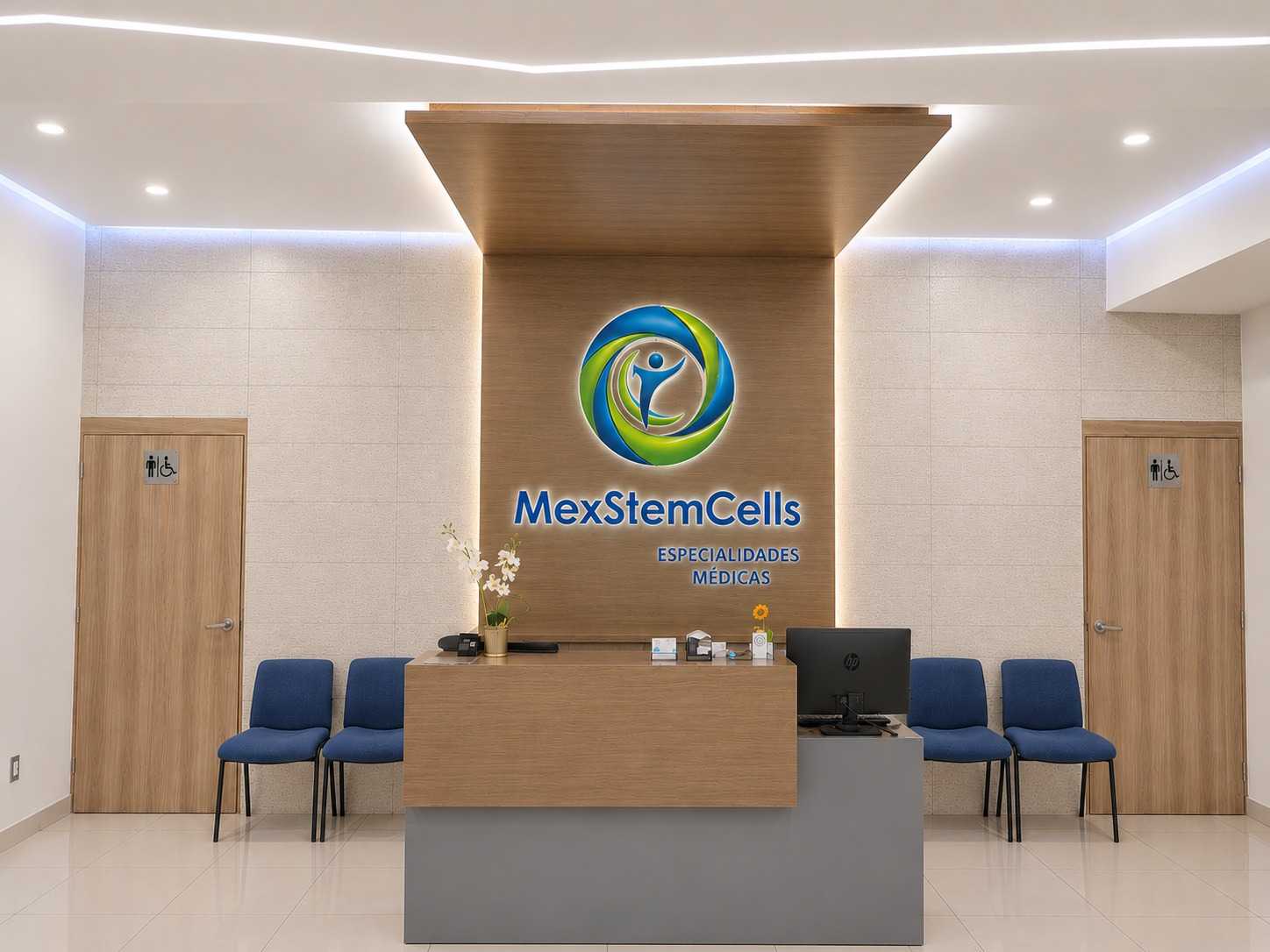
MexStemCells Clinic
Mexico City, Mexico
Immunotherapy Regenerative Medicine in Puerto Vallarta
Puerto Vallarta, Mexico
Transformative Stem Cell Therapy Experiences: Dive into Procedure Insights
Discover the power of Stem Cell Therapy through compelling patient experiences. Uncover detailed insights into procedures, recovery journeys, and life-changing results.

Price starting from $6,500
COPD Treatment through Stem Cells in Mexico
- Stem Cell Treatment for COPD, Stem Cell Therapy
Mexico

Price starting from $7,500
Stem Cell Therapy for Parkinson’s Disease in Mexico City, Mexico
- Stem Cell Treatment for Parkinsons Disease, Stem Cell Therapy
Mexico City, Mexico

Price starting from $5,995
Guide to Stem Cell Therapy for Anti-Aging in Guadalajara
- Stem Cell Therapy
Guadalajara, Mexico

Price starting from $5,995
Stem Cell Therapy for Rheumatoid Arthritis in Mexico
- Stem Cell Treatment for Rheumatoid Arthritis, Stem Cell Therapy
Mexico
Explore Stem Cell Therapy: Stories, Testimonials, and Procedures
Watch in-depth videos covering everything from Stem Cell Therapy success stories to detailed procedure explanations. Learn what to expect and hear from real patients.

Ryan Walker's Patient Story: Stem Cell Therapy in Tijuana, Mexico by CellsTime Clinique for Stroke and Parkinson's Disease
Stem Cell Therapy
CellsTime Clinique Tijuana
Mexico

Veteran Kalob Creighton’s Stem Cell Treatment for Neuropathy at RejuvStem
Stem Cell Therapy
RejuvStem - Stem Cell Therapy Cancun
Mexico
Douglas Reviews Stem Health Regenerative Medicine in Guadalajara
Stem Cell Therapy
Stem Health Guadalajara
Mexico
Stem Cell Therapy for Spine Conditions at CellsTime
Stem Cell Therapy
CellsTime Clinique Guadalajara
Mexico
Learn More with These Stem Cell Therapy Articles
Take a look at these interesting articles, stories and research that will help you learn more about Stem Cell Therapy.

The Autoimmune Reset: Managing Rheumatoid Arthritis with Advanced Cellular Therapies in CDMX
PlacidWay Medical Tourism
- Stem Cell Therapy
Mexico

The Autism Revolution: U.S. Families Are Finding Game-Changing Results with Stem Cells in Tijuana!
PlacidWay Medical Tourism
- Stem Cell Therapy
Mexico

Stem Cell Therapy for Anti Aging in Los Algodones, Mexico: Safety Questions to Review Before Treatment
PlacidWay Mexico Medical Tourism
- Stem Cell Therapy
Mexico
Is Stem Cell Therapy for Lung Disease in Nuevo Progreso, Mexico Right for You?
PlacidWay Mexico Medical Tourism
- Stem Cell Therapy
Mexico








