
Understanding Stem Cell Therapy for CP in Mexico
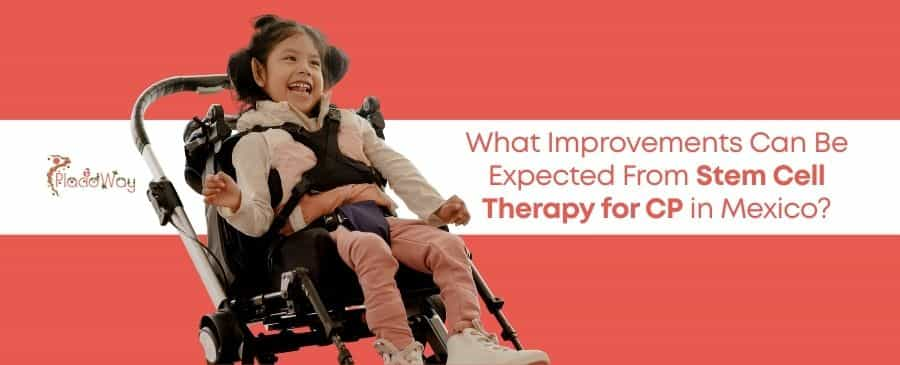
Cerebral palsy (CP) is a group of neurological disorders that affect movement, muscle tone, and posture, typically caused by damage to the developing brain before, during, or shortly after birth. Because traditional treatments focus heavily on symptom management through physical therapy, medications, and sometimes surgery, many families look toward regenerative medicine for additional support. Pursuing stem cell therapy for CP in Mexico has become a prominent option for patients seeking alternative or investigational approaches not widely available in their home countries.
Stem cell therapy aims to introduce healthy, multipotent cells into the body to potentially repair damaged neural tissues, reduce neuroinflammation, and support neuroplasticity. While outcomes are never guaranteed and the treatment is not a cure, clinical observations and patient reports suggest that some individuals may experience functional improvements. Understanding what to realistically expect, the associated risks, and the commitment required for aftercare is crucial for any family considering this path.
Key Takeaways
- Stem cell therapy for CP is an investigational treatment aimed at supporting brain repair and reducing inflammation.
- Potential improvements may include enhanced motor skills, reduced spasticity, and better cognitive focus, though results vary heavily by patient.
- Treatment relies heavily on post-procedure physical and occupational therapy to maximize any neural gains.
- Thorough medical screening is essential, as not all patients are suitable candidates for regenerative therapies.
- Comprehensive aftercare and local neurological follow-ups are necessary upon returning home.
What specific motor function improvements can stem cells offer for CP?
Motor dysfunction is the hallmark of cerebral palsy. When stem cells are introduced into the body—often intravenously or intrathecally (into the spinal canal)—they are believed to secrete neurotrophic factors. These growth factors can help stimulate angiogenesis (the formation of new blood vessels) and neurogenesis (the growth of new nervous tissue). By increasing blood flow and reducing inflammation in damaged areas of the brain, the therapy attempts to create an environment where the brain can forge new neural pathways.
For parents observing their children post-treatment, improvements in motor function are often the primary goal. Clinical literature and patient reports indicate that some children may develop the ability to roll over, sit unassisted for longer periods, or display improved trunk stability. Fine motor skills, such as grasping objects or feeding oneself, may also show gradual development.
It is crucial to understand that these changes do not happen overnight. The brain requires time to utilize the regenerative properties of the cells. Furthermore, physical therapy acts as the catalyst for these improvements; the newly supported neural pathways must be trained and reinforced through repetitive, targeted exercises.
Can stem cell therapy help reduce spasticity and muscle stiffness?
Spasticity—where muscles are continuously contracted—is one of the most debilitating symptoms for many individuals with CP. It leads to stiffness, joint deformities, and chronic pain. The immunomodulatory properties of mesenchymal stem cells (MSCs) are particularly interesting to researchers studying spasticity. These cells can help regulate the immune system and reduce systemic inflammation, which is often heightened in patients with neurological injuries.
Following treatment, some families notice that a child's limbs become more relaxed and easier to stretch. This reduction in stiffness can have a profound cascading effect on the patient's quality of life. Relaxed muscles can lead to:
- More effective physical therapy sessions with less discomfort.
- Improved sleep quality due to a reduction in muscle spasms at night.
- Better positioning in wheelchairs or specialized seating.
- A potential delay in the need for invasive orthopedic surgeries, such as tendon lengthenings.
Are cognitive and speech improvements possible with this treatment?
Cerebral palsy can affect the areas of the brain responsible for language processing, speech production, and cognitive development. Because stem cell therapy targets systemic brain inflammation and promotes overall cellular health, the benefits are not strictly limited to muscle control. Many regenerative medicine protocols operate on the premise that healing the underlying neural environment can yield broad developmental benefits.
Speech improvements are often linked to better motor control of the facial and oral muscles. If spasticity in the jaw and tongue decreases, a patient may find it easier to articulate words, chew, and swallow safely. Cognitively, parents frequently report subtle but meaningful changes in their child's engagement with the world. This can manifest as an increased attention span during school or therapy, more frequent and sustained eye contact, and a general increase in alertness. However, cognitive improvements are highly subjective and difficult to quantify, making ongoing evaluation by speech and occupational therapists essential.
How long does it take to see results after stem cell therapy in Mexico?
The timeline for assessing the effectiveness of stem cell therapy requires patience. The therapy relies on biological processes—cellular signaling, reduction of inflammation, and tissue regeneration—which take time to unfold. During the first few weeks after returning home, some patients may actually feel fatigued as their bodies adjust to the treatment.
Most treating physicians advise waiting at least three to six months before evaluating whether the therapy has been successful. During this window, the introduced stem cells are most active in secreting growth factors. The trajectory of improvement is rarely a straight line; patients may experience periods of rapid developmental leaps followed by plateaus. Tracking progress requires detailed baseline assessments prior to the trip to Mexico, followed by regular check-ins with local healthcare providers.
Is stem cell therapy for cerebral palsy considered safe?
Any medical procedure carries inherent risks, and regenerative medicine is no exception. Because stem cell therapy for CP is largely classified as investigational, safety is a primary concern for regulatory bodies and medical professionals. The safety profile often depends heavily on the type of stem cells used (autologous vs. allogeneic), the method of administration, and the quality standards of the facility.
Common, mild side effects immediately following the procedure may include a low-grade fever, headache, nausea, or fatigue. These typically resolve within a few days. More severe risks, though rare in well-regulated environments, include infections at the injection site, adverse immune responses, or complications related to anesthesia (if sedation is required for pediatric patients). Patients with a history of severe seizures or certain genetic conditions may face higher risks or be deemed ineligible for treatment.
How much does stem cell therapy for CP cost in Mexico compared to other regions?
Financial considerations are a major factor for families evaluating regenerative medicine. Because these treatments are rarely covered by health insurance, patients must pay out of pocket. In countries like the United States, accessing stem cell therapy outside of highly restricted clinical trials can be financially prohibitive, often exceeding $30,000 to $40,000 depending on the protocol.
In Mexico, the cost of living, lower administrative healthcare overhead, and different regulatory frameworks allow clinics to offer these therapies at a lower price point without necessarily compromising on the quality of the biological materials. The final price varies based on several factors:
- The number of stem cells required (dosage is often based on patient weight).
- The source of the cells (e.g., umbilical cord tissue MSCs vs. bone marrow extraction).
- The length of the clinical stay and inclusion of supportive therapies (hyperbaric oxygen, specialized physical therapy).
- The complexity of the administration method (IV drip vs. lumbar puncture).
What factors determine patient eligibility for treatment at a stem cell therapy for CP clinic in Mexico?
Not every patient with cerebral palsy is a suitable candidate for stem cell therapy. A reputable stem cell therapy for CP clinic in Mexico will conduct a thorough pre-screening process before accepting a patient for travel. This process is designed to ensure patient safety and to identify those most likely to respond positively to the therapy.
Medical teams typically request recent MRI scans, detailed reports from current neurologists and physical therapists, and comprehensive blood work. They evaluate the severity of brain injury, the presence of active infections, and the patient's seizure history. Uncontrolled epilepsy, for instance, can sometimes be a contraindication for certain stem cell protocols, as introducing new cellular activity could potentially alter brain electrical patterns. Age is also considered; while neuroplasticity is highest in early childhood, leading many clinics to prefer treating younger patients, some adults are accepted based on their specific health profiles.
How does medical tourism in Mexico support patients traveling for neuroregenerative therapies?
Traveling abroad for medical care—especially with a patient who has significant mobility and developmental challenges—requires careful logistical planning. Mexico has positioned itself as a global hub for medical travel, heavily investing in healthcare infrastructure tailored to international visitors. Cities like Tijuana, Cancun, Monterrey, and Guadalajara host modern facilities dedicated specifically to regenerative medicine.
For North American patients, the geographic proximity is a massive advantage. Shorter flight times or the ability to drive across the border reduces the physical strain on the patient. Furthermore, clinics accustomed to international patients usually provide bilingual coordinators who assist with translating medical documents, explaining clinical procedures clearly in English, and helping manage local accommodations that are wheelchair accessible. This supportive environment helps reduce the stress on families, allowing them to focus entirely on the patient's treatment and immediate recovery.
What type of physical therapy and aftercare is required post-treatment?
Stem cell therapy should never be viewed as a standalone solution; it is a biological tool designed to enhance traditional therapies. When stem cells help reduce inflammation and create an environment conducive to neural growth, the brain still needs instructions on how to use these new pathways. This is where rigorous, sustained physical, occupational, and speech therapy comes in.
Upon returning home, patients should ideally enter an intensive therapy program. Therapists will work to take advantage of reduced spasticity to improve range of motion, strengthen atrophied muscles, and practice new motor skills. Families must clearly communicate with their local therapists about the treatment received in Mexico so that therapy plans can be adjusted to challenge the patient appropriately. Neglecting aftercare significantly diminishes the potential benefits of regenerative medicine.
Why Choose PlacidWay for Medical Tourism Information?
Navigating the complex landscape of international regenerative medicine requires access to organized, factual information. PlacidWay serves as a comprehensive resource for patients exploring treatment options globally.
- Extensive Information Network: PlacidWay provides access to a large directory of clinics and medical providers worldwide, allowing patients to compare different treatment centers.
- Educational Resources: The platform offers articles, patient guides, and detailed breakdowns of various medical procedures to help families understand their options.
- Direct Clinic Connections: PlacidWay facilitates direct communication between patients and international healthcare providers for personalized medical inquiries.
- Cost Transparency Profiles: Patients can review estimated cost ranges and treatment inclusions published by various international facilities.
- Global Medical Options: The platform covers multiple regions and specialties, giving families a broader view of where specific investigational treatments are actively performed.
Frequently Asked Questions (FAQs)
How many stem cell sessions are typically needed for CP?
The number of required sessions varies based on the patient's condition, age, and the specific clinical protocol used. Some patients undergo a single intensive week of treatments, while others may require multiple visits spread over several months or years.
Where do the stem cells used for CP in Mexico come from?
Clinics generally use either autologous stem cells (harvested from the patient's own bone marrow or fat tissue) or allogeneic mesenchymal stem cells (ethically sourced from donated umbilical cord tissue).
Is stem cell therapy a cure for cerebral palsy?
No, stem cell therapy is not a cure for cerebral palsy. It is an investigational treatment aimed at managing symptoms, repairing cellular damage, and improving overall quality of life alongside traditional therapies.
Do patients need to stop traditional CP medications before treatment?
Medication management must be handled directly by your treating neurologists. Some medications, particularly anti-inflammatories or immunosuppressants, may need to be adjusted, but you should never alter medication without professional medical guidance.
Will my local neurologist monitor me after returning from Mexico?
It is highly recommended to establish a relationship with a local neurologist who is aware of your medical travel plans. While some may be hesitant about investigational treatments, local monitoring is crucial for ongoing physical therapy and tracking developmental progress.
Are there age limits for CP stem cell therapy?
Eligibility ages vary by clinic. Many protocols are designed for children during critical developmental windows, but some facilities also evaluate and treat adult patients with CP based on their specific health profiles.
What are the common side effects immediately after the procedure?
Immediate side effects may include mild fever, fatigue, headaches, or localized pain and bruising at the injection or IV site. Severe complications are rare but can include infection or immune reactions, which is why proper medical screening is necessary.
Can adults with CP benefit from stem cell therapy?
While neuroplasticity is generally higher in children, some adults with CP pursue stem cell therapy to help manage spasticity, reduce joint pain, and maintain mobility. Outcomes in adults are still being studied and vary widely.
How long do patients typically stay in Mexico for treatment?
A standard treatment trip usually lasts between 5 to 10 days. This allows time for initial medical evaluations, the administration of the stem cells, and a brief observation period before traveling home.
Does insurance cover stem cell therapy for CP in Mexico?
Because stem cell therapy for CP is largely considered investigational or experimental by major regulatory bodies, traditional health insurance providers typically do not cover the cost of the procedure or associated travel.
Explore Your Treatment Options
Gather more information, compare clinic profiles, and learn about regenerative medicine opportunities globally.
Request Treatment InformationReferences
- What is Cerebral Palsy? – Centers for Disease Control and Prevention (CDC)
- FDA Warns About Stem Cell Therapies – U.S. Food and Drug Administration (FDA)
- Mesenchymal Stem Cell Therapy for Cerebral Palsy: A Comprehensive Review – National Institutes of Health (NIH) / PubMed
- Medical Travel and Patient Safety – World Health Organization (WHO)
- Treatment Options for CP – Cerebral Palsy Foundation
- Cerebral Palsy Clinical Guidance – American Academy of Pediatrics (AAP)





















Share this listing