


Understanding Osteoarthritis and Knee Joint Degeneration
Yes, stem cell therapy for osteoarthritis in Slovakia is a highly reliable alternative to knee replacement surgery. It uses your bodys regenerative cells to repair cartilage, reduce pain, and improve joint mobility at a fraction of the cost.
Key Takeaways: Regenerative Joint Care in Central Europe
- Minimally Invasive: Avoids the severe trauma, bone cutting, and lengthy hospital stays associated with total joint replacements.
- Cost-Effective Care: Treatments in Central Europe can save international patients thousands of dollars without compromising on medical standards.
- Natural Healing: Utilizes mesenchymal cells to organically reduce joint inflammation and promote the regeneration of degraded cartilage tissue.
- Rapid Recovery: Most patients resume light daily activities within a week, compared to the months of painful physical therapy required after surgical joint replacement.
How does stem cell therapy for osteoarthritis work as an alternative to surgery?
Regenerative joint injections bypass the need to amputate and replace the knee joint by utilizing the bodys natural healing mechanisms to repair tissue damage from the inside out.
Osteoarthritis is characterized by the gradual breakdown of protective cartilage within the joint capsule, leading to painful bone-on-bone friction. Traditional orthopedic surgery addresses this by entirely removing the damaged biological joint and inserting metallic and plastic prosthetic components. Stem cell therapy for osteoarthritis in Slovakia takes a completely different approach by focusing on biological restoration rather than mechanical replacement. By injecting highly concentrated mesenchymal cells directly into the damaged knee, the therapy directly targets the underlying inflammatory environment causing the pain.
Once introduced into the osteoarthritic joint, these intelligent cells perform a dual function. First, they release powerful anti-inflammatory proteins called cytokines that rapidly calm the aggressive swelling and pain associated with arthritis. This immunomodulatory effect provides patients with significant pain relief, often noticeable within just a few weeks. By turning off the destructive inflammatory cascade, the joint environment changes from degenerative to regenerative, creating a safe space for tissue recovery.
Secondly, these specialized cells have the unique ability to differentiate into chondrocytes, which are the fundamental building blocks of healthy cartilage. While they do not act overnight, over the course of several months, they encourage the existing cartilage to repair itself and stimulate the growth of new extracellular matrix. This biological upgrade improves the shock-absorbing capabilities of the knee, restoring smooth mobility and allowing patients to postpone or entirely cancel their scheduled joint replacement surgeries.
What is the average stem cell therapy cost in Slovakia for joint pain?
Central Europe offers highly competitive pricing for advanced regenerative medicine, typically ranging between $3,500 and $6,000 per joint depending on the specific protocol used.
When comparing global healthcare options, the financial advantage of traveling abroad for regenerative orthopedics becomes abundantly clear. In the United States or the United Kingdom, similar cellular procedures can easily exceed $10,000 to $15,000 per knee. The stem cell therapy cost in Slovakia is significantly lower not because of inferior quality, but due to a more favorable economic landscape, lower administrative overhead, and capped malpractice insurance premiums. This allows world-class facilities to offer premium healthcare services at a fraction of Western prices.
The total price you pay generally encompasses the entire clinical protocol. This usually includes the initial specialist consultations, the cell harvesting procedure from either adipose fat tissue or bone marrow, the advanced laboratory processing to concentrate the cells, and the precise ultrasound-guided injection back into your knee. Transparent medical tourism packages ensure that patients are fully aware of what their investment covers long before they board a flight.
It is important to remember that while the upfront cost is paid out of pocket, it presents immense financial value when weighed against the hidden costs of total knee replacement. Surgeries involve hospital stays, general anesthesia fees, months of expensive physical therapy, and extended periods of lost wages due to work absence. Regenerative injections offer a streamlined outpatient experience that minimizes both financial drain and life disruption.
Who is the ideal candidate for knee stem cell injections instead of replacement?
The best candidates are individuals suffering from mild to moderate osteoarthritis who want to avoid the risks of major surgery and long rehabilitation periods.
- Mild to Moderate Degeneration: Patients whose cartilage is damaged but not completely worn down to severe bone-on-bone status experience the highest success rates, as there is still a matrix present for the cells to build upon.
- Medically Ineligible for Surgery: Individuals with underlying heart conditions, severe diabetes, or other systemic health issues that make general anesthesia and major surgical trauma too dangerous are excellent candidates for this minimally invasive option.
- Active Professionals: People whose careers or active lifestyles cannot accommodate the six to twelve months of grueling physical rehabilitation typically required following a complete metallic joint replacement.
- Inadequate Pain Relief: Patients who have exhausted conservative treatments like physical therapy, cortisone injections, and hyaluronic acid without finding sustainable relief from chronic daily joint pain.
- Age Considerations: Younger patients in their forties or fifties who are considered too young for a joint replacement because the prosthetic would wear out and require a complex revision surgery later in life.
How do regenerative medicine specialists source the stem cells used for treatment?
Doctors extract autologous cells directly from the patients own body, typically harvesting them from either abdominal fat tissue or the bone marrow found in the pelvic bone.
Safety and biocompatibility are the cornerstones of modern regenerative medicine. Reputable European facilities utilize autologous cell therapies, which means the biological material is harvested entirely from the patient. This eliminates any risk of disease transmission or immune rejection that could theoretically occur with donor cells. The most abundant sources of adult mesenchymal cells are found residing in our fat reserves and deep within our bone marrow cavities.
If the specialist opts for adipose-derived therapy, they will perform a mini-liposuction procedure under local anesthesia, usually taking a small amount of fat from the abdomen or love handles. This fat is then placed into a specialized centrifuge device that spins at high speeds to separate the potent regenerative cells from the lipid oils and blood. This concentrated cellular matrix is known as Stromal Vascular Fraction, which contains millions of healing cells ready for injection.
Alternatively, the bone marrow aspirate method involves numbing the back of the pelvic bone and using a specialized needle to draw out the liquid marrow. This liquid is similarly centrifuged to create Bone Marrow Aspirate Concentrate. Both methods are highly effective for treating osteoarthritis. The specific choice between fat or bone marrow depends on the patients age, body composition, and the exact severity of the joint degeneration being addressed.
What is the expected recovery timeline after receiving stem cell joint injections?
Recovery is exceptionally rapid compared to traditional joint surgery, with most patients returning to their normal daily routines within a few days to a week.
Because the procedure is minimally invasive and performed entirely with needles rather than scalpels, there are no surgical incisions to heal and no severe trauma to the joint capsule. Immediately following the injection, patients might experience temporary stiffness, mild swelling, and a sensation of fullness in the knee. This is a perfectly normal biological response indicating that the newly introduced cells are initiating the healing and inflammatory modulation process.
During the first three to five days, doctors recommend taking it easy. You should avoid rigorous activities, heavy lifting, or long periods of standing. Using a knee brace or walking with a cane can help offload pressure from the joint. Over-the-counter pain management is usually restricted to acetaminophen, as anti-inflammatory medications like ibuprofen can actually hinder the beneficial healing cascade triggered by the injection.
By the second week, the initial injection soreness typically resolves, and patients begin to notice the early stages of pain reduction. True structural healing and cartilage regeneration take time, as biology cannot be rushed. The most significant improvements in mobility, joint stability, and pain reduction usually become highly apparent between the second and third month post-procedure, continuing to improve for up to a year.
How long do the pain relief and mobility benefits of regenerative joint therapy last?
Clinical studies and patient reports indicate that successful treatments provide profound pain relief and enhanced joint function that can last anywhere from three to five years, or even longer.
Unlike cortisone injections, which simply mask pain temporarily and can actually accelerate cartilage destruction over time, cellular therapy aims for long-term structural improvement. Because the treatment stimulates your own body to repair the micro-environment of the knee, the benefits are vastly more durable. The newly generated extracellular matrix and the modulated immune response create a healthier joint capsule that resists further rapid degeneration.
The longevity of the results heavily depends on several personal factors. Patients who maintain a healthy body weight reduce the mechanical stress on their knees, allowing the regenerated tissue to last significantly longer. Engaging in low-impact exercises like swimming or cycling, while avoiding high-impact activities like heavy distance running on concrete, also plays a crucial role in protecting the investment made in your joint health.
It is also worth noting that this therapy is repeatable. If a patient experiences five wonderful years of pain-free walking but eventually notices a return of mild stiffness due to natural aging, they can safely undergo a booster injection. This is a massive advantage over joint replacement surgery, where a worn-out prosthetic requires a dangerous and highly complicated revision surgery involving bone grafting and extensive rehabilitation.
Are there any significant side effects or risks associated with knee stem cell therapy?
The procedure boasts a remarkable safety profile, primarily because it utilizes your own biological material, effectively eliminating risks of rejection or allergic reactions.
- No Immune Rejection: Because the biological material is harvested directly from your own fat or bone marrow, your immune system recognizes it perfectly, preventing the severe rejection risks associated with donor tissues.
- Minor Injection Site Pain: The most common side effect is localized soreness, mild bruising, or minor swelling at the harvest site (abdomen or pelvis) and the injection site (knee joint), which resolves in a few days.
- Infection Risk is Minimal: Any procedure involving a needle carries a microscopic risk of infection; however, treatments performed in sterile, accredited clinical environments make this complication exceedingly rare.
- Avoids Surgical Complications: By choosing needle-based therapy over major surgery, you bypass the life-threatening risks of general anesthesia, deep vein thrombosis, and large surgical site infections.
- No Prosthetic Failures: Patients avoid the severe complications linked to joint replacements, such as toxic metalosis, loosening of the artificial joint over time, or the mechanical failure of plastic spacer components.
Regenerative orthopedics is heavily utilized by professional athletes globally to heal career-threatening joint injuries quickly without the downtime of invasive surgeries. The exact same advanced technology used to treat elite sports stars is now accessible to the general public for managing osteoarthritis.
How does a top stem cell clinic in Slovakia maintain high safety and quality standards?
Facilities operating within Central Europe are strictly governed by European Union medical regulations, ensuring highly standardized laboratory processing, sterile environments, and rigorous clinical oversight.
When seeking international medical care, safety is paramount. A top-tier stem cell clinic in Slovakia adheres to the stringent guidelines set forth by the European Medicines Agency and local health ministries. These regulations dictate exactly how human tissues must be handled, processed, and reintroduced to the patient. Such strict oversight guarantees that the laboratory environments maintain pharmaceutical-grade cleanroom standards to prevent any possibility of sample contamination.
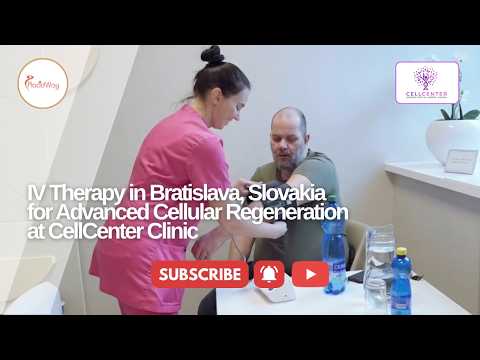
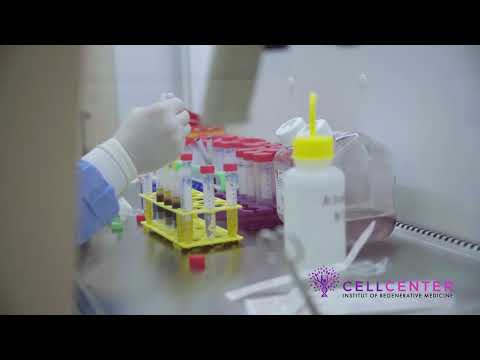
For instance, patients looking into advanced regenerative treatments at CellCenter in Slovakia will find that modern facilities utilize closed-system processing technology. This means that from the moment your biological material is extracted to the moment it is injected back into your joint, it never comes into contact with the open air. Closed systems utilize sophisticated centrifuge devices and sterile medical tubing to isolate the healing cells with mathematical precision.
Furthermore, the medical professionals administering these therapies are highly specialized orthopedists and regenerative medicine doctors. They do not rely on blind injections. Instead, they use advanced diagnostic imaging, such as live fluoroscopy or high-resolution ultrasound guidance, to perfectly place the regenerative matrix exactly where the cartilage damage is most severe, maximizing the therapeutic potential of every single injected cell.
Why is medical tourism in Slovakia becoming so popular for orthopedic conditions?
The country perfectly blends highly educated medical professionals, cutting-edge European technology, and highly affordable treatment costs within a beautiful and tranquil environment conducive to healing.
The rise of medical tourism in Slovakia is driven by the countrys unique position within Europe. It boasts a robust healthcare infrastructure heavily focused on research and biotechnology, producing doctors who are often trained globally but return to practice locally. This ensures that patients receive care that rivals or exceeds the standards found in the most expensive clinics in London, New York, or Geneva, but at a price point that is significantly more accessible to the average person.
Beyond the undeniable financial benefits, the geographic location offers a stress-free travel experience. Located in the heart of Central Europe, it is easily accessible via short flights from major European hubs or direct international connections to nearby Vienna. The logistics of traveling for an outpatient regenerative procedure are remarkably straightforward compared to traveling for massive open surgeries that require prolonged hospital stays and complex medical evacuations.
Finally, the environment itself plays a crucial role in patient satisfaction. Healing from chronic pain requires a reduction in physical and mental stress. Recovering in a historically rich, culturally vibrant, and naturally beautiful European setting allows patients to combine their medical journey with a rejuvenating wellness retreat. Patients can enjoy gentle walks through historic city centers or relax in renowned thermal spa towns as part of their post-treatment recuperation.
Why Choose PlacidWay for your regenerative medicine journey?
PlacidWay is an industry-leading medical facilitation platform that connects international patients with thoroughly vetted, globally accredited clinics to ensure a safe and transparent healthcare experience.
- Rigorous Facility Vetting: We conduct comprehensive background checks on every partner facility, ensuring they hold current domestic and international medical accreditations, utilize modern technology, and employ board-certified specialists with proven track records.
- Complete Price Transparency: Navigating healthcare costs abroad can be confusing. We provide clear, all-inclusive pricing estimates upfront, protecting you from hidden clinical fees or unexpected laboratory surcharges once you arrive at the medical center.
- Direct Medical Communication: We facilitate secure telehealth consultations and medical record transfers, allowing you to speak directly with the overseas specialist and confirm your candidacy for treatment before making any financial commitments.
- Dedicated Patient Advocates: Our knowledgeable support team guides you through the entire clinical process, answering complex medical questions and ensuring that your chosen clinic fully understands your specific orthopedic history and expectations.
- Unbiased Clinic Comparisons: Because we partner with top facilities globally, we offer objective advice and comparative data, helping you select the precise clinic and doctor that best aligns with your specific medical needs and financial budget.
Frequently Asked Questions
Is anesthesia required for stem cell extraction and joint injection?
Local anesthesia is typically used during both the extraction of bone marrow or adipose tissue and the subsequent injection into the knee joint. This ensures you remain comfortable and experience minimal pain throughout the minimally invasive procedure without the risks associated with general anesthesia.
Can I walk immediately after receiving knee stem cell therapy?
Most patients are able to walk out of the clinic on their own shortly after the injection. However, doctors strongly advise using crutches or a brace for the first few days to keep unnecessary weight off the treated joint, allowing the regenerative cells to settle and begin the healing process.
How soon can I fly back home after my stem cell procedure in Bratislava?
International patients are usually cleared to fly home within two to three days following the treatment. It is highly recommended to request wheelchair assistance at the airport to avoid prolonged standing or walking, which could stress the newly treated knee joint.
Will my insurance cover regenerative treatments abroad?
Most traditional health insurance providers currently classify regenerative orthopedic treatments as elective or experimental, meaning they rarely cover the costs. Patients traveling abroad for these therapies generally pay out of pocket, though the significantly lower prices internationally make it accessible.
Can stem cells completely regrow lost cartilage in severe osteoarthritis?
While regenerative treatments can significantly repair damaged tissue and halt the progression of joint degeneration, they cannot magically replace a completely bone-on-bone joint with thick, brand-new cartilage. Early to moderate stages of degeneration see the most profound structural improvements.
Are umbilical cord stem cells used for joint treatments in European facilities?
European medical regulations are very strict regarding allogeneic or donor-derived tissues. Most accredited facilities focus exclusively on autologous treatments, meaning they use the patients own cells derived from bone marrow or body fat to ensure maximum safety and avoid immune rejection.
Do I need physical therapy after my regenerative joint injections?
Yes, completing a tailored physical therapy program is crucial for maximizing your results. Gentle, guided exercises help stimulate the newly injected cells, improve blood flow to the joint capsule, and strengthen the surrounding muscles that support your knee.
Can I treat multiple joints during a single stem cell session?
It is absolutely possible to treat multiple joints, such as both knees or a knee and a hip, during one appointment. The medical team will simply harvest a slightly larger volume of tissue to ensure an adequate cell count is processed for each targeted area.
What dietary restrictions should I follow before harvesting stem cells?
Doctors generally recommend adopting an anti-inflammatory diet rich in antioxidants, omega-3 fatty acids, and leafy greens for several weeks prior to your procedure. You should also strictly avoid alcohol, smoking, and NSAID pain relievers, as these can impair cell function and slow down healing.
Is an MRI mandatory before booking a regenerative orthopedic procedure abroad?
A recent MRI scan taken within the last six months is mandatory for most reputable clinics. Specialists rely on these detailed imaging reports to accurately assess the extent of your cartilage loss and determine if regenerative injections will be a scientifically viable solution for your specific condition.
Take the First Step Toward a Pain-Free Life
* Responses typically within 24 hours. Your medical privacy is strictly guaranteed.
.jpg)





.png)










Share this listing