


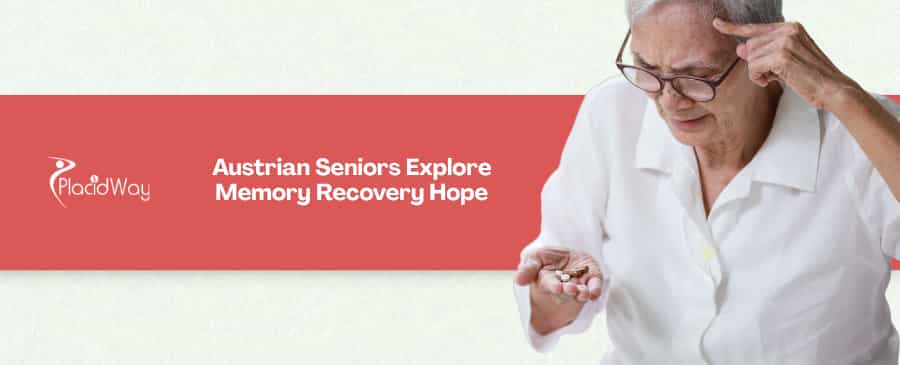
Alzheimer’s disease is a profoundly challenging diagnosis that impacts not just the patient, but their entire family. For Austrian seniors and their caregivers, the journey to manage cognitive decline, memory loss, and neuroinflammation often feels like a race against time. While traditional pharmaceutical interventions can help manage certain symptoms, they often fall short of halting the disease's progression or repairing damaged neural pathways. Because of this, an increasing number of families are turning their attention toward advanced regenerative medicine, specifically Mesenchymal Stem Cell Therapy for Alzheimer’s Disease in Bratislava.
Located just across the border, the capital of Slovakia has quietly transformed into a premier destination for European medical travel. Combining cutting-edge regenerative treatments, strict European Union medical regulations, and highly competitive pricing, it offers a beacon of hope for those seeking innovative neurological care. For Austrian seniors, the short travel distance removes the massive logistical hurdles usually associated with international medical care. If you are exploring this pioneering treatment to improve the quality of life for a loved one, it is crucial to understand the scientific, logistical, and financial aspects of the journey. Here are the six most important things you need to know about pursuing this innovative therapy.
1. Unmatched Proximity and Stress-Free Logistics for Austrian Seniors
When dealing with neurodegenerative conditions like Alzheimer's disease, maintaining a calm, predictable environment is paramount. Travel anxiety, jet lag, and unfamiliar surroundings can easily trigger confusion, agitation, and extreme distress in elderly patients suffering from dementia. This is where geographical proximity becomes one of the most critical deciding factors when choosing a medical destination.
Bratislava is geographically intertwined with Austria. The distance between Vienna and Bratislava is a mere 60 to 80 kilometers, depending on the exact starting point. This makes it entirely possible for patients to travel via a comfortable, short car ride, a brief train journey, or even a scenic river cruise down the Danube. For an Austrian senior, this means they can wake up in the comfort of their own bed, travel to the clinic for consultations or treatments, and potentially return home the very same day or experience minimal disruption by staying in a nearby, easily accessible hotel.
This convenience extends beyond just the treatment days. Mesenchymal Stem Cell Therapy for Alzheimer’s Disease in Bratislava typically requires preliminary consultations, health screenings, the actual administration of the cells, and follow-up visits. A short transit time allows family members and primary caregivers to accompany the patient easily without taking extended leave from work or arranging complicated long-term accommodations. By eliminating the physical and cognitive toll of long-haul flights associated with traveling to destinations like Asia or the Americas, the patient’s stress levels remain low, ensuring their body is in the best possible state to receive and respond to regenerative therapy.
2. How Mesenchymal Stem Cells Target the Roots of Alzheimer's Disease
To understand why this treatment is gaining traction, one must look at the biological mechanisms of Alzheimer’s disease. Alzheimer's is heavily characterized by the accumulation of amyloid-beta plaques and tau protein tangles in the brain, leading to severe neuroinflammation, the death of brain cells, and subsequent cognitive decline. Traditional medications generally act as temporary neurotransmitter boosters, patching the symptoms rather than addressing the underlying cellular death.
Mesenchymal Stem Cells (MSCs), typically ethically sourced from umbilical cord tissue (Wharton’s Jelly), bone marrow, or adipose (fat) tissue, function on a completely different paradigm. They are known for their profound immunomodulatory and neuroprotective properties. When introduced into the patient's system, MSCs do not necessarily transform into new brain cells; instead, they act as cellular "managers."
Here is a breakdown of how MSCs aim to alter the Alzheimer’s landscape:
- Reduction of Neuroinflammation: MSCs interact with microglia (the brain's immune cells), shifting them from a pro-inflammatory state that destroys healthy tissue to an anti-inflammatory state that protects neural pathways.
- Promotion of Angiogenesis: They encourage the formation of new blood vessels, improving blood flow, oxygenation, and nutrient delivery to starving areas of the aging brain.
- Prevention of Apoptosis: MSCs release factors that help prevent premature cell death (apoptosis) in existing, healthy neurons, preserving current cognitive functions.
| Feature | Traditional Alzheimer's Medication | Mesenchymal Stem Cell Therapy |
|---|---|---|
| Primary Action | Manages symptoms by regulating neurotransmitters. | Targets underlying neuroinflammation and promotes cellular repair. |
| Effect on Progression | May temporarily mask symptoms; disease continues to progress. | Aims to slow down progression and preserve current cognitive function. |
| Approach | Daily pharmacological intervention. | Holistic, biological regenerative intervention. |
3. High-Quality European Medical Standards in Slovakia
A common misconception about cross-border healthcare is that traveling to a neighboring country means compromising on quality or safety. However, the reality of medical tourism in Slovakia tells a completely different story. As a proud member state of the European Union, Slovakia’s healthcare infrastructure is bound by the exact same stringent medical directives, safety protocols, and ethical standards as Austria, Germany, or France.
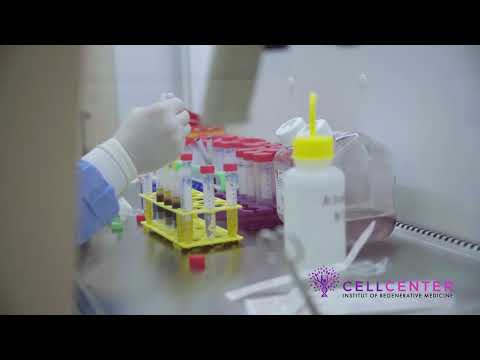
When it comes to regenerative medicine, the European Medicines Agency (EMA) sets comprehensive guidelines regarding the handling, cultivation, and administration of advanced therapy medicinal products (ATMPs), which includes stem cells. The laboratories and facilities utilized for processing MSCs in Bratislava adhere to Good Manufacturing Practices (GMP). This ensures that every vial of stem cells is rigorously tested for viability, sterility, potency, and the absence of any communicable diseases or genetic abnormalities.
For an Austrian senior, this means profound peace of mind. You are not traveling to a loosely regulated territory; you are accessing world-class biotechnology housed in state-of-the-art facilities. The medical professionals overseeing these treatments are highly accredited, often holding international certifications and actively participating in global regenerative medicine conferences. They utilize sophisticated imaging, precise intravenous or intrathecal delivery methods, and advanced monitoring equipment to ensure the highest standard of patient safety and care.
4. Significant Cost-Effectiveness Without Compromising Care
Advanced regenerative treatments are a significant financial investment, and a primary driver for the boom in cross-border healthcare is affordability. Understanding the stem cell therapy cost in Bratislava Slovakia is essential for families planning this journey. While exact prices fluctuate based on the specific protocol, the number of cell millions required, and the patient's individual condition, treatments in Slovakia generally offer incredible value compared to similar therapies in Western Europe, the United Kingdom, or the United States.
In many Western clinics, stem cell treatments can quickly exceed tens of thousands of euros, often burdened by high administrative overheads, expensive local real estate, and exorbitant laboratory operational costs. In contrast, the stem cell therapy cost in Bratislava Slovakia benefits from the country's lower general cost of living and operational expenses, allowing leading clinics to pass these savings directly to the patient.
Austrian families can expect to save anywhere from 30% to 50% on comprehensive stem cell packages. Importantly, a lower price tag does not indicate lower quality. These packages typically bundle several essential services to create a holistic, stress-free experience. A standard comprehensive treatment package in Bratislava often includes:
- Pre-Treatment Diagnostics: Extensive blood work, neurological assessments, and medical history reviews to ensure patient eligibility.
- The Stem Cell Biological Material: High-dose, highly viable Mesenchymal Stem Cells cultivated in GMP-certified laboratories.
- Administration Procedures: Professional administration by a certified medical team, utilizing specialized equipment.
- Supportive Therapies: Many clinics include adjunct therapies like Hyperbaric Oxygen Therapy (HBOT), IV vitamin infusions, or specialized physiotherapy to maximize the stem cells' effectiveness.
- Post-Treatment Care: Detailed follow-up plans, nutritional guidance, and continuous communication with the medical team.
By offering transparent, all-inclusive pricing, clinics in Bratislava allow families to budget accurately without the fear of hidden fees, making life-changing therapies accessible to a broader demographic of seniors.
5. Holistic Patient Care and Multilingual Clinic Experiences
The success of regenerative medicine is not solely dependent on the biological material injected; the environment, the care team, and the holistic approach taken play massive roles in patient outcomes. When exploring stem cell clinics in Bratislava Slovakia, Austrian families will discover facilities that operate on a patient-centric, concierge-level care model.
Communication is vital, particularly when discussing complex neurological conditions and innovative treatments. Seniors and their families need to fully understand every step of the process, voice their concerns, and provide informed consent without language barriers getting in the way. Because of the heavy influx of Austrian and German medical tourists, virtually every top-tier stem cell specialist in Bratislava Slovakia is completely fluent in English, and a vast majority are fluent in German, or at the very least, provide dedicated, medically trained German interpreters at no extra cost.
The patient journey is carefully orchestrated to prioritize comfort. From the moment an Austrian family arrives at a clinic, they are greeted by dedicated patient coordinators who guide them through the itinerary. Clinics are designed to feel more like high-end wellness retreats than sterile hospitals, creating a soothing atmosphere that helps reduce the clinical anxiety often experienced by seniors with dementia.
Furthermore, these clinics recognize that Alzheimer’s disease affects the whole body, not just the brain. Therefore, treatments are integrated into a broader lifestyle and functional medicine paradigm. Caregivers are provided with extensive education on brain-healthy diets, cognitive exercises, and supplementation that can help sustain the neuroprotective benefits of the stem cells long after the family has returned to Austria.
6. Safety Protocols and Managing Realistic Expectations
As promising as regenerative medicine is, families must approach Mesenchymal Stem Cell Therapy with clear, scientifically grounded expectations. It is vital to state clearly: stem cell therapy is not currently a definitive "cure" for Alzheimer’s disease. The damage caused by years of amyloid plaque buildup and tau tangles cannot be entirely erased overnight.
However, the goal of a stem cell specialist in Bratislava Slovakia is to intervene in the disease's progression. For many seniors, success is defined by a stabilization of cognitive decline, a return of certain short-term memory functions, improved mood, enhanced energy levels, and a reduction in severe confusion or agitation. By lowering neuroinflammation, the therapy aims to give patients more quality time, greater independence, and a deeper connection with their loved ones for a longer period.
Safety is the foundational pillar of these treatments. MSCs have been rigorously studied in hundreds of clinical trials globally, demonstrating an excellent safety profile with extremely low risks of adverse reactions, tumor formation, or rejection. Because umbilical cord-derived MSCs are young, robust, and highly potent, they offer superior anti-inflammatory capabilities without the need for invasive bone marrow or fat extraction procedures on an already frail elderly patient.
Before any treatment begins, reputable clinics conduct an exhaustive pre-screening process. If an Austrian senior has underlying conditions—such as active infections, severe cardiovascular instability, or active cancers—that would make the therapy unsafe or ineffective, ethical medical professionals will advise against the procedure. This dedication to ethical screening ensures that families are only investing in therapies that have a genuine, scientifically plausible chance of improving the patient's condition.
Take the Next Step Towards Advanced Care with PlacidWay
Navigating the world of international regenerative medicine can feel overwhelming, especially when caring for a loved one with Alzheimer's disease. You don't have to make these critical healthcare decisions alone. PlacidWay is your trusted medical tourism partner, dedicated to seamlessly connecting Austrian families with the highest-rated, fully vetted stem cell clinics in Bratislava.
We take the guesswork out of your medical journey by ensuring you only engage with providers who meet rigorous international quality standards. From obtaining transparent cost estimates and reviewing detailed clinic profiles to coordinating consultations with leading specialists, our dedicated team provides ongoing support every step of the way. We help you compare treatment protocols, understand the logistics, and secure the best possible care tailored to your family's unique needs.
Are you ready to explore transformative therapies just across the border?







.png)

.png)










Share this listing