
What Is the Average Price of Autoimmune Stem Cell Treatment in Slovakia?
The estimated cost of Stem Cell Therapy for Autoimmune Disease in Slovakia generally ranges from $6,500 to $10,000 USD, with CellCenter listing a starting price of approximately $7,900 USD for autoimmune conditions. The final price depends on the specific diagnosis, proposed cell therapy, treatment protocol, medical evaluations, and package inclusions. Austrian patients considering cross-border care should request an itemized quotation to confirm what is covered and whether additional expenses, such as travel, accommodation, diagnostic testing, or follow-up consultations, apply. Before proceeding, patients should also verify the treatment's regulatory status, available clinical evidence, and potential risks with a qualified specialist, as stem cell therapies vary in their authorization and evidence for different autoimmune diseases.

Quick Summary
- Cross-Border Accessibility: Proximity between Vienna and Slovak medical centers in Bratislava and Malacky enables convenient travel for specialized consultations.
- Targeted Clinical Research: Stem cell-based interventions, including Hematopoietic Stem Cell Transplantation (HSCT) and Mesenchymal Stem/Stromal Cell (MSC) research, focus on immune system resetting and immunomodulation.
- Measurable Outcomes: Clinical evaluation prioritizes standardized metrics—such as disease remission, reduced flare-up frequency, and disability stabilization—over general promotional claims.
- Cost Transparency: Pricing is structured clearly in USD, covering specialist fees, laboratory screening, cell processing, and post-procedure monitoring.
- EU Patient Rights: Austrian healthcare consumers can utilize formal EU cross-border directives for prior authorization and potential insurance reimbursement reviews.
- Rigorous Screening: Eligibility requires diagnosis-specific evaluation, organ function checks, infection screening, and a structured follow-up plan coordinated with domestic care providers.
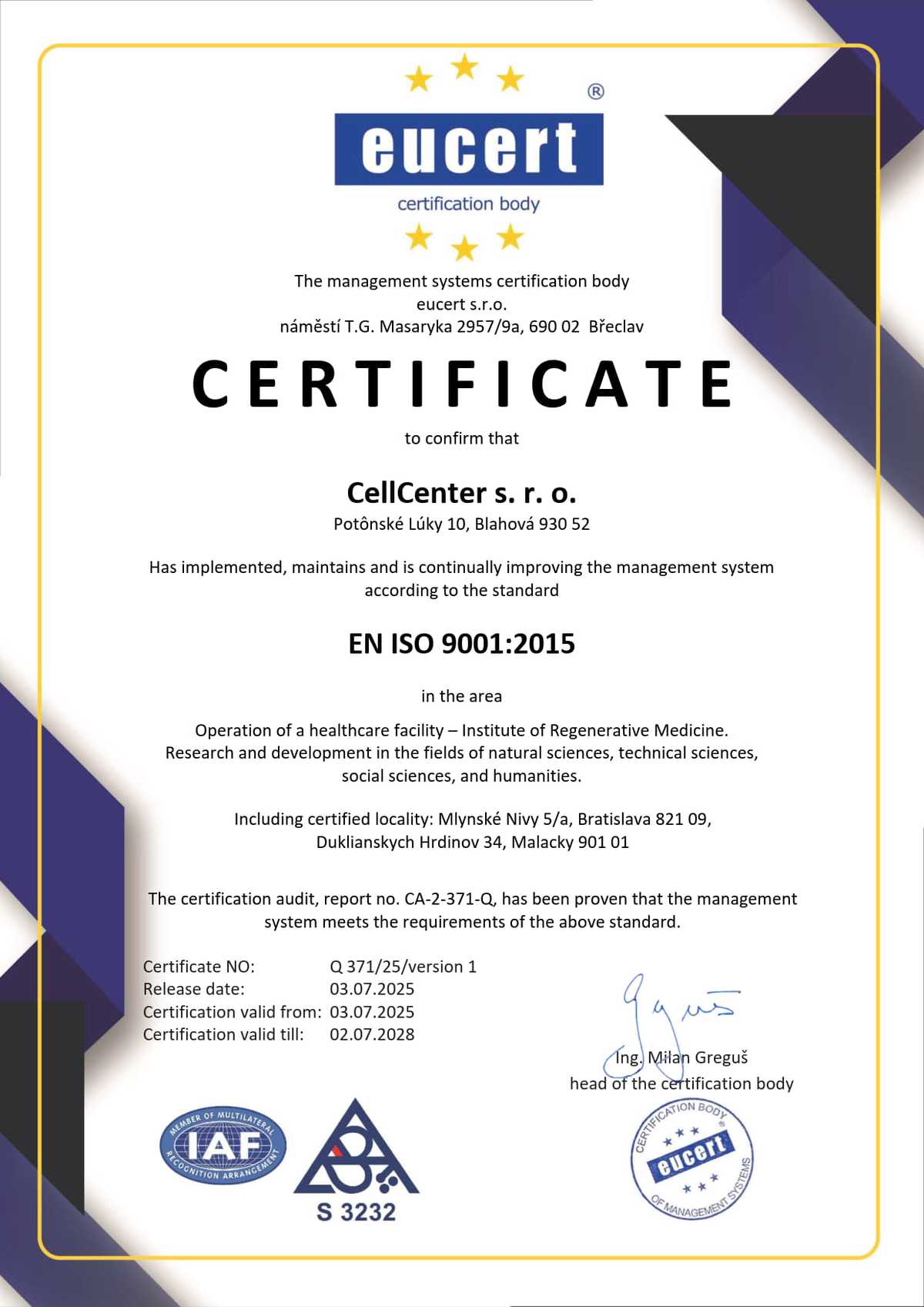
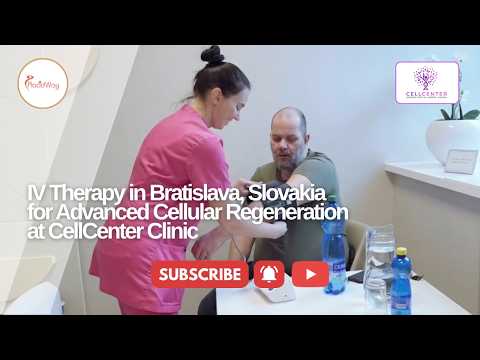
Featured Medical Provider in Slovakia
Why Austrian Patients Are Looking Beyond Their Borders for Autoimmune Care
Managing chronic autoimmune conditions presents complex challenges for patients facing persistent symptoms, medication side effects, or progressive disease activity despite conventional disease-modifying therapies. When standard pharmaceuticals produce incomplete disease control, individuals often investigate emerging medical approaches and specialized centers abroad.
Healthcare consumers in Austria increasingly examine options in neighboring Slovakia. Motivations include immediate consultation scheduling, access to specialized regenerative cell protocols, direct access to multidisciplinary clinical teams, and manageable out-of-pocket expenses for services not fully covered by public health plans.
Stem cell-based treatments represent a dynamic field of modern clinical research. While certain procedures like Hematopoietic Stem Cell Transplantation (HSCT) have established clinical guidelines for specific severe autoimmune indications, other cell-based protocols remain investigational and require careful clinical evaluation.
The Austria–Slovakia Healthcare Connection
The geographical proximity between eastern Austria and western Slovakia makes cross-border travel highly practical. Traveling from Vienna to medical facilities in Bratislava or nearby Malacky takes under an hour by car or train, eliminating the physical exhaustion associated with long-distance international travel for frail patients.
Short Travel Distance
Proximity allows patients to travel easily for multi-step consultations, diagnostic workups, and follow-up reviews without major travel fatigue.
Multilingual Medical Teams
Slovak medical centers serving international patients offer consultations and documentation in German and English to ensure clear communication.
Coordinated Care Transfer
Discharge summaries and laboratory reports are provided in standardized formats to assist domestic physicians in Austria with ongoing care.
Before committing to care abroad, Austrian healthcare consumers should confirm regulatory status, medical authorization, and potential cross-border insurance reimbursement options under European Union healthcare directives.
European Autoimmune Hematopoietic Stem Cell Procedures Trend
Data published by the European Society for Blood and Marrow Transplantation (EBMT) demonstrates the growth of hematopoietic stem cell procedures performed for autoimmune indications across European clinical centers over recent years.
Reported European Autoimmune HSCT Procedures (EBMT Activity Survey Data)
Source: EBMT Activity Survey Reports (European Society for Blood and Marrow Transplantation). Figures reflect reported European registry entries.
Understanding Autoimmune Diseases and Their Treatment Challenges
Autoimmune conditions arise when the immune system loses self-tolerance, incorrectly identifying healthy bodily tissues as foreign threats and generating targeted autoantibody or cell-mediated inflammatory destruction. Because underlying triggers involve complex genetic and environmental interactions, presentation varies widely across patients.
| Condition | Primary Physiological Target | Key Clinical Manifestations |
|---|---|---|
| Multiple Sclerosis (MS) | Central nervous system myelin sheath | Optic neuritis, motor weakness, sensory changes, fatigue, mobility impairment |
| Rheumatoid Arthritis (RA) | Synovial joint membranes | Symmetrical joint swelling, morning stiffness, progressive cartilage damage |
| Systemic Sclerosis (Scleroderma) | Skin, microvasculature, internal organs | Skin thickening, Raynaud's phenomenon, esophageal dysfunction, pulmonary fibrosis |
| Systemic Lupus Erythematosus | Multi-system connective tissue & organs | Malar rash, joint pain, glomerulonephritis, hematologic cytopenias |
Because physiological targets differ significantly, medical decisions require diagnosis-specific evaluation rather than a single generalized treatment framework.
Where Stem Cell Therapy Fits Into Autoimmune Treatment
Stem cell therapies in autoimmune disease aim to modify, suppress, or reset abnormal immune responses. Clinical approaches fall into two distinct cellular categories:
Hematopoietic Stem Cells (HSCT)
Autologous HSCT involves harvesting bone marrow stem cells, conditioning the patient with immunosuppressive conditioning, and reinfusing cells to rebuild a self-tolerant immune system.
Clinical status: Recognized in international guidelines for select severe, rapidly progressive MS or systemic sclerosis unresponsive to standard medications.
Mesenchymal Stromal Cells (MSCs)
Harvested from bone marrow, adipose, or umbilical tissue, MSCs secrete paracrine growth factors and cytokines that suppress inflammatory signaling without requiring myeloablative conditioning.
Clinical status: Currently under investigation across Phase 1–3 clinical trials to evaluate safety, immunomodulation, and tissue repair potential.
Medical distinction: Stem cell treatments do not offer a guaranteed "cure." They function as therapeutic interventions intended to reduce pathological inflammation or induce long-term disease remissions. Scientific evidence established for one autoimmune disease cannot be assumed for another.
What Does “High Success” Mean in Autoimmune Stem Cell Treatment?
Evaluating medical outcome data requires examining standardized, objective clinical end-points rather than broad promotional assertions. In scientific studies, clinical success is defined using validated measurement tools:
- No Evidence of Disease Activity (NEDA): Used in MS trials to measure complete absence of clinical relapses, disability progression, and new MRI brain lesions.
- Disease Remission: Sustained period without active inflammatory flares or elevated systemic inflammatory markers (CRP, ESR).
- Disability Stabilization: Halting the progression of neurological or joint damage over defined 2-year to 5-year evaluation windows.
- Medication Reduction: Decreasing patient reliance on high-dose systemic corticosteroids or toxic immunosuppressive drugs.
- Quality of Life Measures: Documented improvements on standardized physical functionality scales.
Patients should rely on peer-reviewed study results, official society guidelines, and audited center registries rather than personal online testimonials.
Comparing the Cost of Autoimmune Treatment in Austria and Slovakia
Financial planning for specialized medical care involves evaluating complete treatment pathways. Total out-of-pocket costs vary based on whether care is delivered within public hospital systems, private clinics, or under cross-border insurance reimbursement arrangements. All figures provided below represent planning estimates in USD.
| Expense Category | Questions Austrian Patients Should Ask | Key Budget Considerations (USD) |
|---|---|---|
| Specialist Assessment | Is the initial multidisciplinary specialist consultation included in the base proposal? | Confirm physician fees for neurology, rheumatology, or hematology reviews. |
| Diagnostic Testing | Are baseline laboratory work, MRI imaging, and viral screening billed separately? | Verify whether pre-treatment tests can be completed in Austria to reduce local costs. |
| Cell Procedure | What exact cell preparation, harvesting technique, and administration protocol are used? | Clarify processing fees for autologous harvesting vs cultured cell products. |
| Hospital Care | Are inpatient hospital admission, nursing, conditioning medications, and monitoring covered? | Inquire about daily room rates and specialized isolation care fees if needed. |
| Complication Management | What financial and clinical arrangements exist if acute complication care is required? | Verify emergency transfer policies and hospital ICU coverage options. |
| Follow-Up Care | Are post-treatment assessments, blood tests, and remote consultations included? | Budget for multi-month follow-up visits and domestic lab testing. |
| Travel & Stay | How many trips and local hotel nights are needed for the patient and companion? | Account for regional transit between Vienna and Slovak clinical centers. |
Cost Caution: Lower advertised package prices should never replace independent credential verification. Request an itemized written quote before making financial commitments.
How Austrian Patients Can Evaluate Slovak Treatment Providers
When considering Stem Cell Therapy for Autoimmune Disease in Slovakia, patients should apply structured verification criteria:
Licensing & Identity
- Official facility operating license
- Ministry of Health registration
- Specialist board certifications
- Hospital emergency affiliations
Scientific Integrity
- Authorized clinical research status
- Published peer-reviewed trial data
- Defined cell source & processing steps
- Standardized release criteria
Safety Protocols
- Infection control systems
- Emergency ICU transfer plans
- Long-term surveillance tracking
- Clear risk documentation
The Patient Assessment Journey: From Austria to Slovakia
Understanding the chronological steps helps patients navigate the clinical process efficiently and safely:
| Stage | Clinical Action Required | Key Deliverables |
|---|---|---|
| 1. Record Preparation | Compile complete diagnostic history, laboratory work, imaging, and medication logs in Austria. | Translated medical folder |
| 2. Remote Consultation | Submit records for preliminary evaluation by Slovak specialists before booking travel. | Preliminary opinion letter |
| 3. Eligibility Review | Conduct in-person clinical examinations, organ function checks, and disease severity scoring. | Formal suitability decision |
| 4. Written Proposal | Receive detailed treatment protocol outlining benefits, known risks, and itemized costs in USD. | Informed consent contract |
| 5. Admission & Care | Undergo cell harvesting, conditioning (if applicable), administration, and clinical observation. | Inpatient care summary |
| 6. Return to Austria | Transfer medical reports to primary Austrian specialists to coordinate continuous local monitoring. | Joint follow-up schedule |
Which Patients May Be Considered for Stem Cell-Based Interventions?
Cellular procedures are not universal therapies suitable for every individual. Eligibility depends heavily on specific disease subtypes, disease progression rates, and overall physiological health.
Intensive protocols such as autologous HSCT are generally reserved for patients with severe, highly active disease who show persistent inflammatory progression despite standard biological or immunomodulatory therapy. Prior to treatment, candidate evaluation must confirm adequate cardiac, pulmonary, hepatic, and renal function to withstand conditioning regimens.
Independent Consultation: Patients are encouraged to obtain an independent second opinion from their primary neurologist, immunologist, or rheumatologist in Austria before undergoing intensive cellular interventions abroad.
Cross-Border Patient Rights, Insurance, and Medical Documentation
As citizens of the European Union, Austrian healthcare consumers possess established rights under EU Directive 2011/24/EU regarding cross-border healthcare access. Key regulatory considerations include:
- Prior Authorization: Elective hospital treatments abroad often require prior written approval (e.g., S2 form or national prior authorization) from Austrian health insurance providers to qualify for partial reimbursement.
- Reimbursement Rates: Reimbursement is typically capped at the amount the same treatment would cost within the public Austrian healthcare system.
- Documentation Formats: Patients should obtain complete medical charts, laboratory results, cell processing records, and medication summaries in German or English upon discharge.
Safety Considerations and Long-Term Follow-Up
All medical interventions carry inherent clinical risks. Intensive cell therapies such as HSCT involve temporary bone marrow suppression, raising susceptibility to opportunistic viral or bacterial infections, secondary autoimmune reactions, organ toxicities, and fertility implications.
Investigational MSC infusions, while generally demonstrating favorable short-term tolerability, require ongoing surveillance for potential immune reactions or tissue responses. Long-term follow-up protocols must establish clear clinical responsibility for managing delayed adverse events after the patient returns to Austria.
Red Flag Warning: Avoid centers that guarantee 100% cure rates, minimize significant procedure risks, or insist on immediate payment before complete medical evaluation.
How to Compare Treatment Offers Without Relying on Marketing Claims
Use this objective checklist when evaluating medical proposals from centers in Slovakia:
Essential Verification Indicators
- Diagnosis-specific treatment protocol provided
- Treatment aligns with peer-reviewed medical literature
- Success metrics defined by measurable clinical end-points
- Transparent reporting of potential complications
- Complete itemized cost proposal in USD
- Structured follow-up plan for care in Austria
Reasons to Pause Evaluation
- Provider promises guaranteed disease eradication
- Cell processing protocols and sources are withheld
- Center lacks formal government health authorization
- High pressure to pay fees prior to medical review
- No plan provided for emergency care or complications
- Standard disease management options are dismissed
Frequently Asked Questions
Why do Austrian patients evaluate autoimmune stem cell therapy in Slovakia?
Proximity to Vienna, accessible specialist consultations, short waiting lists, and structured cross-border care frameworks make Slovak medical centers a convenient option for Austrian patients exploring specialized cellular interventions.
Is stem cell therapy a recognized cure for autoimmune diseases?
No. Stem cell procedures are not considered a universal cure. Established protocols like autologous HSCT aim to induce long-term disease remission or stop disease activity in select severe cases, while other cell applications remain investigational.
Which autoimmune conditions are most commonly studied for stem cell care?
Clinical research and treatment guidelines focus primarily on severe relapsing or progressive Multiple Sclerosis, Systemic Sclerosis (Scleroderma), severe Rheumatoid Arthritis, and refractory Lupus Nephritis.
What is the difference between HSCT and MSC therapy?
HSCT uses hematopoietic stem cells along with immunosuppressive conditioning to reset the immune system. MSC therapy uses mesenchymal stromal cells to secrete anti-inflammatory signals without destroying host bone marrow.
Can Austrian health insurance cover treatment in Slovakia?
Reimbursement under EU cross-border healthcare directives depends on prior authorization, the specific medical condition, whether the procedure is approved care, and national health fund policies in Austria.
How is treatment success measured clinically?
Success is evaluated using objective metrics such as No Evidence of Disease Activity (NEDA), reduced relapse frequency, stabilized disability scores, decreased inflammation markers, and improved quality of life over multi-year periods.
How long must patients stay in Slovakia during treatment?
Length of stay varies significantly. Initial evaluations may take 2–3 days, while intensive procedures like HSCT can require 3–4 weeks of inpatient care and observation before returning home.
What are the primary safety risks of cellular therapy?
Risks include temporary immunosuppression, heightened infection vulnerability, fatigue, systemic inflammatory reactions, and potential organ toxicities depending on the conditioning regimen used.
How can Austrian patients verify clinic credentials in Slovakia?
Patients should request the facility's official healthcare provider license, confirm specialist registration with the Slovak Medical Chamber, verify hospital affiliations, and review published clinical trial records.
Who manages follow-up care after returning to Austria?
Follow-up requires coordinated management between the treating Slovak clinical team and the patient's domestic neurologist, rheumatologist, or primary physician in Austria using shared discharge charts.
Explore Autoimmune Stem Cell Therapy Options in Slovakia
PlacidWay connects international patients with accredited medical centers, assisting with clinical inquiries, medical record evaluations, and treatment information for Stem Cell Treatment for Autoimmune Disease in Slovakia. Request personalized medical proposals, facility credential reports, and itemized quotations before making care decisions.
Request Medical InformationDisclaimer: This content is provided for educational and informational purposes only and does not constitute formal medical advice, clinical diagnosis, or treatment recommendations. Patients considering stem cell interventions should consult qualified healthcare professionals and obtain an independent assessment from their primary physician in Austria before undergoing medical procedures abroad.
Trusted Medical Sources
- World Health Organization (WHO): Global Health Guidance and Medical Information
- European Medicines Agency (EMA): Medicines Regulation and Advanced Therapy Guidance
- European Society for Blood and Marrow Transplantation (EBMT): Transplantation Research and Clinical Practice
- European Alliance of Associations for Rheumatology (EULAR): Autoimmune and Rheumatic Disease Research
- International Society for Stem Cell Research (ISSCR): Stem Cell Research Standards and Patient Resources
- Centers for Disease Control and Prevention (CDC): Public Health Guidance and Disease Information




















Share this listing