
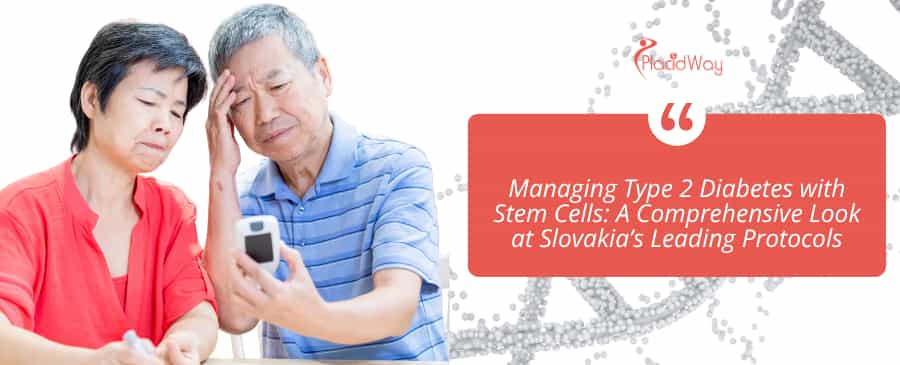
Living with Type 2 Diabetes often feels like an endless cycle of managing blood sugar levels and worrying about long term complications. Many patients are now exploring regenerative medicine abroad to support metabolic health and potentially reduce their reliance on traditional medications. For patients researching stem cell therapy for Type 2 Diabetes in Slovakia, the country has emerged as a promising destination offering European Union standard stem cell protocols at a more accessible cost than many Western countries. Before you book your medical travel you should carefully evaluate clinic certifications such as Slovak Ministry of Health licensing and understand exactly what these therapies can and cannot achieve for your condition.
Quick Answer Summary
- Estimated Cost Treatment packages in Slovakia typically range from $7,000 to $15,000 depending on the specific protocol and number of cell applications.
- Safety Overview Clinics must comply with strict European Medicines Agency guidelines and hold licensing from the Slovak Ministry of Health.
- Ideal Candidate Patients with Type 2 Diabetes who have struggled to maintain glycemic control through diet and standard medications but still possess some functional pancreatic beta cells.
- Recovery Time Most patients can resume normal non-strenuous activities within three to five days after the procedure.
- Why Patients Choose Slovakia High European medical standards combined with lower overhead costs and specialized regenerative medicine rehabilitation centers in cities like Bratislava.
- Important Caution Stem cell therapy is an investigational approach for diabetes and is not a guaranteed cure. You must maintain your prescribed diet and medication until your primary endocrinologist advises otherwise.
Understanding Regenerative Medicine for Metabolic Conditions
Type 2 Diabetes occurs when your body becomes resistant to insulin and your pancreas gradually loses the ability to produce enough of it to manage blood glucose. Traditional treatments primarily focus on managing these symptoms through oral medications synthetic insulin and lifestyle changes. Regenerative medicine takes a different approach by attempting to address the underlying cellular dysfunction.
Mesenchymal stem cells are the most common type used in these protocols. These cells are typically harvested from adipose tissue or umbilical cord tissue. Once processed and administered they travel through the bloodstream and interact with damaged tissues.
Therapeutic Mechanisms in Diabetes
- Immunomodulation Helps reduce systemic inflammation which is a primary driver of insulin resistance.
- Tissue Repair Promotes angiogenesis which improves blood flow to damaged organs including the pancreas.
- Beta Cell Support Creates a microenvironment that may help preserve remaining functional pancreatic beta cells.
It is crucial to understand that stem cells do not magically replace dead pancreas cells overnight. Instead they act as signaling agents that encourage your body to regulate its immune response and repair damaged tissues over several months.
Why International Patients Choose Slovakia for Diabetes Care
Slovakia has quietly built a reputation as a highly regulated and cost effective destination for advanced medical procedures. Located in the heart of Europe it offers a unique blend of modern clinical infrastructure and traditional rehabilitation expertise. Patients from the United Kingdom the United States and the Middle East frequently travel to Bratislava for treatments that are either unavailable or prohibitively expensive at home.
Because Slovakia is a member state of the European Union its healthcare system must align with rigorous European directives regarding tissue processing and patient safety. This provides a significant layer of reassurance for international patients.
Advantages of Slovak Clinics
- Strict adherence to EU medical regulations
- Highly trained specialists with international board certifications
- Lower cost of living translating to affordable treatment packages
- Excellent post treatment spa and rehabilitation facilities
Potential Drawbacks to Consider
- Fewer direct flights outside of major European hubs
- Language barriers outside of major medical centers
- The need for extended travel times for North American patients
Many clinics in Bratislava also assign dedicated patient coordinators who speak fluent English. These coordinators handle everything from translating medical documents to arranging airport transfers ensuring a smooth experience for medical tourists.
Evaluating the Cost of Stem Cell Therapy in Slovakia
Financial transparency is one of the most critical factors when planning healthcare abroad. The Type 2 Diabetes stem cell treatment cost in Slovakia varies significantly depending on the cell source the number of required applications and the length of your stay. In Slovakia clinics typically offer all inclusive medical packages that bundle the procedure costs with local logistics.
Patients traveling from the United States often find that even after factoring in flights and accommodation the total cost in Slovakia remains substantially lower than domestic alternatives. Below is a general overview of what you might expect to pay.
| Country of Treatment | Estimated Procedure Cost USD | Inpatient Stay Required |
|---|---|---|
| United States | $20,000 to $35,000 | Rarely included |
| United Kingdom | $15,000 to $25,000 | Rarely included |
| Slovakia | $7,000 to $15,000 | Often included in packages |
| Mexico | $5,000 to $12,000 | Sometimes included |
When reviewing a quote from a Slovak clinic you should always ask for an itemized breakdown. Ensure you know whether pre procedure blood panels diagnostic imaging and post treatment follow up consultations are included in the final price.
Hidden Costs to Watch Out For
Always budget an extra ten to fifteen percent for unforeseen expenses. This can cover companion travel costs upgraded accommodations specialized dietary needs or additional days of rehabilitation therapy should your doctor recommend an extended observation period.
Analyzing Medical Travel Trends for Metabolic Therapies
Recent data indicates a steady increase in patients seeking cross border regenerative treatments for chronic metabolic conditions. Between 2024 and 2026 European medical tourism registries noted a particular uptick in patients choosing Central Europe for these protocols. This shift is driven largely by the aging population in Western nations and the growing desire for alternatives to lifelong pharmaceutical management.
Understanding who typically travels for these procedures can help you determine if you align with the standard patient profile. The majority of these patients have been managing their diabetes for over five years and are primarily motivated by a desire to improve their energy levels and prevent neuropathic complications.
International Patient Growth for Regenerative Care in Central Europe 2024 to 2026
Based on European Cross-Border Healthcare proxy data for metabolic therapies (2024-2026).
The demographic breakdown further highlights that this is primarily a treatment sought by middle aged adults. These patients usually have the financial means for medical travel and are actively seeking ways to prolong their healthy years before severe complications arise.
Age Distribution of Type 2 Diabetes Patients Traveling for Care in 2025
Reflects updated demographic medical travel metrics for metabolic treatments (2025).
Checking Credentials for Clinics and Doctors in Slovakia
Your safety and the efficacy of the procedure depend entirely on the medical team you choose. Because regenerative medicine involves complex cell culturing and intravenous administration the facility must maintain strict sterile environments. In Slovakia the healthcare system is closely monitored by national authorities ensuring high standards of patient care.
Do not rely solely on modern websites or marketing materials. You must ask direct questions about the doctor's board certifications and the clinic's legal standing before you transfer any medical files or place a deposit.
Essential Provider Vetting Checklist
- Ministry of Health License Verify the clinic holds a current operating license from the Slovak Ministry of Health specifically for tissue and cell therapies.
- Doctor Registration Confirm your specialist is registered with the Slovak Medical Chamber.
- Laboratory Standards The laboratory cultivating the cells should possess Good Manufacturing Practice certification.
- Specialist Experience The overseeing physician should have a background in endocrinology hematology or specialized regenerative medicine with documented case volumes.
Reputable stem cell clinics for Type 2 Diabetes in Slovakia should readily provide you with these credentials and documentation upon request. If a facility is hesitant to share their licensing numbers or laboratory partner details you should consider that a significant warning sign.
What to Expect During the Treatment Process
Undergoing a medical procedure abroad requires careful planning and a clear understanding of the clinical workflow. The process for stem cell therapy typically spans several days to ensure your body is adequately prepared and monitored. Clinics in Slovakia generally structure their programs to minimize patient stress while maximizing clinical oversight.
The journey begins long before you board an airplane. You will undergo extensive virtual consultations where specialists review your blood work HBA1c levels and medical history to confirm you are a suitable candidate.
| Phase | Timeline | Clinical Activities |
|---|---|---|
| Pre Arrival | 4 to 6 weeks prior | Virtual consultation medical records review and customized protocol design. |
| Day 1 | Arrival day | In person specialist consultation comprehensive blood panels and baseline metabolic testing. |
| Day 2 | Preparation | Intravenous vitamin infusions or detox protocols to optimize the cellular environment. |
| Day 3 | Administration | Stem cell infusion typically administered via IV drip over several hours in a sterile suite. |
| Day 4 and 5 | Observation | Post treatment monitoring rest and final doctor consultation before medical clearance to travel. |
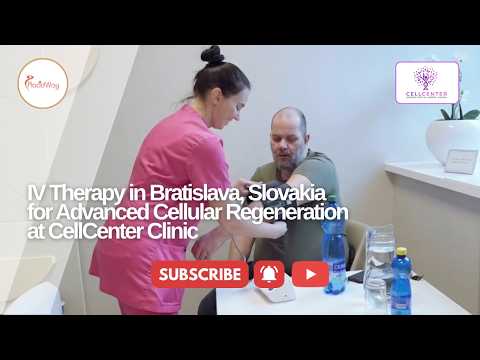
Throughout the administration phase you will remain awake and comfortable. The intravenous drip process is generally painless similar to receiving standard IV fluids. Nurses will monitor your vital signs continuously to ensure there are no adverse allergic reactions.
Determining If You Are a Candidate for This Protocol
Not every patient with elevated blood sugar will benefit from regenerative therapies. Medical teams in Slovakia employ strict inclusion and exclusion criteria to ensure patient safety and maintain realistic expectations. Stem cell therapy is most effective when utilized as an adjunct treatment alongside proper diet exercise and primary medical care.
The ideal candidate is typically someone who has had Type 2 Diabetes for several years but has not yet experienced total beta cell destruction. If your pancreas can no longer produce any insulin regenerative medicine may have limited efficacy.
Key Factors for Eligibility
- Current HBA1c Levels Patients usually need documented blood sugar trends to establish a baseline.
- C Peptide Test Results This test measures residual insulin production capacity which is critical for evaluating potential success.
- General Health Status Active infections severe cardiovascular disease or a history of certain cancers typically disqualify patients from treatment.
During your initial inquiry the medical coordinator will request these specific laboratory tests. It is essential to be completely honest about your medical history medications and previous complications to avoid serious health risks during travel.
Navigating Recovery and Post Treatment Care
The immediate physical recovery from a stem cell infusion is usually swift and uncomplicated. Because it is a minimally invasive procedure you will not require general anesthesia or surgical incisions. Most patients report feeling slightly fatigued for a day or two following the IV drip but are otherwise fully mobile.
However the biological recovery and cellular repair process takes much longer. Stem cells require time to integrate reduce systemic inflammation and support tissue repair. You should not expect immediate drops in your blood sugar levels the day after treatment.
| Timeframe | Patient Sensation | Biological Process | Action Required |
|---|---|---|---|
| First 48 Hours | Mild fatigue or mild flu like symptoms | Initial immune system response and systemic circulation of cells. | Rest hydrate and avoid alcohol or strenuous activities. |
| Weeks 1 to 4 | Return to normal energy levels | Ongoing immunomodulation and reduction of cellular inflammation. | Continue prescribed diabetes medications and monitor blood glucose daily. |
| Months 3 to 6 | Potential stabilization in blood sugar trends | Peak regenerative cellular signaling and metabolic tissue support. | Schedule follow up blood panels and consult primary endocrinologist regarding medication adjustments. |
You must maintain your standard diabetes management routine when you return home. Never reduce or stop taking your prescribed insulin or oral hypoglycemic medications without direct instruction from your local healthcare provider.
Reviewing the Potential Risks and Side Effects
While regenerative protocols are generally well tolerated no medical intervention is entirely risk free. It is critical to approach this option with a clear understanding of the limitations and potential complications. Slovak medical guidelines require doctors to outline all possible adverse events during the informed consent process.
The most common side effects are transient and minor such as slight bruising at the IV site a low grade fever or a temporary headache. These symptoms usually resolve on their own within twenty four hours without medical intervention.
Important Safety Considerations
- Infection Risk Although rare any intravenous procedure carries a slight risk of infection if proper sterile protocols are not followed.
- Immune Reactions While mesenchymal stem cells are immune privileged some patients may experience mild allergic responses.
- Varying Efficacy The most significant risk is that the therapy may not yield the metabolic improvements you hoped for resulting in financial loss without clinical gain.
Choosing a licensed clinic that strictly adheres to the Slovak Ministry of Health regulations drastically reduces the likelihood of severe complications. Ensure your chosen facility has a clear protocol for managing medical emergencies and a comprehensive aftercare support system.
Planning Your Medical Trip to Slovakia
Organizing a medical journey involves more than just booking a flight and a hotel. Because you are traveling for healthcare you need to manage your stress levels ensure dietary compliance and schedule your itinerary to allow for adequate rest. Bratislava is the primary hub for medical tourism in Slovakia featuring a well connected international airport and proximity to Vienna.
Many patients fly into Vienna International Airport which is only a forty five minute drive from Bratislava. Clinics often provide dedicated chauffeur services to transport patients directly from the terminal to their accommodations or the hospital.
Travel Planning Checklist
- Visa Requirements Check if your nationality requires a Schengen visa for entry into Slovakia.
- Medical Records Bring physical copies of your most recent lab results doctor notes and current medication lists.
- Medication Supply Pack extra supplies of your current diabetes medications test strips and insulin in your carry on luggage.
- Dietary Needs Research local restaurants or book accommodations with a kitchen to maintain your diabetic diet during your stay.
When selecting your accommodation prioritize comfort and proximity to the clinic. Many medical packages include stays at specialized wellness hotels that cater specifically to recovering patients offering medically approved meals and relaxing spa amenities.
Setting Realistic Expectations for Metabolic Improvement
The internet is filled with dramatic testimonials regarding regenerative medicine but as a patient you must rely on objective clinical metrics. Stem cell therapy for diabetes is categorized as an investigational treatment meaning research is ongoing and outcomes vary significantly from person to person. It is not a substitute for a healthy lifestyle.
Some patients experience notable improvements in their energy levels a gradual decrease in their HBA1c numbers and improved neuropathy symptoms over a six month period. However others may see only marginal changes or require multiple treatment cycles to achieve measurable benefits.
| Outcome Category | What to Expect | Clinical Measurement |
|---|---|---|
| Glycemic Control | Potential gradual stabilization over 3 to 6 months. | HBA1c testing and daily glucose monitoring. |
| Medication Reliance | May allow for a reduction in dosage under doctor supervision. | Endocrinologist evaluation of required insulin or oral meds. |
| Neuropathic Symptoms | Many patients report reduced tingling and improved circulation. | Patient reported nerve sensation and vascular exams. |
Your primary goal should be long term disease management rather than a miraculous cure. Open communication with your treating physician in Slovakia and your local endocrinologist ensures you have a safe and realistic framework for evaluating the success of the procedure.
Frequently Asked Questions About Diabetes Treatment in Slovakia
Is stem cell therapy for Type 2 Diabetes a permanent cure
No stem cell therapy is not a permanent cure for diabetes. It is designed to help manage the condition by reducing inflammation and supporting cellular repair but you must continue to follow a healthy diet and monitor your blood sugar.
Are stem cell treatments legal and regulated in Slovakia
Yes medical treatments utilizing human cells and tissues are heavily regulated in Slovakia. Clinics must adhere to strict European Union directives and hold specific licenses from the Slovak Ministry of Health to operate legally.
How long do I need to stay in Bratislava for the procedure
Most clinics recommend a minimum stay of four to seven days. This allows ample time for pre procedure consultations laboratory testing the cell administration itself and necessary post treatment observation before you fly home.
Will my medical insurance cover stem cell therapy abroad
In most cases standard health insurance policies in the US and UK do not cover regenerative therapies for diabetes abroad because these protocols are still considered investigational. Patients typically pay out of pocket for these treatments.
Does the stem cell IV infusion hurt
The administration process is generally painless and comparable to receiving standard intravenous fluids. You may feel a slight pinch when the needle is inserted but the infusion itself is comfortable and does not require anesthesia.
What type of stem cells are used for metabolic conditions
Clinics most commonly use mesenchymal stem cells which are typically derived from ethically sourced umbilical cord tissue or the patients own adipose fat tissue depending on the specific clinic protocol.
How quickly will my HBA1c levels drop after treatment
You should not expect immediate drops in HBA1c. The regenerative process takes time and patients typically do not see measurable changes in metabolic panels until three to six months post treatment.
Can I stop taking insulin after receiving stem cells
You must never stop taking insulin or any prescribed medication without direct instructions from your primary endocrinologist. Any medication adjustments should only be made after reviewing post treatment blood work over several months.
Are there age limits for this medical procedure
While there is no strict upper age limit candidacy depends more on overall health organ function and the specific progression of the disease. Your medical team will evaluate your case individually.
How do I verify a clinic is safe before traveling
You should ask the clinic for their Ministry of Health registration number doctor board certifications and laboratory credentials. Reputable medical tourism facilitators can also assist in vetting clinic standards on your behalf.
Ready to Explore Your Treatment Options
Navigating medical care abroad can be complex. PlacidWay can help you compare licensed providers understand treatment costs and request detailed clinical information directly from top medical centers.
Request Information TodayDisclaimer
Disclaimer: This information is for educational purposes only and does not replace professional medical advice. Always consult a qualified healthcare provider before making medical decisions.
References
- Advanced Therapy Medicinal Products Regulation – European Medicines Agency
- Glycemic Goals and Standards of Care in Diabetes – American Diabetes Association
- Cross-Border Healthcare and Patient Rights – European Commission
- Diabetes Fact Sheet and Global Management Guidelines – World Health Organization
- Medical Tourism Index and Patient Demographics Data – Medical Tourism Association
- Official Healthcare Regulations and Licensing – Ministry of Health of the Slovak Republic





.png)





.png)
.png)









Share this listing