Every Week Meant Less Grip Strength — George Walker’s UK Search for ALS Stem Cell Therapy in Slovakia

Publish date: Modified date: Medically reviewed by: Dr. Alejandro Fernando on Sep 14, 2026 Author: Pinki Sharma

UK Search for ALS Stem Cell Therapy in Slovakia 

Patient Profile

Name: George Walker

Age: 58

Condition: Amyotrophic Lateral Sclerosis (ALS) presenting with rapidly progressive motor function loss

Treatment: Experimental autologous and allogeneic stem cell therapy

Destination: Bratislava, Slovakia

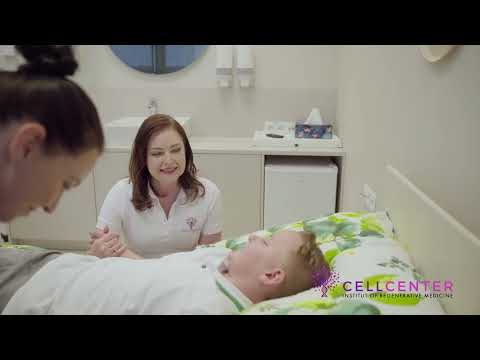
Provider: CellCenter

Journey at a Glance

Main problems: Progressive muscle atrophy in limbs; early respiratory decline; inability to grip objects; loss of independent mobility.

Previous care: Multiple exhaustive NHS neurology consultations resulting in a palliative care pathway; prescription of Riluzole; rejection from domestic clinical trials due to strict inclusion criteria.

Travel driver: Facing an 18-month NHS waiting list for specialist review while physical deterioration occurs weekly, necessitating immediate access to experimental interventions.

Treatment explored: Mesenchymal stem cell (MSC) therapy administered intrathecally to modulate neuroinflammation.

Personal goal: Access stem cell therapy within 6 weeks and return home with realistic hope of slowing progression before complete paralysis.

Exploring Stem Cell Therapy for ALS: Why British Patients Are Traveling to Slovakia When Hope Runs Out at Home

You start by ignoring the slight drag in your left foot.

You buy slip-on shoes to avoid laces.

You stop carrying hot coffee cups in your right hand.

You blame the heavy gardening shears for your wrist ache.

You blame the damp English weather.

You blame your age.

You quietly let your spouse carry the heavy grocery bags.

You subconsciously map out daily routes that avoid staircases.

You stop raising your hand above your shoulder to wave.

"You just need to take it easy this weekend."

"It is probably just a trapped nerve in your neck."

"Let me open that jar for you."

Your world has quietly become smaller.

The hardest part is not the muscle weakness, but the waiting.

George Walker is not a real PlacidWay client.

He is a fictional composite built entirely from the specific medical situations, financial pressures, and desperate questions that UK-based ALS patients face every single day.

George is 58 years old and lives in a semi-detached house in Manchester.

He previously spends his weekends rebuilding classic motorcycles in a cold garage.

He manages a regional logistics firm with thirty employees who rely on his direction.

He types eighty words a minute on his office keyboard.

He chops firewood without dedicating a single thought to the mechanics of his own shoulders.

How George explains the decline away

He tells himself it is just carpal tunnel syndrome acting up again.

Wrist splints.

Deep tissue massage.

Acupuncture.

Cortisone injections.

Private osteopath visits.

Standard public healthcare management for Amyotrophic Lateral Sclerosis involves prescribing medications like Riluzole to slightly delay the need for mechanical ventilation, alongside a multidisciplinary palliative framework .

"We will focus on keeping you as comfortable as possible as the disease takes its natural course."

The diagnosis leaves him with one immediate question:

When?

The median survival time from symptom onset is historically documented at two to three years, while routine neurology referral wait times in parts of the UK frequently stretch for many months .

But George doesn't experience the public health system as a national statistic.

He experiences it staring at a dark ceiling at 3:00 AM while his calf muscles twitch visibly beneath the heavy duvet.

"I will chase the specialist's secretary again tomorrow morning."

He experiences it trying to button his work shirt with fingers that suddenly refuse to obey basic neurological commands.

"Just leave it, I will wear the grey polo instead."

He experiences it sitting in a sterile waiting room surrounded by faded posters about dementia support groups.

"Mr. Walker, the consultant has five minutes for you now."

He has already tried to be patient

People seeking experimental medicine are rarely impulsive consumers or careless medical shoppers.

George files the domestic referral paperwork exactly as instructed.

He joins the national disease register.

He attends the local community support group in a drafty church hall.

He hires contractors to widen the doorframes of his downstairs bathroom.

He investigates clinical trials in London only to be politely informed he falls outside the strict exclusion criteria.

"I just need someone to actually look at my file."

"I refuse to just sit here drinking tea and doing nothing."

The internal dialogue shifts:

From "Can I tolerate this?" to "How much of my life am I prepared to organise around it?"

The reality of the nearer alternative

He looks deeply into private neurology care in central London.

He initially assumes that spending domestic savings will unlock a different tier of curative medicine.

It simply unlocks the exact same palliative pathway, delivered in a much nicer room with a significantly faster appointment time.

He finds himself paying for Earl Grey tea in fine china cups while hearing the exact same terminal prognosis.

"We have the savings, George, we can easily afford the private consultant."

"I am not paying thousands just to be told to get my affairs in order slightly faster."

He isn't searching for stem cell therapy yet

His late-night internet searches begin as quiet attempts to understand his symptoms and local alternatives.

Why is my right hand suddenly getting weaker?
ALS unusually slow progression stories.
Experimental trial treatments for motor neuron disease.
Stem cell therapy Europe cost self-fund.
Private clinics in Bratislava ALS reviews.

The search algorithm eventually guides him toward CellCenter in Slovakia.

"I am certainly not going abroad just because some clinic is cheaper."

He is entirely correct to be highly suspicious of a medical discount.

Why does Slovakia keep appearing in his searches?

Slovakia operates under different regulatory frameworks than the UK, allowing private clinics to administer experimental cellular protocols that have not yet cleared the lengthy approval processes required by domestic authorities .

The fundamental question is never whether a specific country is medically competent.

Countries do not perform intrathecal injections.

Laboratory scientists do.

Neurologists do.

Clinical care teams do.

There is always something concrete and objective to verify about the facility itself.

The UK government actively advises patients traveling overseas for medical treatment to seek independent medical advice and deeply understand the specific regulatory standards of their destination clinic .

His first question was naturally about the cost

The indicative cost for experimental stem cell therapy in Eastern Europe commonly varies between GBP 18,000 and GBP 35,000, depending heavily on the number of required cell infusions, the type of cells cultured, and the length of the necessary inpatient hospital stay .

You never buy the cheapest parachute available.

"What exactly am I getting?"

Am I paying for autologous bone marrow cells or allogeneic umbilical cord cells?

Are the diagnostic MRI scans included in this initial quote?

Does this fee cover the anesthesia for the lumbar puncture?

Is the daily neuro-physiotherapy billed as an additional charge?

What happens financially if my respiratory function drops and I require intensive care?

Are the airport transfers handled by trained medical personnel or just a taxi service?

Is the pre-treatment blood work done in the UK or upon arrival?

Who pays for the certified translation of my complex medical records?

Does the package price cover my wife's meals in the clinic cafeteria?

Is there a dedicated resuscitation unit located in the same building?

What telehealth follow-up consultations are provided once I return to Manchester?

Are those remote follow-ups conducted by the treating neurologist or an administrative nurse?

The advertised number is only the very beginning of the financial conversation.

What does the treatment protocol actually involve?

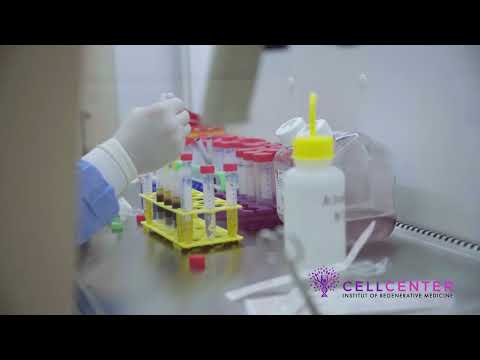
The procedure typically involves harvesting mesenchymal stem cells, culturing them in a specialized laboratory over several days to multiply their numbers, and reintroducing them to the patient through an intrathecal injection directly into the spinal canal.

The theoretical aim is to modulate neuroinflammation and provide neurotrophic support to surviving motor neurons, though clinical efficacy remains actively debated and unproven in the mainstream global neurological community.

It strictly requires a multi-day hospital admission to properly monitor the patient for adverse immune reactions and spinal fluid pressure changes.

Experimental therapies do not guarantee reversal of symptoms, and price should never answer a clinical medical question.

"How do I actually get there when I can barely walk?"

The part the clinical brochures rarely put on the front page

A medical journey across borders with a rapidly progressive neuromuscular disease is a massive operational undertaking.

Current official guidance on flying with active respiratory weakness is highly variable among commercial airlines, and that variation itself is the most crucial lesson.

This physical constraint must be thoroughly integrated into the plan before committing any funds, not scrambled for afterward.

"Wait. Does that mean I might need a medical escort on the flight?"

Possibly, depending on your clinically measured forced vital capacity at the specific time of departure.

How long is the actual driving transfer from Vienna airport across the border to Bratislava?

Are the hotel beds electronically adjustable for respiratory comfort?

Is the bathroom in the clinic suite fully accessible for a heavy motorized wheelchair?

Can the local Slovakian pharmacy legally dispense emergency edaravone if required?

Who physically translates the daily nursing instructions from Slovak to English?

What is the clinical protocol if I contract a severe chest infection during the stay?

Can my specialized liquid dietary supplements be brought through customs without confiscation?

How do we manage pressure sores during a four-hour delay on the airport tarmac?

Who coordinates directly with the airline regarding the battery requirements for my portable BiPAP machine?

This is not medical tourism in the usual sense.

Sarah isn't just coming along for the ride

His wife Sarah is the invisible second participant in this entire medical endeavor.

She will carry the passports, the thick binders of translated medical files, and the literal physical weight of her husband.

She will remember which muscle relaxants are due at which specific hour.

She will notice the slight, dangerous changes in his nighttime breathing patterns that the clinic's machines might initially miss.

She needs to know exactly which local number to call if he develops a sudden high fever in the middle of the night.

Travel insurance policies must explicitly declare the pre-existing terminal illness to ensure emergency repatriation coverage remains valid in a crisis .

She is an essential, load-bearing part of the care system too.

Then comes the uncomfortable conversation about risk

Experimental therapies carry profound biological risks, including meningitis from lumbar punctures, severe systemic immune reactions, and the paradoxical acceleration of disease progression.

George quickly learns to fiercely distrust certain phrases in the clinic marketing materials:

Completely safe. No risk. Guaranteed success. Cure for ALS.

True informed consent means understanding vastly more than just the hoped-for outcome.

George's questions become significantly better

He moves past simply asking the reception desk if they have calendar availability.

What is your clinic's specific infection rate for intrathecal injections over the last year?
Exactly how many ALS patients have your neurologists treated this quarter?
What specific live cell count is guaranteed in the final laboratory suspension?
Where is your cell culture laboratory located in relation to the treatment clinic?
Can I speak directly to a British patient who was treated by your team six months ago?
What happens operationally if my veins collapse during the IV placement?
Who assumes legal liability under Slovakian law if the cell culture is contaminated?
Are your attending neurologists accredited by any mainstream European medical boards?
What is your exact protocol for managing acute respiratory distress on the ward?
What would you see in my medical records that would make you tell me not to proceed?

They don't only want a clinician willing to do it.

They want a clinician willing not to.

Have I completely exhausted my options at home?

UK patients maintain the legal right to request second opinions and inquire about compassionate use access for certain medications, even outside standard pathways.

Is there any domestic clinical trial I currently qualify for today?
Can my NHS team coordinate post-treatment monitoring if I choose to go abroad?
What specific palliative support will be withdrawn if I pursue experimental care independently?
Who manages my feeding tube installation if I am out of the country when I need it?
Can you provide a candid, objective assessment of my current fitness to fly?

Stem cell therapy should be compared with George's real alternatives, not with a worst-case assumption about the domestic system.

The night before the final decision

The kitchen table is covered in dense paper documents again.

Printed flight itineraries.

Long email threads with the CellCenter medical director.

Translated laboratory certifications.

A complex spreadsheet of travel insurance quotes.

"Are we really going to do this, George?"

"I think we finally have enough information to say yes."

The exhaustive research didn't make them more afraid; it made them more capable of deciding.

What George actually wants isn't a medical procedure

"Why are you putting yourself through all of this travel?"

To try and fix the dying motor neurons in his spine.

To access stem cell therapy within 6 weeks and return home with realistic hope of slowing progression before complete paralysis sets in.

He wants to walk his daughter down the aisle next summer without a wheelchair.

He wants to be able to safely swallow his own roast dinner for one more Christmas.

He wants to speak to his wife without his voice slurring into total silence.

Not a miracle cure. Not a holiday in Bratislava. Not a discounted medical package. Not an experimental biological product.

Time.

And underneath that:

Autonomy.

Slovakia might be the answer, but it might not be

He reviews the clinic's provided data and finds the laboratory standards insufficient for his comfort.

He realizes the flight logistics are simply too dangerous for his current respiratory status.

He decides the immense financial burden on his family outweighs the potential neurological benefit.

He discovers an unexpected domestic clinical trial that has just opened its enrollment window.

He chooses to focus his remaining energy entirely on home comfort rather than physical intervention.

He books the tickets to Bratislava with absolute clarity about the severe physical risks involved.

Any of those can be a profoundly informed decision.

Our goal here is not to persuade you to travel, but to ensure that exhaustion does not make the decision for you.

Hope isn't the promise that the disease will be fixed

Maybe you have stared at that exact same ceiling at 3:00 AM.

Maybe you have refreshed your email inbox fifty times hoping for a neurology appointment.

Maybe you have watched a loved one struggle intensely with a simple coffee cup.

Maybe you are entirely exhausted by the lack of domestic urgency regarding your decline.

Maybe you are carrying the silent, crushing weight of a daily caregiver.

You do not need to decide today.

What exactly is my lung capacity right now?

Who can objectively evaluate this clinic's laboratory protocol for me?

What are the true logistical hurdles of navigating an airport terminal in my condition?

How much financial stress will this invoice place on my family?

Is my domestic medical team actually willing to review these overseas proposals?

What happens if I experience a severe complication on the flight home?

Who am I actually doing this for?

You are not just comparing clinic prices.

You are mapping paths forward.

Hope is not a guarantee of a cure.

Hope is not a glossy digital brochure promising returning muscle strength.

Hope is not the stubborn denial of a terminal biological reality.

Hope is having enough hard information to make a decision that feels entirely like yours.

The capability to ask incredibly difficult questions.

The capability to demand transparency from foreign clinics.

The capability to weigh medical risk against personal regret.

The capability to protect your family's financial future.

The capability to say no.

From "I suppose I will just have to keep waiting."

To:

"What other informed options do I have?"

PlacidWay — Your Way to Hope.

PlacidWay exists to help patients and families safely explore complex international healthcare options when domestic avenues feel exhausted.

We help you methodically compare medical providers, deeply understand logistical realities, and prepare the difficult clinical questions you must ask before traveling abroad.

For someone like George, stem cell therapy isn't a promise of a cure; it is merely one route worth understanding comprehensively before making a choice.

Your Way to Hope.

Medical disclaimer

This article is for educational and informational purposes only and does not recommend that any individual undertake experimental medical treatments or travel abroad for care. Individual medical suitability and risk require rigorous professional assessment. The reader should always consult their own clinician or medical adviser before traveling, verify the current regulatory status of any international clinic independently, and obtain appropriate medical travel insurance.


Every Week Meant Less Grip Strength — George Walker’s UK Search for ALS Stem Cell Therapy in Slovakia

About Article

  • Treatment: Stem Cell Therapy
  • Country: Slovakia
  • Overview George Walker is losing grip strength and mobility as ALS progresses despite standard UK care. Exclusion from clinical trials and delays in specialist review lead his family to investigate CellCenter in Bratislava. Any decision should begin with the fact that stem cell therapy for ALS remains experimental, followed by questions about eligibility, published evidence, respiratory safety, adverse-event management and continuing neurological and palliative care at home.

Trusted Medical Tourism Platform Since 2007

60+
Countries
2k+
Clinics
19.5k+
Reviews
2.5k+
Qualified Doctors
1.1M+
Patients Served Since 2007