
Which Clinics Offer Stem Cell Treatment for Autism in Europe?
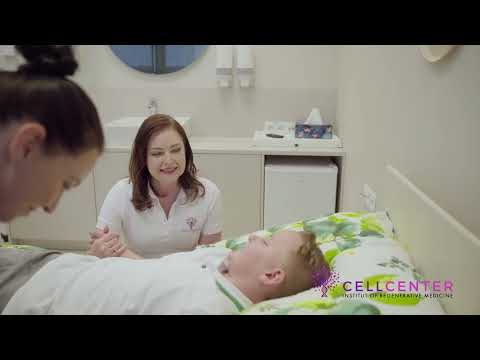
Families researching medical options for Autism Spectrum Disorder (ASD) may explore specialized providers and clinical research opportunities across Europe. Stem Cell Treatment for Autism in Europe is a topic of interest for some international families, including those researching CellCenter in Slovakia as a potential provider to investigate. Before considering any clinic, families should independently confirm whether it offers an autism-specific protocol, whether the treatment is authorized or investigational, and what scientific evidence supports its use. Stem cell therapy is not an established treatment for autism, so specialist guidance and evidence-based developmental support remain essential when evaluating care options.
Quick Summary
- Investigational Status: Stem Cell Therapy for Autism in Europe remains an experimental research area and is not considered an established, standardized cure for Autism Spectrum Disorder (ASD).
- Core Evidence Distinction: Families must distinguish between established, evidence-based developmental therapies (such as ABA, speech, and occupational therapy) and exploratory biological research protocols.
- Research Centers: Clinical studies and exploratory interventions are investigated in various European destinations including Germany, Poland, Czech Republic, Austria, Spain, and Slovakia.
- Regulatory Verification: Ensure any facility under consideration holds official government health authorization, clinical trial ethics approval, and transparent manufacturing quality controls.
- Financial Considerations: All quotes should be reviewed in USD as itemized estimates. Legitimate clinical trials outline clear covered versus non-covered expenses.
- Medical Safety: Pursuing experimental options should never replace or delay established pediatric developmental support services.
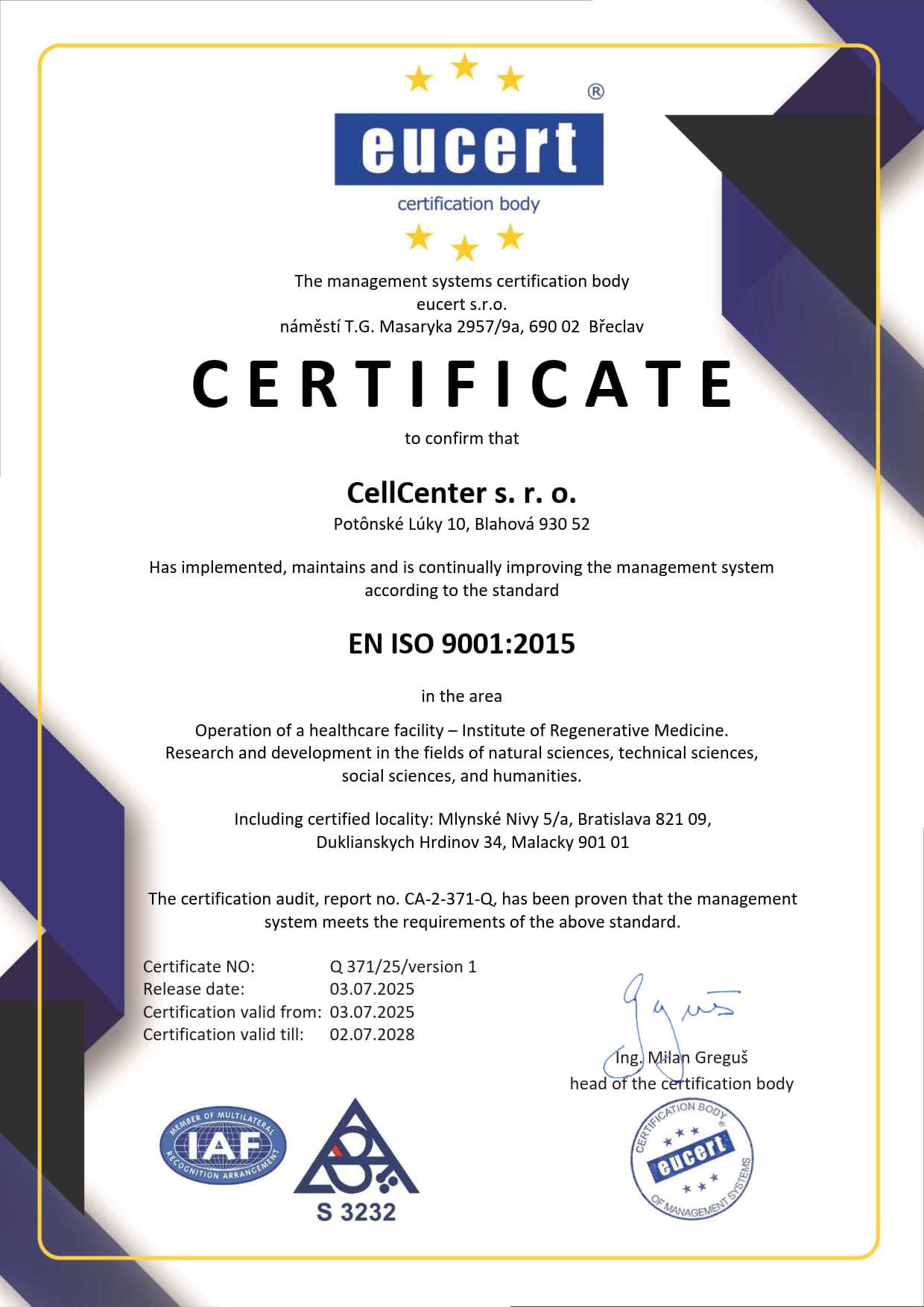
Featured European Medical Center Profile
Understanding Stem Cell Therapy for Autism in Europe
When families research Stem Cell Therapy for Autism in Europe, it is vital to begin with a clear understanding of what cell-based interventions entail. Stem cell procedures involve harvesting, isolating, and administering cellular products—such as mesenchymal stromal cells (MSCs) or umbilical cord blood cells—with the hypothesis that they may influence biological pathways related to neuroinflammation or cellular communication.
It is essential to distinguish between standard, mainstream autism support services and experimental cell-based procedures. Established autism interventions focus on behavioral, educational, speech, occupational, and psychological modalities aimed at skill building and developmental support. In contrast, cell therapies represent investigational biological procedures that have not been universally established as standard medical treatments for Autism Spectrum Disorder (ASD).
Current scientific evidence regarding stem cell protocols for autism remains limited, preliminary, and subject to ongoing clinical investigation. While early phase trials explore safety and biomarkers, large-scale, randomized controlled studies establishing definitive efficacy are still in progress. Consequently, families should evaluate all treatment claims with medical rigor and caution before selecting any European facility.
How Stem Cell Therapy Is Being Studied for Autism Spectrum Disorder
Researchers studying cell-based approaches for ASD focus on specific biological hypotheses rather than direct structural brain replacement. Key areas of investigation include immune regulation, reduction of systemic or neural microglial inflammation, altered paracrine signaling, and potential improvements in cerebral blood perfusion.
Investigational products include autologous or allogeneic mesenchymal stromal cells (MSCs) derived from bone marrow or adipose tissue, as well as umbilical cord tissue-derived MSCs and cord blood products. Each cellular source possesses distinct biological markers, expansion requirements, and donor considerations.
Hypothesized Research Pathways Under Evaluation
Source: European Clinical Trial Registry Frameworks and Peer-Reviewed Literature on Cell Signaling in ASD.
It is critical to distinguish between exploratory clinical research and proven medical outcomes. Preliminary observations or early-phase trial safety data do not prove that a treatment will be effective or suitable for every child with ASD.
Clinics and Medical Centers to Research for Autism Treatment in Europe
Families exploring European healthcare facilities should focus on evaluating legitimate research institutions, university-affiliated medical centers, and specialized developmental clinics. High-quality centers maintain transparent multidisciplinary teams including pediatric neurologists, developmental pediatricians, child psychiatrists, and certified therapists.
When comparing facilities, families should review formal regulatory authorizations, institutional ethics committee (IRB) approvals, publication histories, and cleanroom manufacturing compliance. It is critical to confirm whether a center is conducting an authorized, ethics-reviewed clinical study or offering a commercial procedure with limited supporting clinical evidence.
European Countries to Consider When Researching Autism Care and Clinical Trials
Different European nations maintain specific healthcare frameworks, academic research centers, and pediatric developmental networks:
Germany
Recognized for university hospital networks, rigorous pediatric developmental diagnostics, and structured clinical research oversight under national health authorities.
Poland
Features specialized pediatric rehabilitation centers and academic medical institutions investigating developmental therapies and cell research protocols.
Czech Republic
Offers multidisciplinary pediatric assessment units, neurological care facilities, and participating research centers within Central Europe.
Austria
Known for academic medical centers in Vienna and Innsbruck focusing on specialized pediatric neurology and developmental care.
Spain
Provides comprehensive autism support networks, early intervention centers, and university research programs investigating regenerative medicine.
Slovakia
Houses specialized private and regional medical facilities offering diagnostic evaluations and regenerative therapy consultations.
Key Takeaway: The presence of a facility in a given country does not imply that stem cell interventions for autism are standard or universally approved. Availability must be confirmed directly through registered clinical trial databases and health ministry records.
Who May Be Eligible for Investigational Stem Cell Therapy for Autism?
Eligibility for clinical research protocols is tightly governed by inclusion and exclusion criteria designed to protect patient safety. Factors evaluated by research teams include:
- Age and Diagnostic Confirmation: Confirmed ASD diagnosis using standardized tools (e.g., ADOS-2, ADI-R) within specific pediatric age brackets.
- Medical History & Comorbidities: Thorough screening for underlying genetic conditions (e.g., Fragile X, tuberous sclerosis), metabolic disorders, or uncontrolled seizure activity.
- Immune and Infectious Screening: Blood panels to verify absence of active infections, severe autoimmune dysfunction, or blood disorders.
- Medication Audit: Detailed evaluation of current psychotropic or anti-seizure medications.
An autism diagnosis alone does not automatically make a individual suitable for an investigational cell procedure. Formal clinical research requires independent medical evaluation.
Stem Cell Therapy for Autism in Europe: Treatment Methods Under Investigation
Investigational protocols vary in cell origins, culture processing, dosages, and delivery pathways:
| Investigational Method | Cell Source & Characteristics | Administration Pathway | Current Research Status |
|---|---|---|---|
| Autologous Bone Marrow MSCs | Harvested from patient's own bone marrow; no donor rejection risk. | Intravenous (IV) or intrathecal infusion in specific trials. | Investigational; early safety and biomarker monitoring. |
| Umbilical Cord-Derived MSCs | Allogeneic cells from screened donor umbilical cord tissue; high expansion capacity. | Intravenous (IV) systemic infusion. | Investigational; subject to clinical trial safety controls. |
| Cord Blood Mononuclear Cells | Autologous or matched allogeneic umbilical cord blood cells. | Intravenous (IV) infusion. | Investigational in phase 1/2 clinical studies. |
Autism Treatment Costs in Europe: What Families Should Know
Financial planning for international care involves separating established developmental therapy costs from exploratory research fees. Families must evaluate all prices in USD and request itemized breakdowns.
| Care Component | Estimated Indicative Range (USD) | What Is Typically Included? |
|---|---|---|
| Comprehensive Diagnostic Evaluation | $1,500 – $4,000 USD | Multidisciplinary ADOS-2/ADI-R testing, pediatric neurology consultation, speech & cognitive scoring. |
| Established Behavioral & Speech Therapy (Per Week) | $500 – $1,800 USD | Intensive OT, ABA/developmental therapy sessions, family training modules. |
| Commercial Exploratory Cell Consultation & Protocol (Where Offered) | $7,000 – $18,000+ USD | Varies widely; may cover cell processing, physician fees, and short-term observation. (Note: Authorized clinical trials may cover trial-specific products). |
Cost Caution: Official, ethics-approved clinical trials sponsored by academic institutions often cover the cost of investigational products. High commercial fees do not equate to higher medical efficacy or official regulatory approval.
What Is Included in an International Patient Treatment Package?
Commercial international patient services frequently group logistics into package offerings. Families should verify exact inclusions and exclusions in writing:
Common Package Inclusions
- Initial medical record translation and review
- Pediatric specialist consultation appointments
- Airport transfers and local transportation coordination
- In-clinic medical interpretation services
- Post-procedure discharge instructions
Frequent Exclusions to Verify
- International flights and travel insurance
- Unplanned emergency hospitalizations or ICU care
- Long-term prescription medications
- Extended stay accommodation costs
- Longitudinal home-country developmental support
Established Autism Therapies Available in European Medical Centers
Regardless of interest in clinical research, established evidence-based developmental therapies remain the cornerstone of autism care across European medical institutions:
Behavioral & Developmental Interventions
Structured behavioral programs (e.g., ESDM, ABA, DIR/Floortime) designed to foster communication, social engagement, and adaptive skills.
Speech & Language Therapy
Targeted interventions utilizing verbal training, AAC devices, and social pragmatic communication strategies.
Occupational & Sensory Integration
Sensory integration therapies and motor skill development to improve daily living skills and environmental adaptation.
Potential Risks and Safety Considerations of Stem Cell Therapy for Autism
Medical ethics require transparent evaluation of potential adverse events associated with invasive cell procedures:
| Risk Category | Clinical Concern | Mitigation Standard |
|---|---|---|
| Procedural & Administration Risks | Infection at injection site, intravenous line complications, fever, transient headache, or acute infusion reactions. | Sterile hospital administration and clinical monitoring. |
| Biological & Manufacturing Risks | Poorly characterized cell lines, contamination, improper cryopreservation, or immune sensitization. | Cleanroom GMP manufacturing and batch release testing. |
| Developmental & Financial Risks | Delaying proven behavioral interventions or incurring severe financial burdens on unverified procedures. | Maintaining ongoing conventional therapies without interruption. |
How to Verify Clinic Credentials and Regulatory Authorization
To protect patient safety and well-being, families should systematically verify clinic credentials using standard regulatory steps:
- Verify Institutional Registration: Confirm that the clinic is registered with the national Ministry of Health in its host country (e.g., COFEPRIS equivalent, national health agency).
- Check Treating Physician Credentials: Confirm active medical board licensure and pediatric or neurological specialization.
- Verify Clinical Trial Registration: For research protocols, verify registration on official trial registries such as ClinicalTrials.gov or the EU Clinical Trials Register (EudraCT).
- Inspect Quality Control Documentation: Request proof of Good Manufacturing Practice (GMP) laboratory certification for cell processing.
- Identify Red Flags: Be cautious of promises of guaranteed cures, claims of "zero risk," or pressure to pay immediately before comprehensive medical record review.
Traveling to Europe for Autism Care: Planning for International Families
International travel with a child on the autism spectrum requires careful advance planning. Key steps include:
- Compiling complete translated diagnostic reports, IEPs, therapy summaries, and medical histories.
- Arranging sensory-friendly travel accommodations and flexible flight schedules.
- Confirming expected length of stay in Europe (often 1 to 2 weeks for evaluation or protocol completion).
- Establishing a clear continuity-of-care plan with primary healthcare providers upon return home.
Questions to Ask Before Choosing an Autism Treatment Clinic
- What scientific publication evidence supports the proposed treatment approach for autism?
- Is this intervention part of an officially registered, ethics-approved clinical trial?
- What are the known biological risks, potential side effects, and expected timelines?
- What exact qualifications do the attending physicians and medical staff hold?
- Which specific services are included in the written cost quote (in USD)?
- How will developmental outcomes be measured objectively over time?
- Can our family obtain an independent opinion from our home pediatric neurologist before booking?
Frequently Asked Questions
Is stem cell therapy an established cure for autism in Europe?
No. Stem cell therapy remains an experimental research modality and is not an established or proven cure for Autism Spectrum Disorder (ASD) in Europe or globally.
Which European countries conduct autism stem cell clinical trials?
Clinical research and exploratory protocols are investigated across centers in countries such as Germany, Poland, the Czech Republic, Spain, Austria, and Slovakia, subject to national research regulations.
What type of stem cells are studied for autism?
Researchers primarily study mesenchymal stromal cells (MSCs) derived from bone marrow or umbilical cord tissue, as well as umbilical cord blood mononuclear cells.
How much does autism treatment research cost in Europe in USD?
Diagnostic evaluation ranges from $1,500 to $4,000 USD, while commercial exploratory procedures (where offered outside sponsored trials) generally range from $7,000 to $18,000+ USD.
Are stem cell procedures for autism safe for children?
Safety profiles are still under investigation in clinical trials. Potential risks include infection, immune reactions, infusion side effects, and risks associated with unverified manufacturing.
How can I check if a European trial is legitimate?
Verify that the trial is officially listed on the EU Clinical Trials Register (EudraCT) or ClinicalTrials.gov, has institutional ethics board approval, and involves registered medical institutions.
Should conventional therapies be stopped during cell research?
No. Standard behavioral, speech, and occupational therapies should never be interrupted or delayed when investigating exploratory cell procedures.
What is the age requirement for investigational autism studies?
Eligibility varies strictly by trial protocol. Many pediatric studies evaluate specific cohorts between ages 3 and 12, depending on institutional review board guidelines.
How are cells administered in investigational studies?
Most research protocols utilize intravenous (IV) systemic infusion under clinical supervision.
How should families prepare for travel to a European clinic?
Compile complete translated medical records, consult with your primary care pediatrician, confirm all itemized costs in USD, and ensure flexible travel arrangements.
Explore Medical Center Options in Europe
PlacidWay can help families locate authorized medical centers, review developmental care options, understand package details, and request information from European healthcare providers. Always request written credentials, official registration details, and itemized fee schedules before making healthcare travel plans for Autism Stem Cell Therapy in Europe.
Request Medical InformationDisclaimer: This article is for educational and informational purposes only and does not constitute formal medical advice, diagnosis, or treatment endorsement. Stem cell therapy for autism spectrum disorder remains an experimental procedure and is not universally approved. Always consult qualified pediatricians, pediatric neurologists, and medical specialists before making healthcare decisions.
References:
- World Health Organization (WHO) — Autism Spectrum Disorders Guidelines
- European Medicines Agency (EMA) — Advanced Therapy Medicinal Products Regulation
- Centers for Disease Control and Prevention (CDC) — Autism Spectrum Disorder Overview
- European Academy of Childhood Disability (EACD) — Developmental Care Standards
- National Autistic Society (UK) — Evidence-Based Autism Interventions
- PubMed Central (NCBI) — Peer-Reviewed Studies on Mesenchymal Stromal Cells in ASD




















Share this listing