


When you are looking beyond local options for your child or adult family member, you need clear facts—not pressure or promises. Families exploring autism stem cell therapy abroad should ask about the full protocol, clinician licensing, safety monitoring, follow-up, and total cost before travelling. PlacidWay has provider coverage in Costa Rica, UAE, Mexico, Colombia, Thailand, Japan and Slovakia.

Quick Summary: Stem Cell Therapy for Autism Abroad
- Countries covered: Costa Rica, UAE, Mexico, Colombia, Thailand, Japan and Slovakia only; these are the countries where PlacidWay has the listed stem cell providers.
- Cost: A verified, comparable public price range for autism stem cell therapy is not available. Ask for an itemized written quote in USD before you travel.
- Safety: Autism stem cell therapy is investigational. It is not an established cure, and you should not accept guaranteed-result claims.
- Candidate review: A responsible provider should review diagnosis, developmental history, current therapies, medications, allergies and travel fitness before recommending a plan.
- Credentials to request: Facility licence, physician licence and specialty registration, cell-source and processing information, emergency-transfer plan, and written follow-up process.
- Most important caution: Do not let a short consultation, a testimonial, or a low headline price replace an independent discussion with your child’s or family member’s qualified clinician.
What Stem Cell Therapy for Autism Means for International Patients
Stem cell therapy is a form of regenerative medicine that uses cells or cell-derived materials in an attempt to affect biological processes. Families may see it discussed for autism because research continues into neurodevelopment, inflammation, immune signaling and brain function. That scientific interest does not mean that a clinic treatment has been proven to change autism’s core features or provide a cure for an individual person.
The U.S. Food and Drug Administration states that regenerative medicine therapies have not been approved to treat autism. This does not prevent families from asking questions or considering regulated research, but it does set the right expectation: you should treat any autism stem cell proposal as investigational, examine the evidence and risks carefully, and retain the person’s existing educational, communication and clinical supports.
Why Families Explore Stem Cell Therapy for Autism Abroad in 2026
Families usually begin this search because they want more time with clinicians, access to a regenerative-medicine consultation, a second opinion, or a coordinated travel experience. Families may travel across regions when local access, cost, waiting times, language, or availability of particular consultations are concerns. PlacidWay should never assume why one family travels; each enquiry needs individual review.
- You may be looking for a detailed record review before deciding whether to travel.
- You may want a provider that can discuss cell source, route of administration and monitoring in plain language.
- You may need a multilingual coordinator, caregiver-friendly scheduling, or sensory accommodations.
- You may want transparent package inclusions instead of an unclear single price.
- You may be seeking a second opinion while continuing evidence-based supports at home.
- You may need a written aftercare plan that your local clinician can review after you return.
There is no verified international dataset showing the age, gender, origin country or treatment pattern of patients who travel specifically for autism stem cell therapy. It would be inaccurate to invent one. The most current U.S. CDC surveillance data, however, shows why families increasingly look for information: among children aged eight years in 2022 across the CDC’s ADDM Network, autism was identified in 32.2 per 1,000 children, or about 1 in 31. This is surveillance data, not medical-tourism data and not a measure of treatment need.
27.6 per 1,000
1 in 36
32.2 per 1,000
1 in 31
Comparing the Seven PlacidWay Countries for Stem Cell Therapy for Autism
The country is only one part of the decision. The table below is a practical starting point for provider questions; it is not a quality or outcome ranking. Confirm every service and credential directly before arranging travel.
| Country | PlacidWay listed provider | Regulatory question to ask | Travel-planning focus |
|---|---|---|---|
| Costa Rica | Cellebration Wellness | Request facility and clinician licensing details from the Ministry of Health framework. | Confirm records transfer, caregiver arrangements and post-visit communication. |
| UAE | Dr. Ebenezer Abel Paul Stem Cell Clinic | For Dubai, verify DHA facility and professional licensing and stem-cell service scope. | Plan consent and interpretation in your preferred language. |
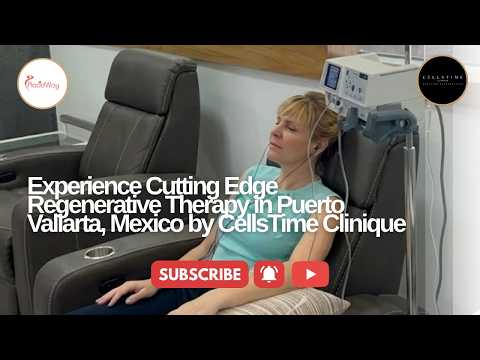
| Mexico | CellsTime Clinique Guadalajara | Ask for applicable COFEPRIS authorizations and medical-professional registration. | Get an itemized quote and documents in English or Spanish. |
| Colombia | Stem Cells Kyron Colombia | Ask how the provider’s service is licensed and what INVIMA-related oversight applies. | Confirm emergency-transfer, accommodation and remote follow-up plans. |
| Thailand | Vega Stem Cell Clinic | Ask about Thai FDA and Ministry of Public Health requirements relevant to the proposed service. | Plan medication documentation and a low-sensory travel schedule. |
| Japan | Cell Grand Clinic | Ask how the service fits Japan’s regenerative-medicine safety framework and who holds clinical responsibility. | Arrange qualified medical interpretation before consent. |
| Slovakia | CellCenter Slovakia | Ask which national and EU rules apply, and how the provider verifies practitioner registration. | Confirm language support, discharge records and return-home follow-up. |
What to Verify in Each Destination for Stem Cell Therapy for Autism
Costa Rica: verify the facility, physician and handover plan
For Costa Rica, request the facility’s Ministry of Health licensing information and the treating physician’s registration before you make travel arrangements. Ask whether records can be reviewed remotely, who is present during the consultation or procedure, and whether the clinic can provide an English-language report for the clinician who supports you at home. Your quote should distinguish clinical charges from hotel, transfer and companion costs.
UAE: verify Dubai licensing and the service scope
For Dubai, request the facility and clinician licence details relevant to the Dubai Health Authority’s standards, including the clinician’s scope for the proposed stem-cell service. Ask whether the exact proposed intervention falls within the service offered at that site. If you travel with a child or a person who needs support with communication, confirm interpreter arrangements, caregiver access and quiet waiting arrangements before arrival.
Mexico: ask for the exact COFEPRIS authorization
For Mexico, ask the provider to identify the applicable COFEPRIS health-facility and regenerative-medicine authorization instead of accepting a broad marketing statement. Ask the provider to give the treating doctor’s professional registration, explain who will handle any complication, and provide signed medical records in English or Spanish. A reputable clinic should make its fee schedule, cancellation terms and expected stay clear before a deposit is requested.
Colombia: confirm oversight and complication management
For Colombia, ask what national and local oversight applies and how adverse events would be managed. A complete answer names the clinician responsible for assessment, the hospital-transfer route, the monitoring period, and the contact available once you return home. Also ask whether the clinic has experience accommodating communication and sensory needs; accessibility is a practical safety issue, not an optional extra.
Thailand: check the current status of the exact service
Thailand’s advanced-therapy regulatory system is evolving, so you should ask about the current status of the exact product or service proposed for you. Do not assume that a general statement about regenerative medicine applies to autism or to a particular protocol. Confirm who obtains consent, whether any medicines need pre-travel documentation, and which emergency facility would receive the patient if a higher level of care became necessary.
Japan: request framework and consent clarity
For Japan, ask how the proposed service sits within the country’s regenerative-medicine framework, who is medically responsible and what information will be given before consent. Language access is crucial. Arrange a qualified medical interpreter for consent, clinical decisions and discharge instructions rather than relying only on an informal translation. Request the visit schedule early so you can plan rest days around long-haul travel.
Slovakia: verify national and EU compliance questions
For Slovakia, ask which national and European requirements apply to the proposed service and how the provider verifies practitioner registration. Clarify the clinical setting, emergency support and the format of the discharge record. If your home clinician does not speak Slovak, ask before travelling whether the provider can issue an English-language summary with the treatment date, relevant observations, contact details and recommended follow-up.
Stem Cell Therapy for Autism Cost: How to Compare Quotes in USD
Reliable public prices for autism stem cell therapy cannot be verified consistently across the seven countries. A single number would be misleading because the cell product, number of visits, tests, route of administration, hospital setting, patient age, medical complexity and travel package may all differ. Ask every provider for the same written, itemized quote in USD and local currency, then compare what is actually included.
| Cost element | Ask whether included | Possible extra cost |
|---|---|---|
| Clinical assessment and record review | Pre-travel consultation, physical assessment and interpretation | Additional testing or specialist review |
| Proposed stem-cell service | Cell source, processing, administration, monitoring and clinician fees | Extra doses, monitoring days or complication care |
| Travel package | Airport transfers, hotel, caregiver accommodation and interpreter | Flights, visa costs, meals and extended stay |
| Aftercare | Discharge summary, video follow-up and emergency contact | Local follow-up, hospital transfer or travel changes |
Do not compare a procedure-only quote in one destination with an all-inclusive package in another. Include airfare, caregiver costs, time away from work, travel insurance exclusions and the cost of any local follow-up in your home country. The least expensive quote can become the costliest choice if it lacks clinical monitoring or a safe aftercare plan.
Ask whether the price changes if the clinician recommends against proceeding after the in-person assessment. You should know what is refundable, what is non-refundable, and whether an unexpected medical issue would require an additional hospital charge. Do not send payment for a cell-based procedure until you have a named clinician, a written explanation of the proposed care and terms you understand.
Who Should Have an Stem Cell Therapy for Autism Consultation Before Travel
Only an appropriately qualified clinician can decide whether a consultation is suitable for a specific person. A pre-travel review should be especially careful when the patient is a child, has epilepsy, significant allergies, a heart or lung condition, immune problems, a bleeding disorder, severe anxiety around medical settings, communication needs, or difficulty tolerating travel. These factors do not automatically rule out travel; they affect the questions you need answered.
- Share diagnostic, developmental, school and therapy reports.
- Provide a current medication and allergy list, including supplements.
- Describe communication preferences, sensory triggers and calming strategies.
- Ask what tests, if any, are required and why.
- Ask how the provider would manage an adverse event or change in travel plans.
Stem Cell Therapy for Autism Risks, Limitations and Emergency Planning
The risks depend on the exact cells or cell-derived product, route of administration, preparation, patient health and setting. Because autism stem cell therapy is investigational, uncertainty itself is a meaningful limitation. A provider must discuss foreseeable risks and the limits of available evidence before you decide. You should also have a plan for urgent care during travel and after returning home.
Seek urgent local medical help for concerning symptoms after any procedure, including trouble breathing, chest pain, fainting, severe allergic symptoms, high fever, new seizures, unusual weakness, persistent vomiting, severe pain or sudden behavioural change that worries you. Do not wait for an overseas clinic’s reply when an emergency may be developing.
| Issue to discuss | Why it matters | What to request |
|---|---|---|
| Product and processing | Cell source, handling and quality controls affect safety questions. | Written product, processing and traceability information. |
| Administration and monitoring | The route and setting determine observation and emergency needs. | Named clinician, monitoring period and escalation plan. |
| Uncertain benefit | No intervention should be sold as a proven autism cure. | Balanced explanation of evidence, alternatives and limitations. |
| Return-home care | A local clinician needs usable records if concerns arise later. | English-language discharge summary and emergency contact. |
Choosing an Stem Cell Therapy for Autism Clinic Abroad
A clinic profile is a starting point, not the end of your verification. Prioritize government licensing and the clinician’s applicable registration before considering international accreditation. A legitimate facility should explain the scope of its licence, where the procedure happens, who is responsible for consent, and how it responds to complications.
Look for
- Government facility licence and issuing authority
- Named physician and professional registration
- Clear cell-product and safety information
- Written quote, cancellation and revision policy
- Hospital-transfer or emergency-support arrangements
- Structured medical follow-up and records
Be cautious of
- Guaranteed improvements or cure claims
- Refusal to name the treating clinician
- No itemized price or pressure to pay quickly
- Testimonials presented as clinical evidence
- Unclear cell source or processing details
- No plan for complications after departure
Choosing the Doctor for an Stem Cell Therapy for Autism Consultation
You should know exactly who is medically responsible for the proposed care. Ask for the doctor’s full name, professional licence or registration number, specialty, experience relevant to the procedure, and role on the day of treatment. If the patient is a child or has complex needs, ask how the physician coordinates with developmental, paediatric, neurology, psychology or other appropriate specialists.
Board certification and specialty recognition vary by country, so request the local credential and the official registry where it can be checked. Years of general medical experience alone do not establish competence in a specific cell-based procedure. A good clinician welcomes questions, acknowledges uncertainty, explains alternatives and does not tell you to discontinue established supports.
During your consultation, ask the doctor what outcome measures they would use and why. If the answer relies only on informal impressions, before-and-after videos or testimonials, ask for stronger evidence. You are entitled to understand the expected limits of the information, whether a trial is registered, who oversees safety reporting, and whether your home clinician can speak with the treating team.
Travel and Aftercare Timeline for Stem Cell Therapy for Autism Abroad
You can reduce stress by making travel planning part of clinical planning. Do not book non-refundable flights until the provider has completed the record review and confirmed the appointment schedule. Build in quiet time before and after appointments, and carry copies of records and medication documentation.
For a child or adult with high support needs, keep the journey as predictable as possible. Share a short sensory and communication plan with the coordinator, carry preferred comfort items, identify quiet airport spaces in advance and travel with enough prescribed medication in original packaging. Your travel companion should understand the aftercare instructions and know how to contact both the treating provider and local emergency services.
| Timeframe | Clinical process | Patient experience | Action required |
|---|---|---|---|
| 4–8 weeks before | Record review and consultation | Questions, uncertainty and planning | Request credentials, protocol, quote and cancellation terms. |
| Travel week | Assessment and any planned service | Travel fatigue or sensory strain may occur | Use a sensory plan and keep emergency contacts available. |
| Before departure | Discharge and handover | Need for familiar routine and rest | Obtain signed records, aftercare instructions and red flags. |
| After return | Follow-up with home team | Changes should be reviewed cautiously | Share records with local clinicians and seek urgent care if advised. |
Patient Demographics and Travel Decisions for Stem Cell Therapy for Autism
There is no reliable public evidence that identifies a typical age, gender, origin country or clinical profile for people travelling internationally for autism stem cell therapy. PlacidWay should not present a “typical patient” as fact. The decision needs to be based on the individual person’s health, support needs, caregiver capacity and ability to access follow-up, not their demographic group.
The 2025 CDC surveillance report does show a sex difference among identified U.S. children aged eight: 49.2 per 1,000 boys and 14.3 per 1,000 girls across the participating sites. The histogram below reflects that surveillance finding only. It is not evidence about who should receive, benefit from or travel for stem cell therapy.
49.2 / 1,000
14.3 / 1,000
FAQs for Stem Cell Therapy for Autism
Before relying on any online answer, return to the individual facts of the proposed care: the patient’s medical history, the exact intervention, the clinician’s credentials, the setting, the evidence, the price and the aftercare plan. These questions help you begin a safer conversation with a provider; they cannot replace an independent medical assessment for your family member. Keep a written record of every answer and share it with your usual clinician before a final decision.
Which seven countries does PlacidWay cover for stem cell therapy for autism information?
PlacidWay has listed stem cell providers in Costa Rica, UAE, Mexico, Colombia, Thailand, Japan and Slovakia. This coverage list does not prove that every provider offers an autism-specific protocol or that any country is best for every patient. Confirm services directly.
Is stem cell therapy a cure for autism?
No. Autism stem cell therapy is investigational, and it is not an established cure. The FDA states that regenerative medicine therapies have not been approved to treat autism. You should avoid clinics that promise guaranteed developmental or behavioural outcomes.
How much does stem cell therapy for autism cost abroad?
Verified, comparable public prices are not available across the seven countries. Your cost can vary by protocol, clinical testing, number of visits, monitoring, travel and accommodation. Request an itemized quote in USD and local currency before booking flights.
What records should I send before an stem cell consultation for autism?
Send diagnostic and developmental reports, therapy and school plans, medication and allergy lists, prior tests and a communication profile. Include sensory needs, calm-down strategies and contact details for the clinician who provides care at home.
How do I verify a stem cell clinic in Mexico for autism?
Ask for the facility’s applicable COFEPRIS authorization, the treating clinician’s professional registration, the protocol and the emergency plan. A provider should give you written information rather than relying on broad claims about stem cell therapy.
What should I check at a Dubai stem cell clinic?
For a Dubai provider, ask for the facility and clinician licensing details relevant to the Dubai Health Authority, including the scope for the proposed service. Confirm communication support, monitoring arrangements, exact product information and discharge records.
Can my child continue speech or occupational therapy after travel?
Yes, and a responsible provider should not ask you to abandon established supports. Keep your home clinicians involved and request a readable discharge summary so that speech, occupational, educational and other ongoing supports can continue appropriately.
What warning signs should make me delay booking?
Delay booking when the provider will not name the clinician, explain cell source or protocol, provide an itemized quote, describe risks, or give a plan for complications. Also pause if you are promised a cure or pressured to pay immediately.
Is a testimonial evidence that stem cell therapy for autism works?
No. A testimonial describes one person’s experience and cannot establish safety or effectiveness. Give greater weight to transparent clinical information, independent medical advice, regulatory clarity and a realistic discussion of uncertainties.
How can PlacidWay help with stem cell therapy for autism travel?
PlacidWay can help you compare provider information, understand what is included in a quote, prepare questions and request information from clinics. PlacidWay does not replace independent medical advice or make a personal treatment recommendation.
Compare Autism Stem Cell Therapy Information with PlacidWay
Ask for provider information, itemized costs, credential questions and travel-planning details before you decide.
Request InformationDisclaimer for Autism Stem Cell Therapy Information
Disclaimer: This information is for educational purposes only and does not replace professional medical advice. Always consult a qualified healthcare provider before making medical decisions. Decisions about international care should be made with informed consent and independent clinical guidance.
References
- Autism – World Health Organization
- Treatment and Intervention for Autism Spectrum Disorder – Centers for Disease Control and Prevention
- Prevalence and Early Identification of Autism Spectrum Disorder – CDC MMWR
- Important Patient and Consumer Information About Regenerative Medicine Therapies – U.S. Food and Drug Administration
- Guidelines for Stem Cell Research and Clinical Translation – International Society for Stem Cell Research
- Standards for Stem Cell Services – Dubai Health Authority
- Health Facility Licensing for Regenerative Medicine – COFEPRIS
- Regenerative Medical Products – Pharmaceuticals and Medical Devices Agency, Japan
.png)


.png)
-(7).png)
.png)
-(8).png)


.png)
.png)
.png)
-(10).png)








Share this listing