
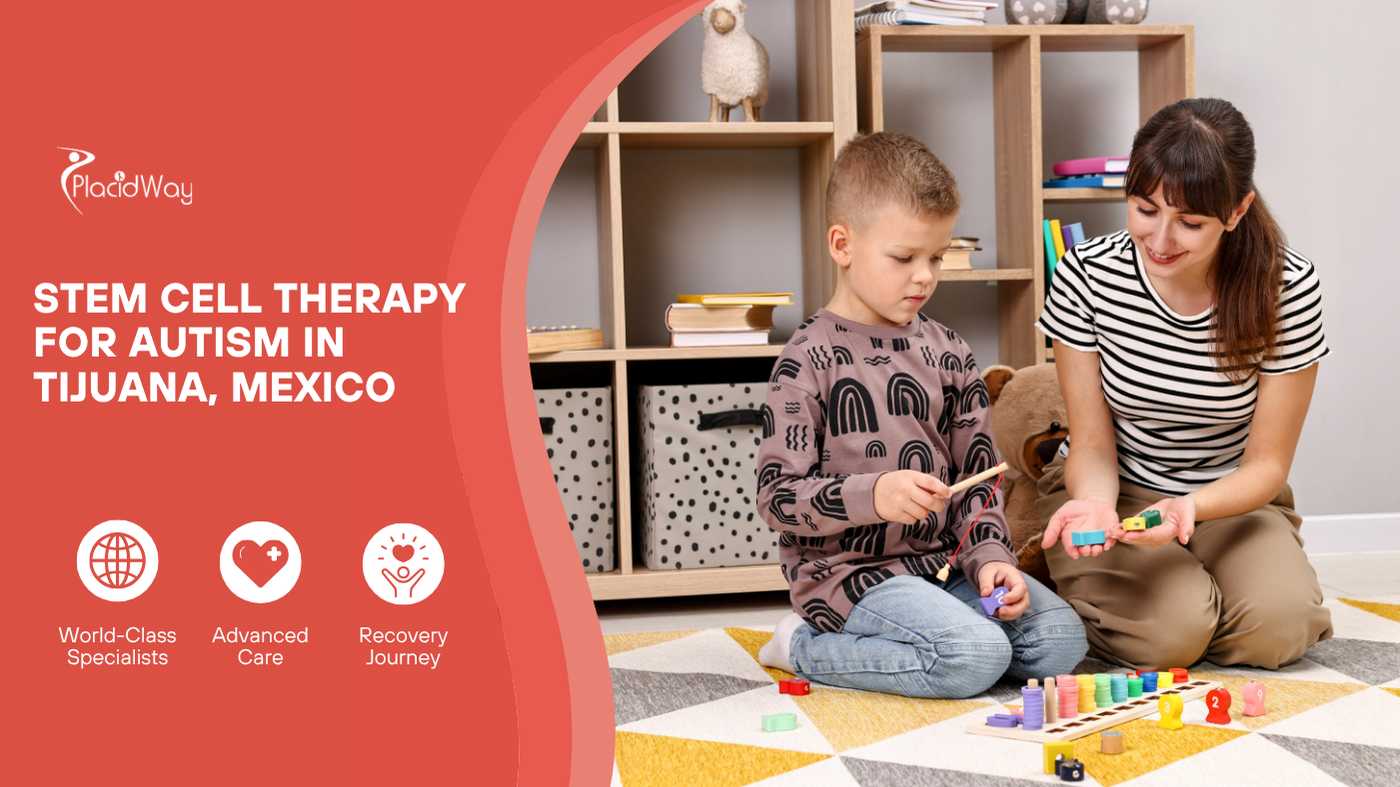
Navigating the complexities of Autism Spectrum Disorder (ASD) is a profound journey for any family. While traditional behavioral and speech therapies remain the cornerstone of developmental support, emerging regenerative protocols offer a complementary approach aimed at underlying biological factors. The stem cell therapy package for autism in Tijuana, Mexico, starting at an estimated $6,500, focuses on potentially reducing neuroinflammation and supporting immune regulation in the central nervous system. Designed for children and young adults with a formal ASD diagnosis, this specialized outpatient treatment combines compassionate, child-centric care with advanced cellular science. Please note that individual eligibility, specific cellular protocols, and final pricing are entirely dependent upon a comprehensive medical assessment by the clinical team.
Fast Facts About Regenerative Autism Treatment in Mexico
- Estimated Starting Cost: $6,500 USD, providing a highly regulated, accessible alternative to expensive overseas or restricted domestic treatments.
- Clinical Environment: Located in Tijuana, offering extreme geographic convenience just across the San Diego border, with modern clinics and English-speaking medical staff.
- Patient Qualifications: Ideal for children and young adults with a confirmed ASD diagnosis, particularly those exhibiting signs of systemic inflammation or immune dysregulation.
- What to Expect: The administration of Mesenchymal Stem Cells (MSCs), typically via an intravenous (IV) drip or intrathecal injection, often performed under mild, pediatric-safe sedation for the child's comfort.
- Pre-Travel Requirements: Parents must provide recent neurological evaluations, comprehensive metabolic blood panels, and developmental history reports prior to clinical clearance.
Estimated Pricing and Global Cost Comparison for Autism Stem Cell Therapy
Tijuana is a globally recognized hub for regenerative medicine, combining strict Mexican federal health standards (COFEPRIS) with highly competitive pricing. Below is an overview showing how this border region compares to other medical tourism destinations offering cellular therapies for neurological conditions.
| Country / Region | Estimated Cost (USD) |
|---|---|
| Mexico (Tijuana) | $6,500 (Starting Price) |
| United States (Clinical/Off-label) | $15,000 - $35,000 |
| Panama | $15,000 - $25,000 |
| Colombia | $8,000 - $14,000 |
*Note: The cost breakdown below represents a baseline estimation for a standard pediatric MSC protocol. The final price may vary depending on the child's age, weight, the volume of cells required, and whether specialized sedation or intrathecal delivery is utilized.
| Procedure Item | Estimated Cost | Description |
|---|---|---|
| Medical Assessment & Consultation | Included | In-person doctor evaluation and review of developmental/medical history. |
| Stem Cell Processing | Included | Clean-room laboratory preparation of ethically sourced mesenchymal stem cells. |
| Stem Cell Administration | Included | Delivery of cells, typically via IV infusion or other recommended routes. |
| Pediatric Care & Mild Sedation | Included | Anesthesiologist-monitored sedation (if required) to ensure a stress-free experience. |
| Total Estimated Price | $6,500 USD | Starting price; subject to individualized pediatric clinical evaluation. |
What is Included in Your Tijuana Autism Therapy Package?
- Comprehensive preliminary remote case review with a specialist to ensure the child is a safe candidate.
- State-of-the-art laboratory processing of high-viability, non-frozen Mesenchymal Stem Cells (MSCs).
- The primary cellular administration procedure (IV drip or specialist-recommended alternative).
- Mild, pediatric-appropriate sedation administered and monitored by a licensed anesthesiologist, minimizing anxiety for the child.
- All standard clinical facility fees, specialized nursing support, and sterile medical consumables.
- Post-procedure observation in a comfortable, family-friendly recovery suite.
- Logistical guidance for navigating the San Ysidro/Tijuana border safely and efficiently.
- Scheduled remote follow-up consultations to track developmental progress over the following year.
Services and Expenses Not Covered in This Package
- Airfare to San Diego, California, local border transfers, and hotel accommodations in Tijuana or San Diego.
- Extensive pre-travel diagnostic panels, such as heavy metal testing, MRIs, or EEGs, which must be completed at home.
- Ongoing post-treatment behavioral, occupational, or speech therapies (ABA, DIR/Floortime, etc.).
- Treatments or hospitalizations for unrelated pediatric emergencies.
- Medical travel insurance and any required travel documentation.
Who is an Ideal Candidate for ASD Stem Cell Therapy?
Stem cell therapy is explored as an adjunctive, biological support system for the brain, not a replacement for behavioral interventions. A child or young adult may be a suitable candidate if they meet the following profiles:
- Formal Diagnosis: The patient has been officially diagnosed with Autism Spectrum Disorder by a qualified neurologist, psychiatrist, or developmental pediatrician.
- Signs of Neuroinflammation: Patients who frequently struggle with severe gastrointestinal issues, chronic immune dysregulation, or aggressive behavioral outbursts often linked to systemic inflammation.
- Therapy Plateau: Children who are engaged in conventional therapies (like ABA or speech) but have hit a developmental plateau and are struggling to acquire new skills.
- Stable General Health: Candidates must be free of active, severe systemic infections and unmanaged seizure disorders (epilepsy must be medically controlled).
- Committed Caregivers: Parents who understand that stem cell therapy is not a "cure" and are committed to continuing educational and behavioral support post-treatment to maximize neuroplasticity.
Diagnostic Tests and Records Required Before Your Journey
To ensure the safety of the child and determine if cellular therapy is scientifically appropriate, the medical team requires detailed documentation prior to clinical clearance:
- Developmental Assessments: Recent copies of formal evaluations (e.g., ADOS, CARS) outlining the severity and specific challenges of the child's autism.
- Complete Blood Count (CBC) and CMP: Standard recent blood panels to assess overall health, organ function, and rule out hidden infections.
- Neurological History: Detailed notes from the treating neurologist, especially if there is a history of seizures, abnormal EEGs, or co-occurring genetic conditions.
- Current Medication List: A full summary of any psychiatric medications, supplements, or specialized diets (like GFCF) the child is currently prescribed.
- Infectious Disease Screening: Standard clearance panels for HIV, Hepatitis B, Hepatitis C, and Syphilis (standard protocol for any cellular therapy).
Step-by-Step Guide: How Stem Cells Support the Autistic Brain
The primary goal of stem cell therapy for ASD is to address suspected neuroinflammation and oxidative stress in the central nervous system. Mesenchymal stem cells (MSCs) are known for their immunomodulatory properties as they release signaling proteins (exosomes and cytokines) that may help calm inflammatory environments and support the brain's natural ability to form new connections (neurogenesis).
1. Gentle Assessment and Comfort Prep
Recognizing that children with ASD may experience severe sensory overload in medical settings, the Tijuana clinical teams prioritize a calm, quiet environment. A specialist will perform a brief physical check, and if the child is highly anxious, a pediatric anesthesiologist will administer a mild, fast-acting sedative to ensure they remain relaxed and pain-free.
2. Cellular Preparation
While the child rests, the laboratory prepares the stem cells. For pediatric autism, clinics almost exclusively use ethically sourced, allogeneic MSCs (derived from donated human umbilical cord tissue, specifically Wharton's Jelly). These cells are highly potent, young, and immune-privileged, meaning there is an incredibly low risk of immune rejection.
3. Administration
Depending on the doctor's protocol, the cells are typically administered via an intravenous (IV) drip, which circulates the cells systemically. In some specific cases, physicians may recommend an intrathecal injection (into the spinal fluid) to bypass the blood-brain barrier for more direct neurological targeting. The administration process takes one to two hours.
4. Recovery and Discharge
Once the infusion is complete and the child gently wakes from any sedation, they will be monitored in a family recovery suite. Within a few hours, the family is usually cleared to return to their hotel.
Your Medical Tourism Itinerary for Tijuana
Traveling with a child on the spectrum requires careful planning. Tijuana's proximity to San Diego makes it a highly preferred destination, allowing for short travel times and minimal disruption to the child's routine.
- Weeks Before Travel: Submit the child’s evaluations remotely. Attend a video consultation with the medical team to discuss expectations and logistics.
- Day 1 (Arrival): Fly into San Diego International Airport. Cross the border into Tijuana and settle into a comfortable, quiet hotel. Focus on helping your child acclimate to the new environment.
- Day 2 (Clinic Visit & Treatment): Arrive at the clinic. The medical team will conduct a final assessment, administer the stem cell protocol, and monitor the child in recovery. You will return to your hotel by early afternoon.
- Day 3 & 4 (Rest and Observation): Rest at the hotel. The child may be slightly fatigued. Keep activities low-demand and sensory-friendly.
- Day 5 (Departure): Once the child is comfortable and fully recovered from travel and treatment stress, cross back into San Diego to fly home safely.
Recommended Minimum Stay in the Border Region
While the procedure is an outpatient service, rushing travel can induce severe stress and behavioral regressions in children with autism.
- Recommended Stay: 4 to 5 days total in the San Diego/Tijuana region.
- Pre-Treatment Buffer: Arriving 24 hours prior gives the child time to rest and reduces travel-induced anxiety before entering a medical facility.
- Post-Treatment Rest: A minimum of 48 hours of downtime before navigating crowded airports helps ensure the child’s immune system responds positively without the compounding stress of travel.
Healing and Aftercare: Post-Treatment Expectations
Physical recovery is rapid, but managing the biological shifts requires parental awareness and patience.
- Immediate Aftermath (24-72 Hours): It is incredibly common for children to experience a "healing crisis." This may manifest as mild fatigue, a low-grade fever, or paradoxically, temporary hyperactivity, irritability, and sleep disruption. This is an expected immune response to the cellular signaling.
- Short-Term Response (Weeks 1 to 4): The temporary behavioral spikes typically subside, and the child returns to their baseline. You should resume all normal occupational, speech, and ABA therapies as soon as the child is comfortable.
- Long-Term Synergy (Months 2 to 6): The goal of stem cells is to promote neuroplasticity. The therapy is most effective when paired with intensive behavioral interventions, as the brain may be in a more receptive state to learn and reinforce new neural pathways during this window.
Understanding the Potential Risks and Limitations
Stem cell therapy using umbilical cord MSCs is generally considered safe, but parents must be fully informed of the risks and the experimental nature of the treatment for ASD.
- Sedation Risks: If mild sedation is used, there are standard pediatric anesthesia risks, including nausea, grogginess, or temporary respiratory depression, which is why a specialized anesthesiologist is required.
- Mild Systemic Reactions: Post-infusion fever, headaches, or chills for a few days.
- Behavioral Regression: A temporary exacerbation of autistic symptoms (stimming, tantrums) due to the biological stress of travel and the immune response.
- Infection: A rare risk of infection at the IV or injection site.
- Varying Outcomes: The most significant limitation is that stem cells are not a cure for autism. Results are highly variable. While some families report life-changing developmental leaps, others may see only very subtle changes, or in some cases, no significant clinical improvement at all.
Realistic Expectations: How Stem Cells May Influence ASD Symptoms
It is vital for parents to approach this therapy with cautious optimism. Stem cells aim to improve the brain's internal environment, which may subsequently ease outward symptoms. While outcomes vary widely, parents and therapists frequently report the following changes occurring gradually over 3 to 6 months:
- Improved Social Interaction: Enhanced eye contact, increased awareness of surroundings, and a greater desire to engage with parents, siblings, and peers.
- Communication Gains: An increase in vocalizations, improved receptive language (understanding instructions), and in some cases, the acquisition of new functional words.
- Behavioral Regulation: A reduction in the frequency and intensity of meltdowns, decreased repetitive behaviors (stimming), and better emotional self-regulation.
- Physical and Gut Health: Many parents note an improvement in sleep patterns and a reduction in gastrointestinal issues, highlighting the therapy's potential effect on the gut-brain axis.
Frequently Asked Questions About Stem Cells for Autism
1. Is stem cell therapy a cure for autism?
No. Autism Spectrum Disorder is a lifelong neurodevelopmental condition. Stem cell therapy is an adjunctive treatment designed to reduce underlying inflammation and support brain health, potentially easing severe symptoms and improving quality of life.
2. Will my child be awake during the procedure?
Because medical procedures can trigger severe anxiety and sensory overload in children with ASD, clinics typically utilize mild, monitored sedation. The child is usually in a twilight sleep, breathing on their own, but unaware of the IV placement.
3. Where do the stem cells come from?
For pediatric neurological protocols, clinics use allogeneic Mesenchymal Stem Cells (MSCs). These are ethically sourced from donated human umbilical cord tissue (Wharton’s Jelly) obtained from healthy, full-term pregnancies after extensive screening.
4. Are embryonic stem cells used?
Absolutely not. Adult MSCs (derived from umbilical cords) are entirely different from embryonic stem cells. There are no ethical controversies regarding the destruction of embryos in this protocol.
5. How soon will we see changes in our child's behavior?
Biological healing is a gradual process. While a few parents report minor changes within weeks, the most significant developmental gains usually manifest between 3 and 6 months post-treatment as neuroplasticity takes effect.
6. Should we stop ABA, occupational, or speech therapy?
No. You must continue all evidence-based therapies. Stem cells may prepare the brain to learn by reducing inflammation, but behavioral therapies are required to actually teach the brain new skills and behaviors.
7. What is the best age to undergo this treatment?
While there is no strict cutoff, early intervention generally yields the best results. The developing brains of young children (ages 3 to 10) have higher natural plasticity, but older children and young adults may still experience notable improvements in regulation and mood.
8. Is this treatment FDA approved?
In the United States, stem cell therapy for autism is still in the clinical trial phase and is considered experimental, hence not FDA-approved for this specific use. Mexico operates under its own federal health authority (COFEPRIS), which tightly regulates these specialized clinics.
9. Is it safe to travel to Tijuana with an autistic child?
Yes. The medical tourism infrastructure in Tijuana is highly developed. Many clinics offer medical fast-passes for expedited border crossings and provide dedicated bilingual concierges to ensure a smooth, low-stress transition from San Diego directly to the facility.
10. Can this treat co-occurring seizures (epilepsy)?
Stem cells are not a primary treatment for epilepsy. If your child has a history of seizures, they must be medically controlled with anti-epileptic drugs before undergoing cellular therapy. A thorough neurological review is mandatory to ensure safety.
Explore New Possibilities for Your Child's Development
We understand that as a parent, you are constantly searching for safe, compassionate ways to support your child's growth and well-being. If you are interested in learning how regenerative medicine in Tijuana could complement your current autism intervention strategies, the next step is a detailed, no-obligation medical review. Reach out today to connect with a patient coordinator.
Request Free QuoteMedical Disclaimer: The information provided on this page is for general informational and educational purposes only and should not be construed as medical advice. Always consult with a qualified neurologist, pediatrician, or healthcare provider regarding any medical conditions, developmental diagnoses, or treatment decisions. Stem cell therapy for Autism Spectrum Disorder is considered an experimental and adjunctive treatment, and individual developmental outcomes will vary significantly.
References
- National Center for Biotechnology Information (NCBI) - Mesenchymal Stem Cells as a Potential Therapeutic Option for Autism
- ClinicalTrials.gov - Ongoing Clinical Studies of Stem Cell Therapies for Autism Spectrum Disorder
- Centers for Disease Control and Prevention (CDC) - Treatment and Intervention Services for Autism Spectrum Disorder
- World Health Organization (WHO) - Autism Spectrum Disorders Fact Sheet
- Centers for Disease Control and Prevention (CDC) - Patient Safety Guidelines for Medical Tourism















Share this listing