
Contents
Patients seeking innovative regenerative healthcare solutions are increasingly turning to Stem Cell Therapy in Tijuana Mexico for advanced treatment options and personalized medical care. Tijuana has become one of the leading destinations for regenerative medicine due to its modern clinics, experienced specialists, and accessibility for international patients. These therapies focus on supporting the body’s natural repair mechanisms through the use of regenerative cells designed to promote healing, reduce inflammation, and improve overall wellness.
Choosing Stem Cell Therapy in Tijuana Mexico allows patients to access advanced regenerative protocols while benefiting from cost-effective medical services compared to many other international destinations. Clinics in Tijuana commonly utilize mesenchymal stem cells sourced under strict laboratory standards to support orthopedic, neurological, autoimmune, and degenerative conditions. Personalized treatment plans are carefully designed based on the patient’s medical history, current condition, and long-term recovery goals.
Medical travelers visiting Tijuana for regenerative procedures often appreciate the city’s proximity to the United States, modern healthcare infrastructure, and patient-focused approach. Many facilities provide bilingual coordination, airport transportation, recovery assistance, and detailed consultations to ensure a seamless treatment experience. The combination of advanced regenerative technologies and accessible care has helped position Tijuana as a trusted hub for international stem cell therapy patients.
If you are exploring advanced regenerative options, Stem Cell Therapy in Tijuana Mexico offers a modern and patient-centered pathway toward wellness support and functional improvement. By combining innovative science, experienced medical teams, and personalized care programs, Tijuana continues to attract patients looking for alternative regenerative treatment opportunities. Review the sections below to learn more about this growing destination for regenerative medicine.
Did You Know?
One of the reasons Stem Cell Therapy in Tijuana Mexico continues to grow in popularity is the integration of regenerative medicine with personalized recovery programs. Many clinics combine stem cell applications with rehabilitation therapies, nutritional support, and ongoing monitoring to help optimize the patient’s overall healing environment.
Key Insights at a Glance
Clinics offering Stem Cell Therapy in Tijuana Mexico focus on modern regenerative protocols tailored to individual patient conditions.
Medical teams often include regenerative medicine physicians, rehabilitation experts, and wellness coordinators.
Every Stem Cell Therapy in Tijuana Mexico program is customized according to the patient’s health profile and recovery objectives.
Many regenerative clinics in Tijuana feature advanced laboratories and diagnostic technologies for patient monitoring.
Tijuana’s close proximity to the United States makes international medical travel more accessible and convenient for patients.
Patients often choose Stem Cell Therapy in Tijuana Mexico because it combines advanced regenerative medicine with competitive pricing.
Accessible Regenerative Destination
Patients traveling for Stem Cell Therapy in Tijuana Mexico often benefit from short travel times, bilingual medical support, and streamlined patient coordination services. These advantages make Tijuana one of the most accessible regenerative medicine destinations for international patients seeking advanced care options.
Stem Cell Therapy in Tijuana Mexico represents a rapidly growing destination for advanced regenerative healthcare, combining innovative biotechnology with experienced medical professionals. The information below provides an overview of the value associated with regenerative treatments in this leading medical tourism hub. By choosing Stem Cell Therapy in Tijuana Mexico, patients can access modern therapies, personalized care, and more affordable treatment options compared to many clinics in the United States or Canada. These comprehensive regenerative medicine programs are designed to support a wide range of health conditions, though final costs and treatment recommendations will vary depending on the patient’s medical condition, therapy goals, and required stem cell count.
Tip: Always request a detailed medical consultation and treatment breakdown to better understand the recommended therapy plan and expected outcomes.

Price starting from $7,099
Stem Cell Therapy for COPD Package in Tijuana, Mexico by CellsTime Clinique
CellsTime Clinique Tijuana
- Stem Cell Therapy
Tijuana,Mexico

Price starting from $9,099
Stem Cell Therapy for Parkinson’s Disease Package in Tijuana, Mexico by CellsTime Clinique
CellsTime Clinique Tijuana
- Stem Cell Therapy
Tijuana,Mexico
Price starting from $7,099
Stem Cell Therapy for Diabetes Package in Tijuana, Mexico by CellsTime Clinique
CellsTime Clinique Tijuana
- Stem Cell Therapy
Tijuana,Mexico

Price starting from $4,599
Stem Cell Therapy for Autism Package in Tijuana, Mexico by CellsTime Clinique
CellsTime Clinique Tijuana
- Stem Cell Therapy
Tijuana,Mexico

Price starting from $9,099
Stem Cell Therapy for Cerebral Palsy Package in Tijuana, Mexico by CellsTime Clinique
CellsTime Clinique Tijuana
- Stem Cell Therapy
Tijuana,Mexico
When considering Stem Cell Therapy in Tijuana Mexico, understanding the financial investment is essential for planning your regenerative healthcare journey. Below, we have outlined the pricing structures and comprehensive treatment packages designed to provide clarity for patients seeking advanced regenerative care. These competitive costs often include specialized stem cell applications, personalized treatment protocols, and post-treatment monitoring to support recovery and wellness. Explore these estimates to see how Stem Cell Therapy in Tijuana Mexico can offer an accessible and high-quality alternative compared to more expensive destinations.
Note: Pricing for Stem Cell Therapy in Tijuana Mexico typically depends on the patient’s condition, treatment complexity, and the number of stem cell sessions recommended for optimal results.
Stem Cell Therapy Centers Cost Comparison in Tijuana,Mexico
| Provider | Procedure | Price |
|---|---|---|
| CellsTime Clinique Tijuana | Stem Cell Treatment for Diabetes, Stem Cell Therapy | $7099 |
| CellsTime Clinique Tijuana | Stem Cell Treatment for COPD, Stem Cell Therapy | $7099 |
| CellsTime Clinique Tijuana | Stem Cell Treatment for Parkinsons Disease, Stem Cell Therapy | $9099 |
| CellsTime Clinique Tijuana | Stem Cell Treatment for Cerebral Palsy, Stem Cell Therapy | $9099 |
| CellsTime Clinique Tijuana | Stem Cell Treatment for Autism, Stem Cell Therapy | $4599 |
Stem Cell Therapy Cost Comparison in Mexico
| Country | Procedure | Price |
|---|---|---|
| United States | Stem Cell Treatment for Multiple Sclerosis, Stem Cell Therapy | $25000 |
| United States | Stem Cell Treatment for Parkinsons Disease, Stem Cell Therapy | $25000 |
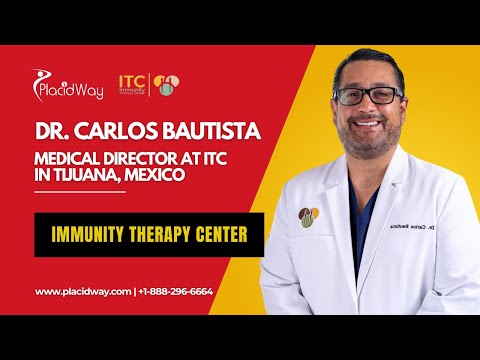
The safety and effectiveness of regenerative care depend heavily on the medical expertise, laboratory standards, and treatment protocols followed by the clinic. Tijuana has become a leading destination for Stem Cell Therapy in Tijuana Mexico, offering access to advanced medical centers focused on regenerative medicine and personalized patient care. These clinics are recognized for their modern biotechnology, experienced specialists, and commitment to international healthcare standards. Explore the profiles below to learn more about the medical team and innovative approaches available through Stem Cell Therapy in Tijuana Mexico.
Safety First: Clinics providing Stem Cell Therapy in Tijuana Mexico utilize advanced laboratory processing, certified medical professionals, and patient-focused regenerative protocols to support safe and innovative treatment experiences.
CellsTime Clinique Tijuana
Tijuana,Mexico
Exploring advanced regenerative care can open new possibilities for patients seeking innovative wellness solutions and long-term health support. The video content below highlights the experiences of individuals who have chosen Stem Cell Therapy in Tijuana Mexico to improve their quality of life and explore modern regenerative medicine options. By watching these journeys, viewers can better understand the treatment process, the patient-centered approach of medical specialists, and the potential benefits associated with Stem Cell Therapy in Tijuana Mexico for various chronic and degenerative conditions.
Insight: These videos serve as an educational resource to help you visualize the patient experience, clinical environment, and overall treatment journey connected with Stem Cell Therapy in Tijuana Mexico.
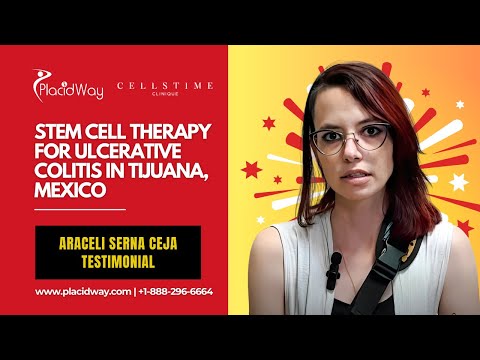



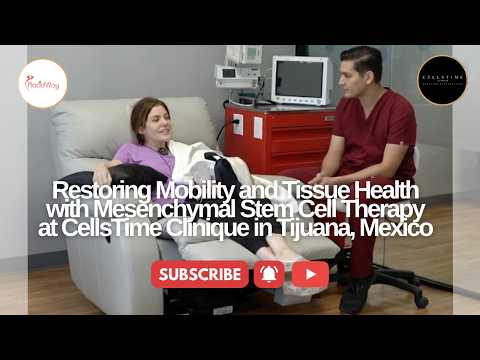
When evaluating advanced regenerative treatments abroad, honest patient feedback can help guide informed decisions. In this section, you will find verified reviews from individuals who have traveled for Stem Cell Therapy in Tijuana Mexico to explore innovative regenerative care options. Read through their experiences regarding the professionalism of the medical team, the quality of patient support, the transparency of communication, and their overall satisfaction throughout their Stem Cell Therapy in Tijuana Mexico journey.
Review Tip: Pay close attention to reviews discussing patient care quality, clinic responsiveness, and post-treatment follow-up support provided during Stem Cell Therapy in Tijuana Mexico.

What is the Average Price of Stem Cell Treatment for Parkinsons Disease in Tijuana, Mexico?
Welcome to a detailed look at stem cell treatment for Parkinson's Disease in Tijuana, Mexico. This progressive neurological condition affects millions worldwide, and many are exploring advanced therapies like stem cells to manage symptoms and potentially slow disease progression. Tijuana, Mexico, has emerged as a prominent destination for medical tourism, offering competitive pricing and often innovative approaches to treatment. This blog post aims to answer your most pressing questions about the average price of stem cell treatment for Parkinson's Disease in Tijuana, along with other crucial considerations, providing you with clear, direct answers followed by in-depth explanations. What is the average price of stem cell treatment for Parkinson's Disease in Tijuana, Mexico? "The average price of stem cell treatment for Parkinson's Disease in Tijuana, Mexico, typically ranges from $8,000 to $15,000 USD, though some packages can go as low as $4,900 or as high as $25,000, depending on the clinic, the type and number of stem cells used, and the comprehensiveness of the package." The cost of stem cell therapy for Parkinson's Disease in Tijuana can vary significantly based on several factors. Clinics in Tijuana offer a range of treatment protocols, from those focusing on a single, targeted infusion to more extensive programs involving multiple sessions, different types of stem cells (e.g., mesenchymal, umbilical cord-derived), and adjunctive therapies. The quoted price often includes not only the stem cell infusions but also consultations, medical evaluations, and sometimes even ground transportation and accommodation. It's crucial for patients to obtain a detailed breakdown of what is included in their chosen package to avoid any hidden costs. Why is stem cell treatment for Parkinson's Disease often more affordable in Tijuana than in other countries? "Stem cell treatment for Parkinson's Disease is often more affordable in Tijuana, Mexico, due to lower operating costs, reduced administrative overhead, and a competitive medical tourism market compared to countries like the United States, Canada, or Europe." The economic landscape in Mexico allows medical facilities to offer services at a fraction of the cost found in many Western nations. This includes lower labor costs for medical staff, less expensive facility upkeep, and a different regulatory environment that can reduce the overall cost of treatments. Additionally, Tijuana's proximity to the United States makes it an attractive and accessible option for patients seeking advanced stem cell therapies at a more budget-friendly price, leading to a competitive market among clinics vying for international patients. This competitive environment can drive prices down further while maintaining, and often exceeding, international standards of care. What types of stem cells are typically used for Parkinson's Disease treatment in Tijuana? "For Parkinson's Disease treatment in Tijuana, clinics commonly use mesenchymal stem cells (MSCs), often derived from umbilical cord tissue, adipose (fat) tissue, or bone marrow, due to their regenerative and anti-inflammatory properties." Mesenchymal stem cells (MSCs) are multipotent stromal cells that can differentiate into various cell types and secrete bioactive molecules that promote tissue repair and modulate immune responses. These characteristics make them a promising candidate for treating neurodegenerative conditions like Parkinson's Disease. Umbilical cord-derived MSCs are particularly favored by some clinics in Tijuana because they are ethically sourced, readily available, and generally considered to have high potency and a low risk of immune rejection. The source of the stem cells can influence the treatment protocol and, subsequently, the overall cost. How many stem cell sessions are typically required for Parkinson's Disease in Tijuana? "The number of stem cell sessions required for Parkinson's Disease in Tijuana varies widely based on individual patient needs, the severity of the condition, and the clinic's specific treatment protocol, but often involves one to several infusions over a period." Some patients may undergo a single intensive treatment, while others might receive a series of infusions spaced out over weeks or months. The exact regimen is determined after a thorough medical evaluation by the treating physician, who assesses the patient's current health status, the progression of Parkinson's Disease, and their response to initial treatments. Clinics will usually outline the proposed number of sessions during the initial consultation, which will directly impact the total cost of stem cell treatment. What is included in a typical stem cell treatment package for Parkinson's Disease in Tijuana? "A typical stem cell treatment package for Parkinson's Disease in Tijuana often includes the initial consultation, medical evaluations (e.g., blood tests, imaging), the stem cell infusions themselves, and post-treatment follow-up, with some comprehensive packages also covering ground transportation and accommodation." Beyond the core stem cell administration, many clinics aim to provide a holistic experience. This can include detailed pre-treatment assessments to tailor the therapy to the patient's specific needs, the necessary lab work to ensure safety and effectiveness, and structured follow-up care to monitor progress. Some higher-end packages may even provide VIP transfers from the San Diego border or local airports and include hotel stays, enhancing the overall patient experience and convenience. Always confirm the exact inclusions with the clinic before committing to a treatment. Are there any hidden costs associated with stem cell treatment in Tijuana? "While many clinics strive for transparency, potential hidden costs for stem cell treatment in Tijuana can include additional diagnostic tests not initially quoted, medications, unforeseen complications, or personal expenses like extended accommodation and meals." To avoid unexpected expenses, it's essential to have a clear and detailed treatment plan and cost breakdown from the clinic. Inquire about all potential fees, including those for pre-treatment screenings, post-treatment medications, and any follow-up care beyond the initial package. Clarifying whether consultations are included in the overall price or are a separate fee is also important. Patients should budget for travel, accommodation, and personal expenses, as these are typically not part of the medical treatment cost unless explicitly stated in an all-inclusive package. How does the type of stem cell affect the price of Parkinson's Disease treatment? "The type of stem cell used significantly impacts the price of Parkinson's Disease treatment because different cell sources (e.g., umbilical cord, adipose, bone marrow) involve varying collection, processing, and application complexities, affecting the overall cost." For instance, umbilical cord-derived stem cells are often sourced from accredited labs and may involve higher acquisition costs due to their processing and quality control. Adipose-derived stem cells require a mini-liposuction procedure, which adds to the procedural cost. Bone marrow-derived stem cells involve a bone marrow aspiration. Each method has its own set of equipment, personnel, and lab processing expenses, which are reflected in the final price of the stem cell treatment for Parkinson's Disease. The quantity and viability of the stem cells administered also play a role in pricing. Is stem cell treatment for Parkinson's Disease covered by insurance in Tijuana? "Generally, stem cell treatment for Parkinson's Disease is not covered by insurance in Tijuana, as most private and public insurance providers consider it experimental or investigational for this condition, regardless of location." Because stem cell therapy for Parkinson's Disease is still largely considered an experimental or unproven treatment by many mainstream medical organizations and insurance companies, it typically falls outside of standard coverage. Patients should be prepared to pay for the treatment out-of-pocket. It is always advisable to check directly with your insurance provider regarding their specific policies on stem cell therapies to confirm any potential exceptions or reimbursements for related medical expenses, though full coverage for the stem cell treatment itself is unlikely. What is the success rate of stem cell treatment for Parkinson's Disease in Tijuana? "The reported success rate of stem cell treatment for Parkinson's Disease in Tijuana varies, with many clinics reporting positive outcomes such as improved motor function and reduced symptoms; however, it's important to note that rigorous, large-scale clinical trials are still ongoing, and results can differ significantly among individuals." While many patients report anecdotal improvements in their Parkinson's Disease symptoms after stem cell therapy, defining a definitive "success rate" is challenging due to the variability in treatment protocols, patient conditions, and the absence of standardized outcome measures across all clinics. Reputable clinics will discuss realistic expectations and the potential for symptom management rather than a cure. It is crucial for patients to understand that stem cell treatment aims to improve quality of life and potentially slow disease progression, not necessarily to reverse the condition entirely. What should I consider when choosing a clinic for stem cell treatment in Tijuana? "When choosing a clinic for stem cell treatment in Tijuana, consider the clinic's accreditations, the qualifications and experience of its medical staff, the transparency of its pricing, patient testimonials, and the specific stem cell protocols offered for Parkinson's Disease." Thorough research is paramount. Look for clinics with international accreditations or affiliations that demonstrate adherence to high standards of medical care and safety. Inquire about the doctors' credentials, their experience with Parkinson's Disease, and their expertise in stem cell therapies. Transparency in cost and treatment plans is a good indicator of a trustworthy clinic. Reading patient reviews and, if possible, speaking with former patients can provide valuable insights. Also, understand the type of stem cells used, their sourcing, and the method of administration to ensure it aligns with your preferences and needs. How long is the recovery period after stem cell treatment for Parkinson's Disease? "The recovery period after stem cell treatment for Parkinson's Disease is generally minimal, as the procedures are typically non-surgical or minimally invasive, allowing most patients to resume normal activities within a few days, though the therapeutic effects may take weeks or months to become noticeable." Most stem cell treatments involve intravenous infusions or localized injections, which do not require extensive downtime. Patients may experience minor side effects at the injection site or mild flu-like symptoms for a day or two. The actual regenerative process of the stem cells within the body is gradual, meaning that any symptomatic improvements in Parkinson's Disease may not be immediately apparent. Consistent follow-up and adherence to post-treatment recommendations from the clinic are important for optimal outcomes. What are the potential risks and side effects of stem cell treatment for Parkinson's Disease? "The potential risks and side effects of stem cell treatment for Parkinson's Disease are generally low but can include infection at the injection site, allergic reactions, temporary flu-like symptoms, or, in rare cases, unexpected cellular growth or immune responses." While serious complications are uncommon, it's crucial to be aware of them. Reputable clinics follow stringent safety protocols to minimize risks, including screening patients for suitability, using sterile techniques, and employing high-quality stem cell products. Discussing potential side effects and complications with your physician before treatment is essential to ensure you are fully informed and comfortable with the procedure. The source and processing of the stem cells also influence the safety profile. What kind of improvements can be expected from stem cell treatment for Parkinson's Disease? "Patients undergoing stem cell treatment for Parkinson's Disease may experience improvements in motor symptoms such as tremors, rigidity, and bradykinesia, as well as non-motor symptoms like sleep disturbances, fatigue, and cognitive function, leading to an enhanced quality of life." It's important to set realistic expectations. Stem cell therapy for Parkinson's Disease is often aimed at managing symptoms and potentially slowing disease progression rather than providing a complete cure. The degree of improvement can vary significantly from person to person. While some patients report substantial benefits, others may experience more subtle changes. Improvements are typically gradual and may require sustained effort through continued physical therapy and lifestyle adjustments alongside the stem cell treatment. What is the legal and regulatory status of stem cell treatment in Tijuana, Mexico? "The legal and regulatory status of stem cell treatment in Tijuana, Mexico, is generally more permissive than in some other countries, with clinics operating under federal health regulations, though oversight can vary, making it crucial for patients to choose well-established and reputable facilities." Mexico has a legal framework that allows for the use of certain stem cell therapies, particularly those using adult stem cells or ethically sourced umbilical cord stem cells, provided clinics adhere to specific health and safety guidelines. This contrasts with stricter regulations in countries like the United States, where many stem cell treatments for Parkinson's Disease are still limited to clinical trials. Patients should ensure that the clinic they choose is fully licensed and adheres to national and international standards to ensure the safety and legality of their stem cell treatment experience. Are there specific follow-up care requirements after stem cell treatment for Parkinson's Disease? "Specific follow-up care requirements after stem cell treatment for Parkinson's Disease can include ongoing physical therapy, medication management, lifestyle adjustments, and periodic check-ups with the treating clinic to monitor progress and adjust the care plan as needed." Post-treatment care is vital for maximizing the potential benefits of stem cell therapy. Clinics in Tijuana will typically provide guidelines for activities to avoid, dietary recommendations, and a schedule for follow-up consultations. These follow-ups may be conducted remotely or require return visits. Adherence to these recommendations helps to support the body's healing process and optimize the integration and effects of the stem cells, contributing to sustained improvements in Parkinson's Disease symptoms. Explore PlacidWay for solutions related to medical tourism and healthcare services for advanced treatments like stem cell therapy.
How Much Does Stem Cell Treatment for Osteoarthritis in Tijuana, Mexico?
The estimated stem cell treatment cost in Tijuana, Mexico for osteoarthritis typically ranges from $3,500 to $8,000 per joint. Prices vary based on the type of stem cells used, treatment complexity, and specific clinic protocols. Dealing with chronic joint pain can heavily impact your daily life, and many patients explore alternative options when conservative therapies fall short. If you are considering stem cell treatment for osteoarthritis in Tijuana, Mexico, understanding the financial investment is often the first step in planning your care. As the field of regenerative medicine evolves, an increasing number of individuals cross the border seeking access to therapies that may help manage joint inflammation and improve mobility. Key Takeaways The average price for joint therapies in Tijuana is between $3,500 and $8,000, depending largely on cell sourcing. Mesenchymal stem cells (MSCs) derived from umbilical cord tissue are commonly used in Mexico due to supportive local regulations. Stem cell therapy is not a guaranteed cure for arthritis; results vary significantly from person to person. Appropriate patient selection requires a thorough medical evaluation by a qualified healthcare professional. Patients should only consult facilities that hold valid operating licenses from COFEPRIS, Mexico’s health regulatory body. 1. What determines the cost of stem cell therapy for osteoarthritis in Tijuana? The final price of your procedure depends heavily on the source of the stem cells, the number of joints being treated, and the specific diagnostic tests required before your injections. When you request pricing from a stem cell clinic in Tijuana, Mexico, the quote you receive is rarely a one-size-fits-all number. The largest cost variable is the type and quantity of cells utilized. Autologous treatments—where cells are extracted from your own fat tissue or bone marrow—tend to be priced differently than allogeneic treatments, which use lab-expanded umbilical cord tissue. Additionally, the complexity of your specific osteoarthritis case influences the total fee. Treating a single knee will cost less than treating both knees or a complex joint like the hip. Many clinics offer package pricing that may cover initial blood work, imaging like X-rays or MRIs, the injection procedure, and occasionally ground transportation from the border. It is highly recommended to ask for a detailed breakdown of what is included to avoid unexpected out-of-pocket expenses. 2. How does the price in Tijuana compare to the US and Canada? Patients traveling to Tijuana often find prices that are 40% to 60% lower than comparable regenerative therapies offered in the United States or Canada. In the US, patients often face high out-of-pocket costs for regenerative medicine because most insurance plans view these therapies as experimental and do not cover them. Depending on the clinic and the city, similar therapies in North America can easily range from $6,000 to over $15,000 per joint. The lower operational costs, reduced administrative overhead, and different regulatory frameworks in Mexico contribute to the more accessible pricing structure. This price disparity is a primary driver for the growth of medical tourism in Tijuana, Mexico. However, patients must weigh the financial savings against the costs of travel, lodging, and the necessity of managing follow-up care once they return home. 3. What types of stem cells are used for joint treatments in Mexico? Doctors primarily utilize either autologous stem cells derived from your own body or allogeneic mesenchymal stem cells (MSCs) sourced from donated umbilical cord tissue. Mexican health regulations allow for the expansion of mesenchymal stem cells in a laboratory setting—a practice heavily restricted by the FDA in the United States. Because of this, many Tijuana facilities specialize in umbilical cord-derived MSCs. These cells are valued because they are highly proliferative and do not require the patient to undergo a minor surgical extraction procedure. Alternatively, autologous therapies involve extracting your own cells, typically through a mini-liposuction procedure to gather adipose (fat) tissue or a bone marrow aspiration from the hip bone. The extracted tissue is processed in a centrifuge to isolate the regenerative cells, which are then injected into the arthritic joint. Your doctor will suggest the cell type that best aligns with your medical history and specific joint condition. Important Consideration Regardless of the cell type used, current medical evidence indicates that stem cells act primarily by reducing inflammation and altering the immune response within the joint, rather than fully regrowing lost cartilage. 4. Am I a suitable candidate for stem cell injections for osteoarthritis? Ideal candidates are typically individuals with mild to moderate osteoarthritis who have not found sufficient relief from conservative treatments like physical therapy or corticosteroid injections. Eligibility can only be determined through a personalized evaluation by a qualified physician. Medical professionals will review your current X-rays or MRI scans, your medical history, and a list of your current medications. Conditions such as active infections, certain autoimmune diseases, or recent cancer treatments may disqualify you from receiving this therapy. Patients with end-stage (bone-on-bone) osteoarthritis often experience less favorable results. When the cartilage is entirely worn away and there is severe joint deformity, structural correction via joint replacement surgery is frequently the more appropriate path. The goal of stem cell therapy is to manage symptoms and potentially delay surgical interventions in suitable patients. 5. How is the stem cell procedure performed for arthritic joints? The treatment is typically a minimally invasive outpatient procedure where processed cells are injected directly into the joint capsule under imaging guidance. If you are receiving autologous cells, the process begins with the harvesting of your bone marrow or fat tissue under local anesthesia. The tissue is then rapidly processed on-site. If you are receiving umbilical cord cells, the preparation time is much shorter as the cells are already prepared and thawed by the laboratory staff. The actual administration involves an intra-articular injection into the knee, hip, shoulder, or affected joint. Reputable doctors often use ultrasound or fluoroscopic (X-ray) guidance to ensure the needle is positioned exactly within the joint space. The entire visit normally takes a few hours, allowing patients to rest and return to their hotel the same day. 6. What should I expect during recovery and when will I see results? Recovery involves a few days of joint rest followed by a gradual return to activity, with potential symptomatic improvements often taking several weeks to months to become noticeable. After the injection, it is normal to experience temporary swelling, stiffness, and localized pain at the injection site for a few days. Physicians generally advise against strenuous activities or heavy lifting for several weeks to give the joint a conducive environment for healing. You may be prescribed mild pain relievers, but anti-inflammatory medications (NSAIDs) are often restricted as they can interfere with the cell activity. Results are not immediate. Because biological therapies take time to modulate inflammation and interact with joint tissues, patients typically start noticing subtle improvements in pain and mobility around the four-to-eight-week mark. Some patients continue to see gradual improvements for up to six months. You should have a plan for follow-up care with your local physician at home to monitor your progress. 7. Are stem cell treatments for osteoarthritis safe in Tijuana? While intra-articular injections are generally considered safe in clinical settings, all medical procedures carry inherent risks, including infection, bleeding, or lack of efficacy. The safety of your procedure relies heavily on the hygiene standards of the clinic and the expertise of the medical staff. When performed correctly in a sterile environment using imaging guidance, the physical risk of the injection is similar to a standard corticosteroid or hyaluronic acid injection. However, using unverified cellular products carries a risk of adverse immune reactions or infections. To mitigate risks, patients must do their due diligence. This includes researching the doctor’s credentials, confirming the sterility of the lab producing the cells, and understanding the facility's emergency protocols. If you develop severe pain, high fever, or significant joint swelling after returning home, you must seek immediate emergency medical care in your local area. 8. How does COFEPRIS regulate stem cell clinics in Mexico? COFEPRIS is the federal health regulatory agency in Mexico responsible for overseeing medical facilities and ensuring that cellular products meet strict safety and handling standards. For a facility to legally extract, process, and administer stem cells in Mexico, it must possess specific licensing from COFEPRIS (Federal Commission for the Protection against Sanitary Risk). This includes separate licenses for ambulatory surgery, an onsite pharmacy, and a specialized regenerative medicine or blood bank permit if they handle cellular material. As a prospective patient, you have the right to request proof of these licenses during your consultation. Reputable centers are transparent about their regulatory compliance. Laboratories providing allogeneic cells must also adhere to strict donor screening protocols to prevent the transmission of infectious diseases. Adherence to these regulations is a crucial marker of a facility's commitment to patient safety. 9. Can stem cell therapy replace knee or hip replacement surgery? Stem cell therapy is a non-surgical alternative aimed at symptom management; it cannot mechanically repair advanced structural damage or reliably replace the need for joint arthroplasty in severe cases. It is crucial to set realistic expectations. There is currently no robust clinical consensus proving that stem cells can regenerate entirely depleted cartilage to a youthful state. If a patient is already a prime candidate for a total knee or hip replacement due to severe bone-on-bone arthritis, biological injections may only offer temporary or minimal relief. For many, the goal of this therapy is to reduce daily pain, improve joint function, decrease reliance on oral painkillers, and delay the need for invasive surgery. Always discuss the realistic outcomes, alternatives, and limitations with an orthopedic specialist before making a financial and medical commitment. 10. How should I prepare for medical travel to Tijuana for joint therapy? Preparation involves organizing comprehensive medical records, securing valid travel documents, and coordinating with a companion who can assist you post-procedure. Medical Records: Gather your recent X-rays, MRI reports, and medical history. Clinics need these to assess your eligibility accurately. Travel Documents: Ensure your passport is up to date, as you will need it to re-enter your home country. Medication Review: Discuss all current medications with your providing doctor, as some anti-inflammatory drugs or blood thinners may need to be paused prior to the injection. Travel Companion: While the procedure is outpatient, having someone to help carry luggage and navigate travel while your joint is recovering is highly beneficial. Aftercare Plan: Schedule a follow-up appointment with your local general practitioner or rheumatologist for shortly after your return home. Why Choose PlacidWay for Medical Tourism in Tijuana, Mexico? Navigating healthcare options abroad requires reliable information and clear communication. PlacidWay helps patients connect with medical facilities across the globe by offering: Extensive Facility Network: Access a broad directory of international clinics that offer various regenerative therapies. Educational Resources: Review informational guides, provider profiles, and detailed descriptions of available procedures to help you learn about your options. Cost Transparency: Compare estimated pricing structures from multiple centers to find choices that align with your financial situation. Direct Communication: Facilitated introductory contact between you and the medical coordinators at the facilities of your choice. Patient Support Services: A dedicated customer service team available to answer questions on how to navigate the information provided on the platform. Frequently Asked Questions Does insurance cover stem cell therapy in Tijuana? Most US and Canadian health insurance providers do not cover stem cell treatments for osteoarthritis, whether performed domestically or internationally, as it is largely considered elective or investigational. Patients typically pay out of pocket. Do I need a passport to travel to Tijuana for medical treatment? Yes, international patients traveling from the United States or Canada must have a valid passport to cross the border into Mexico and return to their home country. How long do the effects of stem cell injections for osteoarthritis last? The duration of relief varies by patient. Some individuals report reduced pain and improved mobility for 12 to 24 months, while others may require earlier follow-up treatments or experience limited benefits. Can I get multiple joints treated at the same time in Mexico? Yes, many clinics can treat bilateral joints (like both knees) during the same visit. This usually increases the total cost but can be more convenient than scheduling separate trips. Are umbilical cord stem cells used in Tijuana ethically sourced? Regulated clinics source umbilical cord mesenchymal stem cells (UC-MSCs) from healthy, full-term pregnancies with the mother's informed consent, following strict infectious disease screening protocols. How soon can I fly home after knee stem cell injections? Many patients can travel home within 24 to 48 hours after a standard intra-articular joint injection. However, you should discuss specific post-procedure travel restrictions with your treating physician. What are the main contraindications for this treatment? Common contraindications include active systemic infections, active cancer, severe bleeding disorders, or end-stage osteoarthritis where there is complete bone-on-bone friction with severe joint deformity. Will I need physical therapy after the procedure? While not strictly mandatory, structured physical therapy after a brief period of rest is frequently recommended by doctors to help strengthen the surrounding muscles and support joint recovery. Does the quoted price usually include post-treatment consultations? Inclusions vary by facility. Some comprehensive packages include virtual follow-up consultations for a few months, while others charge separately for follow-up care or require you to consult with your local doctor. Are English-speaking medical staff common in Tijuana clinics? Yes, because Tijuana caters extensively to international patients, most doctors and medical coordinators at established facilities are bilingual and communicate effectively in English. Compare Treatment Options Explore facilities, review estimated costs, and gather the information you need to make an informed decision about your joint care. Request Treatment Information References FDA Warns About Stem Cell Therapies – U.S. Food and Drug Administration Medical Tourism Guidelines – Centers for Disease Control and Prevention Stem Cell Therapy for Arthritis – Arthritis Foundation Mesenchymal Stem Cells for Osteoarthritis: Efficacy and Safety – National Institutes of Health (PubMed) Treatments for Osteoarthritis – Osteoarthritis Research Society International Stem cells: What they are and what they do – Mayo Clinic Medical Disclaimer: The information provided in this article is for educational and informational purposes only and does not constitute medical advice. Stem cell treatments for osteoarthritis are largely considered investigational, and results can vary significantly from patient to patient. This content is not intended to diagnose, treat, cure, or prevent any disease. Always consult with a qualified, board-certified healthcare provider to evaluate your medical history and determine if this or any treatment is suitable for your specific condition.
What is the Cost of Stem Cell Therapy for Diabetic Retinopathy in Tijuana, Mexico?
The cost of stem cell therapy for diabetic retinopathy in Tijuana, Mexico ranges from $4,000 to $8,000 per session. This affordable price includes comprehensive medical evaluations, targeted cellular treatments, and specialized follow-up care. Navigating the complexities of vision loss due to metabolic conditions can be a daunting medical journey for many patients. As elevated blood glucose levels slowly damage the delicate vascular network within the eye, finding an effective, innovative, and financially accessible solution becomes incredibly critical. Stem Cell Therapy for Diabetic Retinopathy in Tijuana, Mexico has rapidly emerged as a highly sought-after medical alternative for international patients who wish to preserve their vision without enduring the astronomical healthcare expenses typically found in North America. By combining internationally trained ophthalmological specialists with state-of-the-art cellular laboratories, the region provides world-class regenerative medicine at a fraction of the traditional cost. Patients crossing the border are discovering that premium healthcare does not have to result in devastating financial debt. The comprehensive treatment packages available in this vibrant border city focus heavily on personalized patient care, advanced clinical safety, and long-term ocular health preservation. Key Takeaways: Regenerative Eye Care Exceptional Affordability: Patients save between fifty to seventy percent compared to equivalent cellular therapies in the United States or Europe. Advanced Medical Protocols: Treatments utilize highly potent mesenchymal cells specifically selected for retinal vascular repair. Geographic Convenience: Located merely minutes from San Diego, providing incredibly easy travel access for North American citizens. Comprehensive Packages: Standard pricing typically covers initial diagnostics, cellular injections, and detailed post-operative medical instructions. Stringent Safety Regulations: Certified facilities operate under the strict medical oversight of national health authorities ensuring absolute patient safety. How does Stem Cell Therapy for Diabetic Retinopathy in Tijuana Mexico work? The treatment works by introducing regenerative cells to repair damaged retinal blood vessels and reduce ocular inflammation. This advanced approach promotes the healing of tissues compromised by elevated blood sugar levels. The medical journey begins with a highly detailed ophthalmological evaluation to map the exact extent of retinal damage. Specialists utilize high-resolution imaging technology to identify areas of vascular leakage and tissue distress within the complex eye structure. This precise mapping ensures that the subsequent clinical intervention is targeted exactly where the cellular deterioration is most severe. Following the precise diagnostic mapping, medical professionals administer targeted cellular injections directly into or around the affected ocular regions. These powerful regenerative cells possess the unique capability to transform into specific tissue types and release essential growth factors that stimulate natural biological healing. By acting as a biological repair crew, the materials directly address the underlying cellular dysfunction rather than merely managing superficial symptoms. Over the subsequent weeks and months, the introduced cells actively work to stabilize the fragile vascular network within the retina. This internal regeneration helps prevent further fluid accumulation, reduces harmful swelling, and supports the survival of existing healthy retinal cells. Ultimately, this comprehensive internal healing process aims to preserve long-term visual clarity and significantly halt disease progression. Did You Know? The regenerative cells used in these specialized ocular therapies possess a unique biological feature called immunomodulation. This means they naturally calm overactive immune responses in the eye, drastically reducing the chronic inflammation that is known to accelerate diabetic retinal damage. What factors influence the Stem Cell Therapy for Diabetic Retinopathy cost in Tijuana Mexico? The total price is determined by the specific type of cells used, the number of required sessions, and the complexity of the patient condition. Clinic reputation and included medical amenities also play a significant role in final pricing. Cellular Product Type: The choice between using culturally expanded umbilical cord tissue cells versus extracting autologous cells directly from the patient body significantly alters laboratory preparation expenses. Treatment Frequency: Patients requiring a multi-session protocol over several months will naturally encounter higher cumulative costs than those needing only a single comprehensive intervention. Diagnostic Inclusions: Premium packages that include advanced Optical Coherence Tomography scans and comprehensive blood panels prior to treatment will reflect a slightly higher initial price point. Facility Standards: The specific medical protocols and technological investments utilized by the chosen Stem Cell Therapy for Diabetic Retinopathy clinic in Tijuana, Mexico directly impact the final billing structure. Aftercare Services: Extensive post-treatment care packages that include specialized nutritional supplements, hyperbaric oxygen therapy sessions, and prolonged remote consultations contribute to the overall therapeutic investment. Average Treatment Cost Comparison Medical Destination Estimated Cost Range Typical Package Inclusions United States $15,000 - $25,000+ Procedure only, diagnostics billed separately, limited cell expansion. Canada $12,000 - $20,000+ Strictly regulated protocols, long waiting lists, basic aftercare. Tijuana, Mexico $4,000 - $8,000 All-inclusive medical evaluations, high-density cell injections, VIP transport. Are patients safe at a Stem Cell Therapy for Diabetic Retinopathy clinic in Tijuana Mexico? Patient safety is highly prioritized in certified Mexican medical facilities, which adhere to strict international health regulations. Facilities utilize advanced sterilization techniques and employ highly trained medical specialists. The region has firmly established itself as a premier global hub for advanced medical care, largely driven by its rigorous internal regulatory environment. Clinics offering innovative regenerative therapies must pass continuous and unannounced inspections by national health regulatory agencies. This continuous oversight ensures that all clinical protocols, from patient intake to biological waste disposal, meet the most stringent international safety standards available today. Furthermore, the medical professionals responsible for administering these delicate ocular treatments undergo extensive specialized training. A significant portion of these specialists complete prestigious fellowships in Europe or the United States, bringing global best practices directly back to their home facilities. This dedication to continuous medical education guarantees that visiting patients receive world-class attention from highly credentialed experts. Leading medical institutions also invest heavily in creating state-of-the-art laboratory environments. The delicate processing, cultivation, and storage of regenerative materials are conducted exclusively within highly controlled, positively pressurized cleanrooms. These advanced architectural investments virtually eliminate the risk of bacterial contamination, ensuring the absolute highest purity and safety of the therapeutic products entering the patient body. What types of biological materials are used for Stem Cell Therapy for Diabetic Retinopathy in Tijuana Mexico? Medical facilities primarily utilize Mesenchymal Stem Cells sourced from umbilical cord tissue or the patient body. These specific cells are chosen for their potent anti-inflammatory properties and robust tissue regeneration capabilities. Umbilical cord-derived mesenchymal cells are overwhelmingly favored by top specialists due to their youthful vitality and incredibly strong proliferative abilities. Because these materials are ethically sourced from healthy, pre-screened donor tissues immediately following full-term cesarean births, they provide a robust therapeutic effect. Utilizing donor tissue also completely spares the patient from undergoing an invasive bone marrow or fat extraction procedure prior to their eye treatment. In certain specialized medical scenarios, autologous cells are extracted directly from the patient own biological reserves, typically from abdominal adipose fat tissue. This specific methodology ensures absolute biocompatibility since the biological material originates entirely from the individual receiving the medical treatment. This completely eliminates any theoretical risk of immune rejection, making it a highly reliable option for patients with severe autoimmune complications. Regardless of the original biological source, all cellular materials undergo a meticulous and rigorous screening process within certified clinical laboratories. This exhaustive preparation involves multipoint genetic testing and advanced purification protocols. This absolute dedication to laboratory excellence ensures that only the most viable, active, and highly concentrated cells are ultimately utilized for the delicate task of retinal vascular repair. How successful is Stem Cell Therapy for Diabetic Retinopathy in Tijuana Mexico compared to other regions? Clinical outcomes rival those of top international destinations, with many patients reporting significant stabilization of their vision. The success is driven by the use of advanced protocols and highly concentrated cellular therapies. Patients undergoing these advanced procedures frequently experience a highly notable reduction in internal retinal inflammation and a critical stabilization of blood vessel leakage. While ultimate visual results naturally vary based on the initial severity of the metabolic condition, proactive early intervention typically yields the most substantial and rapid improvements in overall visual clarity and structural eye health. The progressive regulatory framework present in the region allows for the clinical application of highly expanded cell populations, a practice heavily restricted in many northern nations. Consequently, international patients often receive a significantly higher dosage of active therapeutic cells per session. This elevated concentration directly correlates to more pronounced, rapid, and sustained internal healing responses within the damaged ocular tissues. Furthermore, engaging in medical tourism in Tijuana, Mexico grants patients direct access to innovative combination therapies that are difficult to coordinate elsewhere. Medical specialists frequently integrate hyperbaric oxygen therapy and targeted intravenous nutritional support seamlessly alongside the primary cellular injections. This holistic approach creates an optimized internal healing environment that maximizes long-term procedural success and overall patient wellness. Did You Know? Many international facilities provide comprehensive post-treatment tracking programs extending up to twelve months. Medical coordinators schedule regular video consultations to monitor your visual recovery progress long after you have returned to your home country. Who is the ideal candidate for Stem Cell Therapy for Diabetic Retinopathy in Tijuana Mexico? Ideal candidates are individuals experiencing early to moderate stages of retinal damage due to uncontrolled blood sugar levels. Patients must have realistic expectations and be committed to managing their underlying metabolic condition. Individuals formally diagnosed with non-proliferative or early-stage proliferative diabetic eye disease by a certified ophthalmologist. Patients who have actively noticed a gradual decline in visual acuity but have not yet suffered massive irreversible macular scarring or complete retinal detachment. Those who are currently demonstrating strict compliance in managing their daily blood glucose levels under the continuous guidance of a dedicated endocrinologist. Individuals actively seeking less destructive alternative options to traditional laser photocoagulation or highly invasive vitrectomy surgical procedures. Patients who possess a generally stable cardiovascular system and have been medically cleared by a general physician to travel internationally and undergo specialized clinical treatments. What is the expected recovery time after Stem Cell Therapy for Diabetic Retinopathy in Tijuana Mexico? Most patients experience a rapid recovery, returning to normal daily activities within a few days of the procedure. The minimally invasive nature of the treatment results in very little physical downtime or discomfort. Immediately following the specialized medical procedure, patients might temporarily experience mild sensitivity to bright lights or minor ocular irritation. These superficial symptoms are completely normal biological responses to the intervention and typically resolve autonomously within twenty-four to forty-eight hours. Treating physicians routinely advise patients to rest their eyes deeply and avoid strenuous physical exertion during this critical initial healing window. The actual biological regenerative process at the cellular level requires substantial time, with gradual functional visual improvements generally becoming noticeable after several continuous weeks or even months. The introduced cells remain highly active long after the initial injection, tirelessly repairing microscopic vascular damage and reconstructing compromised tissues over an extended biological timeline. Post-operative follow-up care is intentionally designed to be highly straightforward and easily coordinated with the patient local medical providers back home. Mexican ocular specialists routinely provide highly detailed discharge instructions and enthusiastically maintain remote digital communication to carefully monitor therapeutic progress, ensuring the complex internal healing trajectory remains perfectly on track. How does medical tourism in Tijuana Mexico benefit patients seeking Stem Cell Therapy for Diabetic Retinopathy? Traveling to this border city offers patients access to cutting-edge therapies at a fraction of the cost found in their home countries. The proximity to major international airports ensures a stress-free travel experience. The most profound primary advantage for patients is the unparalleled medical affordability achieved without sacrificing any degree of clinical quality. International visitors can undergo highly comprehensive therapeutic protocols, including complex advanced diagnostics and personalized specialized aftercare, while successfully saving thousands of dollars compared to equivalent restrictive treatments found throughout North America or Western Europe. Geographic convenience inherently plays a massive role in the surging popularity of this region as a premier medical destination. Situated literally minutes across the immediate southern border of California, patients can remarkably easily drive or take a very short domestic flight directly into San Diego. This incredible proximity makes the physical logistical aspect of the entire medical journey incredibly smooth and exceptionally stress-free. The extensive local healthcare infrastructure in the region caters almost entirely to the precise needs of international medical visitors. Premium medical facilities proudly employ completely bilingual administrative staff, offer complimentary luxury concierge transportation services, and partner exclusively with premium recovery hotels. This comprehensive support network guarantees that the entire patient experience is deeply comfortable, highly secure, and focused entirely on physical healing. Why choose PlacidWay for Stem Cell Therapy for Diabetic Retinopathy in Tijuana Mexico? PlacidWay functions as your dedicated medical facilitation partner by connecting you with globally accredited facilities and experienced specialists. The platform ensures complete safety and personalized support throughout your healthcare journey. Rigorous Vetting Standards: We implement exhaustive background checks to ensure our formal partnerships exist exclusively with internationally accredited and fully legally compliant medical centers. Absolute Financial Transparency: By clearly outlining the complete Stem Cell Therapy for Diabetic Retinopathy cost in Tijuana, Mexico, we guarantee that our patients never encounter hidden administrative or medical fees. Extensive Educational Resources: Patients gain unrestricted access to highly detailed clinic profiles, meticulously verified patient testimonials, and the comprehensive medical credentials of all treating physicians. Dedicated Advocacy Team: Our highly trained patient coordinators actively facilitate seamless, stress-free communication between the patient and the foreign medical specialist team before, during, and after the clinical procedure. Highly Personalized Care: Customized medical treatment plans are carefully and thoughtfully designed to precisely meet the specific health requirements and strict clinical needs of each unique individual patient. Frequently Asked Questions Does insurance cover Stem Cell Therapy for Diabetic Retinopathy in Tijuana Mexico? In the vast majority of cases, health insurance providers located in the United States and Canada do not cover regenerative therapies performed internationally. These cellular treatments are currently classified as elective or experimental by many major North American insurance networks. Consequently, patients traveling across the border must prepare to fund their medical care entirely out of pocket. However, the significantly lower procedural prices in Mexican facilities often make self-paying more affordable than covering the high co-pays and deductibles associated with complex ocular surgeries back home. Are multiple sessions required for Stem Cell Therapy for Diabetic Retinopathy in Tijuana Mexico? The number of required sessions depends entirely on the individual severity of the ocular condition and the specific biological response of the patient. While some individuals experience significant stabilization and visual improvement after a single comprehensive treatment session, others with more advanced vascular damage may require two to three subsequent follow-up treatments spaced several months apart. Your dedicated medical specialist will develop a highly personalized timeline during your initial ophthalmological evaluation to ensure maximum therapeutic benefit. Can Stem Cell Therapy for Diabetic Retinopathy in Tijuana Mexico reverse total blindness? It is highly important for patients to maintain realistic medical expectations regarding regenerative outcomes. While this advanced cellular therapy is incredibly effective at repairing early to moderate vascular damage and reducing ocular inflammation, it cannot reverse total blindness or repair extensive permanent scar tissue within the macula. The primary medical goal of this intervention is to halt disease progression, stabilize current visual acuity, and heal functioning but distressed retinal cells before irreversible deterioration occurs. How soon can patients see results from Stem Cell Therapy for Diabetic Retinopathy in Tijuana Mexico? Visual improvements are rarely instantaneous because the biological regeneration of microscopic retinal tissue requires significant time. Most patients begin to notice a stabilization of their vision and a reduction in visual distortions within three to six months following the initial cellular injection. The introduced regenerative materials continue to secrete vital growth factors and repair damaged blood vessels long after the physical procedure is completed, leading to gradual and sustained improvements over an extended period. Are there side effects associated with Stem Cell Therapy for Diabetic Retinopathy in Tijuana Mexico? The procedure is generally considered highly safe and minimally invasive, but as with any medical intervention involving the eye, minor temporary side effects can occur. Patients might experience mild ocular redness, a sensation of slight pressure, increased light sensitivity, or the temporary appearance of visual floaters immediately following the injection. These minor symptoms are normal biological reactions to the treatment and typically resolve on their own within twenty-four to forty-eight hours under proper medical observation. What pre-operative tests are required for Stem Cell Therapy for Diabetic Retinopathy in Tijuana Mexico? To ensure absolute patient safety and procedural efficacy, medical facilities require a comprehensive panel of diagnostic tests before administering cellular therapy. These typically include recent Optical Coherence Tomography scans to map retinal thickness, visual field examinations, and comprehensive blood work including a recent Hemoglobin A1c test to evaluate metabolic control. Patients are usually asked to submit these medical records digitally to the foreign clinical team for preliminary review before finalizing their travel itinerary. How long must patients stay for Stem Cell Therapy for Diabetic Retinopathy in Tijuana Mexico? One of the major logistical benefits of this specialized treatment is the relatively short medical travel duration required. Most international patients only need to stay in the border city for two to four days. This concise timeframe comfortably accommodates the initial in-person medical consultation, the preparation and administration of the cellular injections, and a mandatory post-operative observation check the following morning before the patient is medically cleared to return to their home country. Are cellular products regulated for Stem Cell Therapy for Diabetic Retinopathy in Tijuana Mexico? Yes, all legitimate biological products and regenerative medical procedures are strictly regulated by the Mexican government. COFEPRIS, the national health regulatory agency equivalent to the US FDA, oversees the licensing and operational compliance of all specialized cellular laboratories and medical facilities. Top-tier clinics strictly adhere to these federal regulations, ensuring that all biological materials are ethically sourced, rigorously tested for purity, and processed in highly controlled sterile cleanroom environments. Can patients with both diabetes types undergo Stem Cell Therapy for Diabetic Retinopathy in Tijuana Mexico? The regenerative protocol is highly suitable and effective for patients diagnosed with either Type 1 or Type 2 diabetes, provided that their underlying metabolic condition is currently being managed. Uncontrolled high blood glucose levels can create a toxic internal environment that neutralizes the healing properties of the introduced cells. Therefore, treating specialists require patients to demonstrate a stable medical history and active endocrinological management to ensure the cellular therapy has the best possible chance of succeeding. Is it safe to cross the border for Stem Cell Therapy for Diabetic Retinopathy in Tijuana Mexico? Crossing the southern border for specialized medical care is incredibly safe and highly streamlined for international visitors. Thousands of North American patients successfully navigate this route every single day without incident. Premium medical facilities enhance this safety by offering dedicated concierge transportation directly from the San Diego airport to the clinical facility. Furthermore, many certified providers offer specialized medical lane passes that drastically reduce border wait times when returning to the United States. Take Control of Your Vision and Health Today Do not let progressive eye conditions dictate your future. PlacidWay connects you with globally recognized, fully accredited clinics specializing in advanced regenerative ocular therapies. Secure your personalized medical consultation and discover transparent, all-inclusive medical packages tailored precisely for your needs. Get Your Free Quote * Responses typically provided within 24 hours. Complete patient privacy guaranteed.
What is the price of Stem Cell Treatment for Hair Loss in Tijuana, Mexico?
The price of stem cell treatment for hair loss in Tijuana, Mexico typically ranges from $2,500 to $4,500 per session. This cost varies based on the clinic reputation, stem cell type used, and the extent of your specific hair restoration needs. Key Takeaways: Hair Restoration in Tijuana Massive Savings: Patients typically save 50 to 70 percent compared to prices in the United States or Canada. Non-Surgical Solution: A minimally invasive procedure with virtually no downtime compared to surgical transplants. Advanced Biology: Utilizes highly potent mesenchymal cells to awaken dormant follicles and stimulate natural growth. Top-Tier Facilities: Tijuana boasts globally accredited centers strictly regulated by health authorities. Convenient Location: Easily accessible via the San Diego border, making it ideal for quick outpatient visits. How exactly does Stem Cell Treatment for Hair Loss in Mexico work? The procedure involves injecting high-quality regenerative cells directly into the scalp to awaken miniaturized follicles. These cells repair damaged tissues and trigger the natural anagen growth phase. When you undergo Stem Cell Treatment for Hair Loss in Mexico, specialists harness the natural healing power of human biology. The core concept revolves around mesenchymal stem cells, which possess the unique ability to differentiate into various cell types and secrete powerful growth factors. As we age, or due to genetic factors like androgenetic alopecia, our hair follicles shrink, become dormant, and eventually stop producing visible hair strands. During the procedure, these potent regenerative cells are micro-injected precisely into the areas of the scalp experiencing thinning. Once introduced, they immediately begin communicating with the surrounding tissue. They reduce local inflammation, improve blood circulation by forming new micro-vessels, and essentially send biological signals to dormant follicles commanding them to wake up and resume hair production. This biological reset extends the lifespan of existing hair and thickens individual strands. Unlike topical treatments that only provide temporary chemical stimulation, this regenerative approach addresses the problem at a cellular level. It restores the optimal microenvironment needed for robust, long-term hair survival, making it a highly requested procedure for those pursuing medical tourism in Mexico. What factors determine the Stem Cell Treatment for Hair Loss cost in Mexico? The final price is influenced by the required cell count, the origin of the biological material, and the specific diagnostic tools used. Overall treatment complexity directly impacts your financial investment. Cell Quantity: The number of millions of cells required dictates the primary expense. Advanced balding requires a higher cell count compared to minor hairline receding. Source Material: Allogeneic cells from specialized labs may carry different pricing structures compared to autologous extraction where cells are harvested from your own fat via mini-liposuction. Clinic Expertise: A premium Stem Cell Treatment for Hair Loss clinic in Mexico with internationally trained board-certified specialists will naturally charge slightly more for their verified expertise. Adjunct Therapies: Packages that include exosome additions, Platelet-Rich Plasma boosters, or specific laser light therapies will increase the overall Stem Cell Treatment for Hair Loss cost in Mexico. Diagnostic Testing: Comprehensive pre-treatment scalp biopsies, genetic tests, and hormonal blood panels add to the initial consultation fees but ensure targeted results. Location Average Starting Price Average Maximum Price United States $8,000 $15,000+ Tijuana, Mexico $2,500 $4,500 Am I a suitable candidate for Stem Cell Treatment for Hair Loss in Mexico? Ideal candidates are individuals experiencing early to moderate hair thinning. The therapy requires live, albeit weakened, follicles to be successful, making it ineffective for completely smooth, bald areas. Determining your eligibility is the most crucial step before traveling for medical tourism in Mexico. This cellular therapy works miracles, but it relies on existing biological infrastructure. If your hair follicles are completely dead and the scalp skin has scarred over into a shiny surface, no amount of regenerative biology can create a new follicle from nothing. Therefore, early intervention is the absolute key to success. You are considered an excellent candidate if you suffer from diffuse thinning, widening parts, or a receding hairline where fine, wispy hairs are still visible. Both men and women suffering from androgenetic alopecia see remarkable improvements. Women, in particular, often find this to be the perfect solution since traditional surgical extraction methods are usually less effective for diffuse female pattern baldness. Furthermore, patients must be in good general health without active scalp infections or severe autoimmune disorders that might compromise the localized healing process. During your preliminary online evaluation with a Stem Cell Treatment for Hair Loss clinic in Mexico, doctors will review high-resolution photos of your scalp to confirm that sufficient miniaturized hairs exist to warrant the investment. Did You Know? Hair follicles never actually die immediately when they stop producing visible hair. They can remain dormant under the scalp for several years. This dormancy window is the exact opportunity regenerative specialists target to reverse the balding process before the follicle permanently seals itself off. How long is the recovery after visiting a Stem Cell Treatment for Hair Loss clinic in Mexico? Recovery is remarkably swift, often termed a lunchtime procedure. Most patients experience zero downtime, with only mild tenderness that subsides within twenty-four to forty-eight hours. Immediate Post-Op: You can literally walk out of the clinic and resume normal, low-impact daily activities. There are no heavy bandages or extensive wound care routines required. Mild Symptoms: Some patients report slight redness, minor swelling, or a feeling of tightness across the scalp. These sensations are completely normal and resolve quickly without strong pain medication. Hair Washing: Clinics generally advise against washing your hair or applying harsh styling chemicals for the first two days to allow the micro-injection sites to close and heal properly. Exercise Restrictions: To prevent excessive sweating and increased blood pressure in the head, heavy cardiovascular workouts and weightlifting should be paused for about three to five days. Sun Exposure: Direct, intense sunlight should be avoided for the first week. Wearing a loose-fitting cap is recommended when walking outside to protect the delicate recovering tissue. When will I see visible results from Stem Cell Treatment for Hair Loss in Mexico? Visible improvements align with natural hair growth cycles. Most patients begin noticing thicker texture at three months, with significant density and new growth fully apparent between six and nine months post-treatment. Patience is absolutely essential when dealing with cellular regeneration. Unlike artificial hair pieces that offer instant gratification, Stem Cell Treatment for Hair Loss in Mexico rebuilds your biological foundation. Human hair grows at an average rate of half an inch per month. Before new hair can grow, the miniaturized follicles must heal, expand in diameter, and re-enter the active growth phase. During the first few weeks, you may not notice any visible changes, though microscopic repair is happening rapidly beneath the skin. Around the second month, many patients report a drastic reduction in hair shedding when showering or brushing. This is the first clinical sign that the regenerative cells are successfully fortifying the root structures against the hormones causing the thinning. By month four, the dormant follicles begin pushing new, thicker strands through the scalp surface. As these strands lengthen, the overall density and volume of your hair significantly improve. Final photographic comparisons are typically evaluated at the nine to twelve-month mark, at which point the full return on your Stem Cell Treatment for Hair Loss cost in Mexico becomes undeniable. Is undergoing Stem Cell Treatment for Hair Loss in Mexico safe? Yes, it is exceptionally safe when performed at certified medical centers. Mexican facilities utilize highly regulated laboratory materials and strict sterilization protocols overseen by national health boards. Safety is a primary concern for anyone considering cross-border health services. The regenerative medicine sector in Tijuana is incredibly advanced and rigorously monitored by COFEPRIS, the Mexican equivalent of the FDA. A reputable Stem Cell Treatment for Hair Loss clinic in Mexico must maintain stringent licenses to handle, store, and administer biological materials. The procedure itself carries minimal risk because it relies on natural biological components rather than harsh pharmaceuticals or traumatic surgical incisions. If autologous cells are used, the risk of rejection is zero because the material belongs to your own body. If allogeneic laboratory cells are utilized, they are inherently immune-privileged, meaning they lack the specific markers that would trigger an immune or allergic response. The most common side effects are strictly limited to the injection sites, encompassing minor bruising or temporary tenderness. Severe complications are virtually unheard of when strict clinical hygiene is maintained. This safety profile makes it one of the most reliable outpatient procedures available within the landscape of medical tourism in Mexico. Expert Insight Always ensure your chosen facility provides a certificate of cell viability. Top-tier clinics in Tijuana operate with complete transparency, allowing you to review the exact laboratory origin, cell count, and purity levels of the regenerative materials before any procedure begins. How does this compare to hair transplants for medical tourism in Mexico? Transplants surgically relocate healthy hair to completely bald areas, while regenerative cell therapy strengthens and revives existing thinning hair without incisions, scarring, or lengthy recovery periods. Understanding the difference between these two procedures is vital for setting realistic expectations. A traditional FUE hair transplant involves extracting thousands of individual hair follicles from the back of the head and surgically implanting them into bald spots. It is a brilliant solution for patients who have completely lost hair in specific zones. However, it requires shaving the head, significant downtime, and meticulous post-operative wound care. Stem Cell Treatment for Hair Loss in Mexico serves a completely different biological purpose. It is a preservation and enhancement therapy. It does not move hair from point A to point B; rather, it heals the scalp environment to prevent further loss and thickens the hair you already have. There is no surgical trauma, no risk of noticeable scarring, and no need to shave your existing hair. Interestingly, the most advanced practitioners now combine both treatments. Patients who undergo a transplant often receive regenerative cell injections simultaneously to speed up graft healing, increase the survival rate of the transplanted follicles, and protect the native hair from future shock loss, providing a comprehensive aesthetic outcome. What happens during a consultation at a Stem Cell Treatment for Hair Loss clinic in Mexico? The consultation involves a deep dive into your medical history and a precise physical examination of your scalp using magnification tools to map out the specific zones requiring cellular intervention. Medical Intake: Specialists will review your genetics, current medications, stress levels, and nutritional habits to rule out underlying issues causing the hair loss. Trichoscopy Exam: Using high-powered digital microscopes, the doctor will examine the scalp surface to assess follicle health, miniaturization percentages, and overall skin condition. Customized Protocol: Based on the microscopic findings, the specialist calculates the exact dosage of millions of cells required to achieve optimal regeneration for your specific case. Financial Transparency: You will receive a completely itemized breakdown confirming your final Stem Cell Treatment for Hair Loss cost in Mexico without any hidden laboratory fees. Procedure Timeline: The doctor will explain exactly how the injections will be administered, map out the localized anesthesia strategy, and outline your personalized post-care roadmap. Why choose PlacidWay for Stem Cell Treatment for Hair Loss in Mexico? PlacidWay acts as your ultimate safety net, ensuring you connect only with thoroughly vetted, globally accredited clinics while offering transparent pricing and dedicated patient advocacy throughout your medical journey. Rigorous Facility Vetting: We conduct exhaustive background checks, ensuring every partner clinic possesses valid government licenses, authentic laboratory certifications, and zero malpractice history. Verified Specialist Credentials: PlacidWay ensures you are treated exclusively by board-certified regenerative medicine experts, never unsupervised technicians or unverified staff. Negotiated Transparent Pricing: We protect you from foreigner markups by securing direct, clear cost structures so you know precisely what you are paying for before making any commitments. Dedicated Patient Advocacy: Our knowledgeable coordinators facilitate all clinical communication, translating medical jargon into clear answers so you feel completely confident in your treatment plan. Preliminary Case Review: We assist in securely transferring your medical history and scalp photographs directly to the top surgeons for remote evaluation before you even decide to book. Frequently Asked Questions About Regenerative Hair Therapy in Tijuana What are the main types of stem cells used for hair restoration in Tijuana? Clinics in Tijuana typically utilize either autologous stem cells derived from your own fat tissue or allogeneic mesenchymal stem cells sourced from ethically donated umbilical cord tissue. Both types are highly effective at regenerating dormant hair follicles. Are multiple sessions required for optimal hair growth results in Mexico? While many patients see significant improvements after a single comprehensive session, some individuals with advanced thinning may benefit from a secondary touch-up session six to twelve months later to maximize density and follicular stimulation. Is Tijuana a safe destination for international medical tourists? Yes, Tijuana is a premier hub for international patients. The medical districts such as Zona Rio are heavily monitored, highly developed, and specifically designed to provide a secure, welcoming environment for global health travelers seeking premium care. Can women undergo stem cell hair loss treatment in Mexican clinics? Absolutely. This regenerative therapy is highly effective for women suffering from female pattern hair loss or thinning caused by hormonal changes. It offers a fantastic non-surgical alternative to traditional hair transplants which are often less suitable for female patients. Do I need a passport to cross the border into Tijuana for medical care? Yes, international travelers entering Mexico and returning to their home country such as the United States will require a valid passport. Many clinics also offer fast-pass medical lane access to make border crossing significantly faster for returning patients. Will the injected stem cells cause any allergic reactions or rejection? Mesenchymal stem cells are immune-privileged, meaning they do not express the markers that trigger an immune response or rejection. Whether using your own cells or donor cells, the risk of allergic reaction is virtually nonexistent. How do Mexican clinics source their mesenchymal stem cells? Top-tier facilities partner with federally regulated laboratories that source cells from healthy, screened donors after full-term scheduled cesarean births. These laboratories adhere to strict COFEPRIS regulations to guarantee purity, viability, and ethical compliance. Can I combine stem cell therapy with PRP treatments in Tijuana? Yes, combining these therapies is highly recommended. Platelet-Rich Plasma provides immediate growth factors that act as a catalyst, helping the newly introduced regenerative cells integrate faster and work more efficiently to restore your hair. What payment methods are widely accepted by Tijuana medical facilities? Most established medical centers accept major credit cards, wire transfers, and cash payments in US Dollars. Because it is an international health hub, financial transactions are seamless and structured to accommodate foreign visitors easily. Are there any age restrictions for receiving stem cell hair therapy? While there is no strict upper age limit, patients must be healthy adults. The therapy is generally most effective for individuals between 25 and 65 who still have live, albeit dormant, hair follicles capable of being revived by the regenerative process. Start Your Hair Restoration Journey in Mexico Today Don't let thinning hair dictate your confidence. PlacidWay connects you with Tijuana's top-rated, government-accredited regenerative clinics. Get a free, no-obligation quote, receive a personalized treatment plan from board-certified specialists, and unlock premium medical options designed just for you. Get Your Free Quote * Responses typically within 24 hours. Privacy guaranteed.
How much is Stem Cell Therapy for Autism in mexico?
For families seeking innovative approaches to managing autism spectrum disorder (ASD), stem cell therapy has emerged as a topic of significant interest. While research is ongoing, many families are exploring options abroad, with Mexico becoming a prominent destination. If you're considering stem cell therapy for autism in Mexico, understanding the costs involved and what influences them is a crucial first step. This comprehensive guide answers your key questions. "How much is stem cell therapy for autism in Mexico?" "The cost of stem cell therapy for autism in Mexico typically ranges from $4,000 to $20,000 USD per treatment package, depending on the clinic, the number of stem cells administered, and the specific protocol." The price for stem cell therapy for autism can vary significantly across different clinics and treatment plans in Mexico. This range reflects the highly individualized nature of these therapies and the diverse approaches taken by various centers. "What factors influence the cost of stem cell therapy for autism in Mexico?" "The cost of stem cell therapy for autism in Mexico is influenced by the clinic's reputation and location, the number and type of stem cells administered, the specific treatment protocol, and the inclusions within the treatment package." Understanding these influencing factors is essential for anticipating the total investment. Clinic Reputation and Location: Established clinics with advanced facilities and a strong track record, especially those in popular medical tourism cities like Cancun, Guadalajara, or Tijuana, may have higher pricing. Number and Type of Stem Cells: The dosage of stem cells (e.g., millions of cells) and the type of stem cells used (most commonly mesenchymal stem cells or MSCs derived from umbilical cord, placenta, or adipose tissue) directly impact the cost. Some protocols might also incorporate exosomes. Treatment Protocol: The personalized treatment plan, including the route of administration (e.g., intravenous, intrathecal, nebulization), the number of sessions, and any complementary therapies (e.g., hyperbaric oxygen therapy, physiotherapy), will affect the overall price. Inclusions in the Package: Many clinics offer comprehensive packages that might include initial consultations, pre-operative tests, medications, follow-up visits, specialized supportive therapies, local transportation, and even accommodation. The more extensive these inclusions, the higher the package price. "What types of stem cells are commonly used for autism therapy in Mexico?" "In Mexico, mesenchymal stem cells (MSCs), primarily derived from sources like umbilical cord tissue, placenta, or adipose (fat) tissue, are most commonly used for autism therapy. Some clinics may also incorporate exosomes into their protocols." MSCs are favored for their immunomodulatory and regenerative properties, which are believed to help reduce inflammation, promote tissue repair, and support neurological function. The source of the MSCs can vary, with umbilical cord-derived MSCs often being preferred due to their high proliferative capacity and low immunogenicity. "How do the costs of stem cell therapy for autism in Mexico compare to other countries?" "Stem cell therapy for autism in Mexico is generally more affordable than in countries like the United States or Canada, often offering potential savings ranging from 50% to 70%." In countries with stricter regulations or higher healthcare costs, access to stem cell therapy for autism may be limited to clinical trials or come with an exceptionally high price tag. Mexico's more flexible regulatory environment and lower operational costs allow clinics to offer these treatments at a significantly reduced price, making them accessible to more families. "Are there 'all-inclusive' packages for autism stem cell therapy in Mexico?" "Yes, many clinics in Mexico offer 'all-inclusive' packages for stem cell therapy for autism, which can cover various aspects of the treatment and associated services. It's crucial to carefully review what each specific package includes." These packages are designed to provide transparency and convenience for international patients. While one package might cover stem cell infusions, consultations, and basic tests, another might include a higher cell count, additional therapies, and even accommodation and airport transfers. Always request a detailed breakdown of costs and inclusions. "What should I consider when evaluating a clinic for stem cell therapy for autism in Mexico?" "When evaluating a clinic for stem cell therapy for autism in Mexico, prioritize its reputation, safety standards, transparency regarding stem cell sourcing and protocols, physician qualifications, and patient testimonials. Cost should be a secondary consideration to quality and safety." Thorough due diligence is paramount. Look for clinics that are transparent about their stem cell sourcing (e.g., independent lab testing, ethical procurement), the specific protocols they use, and their safety measures. Inquire about the qualifications and experience of their medical team. Reading patient testimonials and seeking references can also provide valuable insights. "What are the potential risks or downsides of stem cell therapy for autism in Mexico?" "While generally safe in reputable clinics, potential risks or downsides of stem cell therapy for autism in Mexico include the importance of thorough clinic vetting to avoid uncertified providers, understanding the experimental nature of some applications, and ensuring clear communication and follow-up care." As with any emerging medical treatment, it's vital to have realistic expectations. While many families report positive outcomes, the efficacy for autism is still under investigation, and results can vary. The primary risk lies in choosing an unverified or unqualified provider. Ensure the clinic adheres to rigorous safety standards, uses ethically sourced and quality-controlled stem cells, and provides comprehensive post-treatment support. "How long do patients typically need to stay in Mexico for stem cell therapy for autism?" "The duration of stay for stem cell therapy for autism in Mexico can vary, but a typical treatment course might require patients to be in Mexico for 3 to 7 days, depending on the number of infusions or sessions planned." This timeframe allows for the initial medical evaluations, the administration of stem cells, and a short period of observation before returning home. Some protocols requiring multiple infusions over several days might necessitate a longer stay. Exploring stem cell therapy for autism in Mexico can be a hopeful avenue for many families due to its accessibility and affordability. By understanding the costs involved, the factors influencing them, and prioritizing safety and reputable clinics, you can make an informed decision on this potentially life-changing treatment. Contact PlacidWay today to connect with leading stem cell therapy centers in Mexico specializing in autism treatment.
What does Stem Cell Cost for Kidney Failure in Tijuana, Mexico?
The estimated stem cell therapy cost in Tijuana, Mexico for kidney conditions typically ranges from $5,000 to $10,000 per treatment session. Prices vary depending on the cell source, required dosage, and individual patient protocols. When facing the physical and emotional toll of chronic kidney disease (CKD), many patients look beyond conventional treatments to explore alternative options. In recent years, regenerative medicine has gained attention as an investigational approach for managing various chronic conditions. Seeking stem cell therapy for kidney failure in Tijuana, Mexico has become a notable consideration for international patients due to the proximity of the destination to the United States and the availability of advanced cellular protocols that may not yet be widely accessible elsewhere. However, it is crucial to approach this subject with realistic expectations. Stem cell therapy is not a cure for end-stage renal disease (ESRD), nor does it replace standard treatments such as dialysis or kidney transplantation. Instead, it is being studied for its potential to manage inflammation and possibly slow disease progression in carefully selected patients. Because the treatment is highly individualized, understanding the costs, medical implications, and safety requirements is essential before making any decisions. Key Takeaways The estimated cost for a full protocol generally falls between $5,000 and $10,000. Stem cell therapy for kidney conditions remains an investigational, alternative treatment. Treatment focuses on potentially reducing inflammation and slowing disease progression, not reversing end-stage kidney failure. Patients must undergo thorough medical screening to determine their eligibility. Consultation with a primary nephrologist is strictly recommended before pursuing medical tourism for regenerative therapies. How does stem cell therapy for kidney failure work? Stem cell therapy aims to utilize the body's natural healing mechanisms to reduce renal inflammation and support tissue repair, though it cannot regenerate a entirely new kidney. Mesenchymal stem cells (MSCs) are the most common type of cells used in these therapies. Rather than transforming into new kidney cells, research suggests that MSCs primarily work through a "paracrine effect." This means the cells release specific proteins, growth factors, and cytokines that communicate with the surrounding damaged tissues. The theoretical goal of this cellular communication is to modulate the immune system, decrease chronic inflammation, and stimulate the formation of new blood vessels (angiogenesis). In the context of chronic kidney disease, reducing systemic inflammation is vital because ongoing inflammation accelerates the deterioration of nephrons—the functional units of the kidneys. While clinical trials continue to investigate these mechanisms, results in human patients vary widely, and the treatment does not provide guaranteed outcomes. What is included in the stem cell therapy cost in Tijuana, Mexico? The quoted cost usually covers pre-treatment medical evaluations, the laboratory preparation of the cells, the clinical administration process, and basic immediate post-treatment observation. When you receive an estimate from a stem cell clinic in Tijuana, Mexico, it is important to ask for a detailed breakdown of what is included. Because regenerative medicine protocols are customized, no two treatment plans look exactly alike. Typically, a comprehensive package includes: Medical Consultations: Initial reviews of your kidney function tests (such as GFR and creatinine) by the clinic's medical team. Cell Sourcing and Expansion: The laboratory costs associated with acquiring, expanding, and testing the viability of the stem cells prior to infusion. Administration Fees: The clinical costs for administering the cells, which is usually done via an intravenous (IV) drip over several hours. Basic Follow-up: Immediate aftercare and observation while you are at the clinic to ensure you do not have an adverse reaction to the infusion. Travel expenses, accommodation, specialized localized imaging, and long-term remote follow-up consultations may incur additional fees. Always request a transparent, itemized quote before traveling. Are stem cell treatments for kidney disease medically approved? Stem cell therapy for chronic kidney disease is currently considered an investigational and alternative treatment, and it is not universally approved as a standard of care by major global health organizations. In many countries, including the United States, the Food and Drug Administration (FDA) has not approved stem cell products for the treatment of kidney failure. Conventional medicine relies on standardized treatments such as blood pressure management, dietary changes, dialysis, and kidney transplantation. Regenerative medicine is still undergoing rigorous clinical trials to establish standardized efficacy and long-term safety profiles. In Mexico, the regulatory body COFEPRIS oversees health facilities and the laboratories that process biological materials. While clinics may operate legally and follow strict laboratory safety protocols under Mexican law, this does not mean the therapy is universally recognized as a definitive cure. Patients must clearly understand that they are pursuing an alternative therapy and should discuss the implications extensively with their local healthcare provider. What types of stem cells are used for kidney conditions in Tijuana? Clinics typically utilize Mesenchymal Stem Cells (MSCs), which are most commonly sourced from ethically donated human umbilical cord tissue (Wharton's Jelly). The choice of stem cell type is a major factor in both the cost and the proposed protocol. There are two primary categories of stem cells used in these therapies: Allogeneic Cells (Donor-derived): These are usually Wharton's Jelly MSCs harvested from the umbilical cords of healthy, screened donors after a normal delivery. They are favored because they are young, robust, and generally have a low risk of triggering an immune rejection. Autologous Cells (Patient-derived): These cells are harvested from the patient's own body, typically from adipose (fat) tissue or bone marrow. However, in patients with chronic illness or advanced age, autologous cells may be less viable or effective compared to younger, donor-derived cells. Most modern clinics focusing on systemic conditions like chronic kidney disease prefer umbilical cord-derived MSCs because they can be expanded in a laboratory to yield the high cell counts often required for therapeutic protocols. Who might be a suitable candidate for this treatment? Suitable candidates are often those in the earlier or middle stages of chronic kidney disease (Stages 2 to 4) who are looking to slow the progression of their condition. Not everyone is an ideal candidate for regenerative therapies. A responsible medical team will conduct a thorough screening process before accepting a patient. Generally, individuals who retain some degree of viable kidney function may be considered better candidates because the therapy relies on supporting remaining healthy tissue. Patients with Stage 5 chronic kidney disease (end-stage renal disease) who require continuous dialysis usually have extensive, irreversible scarring (fibrosis) in the kidneys. While some clinics may still offer treatments to these patients with the aim of improving general quality of life or managing systemic symptoms, it is medically unlikely that stem cells will reverse the need for dialysis at this stage. Additionally, individuals with active infections, a history of certain cancers, or severe cardiovascular instability are typically contraindicated for this treatment. What are the potential risks and side effects? While minimally invasive, potential risks include injection site reactions, transient fever, fatigue, infection, and the unknown long-term effects of introducing biological materials into the body. Patient safety must always be the top priority. Mesenchymal stem cells are generally considered to have a strong safety profile regarding acute immune rejection (they are immunoprivileged), but no medical procedure is entirely without risk. Following an intravenous infusion, some patients experience mild, short-term side effects such as a low-grade fever, headache, nausea, or fatigue as the body processes the new cells. More severe risks, though less common, include bacterial infection (if the cells were improperly screened or handled) or an unexpected immune response. Because long-term data on large populations receiving these treatments is still being collected, the potential for unforeseen future complications cannot be completely ruled out. It is imperative to choose facilities that adhere strictly to stringent laboratory standards and cell viability testing. How many treatment sessions are typically required? Most initial protocols involve one comprehensive treatment course administered over a period of 1 to 3 days, though some patients may opt for follow-up sessions months or years later. The number of cells required—and consequently the number of infusion sessions—depends entirely on the patient's weight, overall health, and the severity of the kidney condition. A standard protocol might involve the intravenous administration of tens of millions to over a hundred million MSCs. To prevent overwhelming the body and to maximize absorption, this high dosage is frequently divided into smaller infusions administered over consecutive days. After the initial therapy course is completed, the medical team will monitor the patient's blood work remotely over the following months. Based on the patient's response and disease trajectory, some individuals may choose to return for "booster" treatments, though this incurs additional costs. How long does it take to recover and see potential results? Immediate physical recovery from the infusion usually takes only a few days, but any potential systemic improvements in kidney function metrics may take 3 to 6 months to evaluate. The procedure itself is typically performed on an outpatient basis. Most patients feel well enough to return to their normal daily activities within 24 to 48 hours after their final infusion. However, it is advised to avoid strenuous physical exertion and strictly adhere to any prescribed dietary guidelines during the initial post-treatment phase. Assessing the efficacy of the treatment is a waiting game. Stem cells do not provide an overnight fix; the biological processes of modulating inflammation and supporting tissue repair occur gradually. Patients are typically instructed to have their local doctor run standard renal function panels (monitoring eGFR, creatinine, and BUN levels) at 1-month, 3-month, and 6-month intervals. Outcomes are highly variable; while some patients report stabilization of their numbers and improved energy levels, others may experience no measurable clinical benefit. Why do patients travel for medical tourism in Tijuana, Mexico? Patients often engage in medical tourism in Tijuana, Mexico due to the accessibility of specialized stem cell protocols, geographical convenience, and potentially lower treatment costs compared to domestic options. Tijuana has positioned itself as a major global hub for medical tourism, attracting thousands of international patients annually. For individuals seeking alternative therapies for chronic conditions, the primary driver is often access. Regulatory frameworks in Mexico allow specialized clinics to culture and administer expanded stem cells in quantities that are heavily restricted in places like the United States and Canada. Furthermore, Tijuana's location just across the border from San Diego, California, makes it highly accessible for North American patients. Many established clinics offer seamless logistical support, including private border transfers from San Diego airports directly to their facilities. While the cost is a significant factor—often presenting savings compared to similar experimental treatments elsewhere—patients must weigh these financial benefits against the inherent uncertainties of pursuing alternative medicine abroad. What should patients ask a stem cell clinic before booking? Patients must proactively verify the clinic's regulatory compliance, the credentials of the medical staff, the source of the biological materials, and the comprehensiveness of their patient screening processes. Thorough due diligence is non-negotiable when planning international medical care, especially for complex conditions like kidney failure. Before committing to any treatment plan, consider asking the following critical questions: Are your facility and your partner laboratory fully licensed and certified by COFEPRIS? Who is the attending physician, and what is their specific experience with cellular therapies and chronic conditions? Can you provide a Certificate of Analysis (CoA) demonstrating the viability, cell count, and sterility of the stem cells you intend to use? What criteria do you use to determine if I am a safe and viable candidate for this procedure? What specific emergency protocols do you have in place in the event of an adverse reaction during treatment? Why Choose PlacidWay for Medical Tourism? Navigating international healthcare options can be overwhelming. PlacidWay serves as an educational and informational resource designed to assist patients in exploring medical facilities worldwide. Here is what PlacidWay provides: Extensive Network: Access to a wide database of international medical centers and specialized clinics. Comparative Information: The ability to review and compare estimated costs, facility details, and treatment protocols in one place. Educational Resources: Informative guides that help patients understand the logistics and considerations of seeking care abroad. Direct Communication: Tools that allow you to request information directly from healthcare providers. No Hidden Platform Fees: PlacidWay offers its informational platform to patients without charging hidden booking fees. Frequently Asked Questions Is stem cell therapy a cure for end-stage kidney failure? No, stem cell therapy is not a cure for end-stage renal disease (ESRD). It is an investigational treatment that may help manage inflammation and potentially slow disease progression in earlier stages, but it does not replace the need for dialysis or a kidney transplant. Does health insurance cover stem cell treatments in Tijuana? Health insurance providers generally do not cover stem cell therapy for kidney disease, whether performed domestically or internationally, because the treatment is classified as experimental or investigational. Can I stop dialysis after receiving stem cells? You should never stop dialysis or any prescribed medical treatment without explicit instructions from your primary nephrologist. Stem cell therapy is not a recognized replacement for dialysis. How long do I need to stay in Tijuana for treatment? Most patients stay in Tijuana for 2 to 5 days. This allows time for an initial medical consultation, the administration of the stem cells (which often takes just a few hours), and a brief observation period before traveling home. Are stem cell treatments painful? The treatment is typically minimally invasive. If the cells are administered intravenously (IV), you will experience a standard needle prick similar to a blood draw. Mild discomfort may occur depending on the specific administration route. What medical records do I need to provide? You will need to provide recent comprehensive blood panels, a detailed medical history, current kidney function tests (such as eGFR and creatinine levels), imaging results, and a list of all current medications. Can I travel back home immediately after treatment? While many patients travel home the day after their final infusion, it is recommended to rest and follow the clinic's specific post-treatment travel guidelines to ensure proper recovery and monitor for any immediate adverse reactions. How do I know if the cells are ethically sourced? Reputable clinics use cells that are processed in specialized laboratories regulated by COFEPRIS (Mexico's health regulatory agency). You should always ask the clinic for documentation regarding their cell sourcing, laboratory certifications, and viability testing. What happens if I experience complications after returning home? Before traveling, you should establish a plan with your local healthcare provider for post-treatment care. If complications arise, you should seek immediate medical attention from your local hospital or nephrologist. How do Mexican clinics regulate stem cell safety? Legitimate clinics and their partner laboratories operate under the strict oversight of COFEPRIS, which sets safety, hygiene, and ethical standards for medical facilities and biological products in Mexico. Explore Your Treatment Options Gather the information you need to make an educated decision about your healthcare journey. Request educational materials and facility details today. Request Treatment Information Medical Disclaimer: The information provided in this article is for educational and informational purposes only and does not constitute medical advice. Stem cell therapy for chronic kidney disease is an investigational and alternative treatment. Results, eligibility, and potential risks vary by individual. Always consult with a licensed, qualified nephrologist or primary care physician before making any decisions regarding medical treatments or traveling abroad for healthcare. References Kidney Disease Information – National Institute of Diabetes and Digestive and Kidney Diseases (NIDDK) About Chronic Kidney Disease – National Kidney Foundation Patient Resources on Stem Cell Therapies – International Society for Stem Cell Research (ISSCR) Important Patient Information About Regenerative Medicine – U.S. Food and Drug Administration (FDA) Clinical Studies on Mesenchymal Stem Cells and Renal Function – National Library of Medicine (PubMed) Medical Tourism Safety and Guidelines – Centers for Disease Control and Prevention (CDC) Health and Sanitation Regulations – Federal Commission for the Protection against Sanitary Risk (COFEPRIS, Mexico)
Choosing advanced regenerative care requires trusted specialists, innovative laboratories, and comprehensive patient support. The professionals offering Stem Cell Therapy in Tijuana Mexico are recognized for their experience in regenerative medicine and personalized treatment planning. We have compiled a list of healthcare experts and support teams dedicated to helping patients explore modern cellular therapies. Understanding their expertise provides insight into the quality, safety, and innovation behind Stem Cell Therapy in Tijuana Mexico.
Experienced Regenerative Specialists
Advanced Cellular Therapy Professionals
The medical experts providing Stem Cell Therapy in Tijuana Mexico are highly trained in regenerative medicine and patient-centered care. Their clinical experience allows them to evaluate each patient carefully and recommend personalized treatment approaches designed to support healing, recovery, and long-term wellness through advanced stem cell applications.
Modern Stem Cell Laboratories
High Standards In Regenerative Medicine
Clinics offering Stem Cell Therapy in Tijuana Mexico work with advanced laboratory teams responsible for the preparation and quality control of stem cell products. These professionals follow strict protocols to maintain safety, consistency, and treatment integrity, ensuring patients receive regenerative therapies supported by modern medical standards.
Comprehensive Patient Support Teams
Personalized Recovery And Wellness Guidance
Successful experiences with Stem Cell Therapy in Tijuana Mexico are supported by dedicated nurses, coordinators, and rehabilitation professionals who guide patients throughout the treatment process. Their role focuses on patient comfort, follow-up care, and wellness support to help individuals feel confident and informed during every stage of their regenerative medicine journey.
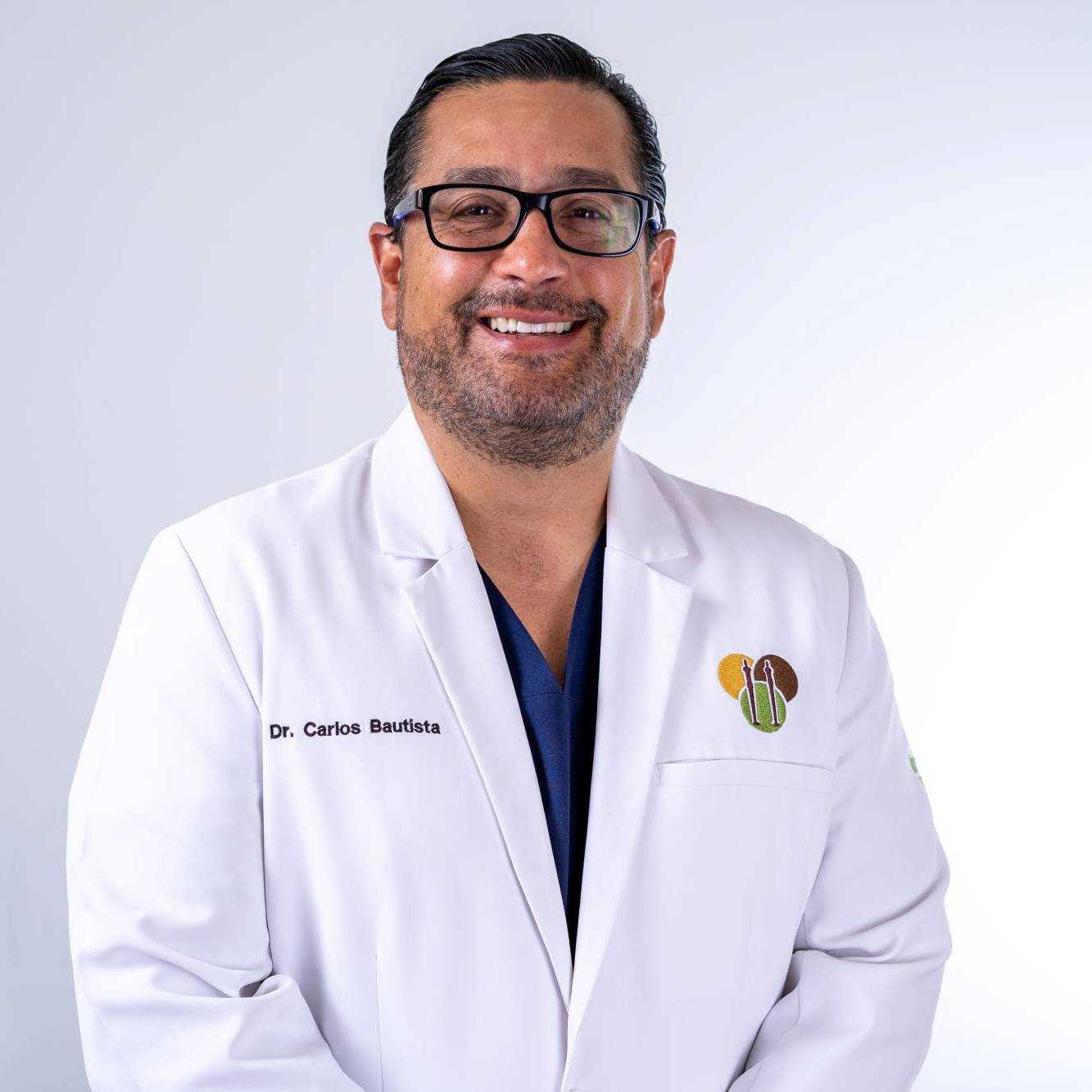
Advanced Regenerative Care Standards in Tijuana
Patients exploring Stem Cell Therapy in Tijuana Mexico are often drawn by the region’s growing reputation for advanced regenerative medicine and specialized patient-focused care. Clinics in Tijuana continue to invest in modern laboratory technologies, high-quality cell processing, and personalized treatment protocols for international patients.
The rise of regenerative medicine in this border city has helped position Tijuana as a leading destination for innovative therapies. Many patients choose Stem Cell Therapy in Tijuana Mexico because of the combination of experienced medical teams, advanced facilities, and accessible treatment programs designed for global travelers.
Convenient Medical Travel Experience Near the U.S. Border
One of the major advantages of Stem Cell Therapy in Tijuana Mexico is the ease of access for international patients, especially those traveling from the United States and Canada. Tijuana’s location near San Diego creates a smooth and convenient medical travel experience with shorter transportation times.
This accessibility allows patients to focus more on their wellness journey and less on complicated travel logistics. Many individuals seeking regenerative medicine appreciate how Stem Cell Therapy in Tijuana Mexico combines advanced healthcare options with a practical and stress-reducing travel experience.
Personalized Stem Cell Therapy Programs for Patients
Medical providers offering Stem Cell Therapy in Tijuana Mexico frequently develop customized regenerative medicine programs tailored to each patient’s condition, goals, and recovery needs. This individualized approach helps patients receive therapies designed around their unique health challenges and long-term wellness objectives.
From orthopedic support to neurological and autoimmune applications, regenerative clinics in Tijuana continue to expand their expertise across multiple treatment areas. Patients pursuing Stem Cell Therapy in Tijuana Mexico often value the personalized care environment and the commitment to innovative regenerative solutions.
Exploring advanced regenerative healthcare abroad can feel overwhelming without the right guidance. PlacidWay simplifies your journey for Stem Cell Therapy in Tijuana Mexico by connecting you with trusted clinics, experienced specialists, and transparent treatment coordination tailored to your health goals.
Verified Medical Partners
We collaborate with carefully selected clinics and regenerative medicine specialists offering Stem Cell Therapy in Tijuana Mexico with a strong focus on patient safety, quality standards, and personalized care.
Medical Documentation Support
Our team helps organize and securely transfer your medical records, laboratory reports, imaging scans, and physician evaluations for an accurate regenerative treatment assessment.
Personalized Specialist Consultations
We arrange virtual consultations with experienced doctors so you can discuss your condition, treatment expectations, and eligibility for Stem Cell Therapy in Tijuana Mexico before traveling.
Clear Treatment Pricing
Receive transparent pricing information covering regenerative procedures, consultations, laboratory services, and treatment-related expenses without unexpected hidden charges.
Travel & Appointment Coordination
We help coordinate clinic appointments, treatment schedules, airport transfers, and accommodation arrangements to make your medical journey smooth and stress-free.
Continued Patient Assistance
Our support continues after your procedure by helping maintain communication with your medical team and monitoring your recovery progress following regenerative treatment.
Take the next step toward advanced regenerative healthcare solutions. Contact PlacidWay today for a free consultation and discover personalized options for Stem Cell Therapy in Tijuana Mexico.
Get Your Free Personalized Quote






















Share this listing