
What to Know About Kidney Failure Stem Cell Treatment Costs in Tijuana
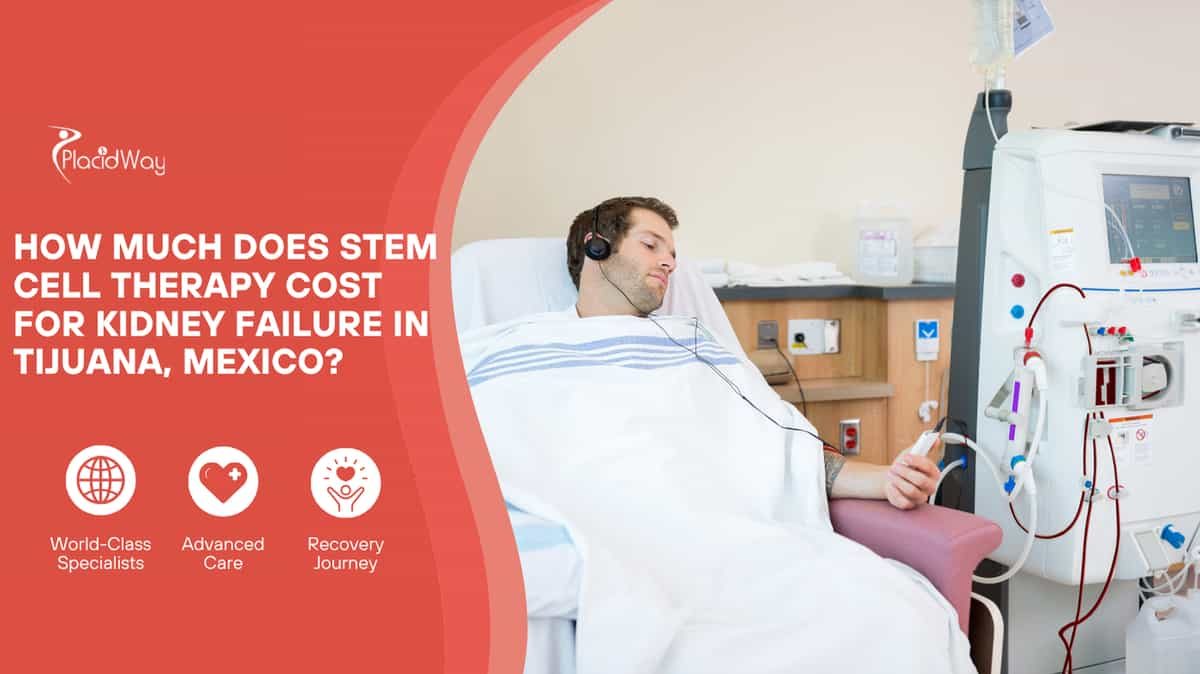
When facing the physical and emotional toll of chronic kidney disease (CKD), many patients look beyond conventional treatments to explore alternative options. In recent years, regenerative medicine has gained attention as an investigational approach for managing various chronic conditions. Seeking stem cell therapy for kidney failure in Tijuana, Mexico has become a notable consideration for international patients due to the proximity of the destination to the United States and the availability of advanced cellular protocols that may not yet be widely accessible elsewhere.
However, it is crucial to approach this subject with realistic expectations. Stem cell therapy is not a cure for end-stage renal disease (ESRD), nor does it replace standard treatments such as dialysis or kidney transplantation. Instead, it is being studied for its potential to manage inflammation and possibly slow disease progression in carefully selected patients. Because the treatment is highly individualized, understanding the costs, medical implications, and safety requirements is essential before making any decisions.
Key Takeaways
- The estimated cost for a full protocol generally falls between $5,000 and $10,000.
- Stem cell therapy for kidney conditions remains an investigational, alternative treatment.
- Treatment focuses on potentially reducing inflammation and slowing disease progression, not reversing end-stage kidney failure.
- Patients must undergo thorough medical screening to determine their eligibility.
- Consultation with a primary nephrologist is strictly recommended before pursuing medical tourism for regenerative therapies.
How does stem cell therapy for kidney failure work?
Mesenchymal stem cells (MSCs) are the most common type of cells used in these therapies. Rather than transforming into new kidney cells, research suggests that MSCs primarily work through a "paracrine effect." This means the cells release specific proteins, growth factors, and cytokines that communicate with the surrounding damaged tissues.
The theoretical goal of this cellular communication is to modulate the immune system, decrease chronic inflammation, and stimulate the formation of new blood vessels (angiogenesis). In the context of chronic kidney disease, reducing systemic inflammation is vital because ongoing inflammation accelerates the deterioration of nephrons—the functional units of the kidneys. While clinical trials continue to investigate these mechanisms, results in human patients vary widely, and the treatment does not provide guaranteed outcomes.
What is included in the stem cell therapy cost in Tijuana, Mexico?
When you receive an estimate from a stem cell clinic in Tijuana, Mexico, it is important to ask for a detailed breakdown of what is included. Because regenerative medicine protocols are customized, no two treatment plans look exactly alike. Typically, a comprehensive package includes:
- Medical Consultations: Initial reviews of your kidney function tests (such as GFR and creatinine) by the clinic's medical team.
- Cell Sourcing and Expansion: The laboratory costs associated with acquiring, expanding, and testing the viability of the stem cells prior to infusion.
- Administration Fees: The clinical costs for administering the cells, which is usually done via an intravenous (IV) drip over several hours.
- Basic Follow-up: Immediate aftercare and observation while you are at the clinic to ensure you do not have an adverse reaction to the infusion.
Travel expenses, accommodation, specialized localized imaging, and long-term remote follow-up consultations may incur additional fees. Always request a transparent, itemized quote before traveling.
Are stem cell treatments for kidney disease medically approved?
In many countries, including the United States, the Food and Drug Administration (FDA) has not approved stem cell products for the treatment of kidney failure. Conventional medicine relies on standardized treatments such as blood pressure management, dietary changes, dialysis, and kidney transplantation. Regenerative medicine is still undergoing rigorous clinical trials to establish standardized efficacy and long-term safety profiles.
In Mexico, the regulatory body COFEPRIS oversees health facilities and the laboratories that process biological materials. While clinics may operate legally and follow strict laboratory safety protocols under Mexican law, this does not mean the therapy is universally recognized as a definitive cure. Patients must clearly understand that they are pursuing an alternative therapy and should discuss the implications extensively with their local healthcare provider.
What types of stem cells are used for kidney conditions in Tijuana?
The choice of stem cell type is a major factor in both the cost and the proposed protocol. There are two primary categories of stem cells used in these therapies:
- Allogeneic Cells (Donor-derived): These are usually Wharton's Jelly MSCs harvested from the umbilical cords of healthy, screened donors after a normal delivery. They are favored because they are young, robust, and generally have a low risk of triggering an immune rejection.
- Autologous Cells (Patient-derived): These cells are harvested from the patient's own body, typically from adipose (fat) tissue or bone marrow. However, in patients with chronic illness or advanced age, autologous cells may be less viable or effective compared to younger, donor-derived cells.
Most modern clinics focusing on systemic conditions like chronic kidney disease prefer umbilical cord-derived MSCs because they can be expanded in a laboratory to yield the high cell counts often required for therapeutic protocols.
Who might be a suitable candidate for this treatment?
Not everyone is an ideal candidate for regenerative therapies. A responsible medical team will conduct a thorough screening process before accepting a patient. Generally, individuals who retain some degree of viable kidney function may be considered better candidates because the therapy relies on supporting remaining healthy tissue.
Patients with Stage 5 chronic kidney disease (end-stage renal disease) who require continuous dialysis usually have extensive, irreversible scarring (fibrosis) in the kidneys. While some clinics may still offer treatments to these patients with the aim of improving general quality of life or managing systemic symptoms, it is medically unlikely that stem cells will reverse the need for dialysis at this stage. Additionally, individuals with active infections, a history of certain cancers, or severe cardiovascular instability are typically contraindicated for this treatment.
What are the potential risks and side effects?
Patient safety must always be the top priority. Mesenchymal stem cells are generally considered to have a strong safety profile regarding acute immune rejection (they are immunoprivileged), but no medical procedure is entirely without risk. Following an intravenous infusion, some patients experience mild, short-term side effects such as a low-grade fever, headache, nausea, or fatigue as the body processes the new cells.
More severe risks, though less common, include bacterial infection (if the cells were improperly screened or handled) or an unexpected immune response. Because long-term data on large populations receiving these treatments is still being collected, the potential for unforeseen future complications cannot be completely ruled out. It is imperative to choose facilities that adhere strictly to stringent laboratory standards and cell viability testing.
How many treatment sessions are typically required?
The number of cells required—and consequently the number of infusion sessions—depends entirely on the patient's weight, overall health, and the severity of the kidney condition. A standard protocol might involve the intravenous administration of tens of millions to over a hundred million MSCs.
To prevent overwhelming the body and to maximize absorption, this high dosage is frequently divided into smaller infusions administered over consecutive days. After the initial therapy course is completed, the medical team will monitor the patient's blood work remotely over the following months. Based on the patient's response and disease trajectory, some individuals may choose to return for "booster" treatments, though this incurs additional costs.
How long does it take to recover and see potential results?
The procedure itself is typically performed on an outpatient basis. Most patients feel well enough to return to their normal daily activities within 24 to 48 hours after their final infusion. However, it is advised to avoid strenuous physical exertion and strictly adhere to any prescribed dietary guidelines during the initial post-treatment phase.
Assessing the efficacy of the treatment is a waiting game. Stem cells do not provide an overnight fix; the biological processes of modulating inflammation and supporting tissue repair occur gradually. Patients are typically instructed to have their local doctor run standard renal function panels (monitoring eGFR, creatinine, and BUN levels) at 1-month, 3-month, and 6-month intervals. Outcomes are highly variable; while some patients report stabilization of their numbers and improved energy levels, others may experience no measurable clinical benefit.
Why do patients travel for medical tourism in Tijuana, Mexico?
Tijuana has positioned itself as a major global hub for medical tourism, attracting thousands of international patients annually. For individuals seeking alternative therapies for chronic conditions, the primary driver is often access. Regulatory frameworks in Mexico allow specialized clinics to culture and administer expanded stem cells in quantities that are heavily restricted in places like the United States and Canada.
Furthermore, Tijuana's location just across the border from San Diego, California, makes it highly accessible for North American patients. Many established clinics offer seamless logistical support, including private border transfers from San Diego airports directly to their facilities. While the cost is a significant factor—often presenting savings compared to similar experimental treatments elsewhere—patients must weigh these financial benefits against the inherent uncertainties of pursuing alternative medicine abroad.
What should patients ask a stem cell clinic before booking?
Thorough due diligence is non-negotiable when planning international medical care, especially for complex conditions like kidney failure. Before committing to any treatment plan, consider asking the following critical questions:
- Are your facility and your partner laboratory fully licensed and certified by COFEPRIS?
- Who is the attending physician, and what is their specific experience with cellular therapies and chronic conditions?
- Can you provide a Certificate of Analysis (CoA) demonstrating the viability, cell count, and sterility of the stem cells you intend to use?
- What criteria do you use to determine if I am a safe and viable candidate for this procedure?
- What specific emergency protocols do you have in place in the event of an adverse reaction during treatment?
Why Choose PlacidWay for Medical Tourism?
Navigating international healthcare options can be overwhelming. PlacidWay serves as an educational and informational resource designed to assist patients in exploring medical facilities worldwide. Here is what PlacidWay provides:
- Extensive Network: Access to a wide database of international medical centers and specialized clinics.
- Comparative Information: The ability to review and compare estimated costs, facility details, and treatment protocols in one place.
- Educational Resources: Informative guides that help patients understand the logistics and considerations of seeking care abroad.
- Direct Communication: Tools that allow you to request information directly from healthcare providers.
- No Hidden Platform Fees: PlacidWay offers its informational platform to patients without charging hidden booking fees.
Frequently Asked Questions
Is stem cell therapy a cure for end-stage kidney failure?
No, stem cell therapy is not a cure for end-stage renal disease (ESRD). It is an investigational treatment that may help manage inflammation and potentially slow disease progression in earlier stages, but it does not replace the need for dialysis or a kidney transplant.
Does health insurance cover stem cell treatments in Tijuana?
Health insurance providers generally do not cover stem cell therapy for kidney disease, whether performed domestically or internationally, because the treatment is classified as experimental or investigational.
Can I stop dialysis after receiving stem cells?
You should never stop dialysis or any prescribed medical treatment without explicit instructions from your primary nephrologist. Stem cell therapy is not a recognized replacement for dialysis.
How long do I need to stay in Tijuana for treatment?
Most patients stay in Tijuana for 2 to 5 days. This allows time for an initial medical consultation, the administration of the stem cells (which often takes just a few hours), and a brief observation period before traveling home.
Are stem cell treatments painful?
The treatment is typically minimally invasive. If the cells are administered intravenously (IV), you will experience a standard needle prick similar to a blood draw. Mild discomfort may occur depending on the specific administration route.
What medical records do I need to provide?
You will need to provide recent comprehensive blood panels, a detailed medical history, current kidney function tests (such as eGFR and creatinine levels), imaging results, and a list of all current medications.
Can I travel back home immediately after treatment?
While many patients travel home the day after their final infusion, it is recommended to rest and follow the clinic's specific post-treatment travel guidelines to ensure proper recovery and monitor for any immediate adverse reactions.
How do I know if the cells are ethically sourced?
Reputable clinics use cells that are processed in specialized laboratories regulated by COFEPRIS (Mexico's health regulatory agency). You should always ask the clinic for documentation regarding their cell sourcing, laboratory certifications, and viability testing.
What happens if I experience complications after returning home?
Before traveling, you should establish a plan with your local healthcare provider for post-treatment care. If complications arise, you should seek immediate medical attention from your local hospital or nephrologist.
How do Mexican clinics regulate stem cell safety?
Legitimate clinics and their partner laboratories operate under the strict oversight of COFEPRIS, which sets safety, hygiene, and ethical standards for medical facilities and biological products in Mexico.
Explore Your Treatment Options
Gather the information you need to make an educated decision about your healthcare journey. Request educational materials and facility details today.
Request Treatment InformationReferences
- Kidney Disease Information – National Institute of Diabetes and Digestive and Kidney Diseases (NIDDK)
- About Chronic Kidney Disease – National Kidney Foundation
- Patient Resources on Stem Cell Therapies – International Society for Stem Cell Research (ISSCR)
- Important Patient Information About Regenerative Medicine – U.S. Food and Drug Administration (FDA)
- Clinical Studies on Mesenchymal Stem Cells and Renal Function – National Library of Medicine (PubMed)
- Medical Tourism Safety and Guidelines – Centers for Disease Control and Prevention (CDC)
- Health and Sanitation Regulations – Federal Commission for the Protection against Sanitary Risk (COFEPRIS, Mexico)




























Share this listing