
Contents
Parents of children with cerebral palsy (CP) in the US and Canada face a frustrating reality: groundbreaking regenerative treatments are often stuck in endless trial phases or cost an absolute fortune back home. You want to give your loved one every possible chance to improve motor function and independence, but navigating local healthcare tape can feel like hitting a brick wall. That is why so many families are exploring stem cell therapy for cerebral palsy in Mexico City. It is a major global hub offering advanced medical care without the geographical or financial hurdles of traveling overseas.
The treatment typically costs around $8,000 to $15,000 depending on the medical protocol, which is a fraction of what you might expect up north. Before packing your bags, you will want to look for clinics holding COFEPRIS accreditation, Mexico's primary medical regulatory body. This ensures the laboratory and medical standards meet strict safety guidelines.
Quick Facts at a Glance
Traveling abroad for medical care requires careful logistical planning, especially when accompanied by a patient with mobility challenges. Many centers in this region offer comprehensive treatment packages that bundle the core cellular therapy with necessary logistics to ease your mind. A solid package should include pre-treatment neurological evaluations, the stem cell infusions, post-procedure monitoring, and ground transportation.
Keep an eye out for packages that also incorporate complementary therapies, like physical or occupational therapy sessions. Review the package options listed below to see exactly which logistical and medical services are covered.

Price starting from $6,500
Stem Cell Therapy for Cerebral Palsy Package in Mexico City, Mexico by MexStemCells Clinic
MexStemCells Clinic
- Stem Cell Therapy
Mexico City, Mexico
The estimated cost of stem cell therapy for cerebral palsy in Mexico City generally ranges between $8,000 and $15,000. This pricing usually depends on the type and quantity of stem cells administered, the specific medical protocol required, and the number of treatment days. In comparison, similar regenerative treatments in other international destinations can easily exceed $25,000.
Many families find that treating their child closer to home in Mexico significantly reduces hidden travel and accommodation expenses. Please compare the individual cost breakdowns below to understand what each facility charges for their specific treatment approach.
Stem Cell Treatment for Cerebral Palsy Centers Cost Comparison in Mexico City, Mexico
| Provider | Procedure | Price |
|---|---|---|
| MexStemCells Clinic | Stem Cell Treatment for Cerebral Palsy, Stem Cell Therapy | $6500 |
Stem Cell Treatment for Cerebral Palsy Cost Comparison in Mexico
| Country | Procedure | Price |
|---|---|---|
| United States | Stem Cell Treatment for Cerebral Palsy, Stem Cell Therapy | $35000 |
Finding the right facility for regenerative medicine is about much more than a welcoming waiting room. When comparing clinics offering stem cell therapy for cerebral palsy in Mexico City, focus heavily on medical credentials and lab standards. You should always verify that the clinic and its laboratory hold current COFEPRIS approval, ensuring they meet strict national safety regulations.
Look closely at their stem cell sourcing protocols, cell viability counts, and whether they have dedicated pediatric neurologists on staff. Take time to review the clinic comparisons below to evaluate their specific laboratory partnerships and medical team credentials before making a choice.
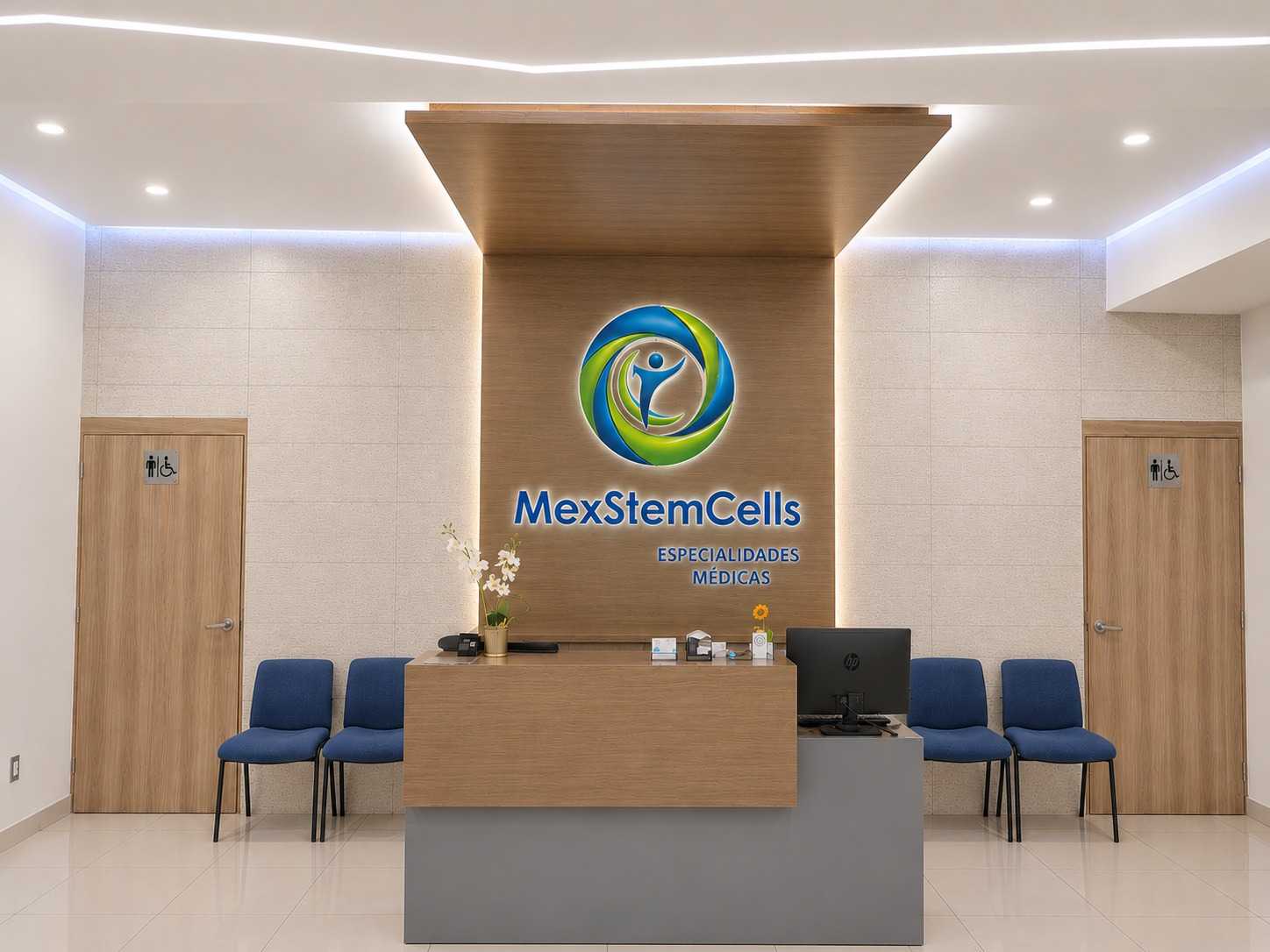
MexStemCells Clinic
Mexico City, Mexico

Células Madre Dr. Juan Manuel Ortega van Beusekom
Mexico City, Mexico
Sometimes reading about medical protocols is not enough to help you understand what the journey actually looks like. Watching video resources can give you a much clearer picture of the clinic environment, the laboratory standards, and the overall patient experience in Mexico City.
These videos often feature facility tours, physician interviews explaining the regenerative process, and step-by-step walkthroughs of typical treatment days. Take a few minutes to watch the informative videos below to better familiarize yourself with the medical staff and facilities you are actively considering.
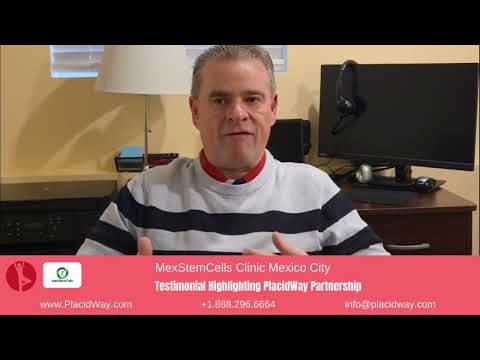
Hearing directly from other parents and patients who have navigated this exact journey can be incredibly reassuring. Patient reviews offer unfiltered insights into how the medical staff interacts with children, the cleanliness of the facilities, and the level of post-treatment support provided.
Look for feedback that discusses realistic outcomes, potential communication barriers, and how the clinic handled special mobility needs. Browse the patient reviews below to learn from the real-world experiences of families who traveled for this neurological treatment.

Families exploring regenerative medicine abroad often share similar concerns regarding safety, logistics, and medical protocols. Here are answers to some of the most common questions about undergoing stem cell therapy for cerebral palsy in Mexico City.
What type of stem cells are used for CP treatments in Mexico City?
Mesenchymal stem cells (MSCs) derived from ethically sourced umbilical cord tissue or the patient's own bone marrow are typically used, depending on the clinic's specific protocol.
Is stem cell therapy for cerebral palsy regulated in Mexico?
Yes, stem cell treatments are permitted and strictly regulated by COFEPRIS, Mexico's federal health authority, ensuring clinics adhere to national medical standards.
How do clinics in Mexico City administer the stem cells?
Cells are usually administered via an intravenous (IV) drip or an intrathecal injection into the spinal canal, which is determined by the consulting neurologist based on the patient's needs.
Do doctors speak English at these medical centers?
Most private medical facilities catering to international patients employ bilingual medical staff and provide dedicated patient coordinators who speak fluent English.
What should we expect during the recovery period in Mexico City?
The procedure itself is generally minimally invasive with little downtime, allowing most patients to rest at their hotel for a few days before safely flying home.
How long do we need to stay in Mexico City for this treatment?
Most treatment protocols require a stay of 3 to 5 days, which covers initial consultations, the therapy administration, and a brief medical observation period.
Can my child continue physical therapy immediately after?
Yes, neurologists actively encourage ongoing physical and occupational therapy to maximize the potential neuro-regenerative benefits of the cellular treatment.
How soon might we see changes in motor function?
Results vary widely by patient; however, some families report noticing gradual improvements in muscle tone, digestion, or coordination within 3 to 6 months post-treatment.
Are there special accommodations for patients with severe mobility limits?
Private clinics and many partnered hotels in the city are fully wheelchair accessible and accustomed to supporting patients with significant physical disabilities.
What local accreditations should I verify before booking?
You should always ask for proof of the facility's active COFEPRIS license, which ensures their laboratory protocols and clinical practices meet national health standards.
Choosing the right medical professional is the most critical step when planning regenerative treatments. For cerebral palsy, you want a specialized medical team that includes certified pediatric neurologists working alongside experienced stem cell researchers.
Verify their educational background, check if they hold memberships in international regenerative medicine societies, and ask about their specific experience treating neurological conditions. A knowledgeable specialist will clearly explain both the potential benefits and the limitations of the therapy. Review the doctor profiles below to compare the credentials and medical backgrounds of specialists practicing in the city.
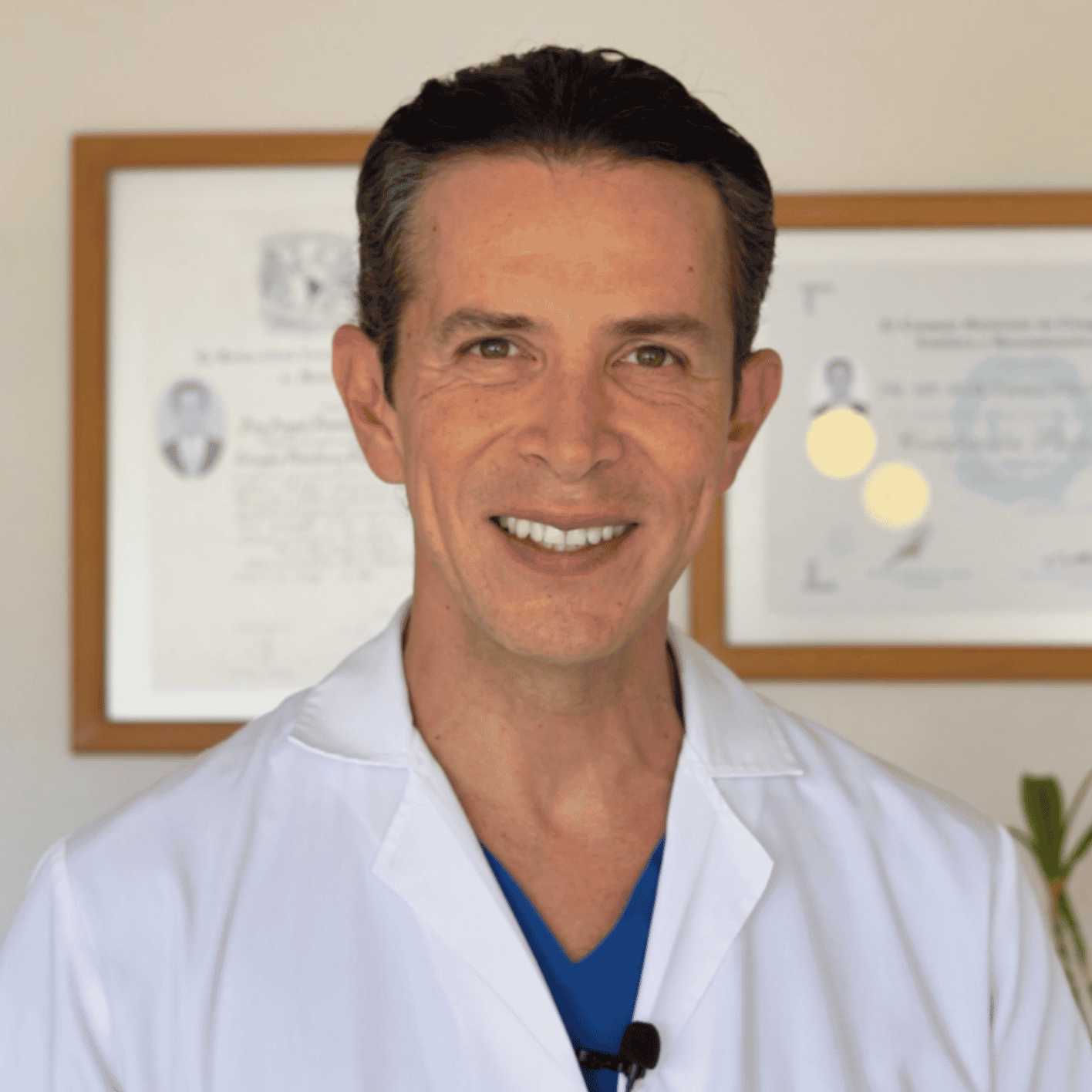
Dr. Ary Papadopulos
Dr. Ary Papadopulos - Stem Cell Mexico City Clinic for Anti-Aging
- Anti-Aging Medicine
Mexico City, Mexico
Mexico City has grown into a premier destination for advanced medical tourism, attracting thousands of families primarily from the United States and Canada. Its close proximity to North America makes it a highly practical choice for parents traveling with children who have physical disabilities, avoiding the sheer exhaustion of long-haul overseas flights. The city is home to modern, internationally recognized private hospitals and specialized regenerative medicine laboratories.
Getting to the city is straightforward, with the Mexico City International Airport (MEX) serving as a major hub. Direct flights are available daily from most major cities in the US and Canada, typically taking between two to five hours. Once you arrive, the city offers excellent private transportation services and accommodations that are well-equipped for international medical travelers.
| Flight from Houston | Approx. 2.5 hours |
| Flight from Los Angeles | Approx. 3.5 hours |
| Flight from Toronto | Approx. 5 hours |
Many clinics are located in upscale, secure neighborhoods such as Polanco or Santa Fe, which feature wheelchair-accessible hotels, family-friendly restaurants, and tranquil parks. This allows families to recover in a comfortable, stress-free environment that feels safe and accommodating. Remember to coordinate with your clinic regarding specialized ground transport, as many medical teams offer airport-to-hotel shuttle services tailored specifically for mobility needs.
Navigating international medical options can feel overwhelming, but you do not have to plan this journey alone. PlacidWay helps families connect with verified, accredited medical centers globally, offering transparency regarding treatment protocols and facility credentials.
Our team can assist you in comparing clinics, reviewing doctor profiles, and organizing your travel logistics so you can focus entirely on your child's well-being. Take the next step in exploring your options by requesting a personalized treatment outline and cost estimate.
References
- Cerebral Palsy: Hope Through Research – National Institute of Neurological Disorders and Stroke (NINDS)
- Patient Guide to Stem Cell Treatments – International Society for Stem Cell Research (ISSCR)
- Medical Tourism Guide – Centers for Disease Control and Prevention (CDC)
- Health Regulatory Information Mexico – Pan American Health Organization (PAHO)
- Stem Cells: What They Are and What They Do – Mayo Clinic






















Share this listing