


Stem Cell Therapy for Osteoarthritis in Mexico: An Alternative to Surgery
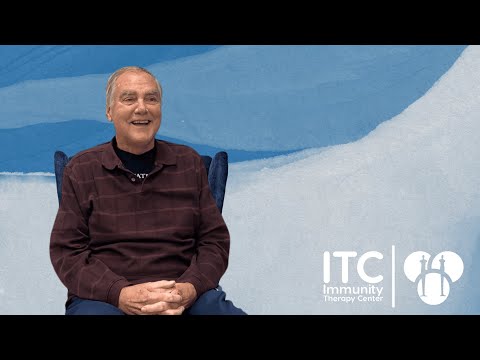
Finding an effective alternative to highly invasive procedures is a top priority for patients facing chronic joint degradation. For James Ryder from Denver, Colorado, the prospect of undergoing another major operation pushed him to explore stem cell therapy for osteoarthritis in Mexico. After years of dealing with severe joint issues across his body, the standard medical system in the United States left him with limited and unappealing options.
At [00:11], James explains that his medical journey began with a severely damaged shoulder that doctors recommended replacing over fifteen years ago. Furthermore, an extensive history of spinal issues and a bad knee compounded his mobility challenges. Instead of accepting a full back fusion that would drastically limit his quality of life, he decided to look into regenerative medicine across the border.
Video Chapters: Quick Navigation
- Seeking an Alternative to Back Fusion Surgery
- The Widespread Impact of Joint Degeneration
- Researching Global Medical Tourism Centers
- Evaluating the Immunity Therapy Center Tijuana
- A Former EMT's Perspective on IV Treatment
- Understanding the Regenerative Protocol
- Is Medical Tourism in Tijuana Safe for Patients?
Seeking an Alternative to Back Fusion Surgery and Shoulder Replacement
Spinal health issues often force patients into a corner where highly invasive surgeries seem like the only viable path forward. Seven years prior to his current treatment, James underwent an L4-L5 spinal fusion. While that initial procedure addressed specific lumbar issues at the time, his spinal condition continued to deteriorate over the following years.
Eventually, orthopedic specialists informed him that he would require a complete back fusion to stabilize his spine. As noted at [00:43], this massive surgical intervention would leave him entirely incapacitated for a full year. The extensive recovery time, combined with the permanent loss of spinal mobility, prompted him to firmly reject the proposal.
Many patients who experience back fusions report suffering from adjacent segment disease, where the spinal discs above and below the fused area degrade rapidly due to increased mechanical stress. Having known individuals who suffered from poor outcomes following full back fusions, James recognized the high risks involved. He urgently needed an alternative to back fusion surgery that would manage his pain without destroying his mobility.
Similarly, his shoulder had been a chronic issue for over a decade and a half. Surgeons had pushed for a total shoulder replacement fifteen years earlier, a procedure known for its grueling rehabilitation process and limited lifespan. By managing his physical activities carefully, he delayed the operation but still required a medical intervention that could promote healing rather than mechanical replacement.
The Widespread Impact of Joint Degeneration and Osteoarthritis
Osteoarthritis is not just a localized condition; for many aging adults, it manifests as a systemic breakdown of cartilage across multiple joints. James was diagnosed with osteoarthritis throughout his entire body, leading to chronic discomfort in his knees, shoulders, and spine. When the protective cartilage that cushions the ends of the bones wears down over time, the resulting friction causes severe inflammation, stiffness, and pain.
At [01:03], he mentions his bad knee as a tertiary reason for seeking out advanced therapies. Traditional treatments for systemic osteoarthritis are notoriously limited in standard healthcare models. Patients are generally prescribed nonsteroidal anti-inflammatory drugs (NSAIDs), corticosteroid injections, or physical therapy.
These conventional methods focus entirely on symptom management rather than addressing the underlying tissue degradation. Corticosteroids, while effective for short-term pain relief, have been shown to accelerate cartilage loss when used repeatedly over long periods. This stark reality drives many patients toward regenerative medicine, seeking treatments that can actively repair damaged tissues and modulate the immune system's inflammatory response.
Researching Global Medical Tourism Centers for Regenerative Healthcare
When domestic medical protocols offer nothing but symptom management or highly invasive surgeries, patients naturally begin looking beyond their borders. James engaged in extensive research to find a safe, reliable, and effective medical facility. He quickly discovered that stem cell therapy for osteoarthritis could serve as a powerful alternative to the surgeries he was actively avoiding.
However, accessing high-quality regenerative medicine in the United States presents massive financial and regulatory hurdles. As mentioned at [01:16], insurance companies in the States rarely cover stem cell therapies, categorizing them as experimental despite years of clinical efficacy worldwide. This lack of coverage means patients are forced to pay astronomical out-of-pocket fees for domestic treatments.
Faced with these barriers, international medical tourism becomes the most logical avenue. Patients compare clinics globally, evaluating the types of stem cells used, the application methods, facility accreditations, and overall costs. James specifically looked at pricing structures, therapy protocols, and patient testimonials from various international centers before making his final decision.
Comparing Standard Surgeries to Regenerative Medicine
The differences between orthopedic surgery and regenerative medicine are vast, impacting everything from recovery time to overall bodily trauma. Understanding these differences helps clarify why thousands of North Americans travel abroad for healthcare every year.
| Factor | Traditional Orthopedic Surgery | Stem Cell Therapy Protocol |
|---|---|---|
| Invasiveness | Highly invasive, requires general anesthesia, bone cutting, and hardware placement. | Minimally invasive, utilizing localized injections and systemic IV drips. |
| Recovery Time | 6 to 12 months of intensive physical therapy and limited mobility. | Immediate return to light activities, with gradual improvement over 3 to 6 months. |
| Mechanism of Action | Mechanical stabilization or artificial joint replacement. | Biological repair, reducing systemic inflammation and promoting tissue regeneration. |
Evaluating the Immunity Therapy Center Tijuana Reviews and Staff
After narrowing down his options, James ultimately chose to travel to Tijuana, Mexico, to receive treatment at the Immunity Therapy Center (ITC). The decision was heavily influenced by the center's transparency and the quality of their pre-arrival communication. Prior to booking his trip, he engaged in multiple phone conversations and Zoom calls with the medical staff.
These detailed consultations allowed the doctors to review his medical records, assess his widespread osteoarthritis, and develop a customized treatment plan. At [02:30], James highlights that the staff members were exceptionally knowledgeable, answering every question thoroughly and without rushing.
Language barriers are a common concern for international patients traveling to Latin America for healthcare. However, James noted that the level of English spoken by the doctors and nurses was excellent, allowing him to communicate comfortably and effectively. This clear communication builds vital trust between the patient and the medical team, ensuring that all procedural steps are fully understood.
A Former EMT's Perspective on Intravenous Treatment Protocols
Patient testimonials carry different weights depending on the background of the person giving the review. James brings a unique and highly credible perspective to his assessment of the Immunity Therapy Center. He previously worked as an Emergency Medical Technician (EMT) in one of the busiest emergency rooms in Denver.
During his time as an EMT, he obtained specialized certification in intravenous (IV) therapy. This medical background means he possesses a deep understanding of needle insertion techniques, vein management, and sterile protocols. When a former medical professional evaluates a clinic's practical skills, their observations provide significant insight into the facility's overall quality of care.
At [04:46], James shares a revealing anecdote about his first IV treatment at the center. He immediately complimented the nurse on her flawless technique, stating that his professional background allows him to easily spot when a practitioner lacks proficiency. He confirmed that the nursing staff at ITC demonstrated exceptional skill, ensuring a painless and smooth process from start to finish.
- High Standards of Care: The clinic operates with strict hygiene protocols, ensuring a clean and relaxing environment.
- Skilled Phlebotomy: Accurate and painless IV placement indicates a highly trained nursing staff.
- Unrushed Atmosphere: Medical personnel take their time, avoiding the hurried, high-stress environments typical of many US hospitals.
Understanding the Regenerative Medicine Protocol for Joint Pain
Stem cell therapy is not a one-size-fits-all procedure; it requires a targeted approach based on the patient's specific degeneration. James underwent a comprehensive treatment protocol designed to address both localized joint damage and widespread systemic inflammation. The goal was to halt the progression of osteoarthritis while repairing the tissues in his most problematic areas.
The medical team administered targeted stem cell injections directly into his knee, shoulder, and lower back. These localized treatments deliver a high concentration of regenerative cells straight to the site of the damaged cartilage and inflamed tissue. The cells work to modulate the local immune response, decrease swelling, and promote the regeneration of healthy cells.
In addition to the localized injections, James received a systemic IV stem cell treatment. At [05:18], he explains that this intravenous drip was specifically administered to treat his osteoarthritis at large. By circulating stem cells throughout the bloodstream, the therapy targets hidden pockets of inflammation across the body, potentially healing other areas that had not yet caused severe daily discomfort.
The Patient Experience During Stem Cell Injections
A major fear for patients considering joint injections is the anticipated pain of the procedure itself. Injecting directly into a degraded joint space sounds intimidating, especially for individuals already living with chronic pain. However, modern clinical techniques utilize local anesthetics and precise imaging to minimize any discomfort.
James found the entire procedure to be incredibly smooth and virtually painless. He noted that the sensation was no different from a standard vaccination or routine blood draw. Experiencing no significant pain during the localized injections or the IV placement further solidified his confidence in the Immunity Therapy Center's high standards of patient care.
Is Medical Tourism in Tijuana Safe for International Patients?
Safety is consistently the most prominent concern for North American and European patients traveling to Mexico for medical care. Media portrayals often paint border cities in a negative light, causing hesitation for those desperately needing affordable healthcare alternatives. However, the reality on the ground in Tijuana's established medical districts presents a very different picture.
Tijuana has invested heavily in becoming a premier global hub for medical tourism. The city features dedicated medical zones, upscale recovery hotels, and specialized transportation services designed exclusively for international patients. Facilities like the Immunity Therapy Center are located in modern, well-developed, and highly secure neighborhoods.
At [05:46], James addresses the safety aspect directly. From his very first night, he felt completely secure in the area surrounding the medical center. Rather than dining in expensive, tourist-focused restaurants, he opted to walk two or three blocks down the street to a local taco stand every evening.
- Walkable Neighborhoods: The medical district features safe, well-lit streets with easy access to pharmacies and local dining.
- Welcoming Locals: James reported that everyone he encountered during his evening walks was friendly and approachable.
- Zero Threats: Despite walking alone at night, he never felt threatened or uneasy at any point during his stay.
The Growing Demand for Regenerative Medicine in Mexico
James's success in finding an alternative to back fusion surgery highlights a massive shift in global healthcare trends. As medical costs continue to soar in the United States, and as insurance providers remain rigid in their refusal to cover regenerative therapies, clinics in Mexico will continue to see an influx of international patients. The combination of highly trained specialists, state-of-the-art facilities, and affordable pricing creates an undeniable draw.
For patients suffering from systemic osteoarthritis, chronic joint pain, or degenerative disc disease, the standard recommendations of joint replacements and spinal fusions are no longer the only options. By researching thoroughly, asking the right questions, and partnering with reputable institutions like the Immunity Therapy Center, patients can reclaim their mobility without enduring the trauma of major orthopedic surgery.
This proactive approach to health allows individuals to target the root cause of their joint degradation. Stem cell therapy for osteoarthritis in Mexico stands as a highly viable, scientifically backed protocol that provides real relief, ensuring that patients like James can return to their daily lives without the burden of severe chronic pain or year-long recovery periods.
Ready to Explore Stem Cell Therapy Options?
If you are seeking an alternative to joint replacement or back fusion surgery, connect with top-rated regenerative medicine specialists today to discuss a customized treatment plan.
Get Free QuoteView Full Video Transcript
[00:11] My name is James Ryder. I'm from Denver, Colorado. I came here because I have a bad shoulder.
[00:19] I was told like 15 years ago I needed a shoulder replacement, but I did not want to do it. I do many activities and the few activities that require my shoulder, I'm okay with.
[00:29] The other thing is my back. I was told I was going to need a complete back fusion.
[00:35] I got an L4 L5 fusion seven years ago and at that time they told me I would need a full back fusion and I would be incapacitated for a year.
[00:46] I really don't want to do that. And I know people who have had bad experiences with back fusions. So that's the number two reason I'm here as an alternative to that.
[00:56] Number three is a bad knee. This is a short way of saying I have osteoarthritis, perhaps a long way of saying it.
[01:06] I have osteoarthritis diagnosed throughout my entire body. After doing some research, extensive research, I found that even though you don't hear much about it in the States because insurance doesn't cover it, that stem cell therapy could be a very useful solution to these problems and an alternative.
[01:26] So I started doing research about different centers around the world, comparing their therapies, their prices, and considering the results, listing to testimonials.
[01:37] And in the end, I settled on coming here to Tijuana and coming to the Immunity Therapy Center because of the testimonials and the good and knowledgeable people I had talked to on the phone prior to coming here.
[01:51] I had several phone calls with people, a couple of Zoom calls, and was pretty comfortable.
[02:06] Impressed with the professionalism and thoroughness, the level of English so I can comfortably communicate, which isn't always the case.
[02:15] The doctors have been very informative and everyone I've asked questions of has had thorough answers. Everything has been done efficiently.
[02:25] And I didn't feel like anyone cut corners or I never felt hurried. It was always a relaxing, peaceful, clean and really nice facility.
[02:44] It's funny you mention that because I used to work as an EMT in an emergency room, the busiest in Denver in fact.
[02:51] And as part of that, I got IV therapy, IV certifications so that I was taught how to do that.
[02:58] Well, the first time I had an IV here, I complimented the nurse on being very good because you can tell someone that's not so good.
[03:08] And so everyone has been good since then. Today I got the stem cell treatments.
[03:14] I got my knee, my shoulder, my lower back and then I had an IV treatment to sort of treat my osteoarthritis at large, so to speak.
[03:25] Hoping it would perhaps help other parts of my body that didn't bother me as much. And everything went very smoothly.
[03:31] There was nothing painful about it. No more than the pinprick you normally experience with injections and IVs and that sort of thing.
[03:46] Experience here since the first night's been feeling very safe. Where I'm staying near this medical center, it's easy to get around.
[03:54] There are many shops, good restaurants. I've walked down to a little taco place not far away because they're so good here.
[04:02] So that's where I've gone every night for dinner rather than eating in a fancy restaurant. And it's about two or three blocks away.
[04:08] And I go down there at night and I never felt threatened. Everybody was friendly and it was easy. It's a very well developed and nice area.


.png)
.png)

.png)

.png)
.png)
.png)








Share this listing