


When local treatment options are limited, you may begin comparing stem cell therapy clinics in Mexico, Colombia, Japan, India, Thailand, Slovakia, or Germany. Price matters, but the more important questions concern legal authorization, physician credentials, cell source, laboratory controls, scientific evidence, and emergency support. Selected international packages may begin near $5,500, while complex or multi-session programs can cost considerably more. Before paying a deposit, ask for the facility’s current licence, the treating doctor’s registration, and written evidence supporting the proposed use for your diagnosis.
Quick Summary: Stem Cell Therapy Clinics Worldwide
- This guide profiles 15 current PlacidWay providers in seven destinations: Mexico, Colombia, Japan, India, Thailand, Slovakia, and Germany.
- Mexico has six of the 15 featured providers, Colombia has three, Japan has two, and India, Thailand, Slovakia, and Germany each have one.
- Blood-forming stem cell transplantation is established for certain blood, immune, and bone-marrow disorders. Many stem cell procedures marketed for joint, neurological, autoimmune, autism, anti-ageing, or chronic diseases remain experimental or indication-specific.
- Selected PlacidWay listings reviewed in July 2026 showed starting prices from approximately $5,500 to $16,500. These are package examples, not standardized country averages.
- Verify COFEPRIS authorization in Mexico, INVIMA and IPS registration in Colombia, MHLW and PMDA requirements in Japan, ICMR and CDSCO compliance in India, Ministry of Public Health requirements in Thailand, and EMA or national authorization in Europe.
- Ask for the cell source, donor-screening records, processing method, sterility testing, cell count, viability report, proposed delivery route, evidence for your diagnosis, and a written complications plan.
- A clinic’s appearance in this guide does not prove that every procedure it offers is approved, effective, or appropriate for you.
What Does Stem Cell Therapy Worldwide Actually Include?
Stem cell therapy is not one standardized procedure. The term may describe an established hematopoietic stem cell transplant, an experimental mesenchymal stromal cell intervention, an autologous bone-marrow procedure, a fat-derived cell preparation, or a treatment marketed alongside platelet-rich plasma, peptides, or exosomes.
Hematopoietic stem cells form blood and immune cells. Physicians use carefully regulated transplantation protocols for selected leukemias, lymphomas, bone-marrow disorders, immune deficiencies, and other defined conditions. These hospital-based treatments differ substantially from outpatient regenerative injections promoted for arthritis, spinal problems, neurological diseases, autism, fatigue, or anti-ageing.
| Cell or Product Type | Basic Description | Important Patient Question |
|---|---|---|
| Hematopoietic stem cells | Blood-forming cells obtained from bone marrow, peripheral blood, or cord blood. | Is this a recognized transplant indication delivered by an accredited transplant programme? |
| Mesenchymal stromal cells | Cells commonly sourced from bone marrow, fat, umbilical tissue, or other connective tissues. | What evidence supports this cell product for my exact condition and delivery route? |
| Autologous cells | Cells collected from and returned to the same patient. | How extensively are the cells processed, and is that processing legally authorized? |
| Allogeneic cells | Cells obtained from a donor and administered to another person. | How was the donor screened, and how are immune, infection, and traceability risks controlled? |
| Exosome products | Cell-derived particles rather than living stem cells. | Is the product authorized for this indication? Do not assume exosomes are approved because they are described as cell-free. |
Which Seven Destinations Have the 15 Featured Stem Cell Clinics?
The seven destinations in this guide reflect the current provider set featured by PlacidWay in July 2026. They are not ranked by treatment success, regulatory strength, patient volume, or scientific output. Mexico has the largest representation because six providers in the selected directory are located there.
| Destination | Featured Providers | Main Authority to Check | Why Patients Compare It |
|---|---|---|---|
| Mexico | 6 | COFEPRIS and relevant state health authorities | Proximity to the United States and Canada, multiple medical-travel hubs, and broad provider availability. |
| India | 1 | CDSCO, ICMR, National Medical Commission, and state authorities | Large hospital sector, English-speaking coordinators, and experience serving international patients. |
| Colombia | 3 | INVIMA, Ministry of Health, and the REPS provider register | Access from North America, established private healthcare centres, and medical-travel infrastructure. |
| Slovakia | 1 | ŠÚKL, national health authorities, and applicable European Union rules | European location and access for regional patients seeking private regenerative services. |
| Thailand | 1 | Thai FDA, Ministry of Public Health, and Medical Council of Thailand | International hospitals, established medical tourism, and multilingual patient services. |
| Germany | 1 | Paul-Ehrlich-Institut, BfArM, state authorities, and EMA rules | Strict European oversight and specialist orthopedic or hospital-based care. |
| Japan | 2 | Ministry of Health, Labour and Welfare and PMDA | Established regenerative-medicine framework, specialist clinics, and international-patient services in major cities. |
2026 Distribution of Featured Clinics by Destination
Dataset: the 15 providers included in this article. This chart represents article coverage, not global market share.
Featured Clinic Count Across the Seven Destinations
Which 15 Stem Cell Therapy Clinics Are Featured?
The table below identifies the providers included in the current article dataset. The listed clinical focus describes services promoted by the provider or directory; it does not establish regulatory approval or prove effectiveness for those conditions.
| Provider | Location | Provider-Listed Focus | Priority Verification |
|---|---|---|---|
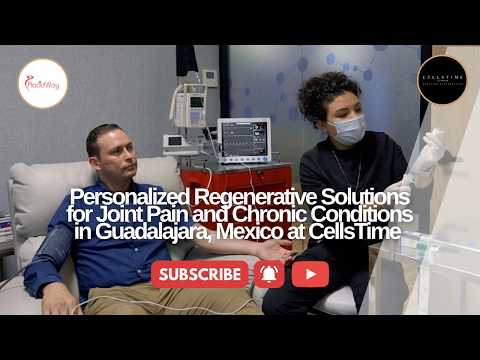
| CellsTime Clinique Guadalajara | Guadalajara, Mexico | Stem cell and regenerative medicine services listed on the PlacidWay provider profile | COFEPRIS facility documentation, physician registration, cell source, and laboratory records |
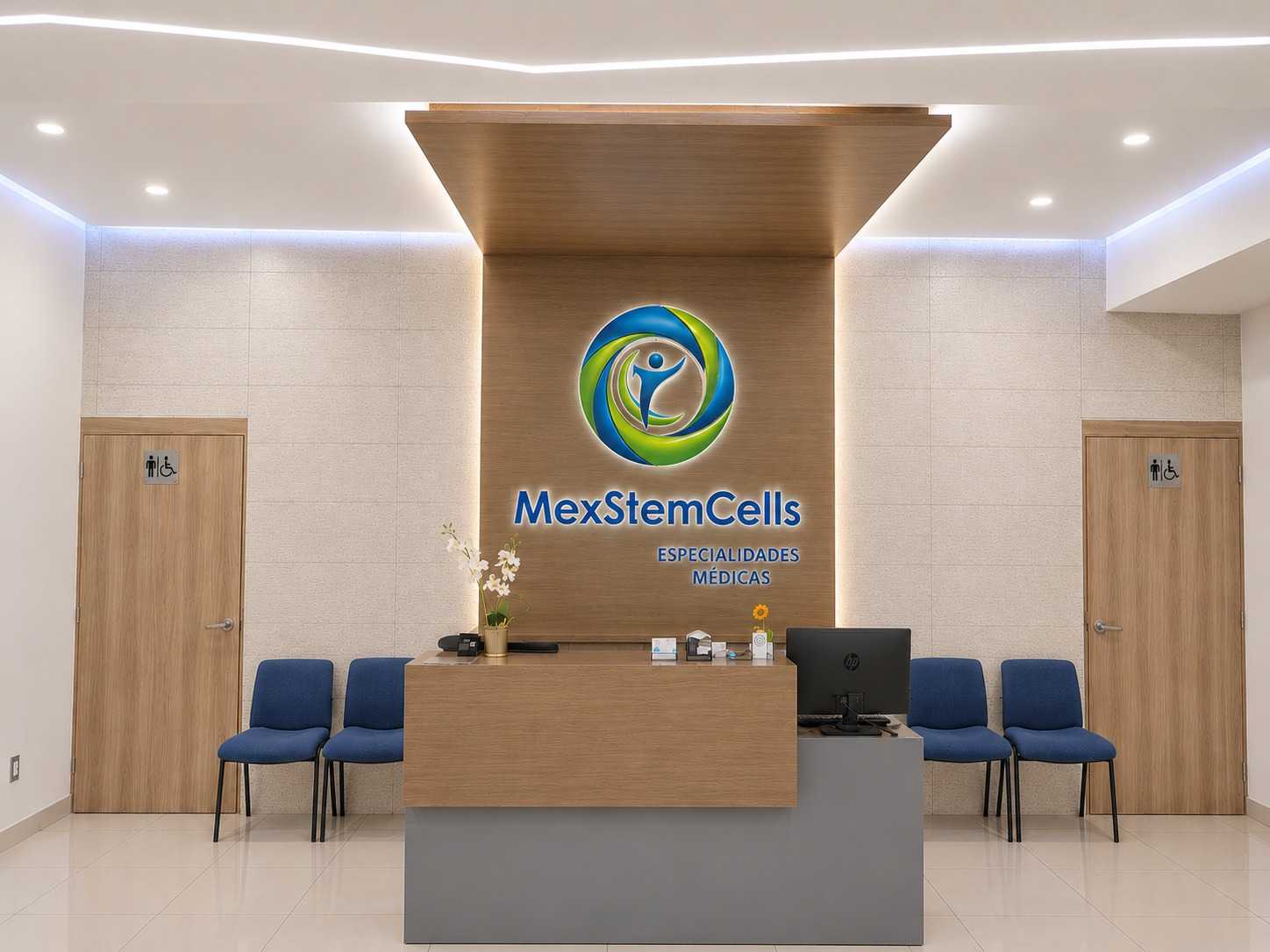
| MexStemCells Clinic | Mexico City, Mexico | Stem cell and regenerative medicine services listed on the PlacidWay provider profile | COFEPRIS facility documentation, donor screening, processing records, and diagnosis-specific evidence |
| Regenerative Medicine - Stem Cells by ITC | Tijuana, Mexico | Regenerative medicine and stem cell services listed on the PlacidWay provider profile | COFEPRIS facility licence, cell-bank documentation, protocol authorization, and emergency arrangements |
| LONVIDA - Regenerative Medicine in Mexico City | Mexico City, Mexico | Regenerative medicine, wellness, and longevity services listed on the PlacidWay provider profile | Written protocol, cell identity, laboratory documentation, and measurable treatment goals |
| RejuvStem - Stem Cell Therapy Cancun | Cancun, Mexico | Stem cell therapy and regenerative medicine services listed on the PlacidWay provider profile | COFEPRIS documentation, cell characterization, dosing rationale, and complication support |
| Stem Health Guadalajara | Guadalajara, Mexico | Stem cell therapy and regenerative medicine services listed on the PlacidWay provider profile | Current facility documentation, physician registration, cell source, and aftercare plan |
| Stem Cells Kyron Colombia | Cali, Colombia | Stem cell therapy and regenerative medicine services listed on the PlacidWay provider profile | INVIMA status, IPS registration, laboratory authorization, and product traceability |
| Regencord - Stem Cell Therapies | Pereira, Colombia | Stem cell therapy and regenerative medicine services listed on the PlacidWay provider profile | INVIMA status, IPS registration, tissue or cell processing documentation, and follow-up plan |
| Clinica de Artrosis Medellin - Stem Cell Therapy in Colombia | Medellin, Colombia | Stem cell therapy and orthopedic services listed on the PlacidWay provider profile | INVIMA status, IPS registration, specialist credentials, and procedure-specific evidence |
| Cell Grand Clinic - Best Stem Cell Clinic in Japan | Osaka, Japan | Stem cell therapy and regenerative medicine services listed on the PlacidWay provider profile | MHLW regenerative-medicine plan status, committee review, physician credentials, and cell-processing records |
| HELENE - Stem Cell Clinic | Tokyo, Japan | Stem cell therapy and regenerative medicine services listed on the PlacidWay provider profile | MHLW regenerative-medicine plan status, committee review, physician credentials, and cell-processing records |
| StemRx Hospital and Research Centre | Mumbai, Navi Mumbai, India | Hospital-based regenerative medicine and research services listed on the PlacidWay provider profile | Hospital registration, doctor registration, ethics approval, trial registration, and cell-processing controls |
| Vega Stem Cell Clinic in Bangkok Thailand | Bangkok, Thailand | Stem cell therapy and regenerative medicine services listed on the PlacidWay provider profile | Thai facility authorization, physician licence, cell-service standards, and product status |
| CellCenter - Stem Cell Therapy in Bratislava and Malacky, Slovakia | Bratislava and Malacky, Slovakia | Stem cell therapy and regenerative medicine services listed on the PlacidWay provider profile | National authorization, EU ATMP classification, and evidence for each proposed indication |
| CellReg Institute Mannheim | Mannheim, Germany | SVF therapy and regenerative medicine services listed on the PlacidWay provider profile | Procedure classification, PEI or state requirements, specialist credentials, and diagnosis-specific evidence |
How Do Stem Cell Therapy Regulations Differ Across the Seven Destinations?
Legal availability varies by the cell source, processing method, intended use, delivery route, and whether the intervention is an approved product, hospital exemption, medical procedure, or clinical study. A general healthcare licence does not automatically authorize every cellular product promoted by a clinic.
| Destination | Regulatory Context | Documents to Request |
|---|---|---|
| Mexico | COFEPRIS identifies specific licence pathways for regenerative-medicine establishments, stem-cell collection centres, stem-cell banks, tissue and cell services, and transplant facilities. | Facility licence number, licensed activity, cell-bank authorization, protocol authorization, and the entity legally responsible for processing. |
| India | ICMR publishes national stem-cell research guidance and condition-specific evidence reviews. Established hematopoietic transplantation should not be confused with experimental regenerative interventions. | Hospital registration, doctor registration, ethics approval, Clinical Trials Registry entry, CDSCO documentation when applicable, and ICMR evidence status. |
| Colombia | INVIMA regulates relevant tissue, bone-marrow, cell, and advanced-therapy activities. Healthcare providers should also be appropriately enabled in the national provider register. | REPS registration, IPS service authorization, INVIMA documentation, tissue-bank certification, and proof of good banking or processing practices. |
| Slovakia and Germany | Substantially manipulated cells or cells used for a different essential function may be regulated as advanced therapy medicinal products under European rules. Legal supply generally requires authorization, an approved clinical trial, or a valid national exemption. | EMA or national authorization, clinical-trial registration, hospital-exemption basis, manufacturing authorization, GMP compliance, and national competent-authority confirmation. |
| Thailand | Thailand has Ministry of Public Health standards concerning medical cellular services, alongside facility, physician, product, ethics, and research requirements. | Hospital or clinic licence, doctor’s Medical Council registration, Thai FDA status, laboratory authorization, and ethics approval when experimental. |
| Japan | Japan regulates regenerative medicine through the Act on the Safety of Regenerative Medicine and the Pharmaceuticals and Medical Devices Act, with oversight involving the Ministry of Health, Labour and Welfare and PMDA. | Regenerative-medicine plan or notification status, certified committee review where applicable, product authorization status, physician credentials, and cell-processing facility documentation. |
How Much Does Stem Cell Therapy Cost Worldwide?
There is no reliable standardized global average because clinics use different cell sources, processing methods, cell quantities, injection routes, supportive therapies, hospital settings, and package inclusions. Diagnosis complexity and the number of treatment sessions may change the final quote substantially.
Selected PlacidWay listings reviewed in July 2026 showed starting prices from approximately $5,500 to $16,500 for certain packages. This range should not be interpreted as a guaranteed price, a country average, or evidence that the procedures are medically appropriate.
| Cost Component | May Be Included | Common Hidden or Separate Cost |
|---|---|---|
| Medical assessment | Remote record review and initial consultation | Specialist second opinion, imaging rereview, laboratory tests, or translation |
| Cell product | Collection, processing, expansion, storage, and administration | Donor testing, additional cell quantities, repeat doses, cryostorage, or shipping |
| Procedure | Intravenous or local administration and routine monitoring | Operating theatre, anesthesia, image guidance, intrathecal delivery, or hospitalization |
| Supportive care | Basic medications, coordinator support, or follow-up call | Rehabilitation, physiotherapy, hyperbaric oxygen, peptides, exosomes, or nutritional programmes |
| Medical travel | Airport transfers or selected accommodation | Flights, companion expenses, visa, extended lodging, local transport, and travel insurance |
| Complication care | Routine clinic response during the booked programme | Emergency admission, surgery, intensive care, medical evacuation, or treatment after returning home |
Which Conditions Have Established or Experimental Stem Cell Uses?
The strength of evidence depends on the exact cell product and medical indication. It is inaccurate to say that stem cells generally “work” for all conditions because one successful transplant application does not validate unrelated injections for neurological, orthopedic, metabolic, or cosmetic uses.
| Clinical Category | General Evidence Position | Patient Action |
|---|---|---|
| Selected blood and immune disorders | Hematopoietic stem cell transplantation is established for defined indications under specialist transplant protocols. | Use an accredited transplant programme with infection, donor matching, conditioning, and graft-versus-host disease expertise. |
| Osteoarthritis and sports injuries | Research continues, but products and procedures vary. Evidence for pain or function does not establish cartilage regrowth or permanent joint restoration. | Compare physiotherapy, medication, weight management, standard injections, and surgical options with an independent orthopedic specialist. |
| Parkinson’s disease, stroke, spinal injury, ALS, or dementia | Most interventions remain experimental, with major differences between early research, registered trials, and commercial treatment. | Ask whether the exact intervention is part of a registered trial and whether published human evidence supports the proposed cell and route. |
| Autism | Stem cell interventions are not established standard care. Claims should be evaluated carefully, particularly when children are involved. | Consult the child’s developmental specialist, request ethics and trial documentation, and do not discontinue evidence-based support. |
| Multiple sclerosis and autoimmune disease | Autologous hematopoietic transplantation may be considered for carefully selected patients in specialist settings. This differs from routine MSC infusions. | Obtain an independent opinion from a neurologist or relevant specialist experienced in established disease-modifying treatment. |
| Anti-ageing, fatigue, or general wellness | Broad rejuvenation claims lack standardized endpoints and should not be treated as proof of disease prevention or extended lifespan. | Ask what measurable outcome is expected, what evidence supports it, and whether lower-risk alternatives are available. |
How Should You Verify a Stem Cell Clinic and Its Doctors?
Provider selection should begin with independent verification rather than testimonials, celebrity endorsements, cell-count marketing, or luxury package features. A qualified doctor should explain uncertainty, alternatives, expected outcomes, and reasons you may not be suitable.
Verify the Facility
- Healthcare facility licence and licensed scope
- Issuing regulator and expiry date
- Hospital privileges or transfer agreement
- Emergency equipment and trained personnel
- Infection-control and adverse-event procedures
Verify the Doctor
- Medical registration number
- Recognized specialty qualification
- Relevant hospital appointment
- Experience with the proposed procedure
- Professional disciplinary history where accessible
Verify the Laboratory
- Legal authorization to process the cell type
- Donor eligibility and infectious-disease screening
- Sterility, endotoxin, identity, and viability tests
- Chain of custody and batch traceability
- Storage, transport, and release criteria
Questions to Ask Before Paying a Stem Cell Clinic
- What exact cells or cell-derived products will I receive?
- Are they autologous or allogeneic, and which tissue provides them?
- Are the cells expanded, cultured, combined, differentiated, or otherwise manipulated?
- Which regulator authorizes this product, facility, laboratory, and intended use?
- What peer-reviewed human evidence supports the intervention for my diagnosis?
- What meaningful outcome will you measure, and at what time points?
- What risks are associated with the cell product and administration route?
- Who treats complications during my stay and after I return home?
- Which standard treatments should I continue before and after the procedure?
- What happens to my payment if the doctor decides I am not suitable?
What Happens During an International Stem Cell Therapy Journey?
The process varies by diagnosis and provider. A credible clinic should review your records before travel and should not promise eligibility after reading only a short online form.
| Timeframe | Biological or Clinical Process | Patient Sensation | Activity Level | Action Required |
|---|---|---|---|---|
| 2–6 weeks before travel | Medical records, imaging, laboratory results, diagnosis, and contraindications are reviewed. | No treatment-related sensation | Normal | Obtain independent medical advice and a written treatment plan. |
| Arrival and assessment | The doctor confirms suitability and may repeat blood tests, imaging, or specialist assessment. | Possible anxiety, blood-draw discomfort, or fatigue | Usually light activity | Do not proceed until consent, alternatives, risks, and costs are clear. |
| Cell collection or preparation | Autologous procedures may involve bone-marrow or fat collection. Donor-derived products should have documented testing and release controls. | Local soreness, bruising, or sedation effects may occur | Restricted after invasive collection | Follow fasting, medication, wound-care, and mobility instructions. |
| Administration day | Cells may be given intravenously or locally. Other routes may carry additional procedural risks. | Injection discomfort, temporary fever, headache, fatigue, or no immediate change | Usually rest or light activity | Remain for monitoring and report new symptoms immediately. |
| First 24–72 hours | The clinic monitors early reactions, infection signs, pain, bleeding, and procedure-related complications. | Fatigue or local soreness may occur | Light activity as advised | Stay near appropriate medical care and keep emergency contact details available. |
| Weeks to months | Symptoms and functional outcomes should be monitored using predefined measures rather than impressions alone. | Response varies; improvement is not guaranteed | Gradual return based on diagnosis | Continue standard care and share records with your home doctor. |
What Risks and Warning Signs Should Stem Cell Patients Know?
Potential risks depend on the cells, donor, processing method, immune compatibility, collection procedure, administration route, and patient health. Risks may include infection, bleeding, pain, allergic or immune reactions, contamination, blood clots, neurological injury, unwanted tissue formation, tumor formation, treatment failure, and complications from anesthesia or invasive delivery.
Marketing Red Flags
- One cell product promoted for many unrelated diseases
- Guaranteed improvement or permanent cure
- Claims that regulation is unnecessary
- Pressure to pay before a physician reviews records
- Testimonials used instead of published evidence
- Refusal to identify the laboratory or cell source
Seek Urgent Medical Help For
- Difficulty breathing or facial swelling
- Chest pain, fainting, or severe weakness
- Sudden neurological symptoms
- High fever or worsening chills
- Increasing redness, drainage, or severe pain
- Uncontrolled bleeding or severe headache
Who Travels Abroad for Stem Cell Therapy?
Reliable age, gender, diagnosis, and origin-country distributions were not publicly available for all 15 providers. Publishing percentages without a consistent dataset would be misleading. Suitability should be based on diagnosis, disease stage, previous treatment, general health, and risk—not on demographic marketing profiles.
Common travel patterns may include United States and Canadian patients comparing nearby Mexican or Colombian providers; European patients considering Germany or Slovakia; and patients from the Middle East, Africa, or Asia comparing India, Thailand, or Japan. These patterns describe travel convenience rather than evidence that one destination produces better outcomes.
| Patient Consideration | Why It Matters | Planning Question |
|---|---|---|
| Travel distance | Long flights can complicate mobility, pain, clot risk, and follow-up. | When is it medically safe to fly home? |
| Language | Consent and risk discussions must be understood accurately. | Will a qualified medical interpreter be present? |
| Existing illness | Cancer, immune suppression, infection, clotting problems, or unstable disease may increase risk. | Which conditions or medicines could exclude me? |
| Follow-up access | Complications may appear after you return home. | Who will communicate with my home specialist? |
How Can You Choose Between the Seven Stem Cell Destinations?
Choose the destination only after confirming that the proposed intervention has a credible medical rationale. A shorter flight or lower quote cannot compensate for unclear authorization, poor laboratory controls, or unsupported claims.
Consider Mexico When
You value proximity to North America and want several providers to compare. Verify each facility separately because regulatory status and treatment scope can differ.
Consider India or Thailand When
You prefer established international-patient infrastructure and hospital access. Confirm whether the proposed intervention is recognized treatment, approved research, or commercial experimental care.
Consider Europe When
You want care within the European regulatory environment. Ask for the exact legal pathway because EU oversight does not mean every privately offered cell intervention is authorized.
Consider Colombia or Japan When
A hospital or specialist programme matches your diagnosis. Verify the provider register, research status, product authorization, ethics review, and follow-up arrangements.
Frequently Asked Questions About Stem Cell Therapy Clinics Worldwide
Which country has the most clinics in this list?
Mexico has six of the 15 featured providers. Colombia has three, Japan has two, and India, Thailand, Slovakia, and Germany each have one. This distribution represents the providers selected for this article and should not be interpreted as a complete global clinic count or quality ranking.
Are these the best stem cell therapy clinics in the world?
The providers are featured options rather than a scientifically validated ranking. A clinic should be assessed using current licensing, physician credentials, laboratory quality, legal treatment scope, independent evidence, emergency support, transparent pricing, and condition-specific experience.
Is stem cell therapy approved by the FDA?
The FDA has approved specific blood-forming stem cell products and other defined cellular or gene therapies for particular indications. It has not approved the broad range of regenerative injections commonly advertised for arthritis, neurological disorders, autism, chronic pain, fatigue, or anti-ageing.
How much does stem cell therapy abroad cost?
Selected international package listings reviewed in July 2026 began at approximately $5,500 to $16,500. Complex treatments, hospital care, repeated doses, specialized delivery, rehabilitation, accommodation, and complication management may increase the total substantially.
How do I verify a stem cell clinic in Mexico?
Ask for the clinic’s COFEPRIS licence number and licensed activity. When cells are collected, processed, stored, or supplied, request the authorization of the responsible cell bank or regenerative-medicine establishment, along with protocol and laboratory documentation.
Can stem cell therapy treat Parkinson’s disease or stroke?
Research is continuing, but most commercial interventions for Parkinson’s disease, stroke, spinal injury, ALS, and similar neurological conditions remain experimental. Ask for registered-trial information, published human evidence, measurable outcomes, and an independent neurologist’s opinion.
Is stem cell therapy established for multiple sclerosis?
Autologous hematopoietic stem cell transplantation may be considered for carefully selected patients with certain forms of multiple sclerosis in specialist programmes. This intensive treatment is different from routine mesenchymal cell infusions marketed for MS.
Are exosome treatments the same as stem cell therapy?
No. Exosomes are cell-derived particles and do not contain living stem cells. They have different manufacturing, quality, dosing, and regulatory considerations. Ask for the product’s authorization status and do not assume that a cell-free product is proven or risk-free.
How long should I stay abroad after stem cell therapy?
The recommended stay depends on cell collection, administration route, anesthesia, diagnosis, and complication risk. Some outpatient procedures require only short observation, while invasive collection or hospital treatment may require several days or longer near appropriate medical support.
What medical records should I send to a stem cell clinic?
Send your confirmed diagnosis, specialist notes, medication list, allergies, previous treatments, recent laboratory results, imaging reports, operative records, and relevant pathology. Remove unnecessary personal identifiers when using unsecured communication channels.
What is the biggest warning sign when comparing clinics?
A major warning sign is one cell product promoted as a cure for many unrelated diseases. Other concerns include guaranteed results, refusal to provide licences, vague cell sourcing, pressure to pay quickly, and no written plan for complications or follow-up.
Should I stop my current treatment before travelling?
Do not stop prescribed medication, rehabilitation, cancer care, neurological treatment, or other established therapy without guidance from your treating physician. The international clinic should coordinate with your home specialist and explain any necessary medication adjustments in writing.
Compare Stem Cell Therapy Providers with PlacidWay
PlacidWay can help you compare provider information, request itemized quotes, understand treatment options, and prepare questions about licences, doctors, laboratories, costs, and aftercare. A medical professional must determine whether any treatment is suitable for you.
Request Information from ClinicsDisclaimer
Disclaimer: This information is for educational purposes only and does not replace professional medical advice. Always consult a qualified healthcare provider before making medical decisions. Clinic inclusion does not guarantee regulatory approval, safety, effectiveness, or suitability for your condition. Provider services, doctors, licences, prices, and treatment availability can change.










.jpg)

-(1).png)
.png)
.png)









Share this listing