


Stem Cell Therapy in Cancun, Mexico: Understanding Placental Mesenchymal Cells
The landscape of regenerative medicine is shifting rapidly, positioning stem cell therapy in Cancun, Mexico as a global focal point for advanced healing. In a recent Televisa Quintana Roo interview, renowned specialist Dr. Adriana Gudiño sheds light on the transformative power of placental mesenchymal cells.
For patients suffering from chronic pain, autoimmune disorders, or degenerative joint diseases, traditional medicine often presents a cycle of symptom management rather than true cellular repair. Watch to discover how cutting-edge placental stem cell treatments in Cancun offer a scientifically backed, highly effective pathway to reclaiming your health and vitality.
Video Chapters & Quick Navigation
The Evolution of Regenerative Medicine in Quintana Roo
The global medical community has increasingly turned its attention to the coastal city of Cancun, not just for its pristine beaches, but for its breakthroughs in biotechnology. As discussed in the televised broadcast at , regenerative medicine has evolved from experimental trials into a highly regulated, mainstream medical solution. Patients from North America and Europe are bypassing their domestic healthcare limitations to access superior cellular therapies in Mexico.
The Televisa Quintana Roo feature highlights how the region has invested heavily in state-of-the-art laboratory infrastructure. This commitment ensures that biological materials are processed under the strictest global standards. The local medical ecosystem is uniquely designed to cater to international patients seeking affordable, high-quality stem cell treatments.
This medical renaissance in Quintana Roo represents a shift in how we approach chronic illness. Instead of merely suppressing symptoms with heavy pharmaceuticals, doctors in Cancun are targeting the root cause of tissue degradation. Cellular therapy physically repairs and regenerates damaged areas, offering a sustainable path to long-term wellness.
Who is Dr. Adriana Gudiño? A Leader in Mexican Regenerative Medicine
At the center of this medical revolution is Dr. Adriana Gudiño, a highly respected figure in the field of regenerative medicine. Introduced at of the interview, Dr. Gudiño brings years of specialized clinical experience to the forefront of Mexican biotechnology. Her work focuses predominantly on the safe, effective application of mesenchymal cells derived from human placentas.
Dr. Gudiño's approach is deeply rooted in evidence-based protocols. She actively participates in international medical consortiums, ensuring that the stem cell clinics in Cancun utilize the most advanced isolation and expansion techniques available today. Her dedication to patient education is evident in her transparent breakdown of complex biological processes during her televised appearances.
For international patients, finding a trustworthy specialist is often the highest hurdle. Dr. Gudiño bridges this gap by offering thorough pre-treatment consultations, analyzing MRI scans, and reviewing comprehensive blood work before a patient ever boards a flight. This meticulous level of personalized care sets the standard for medical tourism in Quintana Roo.
Demystifying Placental Mesenchymal Stem Cells (MSCs)
To truly grasp the value of the treatments offered in Cancun, one must understand the biological powerhouse that is the Placental Mesenchymal Stem Cell (MSC). As Dr. Gudiño explains at , MSCs are adult stem cells that possess the remarkable ability to differentiate into a variety of cell types. These include bone cells, cartilage cells, muscle cells, and fat cells.
Why Source from the Placenta?
The choice to harvest these cells from placental tissue is a calculated, scientifically superior decision. The placenta functions as the ultimate life-support system during pregnancy, making it naturally rich in highly active, robust stem cells. Following a healthy, full-term cesarean birth, this tissue is normally discarded as medical waste.
By ethically collecting this tissue with full maternal consent, laboratories in Mexico can extract "Day Zero" stem cells. These cells have not been exposed to environmental toxins, aging, or systemic diseases. Because they are biologically young, their rate of replication and overall vitality far exceeds stem cells extracted from a 50- or 60-year-old patient's own body.
The Immunoprivileged Nature of Placental Cells
A major concern for any patient receiving biological material is the risk of rejection. Placental MSCs are uniquely "immunoprivileged," meaning they lack the specific surface markers (HLA class II antigens) that would trigger a negative immune response in the recipient. This allows patients to receive potent, donor-derived stem cells safely, without the need for immune-suppressing drugs.
The Science of Cellular Healing: How MSCs Work in the Body
When millions of placental mesenchymal cells are introduced into a patient's body via IV infusion or localized injection, they do not simply float aimlessly. As detailed at , these advanced cells perform complex biological tasks driven by chemical signals.
The Homing Mechanism
The body naturally emits inflammatory signals when tissue is damaged or diseased. Mesenchymal stem cells possess a "homing mechanism" that allows them to detect these chemical distress signals. Once administered, the MSCs actively migrate to the exact sites of injury, ensuring that the highest concentration of healing properties reaches the areas that need it most.
The Paracrine Effect and Immunomodulation
Beyond physically transforming into new tissue, MSCs act as microscopic pharmacies. They release a payload of growth factors, cytokines, and exosomes into the surrounding environment—a process known as the paracrine effect. This secretion dramatically reduces localized inflammation and halts cell death in compromised tissues.
Furthermore, their immunomodulatory capabilities are life-changing for patients with overactive immune systems. The cells act like a thermostat, calming down rogue immune responses that attack healthy tissue. This is precisely why stem cell therapy for autoimmune diseases in Mexico has seen such a massive surge in international demand.
Comparing Stem Cell Sources: Why Placental Tissue Leads the Way
Patients researching regenerative medicine will quickly encounter different types of stem cell therapies. The three most common sources are Bone Marrow, Adipose (Fat) Tissue, and Placental/Umbilical cord tissue. Understanding the clinical differences is vital for managing treatment expectations.
Autologous treatments (using your own bone marrow or fat) require invasive surgical extraction procedures that can be painful and carry risks of infection. More importantly, if you are 60 years old, your stem cells are also 60 years old. They have lost significant telomere length and replication speed over time.
| Cellular Attribute | Placental MSCs (Allogeneic) | Bone Marrow (Autologous) | Adipose / Fat (Autologous) |
|---|---|---|---|
| Cell Vitality & Age | "Day Zero" – Maximum replication capability. | Matches patient's age – Slower replication. | Matches patient's age – Degraded vitality. |
| Extraction Method | Painless. Donated from healthy C-sections. | Painful drilling into the hip or pelvic bone. | Mini-liposuction surgical procedure. |
| Cell Concentration | Millions of pure MSCs expanded in a lab. | Low MSC yield. Requires centrifuge separation. | High overall cell count, but lower pure MSC ratio. |
| Rejection Risk | Effectively zero (Immunoprivileged). | Zero (Your own body). | Zero (Your own body). |
As illustrated by Dr. Gudiño during the Televisa broadcast at , the sheer volume and potency of lab-expanded placental cells provide a dramatic advantage. Patients bypass the trauma of surgical extraction and directly receive a massive payload of optimal, healing biology.
Top Conditions Treated with Placental Stem Cells in Cancun
Because placental mesenchymal stem cells are highly adaptable, they are effectively utilized across multiple medical disciplines. Top stem cell clinics in Quintana Roo customize their protocols based on the patient's specific pathology, adjusting cell counts and delivery methods accordingly.
- Orthopedic and Joint Degeneration: Direct intra-articular injections into knees, hips, and shoulders help regrow degraded cartilage. This treatment frequently allows patients to cancel pending joint replacement surgeries.
- Autoimmune Disorders: Conditions like Rheumatoid Arthritis, Lupus, and Multiple Sclerosis are treated via systemic IV therapies. The MSCs reset the immune system, significantly lowering systemic inflammation and preventing further attacks on healthy tissue.
- Neurological Conditions: Early interventions for Parkinson's Disease, Neuropathy, and post-stroke recovery utilize the neuroprotective properties of MSCs. These cells stimulate the repair of the myelin sheath and promote new neural connections.
- Anti-Aging and Cellular Rejuvenation: Beyond treating specific diseases, healthy individuals seek out stem cell therapy in Cancun for profound biological anti-aging. Intravenous infusions improve skin elasticity, boost energy levels, and enhance cognitive clarity.
The Medical Tourism Boom: Choosing Cancun for Stem Cell Therapy
The decision to travel for medical care is significant, but Cancun has meticulously engineered an environment that makes the process seamless. Addressed at in the interview, the convergence of affordability, medical excellence, and a restorative atmosphere creates the perfect healing destination.
In the United States, regulations strictly limit how stem cells can be expanded and administered. Patients are often restricted to lower-yield, autologous treatments that can cost upwards of $15,000 to $25,000. In stark contrast, highly regulated clinics in Cancun are permitted by the Mexican government to safely culture and expand placental MSCs into the tens of millions.
The cost of stem cell therapy in Mexico typically ranges between $3,500 and $8,000, depending on the required cell dosage. This profound cost savings does not reflect a drop in quality, but rather the lower cost of medical infrastructure and a more progressive regulatory framework. Patients essentially receive a superior, higher-dose biological product for a fraction of the domestic price.
Navigating the Legal and Safety Landscape of Mexican Clinics
A common concern regarding medical tourism centers around safety protocols. The reality of the regenerative medicine sector in Quintana Roo is highly structured. As Dr. Gudiño outlines at , reputable clinics operate under the strict oversight of COFEPRIS (The Federal Committee for Protection from Sanitary Risks), Mexico's equivalent to the FDA.
Authorized laboratories utilize ISO-certified clean rooms to expand placental tissue. Every single batch of stem cells undergoes rigorous third-party testing for endotoxins, mycoplasma, and viral pathogens before it is cleared for patient use. The medical staff must hold specific certifications in regenerative medicine to legally administer these intravenous therapies.
Patients are strongly encouraged to utilize medical facilitators like PlacidWay to ensure they are connected exclusively with vetted, licensed clinics. This eliminates the guesswork and guarantees that the facility treating you adheres to the highest international standards of biological safety and ethical sourcing.
Preparing for Your Regenerative Medicine Journey
Embarking on a stem cell journey to Cancun begins long before you arrive at the clinic. The process initiates with a secure remote consultation, where doctors evaluate your medical history, imaging, and lab results. Based on this data, a customized protocol detailing exact cell counts and administration routes is formulated.
Upon arriving in Quintana Roo, patients are greeted with world-class hospitality. Transportation is typically arranged from the airport to partnered recovery hotels. The actual treatment day is surprisingly brief and entirely outpatient. An IV infusion of placental mesenchymal cells generally takes less than two hours, allowing patients to spend the remainder of their trip relaxing by the Caribbean Sea.
The profound physiological benefits of the therapy will continue to compound over the next three to six months. As the newly introduced MSCs integrate into the body, decrease inflammation, and stimulate natural tissue repair, patients frequently report life-altering improvements in mobility, pain reduction, and overall quality of life.
Take the First Step Toward Cellular Healing Today
Stop letting chronic pain and degenerative conditions dictate your life. Connect with verified, board-certified regenerative medicine specialists in Cancun, Mexico. Let PlacidWay guide you toward safe, affordable, and transformative placental stem cell therapy.
REQUEST YOUR FREE MEDICAL CONSULTATION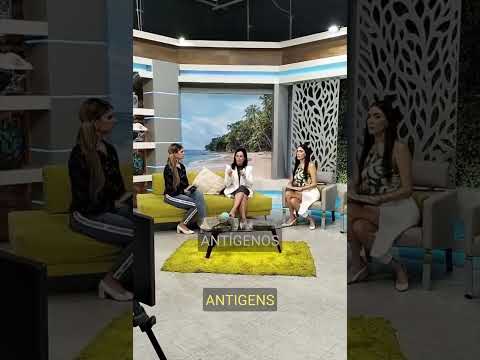
.png)




.png)


.png)

.png)
-(3).png)
-(8).png)








Share this listing