


Contents
Effective Diabetes Treatment with Regenerative Medicine in Tijuana
Tijuana has emerged as a global hub for regenerative medicine, offering hope and advanced treatment options for patients managing Type 1 and Type 2 Diabetes. Situated just minutes from the San Diego border, this bustling medical metropolis attracts thousands of North American patients seeking therapies that are often restricted, unavailable, or prohibitively expensive in the United States and Canada.
The appeal lies in the combination of cutting-edge biotechnology and accessible care. In Tijuana, modern clinics operate under the strict regulations of COFEPRIS (Mexico's health authority), utilizing high-potency Mesenchymal Stem Cells (MSCs)—often derived from Wharton’s Jelly in human umbilical cords. These therapies aim to target the root causes of diabetes by reducing systemic inflammation, modulating the immune system, and potentially repairing damaged pancreatic tissue to improve insulin sensitivity.
Patients are not just choosing Stem Cell Therapy for Diabetes in Tijuana for the lower cost; they are choosing it for the expertise. The city is home to specialists who have dedicated their careers to regenerative medicine, utilizing protocols that are at the forefront of scientific research. Whether you are looking to reduce your insulin dependency, manage neuropathy, or improve your overall quality of life, Tijuana offers a comprehensive, patient-centric environment to explore these innovative solutions.
From the moment you cross the border, you enter a medical ecosystem designed for international visitors, blending advanced science with the convenience of a short trip from the U.S.
Did You Know?
Tijuana is considered one of the world's most concentrated centers for stem cell research and application. Because Mexican regulations allow for the cultivation and expansion of stem cells (unlike the U.S. where manipulation is heavily restricted), clinics here can administer significantly higher cell counts—often in the hundreds of millions—potentially leading to more robust therapeutic results.
Key Insights at a Glance
Clinics primarily use ethically sourced, donor-screened umbilical cord stem cells (Wharton's Jelly) known for high potency.
Therapies in Tijuana generally cost 40% to 60% less than comparable experimental treatments in the U.S. or Europe.
Located 20 minutes from San Diego International Airport, making it easily accessible for U.S. and Canadian patients.
Legitimate clinics are licensed by COFEPRIS to perform regenerative medicine procedures legally and safely.
Treatment is usually administered via IV infusion or local injection, requiring no surgery and minimal downtime.
Many centers combine stem cells with nutritional counseling and hyperbaric oxygen therapy for better results.
The "Zona Rio" Advantage
Most premier stem cell clinics in Tijuana are located in the "Zona Rio" district. This modern urban area is known as the "Beverly Hills of Tijuana," featuring wide avenues, high-end shopping centers, and modern medical skyscrapers, offering a travel experience that feels safe, upscale, and incredibly distinct from old stereotypes.
To make your medical journey seamless, many clinics in Tijuana offer all-inclusive packages designed for international patients. We have curated a selection of providers below whose packages typically include the stem cell protocol (often with IV nutrition), airport transfers from San Diego, hotel accommodations, and pre-treatment medical evaluations. Review these options to find a comprehensive solution that fits your needs.
Note: Packages often vary by the number of stem cells administered (e.g., 50 million vs. 100 million cells), which directly impacts the price.
Price starting from $7,099
Stem Cell Therapy for Diabetes Package in Tijuana, Mexico by CellsTime Clinique
CellsTime Clinique Tijuana
- Stem Cell Therapy
Tijuana, Mexico
Investing in regenerative medicine is a significant decision, but Tijuana offers a fraction of the cost found in other jurisdictions. In the table below, we have outlined the average price ranges for various stem cell protocols. While costs vary depending on the type of diabetes treated and the volume of cells required, these figures will help you plan your budget and see the financial advantage of choosing Tijuana.
Tip: Remember that stem cell therapy is often not covered by insurance; ask clinics about their financing options or payment plans.
Stem Cell Treatment for Diabetes Centers Cost Comparison in Tijuana, Mexico
| Provider | Procedure | Price |
|---|---|---|
| CellsTime Clinique Tijuana | Stem Cell Treatment for Diabetes, Stem Cell Therapy | $7099 |
Stem Cell Treatment for Diabetes Cost Comparison in Mexico
| Country | Procedure | Price |
|---|---|---|
| Germany | Stem Cell Treatment for Diabetes, Stem Cell Therapy | $15000 |
| United States | Stem Cell Treatment for Diabetes, Stem Cell Therapy | $22000 |
| Mexico | Stem Cell Treatment for Diabetes, Stem Cell Therapy | $10000 |
Success in stem cell therapy relies heavily on the laboratory quality and medical expertise of the facility. We have selected top-rated medical centers in Tijuana that specialize in regenerative medicine. These facilities are chosen for their advanced laboratories, cold-chain management of cells, and adherence to COFEPRIS safety standards. Explore the profiles below to find a center that aligns with your medical requirements.
Safety First: Prioritize clinics that have an on-site laboratory or a transparent partnership with a certified cell bank.
Stem Health | Leading Stem Cell Clinic in Tijuana, Mexico
Tijuana, Mexico

Regenerative Medicine - Stem Cells by ITC
Tijuana, Mexico
CellsTime Clinique Tijuana
Tijuana, Mexico
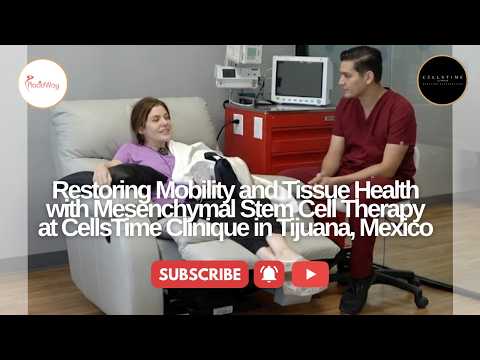
Hearing real stories of improved blood sugar control and energy levels can be inspiring. The video testimonials below feature patients who traveled to Tijuana for diabetes treatment. Watch them to understand their journey—from their initial doubts to their treatment experience and the long-term results they have achieved with stem cell therapy.
Insight: Look for testimonials that discuss long-term follow-up (6 months to 1 year) for a realistic expectation of results.
Honest feedback is essential when considering experimental or alternative treatments. In this section, you will find verified reviews from patients who have undergone stem cell therapy in Tijuana. Read about their experiences regarding doctor communication, facility hygiene, and the actual improvements they noticed in their diabetes management to make an informed choice.
Review Tip: Pay attention to reviews that mention the specific type of diabetes (Type 1 vs Type 2) as results can vary between them.

What is the Cost of Stem Cell Treatment for Diabetes in Tijuana, Mexico?
The cost of stem cell treatment for diabetes in Tijuana, Mexico, typically ranges from $5,936 to over $16,000. The final price depends on the clinic, the specifics of the treatment plan, and the type of stem cells used. For individuals exploring alternative and advanced treatment options for diabetes, Tijuana, Mexico, has emerged as a significant destination for medical tourism, particularly for stem cell therapy. This innovative approach to managing both Type 1 and Type 2 diabetes has garnered attention for its potential to regenerate damaged cells and improve the body's natural insulin production. If you're considering this treatment, one of your primary questions is likely about the cost. Understanding the financial aspect of stem cell treatment for diabetes in Tijuana is crucial for making an informed decision. The price can vary significantly based on several factors, including the reputation of the clinic, the type of stem cells being used, and the comprehensiveness of the treatment protocol. Generally, patients can expect the cost to be more affordable than in the United States, making it an attractive option for many. This guide will provide a detailed overview of the costs associated with stem cell therapy for diabetes in Tijuana, what these packages typically include, and other essential information to help you navigate your treatment journey. The journey to managing diabetes can be long and challenging, often involving daily medication and significant lifestyle adjustments. Stem cell therapy offers a promising alternative by addressing the root cause of the disease. In Tijuana, numerous clinics specialize in regenerative medicine, offering various types of stem cell treatments tailored to individual patient needs. The cost-effectiveness of these treatments in Mexico, combined with high standards of care in many facilities, draws patients from around the world. As you delve deeper into this option, it’s important to research not just the price, but also the credentials of the medical teams, the technology they use, and patient testimonials. A lower cost does not have to mean a compromise in quality, and many clinics in Tijuana are equipped with state-of-the-art technology and staffed by experienced professionals. This article aims to answer the most pressing questions you might have about the cost and process of receiving stem cell treatment for diabetes in Tijuana, providing you with the clarity needed to take the next step. What is the average cost of stem cell treatment for diabetes in Tijuana? "The average cost of stem cell treatment for diabetes in Tijuana, Mexico, ranges from approximately $5,936 to $16,000. Some clinics may offer packages starting as low as $4,000, while more comprehensive treatments can be higher." The price of stem cell therapy for diabetes in Tijuana is considerably lower than in the United States and other Western countries. This affordability is a major draw for medical tourists. The variation in cost is due to several factors that will be explored in more detail below. It's essential to get a personalized quote from a few different clinics to compare prices and what is included in each package. Be wary of prices that seem too low, as this could indicate a compromise on the quality of cells or the standard of medical care. When researching costs, look for transparency. Reputable clinics will provide a detailed breakdown of all expenses, so there are no surprises. This breakdown should include everything from the initial consultation to post-treatment follow-up. Don't hesitate to ask specific questions about the costs to ensure you have a complete picture of the financial commitment involved. What factors influence the cost of stem cell treatment for diabetes in Tijuana? "Several factors influence the cost of stem cell treatment for diabetes in Tijuana, including the type and source of stem cells used, the number of stem cell injections required, the reputation and accreditation of the clinic, and the inclusivity of the treatment package." Type and Source of Stem Cells: The cost can vary depending on whether the stem cells are autologous (from your own body) or allogeneic (from a donor, such as umbilical cord tissue). Allogeneic cells, particularly those from ethically sourced umbilical cords, may have a higher cost due to the screening and processing involved. Number of Treatments: Some patients may require multiple sessions of stem cell therapy to achieve the desired results. The total cost will naturally increase with the number of treatments. Clinic's Reputation and Facilities: Well-established clinics with experienced doctors, state-of-the-art equipment, and international accreditations may charge more for their services. Inclusions in the Treatment Package: The overall price can be affected by what is included in the package, such as airport transfers, accommodation, pre-treatment consultations, and post-treatment care. What is typically included in a stem cell treatment package for diabetes in Tijuana? "A typical stem cell treatment package for diabetes in Tijuana often includes the initial medical evaluation, the stem cell procedure itself, doctor's fees, medications administered during treatment, and sometimes ground transportation and accommodation assistance." When you opt for a stem cell treatment package, it's crucial to understand exactly what you're paying for. Most comprehensive packages will cover the core aspects of the treatment. This typically starts with a thorough medical evaluation, which may include blood tests and other diagnostics to ensure you are a suitable candidate for the therapy. The package will, of course, cover the cost of the stem cell therapy itself, including the harvesting and processing of the cells (if autologous) and their administration. Other inclusions may be post-treatment follow-up consultations to monitor your progress. Some clinics go the extra mile by including services that cater to medical tourists, such as airport pick-up and drop-off, and assistance with booking accommodation, to make the entire experience as seamless as possible. What types of stem cells are used for diabetes treatment in Tijuana? "The most common types of stem cells used for diabetes treatment in Tijuana are mesenchymal stem cells (MSCs). These are often sourced from umbilical cord tissue, adipose (fat) tissue, or bone marrow." Mesenchymal stem cells are multipotent stromal cells that can differentiate into a variety of cell types. In the context of diabetes, their potential to differentiate into insulin-producing cells and their anti-inflammatory and immunomodulatory properties are of particular interest. This can help in regenerating the damaged beta cells in the pancreas and reducing the autoimmune response that is characteristic of Type 1 diabetes. Umbilical Cord-Derived MSCs: These are allogeneic stem cells known for their high proliferation rate and low immunogenicity, meaning they are less likely to be rejected by the patient's body. Adipose-Derived MSCs: These are autologous stem cells harvested from the patient's own fat tissue. They are abundant and relatively easy to obtain. Bone Marrow-Derived MSCs: Also autologous, these stem cells are extracted from the patient's bone marrow. This method is more invasive than adipose tissue extraction. The choice of stem cell type will depend on the patient's specific condition and the clinic's protocol. How is the stem cell therapy for diabetes administered in Tijuana? "Stem cell therapy for diabetes in Tijuana is typically administered through an intravenous (IV) infusion. In some cases, a more targeted approach, such as an intrapancreatic injection, might be used." The most common method of administration is a simple IV drip. This allows the stem cells to travel throughout the body via the bloodstream and home in on areas of inflammation and tissue damage, such as the pancreas. The procedure is minimally invasive and is usually completed within a few hours. Patients can typically return to their accommodation on the same day. In certain situations, a doctor might recommend a more direct application of the stem cells to the pancreas. This is a more complex procedure that would be performed by a specialist. The method of administration will be determined during your initial consultation based on your medical history and the specific goals of the treatment. Is stem cell therapy for diabetes in Tijuana safe? "When performed in a reputable and licensed clinic, stem cell therapy for diabetes in Tijuana is generally considered safe. It is crucial to choose a clinic that adheres to strict safety and quality control protocols." The safety of any medical procedure is paramount. In Mexico, the Federal Commission for the Protection against Sanitary Risks (COFEPRIS) is the regulatory body that oversees medical treatments, including stem cell therapy. It's essential to select a clinic that is licensed by COFEPRIS and follows international standards for medical care. Reputable clinics in Tijuana use high-quality, screened stem cells to minimize risks such as infection or rejection. The medical teams are often comprised of experienced doctors and specialists in regenerative medicine. Before undergoing treatment, you should have a thorough discussion with the medical staff about the potential risks and benefits. What is the success rate of stem cell treatment for diabetes in Tijuana? "The success rate of stem cell treatment for diabetes in Tijuana can vary depending on the individual patient, the type and severity of their diabetes, and the treatment protocol. Many patients report significant improvements in their blood sugar control and a reduced need for insulin." It's important to have realistic expectations about the outcomes of stem cell therapy. While it is not a guaranteed cure for diabetes, many patients experience substantial benefits. These can include improved glycemic control, a reduction in the required dosage of insulin or other diabetes medications, and an overall improvement in quality of life. Patient testimonials and clinical studies can provide some insight into the potential effectiveness of the treatment. However, individual results will vary. A detailed consultation with a doctor at a Tijuana stem cell clinic will help you understand the potential outcomes for your specific situation. How long does the stem cell treatment process take in Tijuana? "The entire process for receiving stem cell treatment for diabetes in Tijuana, including the initial consultation, the procedure, and a short recovery period, can typically be completed within a few days to a week." The actual stem cell infusion procedure is relatively quick, often taking only a few hours. However, the overall trip to Tijuana for treatment will likely be longer. You will need to factor in time for the initial consultations and medical assessments before the treatment. After the procedure, it is generally recommended to rest for a day or two before traveling back home. Many clinics that cater to medical tourists are efficient in scheduling appointments and procedures to accommodate patients traveling from abroad. They can often help you plan your itinerary to ensure a smooth and stress-free experience. Are the stem cell clinics in Tijuana regulated? "Yes, stem cell clinics in Tijuana are regulated by the Federal Commission for the Protection against Sanitary Risks (COFEPRIS). It is essential to choose a clinic that holds a valid COFEPRIS license." COFEPRIS is the main regulatory body for healthcare in Mexico. It is responsible for ensuring that medical facilities, including stem cell clinics, adhere to specific standards of safety and quality. When researching clinics in Tijuana, always verify that they are licensed by COFEPRIS. This information is usually available on their website or can be requested directly from the clinic. Choosing a regulated clinic provides an added layer of assurance regarding the quality of care you will receive. These clinics are subject to inspections and must follow strict guidelines for the sourcing, processing, and administration of stem cells. How do I find a reputable stem cell clinic in Tijuana? "To find a reputable stem cell clinic in Tijuana, you should look for clinics with COFEPRIS licensing, positive patient reviews and testimonials, experienced medical staff, and transparent pricing. Medical tourism facilitators can also help in connecting you with trusted clinics." Check for Licensing: As mentioned, ensure the clinic is licensed by COFEPRIS. Read Patient Reviews: Look for reviews on independent platforms and the clinic's website. Research the Doctors: Investigate the credentials and experience of the medical team. Ask for a Detailed Quote: A reputable clinic will be transparent about all costs involved. Consult with Medical Tourism Agencies: Companies like PlacidWay can help you find and vet reputable clinics in Tijuana. What kind of pre- and post-treatment support is offered? "Reputable clinics in Tijuana offering stem cell treatment for diabetes typically provide comprehensive pre- and post-treatment support. This includes initial consultations, personalized treatment plans, and follow-up care to monitor progress." The support you receive before and after your treatment is a crucial part of the overall experience. Pre-treatment support usually involves a detailed consultation with a medical professional to discuss your condition and determine if you are a good candidate for stem cell therapy. They will answer all your questions and develop a personalized treatment plan for you. Post-treatment support is equally important. Good clinics will have a follow-up protocol in place to monitor your progress once you return home. This may involve phone or video consultations with the doctor to discuss your recovery and any changes in your condition. This ongoing support can be invaluable in maximizing the benefits of your treatment. Do I need to speak Spanish to get treatment in Tijuana? "No, you do not necessarily need to speak Spanish to receive stem cell treatment in Tijuana. Most reputable clinics that cater to international patients have bilingual staff, including doctors and patient coordinators, who can communicate fluently in English." The medical tourism industry in Tijuana is well-developed, and clinics are accustomed to treating patients from English-speaking countries. You can expect to communicate with the medical team and support staff in English without any issues. This ensures that you can fully understand the treatment process, ask questions, and express any concerns you may have. When you first contact a clinic, you can inquire about their language support to ensure a comfortable experience. Having clear communication with your healthcare providers is essential for a successful medical journey abroad. Can I bring a companion with me to Tijuana? "Yes, you are generally encouraged to bring a companion with you for support when receiving stem cell treatment in Tijuana. Many clinics can assist with arrangements for your companion." Having a friend or family member with you can provide emotional support and practical assistance during your medical trip. Most clinics are very accommodating to companions. They may be able to help you find suitable accommodation that can comfortably house both you and your companion. Your companion can also be present during consultations to help you ask questions and remember important information. When discussing your treatment plan with the clinic, be sure to mention that you will be traveling with a companion so they can provide you with the necessary information and assistance. What are the payment options for stem cell therapy in Tijuana? "Clinics in Tijuana typically offer various payment options for stem cell therapy, including credit cards, wire transfers, and sometimes medical financing options through third-party providers. It is important to confirm the accepted payment methods with the clinic beforehand." Understanding the payment process is a key part of planning your medical trip. Most clinics will require a deposit to secure your treatment date, with the final payment due before or on the day of the procedure. It's advisable to clarify the payment schedule and accepted methods well in advance. While stem cell therapy is not typically covered by insurance, some clinics may work with medical financing companies that can help you manage the cost of treatment. Be sure to inquire about these options if you need financial assistance. Is it necessary to have a visa to travel to Tijuana for treatment? "For US citizens, a visa is not typically required for short stays in Mexico, including for medical treatment in Tijuana. However, you will need a valid passport. Citizens of other countries should check the visa requirements for Mexico." If you are a US citizen, traveling to Tijuana for medical treatment is relatively straightforward. You will need to present a valid passport at the border. It is always a good idea to check the latest travel advisories and entry requirements before your trip. For citizens of other countries, it is essential to research the visa requirements for Mexico. You can find this information on the website of the Mexican embassy or consulate in your home country. Planning ahead will help ensure a smooth and hassle-free journey. Ready to explore your options for stem cell treatment for diabetes? Explore PlacidWay for access to a global network of accredited clinics and healthcare providers. Find the right solution for your healthcare needs today.
Discover the Benefits of Stem Cell Therapy in Mexico : A Path to Renewed Vitality
Mexico's healthcare system has been at the forefront of adopting innovative medical technologies, and stem cell therapy is no exception. The country boasts a network of specialized clinics and hospitals that offer state-of-the-art stem cell treatments, attracting patients from around the world. The rise of stem cell therapy in Mexico can be attributed to several factors, including the country's progressive regulatory environment, the availability of high-quality medical care, and the cost-effectiveness of treatments. The Transformative Power of Stem Cells Stem cells are unique cells that have the ability to develop into many different cell types in the body. This versatility makes them a powerful tool in regenerative medicine. In Mexico, stem cell therapy is used to treat a wide range of conditions, including neurological diseases, joint issues, and cardiovascular diseases. The therapy involves harvesting stem cells from the patient's own body or from donor sources and then introducing them into the affected area to promote healing and regeneration. The Future of Stem Cell Therapy in Mexico As research continues to advance, the potential applications of stem cell therapy are expanding. Mexico is at the forefront of these developments, with ongoing clinical trials and studies that aim to unlock the full potential of stem cells. The country's commitment to medical innovation and patient care makes it a promising destination for those seeking the latest in stem cell treatments. Stem cell therapy in Mexico represents a new frontier in the battle against chronic illnesses. With its advanced healthcare facilities, skilled medical professionals, and patient-centered approach, Mexico is well-positioned to lead the way in this revolutionary treatment. As more success stories emerge, the hope for a better quality of life for patients with chronic conditions continues to grow. The journey of stem cell therapy in Mexico is a testament to the power of medical innovation and the relentless pursuit of healing. Benefits of Stem Cell Therapy in Mexico Stem cell therapy in Mexico offers numerous benefits, making it an attractive option for patients seeking advanced medical treatments. Here are some of the key advantages: Cutting-Edge Technology: Mexican clinics utilize state-of-the-art technology and innovative procedures to ensure the highest standards of care. Experienced Professionals: Mexico's stem cell clinics are staffed with highly skilled and experienced doctors and researchers who are at the forefront of regenerative medicine. Comprehensive Treatments: Whether you're looking for treatments for conditions like knee pain, diabetes, or anti-aging therapies, Mexico's clinics offer a wide range of stem cell treatments. Affordable Prices: Compared to the United States and other Western countries, stem cell therapy in Mexico is significantly more affordable, making it accessible to a broader range of patients. Personalised Care: Clinics in Mexico provide personalised treatment plans tailored to the individual needs of each patient, ensuring the best possible outcomes. Why Choose Stem Cell Therapy in Mexico? Choosing stem cell therapy in Mexico offers several unique advantages Quality of Care: Mexican clinics are known for providing high-quality medical care that rivals or surpasses that of clinics in more expensive countries. Cost-Effectiveness: The cost of stem cell therapy in Mexico is often a fraction of what it would be in the US or Europe, without compromising on quality. Accessibility: Mexico's proximity to the United States makes it an easy destination for American patients seeking medical treatments abroad. Cultural Experience: Patients can combine their medical treatment with a cultural experience, enjoying Mexico's rich heritage and beautiful landscapes. Recommended Clinic for Stem Cell Therapy Mexico ITC - Immunity Therapy Center is a leading provider of stem cell therapy in Mexico, ITC - Immunity Therapy Center known for its exceptional medical care and innovative treatments. Procedure Price Stem Cell Treatment ( For Autism, Cancer, Kidney Failure, Parkinsons, Alzheimer, Liver Diabetes, etc ) Start from $6,000 Sportmed Centro Medico Specializes in providing advanced stem cell therapies for athletes and active individuals. Sportmed Centro Medico is known for its expertise in treating sports-related injuries and enhancing athletic performance. With a team of experienced doctors and state-of-the-art facilities, Sportmed offers personalized treatment plans to help patients recover faster and perform better. Procedure Price Stem Cell Treatment ( For Autism, Cancer, Kidney Failure, Parkinsons, Alzheimer, Liver Diabetes, etc ) Start from $6,000 Stem Health Clinic in Mexico A leading provider of comprehensive stem cell therapies for a wide range of health conditions. Stem Health Clinic offers innovative treatments for conditions such as knee pain, diabetes, and anti-aging. With a focus on personalized care and cutting-edge technology, Stem Health Clinic is dedicated to helping patients achieve optimal health and vitality. Procedure Price Stem Cell Treatment ( For Autism, Cancer, Kidney Failure, Parkinsons, Alzheimer, Liver Diabetes, etc ) Start from $4,000 Clinica MER in Mexico A renowned medical facility that partners with leading stem cell clinics to provide advanced medical treatments. Clinica MER offers a wide range of services, including stem cell therapies, and is known for its commitment to excellence and patient care. With a team of highly skilled doctors and researchers, Clinica MER ensures that patients receive the highest standard of medical care. Procedure Price Stem Cell Treatment ( For Autism, Cancer, Kidney Failure, Parkinsons, Alzheimer, Liver Diabetes, etc ) Start from $2,500 Mexico Tips for Medical Tourism: Research Clinics: Thoroughly research the clinics you are considering. Look for reviews, success rates, and accreditations. Consult with Doctors: Have consultations with the doctors who will be performing your treatment. Ensure they are qualified and experienced. Travel Plans: Plan your travel arrangements in advance. Consider staying in the area for post-treatment care and follow-ups. Health Insurance: Check if your health insurance covers treatments abroad. If not, consider purchasing travel health insurance. Legal Requirements: Ensure you have all the necessary travel documents and understand any legal requirements for medical treatments in Mexico. Cultural Adaptation: Familiarize yourself with the local culture and language to make your stay more comfortable. Recovery Environment: Choose a comfortable and convenient place to stay during your recovery period. Follow-Up Care: Arrange for follow-up care both in Mexico and in your home country to ensure continuous medical support. Pre-Treatment Considerations for Stem Cell Therapy in Mexico: Consultation: Choose a reputable clinic with experienced doctors specializing in stem cell therapy. Discuss your medical history, the specific condition you're hoping to treat, and any medications you're taking. Research the clinic's qualifications, doctor credentials, and patient reviews thoroughly. Medical Evaluation: A thorough medical evaluation is likely required. This may include blood tests, imaging scans, and consultations with other specialists depending on your condition. Informed Consent: You'll receive detailed information about the specific type of stem cell therapy offered, the source of the stem cells, the procedure itself, potential risks and benefits, and alternative treatment options. You'll need to provide written consent to proceed. Pre-operative Instructions: Depending on the type of stem cell therapy, you might receive specific instructions regarding diet, medications to avoid, and activities to restrict before the procedure. Travel and Logistics: If traveling to Mexico for treatment, plan your travel and accommodation. Discuss follow-up appointments with the clinic and consider the potential need for additional travel for future visits. Financial Arrangements: Finalize the cost of the procedure with the clinic, including doctor fees, facility fees,medications, and any potential follow-up care costs. Post-Treatment Care After Stem Cell Therapy in Mexico: Initial Recovery: The specifics will depend on the type of stem cell therapy and the treated area. You may experience some discomfort, swelling, or bruising at the injection site. The clinic will provide post-operative instructions and pain medication as needed. Follow-up Appointments: Scheduled follow-up appointments with the clinic in Mexico are crucial to monitor progress, address any concerns, and potentially receive additional injections or therapies. Physical Therapy: Depending on the condition treated, physical therapy may be recommended to optimize healing and regain function. Lifestyle Adjustments: Certain lifestyle modifications, such as maintaining a healthy diet or avoiding strenuous activity, may be advised for optimal results. Long-Term Monitoring: As stem cell therapy is still evolving, long-term monitoring by your doctor at home may be necessary to track the therapy's effectiveness and potential side effects. Important Considerations: Language Barrier: Having a Spanish speaker accompany you can be helpful for communication with the clinic staff. Follow-up Care: Distance can be a challenge for long-term follow-up care. Discuss options with the surgeon regarding potential follow-up consultations back home or virtually with a healthcare professional familiar with your treatment. Realistic Expectations: Stem cell therapy is a developing field with varying levels of evidence for effectiveness in different conditions. Manage your expectations and understand it may take time to see results, if any. Frequently Asked Questions: Stem Cell Therapy in Mexico Stem cell therapy in Mexico is a growing area, but it's important to be informed before considering it. Here are some frequently asked questions: 1. Is stem cell therapy legal and regulated in Mexico? Answer: Yes, stem cell therapy is legal in Mexico. The Comisión Federal para la Protección contra Riesgos Sanitarios (COFEPRIS) regulates stem cell collection facilities and biobanks. However, the specific applications and long-term safety of various stem cell therapies are still under investigation. 2. What conditions are treated with stem cell therapy in Mexico? Answer: Clinics in Mexico offer stem cell therapy for a wide range of conditions, though evidence for effectiveness varies. Some common areas include joint pain, osteoarthritis, neurological disorders, and sports injuries. It's crucial to understand that stem cell therapy is not a proven cure for most conditions. 3. Is stem cell therapy in Mexico cheaper than in the US? Answer: Generally, yes. Stem cell procedures in Mexico can be significantly cheaper than in the US, sometimes by 60-70%. However, factor in travel costs, potential hidden fees, and the cost of follow-up care closer to home. 4. What are the risks associated with stem cell therapy in Mexico? Answer: As with any medical procedure, there are potential risks like infection, bleeding, and allergic reactions.Language barriers and potential challenges with follow-up care in a foreign country are additional considerations. 5. How do I choose a reputable clinic for stem cell therapy in Mexico? Answer: Careful research is crucial. Look for clinics with board-certified doctors experienced in stem cell therapy.Check for clinic accreditation and positive patient reviews from reliable sources. Don't be afraid to ask questions about the specific type of stem cells used, the procedure itself, and potential risks and benefits. 6. What are the ethical considerations of stem cell therapy in Mexico? Answer: Ethical considerations include informed consent, the source of stem cells, and ensuring the treatment is not oversold or offered for conditions with limited evidence of effectiveness. Research the clinic's practices and transparency regarding the ethics of their stem cell therapies. Ready to transform your health with stem cell therapy in Mexico? Contact PlacidWay today to learn more about the treatments available at ITC - Immunity Therapy Center and other leading clinics. Our team is here to guide you every step of the way, from initial consultation to post-treatment care. Don't wait—take the first step towards a healthier, more vibrant life today! Start your journey to better health with stem cell therapy in Mexico. Contact PlacidWay now and unlock the full potential of regenerative medicine!
The effectiveness of regenerative medicine depends largely on the expertise of the physician administering it. We have curated a list of top specialists in Tijuana who are licensed in regenerative medicine. These profiles highlight doctors with specific experience in immunology and diabetes management, ensuring you are treated by professionals who understand the complexities of the metabolic system.
Regenerative Medicine Experts
Specialized in Immunology & Cell Biology
Our network includes physicians who focus specifically on regenerative therapies. They are not just general practitioners but have undergone additional training in the handling and administration of biological products, ensuring safety and maximum cell viability.
Integrative Approach
Combining Medicine with Nutrition
Top specialists in Tijuana often employ an integrative approach. They look at your diabetes holistically, often coordinating with nutritionists to ensure your body is in the optimal state to receive stem cells, thereby enhancing the potential for repair.
Proven Track Record
Experience with International Patients
These doctors treat thousands of international patients annually. They are fluent in English and accustomed to coordinating follow-up care remotely, ensuring you are not left unsupported once you return to your home country.

Advanced Regulatory Environment
Tijuana is a preferred destination primarily because Mexico's regulatory framework (via COFEPRIS) allows for the cultivation and expansion of stem cells. In many other countries, including the U.S., manipulation of cells is restricted.
This allows clinics in Tijuana to legally administer treatments with significantly higher cell counts—crucial for addressing systemic conditions like diabetes—while still adhering to rigorous safety and sanitary standards.
Premier Medical Infrastructure
The medical infrastructure in Tijuana rivals that of major American cities. The Zona Rio district is home to modern hospital towers equipped with ISO-certified clean rooms and laboratories.
This concentration of biotechnology and medical expertise has created a competitive environment that drives up quality while keeping costs accessible, ensuring patients receive hospital-grade care in a comfortable, modern setting.
Accessibility and Convenience
For North Americans, Tijuana offers unmatched convenience. Patients can fly into San Diego International Airport (SAN) and take a short 20-minute shuttle ride directly to their clinic.
There is no need for long-haul flights or adjusting to different time zones. Additionally, the availability of Medical Fast Lane passes allows for a swift return across the border, making the logistics of the trip as stress-free as the treatment itself.
Navigating the world of regenerative medicine can be complex. PlacidWay simplifies your journey by connecting you with vetted stem cell clinics in Tijuana, ensuring safety, transparency, and access to top-tier care.
Clinic Verification
We rigorously screen clinics to ensure they hold valid COFEPRIS licenses and adhere to international protocols for stem cell harvesting and safety.
Customized Quotes
We obtain detailed cost estimates from multiple centers, helping you compare cell counts, protocols, and inclusions to find the best value.
Direct Doctor Access
We facilitate initial consultations, allowing you to discuss your medical history and expected outcomes directly with the specialist before traveling.
Educational Resources
We provide access to patient testimonials, detailed treatment guides, and clinic accreditations to empower you with the knowledge needed to make a confident choice.
Seamless Coordination
From appointment scheduling to clarifying payment options, our team supports you at every step, acting as your advocate throughout the process.
Take control of your health with advanced regenerative therapy. Contact PlacidWay today for a free, no-obligation consultation and explore your options for stem cell therapy in Tijuana.
Get Your Free Treatment Quote



.png)














Share this listing