
.png)
Contents
Diabetes already asks you to make enough daily decisions meals, medicines, glucose checks, appointments so a treatment promising to simplify everything can be hard to ignore. Stem cell research for diabetes is moving forward, especially in experimental islet-cell approaches for selected people with type 1 diabetes. That does not make every commercial stem cell protocol a proven diabetes treatment.
Stem cell treatment options for diabetes in Mexico are currently quoted from US$4,550 to US$16,500, with an average quoted cost of US$10,525. The type of diabetes, proposed cells, treatment setting, testing, and follow-up can all affect the amount. Patients from the United States, Canada, Latin America, and other regions often consider Mexico for access and cost, but diabetes care should never be reduced to a package price.
Before comparing options, ask whether the plan is clinical research or commercial care, request applicable COFEPRIS authorization, and have your endocrinologist review it. Do not stop insulin or prescribed diabetes medicine because of a stem cell consultation.
A diabetes package should answer a clinical question before it sells a travel plan. Compare whether it identifies your diabetes type, current HbA1c, medicines, complications, and the exact cell-based intervention proposed. It should explain what happens to your usual insulin or glucose-lowering treatment and whether endocrinology support is involved. Airport transfers and hotel arrangements can be helpful, but they are not evidence of medical suitability. Review the packages below for clear clinical detail, written inclusions, and realistic follow-up planning.

Price starting from $5,000
Stem Cell Therapy for Diabetes Package in Cancun, Mexico by Clinica MER
Clinica MER Cancun
- Stem Cell Therapy
Cancun, Mexico

Price starting from $5,995
Stem Cell Therapy for Diabetes Package in Guadalajara, Mexico by Instituto de Terapia Celular
Instituto de Terapia Celular - Stem Cell Guadalajara Mexico
- Stem Cell Therapy
Tijuana,Guadalajara, Mexico
.png)
Price starting from $6,500
Stem Cell Therapy for Diabetes Package in Mexico City, Mexico by MexStemCells Clinic
MexStemCells Clinic
- Stem Cell Therapy
Mexico City, Mexico
Price starting from $6,995
Stem Cell Therapy for Diabetes Package by Immunity Therapy Center in Tijuana, Mexico
Regenerative Medicine - Stem Cells by ITC Immunity Therapy Center
- Stem Cell Therapy
Tijuana, Mexico
Price starting from $7,099
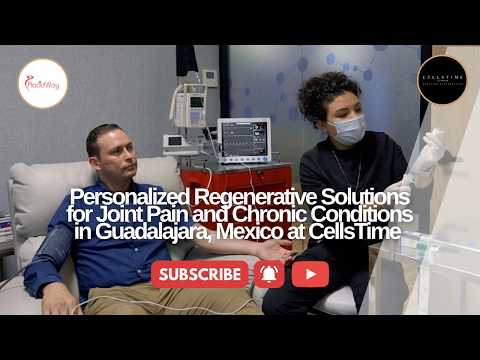
Stem Cell Therapy for Diabetes Package in Tijuana, Mexico by CellsTime Clinique
CellsTime Clinique Tijuana
- Stem Cell Therapy
Tijuana, Mexico
Stem cell treatment options for diabetes in Mexico are quoted from US$4,550 to US$16,500, with an average quoted price of US$10,525. This is a cost comparison, not a measure of safety, effectiveness, or suitability. A low price should never be used to skip a proper medical review. Ask for a written estimate covering consultation, diabetes testing, cells or biologic product, administration, facility fees, medicines, monitoring, emergency care arrangements, and follow-up. Compare the prices below only after confirming that the medical plans are comparable.
Stem Cell Treatment for Diabetes Centers Cost Comparison in Mexico
| Provider | Procedure | Price |
|---|---|---|
| MexStemCells Clinic | Stem Cell Treatment for Diabetes, Stem Cell Therapy | $6500 |
| Clinica MER Cancun | Stem Cell Treatment for Diabetes, Stem Cell Therapy | $4550 |
| Regenerative Medicine - Stem Cells by ITC Immunity Therapy Center | Stem Cell Treatment for Diabetes, Stem Cell Therapy | $6995 |
| CellsTime Clinique Tijuana | Stem Cell Treatment for Diabetes, Stem Cell Therapy | $7099 |
| Instituto de Terapia Celular - Stem Cell Guadalajara Mexico | Stem Cell Treatment for Diabetes, Stem Cell Therapy | $6850 |
Stem Cell Treatment for Diabetes Cost Comparison in Mexico
| Country | Procedure | Price |
|---|---|---|
| Germany | Stem Cell Treatment for Diabetes, Stem Cell Therapy | $15000 |
| United States | Stem Cell Treatment for Diabetes, Stem Cell Therapy | $22000 |
A clinic should understand that diabetes is not one condition and that a person’s needs can change quickly. Ask for the facility’s applicable COFEPRIS authorization or health licence, its complete address, and the doctor responsible for your care. Verify the physician’s cédula profesional through Mexico’s official professional registry. Ask whether an endocrinologist is involved, how glucose is monitored during treatment, how hypoglycemia or hyperglycemia is handled, and whether the intervention is part of a registered trial. Compare the clinics below by their documents and medical answers.
MexStemCells Clinic
Mexico City, Mexico
Clinica MER Cancun
Cancun, Mexico
Instituto de Terapia Celular - Stem Cell Guadalajara Mexico
Tijuana,Guadalajara, Mexico
CellsTime Clinique Tijuana
Tijuana, Mexico
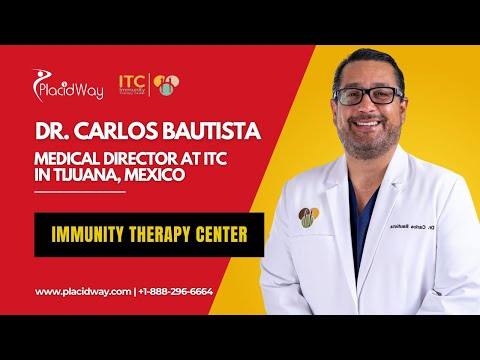
A video may explain a clinic’s process, but it cannot show whether a treatment is right for your diabetes. Look for content that identifies the clinician, describes the cell product and treatment route, and states what is still uncertain. Be cautious with claims that insulin can be stopped, diabetes can be reversed, or glucose control will improve for every patient. Use the videos below to understand the options, then discuss the plan with your endocrinologist before travelling.
A patient story can be useful for understanding communication, travel arrangements, and clinic experience. It cannot prove that a cell treatment caused a lower HbA1c, reduced insulin needs, or prevented complications. The reviews most worth reading explain whether the clinic reviewed records beforehand, gave clear cost information, monitored glucose carefully, and provided aftercare. Read the experiences below as practical insight not as a prediction of your own outcome.

Can stem cell therapy cure diabetes?
No commercial stem cell treatment should be presented as a proven cure for type 1 or type 2 diabetes. Research into cell-derived islet therapies and other approaches is continuing, but these are developing treatments with specific eligibility criteria, risks, and monitoring requirements.
How much does stem cell treatment for diabetes cost in Mexico?
Current quoted prices range from US$4,550 to US$16,500, with an average quoted cost of US$10,525. The total depends on the type of diabetes, protocol, cell product, testing, clinic location, number of treatment days, and included support services.
Can I stop insulin after stem cell treatment in Mexico?
Do not stop insulin or change any diabetes medicine based on a clinic claim or travel plan. Insulin changes should only be made with the clinician who manages your diabetes, using careful glucose monitoring. Stopping insulin can lead to serious illness, including diabetic ketoacidosis.
Is stem cell therapy different for type 1 and type 2 diabetes?
Yes. Type 1 diabetes involves autoimmune destruction of insulin-producing beta cells, while type 2 diabetes involves insulin resistance and declining beta-cell function. A responsible provider should not offer the same explanation or protocol to every person without reviewing the diabetes type and medical history.
How can I verify a diabetes stem cell clinic in Mexico?
Request the facility’s applicable COFEPRIS authorization or health licence, its exact address, and the name of the doctor responsible for care. Verify the doctor’s cédula profesional through the official SEP registry. Ask whether endocrinology support is available during treatment.
What records should I send before travelling to Mexico?
Share your diabetes type, latest HbA1c, glucose-monitoring data, insulin or medicine schedule, allergies, kidney function, complication history, recent laboratory results, and notes from your endocrinologist. This information is essential for a meaningful medical review.
What details should the clinic provide about the cells?
Ask where the cells come from, whether they are your own or donor-derived, how they are processed, how they are tested, how they will be administered, and why the approach is proposed for your type of diabetes. The clinic should also explain uncertain benefits and known risks in writing.
What are the risks of stem cell treatment for diabetes?
Risks depend on the product and procedure. They may include infection, contamination, immune reactions, infusion-related effects, glucose instability, and harm caused by delaying established diabetes care. Your own risks also depend on diabetes complications and other health conditions.
Can I take insulin and diabetes supplies on the plane?
Yes, but confirm requirements with your airline and departure airport. Keep insulin, medication, glucose-monitoring supplies, snacks, and emergency treatment in your hand luggage. Carrying a prescription or medical letter can make security screening and replacement of lost supplies easier.
How long should I stay in Mexico after treatment?
The correct stay depends on the proposed procedure, your glucose stability, treatment response, and the clinician’s advice. Ask before booking how long observation is required, when you can fly, and who will respond if you develop high or low glucose after treatment.
Are patient testimonials evidence that a diabetes stem cell treatment works?
No. Testimonials may explain the patient experience, but they do not prove a treatment caused better glucose control or reduced medicines. HbA1c, glucose trends, concurrent changes in diet or medication, and long-term follow-up all matter when evaluating a claim.
What should I receive before leaving Mexico?
Request a discharge summary, details of what was administered, laboratory results, medication instructions, glucose targets, emergency warning signs, and direct clinician contact information. Give these documents to your endocrinologist or diabetes-care team after you return home.
What is the cost of Stem Cell Treatment for Diabetes in Mexico City, Mexico?
The estimated cost of Stem Cell Treatment for Diabetes in Mexico City, Mexico typically ranges from $4,000 to $10,000 USD. This price varies based on the specific cellular protocol, cell count, and individualized patient requirements. Managing diabetes often involves a lifelong commitment to medication, diet, and lifestyle adjustments. As medical science advances, many individuals begin exploring alternative or adjunctive therapies to help manage their condition. Stem Cell Treatment for Diabetes in Mexico City, Mexico has emerged as an option for patients looking beyond standard care. Before traveling abroad, understanding the financial investment, safety profile, and experimental nature of this therapy is essential. Key Takeaways Estimated costs generally fall between $4,000 and $10,000 USD depending on the treatment plan. Stem cell therapy for diabetes remains an investigational procedure, not a recognized cure. Results vary widely, and the treatment may not be suitable for every patient. Thorough medical evaluation and continued local follow-up care are mandatory. Regulatory oversight in Mexico is managed by COFEPRIS, and facility standards vary. What factors influence the cost of this procedure in Mexico City? The Stem Cell Treatment for Diabetes cost in Mexico City, Mexico is influenced by the source of the cells, the total cell count administered, and the clinical facilities utilized. Pricing for cellular therapies is rarely uniform because treatment protocols are highly customized. The primary driver of cost is the dosage, typically measured in millions of cells. A patient receiving 50 million mesenchymal stem cells (MSCs) will incur a different cost than a patient requiring a 200 million cell protocol over multiple days. Additional variables include the type of cells used. Allogeneic cells, which are derived from donated umbilical cord tissue, involve laboratory expansion and rigorous infectious disease screening. Autologous procedures, which harvest cells from your own bone marrow or fat tissue, require specialized extraction procedures that can also alter the final price. Treatment Component Estimated Cost Range (USD) Medical Consultation & Lab Work $100 - $500 Stem Cell Infusion (Single Dose) $4,000 - $7,000 Comprehensive Multi-Day Protocol $7,000 - $10,000+ Note: The prices above are estimates and can vary significantly based on individual needs and clinic pricing structures. How does stem cell therapy attempt to address diabetes? Stem cell therapy is researched for its potential to reduce systemic inflammation, modulate the immune system, and promote tissue repair. Diabetes fundamentally involves issues with insulin production or utilization. In Type 1 diabetes, the immune system mistakenly attacks the insulin-producing beta cells in the pancreas. In Type 2 diabetes, the body becomes resistant to the effects of insulin, often accompanied by underlying chronic inflammation. Researchers are investigating adult stem cells, particularly MSCs, because they release anti-inflammatory proteins and growth factors. The theory is that these cells may help calm the autoimmune response in Type 1 patients or improve cellular function and reduce insulin resistance in Type 2 patients. Despite ongoing clinical trials, the exact mechanisms remain under investigation, and outcomes can vary drastically from person to person. Expert Insight: Stem cells are not insulin-producing cells themselves in most commercial therapies. Instead, they act as signaling cells that may help create a better environment for your body's existing systems to function. Is stem cell treatment a guaranteed cure for diabetes? No, stem cell treatment is not a cure for diabetes; it is an experimental procedure that may help manage symptoms or improve overall health in suitable candidates. Patient safety and realistic expectations are paramount when considering regenerative medicine. There is currently no recognized cure for diabetes. While some patients report reduced insulin dependence, stabilized blood sugar levels, or increased energy after receiving stem cells, others experience little to no change in their condition. You must continue your prescribed diabetes medications, insulin therapy, and dietary plans unless instructed otherwise by a licensed endocrinologist. Stopping your standard medical care to rely solely on an experimental therapy poses severe health risks, including diabetic ketoacidosis or life-threatening organ damage. Who might be considered a candidate for this treatment? Candidates typically include patients with stable overall health seeking adjunctive therapies, subject to a thorough review of their medical history and current lab work. Eligibility is not universal. A responsible medical provider will conduct an extensive evaluation before approving you for treatment. They will examine your HbA1c levels, kidney function, cardiovascular health, and the progression of any diabetes-related complications (such as neuropathy or retinopathy). Patients are often disqualified if they have active infections, a history of certain cancers, severe cardiovascular disease, or advanced renal failure. Because the introduction of stem cells involves the immune system, those with specific concurrent autoimmune disorders or compromised immune systems may face higher risks or be deemed ineligible. What are the potential risks and complications? Potential risks include mild reactions like fatigue and fever, as well as more serious risks such as infections or unpredictable cellular behavior. While many patients tolerate intravenous stem cell infusions well, no medical procedure is entirely devoid of risk. Common, short-term side effects may include lethargy, mild fever, or localized soreness at the injection site. These usually subside within a few days. More significant risks include the potential for contamination during cell processing, which can lead to bacterial infections. If donor cells are used (allogeneic), there is a small risk of an immune reaction, though MSCs are often described as immune-evasive. The long-term risks of stem cell therapies are still being studied, and unproven therapies carry the risk of adverse cellular replication. Discussing these factors with an independent healthcare professional before traveling is strongly advised. How is the treatment process typically administered? The therapy is usually delivered via a peripheral intravenous (IV) infusion in an outpatient setting, often taking a few hours to complete. Upon arriving in the city, your first step will likely involve a final medical consultation and blood draws to confirm you are still a safe candidate for the procedure. Once cleared, the actual administration is typically straightforward. An IV line is placed in your arm, and the prepared stem cells are slowly infused into your bloodstream. During this time, medical staff monitor your vital signs for any immediate adverse reactions. The infusion itself usually lasts between one and three hours. Afterward, you will remain in the clinic for a short observation period before returning to your hotel. How to find a reputable provider in the city? Locating a trustworthy Stem Cell Treatment for Diabetes clinic in Mexico City, Mexico requires checking for COFEPRIS licensing, transparent lab practices, and realistic medical claims. The regulatory body overseeing healthcare facilities and cellular laboratories in Mexico is COFEPRIS (Federal Commission for the Protection against Sanitary Risk). A compliant facility will have visible documentation proving their laboratory meets strict sterility and processing standards. It is crucial to avoid providers that promise guaranteed cures, pressure you into immediate booking, or fail to explain the risks thoroughly. Reputable providers will focus heavily on medical screening, openly discuss the experimental nature of the therapy, and have a clear protocol for handling any unexpected medical events during your stay. What follow-up care is required after returning home? Post-treatment care involves continuous monitoring by your local endocrinologist, tracking blood sugar trends, and maintaining your prescribed medical regimen. Your treatment journey does not end when you board a plane back home. Stem cell therapy is not a procedure where you can "set it and forget it." Consistent communication with your primary care doctor and endocrinologist is required. You will need routine blood tests to monitor kidney function, liver function, and HbA1c levels. If you experience unexpected symptoms, prolonged fever, or signs of infection after returning home, you must seek local medical attention immediately. Any adjustments to your insulin dosage or diabetes medications must be made gradually and strictly under the supervision of your local medical team based on empirical blood sugar readings. Why consider this destination for regenerative therapies? Patients often explore medical tourism in Mexico City, Mexico due to the availability of varied cellular protocols, modern healthcare infrastructure, and competitive pricing. Mexico has developed a robust regulatory framework allowing for certain cellular therapies that may be heavily restricted or unavailable in other countries. This has led to a growth in specialized research and treatment centers focusing on regenerative medicine. Additionally, the geographical proximity to the United States and Canada makes travel relatively easy. The city is served by a major international airport with direct flights from numerous global hubs. When combined with a favorable exchange rate, the overall cost of treatment and accommodation can be lower than exploring similar private therapies in other international destinations. How is the medical sector regulated in this region? Cellular therapies and clinical laboratories in the country are overseen by national regulatory agencies to ensure proper sanitation, cell processing, and safety protocols. As mentioned, COFEPRIS is the central health authority responsible for licensing medical practices and laboratories. A facility must demonstrate compliance with strict biosafety regulations to legally process and administer biological materials like human cells. However, patients should understand that a license to operate does not equal an endorsement of efficacy by the government. The regulation ensures the environment is sterile and the medical personnel hold the appropriate degrees, but the clinical outcomes of experimental treatments remain the patient's assumed risk. Always request to see facility credentials and laboratory certifications before agreeing to care. Why Choose PlacidWay for Medical Tourism in Mexico City? Navigating healthcare systems in a foreign country can be complex. PlacidWay serves as a global medical tourism platform to help patients gather information and connect with international providers. Extensive Provider Network: PlacidWay provides access to a wide directory of international healthcare facilities and practitioners. Comparative Information: The platform allows users to compare different facilities, treatment approaches, and estimated pricing structures. Direct Communication: Patients can use the platform to send inquiries and communicate directly with medical centers before making decisions. Informational Resources: PlacidWay offers articles, guides, and overviews regarding various medical tourism destinations and procedures. Patient Reviews: The site hosts testimonials and reviews, offering insights into the experiences of previous medical travelers. Frequently Asked Questions How much does an initial consultation usually cost? Consultation fees vary but typically range from $100 to $300 USD. Some facilities may waive this fee or apply it toward your overall treatment cost if you decide to proceed with the therapy. Are multiple treatment sessions required? Many protocols involve a single visit lasting a few days, during which one or more infusions are administered. Depending on individual response and disease progression, some providers may suggest follow-up treatments months or years later. Can Type 1 diabetics receive this treatment? Some facilities offer protocols for Type 1 diabetes aimed at modulating the immune system. However, treating Type 1 is often more complex because it is an autoimmune condition, and patients must undergo thorough evaluation to determine if they are suitable candidates. Can Type 2 diabetics benefit from stem cell therapy? Type 2 diabetes protocols usually focus on reducing systemic inflammation and potentially improving insulin resistance. Suitability depends heavily on the patient's current health, organ function, and medical history. Does health insurance cover this procedure in Mexico? Standard health insurance policies generally do not cover stem cell therapy for diabetes, as it is largely considered an investigational or experimental treatment. Patients should expect to pay out-of-pocket. How long must I stay in Mexico City? Patients typically stay in the city for 3 to 5 days. This timeframe allows for initial lab work, medical consultations, the infusion process, and a brief observation period before traveling home. What are mesenchymal stem cells (MSCs)? Mesenchymal stem cells are adult stem cells often sourced from umbilical cord tissue, bone marrow, or fat tissue. They are commonly used in research and therapy due to their potential anti-inflammatory and immunomodulatory properties. Is it safe to fly immediately after stem cell infusions? Providers typically recommend resting for 24 to 48 hours after an infusion before taking a flight. This observation period helps ensure no immediate adverse reactions, such as fever or fatigue, occur. How long does it take to notice any changes in blood sugar? If a patient responds to the therapy, changes may be noticed anywhere from a few weeks to several months following the procedure. Outcomes vary significantly, and some individuals may not experience noticeable improvements. Are the stem cells ethically sourced? Reputable facilities use adult stem cells or cells derived from donated umbilical cord tissue obtained from healthy, full-term pregnancies with the mother's informed consent. Embryonic stem cells are typically not used in these commercial therapies. Explore Your Healthcare Options Gather information, compare international facilities, and request details to make an informed decision regarding your health. Request Treatment Information References Stem Cell Information – National Institutes of Health (NIH) Diabetes Research and Information – American Diabetes Association (ADA) Medical Tourism Travel Health Guidelines – Centers for Disease Control and Prevention (CDC) Registry of Clinical Trials for Stem Cell Research – ClinicalTrials.gov Diabetes Fact Sheet – World Health Organization (WHO) Patient Guide to Stem Cell Treatments – International Society for Stem Cell Research (ISSCR) Consumer Warning on Unapproved Stem Cell Therapies – U.S. Food and Drug Administration (FDA) Medical Disclaimer: The information provided in this article is for educational and informational purposes only and does not constitute medical advice, diagnosis, or treatment recommendations. Stem cell therapy for diabetes is currently an investigational treatment and its efficacy, safety, and outcomes vary by individual. Always consult with a qualified, board-certified healthcare professional or endocrinologist before altering your diabetes management plan, stopping medications, or pursuing experimental therapies abroad.
How much is Stem Cell Treatment for Diabetes in Guadalajara, Mexico?
Stem cell treatment for diabetes in Guadalajara, Mexico generally costs between $4,500 and $8,000 per session. This price includes initial medical consultations, the complete cellular therapy protocol, and essential post-procedure monitoring. Key Takeaways: Regenerative Therapy in Guadalajara Cost Efficiency: Patients save up to seventy percent compared to identical experimental protocols in the United States or Canada. Advanced Protocols: Facilities utilize cutting-edge Mesenchymal cell infusions to target pancreatic inflammation and beta-cell regeneration. Minimally Invasive: The therapy is administered via a simple intravenous drip, requiring zero surgical intervention and zero physical downtime. Regulatory Safety: High-end local clinics adhere strictly to COFEPRIS regulations and international ISO cleanroom standards. Holistic Care: Comprehensive packages often include extensive endocrinology evaluations, nutritional counseling, and long-term follow-up support. What factors influence the Stem Cell Treatment for Diabetes Cost in Mexico? The final price depends on the number of cells administered, the specific type of cells used, and the necessary pre-treatment diagnostic tests. Facility amenities also play a role. The primary driver of expenses is the cellular dosage required for your specific metabolic condition. Patients with severe insulin resistance or longer disease duration often need a higher concentration of millions of viable cells to achieve optimal tissue regeneration and immunomodulation. Adjusting this cellular count directly impacts the stem cell treatment for diabetes cost in Mexico. Another significant aspect is the laboratory processing standard. Top-tier medical destinations invest heavily in pristine cleanrooms and advanced incubation technologies to ensure maximum cellular viability. This rigorous quality control slightly increases the baseline expense but dramatically improves therapeutic outcomes by ensuring only the healthiest, most robust cells are utilized. Finally, comprehensive diagnostic panels play a crucial role in the total investment. Before receiving stem cell treatment for diabetes in Mexico, patients undergo extensive blood work, endocrine evaluations, and immune system profiling to customize the regenerative protocol perfectly to their unique biological needs. How does the procedure work for Stem Cell Treatment for Diabetes in Guadalajara? The protocol involves extracting or preparing potent regenerative cells, purifying them in a laboratory, and reintroducing them intravenously. These cells then migrate to damaged tissues to promote healing. Initial Medical Evaluation: Comprehensive baseline testing establishes your current glycemic control, inflammatory markers, and overall organ function prior to therapy. Cellular Preparation: Depending on the protocol, specialists either extract cells from your own adipose tissue or prepare ethically sourced materials from a certified laboratory. Intravenous Administration: The purified therapeutic agents are gently infused into your bloodstream through a standard IV drip, a painless process that typically takes a few hours. Targeted Tissue Migration: Once in the body, these smart cells utilize chemical signals to home in on the pancreas and other areas experiencing high levels of oxidative stress. Post-Infusion Monitoring: Medical staff observe your vital signs and immediate biological responses to ensure complete comfort and safety before you return to your accommodation. What types of cells are used at a Stem Cell Treatment for Diabetes Clinic in Mexico? Facilities primarily use Mesenchymal cells sourced from umbilical cord tissue, bone marrow, or the patient own adipose fat. These cells are chosen for their powerful anti-inflammatory properties. Mesenchymal cells derived from Wharton jelly in donated umbilical cords are incredibly popular in modern regenerative medicine. These young, robust cells possess exceptional multiplication capabilities and do not carry the risk of immune rejection, making them universally compatible for diverse patient profiles seeking treatment abroad. Autologous adipose-derived cells are another excellent option frequently offered at any reputable stem cell treatment for diabetes clinic in Mexico. By utilizing your own body fat, specialists eliminate ethical concerns and rejection risks while providing a rich source of regenerative tissue perfectly matched to your DNA. Bone marrow aspirate remains a traditional yet highly effective source for metabolic therapies. While the extraction process is slightly more invasive, the resulting cellular matrix is rich in growth factors and hematopoietic elements that significantly aid in repairing damaged vascular networks associated with chronic high blood sugar. Is it safe to undergo Stem Cell Treatment for Diabetes in Guadalajara Mexico? Yes, undergoing regenerative therapy in Guadalajara is highly safe when performed in certified facilities following strict international protocols. The city boasts modern infrastructure and highly trained specialists. Strict Regulatory Compliance: Top facilities adhere strictly to guidelines set by COFEPRIS, the national health regulatory agency, ensuring sterile environments and ethical medical practices. Advanced Sterilization Protocols: Laboratories utilize ISO-certified cleanrooms to process all biological materials, eliminating the risk of bacterial contamination or infection. Comprehensive Screening: Allogeneic biological materials undergo rigorous multi-step testing for infectious diseases, genetic abnormalities, and cellular viability before ever reaching a patient. Expert Medical Supervision: Treatments are administered by board-certified specialists with extensive training in endocrinology and regenerative protocols, ensuring immediate response capabilities. Minimal Side Effects: Because the therapies utilize naturally occurring biological mechanisms, adverse reactions are exceptionally rare and typically limited to mild, temporary fatigue. What results can patients expect from Stem Cell Treatment for Diabetes in Mexico? Patients frequently experience improved blood sugar stability, reduced reliance on synthetic insulin, and a significant decrease in neuropathic pain. Results vary based on disease progression. The most profound benefit reported by patients is the stabilization of daily glucose levels. By repairing pancreatic beta cells and reducing systemic insulin resistance, the therapy helps the body regain its natural ability to process sugars efficiently, preventing dangerous spikes and crashes throughout the day. Many individuals find they can gradually reduce their dependence on exogenous medications under their endocrinologist supervision. This reduction not only cuts long-term pharmaceutical costs but also minimizes the negative side effects often associated with heavy reliance on synthetic metabolic drugs. Furthermore, the immunomodulatory effects of the therapy drastically reduce chronic inflammation. This mechanism is particularly effective in halting or reversing secondary diabetic complications such as peripheral neuropathy, retinopathy, and slow-healing extremities. Condition Type Primary Regenerative Goal Expected Clinical Outcome Type 2 Reverse systemic insulin resistance and reduce widespread cellular inflammation. Significant stabilization of HbA1c, potential reduction in oral medications, and neuropathy relief. Type 1 Modulate the autoimmune response to protect remaining pancreatic beta cells. Smoother glycemic control, fewer hypoglycemic episodes, and possible reduction in daily insulin units. How does Medical Tourism in Mexico benefit patients seeking Stem Cell Treatment for Diabetes? Traveling southward allows patients to access cutting-edge regenerative treatments at a fraction of the cost found in their home countries, bypassing slow bureaucratic healthcare approvals. The primary advantage of medical tourism in Mexico is the overwhelming economic relief. Healthcare systems in North America and Europe often price innovative biological treatments out of reach for the average person, whereas Latin American centers offer identical or superior technology at highly accessible rates. Beyond financial savings, international patients benefit from significantly reduced waiting times. Instead of remaining on waiting lists for months or years while their metabolic condition deteriorates, individuals can schedule comprehensive consultations and receive their infusions within a matter of weeks. The holistic approach taken by international providers also enhances the healing experience. Patients receive unhurried, comprehensive care that treats the root cause of their metabolic dysfunction rather than simply masking symptoms, all while recovering in a culturally rich and relaxing environment. How should patients prepare for Stem Cell Treatment for Diabetes in Guadalajara? Proper preparation involves stabilizing current blood sugar levels, adopting an anti-inflammatory diet, and stopping certain medications. A clean biological environment maximizes the infusion effectiveness. Nutritional Optimization: Transitioning to a diet rich in antioxidants, lean proteins, and healthy fats helps reduce baseline inflammation, creating a welcoming environment for the new cells. Hydration Focus: Drinking abundant water in the weeks leading up to the procedure ensures optimal blood volume and makes intravenous access much easier for the nursing staff. Medication Review: Patients must consult their primary care physicians to temporarily pause blood thinners or specific immunosuppressants that could hinder the regenerative cascade. Lifestyle Adjustments: Eliminating alcohol consumption and tobacco use is absolutely critical, as toxins severely damage cellular viability and restrict the oxygen flow necessary for tissue repair. Stress Reduction: Engaging in light yoga, meditation, or deep breathing exercises helps lower cortisol levels, preventing stress-induced glucose spikes prior to the medical intervention. What is the recovery phase like after Stem Cell Treatment for Diabetes in Mexico? Recovery is exceptionally rapid, with most patients returning to light daily activities within twenty-four hours. Follow-up involves periodic blood work to monitor glucose trends. Because the intervention is minimally invasive, physical downtime is virtually nonexistent. Patients might experience mild lethargy or a slight headache on the day of the infusion, which is a normal biological response as the body redirects energy toward internal healing processes. The true magic happens over the following weeks and months. Regenerative tissue repair is a gradual cascade; therefore, patients are instructed to keep detailed logs of their daily glucose readings to track the subtle, progressive improvements in their metabolic function. Long-term success relies heavily on sustained lifestyle choices. The therapy provides a biological reset, but patients must protect their newly functioning pancreatic tissues by maintaining a healthy weight, exercising regularly, and adhering to the nutritional guidelines provided by their international medical team. Did You Know? Mesenchymal cells have a unique biological homing ability. When infused into the bloodstream, they act like microscopic paramedics, actively seeking out chemical signals of distress and inflammation emitted by a damaged pancreas to begin localized repairs. How does the Stem Cell Treatment for Diabetes Cost in Mexico compare to the United States? The financial investment in Latin America is typically sixty to eighty percent lower than comparable protocols in the United States, driven by lower operational overhead and different regulatory structures. In the United States, experimental and regenerative therapies are rarely covered by private insurance, forcing patients to pay exorbitant out-of-pocket fees. These inflated prices reflect high administrative costs, excessive malpractice insurance premiums, and massive pharmaceutical markups. Conversely, healthcare providers south of the border operate within a streamlined economic environment. Reduced administrative burdens and lower real estate costs allow top-tier laboratories to offer identical, premium-grade biological materials at a fraction of the northern price. It is crucial to understand that lower prices do not equate to inferior science. The leading biological laboratories in Jalisco utilize the exact same flow cytometry equipment, cleanroom technologies, and ISO-certified protocols as the most prestigious research hospitals in North America. Why Choose PlacidWay for Stem Cell Treatment for Diabetes in Guadalajara Mexico? PlacidWay serves as your dedicated health advocate, connecting you with internationally accredited facilities and top-tier regenerative specialists. We ensure a transparent, safe, and highly personalized experience. Rigorous Facility Vetting: We partner exclusively with extensively certified clinics that uphold the highest global standards for laboratory sterility and ethical cellular sourcing. Comprehensive Medical Advocacy: Our dedicated coordinators facilitate seamless communication between you and your chosen international specialists, ensuring all your clinical questions are answered promptly. Transparent Pricing Models: We provide clear, itemized cost estimates upfront, eliminating hidden medical fees so you can make informed financial decisions regarding your healthcare. Expert Specialist Matching: Based on your specific metabolic profile, we connect you with board-certified endocrinologists and regenerative researchers who possess documented success in treating your exact condition. Pre-Consultation Facilitation: We arrange secure digital meetings with your prospective medical team, allowing you to discuss protocols and establish trust before making any commitments. Ongoing Post-Care Support: Our commitment extends beyond your procedure; we assist in coordinating vital follow-up communications between your international doctors and your local primary care physician. Frequently Asked Questions About Stem Cell Treatment for Diabetes in Guadalajara, Mexico How long do I need to stay in Guadalajara for Stem Cell Treatment for Diabetes? Most regenerative protocols require a short stay of three to five days. This allows sufficient time for the initial medical evaluation, the intravenous infusion process, and a final post-treatment observation period to ensure you are fully stable before heading home. Can type 1 and type 2 diabetics both receive Stem Cell Treatment for Diabetes in Mexico? Yes, however, the goals differ. For Type 2, the focus is on reversing insulin resistance and regenerating beta cells. For Type 1, which is autoimmune, the therapy aims to halt the immune system attack on the pancreas while attempting to restore some endogenous insulin production. Are the materials used for Stem Cell Treatment for Diabetes in Guadalajara ethically sourced? Absolutely. Certified laboratories strictly utilize biological materials sourced from healthy, consenting adult donors or from discarded umbilical cords post-cesarean section. Embryonic materials are strictly prohibited and never utilized in legitimate regenerative clinics. Will my domestic health insurance cover Stem Cell Treatment for Diabetes in Mexico? Generally, traditional health insurance providers in the United States or Canada do not cover elective regenerative therapies performed internationally. Patients should expect to fund the procedure out-of-pocket, which is why the affordable pricing structure in Latin America is so advantageous. How soon will I notice changes after Stem Cell Treatment for Diabetes in Guadalajara? Biological healing is a gradual process. While some patients report improved energy and minor glucose stabilization within the first few weeks, the most significant and measurable metabolic improvements typically manifest between three to six months post-infusion. Do I need multiple sessions of Stem Cell Treatment for Diabetes in Mexico to see lasting improvements? The necessity for subsequent sessions depends entirely on individual disease severity. Many patients achieve exceptional, long-lasting results from a single comprehensive protocol, while others with advanced chronic conditions may benefit from a booster infusion twelve to eighteen months later. Are there age restrictions for Stem Cell Treatment for Diabetes in Guadalajara? While there is no strict upper age limit, candidacy is based on overall biological health rather than chronological age. Patients must possess sufficient organ function to safely process the biological materials, which is determined during the comprehensive pre-treatment evaluation. What makes Guadalajara a top destination for medical tourism in Mexico? The region is renowned as the Silicon Valley of Latin America, boasting exceptional technological infrastructure, world-class private hospitals, and a massive concentration of globally trained medical specialists who deliver premium healthcare in a beautiful, culturally rich environment. Is language a barrier at a Stem Cell Treatment for Diabetes clinic in Mexico? Not at all. Facilities catering to international patients employ fully bilingual medical staff. From the receptionists to the lead endocrinologists, communication is seamlessly conducted in English to ensure you fully understand every aspect of your medical care. Can I combine Stem Cell Treatment for Diabetes in Guadalajara with a family vacation? Because the procedure is non-surgical and involves virtually no physical downtime, many patients comfortably combine their medical journey with a relaxing vacation. The region offers incredible culinary experiences, historical architecture, and a temperate climate perfect for recovery. Start Your Regenerative Journey in Guadalajara Today Do not let metabolic conditions control your future. PlacidWay connects you with globally recognized, government-accredited clinics offering cutting-edge therapies. Get a free, no-obligation quote, receive a personalized treatment plan from board-certified endocrinologists, and unlock exclusive healthcare packages designed just for you. Get Your Free Quote * Responses typically within 24 hours. Privacy guaranteed.
What is the Cost of Stem Cell Treatment for Diabetes in Tijuana, Mexico?
The Stem Cell Treatment for Diabetes cost in Tijuana, Mexico typically ranges from $6,000 to $12,000. This estimate varies depending on the cell dosage, facility standards, medical assessments, and the specific regenerative protocol. Key Takeaways: Diabetes Regenerative Therapy Estimated prices in Tijuana are significantly lower than comparable alternative treatments in North America. Protocols primarily utilize ethically sourced mesenchymal stem cells (MSCs) for their immunomodulatory potential. Treatments aim to reduce systemic inflammation and support the body's natural tissue repair mechanisms. Thoroughly verify the credentials, COFEPRIS licensing, and physician registries of any chosen facility. Results vary by patient; therapy is considered a complementary management tool, not a definitive cure. What is included in the Stem Cell Treatment for Diabetes cost in Tijuana, Mexico? The baseline cost generally covers the initial medical consultation, the stem cell dosage, clinical administration fees, and immediate post-infusion monitoring. Understanding the breakdown of the Stem Cell Treatment for Diabetes cost in Tijuana, Mexico is vital for accurate budget planning. While packages differ significantly between providers, a comprehensive treatment plan typically encompasses multiple stages of care. Patients should request a transparent, itemized quote before committing to any procedure. Most standard treatment packages at a reputable Stem Cell Treatment for Diabetes clinic in Tijuana, Mexico will include: Pre-treatment medical evaluation and metabolic blood tests. The specified quantity (dosage) of mesenchymal stem cells (MSCs). Intravenous (IV) administration and clinical facility fees. Basic supportive therapies, such as vitamin IV drips, depending on the protocol. Immediate post-treatment observation and preliminary discharge guidelines. Treatment Component Typically Included? Cell Harvesting & Culturing Yes (built into the cell fee) Complex Diagnostic Imaging Usually Extra Travel & Accommodation Sometimes Extra (depends on package) How does stem cell therapy work for diabetic patients in Mexico? Therapy involves introducing stem cells into the patient's body to potentially modulate the immune system, reduce systemic inflammation, and support tissue regeneration. When patients seek Stem Cell Treatment for Diabetes in Tijuana, Mexico, they are usually receiving therapies based on mesenchymal stem cells (MSCs). These cells are prized in regenerative medicine for their unique ability to secrete anti-inflammatory cytokines and growth factors. The goal is to alter the hostile internal environment that exacerbates metabolic disorders. For Type 1 diabetes, the theoretical approach focuses on immunomodulation. The therapy attempts to calm the autoimmune response that mistakenly attacks pancreatic beta cells. While this is an area of ongoing clinical research, some patients report improved glycemic control, though it is not a proven method to regenerate destroyed insulin-producing cells entirely. In Type 2 diabetes, the focus shifts toward reducing systemic inflammation and improving cellular insulin sensitivity. By addressing the chronic inflammation associated with insulin resistance, the therapy may help suitable patients manage their blood sugar levels more effectively, though lifestyle modifications remain mandatory for long-term success. Did You Know? MSCs used in these treatments are often sourced from Wharton's jelly (umbilical cord tissue) because these younger cells typically possess robust proliferative and immunomodulatory capacities compared to older, bone-marrow-derived cells. What factors influence the Stem Cell Treatment for Diabetes cost in Tijuana, Mexico? Pricing is highly dependent on the total number of cells administered, the source of the stem cells, facility luxury levels, and the complexity of the accompanying therapies. The wide range in Stem Cell Treatment for Diabetes cost in Tijuana, Mexico can be attributed to individualized treatment plans. A patient requiring a protocol of 100 million MSCs will inherently pay less than a patient whose condition dictates a dosage of 300 million cells administered over several days. Another major factor is the cell source and processing standards. High-quality cells processed in heavily regulated, state-of-the-art laboratories cost more to cultivate and test for viability and sterility. Clinics that partner with top-tier, internationally certified labs will reflect these quality control measures in their pricing. Furthermore, the inclusion of complementary treatments affects the final bill. Many clinics combine stem cell infusions with hyperbaric oxygen therapy (HBOT), ozone therapy, or customized exosome treatments to potentially enhance cell homing and survival. These multi-modal approaches drive up the total cost but may provide a more comprehensive regenerative environment. Who is considered an ideal candidate for this regenerative procedure? Ideal candidates are patients with well-managed expectations who are seeking complementary therapies to improve metabolic function, provided they lack severe contraindications like active cancer. Not every diabetic patient is a suitable candidate for a Stem Cell Treatment for Diabetes clinic in Tijuana, Mexico. Medical screening is a critical first step. Candidates are typically adults whose diabetes is stable enough to permit travel and elective treatment, and who understand that regenerative medicine requires time and is not a substitute for prescribed medications. Patients who are actively undergoing cancer treatments, have uncontrolled severe infections, or suffer from end-stage organ failure are generally excluded from these protocols. The immunomodulatory nature of the therapy necessitates a patient with a baseline of health that can support cellular regeneration without undue risk. Additionally, the ideal candidate is highly committed to their post-treatment care. Because the therapy aims to repair and modulate, continuing a poor diet or sedentary lifestyle can negate any potential benefits. Candidates must be willing to engage in rigorous nutritional and lifestyle follow-ups once they return home. How does a Stem Cell Treatment for Diabetes clinic in Tijuana, Mexico ensure safety? Safety is maintained by adhering to COFEPRIS regulations, utilizing certified laboratories for cell processing, and conducting rigorous patient screening before any procedure. When evaluating medical tourism in Mexico, patient safety must be the primary concern. Legitimate clinics operate under the strict oversight of COFEPRIS (The Federal Commission for the Protection against Sanitary Risk), which regulates healthcare facilities and biological products in Mexico. Proper clinics will prominently display their current licensing. Safety protocols extend heavily into the laboratory phase. Reputable facilities source cells from donors who undergo extensive screening for infectious diseases, genetic anomalies, and general health. The cells are cultivated in clean-room environments and tested for viability, endotoxins, and sterility before they are cleared for patient administration. On the clinical side, safety means having qualified medical doctors—often specialists in regenerative medicine, internal medicine, or endocrinology—overseeing the infusion. These clinics maintain emergency protocols, monitor the patient's vital signs throughout the intravenous delivery, and require a minimum observation period before allowing the patient to return to their hotel. What is the typical recovery process after the stem cell infusion? The immediate recovery is typically swift, with patients experiencing only mild fatigue or flu-like symptoms for a few days, allowing them to travel home shortly after treatment. Because the most common delivery method for Stem Cell Treatment for Diabetes in Tijuana, Mexico is intravenous (IV) infusion, the procedure is minimally invasive. There is no surgery, no deep anesthesia, and no extensive wound healing required. Most patients can walk out of the clinic the same day after a short observation period. During the first 24 to 72 hours, it is normal to experience a "healing crisis." This may present as mild fatigue, a low-grade fever, or minor body aches as the immune system interacts with the newly introduced cells. Medical teams advise patients to rest, hydrate aggressively, and avoid strenuous physical activity or significant stress during this immediate window. Long-term recovery focuses on supporting the stem cells. Patients are usually given dietary guidelines, advised to refrain from heavy alcohol consumption, and instructed to continue their current diabetes medications under the supervision of their primary care physician back home. Adjustments to medication should only be made by a local doctor based on new blood work. How long does it take to see results from regenerative therapy? Results are not instantaneous; patients typically notice gradual changes in energy levels and blood sugar management between 3 to 6 months post-treatment. Stem cell therapy works on a cellular level, meaning the process of immunomodulation and tissue repair requires time. Unlike fast-acting pharmaceuticals, regenerative medicine is a biological process. Patients should not expect to leave a Stem Cell Treatment for Diabetes clinic in Tijuana, Mexico with immediate changes in their HbA1c levels. During the first few weeks, some patients report secondary benefits such as increased energy, better sleep quality, or reduced joint pain, which are attributed to the systemic anti-inflammatory effects of the MSCs. However, changes specific to metabolic function and insulin sensitivity take longer to manifest. Clinicians generally evaluate the effectiveness of the treatment at the 3-month and 6-month marks through comprehensive blood panels. Depending on the biological response, some patients may stabilize, while others may require additional lifestyle interventions or a booster cell therapy session to maintain or enhance the preliminary results. Why is medical tourism in Tijuana, Mexico popular for regenerative medicine? Tijuana offers geographical convenience for North Americans, specialized clinics focused on alternative therapies, and regulatory frameworks that permit safe, innovative treatments at lower costs. The surge of medical tourism in Mexico is largely driven by its location. Situated immediately across the border from San Diego, California, it provides highly accessible healthcare for US and Canadian citizens. Patients can easily fly into San Diego and cross the border via medical shuttles arranged by the clinics, minimizing stressful international travel. Cost is another significant driver. The Stem Cell Treatment for Diabetes cost in Tijuana, Mexico is often a fraction of what comparable (or even less advanced) experimental treatments might cost in regions where out-of-pocket medical expenses are prohibitively high. The lower cost of living and medical overhead in Mexico allows clinics to offer competitive pricing without necessarily compromising on lab quality. Furthermore, Mexico's regulatory environment allows for the clinical application of expanded mesenchymal stem cells, a process that is heavily restricted in the United States by the FDA. This allows patients to legally and safely access therapies that are otherwise unavailable in their home countries, provided they choose fully vetted, licensed facilities. Important Consideration: While the regulations in Mexico permit these therapies, standards can vary between clinics. Extensive independent research and credential verification are absolutely essential before booking any medical procedure abroad. Why Choose PlacidWay for your medical journey? PlacidWay assists patients by providing access to comprehensive information on international medical providers, empowering individuals to make educated healthcare decisions. Navigating the complexities of international healthcare can be daunting. PlacidWay acts as a valuable resource for patients exploring regenerative therapies globally. By utilizing a structured information platform, patients can systematically evaluate their options without feeling overwhelmed. Here is how utilizing a medical resource platform can support your healthcare journey: Provider Information Access: Review details of various international facilities to compare their focus and specialties. Credential Transparency: Access available documentation regarding clinic certifications and physician qualifications to aid in your independent vetting process. Direct Communication: Utilize channels that connect you directly with medical teams to ask specific clinical questions and clarify treatment protocols. Cost Estimation: Receive transparent, customized price estimates from multiple clinics to help structure your medical budget effectively. Educational Resources: Benefit from comprehensive articles and patient guides that explain the nuances of regenerative therapies and international healthcare standards. Frequently Asked Questions (FAQs) Is stem cell therapy considered a cure for diabetes? No, stem cell therapy is not currently classified as a cure for diabetes. It is considered an alternative or complementary regenerative treatment that may help reduce inflammation, modulate the immune system, and potentially improve pancreatic function in suitable patients, but results vary widely. Are mesenchymal stem cells (MSCs) used for diabetes treatment in Mexico? Yes, many clinics in Tijuana utilize adult mesenchymal stem cells (MSCs) derived from bone marrow, adipose (fat) tissue, or ethically sourced umbilical cord tissue, as these cells are known for their immunomodulatory properties. Do I need a special visa to travel to Tijuana for medical treatment? For US and Canadian citizens, a valid passport is typically required to enter Mexico and return home. A tourist visa (FMM) is usually sufficient for short medical trips, though travel requirements depend on your citizenship and mode of transportation. How many stem cell sessions are generally required for diabetes management? The number of required sessions depends on the patient's condition, the specific protocol of the clinic, and how the patient's body responds. Some patients undergo a single multi-day session, while others may require follow-up booster treatments months later. Are stem cell clinics in Tijuana regulated by health authorities? Legitimate clinics must be regulated and licensed by COFEPRIS, the Mexican federal health authority. Patients should always independently verify a clinic's licensing, the doctors' professional registries (cédula profesional), and their facility certifications before booking. Can Type 1 diabetics benefit from regenerative therapy? Some Type 1 diabetics seek stem cell therapy to help modulate the autoimmune response that destroys pancreatic beta cells. While some clinical studies show promise in slowing progression or improving glycemic control, it remains an experimental approach requiring careful medical evaluation. Can Type 2 diabetics reduce insulin dependence after treatment? In certain cases, Type 2 diabetes patients report improved insulin sensitivity and blood sugar management following stem cell therapy, which may lead to a reduction in medication. However, this is never guaranteed and depends heavily on concurrent lifestyle and dietary changes. How are the stem cells administered during the procedure? Stem cells for diabetes are most commonly administered via intravenous (IV) infusion, which allows the cells to circulate systemically. The exact delivery method depends on the physician's assessment and the targeted regenerative protocol. Will my domestic health insurance cover stem cell therapy in Mexico? No, standard health insurance plans in the US, Canada, or Europe typically do not cover stem cell therapies for diabetes, especially those performed internationally, as these treatments are often classified as experimental or elective. What should I prepare for a medical trip to Tijuana? Patients should prepare comprehensive medical records, current lab results, a valid passport, and necessary funds. It is also important to arrange local transportation, book secure accommodations, and plan for post-treatment rest before traveling back home. Explore Your Regenerative Options Today Compare specialized clinics, evaluate transparent pricing, and connect directly with medical professionals in Tijuana to see if stem cell therapy is right for you. Request Treatment Information Medical & Pricing Disclaimer: The information provided is for educational purposes only and does not constitute medical advice. Prices are estimates and vary significantly based on individual medical needs, clinical assessments, and facility protocols. Always consult a qualified healthcare provider. References Mesenchymal Stem Cells for the Treatment of Diabetes – National Institutes of Health (NIH) / PubMed Central Diabetes Key Facts and Management – World Health Organization (WHO) Type 2 Diabetes Basics and Pathophysiology – Centers for Disease Control and Prevention (CDC) Traveler's Health: Medical Tourism to Mexico – Centers for Disease Control and Prevention (CDC)
For diabetes, the treatment team matters as much as the proposed cells. Ask who will review your glucose records, kidney function, eye or nerve complications, cardiovascular history, and current medicines. An endocrinologist or diabetes clinician should have a clear role in the plan, particularly if insulin doses may need adjustment. Compare the doctors below by their relevant clinical responsibilities, professional credentials, and willingness to coordinate with the doctor managing your diabetes at home.
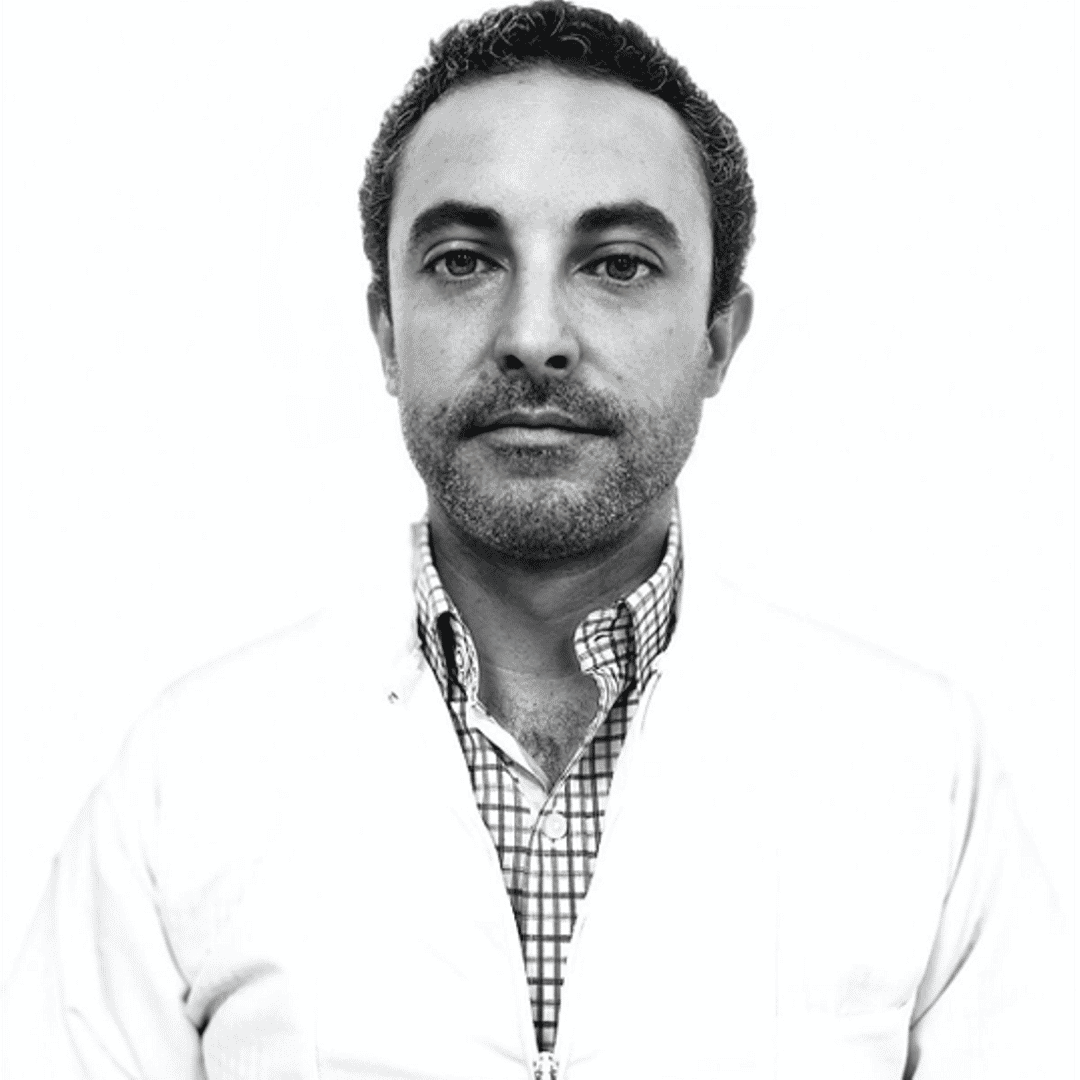
Dr. Jose Alejandro Robert Montenegro
Stem Health | Leading Stem Cell Clinic in Tijuana, Mexico
- Stem Cell Therapy
Tijuana, Mexico


Mexico has several medical-travel gateways, including Mexico City, Tijuana, Guadalajara, Monterrey, Cancún, and Puerto Vallarta. Choose the treatment centre first, then arrange travel around the medical plan. Patients from the United States and Canada may have shorter routes to some cities, while travellers from Latin America, Europe, and other regions may need connecting flights.
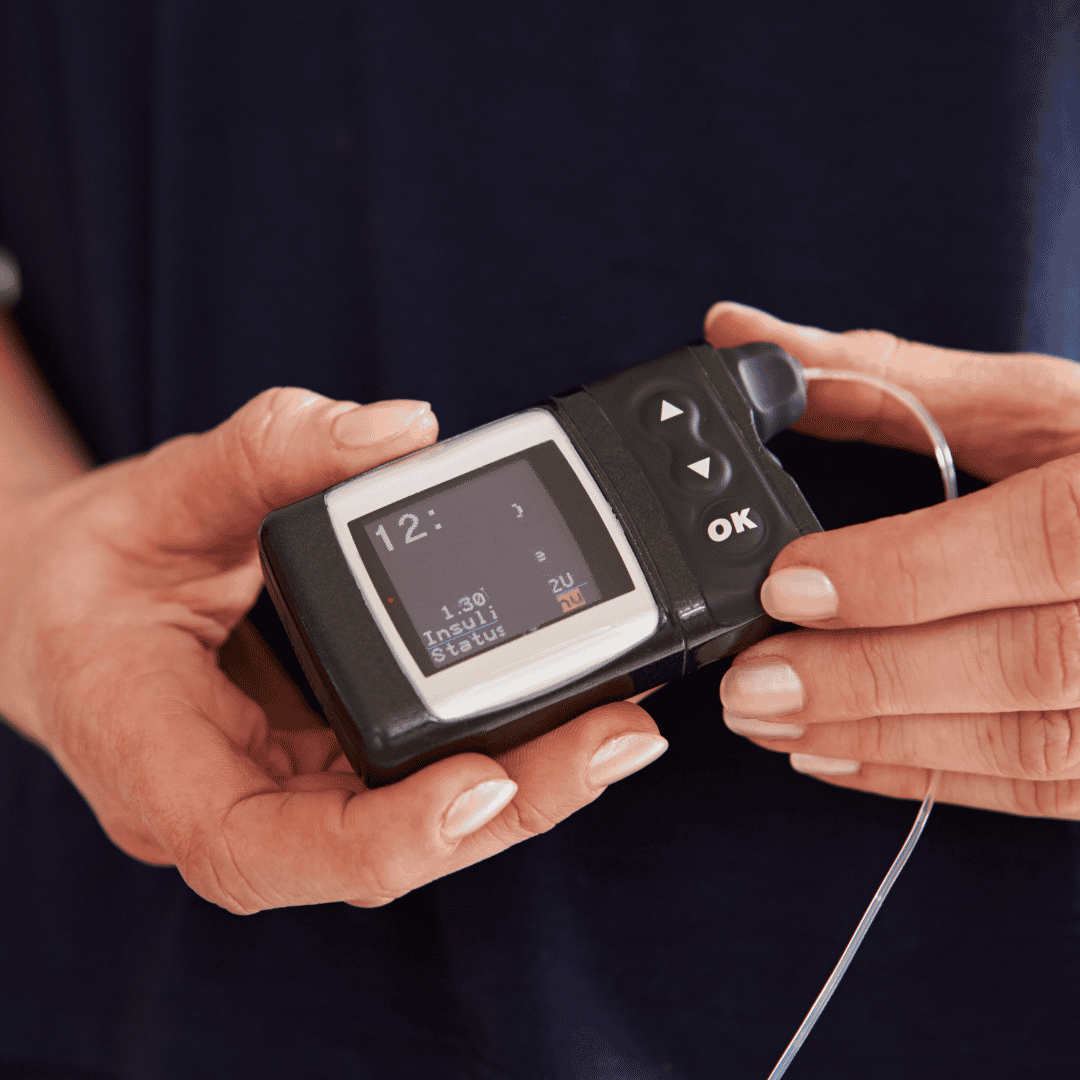
Diabetes does not take a holiday while you travel. Keep insulin, glucose-monitoring equipment, medicines, snacks, and emergency hypoglycemia treatment in your hand luggage. Travel with extra supplies, maintain your usual dose schedule unless your prescribing doctor advises otherwise, and ask the clinic how it will manage blood glucose during treatment days.
| Before You Travel | Why It Matters for Diabetes |
|---|---|
| Share complete diabetes records | Send your diabetes type, HbA1c, glucose data, medication list, insulin doses, allergies, complication history, and recent specialist notes for review. |
| Confirm glucose-management arrangements | Ask who will monitor your glucose, what happens if readings are high or low, and whether any medicine changes are proposed. |
| Carry supplies in hand luggage | Checked bags can be delayed. Keep insulin, pens, pumps, sensors, test strips, medicines, glucose treatment, and a prescription or medical letter with you. |
| Plan follow-up at home | Ask for a discharge summary, glucose-management instructions, treatment details, and an urgent contact process to share with your home diabetes team. |
Talk with your endocrinologist and, when needed, a travel-medicine clinician before departure. Check current passport, visa, airline, health, and government travel guidance for your nationality before booking.
Compare the Diabetes Care Plan Before You Choose
Request a written plan that identifies the diabetes type being assessed, the proposed intervention, endocrinology involvement, regulatory documents, glucose-monitoring approach, expected stay, follow-up, and complete costs. Share it with your usual diabetes clinician before arranging travel.
Medical disclaimer: This content is for general patient education and comparison only. It does not diagnose diabetes, recommend a clinic or doctor, establish that stem cell therapy is effective for diabetes, or replace advice from a licensed endocrinologist or healthcare professional. Do not stop insulin or prescribed diabetes medicines without medical guidance. Confirm medical details, risks, regulatory status, and all costs directly in writing before travelling.
.png)
.png)
.png)

.png)

.png)
-(8).png)
.png)
.jpg)









Share this listing